Getting a Care Labels Supplier Quote for ceramic studios should not feel like guessing in the dark. If your mugs, bowls, serving pieces, and gift sets are boxed, handled, washed, and sometimes resold through retail partners, the label has to keep working long after it leaves the bench.
From a packaging buyer’s angle, the real difference between a decent label and a useful one usually shows up in the details: adhesive strength, print method, finish, and the way the label is applied. A useful Care Labels Supplier Quote for ceramic studios reflects those details instead of hiding them inside one neat number.
Custom Logo Things works with packaging buyers who need labels that do more than look tidy on day one. A practical quote starts with a clear spec, a realistic budget, and a label format that fits the packing line rather than fighting it.
Why ceramic studios need care labels that survive handling, washing, and resale
Ceramic products live a rougher life than many people assume. A handmade mug might be wrapped, boxed, unpacked, washed, dried, restocked, gifted, and displayed on a shelf before it is ever used. That means a care label has to survive handling, light abrasion, and occasional moisture without turning fuzzy or peeling away.
For ceramic studios, labels do several jobs at once. They can carry washing guidance, handling cautions, brand identity, barcode data, batch information, or retail compliance text. They also help the packaging look intentional, which matters when the product is sold through boutiques, market stalls, online orders, or wholesale channels.
A generic label can look fine on a box, but it often fails where ceramic packaging needs more discipline. Paper labels may scuff too easily. Weak adhesive can lift on coated cartons or in colder storage conditions. Thin print can blur after rubbing against tissue, filler, or shipping sleeves. A proper Care Labels Supplier Quote for ceramic studios should account for all of that, not just the face price of the label.
Practical rule: if the product will be handled more than once, the label needs durable print and the right adhesive for the packaging surface, not only a neat design.
In practice, the best quote conversation starts with the end use. Is the label going on an outer shipping carton, a retail box, a hang tag, or a sewn textile wrap around the piece? Is the label mostly informational, or is it part of the premium presentation? Those answers change the material choice, the print process, and the cost structure.
If you are comparing options, a thoughtful care Labels Supplier Quote for ceramic studios should include the format, the adhesive or attachment method, the finish, and the order quantity. Otherwise, you are not really comparing the same product.
For buyers who want to keep their packaging system organized, it also helps to review related formats alongside labels and tags. Our Custom Labels & Tags page is a useful starting point if you are building a mixed packaging program for a ceramic line.
Care label formats and materials that fit ceramic products
Ceramic studios usually need one of three label styles: adhesive labels for boxes and sleeves, Hang Tags for Retail display, or sewn-in textile labels for wrapped and bundled pieces. Each one serves a slightly different purpose, and each one behaves differently on the production line.
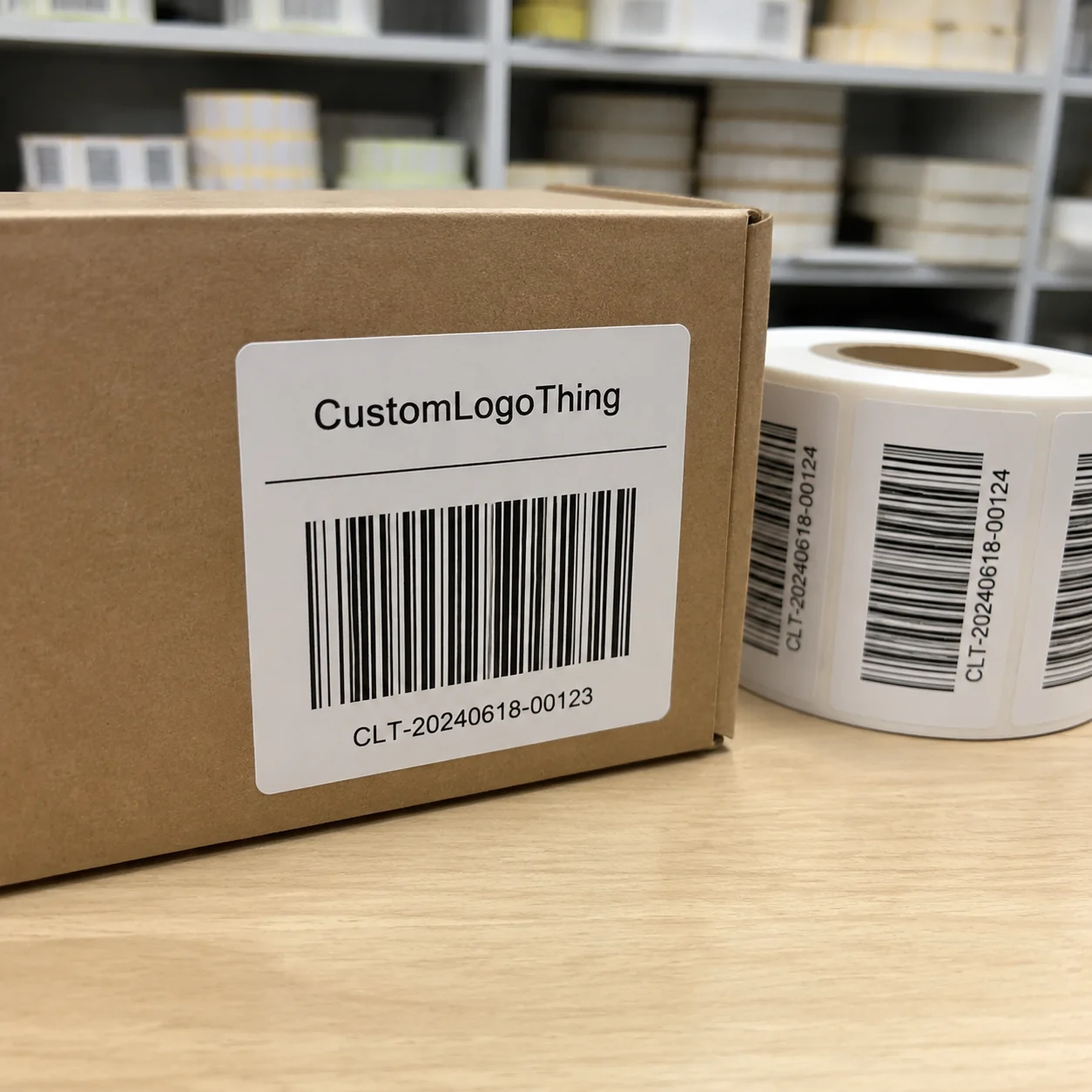
Adhesive labels are the most common for cartons, mailers, and protective sleeves. They can be printed on paper or synthetic film, die-cut into custom shapes, and supplied in rolls or sheets depending on how your team applies them. For small studio runs, roll labels often make packing faster if you are using a dispenser.
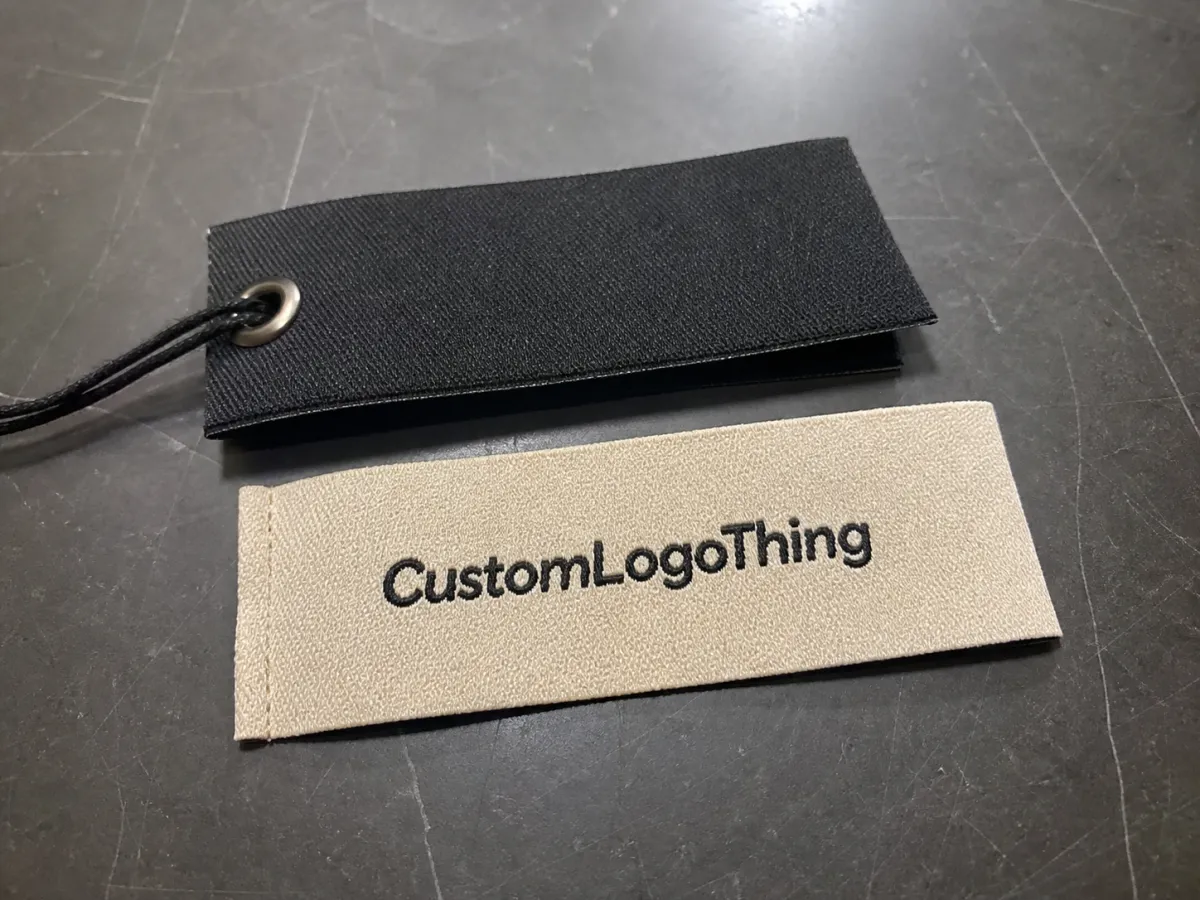
Hang tags work well when the ceramic piece is displayed in retail or artisan markets. They are easy to attach with string, cotton cord, or loop fasteners, and they give you more room for care instructions, brand story, and SKU data. They also keep the product information separate from the packaging, which is useful when the outer box is discarded.
Satin or woven sew-in labels are less common for ceramics themselves, but they make sense when the item is bundled with textile wraps, padded sleeves, or fabric gift sets. If your brand uses linen, cotton, or reusable wraps, the label can sit on the textile component and carry washing or care text in a softer presentation format.
| Format | Best use | Typical material | Durability | Common price impact |
|---|---|---|---|---|
| Adhesive label | Cartons, sleeves, mailers | Paper, PP, PET | Medium to high, depending on finish | Usually lowest to mid-range |
| Hang tag | Retail display, gifting | Coated paper, uncoated board | Medium | Mid-range, higher with special finishing |
| Satin or woven label | Fabric wraps, textile accessories | Satin, woven polyester | High for wash-related use | Often higher due to construction |
Material choice matters just as much as format. Paper labels are cost-effective and easy to print, but they are not the best fit if moisture, scuffing, or shelf wear is a concern. Coated paper improves print sharpness and gives a cleaner retail appearance, though it still has limits in abrasion resistance.
Synthetic films such as polypropylene and polyester tend to perform better where handling is heavier or moisture exposure is possible. They hold detail well, resist tearing, and often pair nicely with matte or gloss varnishes. For ceramic packaging, those films are often the better choice for mailing cartons, storage boxes, and repeat-use labels.
Print method also changes the result. Digital print is flexible for short runs and variable data. Thermal transfer is useful for crisp text and barcodes on durable stocks. Screen print can give solid coverage and strong color density, especially where the design uses limited colors and needs a more durable ink layer. The right method depends on your artwork, quantity, and the level of resistance you expect from the label.
Finish is another quiet but important detail. A matte finish usually improves readability under bright retail lighting. Gloss can make colors pop, but it may show scuffs more visibly. Lamination adds a layer of protection, and soft-touch can create a premium hand-feel for boutique packaging, though it is not always necessary for utility labels. If your quote does not ask about finish, it is probably not complete.
For a care labels supplier quote for ceramic studios, the material question is rarely “what is cheapest?” The more useful question is “what survives the way my product is packed, handled, and sold?”
Specification details buyers should confirm before requesting a quote
Most pricing delays happen because the buyer and supplier are not quoting the same thing. If you want a clean number for a care labels supplier quote for ceramic studios, gather the core specifications before you send the inquiry. That usually shortens the back-and-forth and removes the guesswork from the estimate.
Core spec fields to prepare
- Label size — for example 50 x 80 mm, 2 x 3 inches, or a custom die-cut shape.
- Material — paper, coated paper, PP, PET, satin, or woven polyester.
- Print colors — one-color black text, full color, or spot colors.
- Finish — matte, gloss, lamination, or soft-touch.
- Attachment method — adhesive, string tie, sew-in, or sleeve insert.
- Quantity — total run and any split quantities by design or SKU.
Artwork format matters more than many studios expect. Vector files such as AI, EPS, or PDF usually make production smoother because they preserve type clarity and line work. If the label includes small care icons, a barcode, or a QR code linking to washing instructions or product registration, the file has to be sharp enough for reliable scanning.
Text content should be complete before the quote is finalized. For ceramic products, that often includes washing guidance, dishwasher or hand-wash recommendations, temperature cautions, food-contact notes where applicable, and country-of-origin details if the retail channel requires them. If the label will be used on a wholesale order, the buyer may also want SKU fields or internal tracking space.
There is a practical compliance side to all of this. Packaging labels may need to align with retail policy, customer care expectations, and in some cases standards related to durability or transport performance. Buyers often reference packaging quality expectations and transport testing from organizations such as ISTA when they want to understand how labels and packaging survive real shipping conditions.
If your ceramic line is premium, delicate, or sold as a giftable item, ask for a sample or proof on the actual material. A label can look perfectly acceptable on screen and still disappoint in real life if the type is too small, the contrast is weak, or the finish reflects too much light. A proof helps catch those issues before you commit to the full run.
One detail that saves a lot of rework: tell the supplier how the label will be applied. Hand-applied labels, automated application, and sheet-fed packing all favor different formats. A solid care labels supplier quote for ceramic studios should respond to the application method, not ignore it.
Pricing, unit cost, and MOQ factors that change the final quote
There is no single price for ceramic care labels, because the cost depends on what is being made and how it is being produced. The biggest drivers are material choice, print complexity, finish, shape, and quantity. If any of those shift, the quote shifts with them.
As a practical range, simple paper labels for standard carton use may land around $0.03-$0.08 per unit on higher quantities, while synthetic film labels with custom die-cuts or protective finishes often move into the $0.08-$0.20 range or more, depending on the run size and print coverage. Hang tags and sewn textile labels usually price differently because the construction and finishing steps are more involved.
MOQ, or minimum order quantity, affects price in a very direct way. Lower quantities usually carry a higher unit cost because setup work is spread across fewer pieces. Larger runs generally improve pricing efficiency, especially if the studio is standardizing one label across several collections. For a maker with seasonal launches, that can make a meaningful difference over the year.
A transparent quote should show where the money is going. Look for these line items:
- Setup or prepress charge for artwork preparation and file checking
- Tooling or die-cut fee if a custom shape is needed
- Material cost based on paper, film, satin, or woven stock
- Print and finishing cost for inks, lamination, varnish, or special coatings
- Packaging and shipping depending on roll, sheet, or bulk pack format
If a supplier folds those costs into one vague number, it becomes hard to compare quotes honestly. A good care labels supplier quote for ceramic studios should separate the base label price from add-ons so the buyer can see what is optional and what is required.
One useful way to manage spend is to standardize a label size across multiple product lines. Another is to group orders by season instead of placing several tiny runs at different times. That usually improves efficiency without changing the visual identity of the packaging. For recurring studio orders, that matters more than chasing the lowest possible number on one line item.
From a materials perspective, some studios start with paper because it feels economical, then move to synthetic film after they notice the labels scuffing in storage or during fulfillment. That change is common, and it is not a failure. It simply means the packaging has outgrown the original spec.
For buyers comparing suppliers, an accurate care labels supplier quote for ceramic studios should state whether the price includes proofing, whether shipping is separate, and whether the quoted quantity is the same across every version. Small differences there can distort the true per-unit cost.
Process, proofing, and lead time from artwork to delivery
A well-run label order follows a predictable path: inquiry, specification review, quote approval, proofing, production, inspection, and shipping. The process sounds simple, but the quality of the first inquiry affects every step that follows.
During proofing, the supplier checks the file, verifies text placement, confirms cut lines, and prepares a visual or physical proof. This is the stage where small mistakes get caught: a barcode that is too close to the edge, a font that looks too thin, a wash instruction line that wraps awkwardly, or a finish that reduces contrast more than expected.
Typical lead times vary by material and method. A straightforward digital label order might move in 7-12 business days after proof approval, while more complex runs with custom dies, satin construction, or special finishing can take 12-18 business days or more. Add transit time on top of that, especially if the labels are shipping internationally.
Speed from the buyer side helps more than most people realize. If the artwork is final, the quantity is confirmed, and the application method is already decided, the quote and proof cycle often move much faster. If the design keeps changing after the estimate, the timeline stretches.
Ceramic studios planning for a market launch, wholesale restock, or holiday release should build in a buffer. Packaging delays have a habit of showing up right before a deadline, and labels are often one of the last items to be approved even though they affect the whole presentation.
Quality checks should not be skipped. A clean proof is not just about spelling. It is about readability, color contrast, cut accuracy, and whether the label will still make sense once it is affixed to a box, wrapped around tissue, or exposed to warehouse handling.
How our production setup supports repeat orders for ceramic studios
Repeat business in ceramics depends on consistency. If you reorder labels for the same mug line next month or next season, the size, color, and finish need to match what your customers already saw. That is why stable production controls matter so much for studio packaging.
We pay close attention to repeatability in color control, trim accuracy, and material sourcing. A label that is slightly off in shade or size may not seem dramatic in isolation, but for a premium retail brand, those variations can make the packaging look inconsistent across the shelf.
Small-batch makers also need flexibility. Some studios only need a few hundred labels for one collection, while others move into larger seasonal runs after a product proves itself in retail. A practical production setup should support both, without forcing the buyer into an oversized order just to get acceptable quality.
Mixed label programs are common. A ceramic brand may need one format for outer cartons, another for product inserts, and a third for retail presentation or care instructions. Coordinating those pieces under one packaging plan keeps the studio from juggling mismatched suppliers and helps every label speak the same visual language.
Clear communication matters just as much as the machines. If a material substitution is needed because a stock item is unavailable, the buyer should be told early. If the proof needs a small adjustment, that should be stated plainly. Buyers do not want surprises, and production teams do not benefit from them either.
For studios that are growing, the best supplier relationship is not built around one-time orders. It is built around repeatable specs, predictable pricing, and a supplier who understands how a ceramic product line evolves without losing its identity.
We also encourage buyers to look at broader packaging standards where relevant. Organizations such as The Packaging School and industry resources can be useful for staying familiar with material behavior, labeling practices, and packaging expectations across retail categories. When the studio knows the basics, the quote conversation becomes much more efficient.
Next steps to request an accurate care label quote today
If you want a precise care labels supplier quote for ceramic studios, send the supplier five essentials right away: dimensions, material preference, artwork file, quantity, and intended application method. That gives the estimating team enough information to return something usable instead of a placeholder number.
It also helps to add a short note about how the ceramics are packed, stored, sold, or shipped. A mug sold in a tissue-wrapped gift box has different label needs from a dish set packed for wholesale pallet shipment. The more the supplier understands the use case, the better the recommendation will be.
If the labels need to resist moisture, friction, or repeated handling, ask for a proof or sample before full production. That is especially useful for premium pieces, retail display packaging, and products that customers may wash or store soon after purchase.
When you compare suppliers, keep the spec set identical. Same size, same material, same quantity, same finish, same attachment method. Otherwise, one quote may look cheaper simply because it is based on a thinner stock or a different setup assumption.
For a faster response, send the spec sheet and artwork together. That saves time on both sides and usually leads to a cleaner estimate, a cleaner proof, and a final label that fits the studio’s packaging instead of forcing the packaging to fit the label.
If you are ready to move, Contact Us with your label details and artwork. We can help you narrow the format, check the print requirements, and return a quote that reflects the real production job, not just a rough guess. For ceramic studios, a well-prepared care labels supplier quote for ceramic studios is the fastest route to packaging that looks right, reads clearly, and holds up in use.
What should I include in a care labels supplier quote for ceramic studios?
Include size, material, print method, finish, quantity, adhesive or attachment type, and any care or compliance text. Add artwork files and packaging details so the supplier can price the job accurately.
Which label material is best for ceramic studio packaging?
For cartons and shipping packs, synthetic film or coated paper often works well. For premium presentation or sewn applications, satin or woven options can suit branded wraps and textile ties.
How does MOQ affect the price of ceramic care labels?
Lower quantities usually cost more per label because setup is spread across fewer pieces. Higher volumes often reduce unit cost and may justify standardizing one size across multiple products.
How long does it take to produce custom care labels for ceramics?
Timeline depends on material, print method, order size, and proof approval speed. Having final artwork and clear specifications ready can shorten the process significantly.
Can I order samples before placing a full label run?
Yes, sample or proof options are useful for checking text clarity, fit, finish, and durability. They are especially helpful for ceramic products that are handled, packed, or shipped in different ways.