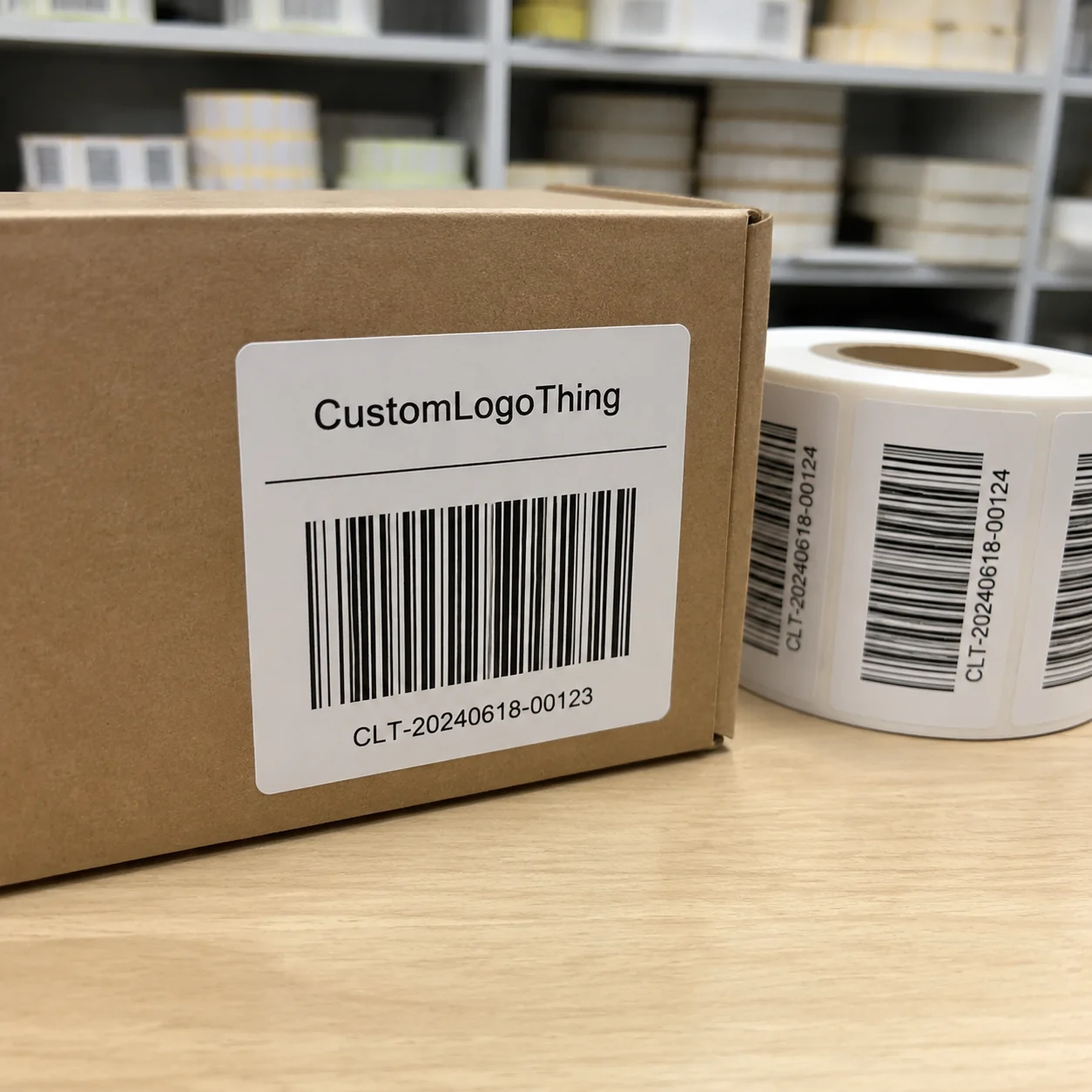
If you are comparing a woven Labels Supplier Quote for gift set brands, the headline price is only the first layer. A label that costs a few cents more can change how a box, pouch, or apparel bundle feels in hand. Buyers notice that shift faster than they notice a line item on a purchase order.
That is why a quote should work as a decision tool, not just a number. It needs to show whether the label supports presentation, brand recall, and margin without pushing the set into the wrong cost tier. For gift set programs, the difference between “acceptable” and “finished” often comes down to details such as weave density, fold style, and how the label sits inside the packaging.
Too many buyers compare one unit price against another and stop there. That can be misleading. Two labels with the same dimensions may behave very differently once they are sewn, folded, or photographed. A tighter weave can sharpen tiny text, while a looser construction may save money but flatten the logo. The right quote separates those variables instead of hiding them inside a single figure.
“The cheapest label is rarely the best value if it looks flat, frays early, or photographs poorly beside premium packaging.”
For brands building a coordinated set, woven labels also need to work alongside hang tags, inserts, tissue, and outer cartons. Many packaging teams review Custom Labels & Tags at the same time so the whole presentation feels intentional rather than assembled from unrelated parts.
Why a woven label quote can shift perceived value in gift sets
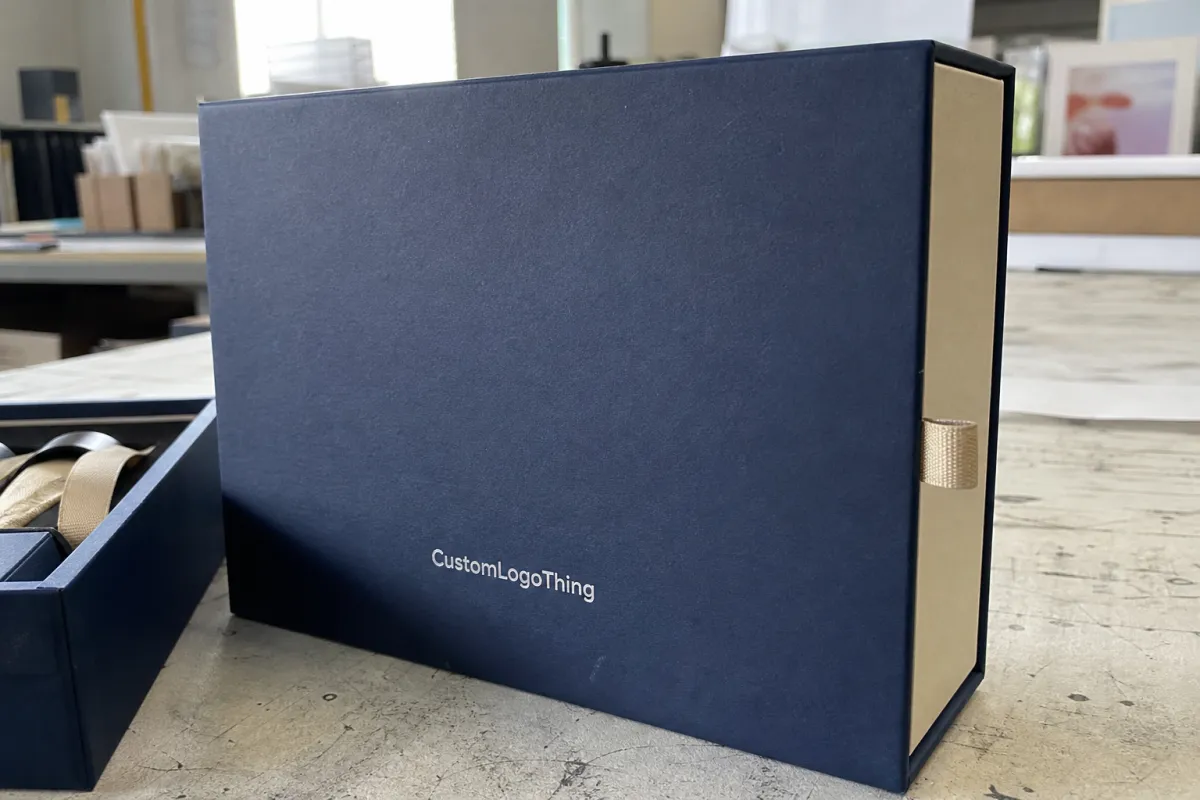
A woven label does more than identify a product. In a gift set, it becomes part of the reveal. Customers see it in ecommerce photography, during unboxing, and sometimes on the fabric item itself after the packaging is discarded. That gives a small component an outsized role.
In practical terms, a label that looks crisp and sits cleanly can lift the apparent quality of the entire set. The cost difference may be modest, but the presentation difference is not. A label that lies flat, keeps edges tidy, and reproduces small text clearly often does more for brand perception than a more expensive outer box with weak finishing.
Gift set brands face a slightly different problem from basic apparel brands. The label is not only a product marker; it has to work within a curated package. A scarf set, a candle-and-textile bundle, and a luxury loungewear kit all put different demands on the same component. One may need softness because it touches skin. Another may need stronger contrast because it will be seen through a clear sleeve. A third may only be visible for a few seconds during unboxing, which makes visual impact more important than wash durability.
That is why the wording in a quote matters. A flat “woven label price” is not enough. Buyers should expect itemized details: fabric type, weave density, finishing, fold style, and quantity breaks. If those are not included, it becomes difficult to tell whether the price reflects a basic commodity label or a label suited to premium packaging.
One useful way to think about the quote is as a trade-off between touch, image, and economics. The label has to look right in a product photo, feel appropriate in the hand, and stay within the cost envelope of the set. Miss one of those three and the packaging strategy starts to wobble.
Woven label constructions that fit gift set packaging
Not all woven labels read the same. Construction affects texture, clarity, and how the label behaves once it is attached. For gift sets, that matters because the label is often close to the customer’s first touchpoint and can be scrutinized more closely than a standard utility label.
Damask, satin, taffeta, and high-density options
Damask woven labels are the most common choice for premium branding. They offer a balanced combination of detail and smoothness, which makes them suitable for logos, fine lines, and small type. If the artwork includes a tagline or subtle symbol, damask usually gives the best result without moving the product into a luxury-only cost bracket.
Satin woven labels have a softer, more lustrous face. That finish can read as upscale, especially in gift packaging, though it depends on how the design is woven. Satin is often chosen for sets that lean toward elegance or softness in the overall visual language. The trade-off is that some artwork loses clarity if the weave is not dense enough.
Taffeta is typically the lower-cost option. It is practical and widely used, but the texture is less refined and the surface is not as smooth. For a brand trying to present a premium gift set, taffeta may work for internal labels or budget-sensitive SKUs, but it is less convincing as a visible front-of-pack detail.
High-density woven labels are worth considering when the design includes small text, thin lines, or multiple color blocks that need sharper separation. They are usually more expensive, but that cost can be justified if the label is part of the hero presentation. The improvement is easiest to see when you compare two samples side by side: the denser weave often gives edges more control and keeps lettering from blurring into the background.
The right construction depends on how the label is used. If it appears only once on the inside of a textile gift item, a standard damask may be enough. If it sits on the outside of a pouch or is visible in product photography, investing in a higher-density option can be the smarter commercial decision.
Fold styles and how they affect presentation
Fold style changes both the application method and the visual result. An end fold is useful when the label needs to be sewn into a seam or stitched at the edge. A center fold is common for neck labels because it creates a clean loop and hides the stitching point. Loop folds can suit ribbon-tied gifts or presentation pieces where the label hangs rather than lies flat. Straight cut labels are used when the design is meant to be stitched flat or added as a small insert-style element.
For gift sets, fold choice can change how the label photographs. A label that sits flat and centered often looks more premium than one that curls at the corners or twists under tension. That sounds minor until you compare two product photos and realize one looks orderly while the other looks improvised. Ecommerce magnifies those differences because shoppers see the package before they touch it.
Attachment methods that suit premium packaging
Sew-in labels remain the standard for apparel-based gift sets. They are durable, familiar, and less likely to shift during handling. For presentation-heavy sets, some brands ask about tag attachments, looped formats, or special backing applications that can be applied to tissue wraps, sleeves, or pouches. Those can work, but they need the right substrate and consistent handling conditions.
Packaging teams should also think about the way the label behaves after attachment. If stitching tension pulls the label out of alignment, the whole set can look less controlled. If a label is too stiff for the material it is sewn into, it may buckle. Small production problems like these rarely show up on a drawing. They show up in the packed sample.
Specifications buyers should confirm before requesting a quote
If the request is vague, the quote will be vague too. A supplier can only price what it can see, and missing information usually means extra revisions later. That slows down sampling, muddles comparisons, and makes it harder to judge whether one supplier is actually offering better value.
Start with the essentials: finished size, fold type, artwork file, background color, thread colors, and intended use. A 40 x 25 mm label for a scarf set is not the same as a label that needs to sit beside a care card in a candle-and-textile bundle. The more precise the application, the more specific the pricing should be.
- Finished size: for example, 40 x 25 mm, 50 x 30 mm, or a custom shape
- Construction: damask, satin, taffeta, or high-density woven
- Fold type: end fold, center fold, straight cut, or loop fold
- Thread colors: Pantone references help, but physical packaging references are better
- Quantity: per SKU or total run, depending on how the gift set is managed
- Attachment method: sew-in, tag attach, loop, or another application-specific format
Several quality points deserve attention before sampling starts. Softness matters if the label touches skin. Edge fray resistance matters if the label is visible on the outside of a pouch. If the product inside the gift set is wearable, ask about wash durability and colorfastness rather than assuming the label will hold up. For regulated products, confirm whether fiber content, country of origin, or care information must appear on the label and whether that information needs to be in a specific location.
Artwork format also affects quote accuracy. Vector files such as AI, EPS, or editable PDF give the cleanest results because they preserve line quality and allow the weave to be planned properly. A low-resolution JPEG can be enough for a rough estimate, but it is not ideal for production. Tiny text is another common issue. If the logo includes lettering that is too small for the selected weave, the supplier should flag that before pricing rather than after approval.
Samples should be defined clearly as well. Some suppliers provide a digital proof only. Others can create a physical sample or pre-production sample, which takes longer and may cost extra. Those distinctions matter in gift set launches, where the timeline is often tied to retail windows or seasonal promotions. A buyer who assumes every “sample” is the same often loses a week to preventable confusion.
For teams that want a broader view of packaging performance, the Case Studies page can help frame how finished packaging details typically perform across real launch programs.
Woven label supplier quote: cost, MOQ, and unit economics
A serious woven Labels Supplier Quote for gift set brands should break down the cost drivers instead of burying them in one final number. Expect to see setup or digitizing charges, label size, thread count, number of colors, fold type, finishing, packaging, and freight. In some cases there is a separate sample fee. In others, it is included. The point is not whether a fee exists; the point is whether the quote explains it clearly.
MOQ affects the economics more than many buyers expect. Lower quantities reduce risk for limited runs, seasonal sets, and test SKUs. Higher quantities lower the unit cost because the setup is spread over more pieces. That matters when the gift set only sells for a short period or when the brand is still testing market response.
| Quote type | Typical MOQ | Common unit price range | Best fit |
|---|---|---|---|
| Basic woven label | 1,000-3,000 pcs | $0.08-$0.16 | Simple logos, fewer colors, standard folds |
| Premium damask label | 3,000-5,000 pcs | $0.12-$0.24 | Gift sets needing sharper detail and cleaner presentation |
| High-density / specialty finish | 5,000+ pcs | $0.18-$0.35 | Luxury packaging, detailed artwork, premium fabric bundles |
These figures are directional, not universal. Artwork complexity, number of colors, finishing method, shipping destination, and order timing can move the price quickly. Still, the ranges are useful as a sanity check. If a quote falls far outside them, ask what is driving the difference.
The more useful math is landed cost per finished gift set, not unit cost per label. A difference of five cents may look small on paper. On a 10,000-unit run, it becomes $500 before freight is considered. That can be acceptable if the label improves shelf appeal or unboxing quality. It can also be too much if the SKU sits in a narrow margin band. The answer depends on retail price, reorder frequency, and whether the label is used across multiple styles or only a single hero product.
A practical way to evaluate the numbers:
- Estimate label cost per finished gift set.
- Multiply by projected volume and add freight.
- Compare the total against the price premium the packaging can support.
- Decide whether a premium label is needed for every SKU or only the lead items.
That process keeps the discussion grounded in actual unit economics. It also reduces the risk of paying for a fancy finish that disappears once the product is packed and photographed.
Production steps and timeline from artwork to delivery
The production flow is usually predictable if the input is clean. A typical order moves through inquiry, artwork review, quote confirmation, digital proof, sample approval if needed, production, finishing, packing, and shipment. Each stage has a delay risk, but the biggest problems usually come from late changes rather than from the manufacturing itself.
Artwork revisions are the most common time sink. Quantity changes can also trigger recalculation, and fold adjustments may require a new proof. Seasonal congestion adds another layer of pressure, especially for gift sets tied to holidays, retail resets, or press launches. A supplier can only move as quickly as the least stable input.
Standard production often takes about 12-15 business days after proof approval. Larger runs, specialty finishes, or physical sampling can extend that window. Rush orders are sometimes possible, but they usually come with higher cost and fewer options for revision. If a launch date is fixed, ask for a realistic schedule rather than the fastest possible estimate.
Good preparation shortens the timeline. Send final vector artwork, exact dimensions, and quantities on the first pass. If the label needs to match a box, pouch, ribbon, or insert card, include a reference sample or Pantone callout. Clear briefs reduce back-and-forth and make it easier for the supplier to catch issues before production begins.
It also helps to plan a modest buffer of finished labels. Gift set launches can move quickly, and unexpected reorder demand is common once a product starts selling. Running short on labels can interrupt repacks or delay replenishment. A small reserve prevents that problem and gives the team more flexibility if pack-out changes after launch.
For shipping and handling context, standards from organizations such as ISTA can be helpful when labels are packed with fragile gift components. The point is not just print quality. It is whether the packaged components survive handling in the condition they were approved in.
What to check in a woven label partner for premium gift packaging
Not every label supplier is suited to gift set work. Commodity suppliers may handle straightforward repeat orders well, but premium packaging requires more discipline around consistency, proofing, and finish control. That difference becomes obvious when the first reorder needs to match the approved sample.
Consistency is the first check. Can the supplier repeat the same weave quality, color balance, and finishing standard on reorder? If not, the brand experience changes from batch to batch. Shoppers notice subtle differences more than suppliers sometimes expect, especially on premium goods where the packaging is part of the perceived value.
Communication is the second check. A useful quote states unit pricing, MOQ, proofing steps, and lead time plainly. If the language is vague before the order is placed, it usually becomes less clear later. That is a warning sign, not a small annoyance.
Documentation matters as well. Artwork approvals, spec sheets, and sample records reduce expensive mistakes. If no one can verify which version was approved, the chance of a mismatch increases. That risk is especially costly when the woven label has to coordinate with a sleeve, ribbon, or insert card that was printed separately.
It helps to ask whether the supplier thinks in systems rather than isolated parts. A good partner knows when a flat label will sit better than a folded one, when a satin finish photographs better than a matte texture, and when a lower-density weave is enough because the label will only be seen briefly. Those are practical judgments, not sales talk.
Sustainability coordination is increasingly relevant too. If a brand wants to reduce packaging waste or align paper components with FSC-linked standards, the supplier should be able to work with those requirements without creating material conflicts. For reference on paper and forestry standards, see FSC.
The cheapest partner is not always the right one. The better choice is often the supplier that can maintain presentation quality, hold the approved spec, and avoid rework that erodes both time and margin.
How to request an accurate woven label quote
If the goal is a reliable woven labels Supplier Quote for Gift Set brands, gather the key inputs before sending the request. Complete information usually leads to a cleaner quote, fewer revisions, and a better chance of getting a number that reflects the real job.
- Final artwork in vector format
- Finished label size and fold type
- Thread colors and background color references li>Quantity totals and any SKU split
- Attachment method and intended product mix
- Shipping destination and required delivery date
- Reorder expectations if the label will be used again
For strategic launches, ask for two versions of the quote: one at the target MOQ and one at a larger run. That comparison makes the trade-off visible. Sometimes the higher quantity is the stronger commercial choice because it lowers the unit cost enough to justify the extra inventory. Sometimes it only makes sense if the brand already has confirmed demand.
If the label will sit beside a luxury box, pouch, or apparel bundle, request a pre-production proof or sample. That extra step can prevent unpleasant surprises in scale, color, or texture. For gift sets, those details are not minor. They are the difference between a package that feels assembled and one that feels considered.
Also confirm whether the quote includes packing, shipping, and any special handling. Freight can change the landed cost quickly, especially on lower-MOQ orders where the shipping share is relatively large. A quote that looks attractive on unit price may not be the strongest option once all costs are included.
Custom Logo Things works best when the specification is complete and the timeline is realistic. Send the artwork, final dimensions, and quantity together, and the supplier can respond with a precise price and schedule instead of a chain of follow-up questions. That is the most efficient path to a dependable woven Labels Supplier Quote for gift set brands and a packaging result that stays on-brand from first sample to final shipment.
What do I need to request a woven labels supplier quote for gift set brands?
Send the finished label size, fold type, artwork, quantity, and intended use inside the gift set. Include any requirements for softness, durability, branding, or compliance so the quote reflects actual production needs.
How does MOQ affect a woven label quote for gift set brands?
Lower MOQs usually raise the unit price because setup costs are spread across fewer labels. Higher quantities improve unit economics, which matters when labels are used across multiple gift set SKUs.
Can woven labels be matched to premium gift packaging colors?
Yes, but color matching depends on thread availability, weave density, and proof approval. Provide Pantone references or physical packaging samples for the closest match.
What is the usual turnaround time for custom woven labels?
Turnaround depends on artwork approval, quantity, and whether samples are required first. Submitting final specs early usually shortens the production timeline and avoids revision delays.
How do I compare two woven label quotes for a gift set launch?
Compare setup fees, unit cost, MOQ, proofing, shipping, and lead time—not just the headline price. Choose the quote that best fits launch timing, margin goals, and packaging quality expectations.