At a farmers market, a label has only a few seconds to do the work of a salesperson. A shopper lifts a handmade apron, checks the seams, asks what the fabric is, wonders how to wash it, and decides whether the price feels justified. That is why a care labels supplier quote for Farmers Market Sellers is more than a pricing request. It is part of product presentation, product protection, and buyer confidence all at once.
For small-batch apparel, sewn goods, accessories, and textile-based gifts, a well-planned care label reduces hesitation and helps the item feel finished. It can also cut down on questions after the sale. If a buyer gets home and cannot remember how to wash, dry, or iron the item, the missing information often turns into friction that could have been avoided with a better label.
The goal is straightforward: get a quote that fits small quantities, readable print, durable materials, and realistic packaging without tying up cash in inventory you do not need. For market sellers, the sweet spot is usually somewhere between low-risk test runs and enough volume to keep the price per piece under control.
Why care labels matter for market sellers
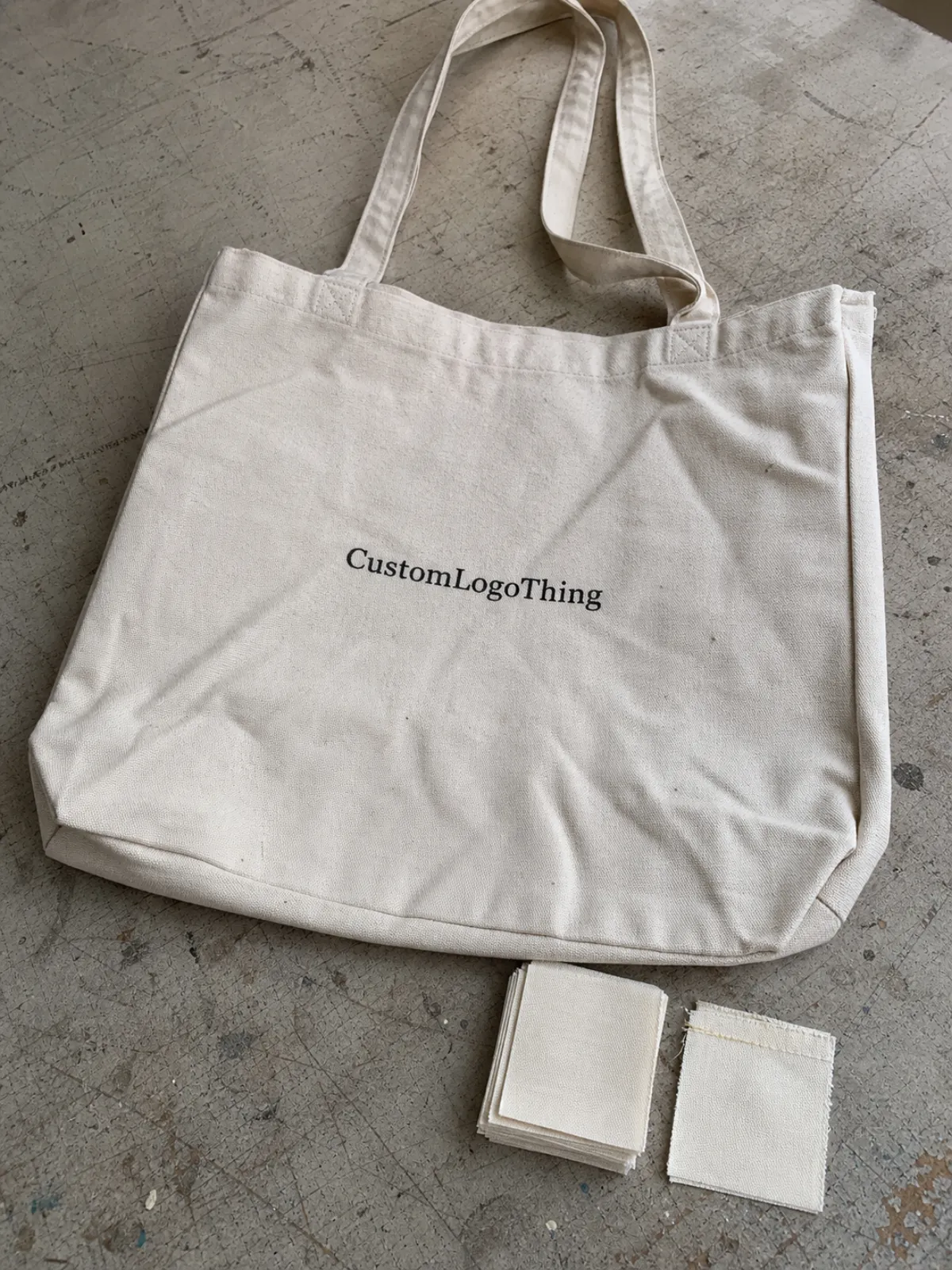
When you sell one item at a time, every piece has to stand on its own. There is no retail shelf talker, no store associate, and usually no second chance to explain what the product is made from or how it should be handled. A care label becomes the most compact form of post-sale support you can build into the item.
For apparel, bibs, tote bags, quilts, children’s goods, and similar products, a clear label answers the basic questions immediately: fiber content, washing instructions, drying limits, ironing guidance, and any warnings about bleach or heat. In some categories, country of origin may also be required. That information is useful to the buyer, but it also signals that the maker treated the product as a finished item, not just a craft project.
Many small sellers underestimate how much confidence a clean label creates. A neatly printed sewn-in tag or a heat-transfer label with readable care text makes a handmade item feel more complete. It tells the customer the product was designed to be used, washed, and kept.
A good care label does two jobs at once: it helps the buyer after the sale, and it improves the way the product is perceived before the sale.
There is also a compliance side to this. Depending on the product category and the market you sell in, textile labeling rules may apply. Even where enforcement is loose, buyers still expect the basics. A reliable care Labels Supplier Quote for farmers market sellers should reflect that reality. You need labels that are small-run friendly, easy to read, and appropriate for the actual fabric and finish, not a generic solution that only looks right in a mockup.
It helps to think of care labels as part of the structure of the product. If the label fails, the whole item feels less considered. If the label is right, the rest of the piece usually feels more credible too.
What a market-ready care label should include
The strongest care labels are short, clear, and built around the item they are going into. The core information most buyers need is simple: fiber content, washing instructions, drying instructions, ironing guidance, bleach warnings, and, where applicable, country of origin. For fabric-based goods, that is the foundation that keeps the label useful after market day is over.
Optional details can help, especially for smaller makers who want the label to support both care and branding. A brand name, website, social handle, SKU, product line name, or a short handmade note can fit if the label size allows it. The main risk is crowding the text so tightly that nobody can read it once the item has been used a few times.
Readability is the difference between a label that gets used and one that gets ignored. Good contrast matters. Font size matters too. If the text is tiny, script-heavy, or packed edge to edge, buyers will miss it. I usually recommend thinking about how the label will look after the first wash, not just how it looks fresh off the roll.
Common formats for small-batch sellers include:
- Sew-in satin labels for a soft finish on clothing and accessories
- Cotton labels for a more natural look, especially on handmade goods
- Polyester labels for sharper print and stronger wash resistance
- Printed ribbon labels for flexible branding and care text
- Heat-transfer labels for a tag-free feel inside garments
- Folded end labels for seam-friendly placement and neat presentation
One practical choice is whether to combine brand and care information on a single label or split them into two. If seam space is tight, one combined label is often the better answer. If the brand story matters and there is enough room, separating a brand tag from a care tag can keep the text cleaner and easier to scan.
For product lines that change seasonally, a consistent label system saves time later. The more standardized the format, the easier reordering becomes when market season picks up and you need more stock without redesigning everything.
Seller-friendly label specs usually start with a few non-negotiables: finished size, fold type, quantity per SKU, color count, ink color, and packing format. If you are ordering multiple product lines, list each one clearly. A 1,000-piece run with one design is not the same as five 200-piece variations, and the quote should reflect that.
Materials, print methods, and attachment specs that hold up
The best label material depends on the product, the wash cycle, and the feel you want inside the item. Satin is popular because it feels smooth against skin. Taffeta is a bit crisper and often cost-effective for utility labels. Cotton has a natural appearance that fits handmade aesthetics, though it may not stay as sharp after repeated washes as a high-grade polyester construction.
Polyester labels are usually the practical choice when durability matters most. They hold print well, stay legible, and work for care information that has to survive repeated laundering. For buyers who want a soft interior and no visible tag, heat-transfer labels can be a strong option, especially on garments where the label should not interrupt the wear experience.
Print method matters just as much as base material. Thermal transfer works well for fine text and is often chosen for small batches that need clean readability. Woven labels give a premium look and handle branding well, but they are not always the best choice for dense care text. Screen print can be efficient for simpler layouts. Digital print helps when you need more colors or a detailed layout, though not every supplier recommends it for every textile application.
Attachment style affects both usability and production cost. The common choices are:
- Sew-in centerfold for garments with a clear back-neck or side-seam placement
- Endfold for clean seam insertion and a more finished edge
- Loop fold when the label needs to hang or show branding on both sides
- Iron-on for certain soft goods and craft items
- Adhesive temporary labels for short-term identification or packaging use
- Cut-and-seal for specialty pieces with limited sewing space
For buyers requesting a Care Labels Supplier Quote for farmers market sellers, the material decision usually comes down to the product’s use pattern. Lightweight garments, children’s items, and anything washed often need better wash resistance. Decorative items or products with limited laundering may allow for softer or lower-cost options.
Thin knits, textured linens, and lightweight woven cottons can react differently to stitching and heat. That makes the product type a critical input in the quote process. The right recommendation is not just about price; it is about whether the label will sit properly inside the item and stay readable after use.
Here is a simple comparison many sellers use when narrowing down options:
| Label type | Best use | Typical strengths | Relative cost |
|---|---|---|---|
| Satin sew-in | Clothing, soft accessories | Soft hand feel, good branding | Low to moderate |
| Polyester printed | Care text that must last | Strong wash durability, crisp text | Low to moderate |
| Woven | Premium brand identity | Good look and feel, lasting finish | Moderate |
| Heat-transfer | Tag-free garments | Comfort, clean interior | Moderate |
| Cotton printed | Natural handmade products | Authentic appearance, soft texture | Moderate |
Before you approve a spec, confirm the label size in millimeters or inches, the exact fold, the color count, and the attachment method. That prevents a lot of back-and-forth later. If you need help deciding between formats, a supplier should be able to explain the tradeoff between feel, durability, and cost instead of pushing one generic option.
For broader packaging support for textile goods, our Custom Labels & Tags page is a useful place to compare formats before requesting pricing.
Care labels supplier quote: cost, MOQ, and unit pricing
Price is usually driven by a handful of variables: material choice, print method, label size, color count, finishing style, and whether the job is one design or multiple SKUs. Two quotes that look close at first glance can land very differently once setup fees, freight, and packaging are included.
For many market sellers, MOQ is the real decision point. Woven labels often require a higher minimum than printed care labels, while heat-transfer options can sometimes support smaller runs depending on the supplier’s process. If you are testing a new product line, flexible mixed-run ordering can be a practical advantage because it keeps you from committing too much inventory before you know what sells.
A serious quote should show more than a unit price. Ask for the full breakdown:
- Unit cost
- Setup, plate, or file fees, if any
- Packaging charges
- Shipping or freight
- Rush production premium, if needed
Here is a realistic pricing frame for small-batch care labels. Exact numbers vary by spec, supplier process, and volume, but the ranges are useful for comparison:
| Order profile | Typical MOQ | Estimated unit range | Notes |
|---|---|---|---|
| Printed polyester care labels | 500-1,000 pcs | $0.08-$0.22 | Good for readable care text and repeat orders |
| Satin sew-in labels | 500-1,000 pcs | $0.10-$0.25 | Soft finish, common for handmade apparel |
| Woven labels | 1,000-3,000 pcs | $0.12-$0.30 | Higher perceived value, often higher setup |
| Heat-transfer labels | 100-500 pcs | $0.18-$0.45 | Useful for tag-free garments and small batches |
Those numbers are not universal, and they should not be treated like a promise. Print coverage, artwork complexity, material grade, and the number of versions can shift pricing quickly. Still, they provide a useful frame when reviewing a Care Labels Supplier Quote for farmers market sellers.
Compare true landed cost, not just the lowest unit price. If a cheaper quote carries high freight, weak proofreading support, or a larger-than-needed MOQ, it may cost more in the end. That is especially true for seasonal sellers who cannot afford dead stock sitting in a drawer until next year’s market schedule.
Higher quantities do lower unit cost in many cases, but the right MOQ should match your sell-through rate. If you only move 300 units of a product in a season, ordering 5,000 labels may feel efficient on paper and awkward in practice. For small-batch businesses, inventory discipline matters as much as the sticker price.
If you need help sizing a run or narrowing down the right material, our Contact Us page is the fastest way to request a tailored quote based on your actual product mix.
Production steps, lead time, and approval checkpoints
Most label orders follow the same basic path: inquiry, spec review, artwork check, digital proof, approval, production, inspection, and shipment. The sequence sounds simple, but each stage matters. A clear first inquiry saves time later because the supplier does not have to chase missing dimensions, unclear care text, or incomplete logo files.
Lead time depends on a few practical factors. Complex artwork takes longer to check. Specialty folds take more setup. Certain materials may have stock limits. Larger quantities naturally take longer to run. Custom color matching can also add time if the supplier needs to dial in the right shade or thread combination.
If you want faster turnaround, send a complete request. Include finished label size, exact care text, logo files in a usable format, quantity by SKU, preferred attachment method, and any special finish notes. When all of that arrives together, quoting gets cleaner and production can start sooner after approval.
Approval should not be rushed. Before production begins, verify:
- Spelling and punctuation
- Care symbols and washing language
- Size and fold orientation
- Brand name and website
- Any shrinkage or heat notes
For small sellers, a mistake in the proof is not just annoying; it can mean rework, delay, and extra cost. That is why it helps to check the proof on screen and, if possible, print it to scale to judge readability. Tiny text often looks acceptable on a monitor and then turns out too dense once it is on a real woven or printed label.
Shipping and receiving should also be planned around your market calendar. If you are launching a seasonal line or building stock before a craft fair, leave enough cushion for delivery, inspection, and any needed corrections. The smartest buyers build label timing into the product launch schedule instead of treating it as a last-minute add-on.
What experienced sellers look for in a label partner
Experienced sellers usually care less about sales language and more about whether the supplier can execute consistently. They want the same color, same text sharpness, same fold, and same quality every time they reorder. That consistency matters more than flashy claims because it keeps the product line stable across multiple market weekends and multiple production runs.
Responsive quoting is another sign of a good partner. Farmers market sellers often test new items quickly. One month it is aprons. The next it is baby accessories or tote bags. If the quote process drags, momentum disappears. A supplier that answers clearly and helps narrow the spec early makes it easier to move from idea to inventory without wasting time.
Good support also shows up in the small things: checking files for legibility, suggesting a softer material for a neck label, pointing out that a dense care statement may need a larger size, or recommending a different fold when seam room is limited. That kind of practical help prevents problems later.
Quality control should be visible in the finished goods. Watch for frayed edges, weak adhesive, ink that smears, or labels that become unreadable after washing. If you have seen a label peel, bleed, or curl after the first laundry cycle, you know how quickly it damages the product’s perceived value. Buyers notice those details immediately, even when they do not say so out loud.
Small-batch sellers do best with a label partner that can repeat the same result, not just produce one decent sample.
That is the real value behind a thoughtful Care Labels Supplier Quote for farmers market sellers. It is not only about finding the cheapest number. It is about finding a production partner that understands small inventory cycles, seasonal demand, and the need to keep orders simple and repeatable.
For buyers who want extra confidence in a broader textile packaging system, references such as ISTA for transport testing and FSC for responsibly sourced paper components can help frame material expectations when labels are part of a larger packaging setup.
How to request a quote and move into production
Before you request pricing, gather the essentials: exact label text, logo file, preferred size, quantity, product type, and attachment method. If you can also share a photo of the garment or product construction, that helps the supplier recommend a label style that fits the seam, hem, or edge finish instead of guessing.
Ask for a proof, a clear cost breakdown, and the expected lead time before you approve anything. That one habit prevents most avoidable label problems. It also gives you a fair basis for comparing suppliers when you are looking at multiple options for the same product line.
For a first run, order a small but realistic quantity. Not the minimum just because it is available, and not a huge oversupply just because the unit cost drops. Use actual sell-through data from your market table to decide what to reorder next time. That gives you a better picture of what your customers are really buying.
If you are comparing material options or expanding into a broader tag system, the right supplier should make that process easier, not more complicated. A thoughtful quote should reflect your inventory pace, fabric type, and branding goals in one clean proposal. A generic spreadsheet with a unit price is not enough.
When you are ready to move ahead, send a complete request, ask the practical questions, and make sure the quote matches the real product line rather than a template. That is the fastest path to labels that look right, wash right, and fit the way you actually sell.
FAQs
What should I include when requesting a care labels supplier quote for farmers market sellers?
Include the exact care text, logo file, label size, quantity, product type, and preferred fold or attachment method. It also helps to mention any special needs such as washable materials, a soft hand feel, or space for brand information. The more complete the request, the cleaner the quote.
What label type is best for handmade clothing sold at farmers markets?
Satin and cotton sew-in labels are common for soft garments, while heat-transfer labels work well if you want a tag-free feel inside the item. The best choice depends on the fabric, the wash durability you need, and how much seam space is available.
How does MOQ affect a care label quote for a small market seller?
Higher MOQ usually lowers the unit cost, but smaller sellers should avoid overordering labels that may change with product updates. Flexible MOQ is useful when testing new styles, seasonal collections, or limited-batch inventory.
How long does production usually take after approval?
Lead time depends on material, print method, order size, and how quickly the proof is approved. Once artwork is approved, simpler printed labels often move faster than woven or specialty formats, though exact timing varies by specification and production load.
Can care labels include both washing instructions and branding?
Yes, many small sellers combine care instructions, fiber content, and brand details in one label when space allows. If the label becomes too crowded, separating branding and care information usually improves readability and keeps the item looking cleaner.