Care Labels Unit Cost for Coffee: Order with Confidence
care Labels Unit Cost for coffee usually shifts more because of size, adhesive, and application method than because of ink coverage. A label that looks simple on screen can become a very different quote once the spec includes variable roast dates, bilingual copy, a writable panel, or a tight placement zone on a bag.
For coffee buyers, the real number is not the headline price on the quote. It is the repeatable unit cost, the MOQ that fits the roast schedule, and the way the label behaves after handling, shipping, and shelf display. A clear spec sheet and a realistic approval process do more to control cost than chasing the lowest first offer.
A low quote only matters if the label arrives ready to run, sticks to the pouch, and stays legible after the bag has been handled a few times. Anything else gets expensive later.
Why coffee brands lock label costs before the roast date lands
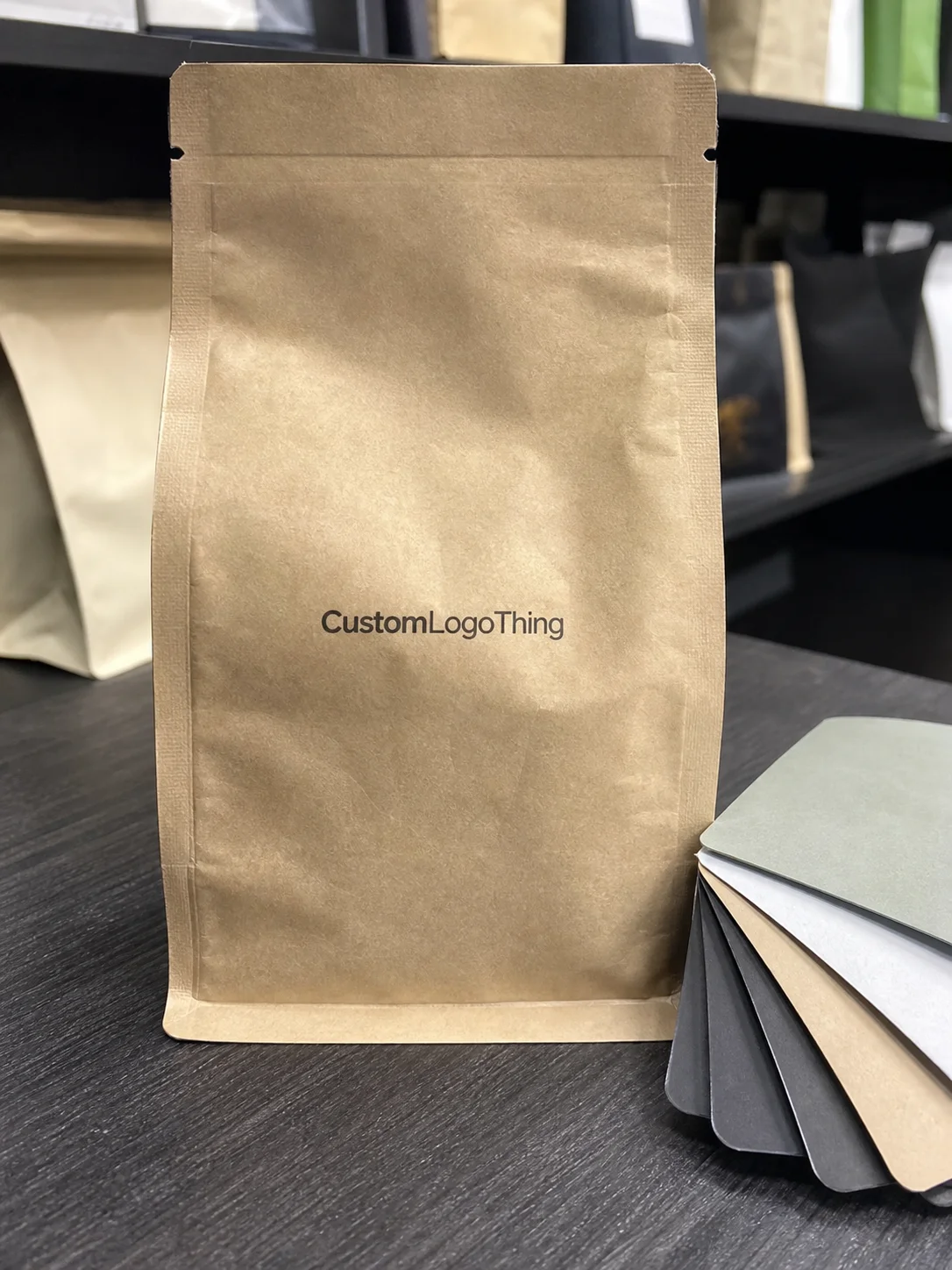
Coffee care labels do more than carry a logo. They hold roast date, origin, storage guidance, recycling information, and sometimes a small care panel that tells the buyer how to keep the coffee fresh after opening. Once that copy is final, pricing becomes easier to control. Once it keeps changing, the quote changes with it.
That is why the label should be priced alongside the bag, valve, and fill-line process instead of being treated as a leftover detail. A label that has to survive a chilled warehouse, a rough carton ride, or a high-speed hand-applied packing line is a different job from a simple front sticker. The surface, the adhesive, and the placement zone all affect the finished cost per piece.
Buyers also run into avoidable rework when the care panel is not locked early. If the panel needs a second language, an extra compliance line, or a tighter fit around the artwork, the label may need a different die, a wider proofing loop, or a stronger adhesive. None of that is dramatic, but all of it moves the price.
The safest approach is to treat the label as part of the packaging system, not as a standalone print job. That keeps reorder planning cleaner and usually cuts down on last-minute file changes.
What a coffee care label spec sheet should include
A strong spec sheet lowers cost because it removes guesswork from quoting. If a supplier has to estimate the size, orientation, or material, they protect themselves with wider pricing. If the spec is clear, the quote usually tightens up.
Start with the physical details. Give the exact label width and height, corner style, and whether the label will run landscape or portrait on the pack. A small size change can change how many labels fit on a roll, which affects waste, tooling, and the final unit cost. Include the placement zone too, since a front-panel label and a rear care panel often need different shapes or adhesive strength.
Then define the surface. Kraft paper, coated film, matte laminate, and textured pouches all react differently to adhesive. Some surfaces need a permanent bond. Others benefit from a lower-tack solution if the label is used as a temporary care insert or promotional seal. Soft-touch finishes deserve extra attention because the adhesive test matters more there than people expect.
Finish and data requirements matter just as much. Static copy only? Variable roast date, lot code, or origin? Writable area for batch marking? Matte for a more natural look, or gloss for higher contrast? These details shape the print method, the finishing process, and the risk of reprint.
- Dimensions: exact width, height, and corner radius.
- Orientation: roll direction, label facing, and application method.
- Surface: kraft, coated film, paper pouch, or textured stock.
- Data: static copy, variable date coding, or lot tracking.
- Finish: matte, gloss, writable zone, or scuff resistance.
- Roll specs: core size, unwind direction, gap, and sensing marks if machine application is involved.
For reorder-friendly packaging, many brands pair the label spec with Custom Labels & Tags that match the bag format instead of forcing one generic label across every SKU. That keeps production cleaner and the quote easier to defend later.
Care Labels Unit Cost for Coffee: Material, MOQ, and Print Method
This is where the quote settles. Care Labels Unit Cost for coffee depends on a stack of choices that are easy to overlook if you only compare the headline number. Substrate, adhesive, print method, number of colors, finishing, and whether the labels ship on rolls or sheets all matter. So do tooling fees and setup charges.
For smaller runs, digital printing usually makes sense because setup is lighter and artwork changes are easier to absorb. For larger, repeatable orders with stable art, flexographic printing can bring the cost per piece down. The break point depends on label size, color count, coverage, and how often the artwork will repeat. In practice, the right answer is the one that fits your volume and reorder pattern, not the one that simply sounds cheapest.
MOQ matters because setup is spread differently across the run. A 1,000-piece order may carry a much higher unit cost than a 10,000-piece order even if the label looks identical. That does not automatically mean the short run is overpriced. It means the fixed work behind it is being recovered across fewer labels.
Material choices also move pricing in predictable ways. Paper stocks are usually friendlier on budget, while film stocks tend to hold up better against moisture, scuffing, and longer storage. If the bag has a dark finish or a rough surface, a white ink underprint or a stronger adhesive may be needed. Those upgrades are useful, but they are not free.
| Print option | Best fit | Typical MOQ | Typical unit cost | Setup charges | Notes |
|---|---|---|---|---|---|
| Digital | Short runs, multiple SKUs, frequent artwork changes | 250 to 5,000 labels | $0.09 to $0.24 each | Usually low or none, depending on proofing and finishing | Good for fast turns and seasonal coffee lines |
| Flexographic | Stable artwork, repeat orders, higher volumes | 5,000 to 50,000+ labels | $0.03 to $0.11 each | Plate and tooling fees often $150 to $450 | Better cost efficiency once volume is steady |
| Digital on rolls | Hand or semi-automatic application | 500 to 10,000 labels | $0.10 to $0.28 each | May include slit, rewind, and packaging charges | Useful for line feeding and cleaner application |
| Flexo on rolls | High-volume production and machine application | 10,000+ labels | $0.025 to $0.09 each | Higher upfront tooling, lower running cost | Best when the design will repeat across runs |
These ranges are common tradeoffs, not guarantees. A small label with heavy coverage can cost more than a larger, simple one. A moisture-resistant adhesive or a specialty face stock can push the price up faster than another color ever will. A buyer comparing quotes only on unit price usually misses the real cost driver.
Two details often get missed in first quotes. One is whether the labels ship as sheets or rolls, since that changes packing and line use. The other is proofing. A digital proof may be enough for a repeat order, but a first-time job with compliance text or variable data often needs a more careful approval path. That extra control is cheap compared with reprinting an entire order.
If the coffee brand is also reviewing paper stock or Sustainable Packaging Options, it helps to check material assumptions against recognized references such as FSC and transport or handling guidance from ISTA. Those standards do not set price, but they help frame durability and material choice in practical terms.
Production steps and turnaround for coffee care labels
The production flow is usually straightforward, but only if the artwork and spec are clean. It starts with file review, then proofing, then print, finishing, slitting, packing, and shipment. If variable data is involved, the data file also gets checked for format and sequence before anything goes to press.
Lead time is usually driven by what is missing, not by the print run itself. Missing dielines, unclear compliance copy, a late color change, or a material that has to be sourced in can all add days. A repeat order with approved artwork and a stable substrate can move much faster because the job is not being solved from scratch.
A good supplier should tell you whether approval is based on a digital proof, a press proof, or a production sample. Those are not the same thing. A digital proof confirms layout and copy. A press proof shows how the color behaves on the actual material. A production sample is closest to the final run and gives the best read on fit, adhesion, and scuff resistance.
For timing, a simple repeat order may ship in 7 to 10 business days after approval. A first-time custom job with new material or variable data often lands in the 12 to 15 business day range, sometimes longer if a special adhesive or finish is needed. Those are normal windows, not promises, and they depend on how complete the order information is at the start.
That timing matters because coffee roasting is rarely static. Green coffee arrival, roast scheduling, and bag fill dates can move quickly. If the label delivery slips, the whole launch slips with it. A practical timeline protects both unit cost and the production calendar.
How to compare quotes without hidden label charges
Comparing quotes only works if the specs match. A lower number on a smaller label, a weaker adhesive, or a different print process is not an equal offer. The first thing to check is whether each supplier is quoting the same dimensions, stock, finish, roll format, and application method.
After that, look for the charges that tend to show up later. Freight, proof revisions, repeat-order pricing, and packaging for line use all belong in the conversation before approval. If a supplier adds fees for every small change, the quote can look attractive up front and expensive by the time the job ships.
Another trap is assuming one artwork version covers every SKU. Coffee brands often have different roast levels, origins, and language requirements. That means several versions of the same label family. Each version can carry its own setup cost, and each one can affect bulk pricing differently. Ask for a quote structure that shows cost per piece by version, not just a blended average.
It also helps to ask how reorder pricing works. A quote that looks strong on the first run can become frustrating if every reorder goes back through full setup. A better model is one where the supplier keeps the spec stable and the reorder stays close to the original structure.
Before approving any order, buyers should ask for these items:
- Exact label size and material.
- Print method and color count.
- MOQ and reorder price breaks.
- Tooling fees, plates, and die charges.
- Proofing method and revision limits.
- Freight, roll packaging, and any line-ready packing notes.
Good comparisons are boring in the best way. They make the difference between a predictable purchase and a rush correction three days before packing starts.
Why Custom Logo Things fits coffee packaging runs
Custom Logo Things is a practical fit for buyers who need labels to do real work on a production floor. That means the label has to look right, stay readable, and apply cleanly without creating extra handling problems. Pretty art is useful. A label that runs consistently is more useful.
For coffee packaging, that usually means balancing appearance, durability, and budget. A kraft pouch may need a different adhesive than a coated film bag. A matte finish may read better under retail lighting than a glossy one. A smaller seasonal roast may be better served by digital output, while a stable core SKU may justify flexo economics. Those are production choices, not branding theory.
The value is not only in print quality. It is in making the spec easy to repeat. When the label layout, size, and substrate stay stable, the reorder process gets simpler and the unit cost is easier to forecast. That is the kind of consistency buyers need when they are managing multiple roast dates and packaging windows.
When a coffee brand wants to standardize packaging across more than one product line, it often helps to build the label family around one material and a few controlled variations. That is where custom labels and tags can be a practical fit, because the artwork can vary without forcing the entire production setup to change every time.
Just as important, a supplier should be willing to talk plainly about tradeoffs. If a finish adds cost but improves scuff resistance, say so. If a lower-cost stock makes the label harder to read on a dark pouch, say that too. Honest guidance saves money later because it prevents avoidable rework.
Next steps to confirm your label spec and place the order
Before you request a final quote, gather the basics: bag dimensions, surface type, application method, required copy, finish preference, and target quantity. If the label includes batch data, collect the exact format for roast date, lot code, or origin information. A complete package of information usually produces a cleaner estimate and fewer follow-up questions.
You should also ask for the approval path. Will the supplier send a digital proof first? Is a physical sample available? How many revision rounds are included? Those details matter because they affect both timing and cost. A quote that looks a little higher but includes a cleaner proof process may be the better business decision.
Most buyers should also lock one final spec sheet before release. Even a small change in size, substrate, or layout can move care Labels Unit Cost for coffee and push the schedule. Once the spec is confirmed, the order can move from pricing to production with fewer delays.
If the spec is locked before release, care labels unit cost for coffee stays predictable through reorders, which is usually what keeps the packing calendar intact.
What drives care label unit cost for coffee the most?
The biggest drivers are size, material, adhesive strength, print method, and total quantity. Smaller runs usually carry a higher unit cost because setup and proofing are spread across fewer labels. Special finishes, variable data, and multi-SKU orders can also raise the price.
Is digital printing or flexo better for coffee care labels?
Digital usually works well for lower quantities, fast turns, and multiple artwork versions. Flexographic printing often becomes more efficient at higher volumes with stable artwork. The right choice depends on your MOQ, color count, and whether the design will repeat.
What MOQ should I expect for coffee care labels?
MOQ depends on the label size, material, and print method rather than a single universal number. Short-run digital jobs can be more flexible, while custom flexo work often needs a higher minimum. A clear spec sheet is the fastest way to get a realistic MOQ from the supplier.
How long does a coffee care label order usually take?
Lead time depends on proof approval, material availability, and whether the order includes variable data. Simple repeat jobs can move faster than first-time custom runs with new artwork or finishes. Ask for the timeline from approval to ship, not just the quote date.
What should I send to get an accurate quote?
Send label dimensions, quantity, artwork files, surface type, and whether the labels will be applied by hand or machine. Include compliance text, finish preference, and any special packing requirements for your line. The more complete the spec, the closer the quote will be to the final invoice.
That level of detail keeps care labels unit cost for coffee easier to predict from the first quote through the reorder cycle, which is usually what keeps a packaging schedule calm.


