Care Labels Unit Cost for subscription planning usually turns on the spec before it turns on the artwork. That is the part many recurring apparel programs miss: fold style, width, substrate, print method, and pack format can move pricing more than a logo change ever will. If you are forecasting label spend across monthly or quarterly replenishment, the best starting point is a disciplined spec review rather than a vague request for a label quote.
For subscription brands, the real cost is not just the line item on the first invoice. It is the combination of unit price, setup, approval time, reorder friction, and the risk of carrying labels that no longer match the garment or the compliance language. A stable label program gives you predictable replenishment, repeatable hand feel, and fewer surprises in production. That often matters more than squeezing a few tenths of a cent out of the first run.
Why recurring subscription brands lose margin on label specs
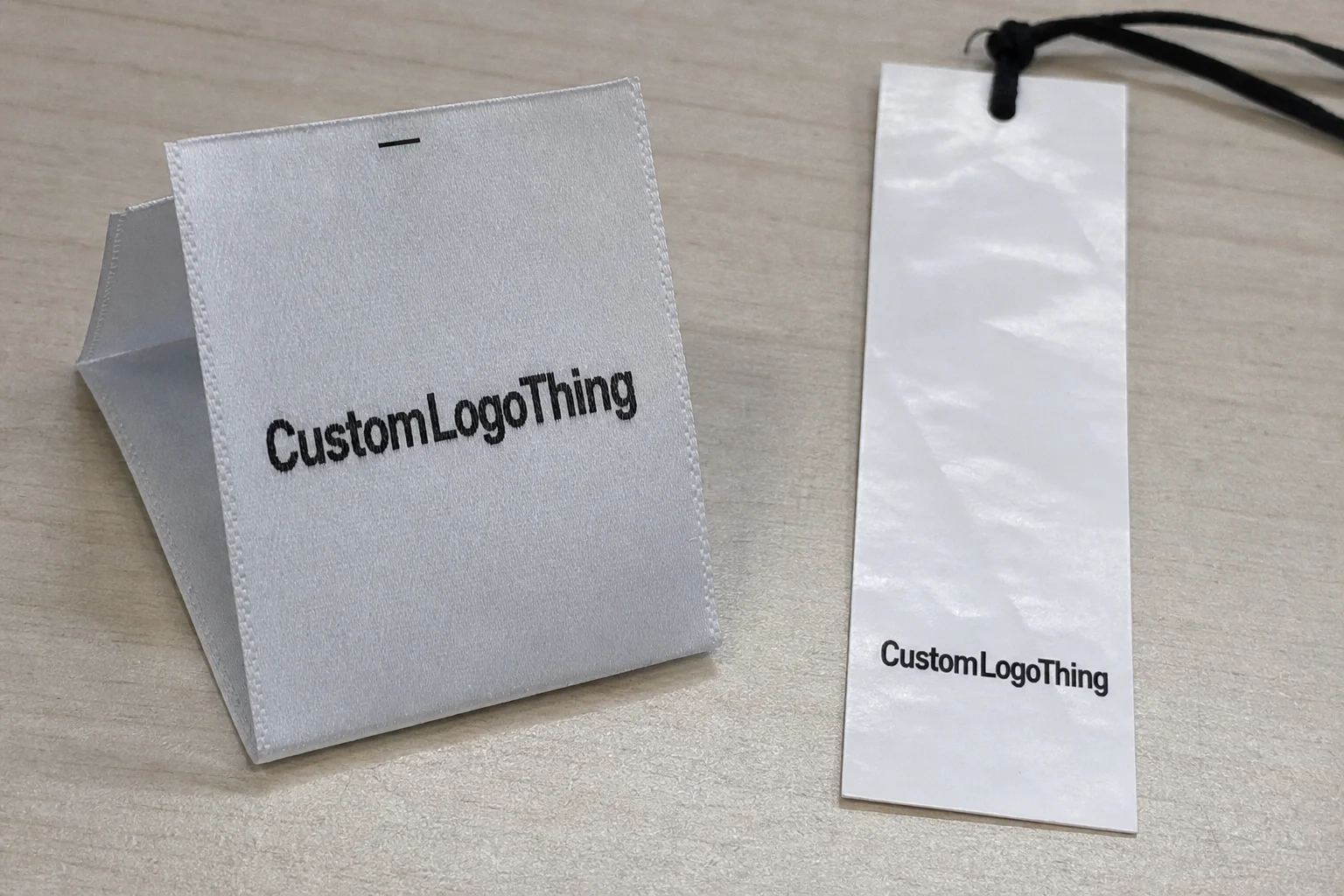
Subscription brands usually optimize the garment first and the trim later, which is understandable but not ideal. A soft tee, a performance hoodie, and a premium lounge set can all call for different care label constructions, and those choices affect the quote more than many buyers expect. A label that is a little too wide may force a layout change. A fold that is a little too complex can add hand labor. A material that looks fine on screen can behave badly after washing, which is a problem that shows up after launch rather than during approval.
On the production side, close enough is not close enough. If the care copy is dense, the line height may need to tighten. If the order includes multiple languages, the label may need a wider panel or a longer finished length. If the print has to sit on both sides of the substrate, registration becomes more demanding. Each of those adjustments changes the labor profile and the waste rate, which is how unit cost moves even when the artwork itself stays the same.
Recurring programs also absorb more cost from changes that seem small in a spreadsheet. A late fabric swap can require a different care instruction set. A compliance update can shift the text block. A packaging change can alter how labels are bundled and staged at the sewing table. None of those changes are dramatic on their own, but repeated across replenishment cycles they can erode the savings a brand expected from subscription volume.
“For subscription apparel, the label spec is part of the margin model. If the fold, print method, or packing format changes from order to order, the quote will drift even when the artwork looks identical.”
Buyers also underestimate how much time gets lost when the first order is under-specified. If the copy is incomplete, proofing can bounce back and forth. If the dimensions are not fixed early, the supplier may need to rebuild the file. If the label format is not approved before production, the order can be pushed behind a clean repeat run. Setup charges and tooling fees are easier to control when the first order is built on a complete brief.
What a subscription care label package includes
A subscription care label package should be treated as a production spec, not just a design file. The core choice is construction. Common formats include satin, nylon, cotton, woven, and heat-transfer labels, along with folded and straight-cut finishes. Each one behaves differently in sewing, heat application, skin feel, and laundering. Woven labels tend to deliver a premium look and strong wear life. Heat-transfer labels remove the physical seam feel entirely. Satin and nylon often sit in the middle for comfort and cost.
Most brands also need a blend of compliance and brand content. That usually means fiber content, country of origin, size, brand line, care symbols, SKU or batch code, and any retailer-specific wording. If you sell through multiple channels, the text stack can get dense quickly. A label that works for direct-to-consumer may not be enough for wholesale, where additional compliance language or a different origin statement can be required.
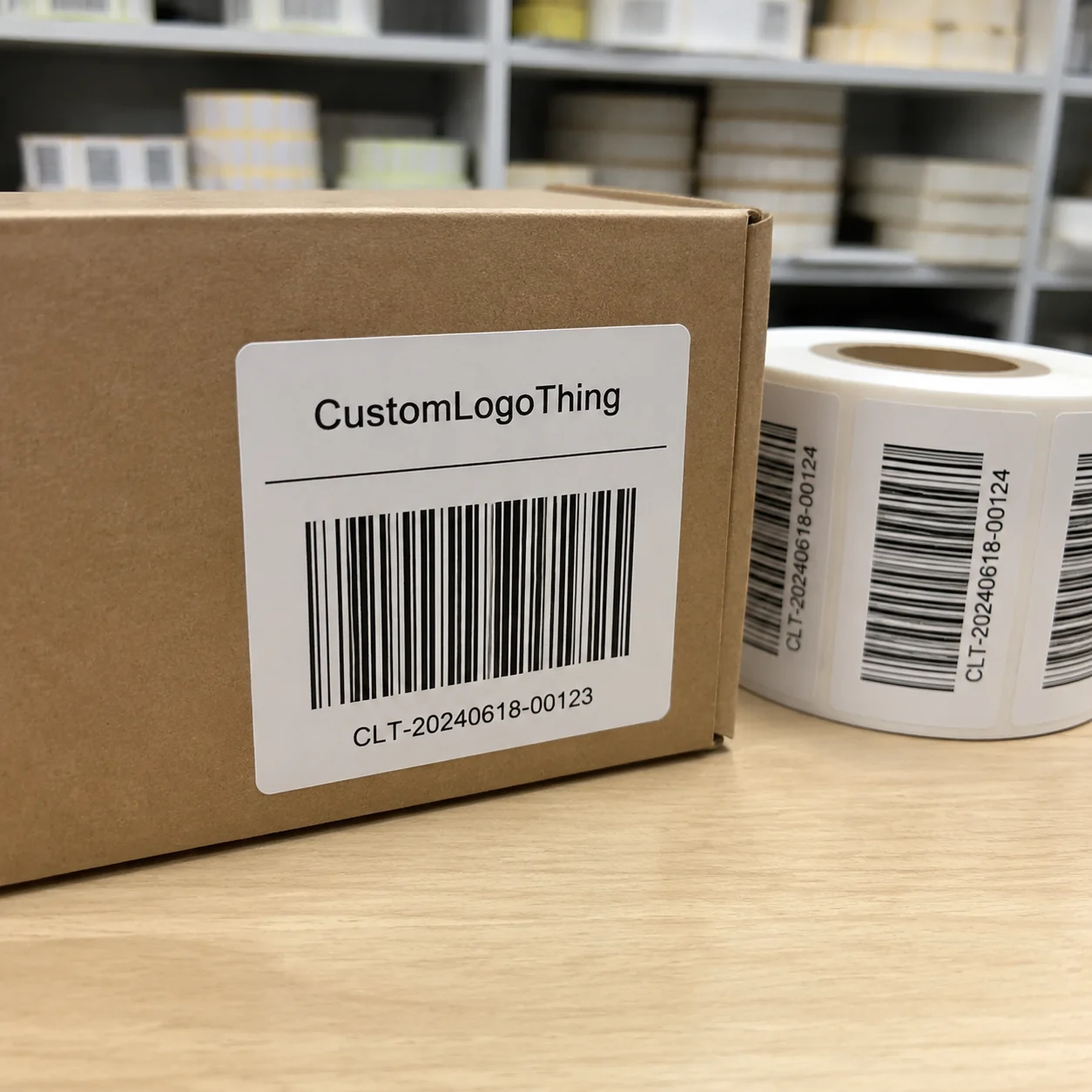
Handling format matters too. Subscription fulfillment teams usually want one of four deliveries: cut pieces, rolls, individually folded labels, or pre-bundled sets that can move straight to the sewing line. If labels are packed in a way that matches the flow of the line, labor drops and application becomes more consistent. That is a small detail on paper and a meaningful one in the plant, especially on recurring orders where a few seconds per unit adds up.
For buyers who are aligning trim across a larger apparel program, the Custom Labels & Tags category is a useful starting point because it keeps label construction connected to the rest of the brand system. If the care label, neck label, and hangtag are being ordered on different schedules, the tactile story can drift. Customers notice that drift even when they cannot explain it.
Printed paper components can also matter if the subscription kit includes insert cards, carton markings, or folded instruction sheets. In those cases, sustainability claims and sourcing documentation may come into play. Organizations like FSC matter when paper-based components need a chain-of-custody story, and shared packaging terminology from groups such as the Packaging Institute can help keep discussions precise across procurement, fulfillment, and design.
How care labels unit cost changes with spec choices
Care Labels Unit Cost for subscription orders changes for the same reason most textile trims change: the production path changes. Width, finished length, print colors, one-side or two-side printing, fold style, material choice, and quantity band all influence the final number. A 15 mm satin label with one-color print and a simple straight cut is a different job from a 25 mm woven label with multiple care symbols, a center fold, and tight registration.
The biggest misconception is that artwork alone determines price. It does not. Dense compliance text can require smaller type, tighter layout control, and more proofing rounds. If the copy is long, the production team may need a wider web or a longer repeat to keep the text readable. That is why content layout matters as much as decoration. A clean, balanced layout reduces rework and helps keep bulk pricing where you expected it.
Material choice also shifts the economics. Satin often gives a smooth hand and a moderate price point, which is why it appears so often in basic apparel. Nylon is usually a little more durable in wash and abrasion than very light woven constructions, so it can suit everyday basics that need longevity without the higher cost of a premium woven label. Cotton can be a good fit for brands that want a softer, more natural look, though the print and finish details need attention because the surface can show wear differently. Heat-transfer labels avoid a sewn-in label entirely, but they depend on application method, substrate compatibility, and wash testing, so their cost story includes more than the label itself.
Below is a practical comparison of common options. The ranges are illustrative, because volume, color count, and finish details can move them up or down.
| Label option | Typical unit cost drivers | Approximate price band | Best fit |
|---|---|---|---|
| Satin printed, straight cut | Low setup, simple copy, one-color print, higher MOQ lowers cost | $0.03-$0.08 per unit | Lightweight apparel, fast replenishment |
| Nylon printed, folded | Moderate material cost, fold labor, variable print coverage | $0.05-$0.12 per unit | Everyday basics, durable wash care |
| Woven label | Higher loom setup, finer detail, edge finish, tighter MOQ | $0.08-$0.20 per unit | Premium branding, long wear life |
| Heat-transfer care label | Artwork complexity, application method, test cycles, lower touch labor | $0.10-$0.25 per unit | Soft hand feel, performance wear |
Those ranges are useful only if the spec stays stable. If you change the fold after proofing, add a second language, or move from one-side print to two-side print, the quote can jump because the file and production plan both change. That is where repeat orders become more efficient: once the approved artwork, dimensions, and finishing details are locked, the supplier can reuse the job record instead of rebuilding the run from scratch.
For subscription brands, the best cost control usually comes from standardizing the label across the line and changing only the variable fields that truly need to change. A batch code can be variable. The base construction should not be. That approach makes pricing cleaner and keeps future quotes anchored to an approved baseline rather than a fresh guess.
Pricing, MOQ, and quote structure for repeat orders
A useful quote breaks into parts the buyer can actually compare. Ask for the unit cost, setup charge, any plate or tooling fees, proofing, packaging, freight, and any special finishing that applies only to the first run. If a quote bundles everything into one number with no explanation, it becomes difficult to tell whether the replenishment price is competitive or merely looks low because the first-order costs are hidden inside it.
MOQ shifts by material and process. Woven labels often carry higher minimums than printed satin or nylon because the loom setup is different and the run needs enough volume to absorb the prep work. Heat-transfer labels may reduce application labor, but they can still require a meaningful minimum because the print and transfer process has its own setup discipline. The right question is not “What is the lowest possible MOQ?” It is “At what volume does the unit cost become efficient enough for the replenishment cycle?”
Subscription buyers should request pricing at several volume bands. A quote at 1,000, 5,000, and 10,000 units can show where the price drops in a meaningful way. Sometimes the savings at the next tier justify the larger order. Sometimes they do not, especially if inventory risk rises faster than the unit price falls. A lot of teams ask for one number and later discover that the repeat order feels expensive because the buying pattern never matched the production economics.
Here is the structure I would recommend for planning:
- Quote the first launch separately from repeat replenishment.
- Ask whether setup charges apply again on the second order.
- Confirm whether artwork changes trigger new tooling fees.
- Check whether packaging, folding, or bundling is priced per unit or per batch.
- Use forecasted replenishment cycles, not one annual guess, to estimate volume.
That last point matters more than most buyers think. Forecasting by replenishment cycle helps you avoid expensive short runs and lowers the risk of sitting on unused labels after a product mix change. It also gives the supplier a clearer picture of your likely repeat volume, which can support better bulk pricing. If your subscription cadence is monthly, quarterly, or tied to seasonal drops, quote against that rhythm instead of forcing a one-size-fits-all annual number.
One more practical note: if the order includes carton inserts, shipper labels, or bundled components, ask how those pieces are packed for transit. Testing and packaging discipline matter. Depending on the system, references such as ISTA can be relevant for distribution testing, especially if the trims need to arrive flat, clean, and ready to stage on a busy fulfillment line.
Production steps and turnaround for subscription replenishment
A reliable production schedule should read like a process, not a promise. The sequence is usually request intake, artwork check, proof preparation, buyer approval, production, quality control, packing, and transit. That is the chain. If any step is fuzzy, the timeline becomes fuzzy too. Buyers planning subscription replenishment need a clear path because launch dates are tied to fulfillment windows, not only to the label itself.
First orders usually take longer. The reason is simple: compliance copy has to be verified, the layout needs approval, and the supplier may need to confirm exact dimensions before anything enters production. Repeat runs move faster because the spec is already on file. Once the label format is approved, the team can often skip repeated clarification and go straight to production planning. That is a real advantage for subscription brands, where the same SKU may cycle through the same label many times in a year.
Common delay points are easy to spot once you have seen enough runs. Incomplete care text creates proof churn. Low-resolution artwork creates cleanup work. Late color changes force a new approval cycle. Requests to alter dimensions after proofing has started usually push the order back because the production file has to be rebuilt. None of that is dramatic, but all of it costs time and can move the order past a replenishment window.
For a typical subscription replenishment order, many teams should expect roughly 12 to 15 business days after proof approval for standard printed labels, with woven or specialty finishes often taking longer depending on quantity and finishing complexity. That is not a promise, just a realistic planning range based on how these jobs usually move through production. If the schedule is tighter, the cleaner the spec, the better the odds.
Quality control should not be treated as a box check. Print registration, cut accuracy, material inspection, and pack discipline all matter because they affect how easy the labels are to use on the fulfillment line. A label that arrives curled, miscut, or loosely bundled slows everyone down. A good supplier keeps the pack format tidy so the labels can move straight into use without a second sorting step.
There is also value in asking how defects are handled. A small overrun or underrun tolerance is normal in trim production, and a buyer should know whether the supplier ships against ordered quantity, packed quantity, or a stated tolerance band. If the order is destined for multiple fulfillment centers, that detail matters even more because split shipments can hide shortages until the last carton is opened.
Why subscription buyers need a consistent labeling partner
Subscription models reward consistency. If the same garment ships every month, the same care label should feel the same every month. That means the same fabric hand, the same print density, the same fold, and the same trim dimensions. Small differences show up quickly in customer perception, especially for brands that sell on fit, comfort, or premium finish. The packaging and trim experience should feel intentional, not improvised.
Consistency also protects the internal team. When the supplier retains spec history, future quotes are faster, reorders are faster, and the back-and-forth is shorter. A stable file record helps the buyer control Care Labels Unit Cost for subscription programs because the next replenishment starts from an approved baseline rather than a fresh estimate built from memory. That reduces uncertainty and keeps the conversation focused on real changes, not on recreating old decisions.
Quality checks matter more than people think. On the production side, the usual checkpoints are material inspection, registration review, size verification, edge finish, and packing accuracy. If the order includes folded pieces, the fold direction should be the same every time. If the label includes a batch code, the code placement should not drift. These are simple controls, but they make repeat handling easier for fulfillment staff and reduce the chance of a line-side slowdown.
A consistent partner can also spot spec creep early. If the team sees a wider copy block, a new fiber blend, or a different care instruction set, they can flag whether the current construction still makes sense. That kind of early warning is often more valuable than a slightly lower quoted line item because it prevents a pattern of small changes from becoming a margin problem.
For brands building a broader trim system, the custom labels and tags page is useful again because it keeps label and tag decisions tied together. A matching neck label, care label, and hangtag system usually reads cleaner to the customer and is easier to standardize across replenishment cycles. That consistency supports both brand presentation and operating efficiency, which is usually the real goal behind trim standardization.
Next steps for an accurate subscription quote
If you want a quote that reflects the real production scenario, send the garment type, label dimensions, placement method, care text, artwork, and expected replenishment cadence. Those six items tell the supplier far more than a short request for “care label pricing.” Add the target shipment date and the country of sale if compliance language needs to reflect a regional requirement. The cleaner the brief, the cleaner the price.
A current sample or clear photo helps if you are trying to match an existing label. That step shortens review time and reduces spec drift, especially if your previous supplier used a proprietary fold or an unusual print layout. Matching by sample is often faster than reconstructing the label from memory or from an old packing slip, and it gives the production team a real reference for width, finish, and fold accuracy.
If the plan is a recurring subscription run, include the forecast volume and the approval deadline in the first message. That lets the supplier pin down care labels Unit Cost for Subscription orders with a realistic production path instead of a generic estimate. It also helps avoid the usual gap between a cheap-looking quote and an expensive production surprise, which is usually created by unclear assumptions rather than by the price itself.
For most buyers, the smartest move is to lock the spec once, keep the file history clean, and reorder against the same approved format. That is how you protect margin, reduce rework, and keep replenishment predictable. If you are comparing options now, start with the construction that matches the garment, test the quote at a few volume bands, and only then decide whether the lowest number is actually the best operating choice.
Frequently Asked Questions
How is care label unit cost calculated for subscription orders?
The quote is usually based on material, size, print method, fold style, quantity, and any special finishing or packaging requirements. Lower unit cost usually comes from standard specs and higher repeat volumes, not from changing the artwork alone. For recurring programs, care labels unit cost for subscription orders is most predictable when the spec stays fixed across shipments.
What MOQ should I expect for recurring care labels?
MOQ depends on the construction. Woven and specialty finishes often require larger minimums than simpler printed formats, while satin and nylon labels can sometimes start lower. A repeat order can occasionally begin at a smaller quantity if the artwork, dimensions, and production setup are already approved.
Do I need final artwork before I ask for a quote?
You can request a preliminary quote with draft information, but final pricing is more accurate once the label size, content, and layout are confirmed. Final artwork should be approved before production so the quote and the proof match the same spec, especially if the order includes multiple compliance lines or a tight fold format.
Can the same care label spec be used for every replenishment?
Yes. Repeat orders work best when the approved material, fold, print layout, and size stay fixed across shipments. Keeping the spec stable helps prevent unexpected cost changes and keeps the label experience consistent for the customer. It also makes future quoting faster because the supplier is not rebuilding the job from scratch.
What lead time should I plan for on repeat care label orders?
The first order usually takes the longest because it includes artwork review, proofing, and approval. Repeat runs are typically faster once the spec is stored, but the exact timeline still depends on quantity, material, and shipping method. A clean repeat program often moves in a shorter window because the production file, packing style, and approval path are already established.