Frosted Zipper Bags Unit Cost for Subscription Boxes
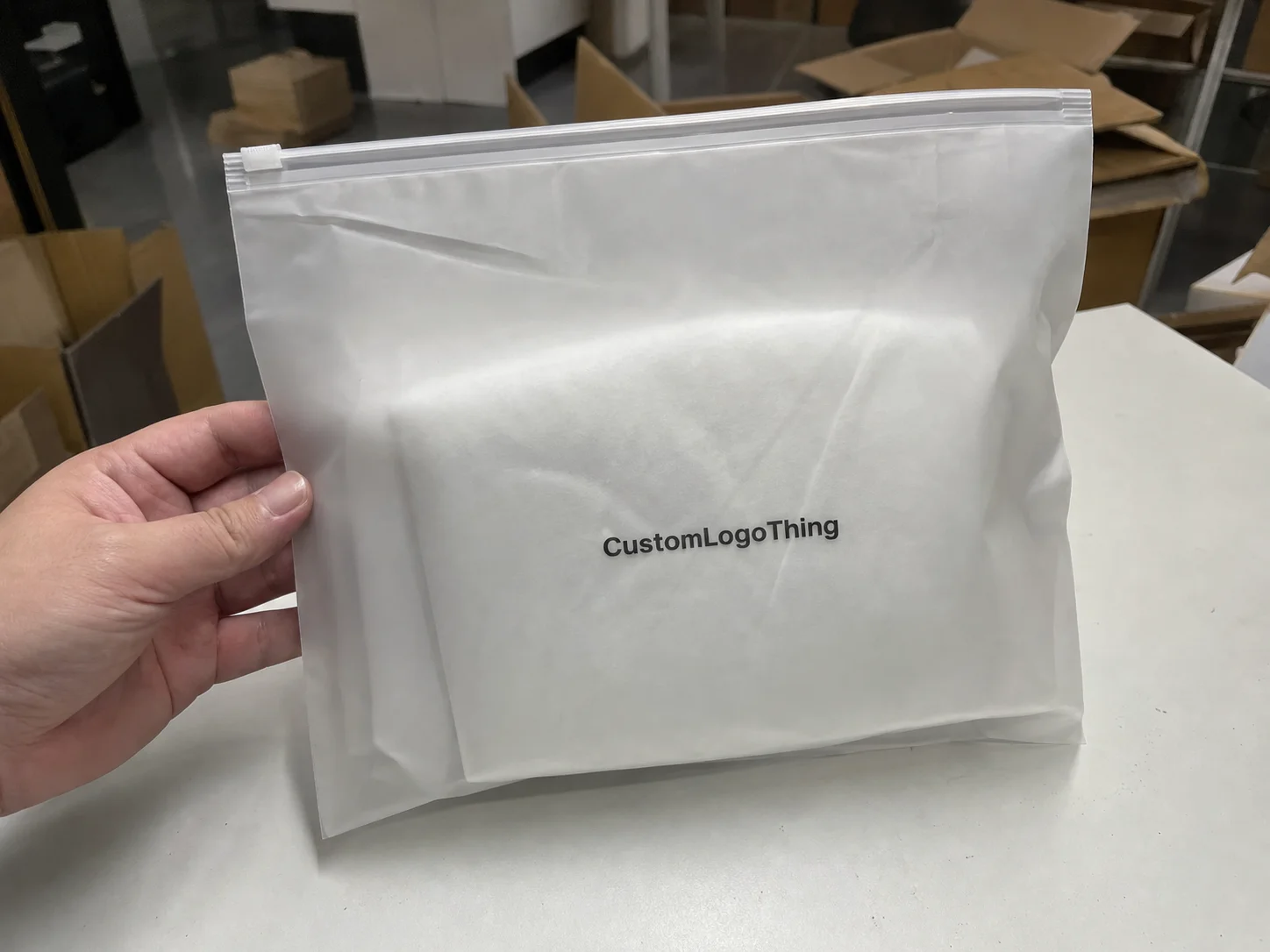
If you are pricing Frosted Zipper Bags unit cost for subscription boxes, the first mistake is treating the bag as a simple line item. In practice, the bag sits inside a larger system: packout speed, product presentation, shipping weight, damage rate, and the cost of making the box feel worth opening every month. A few cents saved on material can disappear if the packaging slows the fulfillment team or arrives looking inconsistent.
Frosted Zipper Bags usually land in a useful middle ground. They look cleaner than a plain poly sleeve, they soften the harshness of clear plastic, and they give a subscription box a more finished presentation without pushing the budget into luxury territory. That balance matters because subscription programs repeat the same choice over and over. A packaging spec is not a one-time design decision; it is a recurring operating cost.
The real price is driven less by the word “frosted” than by the rest of the build: size, gauge, zipper style, print coverage, and order volume. A compact stock bag with light branding can stay inexpensive. A custom size, heavier film, and full-surface print will move the number quickly. For a buyer, the goal is straightforward: keep the presentation clean, protect the contents, and hold the unit cost inside margin every month.
That is why the best packaging decisions are usually practical ones. The bag should close reliably, fit the product without excess empty space, and be easy for the fulfillment team to handle at scale. If any one of those fails, the cheaper bag stops being cheap.
What Drives the Price Beyond the Bag Itself
Most quotes are shaped by more than the base film. Film gauge, dimensions, zipper type, finish, print method, and sourcing region all affect the number you see. A frosted surface adds a softer appearance and usually a more premium feel, but the biggest swings often come from the spec around it rather than the surface treatment itself.
Here is the practical breakdown buyers usually run into:
- Plain stock bag: lowest unit cost, fastest to source, minimal branding.
- One-color printed bag: moderate setup charges, better brand presence, still workable for recurring replenishment.
- Full-coverage custom bag: higher tooling and print prep, more artwork management, higher piece cost.
Freight matters more than many teams expect. Frosted Zipper Bags are light, but they occupy space, which makes shipping inefficient if the order is large or the packing configuration is bulky. Inner cartons, retail sleeves, barcode labels, and special bundle packing can all add labor and material. In a close-margin subscription business, those small increments matter.
Artwork is another cost center that hides in plain sight. Color matching, plate or screen setup, revision cycles, and proof changes can all turn a low factory quote into a much higher landed cost. If the quote does not spell out whether those items are included, the headline price is not very useful.
Volume is the quiet lever. Once a subscription box uses the same bag on a predictable schedule, suppliers can plan material usage more efficiently and the rate often improves. Test orders are still worth doing, but they nearly always carry a higher unit cost because setup is spread across fewer pieces.
For quality and compliance benchmarking, it helps to keep transit standards and material sourcing in view. ISTA testing standards are useful if the bag is part of a package that must survive shipping abuse, and FSC certification matters if your broader packaging program includes paper-based components. Those references do not set the price, but they keep the spec grounded.
Specs That Matter for Subscription Box Packaging
Size is the first spec to settle, and it is the one most teams underestimate. An oversized bag wastes film, increases freight volume, and can make the product feel loosely packed inside the box. A bag that is too small creates the opposite problem: slow packing, stressed seals, and a finished presentation that looks forced. The right size is usually the smallest one that still closes cleanly and leaves enough room for steady hand packing.
Thickness is the next major choice. Lighter gauges are fine for flat inserts, stationery, small cosmetics, and non-fragile accessories. Heavier gauges make sense when the bag is reused by the customer, when the contents have sharp edges, or when the bag is expected to hold a more substantial visual presence. If the bag needs to feel premium in hand, it should not be specified like a throwaway sleeve.
Closure style changes both the price and the experience. A standard zipper is the baseline. Double zippers, reinforced seals, and upgraded sliders can improve usability, but only if the product needs that extra function. For sample kits and many accessory bundles, the standard closure is enough. Adding a more complex closure to a lightweight insert is usually cost without return.
Frosted film also changes how the product reads on arrival. Clear plastic can look harsh and utilitarian. Frosted material softens the look and often feels more considered. That said, it should not hide the contents so much that the customer loses the point of the packaging. Visibility still matters, especially when the product itself is part of the appeal.
There are a few spec checks that save money later:
- Confirm the actual finished size against the product, not a rough estimate.
- Check zipper engagement on several samples, not just one.
- Verify film thickness on the spec sheet and, if possible, by measurement.
- Look at seal uniformity and edge trimming for consistency.
- Test whether the bag packs quickly on the actual fulfillment line.
Small accessory kits often do well in a mid-gauge frosted zipper bag with light print coverage. Apparel inserts or multi-piece bundles usually need a larger format and a bit more structure so the box still looks intentional after packout. The best spec is the one that serves the product and the packing process together.
“A bag that looks cheap makes the whole box feel cheap. A bag that is overbuilt just to impress buyers eats margin without improving the customer experience. The spec has to earn its place.”
Unit Cost, MOQ, and Quote Structure
Buyers usually start with the unit price. That is reasonable, but it only tells part of the story. Frosted zipper bags Unit Cost for Subscription boxes becomes meaningful only after you include MOQ, setup charges, tooling, samples, freight, and the actual destination cost. A quote can look low on paper and still end up expensive once all the extras are added back in.
MOQ varies by size and print complexity. Stock or lightly customized bags may allow a smaller test run. Fully custom sizing or printed film usually pushes the minimum higher, because the supplier needs to recover setup time and material loss. Smaller orders almost always carry a higher unit rate. That is not a pricing trick. It is how production math works.
A useful way to compare quotes is to look at them as production packages, not just piece price. The table below uses practical ranges, not fixed market prices. Exact numbers will shift with dimensions, gauge, print coverage, and destination.
| Option | Typical MOQ | Typical Unit Cost | Best Fit |
|---|---|---|---|
| Stock frosted zipper bag | 500 to 2,000 pieces | $0.08 to $0.18 | Fast replenishment, simple SKUs, low-risk test runs |
| One-color printed bag | 2,000 to 5,000 pieces | $0.14 to $0.26 | Recurring monthly boxes with clean branding |
| Custom size with fuller print coverage | 5,000 to 10,000 pieces | $0.22 to $0.48 | Premium subscription kits, influencer mailers, higher-margin boxes |
Those ranges should be treated as a comparison tool, not a promise. A freight-heavy order to a distant warehouse can cost more than a slightly higher factory price with better logistics included. Ask whether the quote is ex-works, FOB, or landed. If the supplier cannot explain that clearly, the comparison is incomplete.
The quote itself should be explicit. At minimum, it should list unit price, MOQ, setup charges, tooling fees, sample cost, production lead time, and freight method. If artwork changes, plate costs, or color matching are part of the job, those details need to be written down. Otherwise the “cheap” quote can grow later.
One more comparison rule matters. Match the spec exactly before comparing price. Same size. Same thickness. Same zipper. Same print coverage. A 0.14 mm bag and a 0.18 mm bag are not the same product, even if both are frosted and zippered. If the specs differ, the prices do not mean the same thing.
Production Steps and Lead Time Expectations
Production usually follows a predictable sequence: artwork review, proof approval, material confirmation, production, final inspection, and packing for shipment. The process is not complicated. The delays tend to show up in the gaps between those steps, especially when artwork is not ready or the spec is still moving.
Stock bags can move quickly. Light customization adds time for proofing and print prep. Fully custom bags take longer because the supplier may need to manage sizing, print setup, and tooling before the run begins. A realistic custom timeline is often 12 to 18 business days from proof approval, assuming the files are clean and no late changes enter the job.
Most delays come from the same few problems: missing dielines, unclear artwork, slow approvals, and last-minute size changes after the proof is already out. Freight booking can add more time, especially if the shipment has to land before a fixed monthly fulfillment window. Subscription brands feel those delays more sharply because one late packaging order can push the entire ship date.
That is why replenishment planning matters. Waiting until the last carton of bags is already on the floor is the quickest way to turn a modest packaging spend into a rush order with expensive freight. For recurring programs, a small buffer is usually cheaper than a crisis shipment.
Practical rule: approve the artwork before you argue over the last cent. The cheapest bag is useless if it arrives after the mail date.
If the bags will hold fragile items, cosmetics, or mixed kits, ask for a sample or detailed spec sheet before placing the larger order. A sample lets you check seal quality, zipper action, frosted opacity, and hand feel against the real product. Those are not cosmetic details. They tell you whether the bag will function on the packing line and in the customer’s hands.
How Buyers Lower Total Packaging Spend
The most reliable savings usually come from removing waste, not squeezing the supplier. Right-size the bag first. If the bag is larger than the product needs, you are paying for unused material and higher shipping volume. You also increase the chance that the product will look loose inside the box, which undermines the presentation you were trying to protect.
Simplify the print where you can. If the brand can be carried by a strong logo, clean placement, and one or two colors, there is no reason to chase full-coverage decoration just because it looks busy on a mockup. A restrained layout often reads as more premium than a crowded one. That is one of the stranger truths in packaging: less ink can look more expensive.
Ordering pattern matters too. If your subscription volume is steady, consolidate replenishment into predictable runs. Suppliers can plan better, material waste tends to fall, and the unit rate often improves over time. Panic buying does the opposite. It raises freight costs and usually weakens your negotiating position.
There is also a practical place for premium packaging and a practical place to stop. For a lower-margin box, keep the bag functional and clean. For a higher-margin launch, influencer kit, retention-focused unboxing, or a box meant to create a stronger first impression, Frosted Zipper Bags can justify themselves because presentation helps the sale. The bag is not just decoration in those cases. It is part of the offer.
It can also be worth reviewing the rest of the packout, not just the bag. Sometimes the bigger savings are in carton sizing, insert count, or how multiple components are nested together. If your packaging stack includes several SKUs, compare them through Custom Packaging Products and then cross-check with subscription box packaging options. A good packaging plan is often a set of small decisions that line up, not one dramatic change.
Ask for tiered pricing as well. A useful quote should show where the next price break starts. If moving from 3,000 to 5,000 units cuts the unit cost enough to justify the extra inventory, that is a real decision. If the break is small, keep the order lean and protect cash.
Next Steps for a Fast, Accurate Packaging Quote
If you want a fast answer on frosted zipper bags unit cost for subscription boxes, send the spec cleanly the first time. Size. Quantity. Print needs. Target ship date. Destination ZIP code or port. If you have a sketch, sample photo, or rough die line, include it. Guesswork slows the process and usually produces a quote that has to be redone.
The shortest path to a usable quote is simple:
- Confirm the bag size against the actual product.
- Confirm the closure style and film thickness.
- Confirm print coverage and artwork readiness.
- Ask for MOQ, setup charges, and sample cost.
- Compare landed cost, not just factory price.
If the bag will carry premium or fragile items, request a sample or detailed spec sheet before committing. If the box ships on a fixed monthly schedule, add lead-time buffer so packaging does not become the bottleneck. That sounds basic because it is basic, and it is still the point where many subscription programs slip.
The real objective is not to find the absolute cheapest bag. It is to lock a spec that looks good, packs quickly, and stays inside margin across repeated shipments. That is what turns the bag from a guessing game into a predictable operating expense.
What affects frosted zipper bag unit cost for subscription boxes the most?
Size, film thickness, zipper style, and print coverage usually move price more than the frosted finish itself. MOQ and setup fees become more visible on smaller runs, and freight can change landed cost more than buyers expect.
What MOQ should I expect for custom frosted zipper bags?
MOQ varies by size and print complexity, but custom runs usually start higher than stock packaging. Lower quantities generally mean a higher per-unit price because setup is spread across fewer bags. Tiered pricing helps show where the next cost break appears.
How long is the typical lead time for custom zipper bags?
Lead time depends on whether the bag is stock, lightly customized, or fully custom. Artwork approval and sampling can add time before production starts, so build in buffer if the bags must arrive before a monthly subscription ship date.
Can I lower the unit cost without making the bag look cheap?
Yes. Right-size the bag, reduce unnecessary print coverage, and avoid overbuilding the spec. A clean design with a strong logo and correct proportions often looks more premium than a crowded layout, and it can cost less to produce.
What should I request in a quote for subscription box packaging?
Ask for unit price, MOQ, setup or tooling charges, sample cost, freight, and estimated lead time. Request the quote on your exact size and print specs so the comparison is valid. If possible, ask for landed cost to your destination rather than only factory price.


