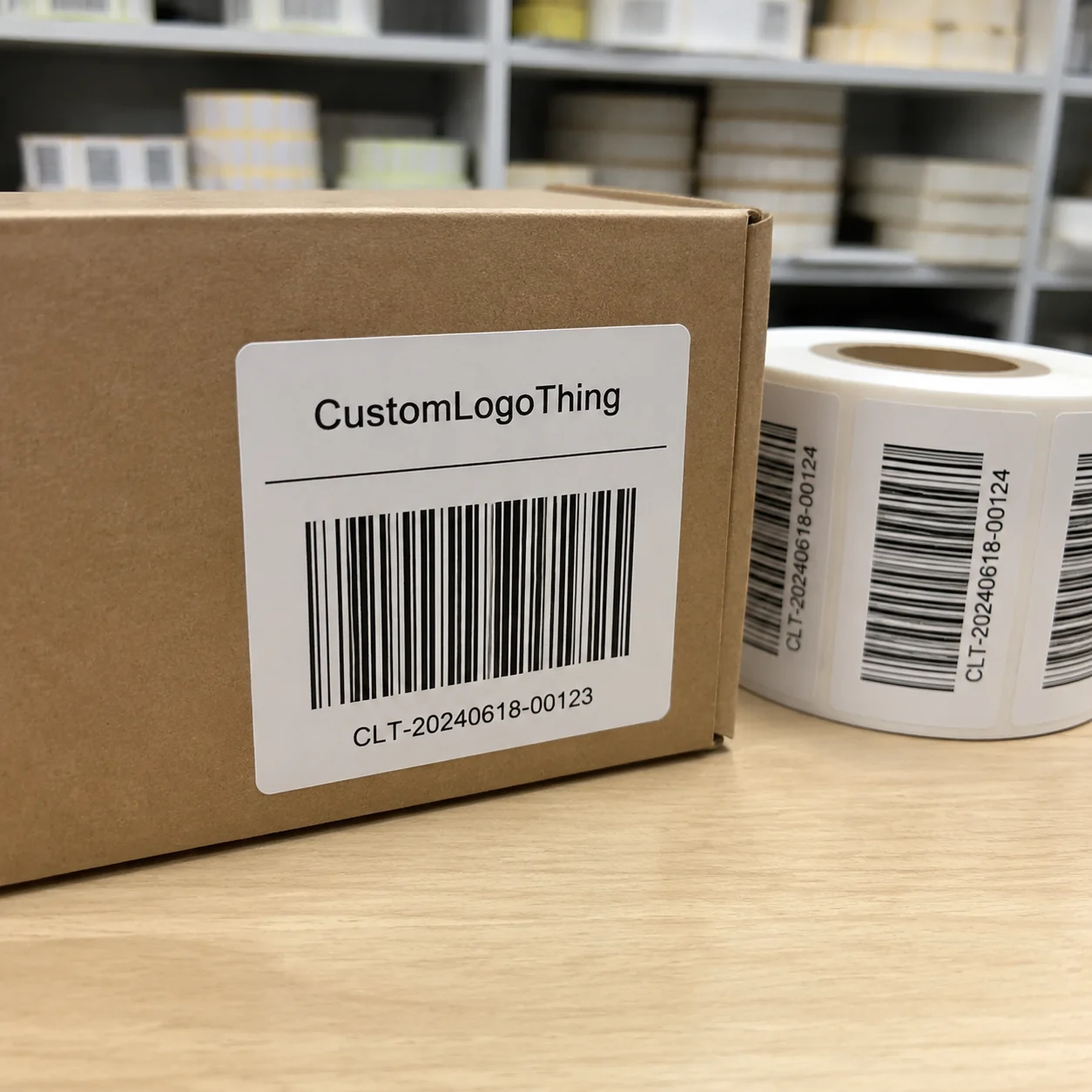
Care Labels Unit Cost for Jewelry Brands: Order Smart
The Small Label That Protects a Premium Unboxing
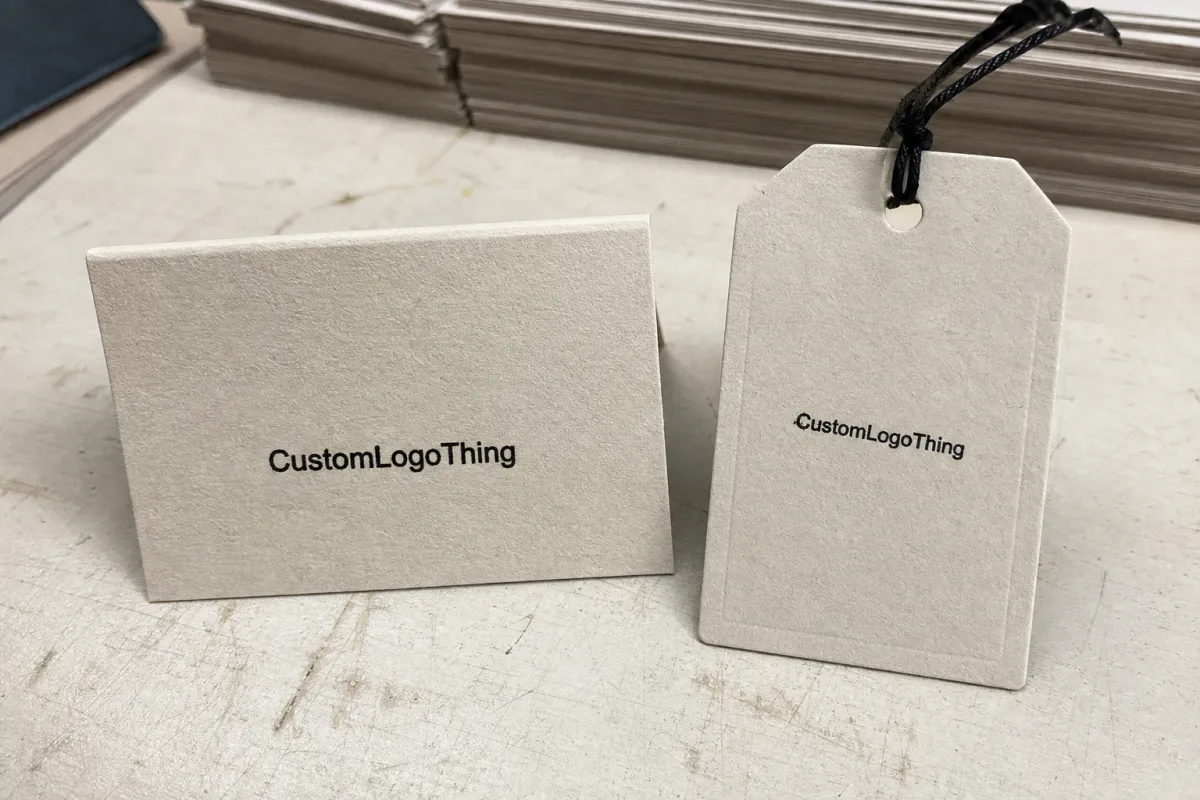
A customer opens a delicate necklace box, keeps the pouch, saves the thank-you card, and still hesitates before wearing the piece because the care directions are vague or missing. That is the quiet problem behind care labels Unit Cost for Jewelry brands. Buyers are not only pricing a label. They are pricing fewer customer questions, fewer preventable returns, and a more complete branded presentation.
Jewelry is not handled like apparel. A shirt label can tell someone wash temperature, drying method, and ironing limits. A jewelry care label may need to cover plating, tarnish, water exposure, perfume, lotion, sweat, polishing cloths, ultrasonic cleaners, pearls, enamel, gemstones, glued settings, and delicate chains. All of that guidance has to fit into a space that may be smaller than a postage stamp.
Small label. High stakes.
From a packaging buyer’s view, the care label sits in a useful middle ground. It costs far less than a rigid box, pouch, or mailer, yet it has a high-contact role right after purchase. Good care instructions explain that gold plating, sterling silver, freshwater pearls, vermeil, stainless steel, and fashion findings do not age the same way. That education protects the product. It also protects the brand voice, especially for buyers who are new to plated or demi-fine jewelry.
The goal here is practical: formats, materials, sizes, print methods, unit cost drivers, MOQ, production steps, lead time, and the details needed for a clean quote. Not mood-board language. Not generic packaging advice. A care label is a production part, and it should be specified with the same discipline as the box, pouch, card, or hang tag.
Practical rule: if a jewelry item needs special handling, the care label should be decided before final packaging approval. The label is small, but it can affect customer confidence immediately.
Label Formats That Work Best for Jewelry Packaging
Jewelry care labels come in several workable formats. The right one depends on where the instruction sits, how permanent it needs to be, and how much copy the brand must include. Common options include folded fabric labels, flat mini instruction labels, adhesive care stickers, hang-tag style care cards, and small paper inserts for pouches or boxes.
Folded woven or printed labels are often used with fabric pouches. They can be sewn into a side seam or tucked into an interior fold, which keeps the care message attached to a reusable packaging component. Flat mini labels can be slipped into rigid boxes or fulfillment kits. Adhesive care labels work inside a box lid, on a sleeve, or on a jewelry card when the instruction needs to stay in place.
Card-style labels are better for copy-heavy care instructions. A small coated paper insert gives room for a logo, three to five care bullets, storage advice, and a QR code without shrinking the text into decoration. If the piece should avoid water, perfume, lotion, sweat, harsh chemicals, ultrasonic cleaners, and open-air storage, readability matters more than making the label tiny.
Luxury and demi-fine brands often gravitate toward matte printed satin, cotton tape, or coated paper because those surfaces feel softer than glossy stickers. Still, the premium-looking option is not always the most practical. If the label should be removable, an insert may be better. If it must stay with the pouch, sewn satin or woven polyester makes sense. If recyclability is part of the packaging brief, paper may align more easily with the rest of the kit, depending on coating, ink, and adhesive choices.
Choose the format before requesting pricing. A folded satin label, adhesive sticker, and paper insert are built through different production paths, even if the artwork looks similar on screen.
Care Labels Unit Cost for Jewelry Brands: What Drives the Price
The unit price is shaped by material, size, print method, color count, finishing, folding, adhesive backing, order quantity, and packing requirements. Small labels are not automatically cheap in proportion to their size. Setup, plates, screens, cutting tools, proofing, folding, counting, and handling still have to be covered, then spread across the run.
A one-color printed satin label prices differently from a woven label with dense artwork, a metallic foil care card, an embossed paper insert, or a custom die-cut adhesive label. The same care copy can move through several production routes. Screen printing may suit a simple logo and one-color instruction. Flexographic printing often fits roll labels and adhesive stocks. Digital printing can help short paper runs or versioned artwork. Woven labels require loom setup and thread selection, which usually raises setup sensitivity and minimums.
MOQ has a direct effect. Short runs are useful for a launch, capsule collection, or packaging test, but the unit price is usually higher because setup time is spread across fewer pieces. Larger runs often reduce unit cost because the same setup supports more labels. That is the mechanics of bulk pricing, not sales theater.
| Label Type | Typical Use | Common Cost Behavior | Buyer Notes |
|---|---|---|---|
| Printed satin label | Sewn into pouches or folded into soft packaging | Often cost-efficient at medium quantities; one-color printing helps control price | Good balance of soft feel and clean instruction printing |
| Woven polyester label | Permanent pouch labels or premium brand tabs | Higher setup sensitivity; improves with larger quantities | Best for logos and short wording, not tiny paragraphs |
| Adhesive care sticker | Box interiors, sleeves, mailer kits, product cards | Material, adhesive, die cut, and print method drive price | Confirm surface compatibility before production |
| Coated paper insert | Rigid boxes, pouches, fulfillment kits | Usually economical; easy to update for care wording changes | Works well for QR codes and multilingual layouts |
| Foil-stamped card | Premium insert or care card | Higher due to foil die, press setup, and slower finishing | Use foil for branding, not tiny care text |
Planning ranges should be treated carefully. A plain paper insert at a healthy quantity may sit at a very different price level from a multi-finish card. A simple printed satin label may quote from a few cents to the low tens of cents per piece at larger quantities, while low-volume or decorated pieces can climb quickly. Exact pricing depends on size, stock, artwork, finish, packing, freight, and current material costs, so a number without specifications is only a rough planning point.
Compare landed unit cost, not just the label line. Sampling, shipping, duties if applicable, roll packing, bagging, carton labeling, sorting, and rush freight can change the real math. A quote that looks cheaper may become more expensive if it excludes packing or requires paid revisions later.
Ask for price breaks at two or three quantities. A practical structure might be launch quantity, reorder quantity, and scale quantity: 1,000, 5,000, and 10,000 pieces, for example, if those volumes fit the sales plan. Multiple breaks give a clearer view of Care Labels Unit Cost for jewelry brands than one isolated number.
Custom Logo Things keeps the pricing conversation specification-led. A useful quote should show what is included, what is optional, and which changes can reduce cost without weakening the customer experience. Sometimes the best savings come from removing a finish nobody will notice after unboxing.
Materials, Printing, and Finishes to Specify Before You Quote
Material selection should happen before the quote is finalized. Common options include satin polyester, cotton tape, nylon, woven polyester, coated paper, kraft paper, specialty textured paper, and adhesive label stock. Each behaves differently during printing, folding, cutting, packing, and use.
Satin polyester prints cleanly and feels smooth. It works well for soft jewelry pouches, especially where the label may touch fabric or skin. Cotton tape has a warmer, more natural hand, though very fine print may not stay as crisp as it would on satin or coated paper. Nylon is durable and functional, but some jewelry brands find it too technical-looking for premium packaging. Woven polyester feels permanent and branded, yet it is better for logos and short lines than dense care copy.
Paper has different strengths. Coated inserts are economical, crisp, and easy to update if care language changes. Kraft paper gives a natural look, but ink contrast needs careful review. Specialty textured paper can look beautiful; deep texture, however, may soften small type or interfere with QR codes. Adhesive label stock is practical for boxes and sleeves, but the adhesive must match the surface. A sticker that lifts from a soft-touch box lid after a week creates a quality problem, even if the print looked perfect on approval day.
Decoration method affects both price and performance. Screen printing is common for simple spot-color work on fabric labels. Flexographic printing is efficient for many roll labels and adhesive stocks. Digital printing helps with short runs, paper inserts, full-color artwork, and multiple SKU versions. Foil stamping adds shine, but foil is better for logos, borders, or a short brand mark than tiny warning text. Embossing and debossing create tactile detail but add tooling and may reduce readability if used on small copy.
- Screen printing: strong for simple fabric labels and solid colors.
- Flexographic printing: efficient for many adhesive label runs and roll formats.
- Digital printing: flexible for short runs, paper inserts, and versioned artwork.
- Woven production: durable and premium, but not ideal for long care copy.
- Foil stamping: attractive for branding, less practical for tiny warnings.
Packaging standards may also shape the broader program. If the full kit needs transport testing, organizations such as ISTA publish protocols used across shipping and distribution. If paper sourcing is part of the brand brief, FSC certification may be relevant for paper-based components. Not every jewelry care label needs these references, but serious buyers should know how the label fits into the packaging specification as a whole.
Size, Copy, and Compliance Details Buyers Should Lock In
Jewelry care labels are not usually regulated like garment care labels, but accuracy still matters. If a label overpromises durability or gives advice that conflicts with the material, the customer may damage the item while following the brand’s instructions. That turns a small label error into a service issue.
Start with the jewelry risk profile. Sterling silver may need anti-tarnish storage guidance. Gold vermeil and gold-plated brass need clear wording around water, sweat, chemicals, and abrasion. Stainless steel is more forgiving, though finishes and coatings can still vary. Pearls, opals, turquoise, enamel, glued stones, leather cords, elastic, and plated findings each need care language that matches their limits.
A workable copy structure is simple:
- Brand logo or wordmark
- Short headline such as “Jewelry Care” or “Care Notes”
- Three to five care bullets
- Storage instruction, such as dry pouch storage
- Website, QR code, or support link
- Optional material note or country-of-origin detail if required by the selling program
Unit cost may rise when the label gets larger, more complex, or harder to handle, but going too small can waste money. If customers cannot read the care directions, the label has failed. Type size, line spacing, margins, fold allowance, and safe area should be checked at actual print size, not only on a large monitor. A 35 mm label can look comfortable on screen and feel crowded in hand.
Multilingual copy is common for brands selling through several channels. If the label must include English, French, Spanish, German, or another language, consider using a QR code for detailed instructions while keeping the physical label focused on core warnings. Test QR codes at final size, on the final material, under ordinary lighting. Satin, texture, metallic ink, and low contrast can all reduce scan reliability.
Claims need restraint. Avoid language that makes plating sound permanent if it is not. Do not suggest ultrasonic cleaning for stones or settings that may be sensitive. If the supplier warranty limits water exposure, chemical contact, or abrasion, the care label should not contradict those terms. Strong care copy is short, honest, and specific.
Buyer checklist: final wording approved, dimensions confirmed against the pouch or box, QR code tested, fold direction marked, artwork reviewed at actual size, and internal sign-off completed before production approval.
Production Steps, Lead Time, and Proof Approval
A clean production flow starts with consultation and specification confirmation. Then comes artwork check, quote, digital proof, optional physical sample, production approval, manufacturing, quality control, packing, and shipping. The sequence is straightforward; the friction usually appears when information is incomplete.
Lead time depends on label type. Simple printed paper labels and adhesive stickers often move faster than woven labels, foil-stamped cards, or multi-finish pieces. A plain digital paper insert has a shorter path because there is no loom setup or foil die. A woven label needs yarn colors, weave density, cutting method, and often fold confirmation. A foil-stamped card needs die preparation, press setup, trimming, and careful packing; if printing, coating, or lamination is involved, drying or curing time may be part of the schedule.
Digital proof approval is not the same as production approval after sampling. A digital proof confirms layout, size, colors, folds, copy placement, bleed, safe area, and construction. It does not confirm hand feel, stiffness, adhesive performance, fabric texture, ink absorption, or how the label sits inside the final packaging. A physical sample is useful when color, texture, label stiffness, or adhesive behavior could affect the brand presentation.
Rush work needs clean inputs: final artwork, approved wording, exact quantity, delivery address, target in-hand date, and someone available to approve proofs quickly. If one of those pieces is missing, the rush schedule becomes fragile. Most avoidable delays happen before production starts, not while the label is on press or loom.
Production realities matter. Material availability can shift. Color matching takes time. Die tooling adds steps. Ink drying, lamination curing, cutting, folding, counting, inspection, carton labeling, and freight pickup all affect turnaround. No responsible packaging partner should pretend every custom label behaves like an off-the-shelf sticker.
Order before inventory is critically low, especially if the care label belongs to a pouch, box, tissue wrap, ribbon set, or fulfillment kit. One missing component can slow the whole packing line. A practical schedule should allow time for one round of revision and internal approval.
How Custom Logo Things Helps Buyers Reduce Label Waste
Waste often starts with the wrong specification. A brand requests a woven label because it sounds premium, then discovers the care text is too small. Another brand adds foil to every care card, then realizes the instruction side needs better readability than shine. Custom Logo Things helps buyers match the label format to the packaging application instead of overbuilding the part.
The comparison is practical: printed satin versus woven label, adhesive label versus paper insert, foil-stamped card versus standard matte card, cotton tape versus coated paper. Each option can be reviewed for hand feel, readability, MOQ, bulk pricing, and reorder practicality. The right specification is not always the most expensive one. It is the one that communicates clearly and survives the way the customer will handle the packaging.
Artwork review is one of the strongest cost-control steps. Small errors become expensive after production begins. Type size, bleed, safe area, fold direction, QR code scannability, logo detail, and color contrast should be reviewed before approval. If a label is sewn into a pouch, the fold and seam allowance must be correct. If it sits inside a box, the finished size should align cleanly instead of looking like a last-minute addition.
Consistency matters across the kit. Care labels should align with boxes, pouches, tissue, ribbon, stickers, thank-you cards, shipping inserts, and retail tags. A slightly different black ink, mismatched cream stock, or glossy label inside a matte box can make the presentation feel assembled from leftovers. Ordering multiple packaging components together may simplify color control and reduce the back-and-forth that happens when several vendors interpret the same artwork independently.
Buyers can review examples of packaging execution through Case Studies, and care label programs can be discussed alongside broader Custom Labels & Tags requirements. That is especially useful if the label shares artwork, color, or material direction with a hang tag, pouch label, or branded sticker.
Transparent quoting is a basic expectation. Buyers should know what material, size, quantity, finish, proofing, packing, and shipping assumptions are included. If Care Labels Unit Cost for jewelry brands is being compared across suppliers, the quotes need to be built on the same specifications. Otherwise the cheapest line may simply be the least complete quote.
Next Steps to Get a Precise Quote Without Rework
Start by choosing the label format. Then confirm where it will be used, measure the available space, finalize the care copy, and prepare logo files. Clear specifications prevent the quote from being rebuilt every time the label changes from paper insert to adhesive sticker or from flat satin to center-fold satin.
For a fast quote, send these details:
- Quantity: include launch, reorder, and larger-volume targets if available.
- Finished size: width and height, plus fold allowance if needed.
- Material preference: satin, cotton, paper, kraft, woven, adhesive stock, or open to recommendation.
- Print colors: one-color, full-color, metallic, foil, or special ink requirements.
- Finishing: folding, die cut, rounded corners, lamination, embossing, foil, or adhesive backing.
- Use location: pouch seam, box interior, sleeve, hang tag, mailer kit, or retail display.
- Delivery location: needed for freight and landed unit cost.
- Target in-hand date: useful for production method and shipping choices.
- Reference photos: packaging photos help confirm scale and application.
If budget is tight, ask for two versions: a premium version and a cost-efficient version with the same core information. A matte coated paper insert may carry the same care message as a foil-stamped card at a lower price. A printed satin label may communicate better than a woven label if the copy is text-heavy. The right answer depends on the packaging, the care burden, and the customer’s likely behavior after purchase.
Also ask for price breaks. A single quote quantity gives a narrow view of the project. Multiple quantities show how MOQ and setup affect the unit cost, which helps buyers weigh cash flow, storage space, and reorder timing.
Custom Logo Things can help specify, quote, and produce care labels that fit jewelry packaging without unnecessary rework. Send the format, size, quantity, artwork, copy, and delivery requirements so the team can compare practical options. The cleanest quotes come from clear inputs, realistic quantity planning, and specifications that match how the label will actually be used.
FAQ
What is the unit cost for custom jewelry care labels?
The unit cost depends on material, size, printing method, quantity, finishing, and whether the label is folded, adhesive-backed, woven, or card-based. Simple printed labels or paper inserts are usually more cost-efficient than woven labels, foil stamping, embossing, or specialty die cuts. For an accurate number, request price breaks at multiple quantities and confirm whether sampling, packing, and shipping are included.
What MOQ should jewelry brands expect for custom care labels?
MOQ varies by production method. Digitally printed paper or adhesive labels may allow lower quantities, while woven labels, custom folds, and specialty finishes often require higher minimums. A lower MOQ can be useful for a product launch, but the unit cost is generally higher because setup costs are spread across fewer pieces. Ask for a launch quantity and a reorder quantity so you can compare cash flow against long-term unit savings.
Which care label material is best for jewelry packaging?
Satin, cotton, coated paper, kraft paper, and adhesive stocks are common choices. The best option depends on whether the label goes inside a pouch, box, sleeve, or mailer. Satin and cotton feel soft for pouch applications, while paper inserts and adhesive labels are practical for boxes and fulfillment kits. If the label must last with reusable packaging, choose a durable stock and avoid finishes that scuff or reduce readability.
How long does custom jewelry care label production take?
Timeline depends on artwork readiness, proof approval, material availability, production method, finishing, quality control, and shipping method. Simple printed labels typically move faster than woven labels, foil-stamped cards, or labels requiring custom tooling. The fastest way to protect turnaround is to approve final copy, size, quantity, and artwork before the quote is converted into production.
How can jewelry brands lower custom care label pricing without looking cheap?
Use a clean standard shape, limit unnecessary finishes, keep copy concise, and choose a material that fits the packaging rather than overbuilding the label. Compare printed satin, paper insert, and adhesive options before committing to woven or foil-stamped labels. Order in sensible price-break quantities and keep specifications consistent across reorders to reduce setup changes and avoid redesign costs.