Check Care Labels Unit Cost for Corporate Gifting Teams
One Tiny Label Can Make a Premium Gift Feel Finished
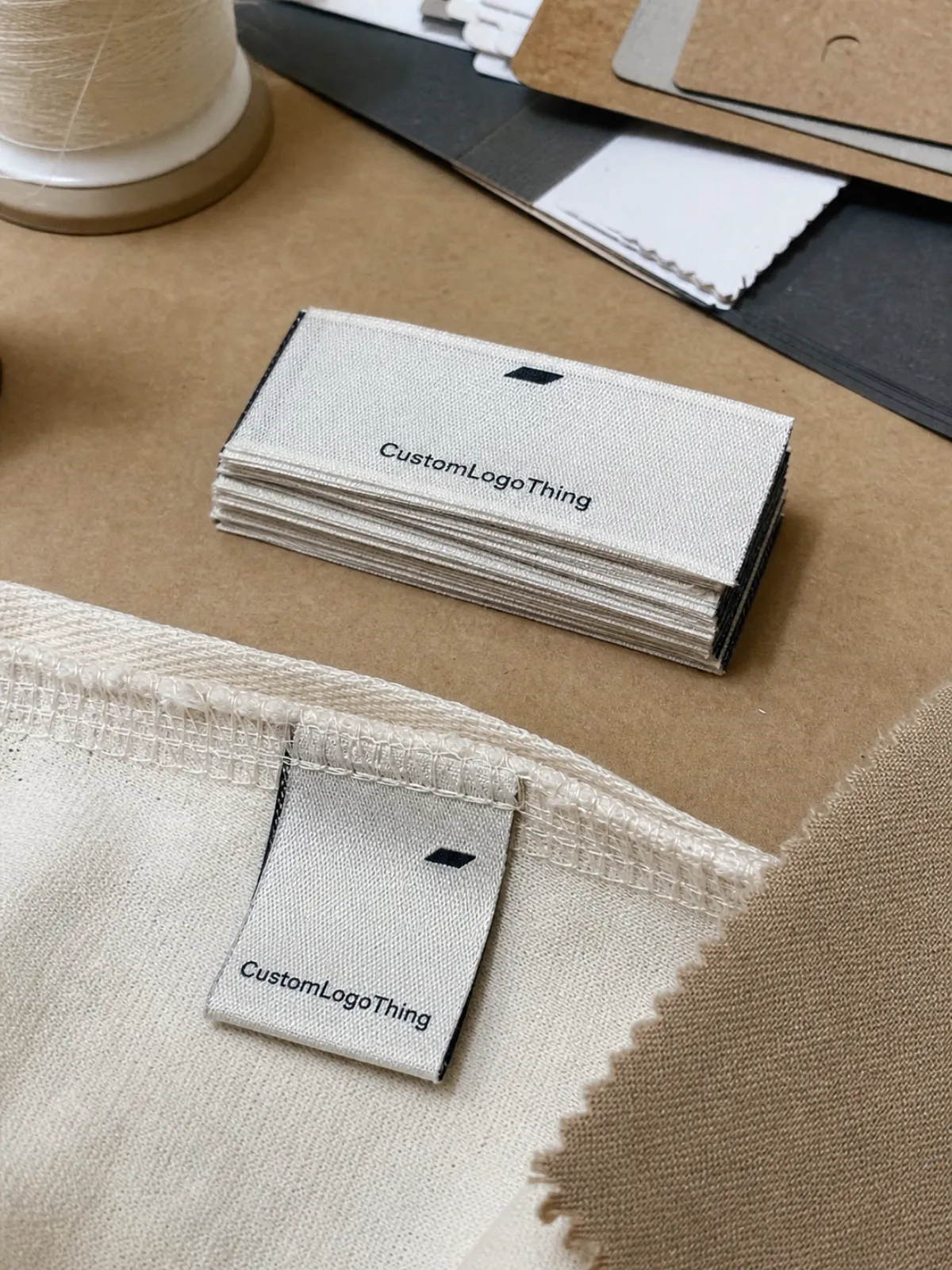
Care Labels Unit Cost for corporate gifting teams matters because the label is often the only permanent branded detail left after the box, tissue, sticker, and card are gone. The recipient keeps the hoodie. The mailer gets tossed. The label stays.
That tiny strip of satin, polyester, cotton, or woven thread carries more weight than buyers expect. A corporate gifting team may order embroidered hoodies, fleece robes, cashmere-feel scarves, or ribbed beanies, then notice the stock manufacturer tag at the last minute. Suddenly the whole gift feels less like a curated brand moment and more like a bulk apparel order with nicer wrapping.
Custom care labels add brand ownership, garment care instructions, size data, compliance details, and a more retail-grade finish. They are not just decoration. They tell people how to wash, dry, iron, or avoid shrinking the garment into a sad little doll sweater after one laundry cycle.
Custom Logo Things helps teams buying at scale with clear specs, realistic pricing ranges, artwork support, and production options that fit launch dates, employee welcome kits, and client gift drops. If you need Custom Labels & Tags that look intentional and survive actual use, the quote should be based on the full job, not optimistic guessing.
This guide covers what affects unit cost, what MOQ to expect, how to choose materials, which files are needed, and where production timelines usually get squeezed. Practical stuff. The kind that keeps purchasing from becoming a 12-email circus.
Care Label Types That Work Best for Branded Apparel Gifts
Different care labels do different jobs. Shocking, I know. The best option depends on garment fabric, recipient comfort, wash requirements, brand tier, and how much information must fit on the label.
| Label Type | Best Use | Typical Strength | Buyer Watchout |
|---|---|---|---|
| Woven labels | Premium logo branding, neck labels, hem labels | Retail-grade look and durability | Less ideal for tiny care text or dense symbols |
| Printed satin labels | Soft neck or side-seam care instructions | Smooth feel and good detail reproduction | Can fray or feel slippery if poorly finished |
| Printed cotton labels | Lifestyle apparel, natural fabrics, elevated basics | Warm, organic look | Print may look more textured than satin or polyester |
| Polyester wash labels | Durable care data, fiber content, size, origin copy | Economical and wash-resistant | Can look basic if design is ignored |
| Heat-transfer labels | Tagless tees, base layers, performance gifts | No sewn-in tag rubbing the neck | Requires correct fabric and application settings |
Woven labels look premium. They work well as a main logo label under the neck seam, on a sleeve cuff, at the hem, or inside a pocket. But woven construction has limits. If the care copy includes fiber content, country of origin, RN number, wash symbols, multiple sizes, and “do not bleach” in three languages, a woven label is probably the wrong tool. Pretty, yes. Practical? Not always.
Printed labels handle fine text better and usually cost less. Printed satin is common for soft apparel gifts because it has a smoother hand-feel. Polyester wash labels are workhorses for side seams; they hold up through repeated laundering and can carry detailed compliance copy. Cotton labels suit lifestyle apparel where the brand wants a more natural, matte finish.
Corporate gifting uses are wide: employee onboarding kits, executive retreat apparel, conference merch, client appreciation robes, holiday boxes, and brand partner collections. Higher-end programs often use two labels instead of one: a woven logo label for brand impact and a separate printed care label for the washing instructions. That split avoids cramming a legal document onto a postage-stamp-sized tag.
If you are building a repeat program, standardize the label family early. One logo label size and one care label format across multiple apparel gifts can lower cost per piece, reduce proofing time, and keep the brand system consistent.
Specifications That Change Label Quality, Feel, and Durability
A supplier cannot quote accurately from “we need a nice label.” Nice is not a spec. Before asking for pricing, define material, finished size, fold style, print or weave method, color count, edge finish, attachment method, and packaging requirements.
Common clothing label sizes are small, but not random. Side-seam care labels often run around 0.75 x 1.5 inches. Neck labels commonly land near 1 x 2 inches. Larger instruction labels may be 1.5 x 2.5 inches or more, especially if they include care symbols, multilingual copy, or fiber breakdowns. The copy has to fit after the fold, not before. That distinction catches buyers more often than it should.
Fold style affects sewing speed, finish, and printable area. Straight-cut labels are simple and economical. End-fold labels tuck the raw ends under for a cleaner sew-down. Center-fold and loop-fold labels are common for side seams. Manhattan folds and book folds create a more finished retail presentation, but they add complexity. Complexity usually adds setup charges or labor. Manufacturing is rude like that.
- Straight cut: basic flat label, often used for simple sew-in applications.
- End fold: clean ends, useful for neck labels sewn on two sides.
- Center fold: common for side seams with front and back printable panels.
- Loop fold: similar side-seam use, with a clean folded top edge.
- Book fold: more space for care copy, often used for detailed information.
Print details matter. Black-only care copy is usually cheapest and easiest to read. Multi-color logos raise unit cost, especially if tight registration is required. Tiny reversed text on a dark background is asking for trouble unless the label is large enough and the printing method can hold the detail. Your logo may look great on a website header. At 0.6 inches wide, it may become a smudge with confidence.
Material feel matters too. Satin is smooth. Polyester is durable and economical. Cotton feels natural but can show print texture. Woven labels feel premium, though they can become scratchy if built with heavy thread density, stiff backing, or too much structure for a soft garment.
Compliance copy should not be guessed. Fiber content, country of origin, care symbols, RN numbers where applicable, and legal text should come from the apparel supplier or the client’s compliance team. Many buyers align care symbols and instructions with ASTM care labeling standards. Broader packaging sustainability choices may involve FSC-certified paper materials for hang tags or inserts; the Forest Stewardship Council is a useful reference if sustainable sourcing is part of the gifting program.
Always request a digital proof. For larger corporate gift runs, ask for a physical pre-production sample if timing allows. A screen proof confirms layout. A physical sample confirms feel, scale, edge finish, fold accuracy, and whether the tiny text is readable by humans with normal lighting and normal patience.
Care Labels Unit Cost for Corporate Gifting Teams: What Drives the Quote
Care Labels Unit Cost for corporate gifting teams is driven by quantity, label type, size, material, color count, fold style, sewing requirements, packaging, sampling, shipping speed, and whether artwork is production-ready. That is the honest list. Anyone quoting from quantity alone is guessing.
Basic printed polyester care labels can be very economical at volume. As a planning range, simple black printed polyester labels may land around $0.04–$0.12 per piece at higher quantities, depending on size and finishing. Smaller runs can sit closer to $0.15–$0.35 per piece because setup labor is spread across fewer units. Woven labels, specialty cotton labels, book folds, custom-dyed materials, or multi-color work can push costs higher, often into the $0.18–$0.60+ per piece range depending on the spec.
Those are planning ranges, not a universal price sheet. A 1-color printed satin center-fold label at 5,000 units is a different job than a 4-color woven damask neck label with end folds at 700 units. Same broad category. Very different production math.
Practical buying rule: a cheaper label can still look professional if the artwork is clean, the copy is simple, and the size fits the information. Oversized, multi-color, over-engineered labels inflate cost fast.
MOQ also shapes the quote. Small custom runs may start around a few hundred pieces, but corporate gifting teams usually see better bulk pricing around 1,000, 2,500, 5,000, and 10,000+ units. The minimum gets the project made. The price break makes it efficient.
Setup charges and tooling fees may appear as separate line items or be built into the unit cost. Either way, somebody pays. Plates, screens, loom setup, artwork prep, proofing, and machine time do not happen because everyone believed in the brand hard enough.
Quote the full job, not just the label. Include label production, sewing or heat application, freight, kitting impact, and backup units for defects or late garment additions. The unit cost only tells part of the story if the apparel decorator charges extra to remove stock tags and sew new ones in.
MOQ, Sampling, and Bulk Pricing Tradeoffs Before You Buy
MOQ exists because the factory has to set up materials, artwork, machines, plates, screens, or looms. Tiny runs rarely get attractive pricing. That is not a punishment. It is basic production math.
The MOQ is not always the best buying quantity. A 300-piece minimum might get your labels made, but the cost per piece may be ugly. At 1,000 or 2,500 units, the unit cost often improves because setup is spread across more labels. At 5,000 or 10,000 units, the difference can be meaningful for repeat programs.
| Buying Scenario | Typical Quantity Range | Best Fit | Cost Tradeoff |
|---|---|---|---|
| Test run | 300–750 labels | Pilot gifts, sample apparel, small VIP batch | Higher unit cost, lower total spend |
| Event program | 1,000–2,500 labels | Conference apparel, retreat gifts, department kits | Better price breaks, manageable inventory |
| Corporate gifting program | 5,000–10,000+ labels | Ongoing employee kits, annual client gifting | Lowest cost per piece, requires forecasting |
Do not order exactly the garment count. Add 3% to 10% extra labels depending on sewing loss, garment defects, last-minute VIP additions, and kitting changes. If you have 2,000 hoodies, ordering 2,000 labels is brave. Not smart. Brave.
Sampling options vary. A digital proof is fastest and usually enough for simple black printed care labels. A photo sample gives basic visual confirmation. A physical sample confirms color, material, fold, and hand-feel. A production sample is worth it for high-stakes executive gifts, luxury apparel, sensitive brand colors, complex folds, very small text, or any project where an error would be wildly visible.
Sampling can add several days to two weeks depending on method and shipping. That delay is usually cheaper than discovering the label is too stiff after 4,000 units are sewn into premium robes.
One smart way to reduce Care Label Unit cost is to standardize size and material across multiple gifting programs. Use the same 1 x 2 inch printed satin care label for hoodies, robes, and scarves where legally appropriate, then update the care copy by garment. Less reinvention. Fewer errors. Better bulk pricing.
Process and Timeline From Artwork to Finished Labels
A clean process saves days. A messy process eats the deadline and then blames the supplier. The normal flow is simple: submit request, confirm label type and specs, provide artwork and care copy, receive quote, approve proof, sample if needed, produce labels, quality check, ship, and deliver.
- Request: send quantity, size, material, fold, delivery address, and in-hands date.
- Spec confirmation: confirm printed, woven, cotton, polyester, satin, or heat-transfer construction.
- Artwork review: check logo file quality, color references, line weight, and text size.
- Proof: approve digital layout before production starts.
- Sampling: optional, but recommended for premium or complex gifts.
- Production: manufacture, cut, fold, inspect, and pack labels.
- Shipping: send labels to the apparel factory, decorator, kitting warehouse, or office.
Quoting can take 1 to 2 business days when specs are clear. Proofing often takes 1 to 3 business days. Sampling can add several days to two weeks depending on whether you need a photo sample, physical pre-production sample, or full production sample.
Production lead times vary. Simple printed labels are usually faster. Woven labels, custom-dyed materials, special folds, large orders, or multi-location shipping can take longer. If labels also need to be sewn into garments before final kitting, build that into the schedule. Label production is only one step.
Timelines stretch when buyers send blurry logos, incomplete care copy, missing fiber content, or brand colors described as “kind of navy.” Delightful. Not production-ready. Vector artwork and Pantone references remove guesswork.
Shipping adds another layer. Domestic freight, international freight, customs clearance, rush courier options, and delivery destination all matter. Labels may ship to the apparel manufacturer, decorator, fulfillment warehouse, event agency, or corporate office. Each destination changes timing and responsibility.
For any project tied to a launch date or gift drop, create a buffer. A practical schedule often allows 2 to 4 weeks for standard label production and shipping, longer if sampling, sewing, or kitting is involved. Rush shipping can erase savings fast, so do not make freight the emergency room for poor planning.
How Custom Logo Things Keeps Corporate Label Orders Clean
Corporate gifting teams do not need fluffy brand worship. They need labels that arrive correct, on time, and within budget. Pretty simple. Harder than it sounds if specs are loose.
Custom Logo Things supports buyers with material recommendations, fold guidance, print and weave feasibility checks, care symbol layout, color matching direction, and production-ready proofing. The goal is to catch expensive little mistakes before they become 5,000 identical problems.
Common issues include text too small to read, labels too stiff for the garment, the wrong fold for the sewing method, missing care information, and artwork that looks fine on screen but fails at actual label size. A good supplier pushes back on those details. A lazy one says yes to everything and lets production expose the problem. Guess which one costs more.
Quality control should cover label dimensions, print clarity, cut and fold consistency, color consistency within reasonable manufacturing tolerance, and packing counts. No physical production run is magically identical down to the atom, but professional production should stay within agreed tolerances.
For broader shipping and transit planning, many corporate buyers also consider packaging test standards such as those from ISTA, especially if finished apparel kits ship in bulk to events or individual recipients. Labels are small, but the full gifting program still has to arrive intact.
Custom Logo Things is a strong fit for corporate gifting teams, apparel decorators, HR teams, event agencies, brand managers, merch teams, and procurement buyers managing repeat apparel gifting programs. If you also need hang tags, woven logo tags, or coordinated custom clothing labels and tags, keeping them under one production plan can reduce delays.
The point is not to buy the cheapest possible care label. The point is to buy a label that supports the garment, survives use, keeps the recipient informed, and does not embarrass the brand after the gift is opened.
Send These Details for a Fast, Accurate Quote
If you want pricing that is accurate, send complete details upfront. Otherwise the quote turns into a treasure hunt, and nobody has time for that.
Start with the basics: quantity, label type, finished size, material preference, fold style, number of print or weave colors, attachment method, delivery address, in-hands date, and whether sampling is needed. If you are not sure about the best label construction, say that. A practical recommendation beats a confident guess.
- Quantity: include garment count plus 3% to 10% extra labels.
- Finished size: width x height after folding, if applicable.
- Material: satin, polyester, cotton, woven damask, or heat transfer.
- Fold style: straight cut, end fold, center fold, loop fold, Manhattan fold, or book fold.
- Color count: black-only care copy or multi-color branding.
- Attachment: sewn in, heat applied, or supplied loose to a decorator.
- Deadline: in-hands date, not just “soon.” Soon is not a calendar date.
Artwork should be vector whenever possible: AI, EPS, or PDF. Include Pantone references or brand color values if matching matters. Raster files can work in some cases, but low-resolution PNGs pulled from an email signature are not ideal for production. That should not need saying, yet here we are.
Send care copy and garment details too: fiber content, wash instructions, size range, country of origin requirements, and any legal or compliance text supplied by the apparel manufacturer. If your legal team needs to approve RN numbers, care symbols, or fiber statements, handle that before production starts.
Photos help. If you are unsure about size or fold style, include images of the garment and the intended placement: neck seam, side seam, hem, sleeve cuff, inside pocket, or under a main brand label. The supplier can recommend a practical size and construction based on the actual garment.
Ask for two quote options: one optimized for lowest unit price and one optimized for premium finish. That makes tradeoffs obvious. A basic printed polyester care label may be the right call for a 10,000-piece hoodie program. A woven logo label plus printed satin care label may be better for executive robes or premium client apparel.
For a clean answer on Care Labels Unit Cost for corporate gifting teams, send specs, artwork, quantity, and deadline together so pricing and production timing can be confirmed quickly. If you are ready to price the job, start with Custom Labels & Tags from Custom Logo Things and keep the quote grounded in real production details.
FAQs
What affects care label unit cost for corporate gifting apparel?
The biggest factors are quantity, label type, size, material, color count, fold style, sampling, shipping speed, and whether the artwork and care copy are ready. Printed polyester labels are usually more economical than woven or specialty cotton labels, especially for detailed care instructions. Higher quantities typically reduce unit cost because setup charges and production labor are spread across more labels.
What MOQ should corporate gifting teams expect for custom care labels?
Many custom label projects start at a few hundred units, but better price breaks usually appear around 1,000, 2,500, 5,000, and 10,000 units. Corporate gifting teams should order 3% to 10% extra labels to cover sewing waste, garment defects, and last-minute recipient additions. MOQ depends on label construction, material, and production method.
Are printed or woven care labels better for corporate gifts?
Printed labels are better for small care text, wash symbols, fiber content, and budget-sensitive apparel runs. Woven labels look more premium but are not ideal for dense care instructions or very tiny text. Many premium gift programs use both: a woven brand label for visual impact and a printed care label for the practical details.
How long does care label production take after proof approval?
Simple printed labels generally move faster than woven, specialty, or heavily customized labels. Proofing often takes 1 to 3 business days, and sampling can add several days to two weeks depending on the sample type and shipping method. Buyers should allow extra time if labels must be sewn into garments before kitting and final delivery.
What should I send to get an accurate care label quote?
Send quantity, label size, material, fold style, color count, artwork, care copy, delivery location, and deadline. Vector artwork such as AI, EPS, or PDF helps prevent delays and fuzzy logo reproduction. If you are unsure about specs, send garment photos and intended label placement so the supplier can recommend practical options.


