Ceramic Ribbed Winter Beanies Material Thickness Guide: What Buyers Actually Need to Know
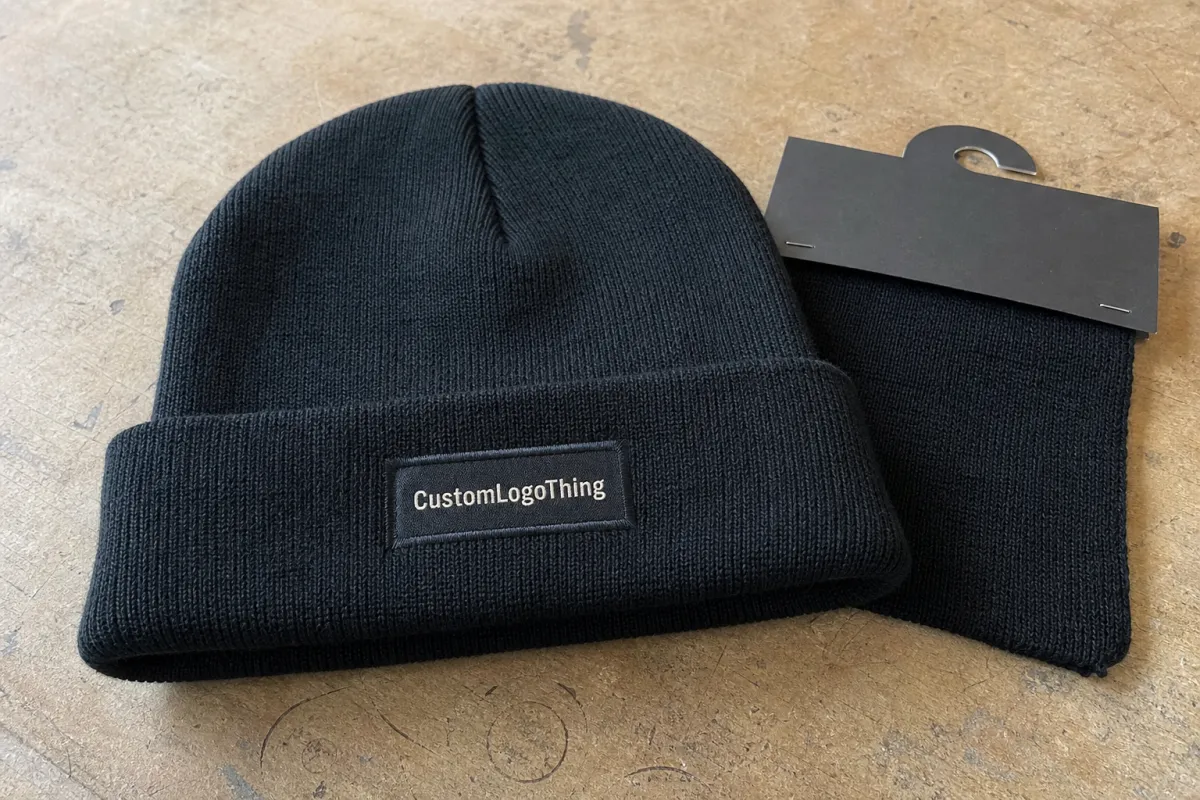
A beanie can feel premium in your hand and still fail on someone’s head. That is the practical problem this ceramic ribbed winter Beanies Material Thickness guide is meant to solve: separating visual texture from functional warmth, fit, logo performance, and real campaign value.
First, a clarification. “Ceramic ribbed” does not mean the beanie contains ceramic fiber or any hard material. Buyers usually use the phrase to describe a ceramic-inspired color direction: stone, clay, oat, warm gray, chalk, sand, or matte beige tones paired with a ribbed knit structure. Think pottery studio neutrals, not technical ceramics.
Ribbing matters more than many buyers expect. The vertical channels create pockets that help trap air, and trapped air is a major part of warmth. Ribbed construction also gives stretch recovery, so the beanie can expand over different head sizes and return closer to its original shape. A 1x1 or 2x2 rib can feel more substantial than a flat knit of similar weight because the surface has depth, compression, and spring.
But thickness is not a single decision. It affects warmth, shape retention, decoration choice, carton density, shipping cost, and per-unit budget. From a buyer’s point of view, the real question is not “Should we make it thick?” The better question is: “How thick does this beanie need to be for the climate, wear time, user profile, and brand promise?”
Consider two orders. A ski lodge gift shop buying 500 beanies for cold-weather retail may want a heavier rib, a tall cuff, and a leather or woven patch that looks giftable at $18-$32 retail. A citywide winter campaign ordering 5,000 promotional beanies may need a midweight acrylic rib, washable care, efficient carton packing, and a decoration method that keeps the landed cost under control. Same visual family. Different thickness logic.
Buyer note: If the brief only says “premium ribbed beanie,” the supplier has too much room to guess. Add target weight, cuff height, yarn blend, and logo method before sampling.
How Ribbed Knit Thickness Changes Warmth, Fit, and Perceived Value
Warmth is not created by thickness alone. It comes from a mix of yarn loft, stitch density, fiber blend, cuff structure, and how well the knit traps still air near the head. A thick beanie with a loose knit may leak heat. A midweight beanie with a dense cuff and good recovery may perform better during a two-hour outdoor event.
For most custom orders, buyers can think in three practical tiers. Lightweight ribbed beanies work for mild winters, indoor-outdoor commuting, staff uniforms, and budget giveaways. They often feel comfortable but may lack the firmness needed for large patches. Midweight ribbed beanies are the safest broad-use option because they balance warmth, stretch, decoration stability, and shipping efficiency. Heavyweight ribbed beanies suit ski markets, cold-weather retail, outdoor crews, and premium gifting, though they can feel too warm for office staff or urban commuters.
| Thickness Tier | Typical Use Case | Buyer Watchout | Common Logo Fit |
|---|---|---|---|
| Lightweight rib | Mild climates, budget promos, commuter giveaways | Can feel thin if cuff structure is weak | Small woven labels, simple embroidery, clamp tags |
| Midweight rib | Retail-style campaigns, staff kits, broad winter use | Needs sample testing for stretch recovery | Woven labels, faux-leather patches, PVC patches |
| Heavyweight rib | Ski shops, cold-weather gifting, premium merch | Higher yarn cost and bulkier cartons | Larger patches, badges, wide woven labels |
Stretch deserves its own scrutiny. A dense rib can grip the head sharply at first, which feels secure during a quick sample check. After four hours, that same grip may feel tight across the forehead. A looser rib may feel comfortable immediately, then relax too much after repeated wear. Ask for relaxed width and stretched width, not just “one size fits most.” A practical adult beanie often needs enough stretch to cover roughly 21-24 inches in head circumference, though the exact target depends on market and style.
Perceived value is also psychological. Consumers often equate weight with quality, much as heavier retail packaging can signal a premium product before the item is even opened. Packaging buyers know this pattern from corrugated cardboard, rigid boxes, and kraft paper wraps: substance changes expectation. Beanies behave the same way. A slightly firmer cuff can make a $7 item feel closer to a $14 retail product if the knit, color, and decoration are aligned.
Rib count and gauge shape the visual signal. Wide ribs read bolder and more heritage-inspired. Narrow ribs feel cleaner, more modern, and often better for small woven labels. Thicker cuffs provide a stronger branding zone for woven labels, leather patches, PVC patches, and embroidered badges, but the patch size must match the rib scale. Tiny branding on a chunky cuff can look accidental.
Key Material Factors: Acrylic, Wool Blends, Cotton, and Recycled Yarns
This ceramic ribbed winter Beanies Material Thickness guide would be incomplete without the fiber discussion. Two beanies can measure the same thickness and behave very differently because acrylic, wool, cotton, and recycled yarns do not insulate, stretch, pill, or wash the same way.
Acrylic is the workhorse. It offers color consistency, good bulk, easy care, and accessible pricing. For broad promotional orders, acrylic often wins because it can be machine washable, resistant to shrinkage, and available in stock colors. It is not always the warmest fiber by weight, but it is predictable, and predictability matters when buying 1,000, 5,000, or 10,000 units.
Wool blends bring natural loft. A wool-acrylic blend may feel warmer than a thicker 100% acrylic beanie because wool fibers have crimp that traps air efficiently. The trade-off is comfort sensitivity. Some wearers find wool itchy, especially around the forehead. A soft lining, lower wool percentage, or fine-gauge blend can reduce irritation, but each choice affects cost and hand feel.
Cotton feels soft and breathable, yet it can stretch out faster in ribbed constructions if the yarn and knit tension are not engineered well. It also holds moisture more readily than acrylic or wool blends. That may be fine for fashion merch or moderate weather, but it is less ideal for cold, wet outdoor use.
Recycled polyester or recycled acrylic adds a sustainability position, especially for brands already talking about recycled materials, post-consumer waste, or lower-impact merchandise. Be careful, though. Sustainability claims need documentation. Packaging teams already know this from FSC certified paperboard, recycled-content labels, and biodegradable packaging claims. The same discipline should apply to apparel accessories: ask what percentage is recycled, whether the claim is certified, and how it appears on product labels or packaging.
Ceramic-tone colors create their own quality-control problem. Beige, oat, stone, clay, and warm gray shades can reveal lint, pilling, and dye inconsistency more easily than black or navy. A tiny color shift across lots may not matter in a mixed giveaway, but it can stand out in a retail display or branded employee kit. If the color is custom dyed, request a yarn lab dip or sample card before approving the full run.
Honestly, I think many buyers underweight color behavior. A dark ribbed beanie hides small sins. A light ceramic shade exposes them. That includes stray fibers, uneven patch stitching, puckering around embroidery, and even the tone of the polybag or belly band used for packing.
Cost, Pricing, and MOQ: What Thickness Does to the Final Quote
Thickness affects the quote through a simple but often hidden chain: more yarn per unit, longer knitting time, heavier shipping weight, bulkier cartons, and tighter finishing controls. The change may look small on a single sample. Across 5,000 pieces, it becomes real money.
Useful quote requests include measurable details. Ask for yarn type, grams per piece, knit gauge, rib style, cuff height, decoration method, label material, packaging format, order quantity, inspection level, and delivery deadline. If a supplier cannot explain which of those variables is moving the price, the quote is not transparent enough for a serious buy.
As a rough planning range, a standard acrylic ribbed beanie with a simple woven label may land around $3.50-$6.50 per unit at moderate quantities, depending on weight, market, and decoration. A heavier wool-blend or premium patch version can move into the $7.50-$12.00+ range before freight and duties. Custom packaging may add $0.18-$0.60 per unit for belly bands, hang tags, header cards, or individual kraft paper-style sleeves, depending on print coverage and order size.
MOQ changes quickly once you move away from stock programs. Standard acrylic ribbed beanies may be available at lower quantities, sometimes 100-300 pieces for decorated stock styles. Custom ceramic color matching, specialty yarns, private-label trims, or unusual cuff dimensions can push minimums much higher. For custom-dyed yarn, 500-1,000 pieces is a common practical threshold, though this depends on supplier setup and yarn source.
Decoration has its own economics. A woven label can be cost-efficient at scale and gives clean detail on ceramic neutrals. Embroidery may cost more on thick ribs because dense stitching can distort the knit, especially if the logo has fine type or tight curves. Leather and faux-leather patches raise unit cost but also lift perceived value. PVC patches work well for outdoor brands but may feel too technical for a soft, ceramic color story.
There is a packaging parallel here. Saving $0.08 by reducing yarn weight can backfire if the beanie feels flimsy, just as a thin mailer can cheapen an otherwise premium product. The buyer may win the spreadsheet and lose the customer’s first impression.
The smartest move is to request two or three thickness levels, not one vague “premium beanie” quote. Ask for value, midweight, and premium options using the same logo and color direction. Then compare samples side by side. This is the practical heart of a ceramic Ribbed Winter Beanies material thickness guide: not guessing from adjectives, but making the supplier show the trade-offs.
Process and Timeline: From Thickness Spec to Approved Sample
The process should start with use case, not color. Define where the beanie will be worn, how long people will wear it, whether it is a giveaway or retail item, and what the brand wants the product to communicate. Only then should you choose yarn blend, rib style, target weight, ceramic color direction, logo method, and packaging.
A normal development path looks like this:
- Define climate, user, order quantity, and retail or promotional intent.
- Select a yarn blend such as acrylic, wool-acrylic, cotton, recycled polyester, or recycled acrylic.
- Choose rib style, cuff height, target weight, and relaxed dimensions.
- Confirm ceramic color direction using stock shades, lab dips, or sample yarn cards.
- Add logo method, label size, patch material, and placement.
- Review a physical sample, then approve or revise before bulk production.
Sampling matters because digital mockups hide the failures that people actually feel. A screen cannot show compression, forehead pressure, cuff firmness, stretch recovery, or whether a patch sits flat on raised ribs. It also cannot reveal whether a ceramic gray reads warm and earthy under daylight but greenish under office lighting.
Timelines vary. Stock color programs usually move faster than custom-dyed yarn. Standard rib patterns move faster than custom gauges or unusual cuff dimensions. A decorated stock sample may be ready in about 5-10 business days after artwork approval, while a custom yarn or custom knit sample may need 12-20 business days or longer. Bulk production often adds several weeks after final approval, with freight method creating the next major timing variable.
For any order where thickness, color tone, or logo presentation is central to brand perception, request a physical pre-production sample. Not a photo. Not only a digital proof. A real sample. Then check yarn color, beanie height, cuff height, relaxed width, stretched width, logo size, label placement, care label, and packaging format.
Logistics planning deserves early attention. Thicker beanies reduce carton efficiency. A carton that holds 100 lightweight beanies may hold far fewer heavyweight cuffed pieces, which can affect storage, kitting, retail displays, and event delivery schedules. Packaging engineers measure cube for a reason. Apparel merch buyers should, too. If your sustainability team references guidance from groups such as the EPA on recycling and waste reduction, carton density and packing materials belong in the conversation, not just the yarn claim.
Common Thickness Mistakes That Make Custom Beanies Feel Wrong
Ordering by photo alone is the first mistake. Rib depth, yarn loft, cuff stiffness, and surface texture are difficult to judge on a screen, especially in neutral ceramic shades. A beanie can photograph beautifully and still collapse after two wears.
Overbuilding is another common error. Very thick beanies feel premium in a sample room, but they may be too hot for commuters, indoor staff, university bookstores, brewery merch, or mild-winter cities. If people take the beanie off after 15 minutes, the brand loses exposure.
The opposite error is going too thin. Thin ribbed beanies can lose cuff structure, fail to support a patch, and give off a giveaway feel that undermines the brand. The cost saving might be $0.20-$0.50 per unit, but the perceived value drop can be much larger. People are blunt with winter accessories. They either wear them, or they disappear into a drawer.
Decoration conflicts are frequent. Dense embroidery on chunky ribs can pucker, distort, or sink unevenly into the knit. Tiny woven labels can look lost on wide ribs. A rigid non-stretch patch can make an otherwise flexible cuff feel tight across the forehead. Logo planning should happen before sampling, not after bulk knitting has started.
Sizing assumptions also create problems. A beanie that looks correct in relaxed measurements may feel tight once a tall cuff is folded twice or a thick patch is attached. Ask testers with different head sizes to wear the sample for at least an hour. Five seconds in a mirror is not testing.
Packaging gets ignored until the quote changes. Heavy ribbed beanies may need larger polybags, bigger belly bands, thicker hang tags, or larger cartons than the buyer planned. If your brand uses kraft paper bands, FSC certified tags, or recycled-content insert cards, confirm the size against the actual folded beanie. For transport testing and distribution planning, organizations such as ISTA provide useful context on packaging performance expectations, even if a simple beanie program does not require formal testing.
Practical test: Fold the cuff, unfold it, stretch it over a larger head form, then let it rest for 24 hours. If the cuff waves, twists, or loses shape, the spec needs revision.
Next Steps: How to Choose the Right Spec Before You Order
Start with the user. Climate, wear duration, target audience, brand position, decoration method, and budget should be defined before thickness is discussed with a supplier. A winter race volunteer, a ski lodge shopper, and an office employee receiving a holiday gift do not need the same beanie.
Create three spec tiers: value, midweight, and premium. Keep the ceramic color direction and logo concept similar across all three, then compare the samples side by side. Abstract descriptions such as “soft,” “warm,” and “premium” are too subjective. Weight, gauge, cuff height, and recovery after stretch give you something measurable.
Ask suppliers for the details that can be checked later:
- Yarn blend and any recycled-content percentage.
- Approximate weight per piece in grams.
- Rib style, knit gauge, and cuff height.
- Relaxed width, stretched width, and total beanie height.
- Recommended logo methods for that thickness.
- Packaging format, carton quantity, and packed dimensions.
Then test like a consumer. Wear the sample for an hour. Fold and unfold the cuff several times. Stretch it over different head sizes. Check whether the logo area stays flat. Look at the ceramic shade under daylight, office light, and warmer retail lighting. If the product will ship in kits, test how the beanie compresses beside other items.
Document the winning sample with photos, measurements, and approval notes. Keep one approved sample sealed if possible, and use it as the benchmark for bulk inspection. This is basic quality control, but it prevents vague arguments later. “Match approved sample” is stronger when the approved sample has recorded measurements and decoration notes.
The best custom beanie orders are not built from adjectives. They are built from evidence: fiber, weight, rib structure, cuff dimensions, logo compatibility, packaging cube, and a sample that survives real handling. Use this ceramic ribbed winter beanies material thickness guide as a checklist before approving samples, quotes, and production.
FAQ
What thickness is best for ceramic ribbed winter beanies?
Midweight ribbed construction is usually the safest choice for broad use because it balances warmth, stretch, logo stability, and shipping cost. Heavyweight is better for cold-weather retail, ski markets, and premium gifts, while lightweight works for mild climates or budget promotions. Ask for physical samples because rib density and yarn loft can make two beanies with similar weights feel very different.
Does a thicker ribbed beanie always mean it is warmer?
Not always. Warmth depends on fiber blend, stitch density, loft, cuff design, and how much air the knit traps. A wool-blend midweight beanie can feel warmer than a thicker acrylic beanie if the yarn insulates better. Fit matters too: a loose thick beanie may leak heat, while a properly fitted midweight cuff can perform better.
How does material thickness affect logo decoration on winter beanies?
Thicker ribbed cuffs usually support patches and woven labels well, but dense embroidery can distort on raised ribs. Wide ribs may require larger logos so the branding does not look small or uneven. For clean results, confirm the decoration method during sampling instead of after bulk production begins.
Will ceramic-colored ribbed beanies cost more than standard colors?
They can cost more if the ceramic tone requires custom dyeing, a special yarn blend, or tighter color matching. Stock shades like oatmeal, stone, clay, or warm gray are usually more economical than custom Pantone-matched yarn. Neutral light colors may also need better quality control because lint, pilling, and dye variation are easier to see.
What specs should I include when requesting a quote for ribbed winter beanies?
Include yarn blend, target thickness or weight, rib style, cuff height, beanie dimensions, color direction, decoration method, packaging, order quantity, and delivery deadline. Ask for pricing at multiple thickness tiers so you can compare unit cost against perceived value. Request a pre-production sample if warmth, fit, or logo presentation is important to the campaign.


