Ceramic Studio Poly Mailers Bulk: Order the Right Fit
Shipping a flat decal pack in a carton the size of a shoebox is a quick way for a studio to spend more than it needs to. Ceramic studio Poly Mailers Bulk orders solve that problem for items that are already protected, slim, and easy to stack. The goal is simple: move orders out the door faster, keep the packing table tidy, and stop paying for empty space. The trick is not picking the biggest mailer on the list. It is matching the mailer to the packed item, then ordering enough volume to keep the workflow moving without constant reordering.
That idea sounds plain because it is supposed to. Most studios lose money in places that do not feel expensive at first glance, like oversize cartons, extra void fill, extra tape, and the labor that comes with repacking a shipment that was never sized properly. A well-fitted poly mailer lowers postage, reduces handling, and keeps repeat orders more consistent from one batch to the next. The mailer still needs to match the product, though. Loose pottery, unwrapped mugs, and fragile pieces with no inner support still belong in a box. Ceramic studio poly mailers bulk works for the right shipment, not as a shortcut for every ceramic item.
Why ceramic studio poly mailers bulk orders save fragile shipments
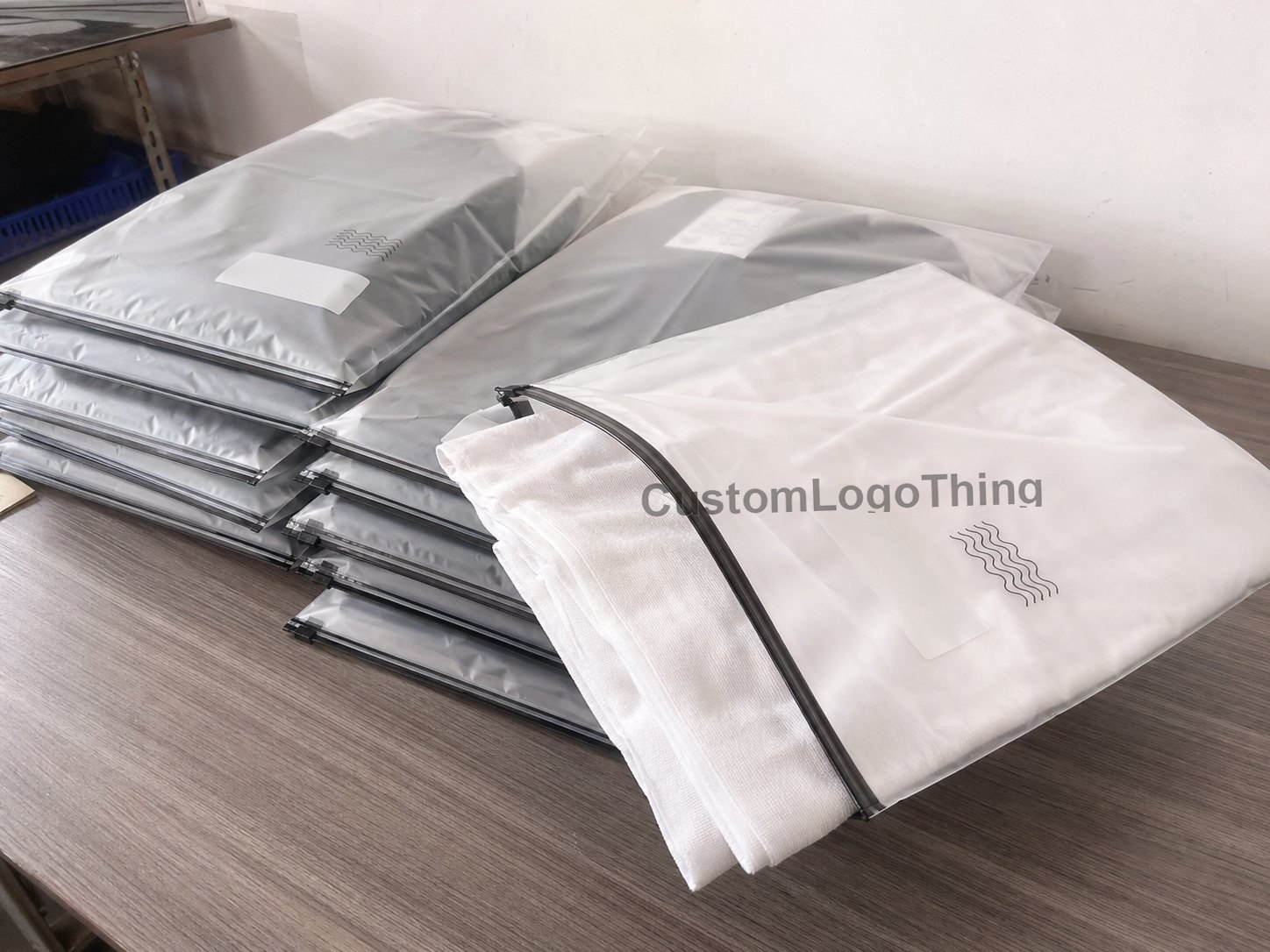
From a packaging buyer's angle, the savings show up in three places: lower shipping weight, less packing time, and fewer materials to manage on the bench. Ceramic studio poly mailers bulk orders are especially useful for flat merch, sample packs, thank-you inserts, decal sets, swatch cards, small boxed accessories, and lightweight studio orders that already have internal protection. A strong mailer can replace a carton when the package is slim and stable. That means less corrugate, less tape, less dunnage, and fewer trips back to the supply shelf. I have seen small studios shave noticeable time off their end-of-day packing just by switching those repeat, low-risk orders into the right mailer size.
Postage changes fast once a box gets bigger than it needs to be. Dimensional weight pricing can climb quickly, especially when the parcel includes a lot of air. A mailer removes that dead space right away. A folded print set, a wrapped coaster set, or a boxed add-on often ships more efficiently in a mailer than in a rigid carton. The savings per parcel may look modest on a single order, then the monthly total starts telling a different story. Studios usually notice that shift once they compare a few weeks of shipping data side by side.
Ceramic studio poly mailers bulk also helps with packing speed. A mailer opens faster, loads faster, seals faster, and labels faster than a carton. That matters when one person is packing after studio hours or when the whole team is trying to clear a holiday rush without turning the room into a pile of tape guns and crushed boxes. Faster does not mean careless. It usually means the packaging format matches the order better, which is exactly what a busy studio needs.
The boundary matters, and plenty of people blur it. Poly mailers are a strong fit for protected, flat, or boxed items. They are not a substitute for structure around loose ceramic ware. If the product can chip, crack, or shift inside the shipper, the package needs support first. A mailer can hold the outer layer together. It should not be asked to rescue a badly packed item. For ceramic studios, that distinction is the difference between a clean shipping process and a broken piece on the other end.
For ceramic studios, the cheapest packaging is the one that arrives intact and does not force a re-pack. Mailers that split, stretch, or seal poorly are not cheap. They are just expensive later.
That is why ceramic studio poly mailers bulk buying makes sense once a studio knows its most common packed sizes. You are not guessing every week. You are choosing a repeatable format that fits the order, keeps the packing table clear, and gives the brand a cleaner handoff. If you want to compare formats, start with Custom Poly Mailers and then review the broader Custom Packaging Products range if the order needs inserts, boxes, or mixed materials.
Ceramic studio poly mailers bulk: sizes, styles, and print options
Size is where many first-time buyers get caught. They measure the product itself and forget the packed item. That is how a 9 x 12 mailer turns into a struggle with a folded sleeve, a thank-you card, and a rigid insert that should have been counted from the start. For ceramic studio poly mailers bulk, measure the order the way it leaves the packing table. Include the outer sleeve, tissue, backing card, protective wrap, and any extra insert. The mailer should close without forcing the seal to stretch. If the contents are tight before the adhesive is pressed down, the bag is probably undersized.
The most common studio uses are practical rather than flashy: decals, branded merch, thin accessory orders, care cards, sample packs, and boxed extras. A studio selling mugs with a ceramic cleaner insert might still use a mailer if the mug sits inside a rigid retail box. A studio shipping a coaster set in a flat sleeve can often move straight to a mailer. That kind of fit is what makes ceramic studio poly mailers bulk useful in the first place.
Style choices matter too. Buyers usually compare plain stock mailers with custom printed runs, then decide whether branding justifies the setup cost. A plain white or gray stock mailer works well when the studio is still testing order volume. A custom printed mailer makes more sense once repeat shipments justify the added setup. If the unboxing should feel more deliberate, custom print is usually the better choice. If the only goal is a clean outer layer that protects the order, stock can do the job without adding complexity.
Closure type should not sit at the bottom of the checklist. A strong self-seal strip helps the packing team move quickly and keeps the closure consistent. A tamper-evident seal gives customers a clearer sign that the parcel was not opened in transit. Some studios also want a tear strip for easier opening. Others care more about opacity so the contents do not show through. Ceramic studio poly mailers bulk orders should be matched to those details before artwork enters the conversation.
Print decisions usually come down to three things: logo placement, repeat pattern versus single-mark branding, and whether the message stays on the outside or includes an inside print. A single logo mark is cheaper and often cleaner. A repeat pattern adds shelf presence if the mailer is visible during pickup or retail handoff. Inside messaging can be useful when the studio wants a short thank-you note or care reminder without adding another insert. A logo sticker on a random gray bag is not a branding strategy. It is an unfinished idea with shipping tape on it.
- Common sizes: 6 x 9, 9 x 12, 10 x 13, 12 x 15, and 14.5 x 19 are common starting points.
- Common thicknesses: 2.5 mil for lighter packs, 3 mil for standard shipping, and 4 mil for higher tear resistance.
- Common print setups: one-color logo, two-color logo, full exterior repeat, and selective inside messaging.
- Common closure options: peel-and-seal, tamper-evident seal, and tear strip.
If you want to see how the format changes by order type, the table below is the useful part. It is not dressed up. It is just a practical view of what ceramic studio poly mailers bulk buyers usually need.
| Option | Typical use | Usual MOQ | Typical unit range | Notes |
|---|---|---|---|---|
| Stock plain mailers | Decals, inserts, thin merch, small boxed add-ons | 100-500 pieces | $0.12-$0.35 each | Lowest setup burden, fastest to source, best for testing sizes |
| Custom printed mailers | Direct-to-consumer studio orders, branded repeat shipments | 1,000-5,000 pieces | $0.18-$0.65 each | Print coverage, color count, and size all affect pricing |
| Custom size + print | Unusual packed dimensions, fixed subscription packs, retail kits | 5,000+ pieces | $0.28-$0.90 each | Most flexible, but tooling and setup costs are higher |
One more practical rule: choose the mailer for the packed item, not the unwrapped product. That is the difference between a clean fit and a headache. For ceramic studio poly mailers bulk, the better question is not "Will it fit the mug?" It is "Will it fit the mug plus the box, sleeve, and insert without over-stretching the seal?" That is the measurement that matters. If there is any doubt, measure the finished pack twice and leave a little room for the adhesive area.
Specifications that protect your budget and brand
Specs are the guardrails here. If the numbers stay fuzzy, the quote will stay fuzzy too, and the final order will not become clearer later by accident. For ceramic studio poly mailers bulk, start with four things: material thickness, seal strength, tear resistance, and usable interior dimensions. Those are the basics. Artwork matters too, but the bag still has to survive handling before it can represent the brand.
Thickness deserves more attention than many buyers give it. A 2.5 mil film can work for lightweight studio packs, but a 3 mil or 4 mil mailer often gives a better balance between flexibility and puncture resistance. If the order includes boxed ceramics or rough edges from insert packs, the extra thickness can help prevent splits along the fold lines or seal edge. That is not glamorous work. It is simply cheaper than re-shipping packages that failed in transit.
Ceramic studio poly mailers bulk orders also need seal strength that matches the packing speed. A weak adhesive strip slows the line because staff have to press and check each closure. A reliable peel-and-seal strip saves time, but only if the closure is clean and the top edge is not overloaded. For a repeat studio order, a slightly thicker film with a dependable seal usually beats a pretty bag that looks good in mockup form and falls apart near the truck.
Print specs deserve their own checklist. Ask how many colors are included, what the bleed area is, how the logo should be placed, and what file format the printer wants. A simple one-color logo on a white mailer keeps costs down and usually looks sharp. A full-coverage print can build stronger shelf presence, though it also raises setup and production complexity. For ceramic studio poly mailers bulk, the cleaner route is often one strong mark with enough white space to feel intentional.
Finish changes brand perception more than people admit. A matte finish usually reads quieter and more studio-made. A gloss finish can look brighter and more retail-facing. Neither is automatically better. It depends on the brand. If your work leans earthy, handcrafted, and understated, a matte mailer often fits. If your studio sells high-contrast patterns or bold color work, a glossier surface may suit the line better. The point is to make the mailer feel like part of the brand, not a random shipping layer.
For shipping durability, some buyers also ask about transit testing. That is a smart question. If you want a common standard, ISTA testing protocols give buyers a clear language for drop and distribution testing. For recycling guidance, the EPA recycling basics are useful because local curbside rules vary. A mailer can be recyclable in one stream and not accepted in another. Packaging buyers learn that the hard way if they never check. Carrier acceptance can vary too, so it is worth confirming any material claim against the shipping service you actually use.
That is why ceramic studio poly mailers bulk requests should include more than a logo. Ask for film thickness, interior dimensions, seal type, print count, finish, and proof rules. If the supplier cannot answer those questions clearly, keep looking. Packaging that protects the budget usually starts with packaging that is specified properly.
If the spec sheet is vague, the price is probably hiding something. Good mailer quotes are boring because the details are already clear.
Cost, pricing, MOQ, and unit cost: what to expect
Let us talk about the part everyone watches closely once the quote arrives. For ceramic studio poly mailers bulk, pricing usually breaks into three buckets: stock mailers, Custom Printed Mailers, and custom size plus print. Stock is cheapest up front. Custom print costs more because of setup, inks, and proofing. Custom size costs more again because the bag has to be built around the dimensions you want instead of a standard template.
Typical unit pricing can land in these working ranges: stock plain mailers around $0.12-$0.35 each, custom printed runs often around $0.18-$0.65 each, and custom size plus print often around $0.28-$0.90 depending on quantity, thickness, and print coverage. Those are ranges, not promises. A small order with heavy print coverage usually costs more per unit than a larger order with a single-color brand mark. That is how the math behaves, no matter how much someone hopes it will bend.
MOQ follows the same logic. Print method matters. Color count matters. Custom sizing matters. Material choice matters. A plain stock order can start low because the bag already exists. A custom printed order usually needs a bigger minimum to make setup worthwhile. If you are comparing ceramic studio poly mailers bulk options, ask for quotes at three levels, such as 1,000, 3,000, and 5,000 pieces. That makes the drop in unit cost easier to see and helps you judge whether the bigger run is actually worth it.
Freight changes the landed cost too. A low unit price can become expensive once shipping, carton counts, pallet fees, and proof delays get added. Smart buyers compare total order cost, not just sticker price. If one option saves three cents per mailer but takes longer to produce, arrives with higher freight, and needs a re-run because the size is wrong, it is not cheaper. It is just a bad purchase with a tidy invoice.
Ceramic studio poly mailers bulk buyers should also ask whether proofing is included and whether revisions are limited. Simple artwork moves quickly. A messy logo file can push pricing upward because prepress has to fix the file before print starts. The easiest way to keep cost stable is to send a clean vector logo, final copy, and exact packed dimensions from the beginning. That tiny bit of prep saves real money.
Here is the rule that tends to hold up: compare total cost per shipped order, not just unit price. If a better mailer prevents one damage claim, one repack, or one unhappy wholesale account, it often pays back quickly. That is the kind of math packaging buyers can actually defend when the numbers get questioned.
For studios that ship often, bulk pricing should feel predictable. If it does not, ask why. The right ceramic studio poly mailers bulk quote should explain where the cost is coming from, what the MOQ is, and what happens to unit pricing at the next volume tier. Confusing pricing usually means the order was not specified clearly enough, or the supplier is leaving too much room for surprise charges later.
Process, timeline, and production steps for bulk orders
A clean order process saves time for everyone. The standard flow for ceramic studio poly mailers bulk is straightforward: inquiry, size confirmation, artwork review, digital proof, production, quality check, and shipping. That is the full path. Where projects usually go off track is not the factory step. It is the information step before production even starts.
First comes inquiry and size confirmation. The buyer sends the packed dimensions, expected quantity, print idea, and delivery location. If the studio ships several order types, it helps to start with the most common one and then move outward from there. For ceramic studio poly mailers bulk, the packed item is the key. If the dimensions are wrong here, everything after that gets harder.
Then comes artwork review. This is where clean vector files matter. A good printer wants a logo in the right format, a clear color callout, and a layout that fits the print area. If the logo is low-resolution or copied from a website, expect delay. It is not because printers enjoy dragging things out. It is because blurry art prints like blurry art. There is no mystery in that.
Digital proofs usually come next. This is the buyer's chance to catch size, spacing, spelling, and placement issues before the order moves ahead. If the proof gets approved quickly, production can start. If the proof stalls for copy changes or a new logo version, the schedule shifts. For ceramic studio poly mailers bulk, the proof stage is often the biggest variable in the timeline, so it pays to have one decision-maker ready instead of five people all weighing in at once.
Timing depends on whether the order is stock or custom. Stock mailers can often move in a few business days once inventory is confirmed. Custom printed runs usually take longer, often around 12-20 business days after proof approval, depending on print complexity and quantity. Custom sizing can add more time because the factory needs to build to spec rather than pull from standard inventory. Rush options may exist, but they are easier to use once the artwork and dimensions are already locked in.
- Common delays: missing artwork, unclear pack dimensions, last-minute text edits, and delayed proof approval.
- Common speed-ups: vector logo files, final color references, exact quantity, and a single decision-maker.
- Repeat-order advantage: once the spec is locked, reorders usually move faster than first-time jobs.
Quality checks matter more than many people think. A reliable supplier should inspect print placement, seal strength, and count before shipping. If the studio is ordering at volume, ask how the cartons are packed and whether partial shipments are possible if needed. A repeat ceramic studio poly mailers bulk order should feel like a system, not a scavenger hunt.
If the team wants to test a new size or print layout, start with a sample or a smaller proof run. That is the least expensive way to avoid ordering 5,000 units of a bag that turns out to be one inch too small. It happens more often than anyone likes to admit, and once it does, nobody wants to be explaining the overage to the person who tracks the budget.
Why choose us for ceramic studio shipping orders
Custom Logo Things is built for buyers who want the order handled without drama. That means clear specs, straightforward quotes, and bulk pricing that still makes sense when the packaging has to be reordered every month or quarter. For ceramic studio poly mailers bulk, the real value is not flash. It is consistency. The mailer has to look right, fit right, and arrive when the studio needs it.
We keep the process practical. If you are comparing options, start with Custom Poly Mailers, then use Custom Packaging Products if the order needs other branded pieces too. If you are buying for multiple locations or planning recurring restocks, the Wholesale Programs page is the better place to sort out volume pricing. No confusing pitch. Just the options that line up with real shipping needs.
That matters because studio buyers usually do not need a packaging lecture. They need a clear quote, a proof that is easy to approve, and a supplier who can hold the line on the spec. Ceramic studio poly mailers bulk orders work best when the process is boring in the right way. Clear size. Clear print. Clear timeline. No mystery charges afterward.
Reliability also shows up in the small details: response time, proof clarity, and order consistency from one reorder to the next. If a bag was approved at 10 x 13 with a one-color mark, the next order should match that spec unless the buyer changes it. That sounds basic because it should be basic. Plenty of suppliers still miss the basics, which is exactly why a steady packaging partner stays useful.
For ceramic studios, that kind of consistency supports the brand without forcing the team to spend half the day cleaning up packaging problems. A good ceramic studio poly mailers bulk order saves labor, keeps the shipping desk neat, and still gives the customer a branded outer layer that feels deliberate.
Next steps to order ceramic studio poly mailers bulk
Start with the packed item, not the idealized version of it. Measure the finished order with all inserts, sleeves, and protection included. Then choose one or two sizes to compare before requesting a quote. That is the fastest way to avoid a bad fit. For ceramic studio poly mailers bulk, the mailer should close cleanly, not fight the contents.
Next, gather the details that make the quote useful: logo files, preferred color count, order quantity, shipping destination, and whether the studio wants stock or custom print. If you already know the repeat order size, include that too. The cleaner the information, the cleaner the pricing. Nobody enjoys a quote that has to be rebuilt three times because the dimensions were guessed from memory.
If the studio is trying a new mailer style, ask for a sample or a smaller proof run first. That is especially helpful when the item sits near the size limit or when the packaging design includes an inside print or heavier logo coverage. A sample run gives you one real check before the bulk order turns into inventory you have to live with. Smart buyers test when the stakes are high.
Once the fit is confirmed, the order path is simple: lock the spec, approve the proof, confirm MOQ, and place the bulk order. Ceramic studio poly mailers bulk is not complicated when the process starts with the right measurements and the right print setup. Compare specs, verify the landed cost, and choose the option that fits the packed order instead of the hopeful version of it.
The practical takeaway is straightforward: measure the finished pack, choose the smallest mailer that closes without strain, and ask for a sample before you commit to the full run. Do that, and your ceramic studio poly mailers bulk order will support the work instead of creating extra labor, extra postage, and extra headaches.
What size ceramic studio poly mailers bulk order should I start with?
Start with the packed size, not the bare product size, so the mailer fits the finished order without stretching or bunching. Leave room for inserts, sleeves, or thin internal protection if the studio ships boxed items. If you sell multiple order types, pick the most common size first and test a second size for edge cases. That is usually safer than guessing on a large custom run for ceramic studio poly mailers bulk.
Are ceramic studio poly mailers bulk orders suitable for pottery shipments?
They are best for flat merch, accessories, decals, boxed pieces, and protected items, not loose fragile pottery. Use them only when the item already has appropriate internal protection or another rigid layer. For delicate ceramics, the mailer should support the package, not replace proper cushioning or a box when needed. In other words, ceramic studio poly mailers bulk is for the right shipment, not every shipment.
What is the usual MOQ for ceramic studio poly mailers bulk runs?
MOQ depends on whether the order is stock, custom printed, or custom sized. Lower quantities are usually available for stock items, while custom print and custom dimensions generally require higher minimums. Ask for pricing at two or three volume tiers so you can see where unit cost improves. That gives you a clearer view of how ceramic studio poly mailers bulk pricing changes as volume rises.
How long does production take for ceramic studio poly mailers bulk orders?
Timeline depends on proof approval, print complexity, and whether the order is stock or custom. Stock mailers usually move faster than custom printed runs because there is less setup involved. If you already have approved artwork and repeat specs, reorders are typically quicker than first-time jobs. For ceramic studio poly mailers bulk, the proof stage is usually the main timing variable.
Are custom printed ceramic studio poly mailers bulk orders worth it?
Yes, if you want stronger brand recognition and a cleaner unboxing experience without moving to heavier packaging. Custom print makes the order feel more deliberate, which matters for studios that sell direct to consumer. The tradeoff is higher setup cost, so it makes more sense once you have steady repeat volume. For a studio with recurring shipments, ceramic studio poly mailers bulk with custom print often pays back in presentation and consistency.


