Ceramic Studio Shipping Envelopes Unit Cost: Order Smart. Ceramic studio shipping envelopes unit cost gets misunderstood quickly because the lowest-looking mailer on a quote sheet is rarely the lowest-cost choice once the order is moving through the pack room. The real number shows up in fit, thickness, print coverage, freight, and the number of times a package gets touched before it reaches the customer.
For ceramic brands, the envelope only earns its place when it fits the job. A care card, a replacement decal, a small accessory set, or return paperwork can ride safely in a poly mailer, while a fragile mug, bowl, or hand-thrown plate usually needs stronger transit packaging and more protection around it. Ceramic Studio Shipping envelopes unit cost makes sense only inside the full pack-out, not as a line item floating on its own.
Why Ceramic Studio Shipping Envelopes Unit Cost Can Drop Fast
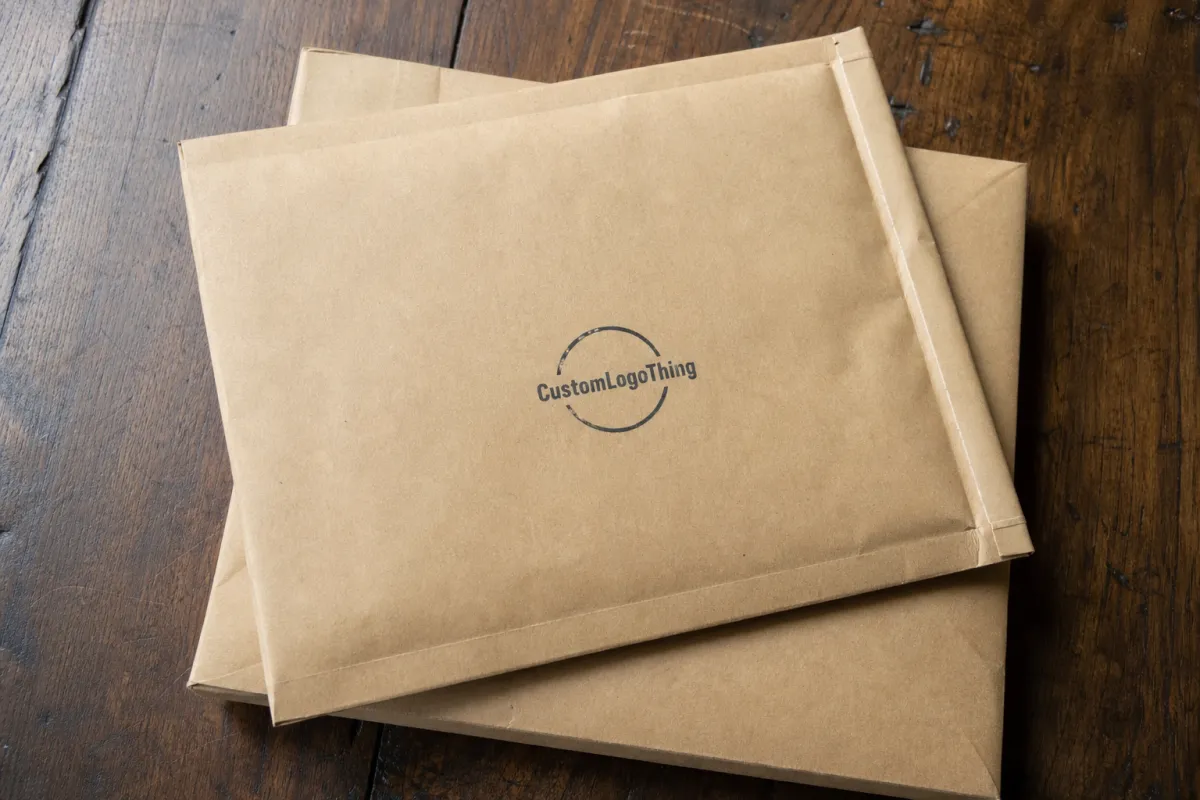
The biggest surprise for many buyers is that ceramic studio shipping envelopes unit cost often falls more from careful sizing than from hard bargaining. A mailer that matches the contents closely uses less film, wastes less carton space, and keeps inserts from sliding around during ecommerce shipping. That tighter fit can reduce damage claims, speed up packing, and make the unboxing feel more considered.
Every ceramic studio ships a mix of items, and that mix should drive the packaging choice. Flat, lightweight pieces such as care cards, decals, business reply cards, membership materials, or small retail add-ons usually do well in a poly mailer. Fragile, heavy, or irregular pieces belong in a box from Custom Shipping Boxes, even if the sticker price is higher. Ceramic studio shipping envelopes unit cost stays honest only when the envelope matches the contents instead of trying to force one package to do everything.
Labor matters too, and it often gets buried under product pricing. A mailer that seals fast and stays flat saves time compared with one that needs extra tape, folded padding, or repeated checks because the insert keeps drifting out of position. Those small delays stack up in a busy studio. Over a month of shipments, a few seconds saved on each order can outweigh a small difference in unit price, especially when the same team is also glazing, firing, packing, and answering customers. Ceramic studio shipping envelopes unit cost is really a materials-and-labor decision combined.
"The cheapest envelope is expensive if it creases the insert, tears at the seal, or forces the packer to add a second layer of protection."
A practical buying sequence keeps the whole order cleaner. Protection first. Fit second. Branding third. Volume last. Reverse that order and the quote may look attractive while the shipment itself gets weaker. Once the packout is right, then the studio can decide whether plain stock, a simple one-color logo, or a more custom finish is worth the extra spend. That is usually where the budget starts behaving itself.
Seasonal launches and small-batch restocks benefit from the same discipline. A studio sending wholesale samples does not need the same envelope spec as a studio shipping monthly membership kits. Ceramic studio shipping envelopes unit cost stays under control when each use case is separated and bought for what it actually needs.
Product Details: What Ceramic Studios Need in Poly Mailers
Poly mailers are usually made from a blended plastic film with a self-seal adhesive strip and an outer face that can be plain, opaque, or custom printed. For ceramic studios, that structure matters because it keeps lightweight contents dry, private, and easy to identify on a crowded shipping bench. The bag is not there to cushion fragile pottery; it is there to hold flat goods securely and protect them from ordinary warehouse handling and last-mile delivery. Ceramic studio shipping envelopes unit cost should always be tied to a clear application instead of a vague category like "shipping packaging."
The most common use cases are practical and easy to recognize. Studios use them for decals, art prints, note cards, sample swatches, small merch pieces, return forms, and replacement hardware. Some brands also use them for membership packets or care-sheet inserts that ride inside a box with the main ceramic item. In those cases, the mailer becomes part of the broader shipping materials plan rather than the primary protective layer. If the mailer needs to support a stronger branded presentation, Custom Poly Mailers can be a clean place to start because they keep the package looking tidy without pushing the budget into luxury territory.
Branding choices are straightforward, and they do move ceramic studio shipping envelopes unit cost. Plain white or black stock mailers tend to be the least expensive. A one-color logo or simple return messaging adds modest cost. Full coverage printing, large ink fields, or multiple colors raise the price more quickly. For most ceramic brands, a clean logo, the studio name, and perhaps one short care line or thank-you note deliver the best balance. The package feels finished without asking the print budget to carry the work of good material selection.
One limitation is easy to miss: a poly mailer should not be expected to protect bare ceramic pieces on its own. A bowl, cup, or sculpture needs inner wrap, cushioning, and a rigid outer structure that can withstand impact. A mailer still plays a useful role as a document carrier, a secondary seal, or a branded sleeve for flat accessories, but it is not a substitute for proper package protection. If the shipment is more than flat paper goods, the buyer should step back and compare the full Custom Packaging Products range before deciding what structure fits best.
Good mailers disappear into the workflow. They open easily, seal cleanly, print clearly, and hold shape long enough to make the order feel cared for. In practice, that result usually comes from a sensible spec rather than chasing the lowest possible ceramic studio shipping envelopes unit cost on the quote sheet.
Specifications That Matter for Ceramic Shipping
Thickness is usually the first spec buyers ask about, and with good reason. A lighter film can save money, but if it feels flimsy the seal area may split or the bag may wrinkle during handling. A thicker mailer usually offers better tear resistance and a more confident feel, especially when the studio ships through mixed carrier networks or stages cartons before pickup. Ceramic studio shipping envelopes unit cost should not be driven by the heaviest film available; it should be driven by the lightest film that survives real transit conditions.
Internal dimensions matter just as much as thickness, and sometimes even more. A bag that is too tight can crease the insert, stress the seal, or make the packer fight the opening on every order. A bag that is too large can let the contents move, which creates a sloppy presentation and can increase the chance of edge damage. Measure the flat piece first, then add room for the seal, the artwork, and any backing card. Good sizing often lowers ceramic studio shipping envelopes unit cost because it reduces waste and speeds up the line.
Seal strength, opacity, and puncture resistance are the next details that matter in real life. The adhesive strip should close cleanly on the first press. The film should keep contents private if the shipment includes retail or membership materials. The surface should hold up to abrasion when cartons are stacked, shuffled, or scanned. For studios shipping through busy ecommerce shipping channels, these details are not abstract; they separate a polished delivery from a customer complaint.
If the buyer wants a more technical read, third-party standards help. ISTA testing offers a practical framework for evaluating vibration, drop, and handling stress, and that matters even for lightweight formats because a small failure can create a disproportionate service problem. See the standards and test guidance at ISTA. For studios using recycled or certified paper-based components alongside their shipping materials, the chain-of-custody information at FSC can support sourcing claims without overpromising anything about the envelope itself.
Standard stock sizes help when the studio ships a narrow set of inserts. Custom dimensions make more sense when the mailer is part of a branded packout or when the studio wants a tighter fit around a specific product line. The closer the size matches the item, the easier it is to control waste, reduce dimensional weight surprises in freight, and keep ceramic studio shipping envelopes unit cost in a range that protects margin instead of eroding it.
One small but useful note from the floor: if the seal area sits too close to the contents, the adhesive can snag the insert or interfere with the look of the first panel. That sounds minor until a customer sees it. A cleaner insert path makes the whole package feel more deliberate, and that is often worth a few extra pennies when the shipment is part of a premium ceramic order.
Ceramic Studio Shipping Envelopes Unit Cost, Pricing & MOQ
Pricing starts with a handful of variables that work together rather than separately: size, film thickness, print coverage, color count, custom tooling, packaging configuration, freight, and total quantity. Once those details are fixed, ceramic studio shipping envelopes unit cost becomes much easier to compare. Without that context, a quote can look cheaper on the page while hiding higher setup charges, higher shipping charges, or a spec that is simply too weak for the job.
MOQ matters because setup cost needs to be spread across the run. Small quantities usually carry a higher per-piece price, especially for custom print or custom dimensions. Larger orders often reduce the unit rate because the line can run more efficiently and the production waste gets absorbed across more finished pieces. That does not mean every studio should buy the largest order possible. It means the buyer should compare order size with reorder cycle, storage space, and monthly usage so ceramic studio shipping envelopes unit cost stays aligned with actual demand.
The cleanest way to compare quotes is to hold the spec constant. Ask for the same dimensions, the same material, the same print area, and the same ship-to location. Then look at landed cost, not just the unit price. Freight can matter a lot on lightweight goods because carton count, pallet pattern, or a remote destination can change the final number. If the mailer will move through several handling points before the end customer sees it, price it as a full delivered system, not as a single line item.
| Option | Typical MOQ | Estimated Unit Cost | Best Use | Notes |
|---|---|---|---|---|
| Plain stock poly mailer | 1,000 to 3,000 | $0.11 to $0.24 | Flat inserts, decals, paperwork | Lowest setup cost; fastest to source; limited branding |
| Stock size with one-color print | 3,000 to 5,000 | $0.19 to $0.38 | Branded inserts and small accessories | Balanced presentation and ceramic studio shipping envelopes unit cost |
| Custom size with one-color print | 5,000 to 10,000 | $0.28 to $0.58 | Tight-fit packouts and private-label kits | Better fit, less waste, stronger presentation control |
| Custom size with full-coverage print | 10,000+ | $0.42 to $0.85 | Premium branded mailers | Highest visual impact, but ceramic studio shipping envelopes unit cost rises quickly |
Those numbers are not universal, and they should not be treated as a promise. A small mailer in a simple print scheme can land below the ranges above, while a large, thick, heavily printed format can run above them. Even so, the pattern stays consistent: size and print complexity usually drive ceramic studio shipping envelopes unit cost faster than a simple logo change does. That is a practical buying lesson, not a marketing slogan.
Ask for pricing at a few breakpoints. A test order lets the studio check fit and print quality. A standard reorder volume shows the realistic working price. A larger seasonal buy shows where the savings begin once MOQ is satisfied. That three-point comparison often reveals the real sweet spot for ceramic studio shipping envelopes unit cost and keeps a buyer from guessing too early.
If the shipment is highly weight-sensitive, dimensional weight belongs on the checklist too. A mailer can be light, but a poorly packed outer carton or oversized inner bundle can still create freight waste. For ceramic brands that ship many small orders, even small dimensional weight changes can add up over a quarter. That is another reason to compare the full packout instead of looking only at the envelope line.
A useful rule of thumb keeps the decision grounded: the more the envelope is tailored to the actual contents, the easier it is to protect margin. Ceramic studio shipping envelopes unit cost often improves after a careful spec review, even when the piece price goes up slightly. Less waste, cleaner packing, and fewer claims usually beat a bargain quote that fits the wrong job.
Process and Turnaround: From Quote to Delivery
The quote process should feel orderly, not mysterious. First comes the spec review: dimensions, quantity, thickness, print colors, seal style, and whether the order is stock or custom. Next comes artwork prep, where the studio confirms logo placement, copy, and any color expectations. Then comes proofing, production, packing, and freight booking. Each step sounds small, but together they shape ceramic studio shipping envelopes unit cost just as much as the material itself.
Turnaround depends on what is being made. Stock items can often move faster because the base material already exists. Custom print takes longer because the artwork has to be prepared, checked, and approved. Custom dimensions add another layer because tooling or setup may be required before production starts. If the studio is preparing a launch, a market season, or a wholesale drop, leave buffer time instead of assuming every shipment will move at the same speed.
Proof review is where many problems get caught before they become expensive. Confirm the logo size, the placement of return copy, the seal position, and the carton count. It is also the time to check the tone of the copy. A care message that looks fine on a screen can feel too large or too small once it is printed on film. That kind of issue is easy to miss if the buyer focuses only on ceramic studio shipping envelopes unit cost and not on the final pack experience.
For order fulfillment teams, the best planning habit is to keep reorder points close to actual consumption. If a studio waits until the last carton is gone, it will usually pay more for rush freight, compressed production time, or a compromise spec. A better rhythm is to watch monthly usage and keep the next order moving before inventory gets thin. That keeps the pack line steady and makes ceramic studio shipping envelopes unit cost easier to manage over time.
There is also a practical difference between single-address and multi-address delivery. A single dock drop is usually simpler. Multi-warehouse or multi-location shipments can add sorting and freight complexity. If the studio sends packages to a retail store, a warehouse, and a studio office, the pricing conversation should account for that early. It is easier to quote correctly than to correct it later.
For brands that want to keep the packaging stack straightforward, matching the mailer plan with the rest of the line helps. Sometimes the right answer is a poly mailer for inserts, a box for the product, and a consistent printed insert inside both. In that case, the combined packaging system may work better than forcing one envelope to do everything. That is the kind of choice that keeps ceramic studio shipping envelopes unit cost realistic instead of artificially low and functionally weak.
Why Choose Custom Logo Things for Ceramic Packaging
Custom Logo Things is a practical fit for ceramic brands that want packaging advice grounded in real production choices. The focus should stay on matching the envelope spec to the job, not on pushing a premium structure where a simpler one will work better. Ceramic studio shipping envelopes unit cost drifts upward fast when the packaging is overbuilt, overprinted, or oversized for the contents.
Clear guidance on the actual use case helps most. A flat insert pack, a small accessory shipment, and a branded membership kit do not need the same structure. By separating those jobs, the buyer can Choose the Right mix of plain stock, printed mailers, or a more customized option. That approach usually improves package protection and pricing discipline at the same time.
It also helps to work with a packaging partner that speaks plainly about MOQ, proofing, lead times, and freight. Ceramic buyers do not need inflated promises; they need enough detail to plan launches, restocks, and seasonal orders with confidence. A good quote should show where the unit cost is coming from, where the savings sit, and where the trade-offs begin. That kind of clarity makes ceramic studio shipping envelopes unit cost easier to defend internally when someone asks why one spec costs more than another.
For studios building a broader packaging system, the options can extend beyond envelopes. The wider Custom Packaging Products range is useful when the mailer needs to work alongside labels, boxes, inserts, or branded outer packaging. Ceramic ecommerce shipping rarely relies on one item alone. It is usually a chain of decisions, and the chain is only as strong as the weakest piece of transit packaging.
The best packaging partners do not chase the most expensive setup. They help the buyer choose the structure that protects the goods, supports the brand, and keeps ceramic studio shipping envelopes unit cost in line with the store's margin. That kind of support makes a packaging program easier to repeat, reorder, and scale without drama.
If the studio is comparing vendors, the questions should be direct: Can the size be matched to the insert? What does the print coverage do to the price? Where is the MOQ breakpoint? How long does proof approval usually take? Those questions separate a glossy quote from a real purchasing plan. They also make it much easier to decide whether a mailer or a box belongs in the final packout.
Next Steps for Ceramic Studio Shipping Envelopes Unit Cost
The fastest way to get a useful quote is to gather the basics before asking for numbers. Measure the flat contents, decide whether the envelope is for inserts or part of an outer pack, and estimate the first three order volumes the studio is likely to use. That simple prep work makes ceramic studio shipping envelopes unit cost easier to compare because the quote can be built around reality instead of assumptions.
- Measure the item flat, then add room for insertion and the seal.
- List the quantity breakpoints you might actually reorder at.
- Note whether the mailer needs a logo, return copy, or care text.
- Choose whether the shipment needs plain stock, custom print, or a custom size.
- Share the destination ZIP code or country so freight can be estimated accurately.
Request two versions of the quote side by side: one standard-size option and one custom-size option. That comparison usually shows whether the lower unit price is truly the better deal or whether the more tailored piece wins after waste, packing time, and freight are included. In many studios, that side-by-side view is what finally pins down the best ceramic studio shipping envelopes unit cost for the way the business actually ships.
Before placing a volume order, approve a proof or sample whenever possible. That small step helps catch artwork issues, seal problems, and fit problems before the full run is locked in. After that, set a reorder point based on monthly use so the next purchase is planned instead of rushed. A simple reorder rhythm is one of the easiest ways to hold ceramic studio shipping envelopes unit cost steady over time.
For ceramic studios, the best packaging decisions are rarely dramatic. They are measured, repeatable, and tied to what the product needs in transit. If the envelope is right, the pack line runs faster, the customer receives a cleaner presentation, and the studio keeps ceramic studio shipping envelopes unit cost under control without sacrificing protection or brand presence.
Frequently Asked Questions
What drives ceramic studio shipping envelopes unit cost the most?
Size, thickness, print coverage, and MOQ usually matter more than a small design change. Freight and carton count can also change the landed cost noticeably on smaller orders. A tighter spec match to the actual contents often lowers waste and improves the true unit cost, which is why ceramic studio shipping envelopes unit cost should be compared as a full package rather than a single line item.
What MOQ should a ceramic studio expect for custom poly mailers?
Stock sizes can often start lower, while custom sizes and custom print usually need a higher MOQ. The best MOQ is the one that matches your reorder cycle without creating excess inventory. Ask for pricing at two or three volume breakpoints before deciding so you can see where ceramic studio shipping envelopes unit cost starts to improve in a meaningful way.
Are poly mailers enough for shipping ceramic pieces?
Not for bare fragile ceramics that need impact protection. They work well for lightweight inserts, decals, accessories, replacement parts, and branded paperwork. For fragile items, use the mailer as part of a larger packout, not as the only protection. That is the safest way to keep package protection honest while still managing ceramic studio shipping envelopes unit cost sensibly.
How do I choose the right size for ceramic shipping envelopes?
Measure the flat contents first, then add enough allowance for seams and easy insertion. Account for any backing cards, sleeves, or care inserts that travel with the item. Choose the smallest size that does not stress the seal or crease the contents, because right-sizing is one of the most reliable ways to reduce ceramic studio shipping envelopes unit cost without losing performance.
What information do I need for a price quote?
Provide dimensions, quantity, print colors, material preference, and whether you need stock or custom sizing. Include your target ship date and destination so freight and turnaround can be estimated accurately. If you have artwork, send the file format early so proofing does not slow the quote. That full picture gives the clearest read on ceramic studio shipping envelopes unit cost before production starts.
For a ceramic brand, packaging should do three jobs at once: protect the contents, support the presentation, and keep the numbers honest. If you get the size right, Choose the Right structure, and compare quotes on the same spec, ceramic studio shipping envelopes unit cost becomes much easier to control. The practical takeaway is simple: match the envelope to what actually ships, verify the proof before production, and set your reorder point before the last carton disappears.


