event merch Shipping Envelopes Unit cost is the number that decides whether a branded send-out feels efficient or starts draining margin in quiet little ways. A mailer that looks inexpensive on paper can turn into the most expensive part of the program once print coverage, inserts, rework, and freight are folded into the total. I have watched buyers get fooled by the first quote line more than once, and the pattern is usually the same: the outer shell looks cheap, then the real work starts showing up in production and shipping. That is why experienced event teams read the quote as a full system rather than a single line item.
Event merch shipping envelopes unit cost: why the numbers surprise buyers
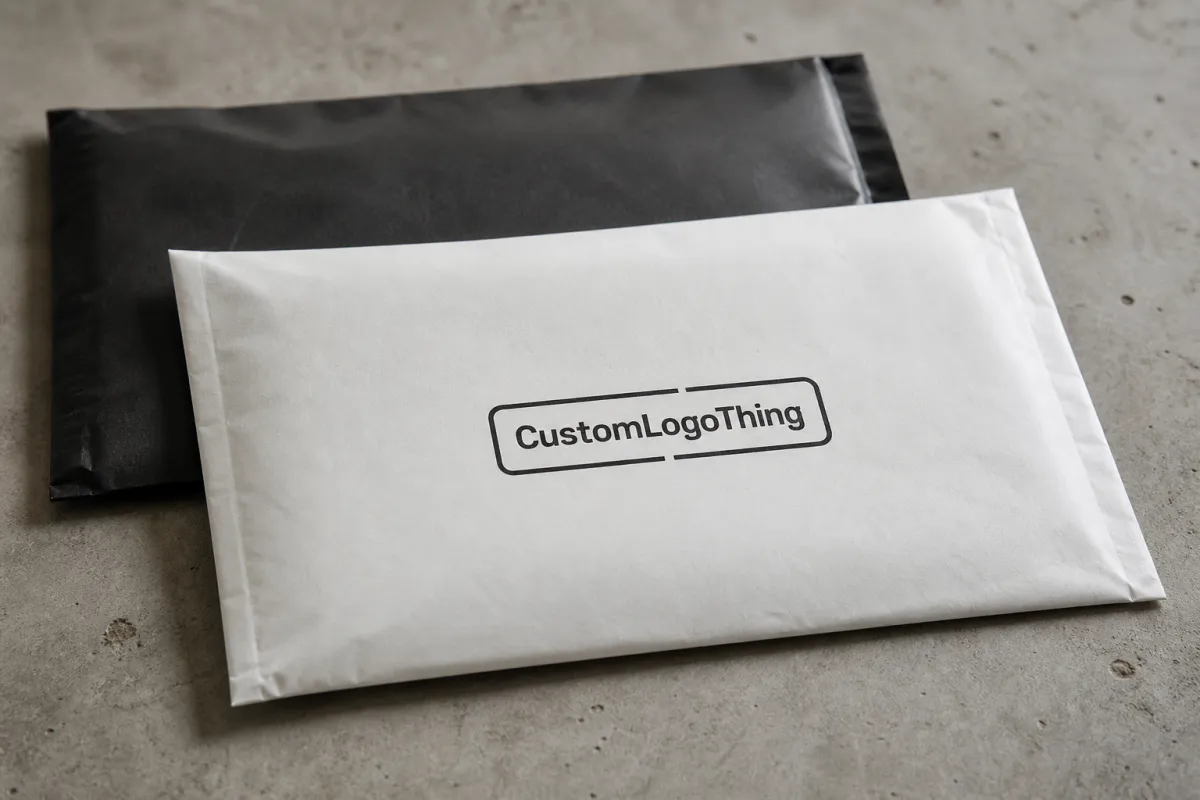
Most buyers compare envelope pricing against boxes too early and too casually. They look at the outer shell and miss the work that happens around it. Then the fulfillment crew adds kitting labor, the art team asks for another proof, and freight turns a small shipment into a stubborn invoice. By that point, Event Merch Shipping envelopes unit cost is no longer a tidy unit number; it is the result of material, handling, and movement through the building.
The lowest-looking option often creates hidden costs. A thin envelope may save a few cents, but if it bends, tears, or forces a second pass through quality control, the savings vanish quickly. In real programs, event merch shipping envelopes unit cost should be measured against the cost of damage, missed launches, and the extra cube a box would add. That cube matters. Dimensional weight can change the freight class of an event drop, especially when hundreds or thousands of pieces move together. If the package is gonna ride a carrier network for several days, the structure has to hold up before the savings mean anything.
Oversized packaging creates another trap. Teams sometimes choose a larger mailer because it feels safer, then pay for it three times. First in material. Second in storage space at the staging site. Third in transit charges tied to dimensional weight. A well-spec'd envelope can reduce all three. For flat merch, that is a meaningful win, because the package itself should not become the story. The merch should.
The cheapest mailer is rarely the cheapest program. A few cents saved on paper means nothing if the pack fails, the schedule slips, or the event team has to rebuild orders by hand.
From a packaging buyer's point of view, the real question is simple: what is the lowest event merch shipping envelopes unit cost that still protects the contents, moves cleanly through order fulfillment, and presents the brand with care? That answer shifts by item mix, by ship method, and by how tight the launch window is. A lanyard pack has different needs than a flat apparel bundle or a printed welcome kit, and it is kinda amazing how fast the economics change once you stop treating those kits as interchangeable.
Why shipping envelopes work for event merch programs
Shipping envelopes perform best where the contents stay flat and light. Folded tees, compact hoodie packs, stickers, postcards, lanyards, badges, pamphlets, and small welcome kits with one or two inserts all fit that profile. Those are familiar event merch jobs. For those runs, event merch shipping envelopes unit cost can beat boxes because the pack uses less material, stages faster, and ships in a tighter footprint.
The practical benefit is not limited to price. A custom envelope cuts down on handling steps. Instead of building a box, adding void fill, and taping every seam, a crew can place the item set into a mailer, seal it, and move on. That matters during event week, when order fulfillment teams are often under pressure and staffing is thinner than planned. Less labor does not sound glamorous, but it shows up in the numbers. It also reduces the little mistakes that happen when people are moving fast, which is usually where margin gets nicked.
Compare envelopes to rigid mailers and boxes with honesty. Rigid mailers give more protection than soft envelopes, but they cost more and take more room in storage. Boxes offer the best package protection for fragile or bulky goods, yet they also raise dimensional weight and usually slow packing. For flat merch, envelopes sit in the useful middle ground. They provide enough structure for transit packaging, enough branding surface for a strong first impression, and less waste than an oversized carton.
| Format | Typical use | Approx. unit cost | Strengths | Trade-offs |
|---|---|---|---|---|
| Custom shipping envelope | Flat apparel, inserts, stickers, lanyards | $0.18-$0.55 at higher volumes | Low cube, fast packing, clean branding | Not ideal for fragile or bulky items |
| Rigid mailer | Documents, premium flat kits | $0.45-$0.95 | Better stiffness, stronger presentation | Higher material cost and storage needs |
| Shipping box | Heavier merch, mixed kits, fragile items | $0.60-$1.80+ | Best package protection, flexible sizing | Higher dimensional weight and labor |
That comparison is why buyers should not jump straight to a box unless the kit truly needs one. If the contents stay flat, a custom envelope often handles the job with fewer shipping materials, lower storage demand, and a faster path through the warehouse. If you are still comparing formats, our Custom Poly Mailers and Custom Shipping Boxes are useful reference points, because they make the tradeoffs visible before you commit to a run.
Brand presentation matters as well. A custom envelope creates a cleaner first impression than a generic mailer with a label applied on top. For event merch, that visual effect has real value. The package may be the first physical touchpoint the attendee sees, and in some programs the envelope arrives before the event itself. That means the mailer is doing marketing work, not just transit work. A plain envelope can ship merchandise. A branded envelope can help frame the entire experience.
Materials, sizes, and print options that shape performance
Material selection is where event merch shipping envelopes unit cost starts to move in visible ways. Poly constructions are usually the lightest and most moisture resistant. Kraft gives a warmer, more premium paper feel and can be FSC-certified. Hybrid structures sit in between, often pairing a paper face with a protective inner layer. Each choice changes durability, look, recycling profile, and price. A poly envelope may be cheaper at scale, but a kraft build can make more sense if your brand wants a paper-forward presentation and the contents will not face wet handling.
Size matters just as much. A common mistake is to size the envelope to the item alone, then ignore the fold allowance, the insert card, the closure lip, and any protective sleeve. That mistake raises event merch shipping envelopes unit cost because excess material gets built into every piece. Better sizing starts with the folded merch dimensions, then adds a small margin for assembly and seal integrity. In practice, a few millimeters can decide whether the pack feels easy to fill or annoying to assemble by the hundredth unit.
For closure and security, most event teams choose peel-and-seal strips because they save time and reduce the chance of inconsistent sealing. Tamper evidence can be added when the contents need a cleaner chain of custody, and reinforced seams help if the pack is likely to move through multiple touchpoints. If a kit includes a heavier insert, ask for seam reinforcement early. It is far easier to specify it before tooling than to discover the issue after the first batch is already in production.
Print is another major variable. One-color branding can keep event merch shipping envelopes unit cost in a controlled range, especially for larger quantities. Full-coverage graphics, heavy ink laydowns, matte lamination, and soft-touch finishes all add cost. Some finishes improve shelf appeal. Others mostly add expense. The buyer's job is to decide which signals are necessary. If the envelope will be opened once and discarded, a clean logo and a strong color block may do the job better than a dense art treatment.
For deeper packaging spec work, it helps to think like a tester rather than only a designer. ISTA publishes shipping test methods that are widely used to simulate transit stress, and the standards are a useful reference when package protection matters more than visual flair. See ISTA for the testing framework. For paper-based materials, FSC certification can help buyers verify responsible fiber sourcing, especially on kraft programs. See FSC for the standard and certification context. Neither one replaces a practical pack test, but both raise the quality of the conversation.
Useful spec questions before you approve artwork
- What is the flat and folded merch size after the inserts are added?
- Does the pack need moisture resistance, or is basic transit packaging enough?
- Will the order be hand-packed or automated through order fulfillment?
- Do you need one-color branding, or is full coverage worth the extra cost?
- Is the closure strong enough for the route, the carrier, and the event timeline?
If you answer those questions early, event merch shipping envelopes unit cost becomes easier to predict. The spec tightens. Waste falls. The final mailer is more likely to match the way your program actually ships, not the way a product catalog imagines it should ship.
Event merch shipping envelopes unit cost: pricing, MOQ, and quote drivers
Quote math is where many buyers lose clarity. One vendor shows a low unit price, another shows a lower setup fee, and a third hides freight inside the total. For event merch shipping envelopes unit cost, the only fair comparison is a line-by-line one. Separate the material price, setup or plate cost, proofing, shipping, kitting, and any extra handling. If a quote does not break those pieces out, ask for a revision before you compare it with another supplier.
Quantity is usually the biggest pricing lever. Setup costs do not disappear just because the run is small. They simply get spread across fewer units. That is why a 500-piece order often carries a much higher event merch shipping envelopes unit cost than a 5,000-piece order. The same is true for special finishes, multi-color artwork, and unusual sizes. The less standard the build, the more the fixed work shows up in each piece.
The MOQ depends on the material and print method, but custom programs often start at a few hundred to a few thousand units. A pilot run may be possible, especially if the artwork is simple and the base material is in stock. Still, a buyer should expect the economics to improve at breakpoints. That is why tiered pricing is useful. It shows where the event merch shipping envelopes unit cost drops enough to justify a larger purchase order, or where a smaller test run still makes sense.
| Quantity tier | Typical unit cost | Common setup pattern | Best for |
|---|---|---|---|
| 300-499 units | $0.85-$1.60 | Higher setup spread across fewer pieces | Pilot programs, VIP kits, launch tests |
| 1,000-2,499 units | $0.42-$0.90 | More efficient material and print balance | Regional events, recurring sends |
| 5,000+ units | $0.18-$0.45 | Best spread of setup and production labor | National programs, repeat event merch |
Those ranges are not universal, and they should not be treated as a promise. They are a planning tool. A thicker film, a flood coat, a metallic accent, or a custom insert can push the number upward quickly. The same is true of rush timing. If the job has to move inside a compressed window, event merch shipping envelopes unit cost may include overtime, air freight, or premium production scheduling. That is not a markup trick; it is the cost of changing the production plan after the work is already booked.
The cleanest way to compare quotes is to ask each supplier to show the same five elements: unit price, setup, freight, proofing, and any packing or kitting labor. Then ask for two or three volume tiers. That makes it easier to see whether the savings at scale are real or only cosmetic. A quote that looks higher at first can still be the better choice if it includes better package protection, more reliable lead time, and less rework. Buyers who track the full landed cost usually make the stronger call.
Quote drivers to watch: print coverage, number of colors, material thickness, closure style, envelope dimensions, bagging or bundling method, and whether the order needs any custom assembly before shipment. Each one can nudge event merch shipping envelopes unit cost higher or lower. None of them should be guessed at the last minute.
Production steps, lead time, and turnaround expectations
The production path should feel straightforward if the spec is clear. It usually starts with a requirements intake: item size, quantity, artwork, material preference, ship-to location, and any insert or kitting needs. Then the artwork is reviewed, the envelope dimensions are confirmed, and a proof is issued. Only after proof approval does the schedule lock in. That sequence sounds basic, but it is often the point that decides event merch shipping envelopes unit cost and delivery success together, because fast approvals keep the job from drifting into premium scheduling.
Lead time changes with complexity and inventory position. A standard run on stock materials can often move in roughly 10-15 business days after proof approval, sometimes faster if the order is simple and the production queue is open. A custom structure, heavier print coverage, or special packaging configuration can stretch that timeline. If the order also needs bundling, sorting, or unique transit packaging, add more time. That is not a delay caused by inefficiency; it is the normal cost of more steps.
Rush requests are possible, but they have limits. What can be accelerated is usually proofing, scheduling, and shipment method. What cannot always be accelerated is material sourcing, drying time, or a full change in structure. If the vendor says yes too quickly to a complex rush job, be careful. The better answer is the one that explains the real bottleneck. A reliable partner protects the launch date rather than chasing a promise the plant cannot support. That is one reason experienced buyers look at event merch shipping envelopes unit cost together with schedule risk.
Quality control should be visible in the process. Check print registration, closure alignment, seam integrity, and pack consistency. If the envelope is part of a larger event merch roll-out, ask for a sample pack before the run starts. One sample can prevent a thousand identical mistakes. The cost of a rejected run is rarely the print charge alone. It is the rework, the freight, the missed event, and the staff time spent fixing a problem that should have been caught in proofing.
To keep the program moving, assign one internal approver who can sign off quickly and one backup who understands the spec. That sounds administrative, but it is operational gold. A delayed yes is one of the most common reasons event merch shipping envelopes unit cost rises after the quote stage. Every extra day can trigger rescheduling, storage, or a carrier upgrade. Clear approvals are inexpensive. Slippage is not.
Lead time checkpoints worth protecting
- Brief intake and size confirmation
- Artwork review and proof issue
- Proof approval with no open questions
- Production, print, and finishing
- Quality check, packing, and shipment
Why choose us for custom event merch shipping envelopes
We approach this as a manufacturing and packaging problem rather than a catalog order. That matters because the right envelope is rarely the fanciest one. It is the one that fits the merch, keeps the pack stable, and lands at a sensible event merch shipping envelopes unit cost. Good spec guidance saves money before production starts. That is the kind of help buyers usually want, even if they do not say it that way.
Quality control is part of the value, not an optional extra. Print registration should be sharp. Seams should hold. Closure strength should match the route. If a pack is going into a broad event program, consistency matters more than a hero sample. A thousand envelopes that look slightly different from one another can undermine the brand faster than one expensive finish ever improves it. We focus on repeatability, because repeatability is what protects margin.
Transparency matters too. Buyers need to know what is included, what is not, and which variables move the number. If a quote changes because the artwork changed or the count moved, that should be clear. If freight is separate, say so. If kitting affects event merch shipping envelopes unit cost, show it. Procurement teams do not need poetry. They need a clear path to approval. That is how launch dates stay real instead of aspirational.
For repeat event programs, support should feel practical. That means sample review, revision handling, order tracking, and a spec history that makes reorders easier. A lot of time is lost because teams rebuild the same decisions every cycle. A better system keeps the approved size, material, and print details in one place, so the next run starts from a known baseline. That lowers the risk of surprises and keeps event merch shipping envelopes unit cost from drifting without explanation.
If you are still shaping the broader packaging mix, our Custom Packaging Products page is a useful starting point for comparing formats and materials before you lock the event pack. A good buyer does not just look for a low number. A good buyer looks for the right number, supported by the right structure, the right timeline, and the right level of package protection.
Next steps: what to send for an accurate quote
If you want a quote that reflects reality, send the spec instead of a rough idea. Include merch dimensions, folded size, quantity, target ship date, branding files, preferred material, and any insert or kitting needs. If the envelope must fit a specific carton or distribution method, note that too. The more precise the brief, the better the estimate for event merch shipping envelopes unit cost.
Ask for at least two price tiers. That makes the volume breakpoints visible and helps you judge whether a larger run is worth it. For event merch, the difference between 1,000 units and 5,000 units can be dramatic. Sometimes the bigger order lowers event merch shipping envelopes unit cost enough to justify a stronger safety stock. Other times, a smaller pilot is the smarter spend because the program is still being tested. Either answer can be correct.
Confirm the freight destination, the approval deadline, and the packaging method before the quote is finalized. If the order is going straight to a venue, that changes routing risk. If it is going into a fulfillment center, that changes labeling and staging. If the plan includes multiple ship-to points, that changes the labor profile. None of those details are minor. They all shape the final landed cost and the real timeline.
Then move in order: review the proof, approve the timeline, and commit only after the event merch shipping envelopes unit cost aligns with budget and the pack spec matches the merch. If you lock size, closure, print coverage, and ship method first, the quote stops wobbling and the rest of the plan gets easier to trust. That is the practical takeaway: define the pack before you price it, because changing the spec later is what usually makes the numbers drift.
Frequently asked questions
What affects event merch shipping envelopes unit cost the most?
Quantity is usually the biggest driver because setup costs spread across the run. Material thickness, print coverage, and special finishes can move the price quickly. Freight, kitting, and proofing should be included when comparing quotes, because a low material number can hide the real landed cost.
What MOQ should I expect for custom event merch shipping envelopes?
MOQ depends on the material and print method, but custom runs often start at a few hundred to a few thousand units. Lower quantities are possible, but the unit cost usually rises because setup is divided across fewer pieces. Ask for tiered pricing if you want to compare a pilot run against a full event order.
How do I lower the cost without weakening the package?
Use the smallest safe size so you do not pay for extra material or dimensional weight. Limit print coverage or colors if the brand can still read clearly. Choose a material that matches the merch weight instead of overbuilding the envelope, and test the pack before final approval if the contents are shifting in transit.
What is a realistic lead time after proof approval?
Lead time depends on inventory, print complexity, and shipping distance. Once artwork is approved, production can move faster if the spec is standard and materials are in stock. Rush options may be possible, but they usually cost more and require quick sign-off from the internal approver.
Can these envelopes handle apparel and flat event giveaways?
Yes, they are a strong fit for flat apparel, lanyards, stickers, postcards, and small welcome kits. For heavier or fragile items, confirm thickness, closure strength, and overall dimensions first. If the contents shift in transit, test the pack before placing the full order so you protect both the merch and the schedule.
For most buyers, event merch shipping envelopes unit cost is easiest to control when the spec is tight, the artwork is simple, and the approval chain is short. That combination keeps the quote grounded, the production run stable, and the event program easier to manage from first proof to final delivery.


