Where Can I Order Custom Stickers Without Guesswork?
A plain mailer, jar lid, retail bag, or product insert can look unfinished until the right sticker locks the package together. If you are asking where can i Order Custom Stickers, the useful answer is not simply “find a printer.” It is to work with a supplier that checks the artwork, application surface, adhesive, finish, quantity, and deadline before the job moves anywhere near production.
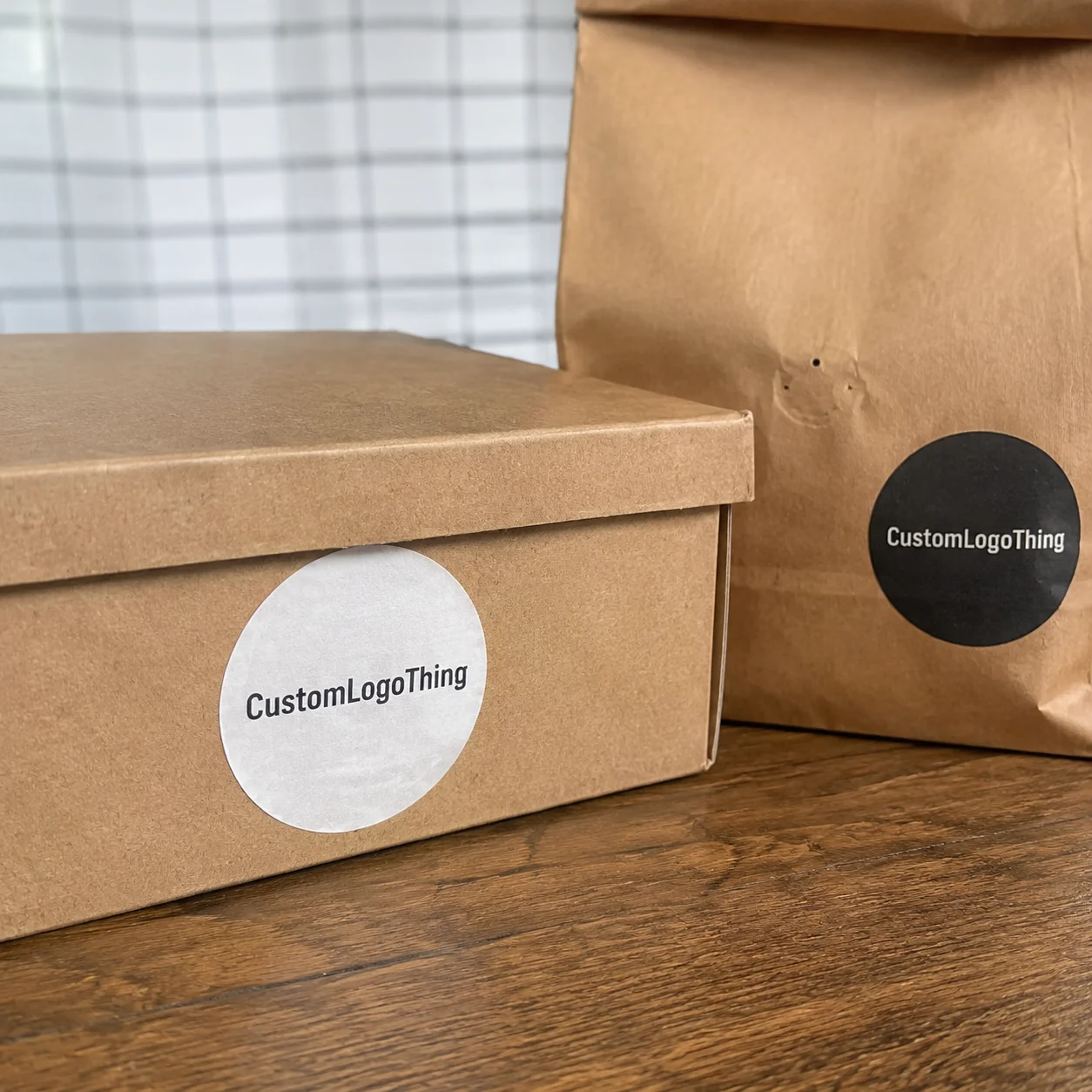
Custom Logo Things helps buyers turn a logo, label idea, event campaign, or branded packaging need into stickers that are built for actual use. That distinction matters. A sticker might seal tissue paper inside an ecommerce box, add a QR code to a product insert, identify fragrance or flavor variants, brand a kraft mailer, or finish a retail package without forcing a new carton or bag run.
Sticker performance is mostly decided before the press starts. A supplier should ask whether the sticker is going on paperboard, glass, plastic, corrugated fiberboard, a coated retail carton, a poly mailer, or a curved bottle. Size, shape, print coverage, roll or sheet format, finish, and order quantity all change cost and performance.
Practical rule: a good sticker quote describes the sticker you need, not just the artwork you sent.
The sections below cover common sticker types, material choices, adhesive options, pricing factors, proofing steps, realistic timelines, and the project details worth preparing before asking for a quote. If you have ordered Custom Labels & Tags before, the process will feel familiar. Stickers used for packaging, promotions, and sealing often need a different balance of durability, cost, and visual finish.
Custom Sticker Types for Packaging, Retail, and Promotions
Sticker format matters. The same design can behave very differently on a roll, on a sheet, or as an individual die-cut piece.
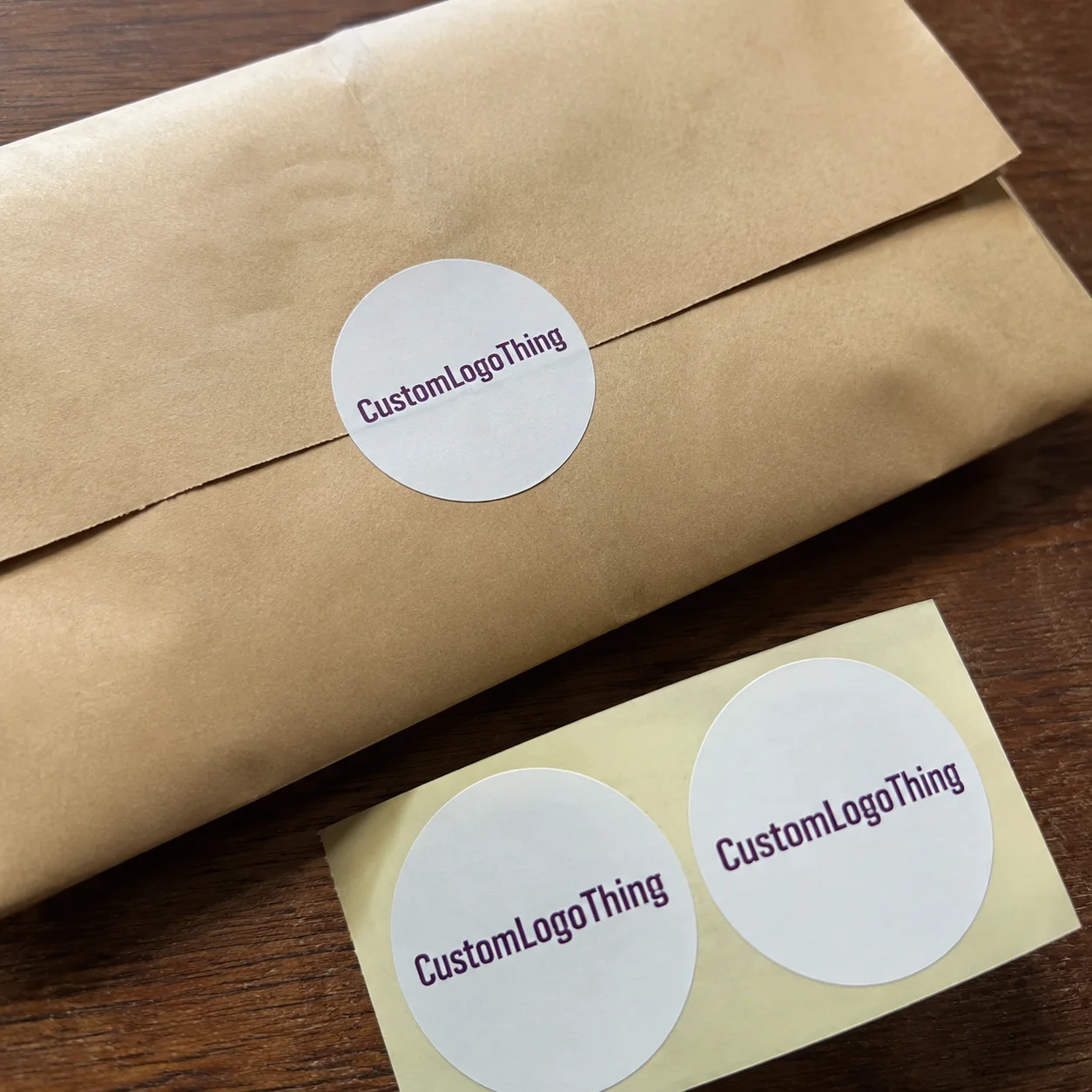
For fulfillment teams applying hundreds or thousands per shift, roll stickers are usually the most efficient. They feed cleanly, peel quickly, and can be packed by roll count. For retail counters, event tables, small batches, and mixed design sets, sheet stickers are easier to distribute and store, though slower in high-volume packing lines.
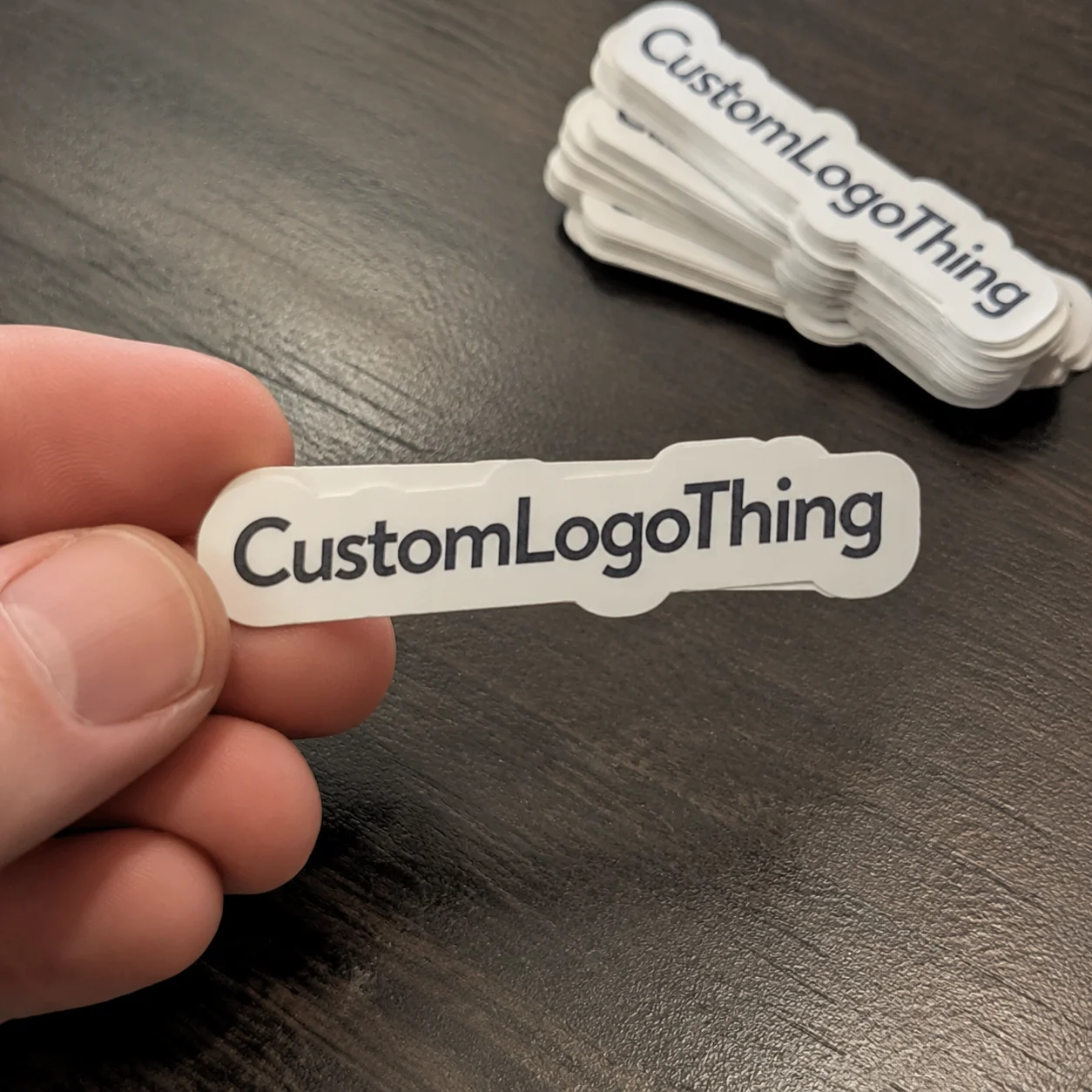
Kiss-cut stickers keep the backing sheet around the cut shape, which makes peeling easier and protects the sticker edge. Die-cut stickers follow the shape of a logo, mascot, badge, or product outline and are common for brand merchandise and promotional handouts. Detailed shapes look distinctive, but tight corners, small interior cuts, and irregular outlines can add cutting time or require design adjustments.
Clear stickers create a no-label look on glass jars, bottles, clear pouches, and glossy boxes. They can also disappoint if the design is not built for transparency. Light colors, small type, barcodes, and QR codes may need white ink behind them so they remain readable against the product or package.
For sealing applications, function takes over. A small round wafer seal may be enough for tissue paper. A longer rectangular seal may hold a box flap or bag fold more reliably. Tamper-style seals can show whether a bag, carton, or sleeve has been opened, although they are not a substitute for regulated security packaging unless specified and tested for that purpose.
| Sticker Type | Best Use | Typical Buyer Note |
|---|---|---|
| Roll stickers | Fulfillment, subscription boxes, product packaging | Confirm roll direction, core size, and whether application is by hand or machine. |
| Sheet stickers | Events, small batches, retail counters, inserts | Good for mixed designs, but slower for high-volume packing lines. |
| Die-cut stickers | Logo shapes, giveaways, brand merchandise | Complex edges may raise tooling or cutting time compared with circles or rectangles. |
| Clear film stickers | Glass, glossy boxes, clear bottles, premium package branding | White ink may be needed under logos, barcodes, or light colors. |
| Sealing stickers | Tissue, bags, mailers, carton flaps | Adhesive strength should match the surface texture and handling conditions. |
Choose function first, appearance second. A beautiful sticker that lifts at the edge, wrinkles on a curved container, scuffs during transit, or blocks a barcode is not helping your packaging. If you are building a complete set of custom printed boxes, bags, labels, and inserts, browse broader Custom Packaging Products so the sticker finish and logo placement support the whole packaging system.
Sticker Materials, Adhesives, and Finish Specifications
Material selection starts with the face stock, the printable layer customers see. Paper stickers are a practical fit for dry indoor packaging, tissue seals, kraft bags, retail boxes, and short-life promotional use. They usually cost less than film options and can look warm, clean, or natural depending on the coating. The tradeoff is moisture resistance. Paper can absorb humidity, scuff, or tear if the sticker goes through cold storage, wet handling, or rough shipping.
BOPP or polypropylene stickers are common for better moisture resistance on bottles, jars, pouches, and handled packages. Vinyl stickers suit durable promotional stickers, laptops, outdoor giveaways, equipment markings, and longer-term brand use. Clear film supports transparent effects, while kraft paper gives soaps, candles, coffee, bakery items, and handmade product lines a natural style.
Adhesive choice is not a footnote. Permanent adhesive works for most package branding and product stickers. Removable adhesive is better for temporary promotions, price changes, or applications where clean removal matters. Freezer-grade adhesive is used for cold-chain products, frozen foods, refrigerated containers, and some chilled logistics. High-tack adhesive can help with textured recycled board, matte pouches, rough corrugated mailers, or low-surface-energy plastics, but it should be tested before a large run.
Curved containers create a separate problem. A thick sticker may bridge instead of conforming, especially on small bottles, lip balm tubes, spice jars, and narrow cosmetic packaging. Flexible film, a smaller label footprint, or a different orientation can reduce edge lift.
Useful specifications include finished width and height, shape, corner radius, bleed, safe zone, roll direction, core size, unwind direction, liner type, and application method. For roll stickers used in dispensers or applicators, unwind direction can decide whether the label feeds correctly. For hand-applied stickers, that detail may be less critical, but liner quality and peel behavior still affect packing speed.
- Bleed: commonly 0.0625 to 0.125 inch beyond the cut line, depending on the production method.
- Safe zone: keep small text, QR codes, and borders at least 0.0625 inch inside the trim area when possible.
- Raster artwork: supply at least 300 dpi at final size for clean print edges.
- Vector artwork: preferred for logos, type, icons, and cut paths because it scales cleanly.
- QR codes: preserve quiet space around the code and test the scan at final printed size.
Finish changes both look and handling. Matte reduces glare and can feel more restrained on Premium Retail Packaging. Gloss increases color pop and adds wipe resistance. Uncoated paper accepts handwriting better for batch numbers, names, or short notes. Lamination can protect high-contact stickers from scuffing, especially when packages slide against each other in cartons or mailers. For ecommerce stickers exposed to repeated handling, lamination is often worth pricing. For a tissue seal inside a box, it may be unnecessary.
Custom Sticker Pricing, MOQ, and Unit Cost Factors
Sticker pricing is shaped by more than artwork. Size, material, quantity, finish, cut style, adhesive, roll or sheet format, number of versions, packing method, and shipping destination all matter. A 2-inch round paper sticker on rolls is a different job from a 4-inch clear die-cut film sticker with white ink, multiple designs, and individual packing.
Unit cost usually drops as quantity increases because setup, proofing, press preparation, cutting setup, and production handling are spread across more stickers. A simple paper sticker can price very differently at 500, 2,500, and 10,000 pieces, even if the artwork stays identical. Film materials, specialty adhesives, and complex die-cut outlines tend to raise the baseline cost. Standard circles, squares, ovals, and rectangles are generally more economical.
Minimum order quantity depends on the sticker type and production method. Some standard-shape stickers have a practical low entry point. Specialty film stickers, custom-shaped rolls, or multi-version orders may need a higher MOQ to produce efficiently. A useful quote should show whether moving from 1,000 to 2,500 pieces, or from 5,000 to 10,000 pieces, creates a stronger cost break.
| Cost Factor | Budget-Friendly Direction | Higher-Spec Direction |
|---|---|---|
| Shape | Circle, square, rectangle, oval | Detailed die-cut logo or custom contour |
| Material | Coated or uncoated paper | BOPP, vinyl, clear film, freezer-grade stock |
| Finish | Standard matte or gloss | Soft-touch feel, heavy lamination, metallic foil-style effects |
| Versions | One shared design | Many SKUs, flavors, scents, sizes, or QR codes |
| Packing | Bulk rolls or sheets | Individual pieces, kit packing, sorted version sets |
Small custom sticker runs usually sit higher on a per-piece basis because setup is spread across fewer units. Larger standard runs often land at much lower unit costs. Exact pricing depends on the quote details, but buyers commonly see meaningful breaks once quantities move into several thousand pieces. Ask for landed cost, not only unit price, because freight, rush fees, special packing, and multiple artwork versions can change the actual project budget.
Price comparisons also need matching specifications. One quote may assume paper stock, sheet format, and no lamination. Another may include BOPP, roll format, white ink, and sorted versions. Those are not the same product. If procurement is comparing suppliers, standardize the request before judging the numbers.
To get an accurate quote, prepare finished size, quantity, material preference, indoor or outdoor use, application surface, number of designs, finish, roll or sheet preference, delivery location, and target in-hand date. If your team is asking where can i Order Custom Stickers because a launch date is close, include that date immediately so production and shipping options can be checked before you commit.
Ordering Process, Proofing, and Production Timeline
A clean ordering process protects both budget and schedule. The usual flow is simple: submit project details, receive a quote, upload artwork, review a digital proof, approve the proof, move into production, complete quality checks, pack the order, and ship. The smoothest projects are the ones where the buyer sends real specifications instead of asking for “something around two inches” after packaging has already arrived.
- Share the sticker purpose, surface, size, quantity, finish, and delivery target.
- Review the quote and confirm material, adhesive, and format.
- Upload vector artwork or high-resolution raster artwork.
- Check the digital proof for size, shape, cut line, bleed, color notes, and placement.
- Approve production only after copy, QR codes, barcodes, and legal text are verified.
- Production, quality checks, packing, and shipping follow proof approval.
Proofing is the last practical checkpoint before production. The proof should show the cut line, printed art, bleed, trim position, and any notes about roll direction or special finishing. The supplier can check technical setup, but buyers still need to review spelling, SKU numbers, fragrance names, QR links, barcode readability, compliance statements, and customer-facing claims. Once proof approval is given, artwork changes can reset timing and may add cost.
Timeline depends on complexity. Simple paper stickers can often move faster than specialty materials, detailed die-cut shapes, multiple artwork versions, foil-style details, or large-volume roll orders. In many typical production runs, digital proofing may take 1 to 3 business days after usable art and complete specs are received. Production after proof approval can range from several business days for simple work to 2 or more weeks for larger or more specialized orders. Shipping time is separate.
Lead time is not only a supplier issue. Fast artwork approval, clean vector files, a complete shipping address, clear quantity decisions, and prompt proof feedback prevent avoidable delays. If the sticker must hit an event, retail delivery, or subscription box pack-out date, share the required in-hand date early and ask whether standard, rush, or split shipping makes sense.
Rush production may be possible depending on material availability, press schedule, proof timing, and shipping method, but it should be confirmed before campaign materials are printed. For difficult surfaces, outdoor use, cold storage, or heavy handling, order samples or a short pilot run if the timeline allows. For shipping validation on larger packaging systems, organizations often reference transport testing resources from ISTA, especially when stickers are part of a broader product packaging presentation that must survive distribution.
Common Ordering Mistakes That Raise Sticker Costs
The most expensive mistake is choosing by lowest unit price before confirming material and adhesive fit. A bargain paper sticker can fail quickly on a chilled bottle, textured mailer, or curved pouch. A stronger film sticker may be overbuilt for a dry tissue seal that customers see for a few seconds. Matching the sticker to the surface and handling environment saves more money than shaving a fraction of a cent off the wrong specification.
Artwork problems cause many avoidable delays. Low-resolution logos print with soft edges. Missing bleed can leave hairline gaps near the cut. Thin cut lines can be hard to produce cleanly. Tiny reversed-out text may fill in. Color expectations based only on a phone screen can disappoint because screens emit light while print reflects light. QR codes placed too close to the edge can fail after trimming or on curved containers.
Sizing errors are common because a sticker that looks right on a monitor may feel oversized on a 1.5-ounce jar, too small on a 10-by-13-inch mailer, or too stiff around a small bottle radius. Make a paper mockup at final size and place it on the actual package. That 5-minute test can reveal scale, readability, curve tension, and whether a seal crosses a fold or corner cleanly.
Finish choices create their own problems. Gloss can glare under retail lights. Unlaminated paper can scuff in transit. Clear stickers may need white ink behind light colors. Writable stickers should not receive a slick coating if someone needs to mark a batch code, name, or inspection note with a pen. Packaging buyers who already manage custom printed boxes know the same principle: the finish must serve the handling environment, not just the product photo.
- Test the sticker size on the actual package before approving the proof.
- Confirm whether the surface is coated, textured, curved, chilled, wet, or flexible.
- Request the adhesive type that matches the application.
- Check proof details slowly, including spelling, QR codes, barcodes, and version names.
- Build in shipping time, especially for events, launches, or retail appointments.
Splitting many small versions can raise cost because each version needs handling, tracking, proofing, and sometimes separate setup. Changing artwork after proof approval can reset timing. Waiting until boxes, jars, or pouches arrive before measuring can compress the schedule and force rushed decisions.
What Makes Custom Logo Things a Practical Sticker Supplier
Custom Logo Things starts with the job the sticker needs to do. A decorative laptop giveaway, matte tissue seal, freezer-safe food label, and clear bottle sticker do not need the same material or adhesive. The goal is to quote around actual use case, surface, quantity, finish, and timeline rather than pushing unnecessary extras.
Stickers also sit inside a larger brand system. A company may need boxes, mailers, tissue, bags, labels, inserts, and promotional items to look consistent across ecommerce, retail, and event channels. Logo size, color target, matte or gloss finish, and placement all affect package branding. If a sticker is paired with a folding carton or insert card, the artwork should not feel like it came from a disconnected vendor.
Support can include sticker format selection, basic artwork review, cost-saving alternatives, production proofs, and coordination with related packaging projects. If a standard matte paper sticker performs well, there is no reason to overbuild it. If a clear film sticker needs white ink or a bottle label needs better moisture resistance, that should be discussed before production rather than after the first shipment arrives.
Quality control is practical, not mysterious. Print clarity, cut alignment, registration, visible defects, roll winding, sheet packing, version separation, and order count standards should be checked before shipment. For paper-based packaging programs, buyers may also care about responsible sourcing and chain-of-custody claims; the Forest Stewardship Council is one recognized reference point for paper and board sourcing discussions, although availability depends on the specific material and supplier program.
Buyer convenience matters too. One production conversation can cover size, stock, adhesive, finish, MOQ, price breaks, timeline, and shipping needs. If you are also reviewing custom boxes, labels, or promotional items, ask about Wholesale Programs so repeat ordering, quantity planning, and related packaging components can be reviewed together.
Details to Prepare Before Requesting a Sticker Quote
Before requesting a quote, gather the details that directly affect pricing and performance: finished size, quantity, artwork file, intended surface, indoor or outdoor use, preferred material, finish, number of designs, delivery ZIP code, and target in-hand date. If you are unsure about the material, describe the product and send a photo of the surface. Textured kraft paper, recycled board, plastic pouches, cold containers, glass jars, and moisture-exposed products can each point toward a different adhesive or face stock.
Measure the real package with a paper mockup. Cut a sample at the planned size and place it on the box flap, jar lid, pouch front, bottle curve, bag fold, or insert card. Check whether the logo is readable from a normal viewing distance, whether small type survives at final scale, and whether the sticker crosses any crease or edge that may cause lifting.
Decide the sticker’s purpose. Decorative stickers prioritize color, shape, and brand feel. Informational stickers need readable type, barcode space, and version control. Sealing stickers need adhesive and shape choices that hold during handling. Promotional stickers may need durability because customers apply them to laptops, bottles, notebooks, or displays. Compliance-related stickers require careful proofing because wording, symbols, and numbers may carry legal or retail requirements.
If volume is uncertain, ask for price breaks at two or three quantities. A quote at 1,000, 2,500, and 5,000 pieces can show whether a higher run makes sense. The best unit cost may sit just above the first estimate, especially when setup and handling are a meaningful part of the job.
Custom Logo Things can quote stickers on their own or as part of a larger branded packaging project. If you still have questions about files, ordering steps, or repeat buying, the FAQ page is a useful place to review common production details before sending your specs.
If you are deciding where can i Order Custom Stickers, the strongest next move is to send complete specifications so the quote reflects the sticker you actually need, not a generic print estimate. Size, surface, quantity, material, finish, artwork, and deadline are the details that turn a simple logo file into a sticker That Fits Your Brand and holds up in real use.
Custom Sticker FAQ
Where can I order custom stickers for product packaging?
You can order custom stickers from a packaging manufacturer or custom print supplier that asks about size, material, adhesive, finish, quantity, surface type, and timeline before quoting. For packaging use, share photos or details of the box, jar, mailer, bag, or bottle so the supplier can recommend the right stock and adhesive. Custom Logo Things can quote stickers as a standalone item or as part of a broader branded packaging project.
How much do custom stickers cost per piece?
Unit cost depends on sticker size, order quantity, material, finish, cut shape, adhesive, number of artwork versions, and whether the stickers are supplied on rolls or sheets. Higher quantities usually lower the unit cost because setup and production handling are spread across more pieces. The most accurate quote includes the finished size, quantity, material preference, artwork, delivery location, and target date.
What is the minimum order quantity for custom stickers?
MOQ varies by sticker type, material, finish, and production method, so it should be confirmed during quoting rather than assumed. Simple standard-shape stickers may have a lower practical entry point than specialty die-cut, film, or multi-version orders. Ask for quantity price breaks so you can compare the MOQ against a larger run with a better unit cost.
How long does it take to order custom logo stickers?
Timing depends on artwork readiness, proof approval, material availability, sticker complexity, order size, and shipping method. Digital proofing must be completed before production, and delays often happen when artwork is low resolution or specifications are incomplete. If you have an event, launch, or retail delivery date, share the required in-hand date at the start of the quote.
Can I order waterproof or outdoor custom stickers?
Yes, but waterproof or outdoor use usually requires film-based materials such as vinyl or BOPP, plus an adhesive and finish suited to moisture, handling, and exposure. Paper stickers are usually best for dry indoor packaging and may not be suitable for wet, cold, or high-abrasion conditions. Tell the supplier where the sticker will be used, how long it must last, and whether it will face refrigeration, sunlight, washing, or rough handling.