Chocolate Gift Boxes Cost: What Buyers Should Pay Today
Chocolate gift boxes cost more than most buyers expect the first time they price them properly. A box can look simple from the outside, then the quote starts climbing once you add inserts, closures, liners, print finishes, sample approvals, and the outer shipping carton. I have watched more than one brand get blindsided by that exact sequence.
If you are budgeting a launch or a reorder, chocolate gift boxes cost is one of those line items that stays polite on paper and gets a lot less polite once the sample lands on your desk. The number shifts quickly when the chocolate count, cavity layout, finish level, and shipping method all move at once. That is not a flaw in the supplier; it is usually a sign the buyer was pricing a concept instead of a build.
Why chocolate gift boxes cost more than they look
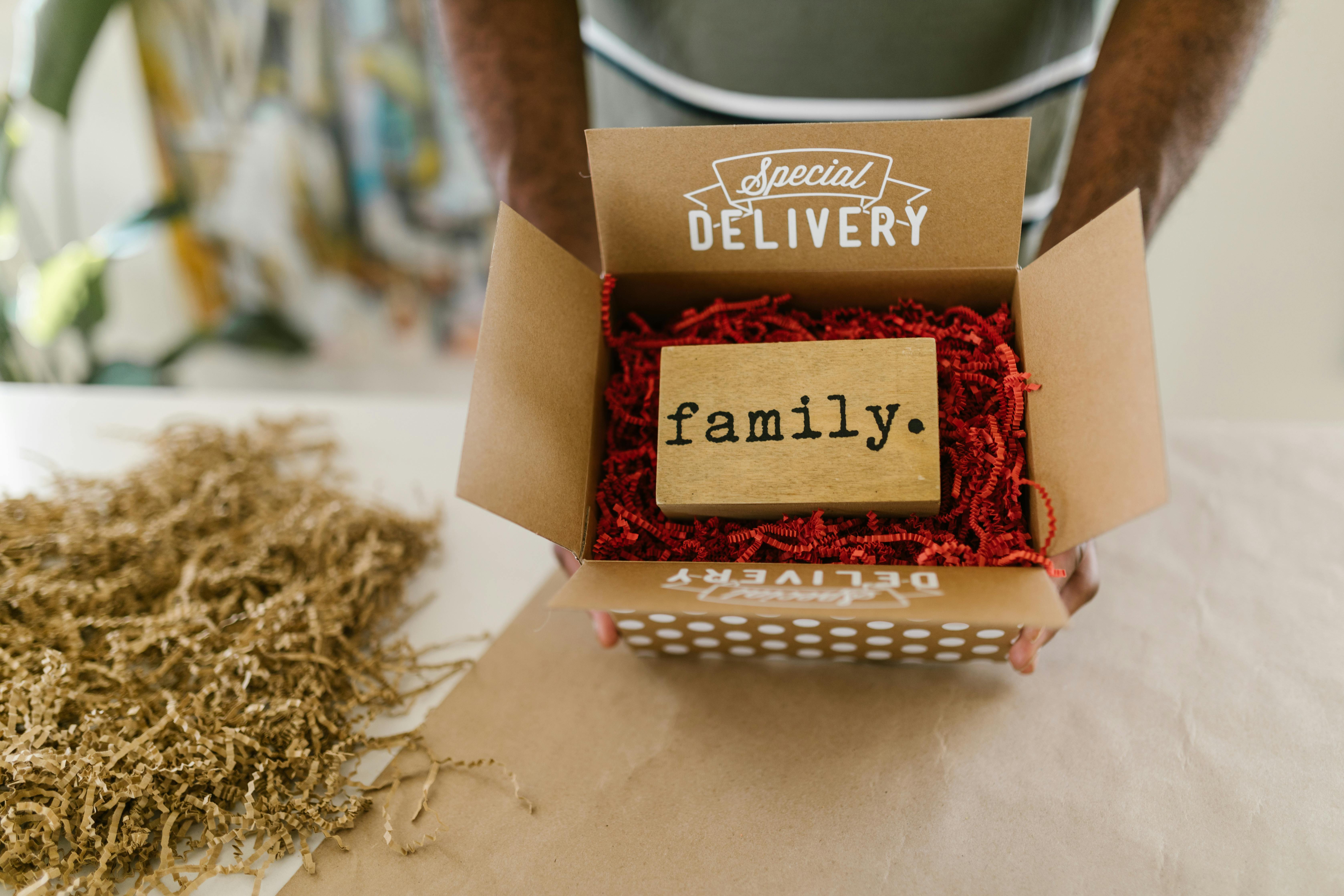
A flat carton with a logo is one thing. A finished gift package that holds truffles, protects them in transit, and still feels special enough to give is another. That gap explains why chocolate gift boxes cost often catches first-time buyers off guard. The box is not just a container; it is a small system made from board, wrap, insert, liner, closure, and transport packaging.
Two quotes can be wildly different and both can be accurate. One supplier may be pricing only the outer shell. Another may include dividers, foam, molded tray inserts, assembly labor, protective shippers, and case packing. Compare those two numbers without checking the structure, and you are not comparing the same product. You are comparing two different realities.
That mistake shows up often with chocolate assortments. A box for six truffles may need only a simple die-cut insert and light board. A box for 24 pieces needs better crush resistance, tighter cavity spacing, and often heavier chipboard or rigid construction. The larger assortment also changes freight because the footprint, stack height, and case pack all shift. Chocolate gift boxes cost can rise before decoration even enters the conversation.
For a buyer, the real question is not, "How cheap can I get a box?" It is, "Which parts of this spec actually support the product and the brand?" Sometimes structure matters more than a fancy finish. Sometimes the finish carries the sale and the structure can stay simple. That is the practical way to judge chocolate gift boxes cost without getting lost in the marketing fluff.
Buyers often overspend on decoration before they solve structure. Get the cavity, board, and closure right first. The rest only earns its keep if it improves presentation or protects the chocolate.
Manual assembly gets ignored too. A rigid lid-and-base box with an insert, ribbon pull, and separate sleeve takes more handling than a folding carton that ships flat. Labor is real. It shows up in setup charges, line speed, and quality control. If a quote looks suspiciously low, one of those elements is usually missing.
In short runs, setup and proofing can make up 15% to 30% of the spend, depending on the structure and finish. On larger runs, those same costs fade into the background. That is why two orders for the same style can feel completely different on the invoice. Chocolate gift boxes cost should be reviewed as a full packaging system, not a single sheet price.
There is a second cost hidden inside the first: rework. A lid that rubs, a cavity that crushes toppings, or a sleeve that binds during packing can turn a clean price into a mess. A package that needs hand correction on the line is expensive even if the quoted unit price looks attractive. The factory rate never tells the whole story.
Chocolate gift boxes cost: materials, inserts, and finishes
Materials are the first place chocolate gift boxes cost starts moving. A folding carton made from 350gsm C1S artboard will not price like a 2mm rigid chipboard box wrapped in printed art paper. The rigid option uses heavier board, more wrapping labor, and more time to assemble. It looks premium because it is doing more work.
Paperboard is usually the most economical choice for lighter assortments or shorter runs. It prints cleanly and die-cuts into a neat shape, which keeps the unit cost under control. Rigid chipboard sits higher because the board is denser and the build is more manual. Specialty wraps, textured papers, and metallic stocks push chocolate gift boxes cost up again, especially when the finish has to stay clean across large coverage areas.
In practice, inserts can cost more than the outer box if the cavity layout is complicated. A simple divider is one thing. A molded tray, a die-cut card insert, or a precise cavity map for multiple chocolate shapes is another. The tighter the fit, the more exact the tooling has to be. That is where tooling fees start showing up. If the insert is custom to a single product size, it is not a flexible expense. It is locked into that SKU.
Finishes are where a lot of brands overspend. Matte lamination, gloss lamination, soft-touch coating, foil stamping, embossing, debossing, spot UV, and window patches all change the number. A small foil logo can look sharp without blowing up chocolate gift boxes cost. Full-wrap decoration, multiple foil colors, or layered effects usually are not worth it unless the packaging sits front and center in the sale.
For paper sourcing, FSC-certified stock from FSC can matter if your brand needs a documented chain of custody. That does not automatically make the box more expensive in every case, but it can narrow the material options. If the buyer wants sustainability claims plus premium finishes, the spec needs to be written carefully so the quote stays realistic. Honest sourcing claims are part of trust, not just branding.
Color count and artwork coverage affect labor too. A one-color logo on a natural paperboard sleeve is usually more affordable than a full-bleed print with tight registration, spot coatings, and multiple passes. More coverage means more setup, more ink handling, and more inspection. A design tweak that looks tiny on screen can still move chocolate gift boxes cost by a meaningful amount.
Use the finish where it matters. A chocolate brand often gets more mileage from one strong logo mark, a good texture, and crisp closure alignment than from piling on effects. Pretty is nice. Controlled is better. A package that feels premium without fighting the production line is usually the smartest spend.
Material choice also changes perception. A light board with sharp print can feel modern and accessible. A rigid build with deep color and subtle texture signals gifting and keepsakes. The difference is not just visual. It changes how buyers imagine the product before they open the lid, and that is part of the value the box is supposed to carry.
A quick rule of thumb: if the box is going to be opened once, admired, and discarded, you can often keep the structure lighter and spend on print clarity. If the pack is meant to be saved, reused, or gifted again, the structure should do more of the heavy lifting. That distinction is not glamorous, but it saves money.
- Lower-cost build: printed folding carton, simple divider, matte or gloss finish.
- Mid-tier build: drawer box or rigid lid-and-base, printed wrap, one premium finish.
- Higher-end build: magnetic closure, specialty paper, foil, embossing, custom insert.
Product details buyers should compare before pricing
Before you ask for a quote, lock the spec. Chocolate gift boxes cost depends on details that sound small but change the build. Skip those details, and every supplier fills in the blanks differently. That is how buyers lose a week trying to untangle pricing that should have been clear from the start.
The first things to confirm are finished dimensions, chocolate count, cavity size, closure style, and insert style. A box for 12 bonbons is not the same as a box for 12 uneven handmade truffles. The cavity depth, spacing, and tolerance all matter. If the chocolate has decoration on top, you need more clearance. If it has a delicate shell, you need less movement. Either way, the dimensions drive chocolate gift boxes cost.
Here is the short version of the format choices buyers usually compare:
- Rigid lid-and-base: better presentation, higher unit cost, common for premium gifts.
- Drawer box: good unboxing feel, useful for assortments, slightly more assembly.
- Magnetic closure box: strong shelf impact, higher material and labor cost.
- Folding carton: efficient for volume, best when budget control matters most.
- Sleeve box: lower-cost outer system, works well over trays or inner cartons.
Food-contact details matter too. Chocolate can pick up grease marks, cocoa dust, or scratch marks from a poor interior finish. If the product sits directly against the insert, ask for a grease-resistant liner or a surface that will not stain easily. A clean-looking outside box does not help if the inside arrives with scuffs or oil spots.
For shipping-sensitive projects, the box should also be judged against transit conditions. If it will travel retail-ready, ask whether it should be designed around ISTA transit test methods rather than a casual warehouse drop test. A package that passes a display table is not automatically ready for e-commerce or wholesale distribution. That distinction saves money later, because damage claims are expensive and annoying.
Brand requirements belong in the quote too. Put logo placement, color standard, gift-wrap compatibility, and barcode or label placement in the spec from day one. If the box must fit an outer mailer or a gift bag, say that early. Chocolate gift boxes cost less to get right the first time than to rework after tooling has already started.
There is also a size tradeoff buyers miss. A larger box can lower the per-piece packaging cost if it simplifies the build, but it may raise freight and shelf space. A smaller box can reduce shipping expense but force a more complex insert or a tighter cavity tolerance. You are not buying a box in isolation. You are buying a total packaging outcome.
One detail that separates a guess from a usable quote is the chocolate itself. Square pieces, round truffles, molded figures, and bars all create different cavity patterns. A supplier can only price the pack accurately when the product footprint is real. A drawing without the candy dimensions is a sketch, not a specification. And yes, that little detail can swing the price more than a foil logo in some cases.
Chocolate gift boxes cost: pricing, MOQ, and quote ranges
This is the part buyers usually want first. Fair enough. Chocolate gift boxes cost changes by quantity, structure, and decoration level, but there are still useful ranges. Small runs carry higher unit cost because setup charges, proofing, and labor are spread across fewer pieces. Bigger runs improve bulk pricing because those fixed costs get diluted.
For a basic comparison, simple folding cartons are usually the lowest tier, while rigid chocolate gift boxes sit higher because of board weight, wrapping labor, and manual assembly. A drawer box or magnetic closure box can land above that depending on finish and insert work. That is the reality. Fancy shapes do not magically print themselves.
Typical MOQ ranges are usually around 500 to 1,000 units for common printed runs, though the exact minimum changes with structure and finish. Highly custom builds, unusual inserts, or specialty paper wraps may need a higher MOQ. If your order is very small, expect a higher cost per piece or fewer structural options. Low volume is not a problem; it just means the math is less forgiving.
The table below gives a practical comparison. These are general ex-works ranges for common sizes and standard print complexity, not a promise. Final chocolate gift boxes cost will move with dimensions, insert type, print coverage, and whether the order includes sampling or freight.
| Structure | Common MOQ | Typical unit cost at 500 pcs | Typical unit cost at 5,000 pcs | Best fit |
|---|---|---|---|---|
| Folding carton | 500-1,000 | $0.35-$0.80 | $0.20-$0.45 | Lightweight assortments, budget control |
| Sleeve with tray | 500-1,000 | $0.55-$1.10 | $0.35-$0.75 | Simple gift presentation, moderate branding |
| Rigid lid-and-base | 500-1,000 | $1.20-$3.20 | $0.85-$2.10 | Premium gifting, retail display |
| Drawer box | 1,000+ | $0.90-$2.10 | $0.65-$1.40 | Unboxing experience, mixed assortments |
| Magnetic closure rigid | 1,000+ | $1.80-$4.50 | $1.20-$3.00 | High-end retail, premium gifting |
Those figures are only useful if you compare apples to apples. Does the quote include inserts? Is the box printed on all visible sides? Are protective cartons included? Did the supplier add sample charges, tooling fees, or setup charges? Those line items change chocolate gift boxes cost more often than buyers expect.
Tooling is a good example. A custom cutting die may run a modest fee, while a foil plate or embossing die adds another line. A structural prototype can also add cost if the design needs to be checked before full production. None of this is strange. It is just part of the bill. The mistake is assuming those items are free because the final box looks small.
Rush work is another price trap. If you need a compressed schedule, the factory may have to shuffle production, pull labor from another run, or expedite materials. That almost always raises chocolate gift boxes cost. If the order is recurring, a better strategy is to lock a repeatable spec and plan the next run early. Stable spec beats frantic last-minute savings every time.
For buyers comparing vendors, the real number to watch is not just the quote total. It is the cost per piece at your actual volume with your actual finish. A good quote should let you see where the money is going: board, print, insert, finishing, assembly, and freight. If the breakdown is vague, keep asking until it is clear. Packaging buyers do not need poetry. They need a number they can defend.
One recurring pattern is easy to miss: a quote that looks low at 500 pieces can flip at 5,000 if the supplier has to change a process, split materials, or buy in different sheet sizes. Scaling does not always behave politely. Ask for at least two volume points so the pricing curve is visible before you commit. That tiny extra step can save a lot of guessing later.
Production process and timeline for custom chocolate boxes
Once the spec is set, the production process is straightforward. Quote review comes first, then structure confirmation, artwork prep, proof approval, production, finishing, packing, and shipping. Chocolate gift boxes cost is tied to almost every step in that chain, so delays or revisions can shift the final budget even if the box design itself does not change.
Most timelines are driven by complexity. A plain folding carton with a standard insert can move faster than a rigid box with foil, embossing, and a custom cavity layout. More colors mean more press setup. More finishing means more passes. A more complicated insert means more inspection. That is not dramatic. It is just how production works.
Proofing deserves more attention than it gets. A 2D artwork proof is faster, but it only checks layout. It does not fully test fit. A structural sample or pre-production sample takes longer, yet it can save a lot of money if the cavity depth, closure fit, or print alignment needs adjustment. If your chocolate is fragile or oddly shaped, sample first. Guessing is expensive, and there is no medal for doing it the hard way.
Typical production windows after approval can be a few weeks for simple custom boxes, while more premium rigid builds usually need a longer window. If the order is overseas, add shipping time, possible customs clearance, and carton consolidation. A factory can finish on schedule and the boxes still may not arrive when your team expects. International freight has a sense of humor. It is not a good one.
Packaging quality should also be tested against handling standards. If you are shipping retail units or subscription packs, ask for a plan that reflects the real route, not just the factory floor. A box designed around ISTA testing, or at least checked against similar distribution stress, gives you a much better chance of avoiding crushed corners and loose inserts. That matters more than a glossy finish that arrives scuffed.
If you need more than one box style, start with Custom Packaging Products and compare structures side by side before you lock the spec. That makes it easier to see how chocolate gift boxes cost changes between a flat carton, a sleeve system, and a rigid presentation box. One smart comparison now can save a lot of revisions later.
Tight schedules usually fail for the same boring reasons: late artwork, unclear dielines, and unapproved samples. None of those problems are glamorous. All of them are expensive. A clean timeline begins with a clean brief, and the brief should answer the questions before the factory asks them.
I have seen launches slip a full week because the buyer approved a mockup before checking whether the truffle dome cleared the lid. That kind of miss is annoying, but it is also preventable. A sample on the desk is cheaper than a pallet of boxes that do not quite close.
Why choose us for chocolate gift boxes
From a packaging buyer's point of view, the best supplier is the one that keeps the quote honest and the spec under control. That is the standard here. We focus on custom sizes, food-aware material choices, clean print execution, and a packaging process that makes repeat orders easier to manage. That is how chocolate gift boxes cost stays useful instead of turning into a guessing game.
What buyers usually want is not a dramatic promise. They want fewer surprises. That means clear spec review, early warning on cost drivers, and practical guidance on which box style fits the product. A 12-piece assorted bonbon set may need a different cavity plan than a bar-and-truffle mix. A holiday gift pack may need a stronger closure than a retail sample box. Good advice at the start keeps the unit cost from drifting later.
Quality control matters in boring, measurable ways. Color should be consistent. Corners should be tight. Inserts should fit the chocolate, not crush it. Closures should stay shut in transit. A premium box that arrives warped or with loose lining is not premium. It is just expensive cardboard with bad habits. That is the kind of failure buyers remember.
Flexibility also matters. Smaller brands do not always need a giant first run. Larger buyers often need standardization so they can improve bulk pricing across reorders. We work with both goals. If you need a smaller launch quantity, we can usually point to a structure that keeps the MOQ manageable. If you need a repeatable spec for volume, we can help set up a version that supports better cost per piece on the next order.
For buyers comparing vendors, the smart move is to ask the same questions every time: what is included, what is extra, and what changes the number? That sounds basic because it is basic. Yet it is exactly where most chocolate gift boxes cost problems start. If you want a box that protects the product, looks credible, and fits the budget, the quote needs to be built on real details, not vague optimism.
If you are still deciding between formats, browse Custom Packaging Products and compare the box structure, insert style, and finish level before you commit. A good spec is the cheapest part of the job. A bad spec is where the budget goes to die.
There is also a practical advantage to asking for drawings early. A dieline exposes the corners that matter: glue flaps, overlap, opening direction, and insert depth. Those details do not sound exciting, yet they are the difference between a box that packs smoothly and one that turns into a line-side bottleneck.
And if the vendor cannot explain the dieline in plain English, that is usually a sign to keep asking questions. Good packaging work should be technical, not mysterious.
Next steps to lock in your chocolate gift boxes cost
If you want a fast, accurate quote, gather the basics first: finished dimensions, chocolate count, insert style, box structure, print colors, finish requirements, quantity, and shipping destination. That list gives a supplier enough information to price the job without guessing. Chocolate gift boxes cost is always more accurate when the request is specific.
Ask for at least two or three spec options if you are still deciding. A good-better-best comparison is more useful than a single number. You may find that a rigid lid-and-base box is only slightly more expensive than a heavy folding carton, or that a small tweak in insert design drops the unit cost enough to justify a better finish. Real comparisons lead to better buying decisions.
If the box uses an unusual insert, a tight-fit chocolate cavity, or premium decoration like foil and embossing, request a sample or prototype before full production. That small step can save money on reprints and avoid the classic "fits the art file, fails the product" problem. Chocolate is too delicate to guess at.
Also compare total landed cost, not just the first quote line. Freight, packaging damage, sampling, and duties can erase a tiny savings on the unit price. A box that is five cents cheaper but arrives crushed is not cheaper. It is just annoying. From a buyer's point of view, the right chocolate gift boxes cost is the one that survives production, shipping, and the final handoff to the customer.
Send the spec sheet, ask for a clear breakdown, and push for a quote that reflects the real volume and production needs. That is the simplest way to get a number you can use. If you want an honest starting point, chocolate gift boxes cost should be priced against the actual structure, not a fantasy version of the product. Build the box properly, then negotiate from there.
Budget reviews go smoother when the supplier talks in line items instead of slogans. Board, insert, print, finish, packing, freight. Those categories are plain, but they are the only ones that tell the truth. A clean quote makes it obvious where the money is going and where it can be trimmed without hurting the pack.
The takeaway is simple: choose the structure first, confirm the cavity and finish second, and only then compare quotes. That order keeps chocolate gift boxes cost grounded in the real product instead of in the prettiest spreadsheet.
FAQ
What affects chocolate gift boxes cost the most?
Box structure usually drives the biggest change. Rigid boxes cost more than folding cartons because they use heavier board and more manual assembly. Inserts, foil stamping, embossing, and specialty wraps raise the number quickly too. Quantity matters as well, since setup charges and tooling fees are spread across fewer pieces on a small run.
What MOQ should I expect for custom chocolate gift boxes?
Standard printed runs often start around 500 to 1,000 units, but the exact MOQ depends on the structure and finish. More complex builds, such as rigid Boxes with Custom inserts or premium decoration, may need higher minimums. If you need a very small run, expect a higher unit cost or fewer structural options.
Does foil stamping increase chocolate gift boxes cost a lot?
It can, but the size of the jump depends on coverage, color count, and whether a custom die or plate is needed. A small logo accent is usually a smarter spend than full-surface decoration if you want a premium look without pushing the budget too far. Foil plus embossing or spot UV adds more labor, so use those combinations with care.
How long does production take after approval?
Simple custom chocolate boxes can often move through production in a few weeks after final approval. Rigid boxes, special inserts, and premium finishes usually take longer because they require more setup and handling. Add extra time for samples, revisions, and shipping if the order is going overseas.
What details do I need for an accurate chocolate gift boxes cost quote?
Provide finished dimensions, chocolate count, insert style, box structure, print colors, finish requirements, quantity, and delivery location. Include whether you need samples or a rush schedule. The more exact the spec, the faster the quote and the less likely you are to get hit with surprise charges later.