Buyer Fit Snapshot
| Best fit | Chocolate Packaging Boxes Custom projects where brand print, material claims, artwork control, MOQ, and repeat-order consistency need to be specified before quoting. |
|---|---|
| Quote inputs | Share finished size, material target, print colors, finish, packing count, annual reorder estimate, ship-to region, and any compliance wording. |
| Proofing check | Approve dieline scale, logo placement, barcode or warning zones, color tolerance, closure strength, and carton packing before bulk production. |
| Main risk | Vague material claims, crowded artwork, missing packing details, or unclear freight terms can make a low unit price expensive after revisions. |
Fast answer: Chocolate Packaging Boxes Custom: Material, Print, Proofing, and Reorder Risk should be specified like a repeatable production item. The safest quote records material, print method, finish, artwork proof, packing count, and reorder notes in one written spec.
Production checks before approval
Compare the actual filled-product size with the drawing, then confirm tolerance on folds, seals, hang holes, label areas, and retail display edges. Reserve space for logos, QR codes, warning copy, and material claims before decorative graphics fill the panel.
Quote comparison points
Review material grade, print process, finish, sampling route, tooling charges, carton quantity, and freight assumptions side by side. A quote is only useful when the supplier can repeat the same color, closure quality, and packing count on the next order.
Chocolate Packaging Boxes Custom are not just printed shells wrapped around a sweet product; they are part of the handling system, and that is where a lot of chocolate problems begin. A careful recipe can still reach a customer with rubbed corners, dented lids, or visible bloom if the box fit is loose, the insert shifts during transit, or the board choice cannot handle the trip from filling to first opening.
That is why chocolate packaging boxes custom need to be planned from the product outward. The structure, liner, insert, closure, and finish all work together, and each one affects presentation, shelf life, and cost in a different way. For a brand selling bars, truffles, bonbons, or seasonal assortments, the box does more than carry product; it supports retail packaging, signals quality, and shields delicate confectionery during the most vulnerable stretch between packing and purchase.
From a packaging buyer's point of view, the goal is simple enough: find chocolate packaging boxes custom that look polished, pack efficiently, and survive handling without turning into a damage problem. The details matter, especially if you are balancing product packaging, brand story, and shipping performance at the same time. A box that is pretty but fussy can cost more than it looks like on the quote sheet.
What chocolate packaging boxes custom really protect
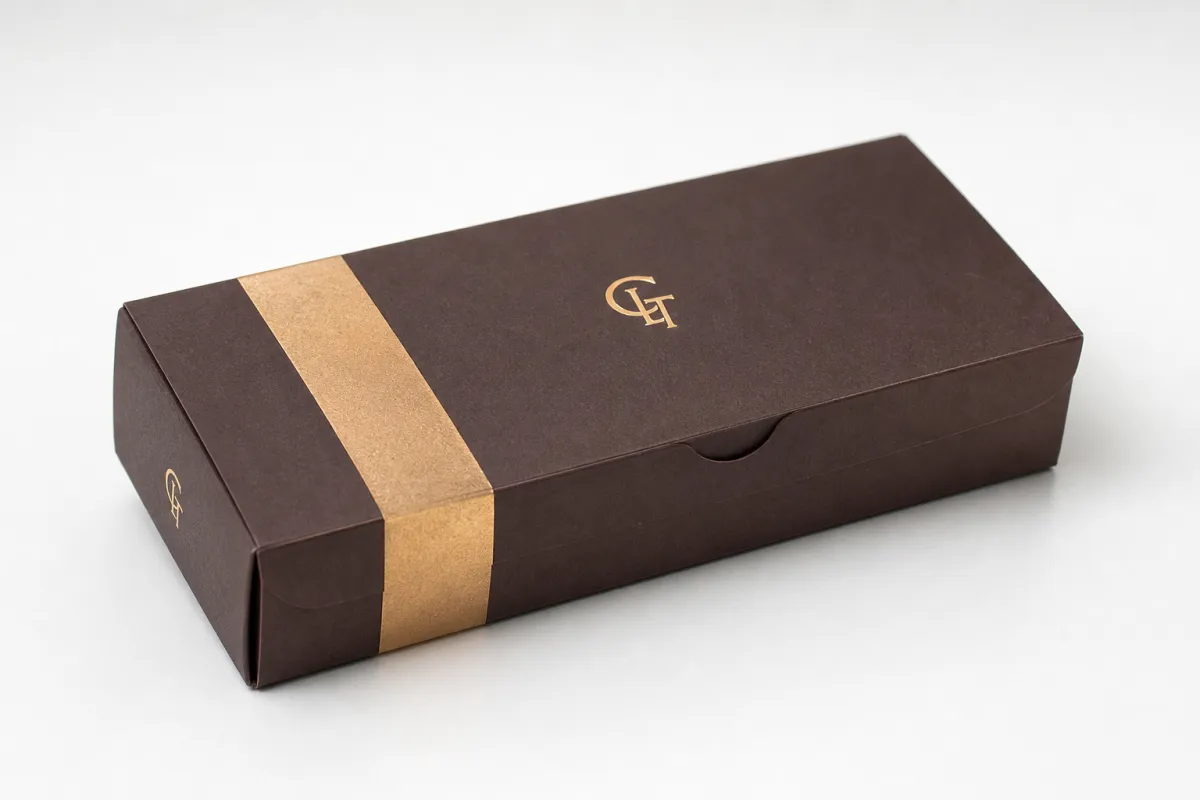
The first thing people miss about chocolate packaging boxes custom is that the box protects far more than the chocolate itself. It protects appearance, the unboxing moment, the time it takes to move from filler to customer, and the brand value built into every printed surface. If a truffle shifts half an inch in transit, the damage may not be structural, yet the mark on the cocoa finish or the smear on the insert can still make the product look old, warm, or poorly handled.
Chocolate fails in ordinary ways. Corners crush. Dividers buckle. Gloss coatings scuff. Cocoa butter bloom becomes more visible when a box leaves too much room for movement or when the inner surface traps heat. That is why chocolate packaging boxes custom should be treated as a complete packaging system, not as decoration added at the end of production. The box is doing quiet work the whole time, and if that work is off by even a little, the customer sees it right away.
The box has four practical jobs. First, it keeps chocolates stable so they do not slide, tip, or rub against each other. Second, it supports branding and package branding through print, texture, and color. Third, it manages short exposure to temperature changes during packing, staging, and transport, which is not the same as refrigeration but still matters. Fourth, it creates the shelf impression that tells a shopper whether this is a giftable premium item or a basic commodity.
Different formats handle those jobs differently. A rigid set-up box usually suits premium assortments and gifting because it feels substantial and allows tighter control over presentation. A folding carton is often better for bars, slim sleeves, and lighter retail packs because it is economical and prints cleanly. Sleeve-and-tray formats can work well for layered presentation, while mailer-style shipping packs are built more for protection than for elegant shelf display. Choosing between them is one of the most important packaging design decisions you will make.
The biggest mistake is choosing chocolate packaging boxes custom for the look alone and assuming protection will follow. The box should match the product weight, the way the product is filled, the route it travels, and the way the customer removes it. If those pieces are not aligned, even strong branding cannot hide the fact that the package is fighting the product instead of supporting it. I have seen beautiful boxes fail simply because the insert left one cavity too much movement. That kind of miss is fixable, but only if it gets caught before production runs.
A chocolate box should behave like a quiet piece of equipment: it holds shape, protects surfaces, and makes the product look better without making the filling line harder to run.
That mindset also helps with quality control. If the inner fit is wrong, the issue may not show up on the packing bench. It appears later, after the order has been boxed, palletized, shipped, and opened by a customer. That is why chocolate packaging boxes custom need to be tested with actual product samples, not just measured on paper. Paper dimensions can lie a little; a filled box tells the truth very quickly.
How chocolate packaging boxes custom move from brief to production
The production path for chocolate packaging boxes custom starts with a clear brief, not with artwork. A useful brief tells the supplier what the chocolate is, how it is shaped, how many pieces go in each pack, whether the box is meant for gifting or shelf sales, and what kind of handling the package must survive. Once that is clear, the structural work can begin with a dieline, a size target, and a plan for the insert or tray.
Box dimensions should be measured around the actual product, not around an idealized size from a catalog. Bars need a different fit than truffles. Clusters need more tolerance than molded pieces. Assortment boxes often need multiple cavities or a partition system so pieces do not touch. Even a few millimeters matter, because small gaps become movement, and movement becomes scuffing, chipped corners, or a messy reveal when the lid is lifted.
Next comes proofing. Digital mockups help confirm layout, copy, barcode placement, and how the front panel will read on shelf. Structural samples show whether the box closes correctly and whether the insert actually supports the chocolate. Color checks matter too, because dark printed coverage, foil, and soft-touch coatings can change how the box feels in hand and how the logo reads under store lighting. With chocolate packaging boxes custom, you want to resolve those issues before full production, not after a warehouse is already receiving cartons.
Production time depends on a few real variables: print method, material availability, finish complexity, insert type, and order quantity. A simple folding carton with straightforward print can move much faster than a rigid gift box with magnetic closure, foil stamping, and custom-fit inserts. If your launch is tied to a holiday or a gift campaign, plan the schedule backward from the selling date, not from the day the order is placed. That backward planning saves a lot of panic later, and honestly, it keeps everyone from improvising under pressure.
Chocolate packaging boxes custom also need coordination with the filling schedule. If the packaging arrives too early, storage becomes a cost and a risk. If it arrives too late, the line waits and the launch slips. Good planning keeps packaging, filling, and shipping in the same calendar, especially for seasonal assortments that depend on a specific release window.
A practical way to think about the process is this:
- Brief the product - size, shape, count, weight, fragility, and use case.
- Build the structure - choose the box style and insert format.
- Develop the artwork - align graphics with the dieline and panel sequence.
- Review samples - check fit, opening feel, print quality, and alignment.
- Approve production - confirm material, finish, and delivery timing.
If you need a broader starting point for packaging options, it helps to compare them against your product line through Custom Packaging Products. Seeing formats side by side makes it easier to decide whether chocolate packaging boxes custom should be built as retail cartons, Rigid Gift Boxes, or ship-ready packs.
After structure and artwork come the tests. Packaging teams often think in terms of real handling, not just visual approval. A box that looks beautiful but opens awkwardly, sheds dust, or collapses when stacked is not a finish-ready solution. For chocolate packaging boxes custom, the best sample is the one that proves the package can be filled, closed, shipped, and opened with no surprises.
Key factors that shape performance, shelf life, and branding
Material choice is the backbone of chocolate packaging boxes custom. Paperboard is common for lighter retail cartons because it prints cleanly, folds well, and keeps costs in check. Rigid board is the better choice for premium gifting because it holds shape, resists crush, and creates a more substantial feel in the hand. Corrugated board belongs in shipping packs where impact and compression are the main threats, not display value.
Insert design matters just as much. Paperboard partitions are simple and cost-effective for many assortments. Molded pulp works well when a brand wants a more natural look and a recyclable story. PET trays can create crisp visibility for molded pieces, though they are not always the best answer for sustainability goals. Custom cut cards and die-cut dividers help separate individual pieces and reduce movement, which is one of the main reasons chocolate packaging boxes custom avoid damage in real transportation.
Interior treatment can influence appearance and shelf life, even if it does not replace proper storage conditions. Grease-resistant coatings help reduce staining. Inner liners and wrapped cavities can protect the print surface from cocoa butter contact. Foil wraps, waxed papers, and barrier sleeves may be needed for higher-fat fillings or pieces that are more sensitive to surface transfer. None of that changes the product formulation, but it does help the box stay clean and presentable longer.
Branding choices should support the chocolate, not fight it. Embossing can add depth without flooding the design with color. Foil stamping can highlight a logo or a single motif instead of covering every panel. Soft-touch coating creates a warm hand feel, though it should be tested carefully because it can show fingerprints and rub marks if overused. Window cutouts can help buyers see the product, but a large window can also reduce structural stiffness and make the pack feel less protective. Good packaging design is often about restraint, not filling every inch with effects.
Color palette plays a bigger role than many teams expect. Deep brown, cream, gold, black, and muted seasonal colors often work well because they connect naturally to confectionery and premium gifting. Loud coverage can still work, but it must be balanced with legibility and shelf contrast. The point is not to make the loudest box in the aisle. The point is to make a box that looks intentional, easy to read, and aligned with the chocolate inside.
Sustainability is another practical factor, not a marketing afterthought. Recyclable paperboard is often preferred when the structure can be kept simple and the coating choices stay compatible with local recycling systems. FSC-certified paper can support responsible sourcing claims, and the FSC framework is widely recognized in packaging supply chains. For brands that want to understand the broader material and recovery picture, the EPA's packaging and waste guidance at EPA recycling basics is a useful reference point. It will not design your box for you, but it helps keep the end-of-life conversation grounded in real recycling behavior.
For transport testing and rough handling expectations, I also like to point brands toward ISTA, because chocolate packaging boxes custom should be evaluated with shipping conditions in mind, not just with a visual approval on a conference table. The wrong pack can pass a desk review and still fail in a truck or parcel network. That is a hard lesson, and I have seen teams learn it only after the first batch came back with crushed edges.
These decisions usually come down to a tradeoff triangle: protection, presentation, and recyclability. You can move toward one edge, but not without affecting the others. That is why chocolate packaging boxes custom work best when the buyer decides early what matters most for the product line and what can be simplified.
Chocolate packaging boxes custom cost, pricing, MOQ, and quotes
Pricing for chocolate packaging boxes custom is driven by several inputs at once, and the mix matters more than any single number. Material grade, box style, print coverage, number of colors, finish selection, insert complexity, hand assembly, and order quantity all shape the final unit cost. A simple carton with one-color print and no insert will always price differently from a rigid gift box with foil, embossing, and a custom tray.
MOQ, or minimum order quantity, is not there to confuse buyers; it is there because setup costs must be spread across a production run. Lower quantities usually raise unit price, while larger quantities lower the per-box cost but increase your upfront spend and storage needs. For seasonal chocolate packaging boxes custom, that tradeoff matters a lot. A larger run might save money on paper, but it can become expensive if the artwork changes or if the chocolate line shifts before the stock is used. Nobody likes paying to store last season's boxes for six months, and that happens more often than people admit.
Here is a practical way to compare common formats. The numbers are typical planning ranges, not fixed quotes, because paper grade, finishing, and freight can move them up or down:
| Format | Typical use | Approx. unit cost at medium volume | Strengths | Tradeoffs |
|---|---|---|---|---|
| Folding carton | Bars, slim gift packs, entry-level retail | $0.18-$0.45 | Good print surface, lower material cost, efficient storage | Less crush resistance, lighter premium feel |
| Rigid box | Premium assortments, gifting, limited editions | $1.20-$3.50 | Strong presentation, better rigidity, premium unboxing | Higher cost, more storage space, often more hand assembly |
| Sleeve and tray | Assortments, layered presentation, specialty releases | $0.65-$1.75 | Flexible branding, attractive reveal, good for multiple piece counts | More parts to manage, fit must be controlled carefully |
| Corrugated mailer pack | Shipping, direct-to-consumer, parcel protection | $0.90-$2.40 | Strong transit performance, better stacking and impact resistance | Less retail polish unless paired with a secondary display box |
If you are asking for quotes, give the supplier the facts that actually change the price. Product dimensions. Piece count. Material preference. Finish preference. Quantity. Whether the insert is custom or standard. Artwork status. Shipping destination. The more complete the brief, the less likely you are to receive a quote that looks attractive on paper but misses the real cost.
Watch for hidden cost items too. Structural tooling, new insert designs, extra proof rounds, special packaging for transit, freight, and rush scheduling can all move the final number. In many projects, the box itself is not the only cost. The time spent getting the box right has value, especially if it prevents damaged product or an awkward launch. A cheap run that creates rework is not cheap at all.
That is why chocolate packaging boxes custom should never be judged by base price alone. A lower-cost carton that leads to breakage, labor drag, or poor shelf impression can be more expensive in the long run than a slightly better engineered option. From a buyer's point of view, total cost includes damage reduction, labor efficiency, and the sales lift that comes from stronger presentation.
One useful comparison method is to quote the same product across several packaging levels and compare the result as a package system, not as a bare box. Ask what the box does for product protection, what it does for speed on the line, and what it does for brand value. That is the cleanest way to evaluate chocolate packaging boxes custom without getting distracted by the lowest line item.
Step-by-step guide to ordering chocolate packaging boxes custom
Start with the chocolate itself. Measure the product size, note the weight, count the pieces, and decide whether the package is for retail display, gifting, subscription fulfillment, or shipping. Those details tell you whether chocolate packaging boxes custom need to prioritize shelf appeal, crush resistance, or opening experience.
Then choose the format. A folding carton may be the right fit for bars or narrow assortments. A rigid box may be better for premium gift sets. A sleeve-and-tray format can create a strong reveal without making the pack overly complicated. Once the structure is chosen, define the insert requirement, the closure style, and any special finish so the whole pack follows one clear design logic.
Artwork should be built on the actual dieline, not recreated from a mockup that ignores bleed, panel sequence, or glue areas. Safe margins matter. Barcode placement matters. Ingredient copy and compliance text matter too. If a logo is too close to a fold, or if a barcode lands on a curved surface, the box can become awkward to print and harder to read on shelf. Good layout prevents a lot of small headaches later.
Sampling is where many problems show up early, which is exactly what you want. Check the fit with real chocolate samples, not dummy weights. Open and close the box several times. Inspect the corners. Look at print under bright light and low light. Make sure the insert lines up cleanly with the piece count. Chocolate packaging boxes custom should feel intuitive in the hand, because if a pack feels awkward to a packing operator, it usually feels awkward to the customer too.
Before full production, tie the packaging schedule to the filling schedule and the outbound shipping plan. A great box that arrives after the launch window is a planning failure, not a packaging success. The best projects coordinate all three pieces together: print, fill, and distribution.
A practical checklist for buyers looks like this:
- Confirm product dimensions and piece count.
- Decide whether the box is retail, gift, or shipping focused.
- Select the board type and insert style.
- Prepare artwork from the real dieline.
- Review samples for fit, color, and handling.
- Approve timing only after the whole run schedule is clear.
If you are comparing vendors, use the same spec sheet for each quote. That keeps chocolate packaging boxes custom evaluations honest. Otherwise, one supplier may quote a lighter paperboard, another may include a better insert, and the numbers will not mean the same thing even if they look close on the page. Comparing equal specs is the only fair way to judge value.
Once the sample passes, document what made it pass. Keep the board code, the finish notes, the insert thickness, and the approved artwork version together. Those records save time on reorders and help keep future chocolate packaging boxes custom consistent across batches, especially when seasonal graphics or flavor variants change over time. Reorder mistakes are usually boring, mechanical things, not dramatic ones, so the better your notes, the fewer surprises you deal with later.
Common mistakes, expert tips, and next steps
The most common mistake is designing chocolate packaging boxes custom for the shelf photo and forgetting the logistics behind the photo. A box can look beautiful in renderings and still fail because the insert is too shallow, the board is too thin, or the finish marks too easily during filling. Another frequent issue is approving artwork before the structure is locked, which leads to shifted logos, misaligned closures, or text that lands too close to a fold.
People also underestimate temperature variation. Chocolate does not need theatrical handling, but warm trucks, storage rooms, and parcel delays can still affect appearance. That is why chocolate packaging boxes custom should be checked with real product samples under the conditions they are likely to face. Seasonal swings, especially in warm months or during warehouse transfers, can expose weak points quickly. If a box performs only in a climate-controlled meeting room, it is not ready.
Here are a few expert habits that make a difference:
- Use actual product samples during every fit review.
- Keep premium finishes selective so the box stays readable and practical.
- Test stackability if the boxes will sit in cartons or on pallets.
- Check the opening experience from the customer's point of view.
- Ask whether the package can be filled without slowing the line.
Another thing many buyers miss is the connection between packaging and labor. If the box takes too long to fold, insert, or close, the labor cost can quietly erase the savings from a lower board price. A better designed package may cost more on paper but save time on the line and reduce rework. That is one reason chocolate packaging boxes custom should be evaluated as part of the full production workflow, not as a standalone supply purchase.
For brands that sell through multiple channels, the best solution may not be one box style at all. A retail carton might work for stores, while a reinforced mailer protects direct-to-consumer shipments. A gift box can also sit inside a shipper when needed. That layered approach is often smarter than forcing one structure to do every job.
If you are ready to move forward, collect the basics first: product dimensions, quantity target, preferred style, artwork status, and whether you need an insert, coating, or special closure. Then request samples and quote each option against the same brief. That process keeps chocolate packaging boxes custom decisions grounded in real production data instead of guesswork.
The final step is straightforward: translate your chocolate goals into a clear packaging brief. Once that brief is in place, chocolate packaging boxes custom become much easier to spec, compare, and produce with the right balance of cost, protection, and presentation. If the brief is fuzzy, the box usually ends up fuzzy too.
For brands that want a cleaner shelf story, better handling, and a more polished customer experience, chocolate packaging boxes custom are worth the extra planning. The right structure protects the product, supports the brand, and makes the chocolate feel as considered as the recipe inside. That is the real payoff: the packaging does its job quietly, and the chocolate gets the attention.
What makes chocolate packaging boxes custom better than stock boxes?
Chocolate packaging boxes custom are sized around the actual product, so they reduce movement, scuffing, and crushed corners far better than a generic stock box. They also let you Choose the Right insert, finish, and branding for the exact product and channel you are selling into.
How long does it take to produce custom chocolate boxes?
Timeline depends on structure, print method, finish complexity, and sample approval, but simple chocolate packaging boxes custom usually move faster than Rigid Gift Boxes with foil or magnetic closures. If you need custom inserts or special coatings, allow extra time for proofing and production checks before shipment.
What affects the price of chocolate packaging boxes custom?
The biggest drivers are material grade, box style, order quantity, print coverage, and decorative finishes. Insert complexity, hand assembly, freight, and rush scheduling can also raise the total cost of chocolate packaging boxes custom beyond the base box price.
Which materials work best for chocolate packaging boxes custom?
Paperboard works well for lighter retail cartons, rigid board is better for premium gifts, and corrugated structures are usually the best choice for shipping. The right material for chocolate packaging boxes custom depends on whether you are optimizing for display, protection, or both.
How do I choose the right MOQ for a chocolate launch?
Start with realistic sales volume, storage space, and the number of flavor or seasonal variations you plan to run. A higher MOQ lowers unit cost, but a smaller first run of chocolate packaging boxes custom may be smarter if you are testing demand or expect artwork changes.


