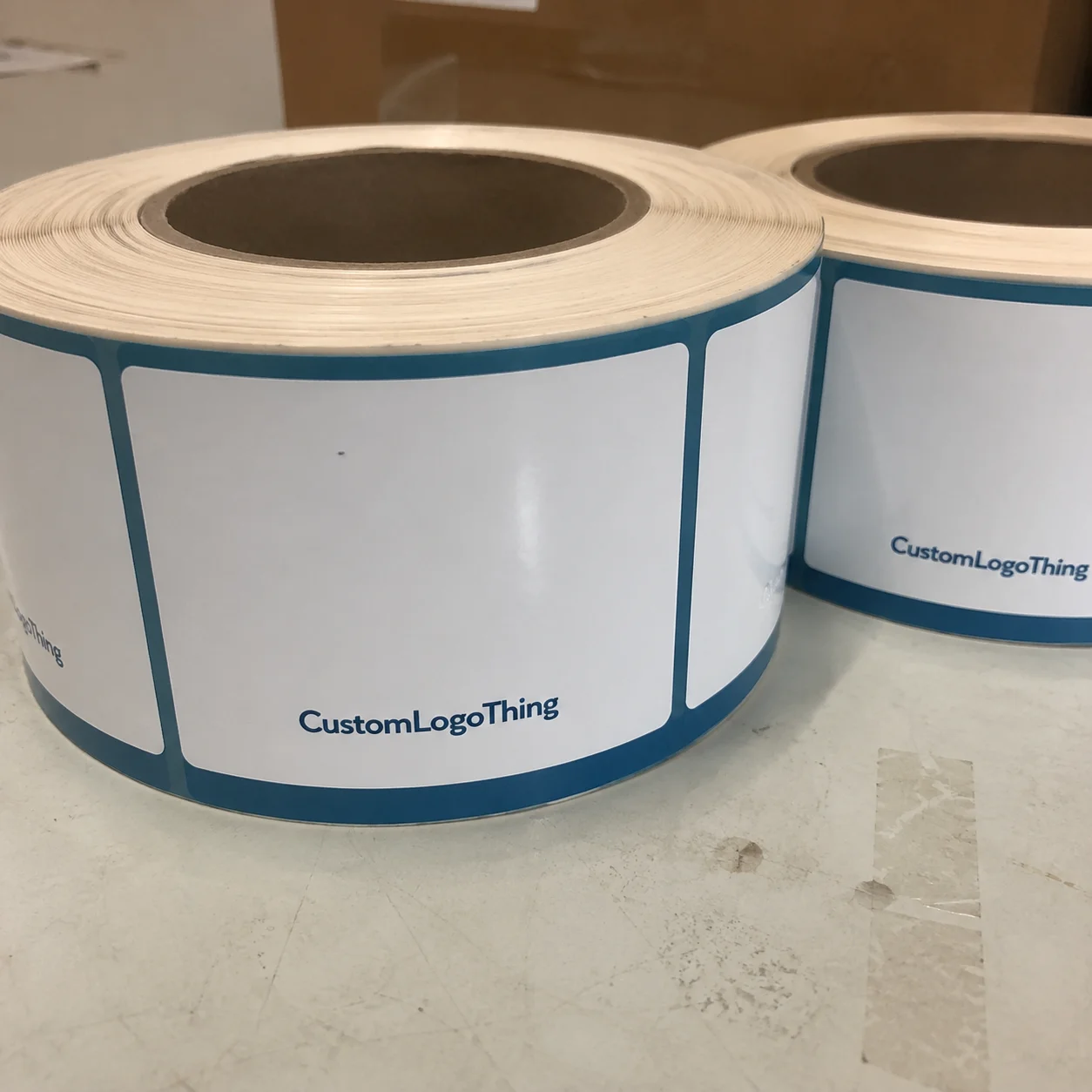
Why Care Labels Decide Whether a Gift Feels Premium
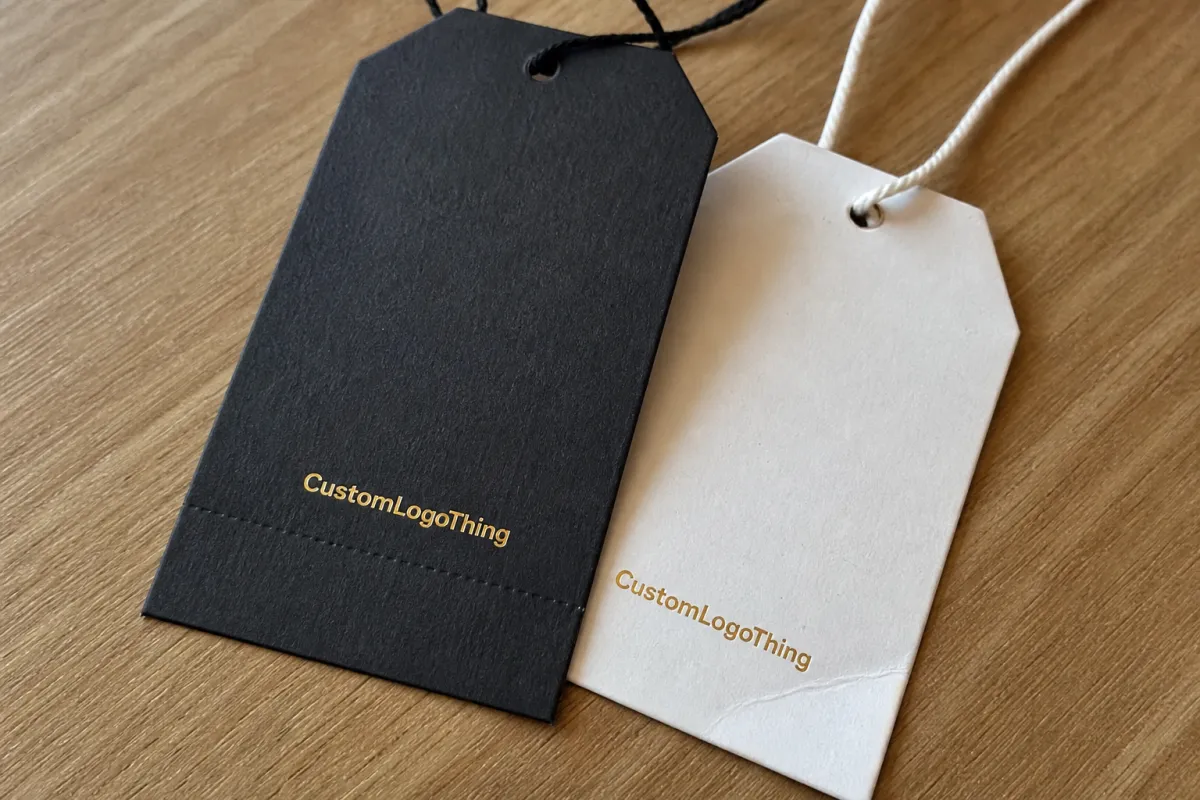
A corporate gifting team can spend real money on soft hoodies, quarter-zips, scarves, or wellness robes, then lose the premium effect in one second because the first thing the recipient notices is a scratchy neck label. That is why a care labels material guide for Corporate Gifting Teams has to start with comfort, not decoration.
A care label is the sewn-in or heat-applied label that tells the wearer what the garment is made from, how to wash it, where it was made, what size it is, and sometimes which company or brand is responsible for it. On a basic tee, that may be one small printed satin tag. On a premium executive gift, it may be a woven brand label paired with a separate printed care label hidden in a side seam.
For gifting teams, care labels are not just regulatory tags. They are part of the unboxing experience, the first wear, the second wash, and the quiet judgment a recipient makes about quality. A label that curls, fades, itches, or says the wrong thing can make a well-chosen apparel gift feel cheaper than it really is.
It helps to separate the pieces. Main brand labels carry the logo or collection name. Care labels carry fiber content, wash instructions, origin, and compliance copy. Size tabs show S, M, L, XL, or numeric sizing. Hang tags tell a story at opening, often attached with string or a plastic fastener. Belly bands wrap folded apparel and work more like branded packaging, often made from kraft paper, coated paperboard, or other paper-based materials.
The right label system depends on garment type, recipient expectations, budget, and schedule. A 100% cotton robe for a wellness kit needs a different label than a recycled polyester performance pullover used for a sales kickoff. Material, print method, comfort, cost, approvals, and timelines all affect whether the final gift feels intentional or merely decorated.
Care Labels Material Guide for Corporate Gifting Teams
The core material families are woven polyester, printed satin polyester, printed cotton, nylon, TPU or silicone-like soft-touch labels, and heat transfer labels. Each behaves differently under a needle, against skin, and after repeated wash cycles. A useful buying guide should connect those materials to actual apparel, not just list them in a catalog.
Woven polyester labels are durable, polished, and colorfast because the design is built from thread rather than printed on the surface. They are excellent for logos, simple size marks, and premium brand presentation. The trade-off is fine text. Dense washing instructions, fiber percentages, and multilingual copy can get muddy if the label is too small or the weave is too coarse.
Printed satin polyester is the dependable workhorse for care information. It is smooth, lightweight, relatively soft, and good at holding small type, laundry symbols, size information, and multi-language instructions. For many corporate apparel gifts, especially hoodies, tees, robes, and knit scarves, printed satin gives the best balance of readability and wearer comfort.
Printed cotton labels bring a natural, casual feel. They fit nicely with organic cotton apparel, artisan-style gifts, and brands trying to avoid a shiny synthetic look. Be practical, though. Cotton can fray at the edges, shrink slightly, or fade faster depending on the ink system, wash temperature, dryer heat, and finishing method.
Nylon labels are thin, tough, and useful for outerwear, bags, uniforms, and performance gear. They are not always the most luxurious against sensitive skin, but they hold up well in harder-use products. If the label is going into a jacket seam, tote, travel pouch, or gear bag, nylon often makes sense.
TPU and silicone-like soft-touch labels create a raised, modern, flexible brand mark. They are usually better as exterior branding elements than as detailed care labels because they are not ideal for small compliance copy. Heat transfer labels can carry size and care information directly on the garment with almost no tag feel. They work especially well on athletic wear, base layers, and stretch knits, but they depend heavily on fabric compatibility, press temperature, dwell time, pressure, and wash testing.
A practical rule holds up across most programs: soft knit gifts usually call for printed satin or heat transfer labels. Heavier jackets, bags, and structured items can tolerate woven or nylon labels. For premium apparel, the strongest combination is often a small woven logo label plus a separate printed satin care label, which keeps branding clean and instructions readable.
How Label Materials Work With Garments, Washes, and Skin
A care label has to live the same life as the garment. That means repeated laundering, dryer heat, detergent exposure, sweat, friction, stretching, folding, and sometimes dry cleaning. A label that looks fine on a desk can behave very differently after it is sewn into a brushed fleece hoodie and tumbled on medium heat ten times.
Comfort starts with edges. A hot-cut polyester label may seal cleanly, while a poorly cut woven label can feel sharp at the corner. Thickness matters, too. A dense woven label at the back neck of a lightweight tee will feel more noticeable than a thin printed satin label sewn into a side seam.
Fold style affects comfort and application. Straight cut labels are flat and simple, often used for heat seal or edge stitching. End fold labels tuck the left and right edges under for clean sewing. Center fold labels fold in half, commonly used at neck seams or hems. Manhattan fold labels create a neat top fold with tucked ends, giving a polished finish for visible branding. Book fold labels open like a small booklet when more information is needed. Loop fold labels wrap around a seam and show information on both sides.
Small type is not just a design concern. It is a production issue. Printed labels can usually hold tiny text better than woven labels, but ink quality, fabric texture, print contrast, and curing all affect readability after washing. A 4-point font might look acceptable in a PDF proof and still be a poor choice once printed on soft satin.
Wash durability works differently by construction. Woven information is physically built into the label with thread. Printed labels rely on ink adhesion to the label surface. Heat transfers depend on the bond between the transfer film and the garment fibers. None is automatically best in every case.
Check the label material against the garment fiber content. Fleece, wool blends, stretch knits, recycled polyester, performance fabrics, and delicate robes all create different risks. Wool blends may call for dry-clean or low-heat instructions. Stretch knits need labeling that can flex without cracking or pulling. Plush robes need labels that do not irritate damp skin after shower use.
Factory-floor rule: if the apparel gift is expensive, worn close to skin, or distributed across multiple regions, ask for a sample or wash-test guidance before bulk approval. A small test can prevent thousands of uncomfortable garments.
Standards can help frame the conversation. ASTM D5489 covers care symbols for textile products, while regional regulations may define wording, fiber declarations, and origin marking. For shipment testing of finished gift kits, especially if apparel is packed with drinkware or rigid items, teams may also review guidance from ISTA.
Key Factors Before You Choose Size, Copy, and Finish
Start with hierarchy. The label may need fiber content, care symbols or written washing instructions, country of origin, size, RN or company identification where applicable, and region-specific language. Legal requirements vary by market and distribution region, so confirm details with internal legal, sourcing, or compliance teams before artwork approval.
Readability usually matters more than squeezing in one more brand line. For many care labels, a finished width of 25 mm to 40 mm is common, with length adjusted by copy volume and fold style. High contrast helps. Black print on white satin is not exciting, but it is readable. Tonal ink on a dark label can look premium and still fail the wearer if the washing instructions cannot be read under normal light.
Branding choices can stay restrained. Some teams use neutral black-on-white labels to keep compliance clean. Others use a small logo at the top, a brand color thread, or a woven main label paired with a separate printed care tag. If you are already ordering Custom Labels & Tags for apparel, packaging, or event merchandise, keeping the logo lockup consistent across pieces will make the full gift program feel more intentional.
Garment color affects label choice. White satin may show through thin white or pastel knits. Black labels can look sharper in dark apparel but may require white or silver ink for readability. Natural cotton labels support a softer eco-minded look, especially when paired with recycled materials, FSC-certified paper hang tags, or belly bands made with post-consumer waste content.
Be careful with sustainability claims. Recycled polyester labels, organic cotton labels, OEKO-TEX-certified materials, lower-waste layouts, and right-sized tags can support responsible sourcing goals, but only when documentation backs the claim. For paper-based packaging components, FSC has helpful background on responsible forest certification at fsc.org. If your gift kit also includes corrugated cardboard mailers, kraft paper wraps, or biodegradable packaging claims, keep those claims specific and verifiable.
Recipient comfort should guide the final decision. Executives, event guests, employee welcome-kit recipients, and VIP clients may never mention the care label, but they will notice if it scratches. Many teams spend too much energy on the visible hang tag and not enough on the sewn-in label that touches skin for the life of the garment.
Cost, Pricing, MOQ, and Unit Cost Trade-Offs
Cost is driven by material type, finished size, number of colors, woven versus printed construction, fold style, cut method, order quantity, artwork complexity, testing requirements, and packing or sorting needs. A very small label can still become expensive if it has six size versions, three language versions, and separate packing for four office locations.
Printed satin labels are often economical for detailed care information because they can carry small text without complex thread setup. Woven labels usually cost more when they require dense thread work, metallic yarn, many colors, or tight logo detail. Heat transfers can look clean and feel excellent, but they may involve setup, carrier sheets, application labor, and garment testing.
| Label Type | Best Use | Typical Unit Range at Mid-Volume | Buyer Watchout |
|---|---|---|---|
| Printed satin polyester | Detailed care copy, fiber content, multilingual instructions | $0.04-$0.12 per label at 5,000+ pieces | Ink contrast and wash durability should be checked |
| Woven polyester | Premium logo labels, size marks, simple brand detail | $0.08-$0.22 per label at 5,000+ pieces | Fine text may lose clarity in thread |
| Printed cotton | Natural or casual apparel gifts | $0.06-$0.16 per label at 5,000+ pieces | Can fray, shrink, or fade depending on finish |
| Nylon | Outerwear, bags, uniforms, gear | $0.04-$0.10 per label at 5,000+ pieces | May feel less premium against skin |
| Heat transfer | Athletic wear, base layers, no-tag comfort | $0.10-$0.35 per application, depending on size and method | Fabric compatibility and press settings are critical |
These ranges are planning numbers, not a guaranteed quote. Quantity changes the math because setup, artwork preparation, material ordering, and machine time are spread over more units. A 500-piece order may carry a very different unit cost than a 10,000-piece rollout, especially with custom colors or multiple versions.
Hidden costs catch corporate teams often. Relabeling finished goods can add labor and risk. Rush freight can erase savings from a lower unit price. Reprints happen when care copy changes after proof approval. Extra approval rounds can push a project into overtime or air shipment. Separate kitting for multiple offices, gift tiers, or departments can also add handling charges.
A quote-ready label request should include final quantity, finished label size, material preference, artwork file, exact text copy, color references, fold type, delivery location, deadline, and confirmation on whether the labels will be sewn in by the garment factory or supplied separately to a decorator.
Decide early whether the label is just a compliance item, a premium brand detail, or both. That one choice tells you where spending improves the recipient experience and where it only adds complexity.
Process, Timeline, and Approval Steps for Custom Care Labels
A clean label project follows a clear sequence: collect garment and compliance details, choose material, build artwork, confirm label size and fold, review a digital proof, approve a physical sample if needed, produce bulk labels, inspect, pack, and ship. Skipping steps rarely saves time. It usually moves the problem later, where it costs more.
Lead time depends on decision speed. Is the copy final? Are multilingual instructions needed? Does the apparel style already have confirmed fiber content? Does the project need to match an existing brand standard? Are there separate label versions for men’s, women’s, youth, or regional sizing? Each variable adds review time.
Woven labels can require more technical setup because thread colors, weave density, edge finish, and logo detail must be translated from flat artwork into a loom-friendly format. Printed labels can move faster when copy is clean and artwork is simple, but delays happen quickly when fiber content, care instructions, or country-of-origin details change late.
A digital proof and a physical sample are not the same thing. The digital proof confirms layout, finished size, fold direction, copy, and version count. The physical sample confirms hand feel, color, thickness, edge softness, and readability on the actual material. For a high-value gift, that tactile check is worth the extra few business days.
For planning, many custom printed label orders land around 7-12 business days after proof approval at moderate quantities, while woven labels often fall closer to 12-18 business days depending on complexity and capacity. Physical samples can add 3-7 business days before bulk production. Rush options may exist, but they narrow the room for careful compliance review.
Start label planning as soon as the apparel style is selected, not after garments arrive. Sewing, relabeling, decoration, packing, and gift-kit assembly can create bottlenecks. If hoodies are being folded into corrugated cardboard mailers with a kraft paper note card and other branded pieces, the label schedule has to support the full packing calendar, not just the tag production date.
Build review time for brand, legal, procurement, event, and HR stakeholders. A supplier can produce accurate Custom Labels & Tags, but only after the production copy and version list are locked.
Common Mistakes That Create Rework, Delays, or Uncomfortable Gifts
The most common mistake is treating the care label as an afterthought. That leads to rushed material choices, poor placement, and last-minute compliance corrections. A label may be small, but it touches production, legal, branding, comfort, and logistics.
Too much text on too small a label is another repeat offender. Multiple languages, icons, fiber content, size, origin, brand copy, and sustainability statements cannot all live comfortably on a tiny tag. If the information is required, increase the label size or split the system into a brand label and a care label.
Choosing woven labels for dense washing instructions creates avoidable readability problems. Woven thread is excellent for a logo, a size mark, or a clean brand detail. It is not ideal for six lines of 5-point care copy. Printed satin, printed nylon, or a two-label system usually works better.
Rough edges and poor placement can ruin an otherwise beautiful gift. A center-fold woven label at the back neck of a soft tee may irritate some wearers. A heat-cut edge in a side seam can scratch if the seam allowance is too narrow. Thread choice matters, too; stiff thread can make a soft label feel harsher than expected.
Version control needs discipline. Corporate Gifting Teams often manage several apparel styles, sizes, departments, regions, or recipient tiers. One outdated PDF can create a reprint. Name files clearly, lock the approved copy, and keep a version table showing size, region, language, garment style, and quantity.
Color assumptions cause frustration. Screen colors, Pantone references, thread colors, and printed inks do not match perfectly across satin, cotton, nylon, and woven polyester. A navy logo printed on satin will not look exactly like navy thread in a woven label. Set realistic tolerances before approval.
Do not ignore the garment factory’s sewing requirements. Ask about seam allowance, label orientation, roll format, packed-flat versus cut-and-folded delivery, and whether labels need to arrive sorted by size. Application details matter because the best label is only successful if it can be sewn or applied correctly.
Next Steps to Build a Care Label Spec Your Supplier Can Produce
Start with the garment. Confirm the style, fiber content, distribution region, quantity, and any internal compliance or sustainability requirements. If the apparel is 80% cotton and 20% polyester fleece, say that. If it is recycled polyester performance fabric with spandex, say that too. Fiber content drives care copy and may influence label material.
Choose the label approach before artwork gets too polished. Printed satin is usually the safe choice for detailed care information. Woven works well for premium logo presentation. Cotton gives a natural brand look. Nylon is durable for outerwear and gear. Heat transfer delivers a no-label feel for athletic apparel and base layers.
Create a simple spec sheet. It does not need to be fancy, but it needs to be complete.
- Finished label size, such as 30 mm x 60 mm
- Fold type, such as center fold, end fold, or loop fold
- Material, print method, and color references
- Final care copy, fiber percentages, size marks, and origin copy
- Logo file in vector format when available
- Version list by size, language, region, or garment style
- Packing method: rolls, cut pieces, cut-and-folded, or size-sorted bundles
- Delivery deadline and application location
Request a digital proof for every version. Ask for a physical sample when the label will touch skin, appear on premium gifts, or support a large rollout. A sample is especially useful for robes, scarves, fleece, performance knits, and any item positioned as a high-end recipient experience.
Coordinate with the apparel decorator, sewing contractor, or garment factory before bulk production. Confirm how the labels should arrive, where they will be placed, and whether the application team needs extra seam allowance. If the gifting program also uses Custom Labels & Tags for hang tags, stickers, mailer labels, or belly bands, align those specs at the same time so the full kit feels consistent.
Before final approval, check spelling, care icons, fiber percentages, country details, brand colors, label orientation, seam allowance, readability, and hand feel. One careful pass can prevent a full reprint.
The best label choice is not the fanciest one. It is the one that fits the garment, survives use, satisfies compliance needs, and feels right to the person wearing the gift. Keep that standard in front of the team, and label decisions become faster, calmer, and much less likely to create rework.
Care Label FAQs
What is the best care label material for corporate apparel gifts?
Printed satin is often the safest all-around choice because it is soft, readable, and cost-efficient for detailed care instructions. Woven labels are better for premium logo presentation, while heat transfers work well for performance garments where comfort is the priority. The best choice depends on garment fabric, label placement, wash requirements, budget, and the level of brand polish expected by recipients.
How should corporate gifting teams choose between woven and printed care labels?
Choose woven labels when the label is mainly a branded detail with a logo, simple size information, or a premium finish. Choose printed labels when the label needs clear small text, care symbols, fiber content, multiple languages, or regulatory details. For high-end gifts, consider using a woven brand label plus a separate printed care label to balance appearance and readability.
What information should be included on care labels for corporate gifts?
Common information includes fiber content, washing and drying instructions, size, country of origin, care symbols or written care steps, and applicable company identification. Requirements can vary by market and distribution region, so teams should confirm compliance needs before approving artwork. Avoid overcrowding the label; if the copy is long, use a larger label or separate the brand label from the care information.
How much do custom care labels cost for corporate gifting programs?
Pricing depends on material, size, quantity, number of colors, fold style, artwork complexity, and whether the labels are printed, woven, or heat transferred. Higher order quantities usually reduce unit cost because setup and production preparation are spread across more pieces. Late copy changes, multiple regional versions, rush production, and special packing can increase the final project cost.
How long is the timeline for producing custom care labels?
The timeline depends on proof approval speed, material choice, order quantity, sample requirements, and whether the project has multiple label versions. Printed labels can often move faster when artwork and copy are final, while woven labels may need extra setup for thread colors and weave clarity. Corporate teams should begin label planning as soon as the apparel style is selected so sewing, relabeling, and kitting schedules stay on track.