Choose a Custom Stickers Company for Better Orders
What a Custom Stickers Company Actually Does
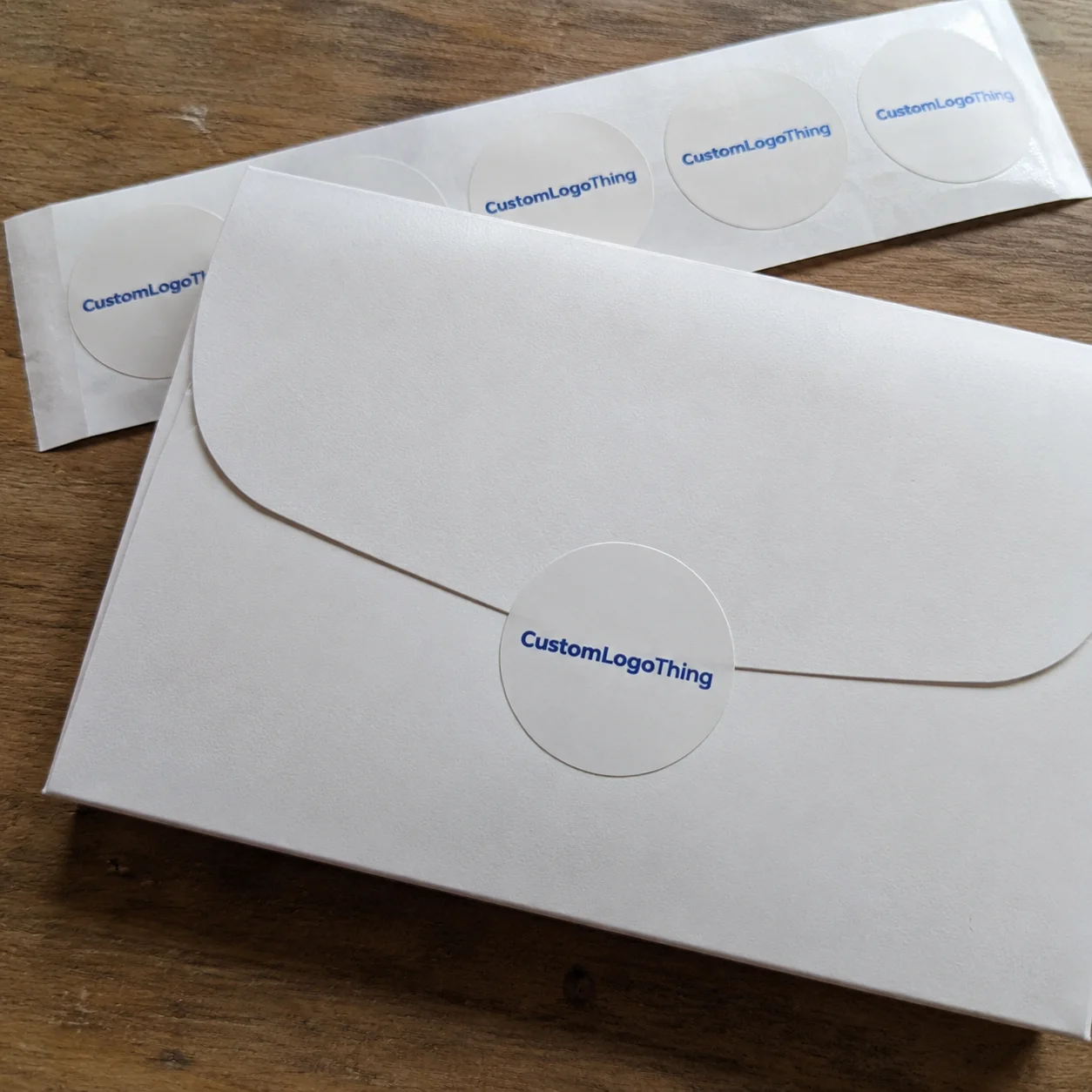
A sticker can cost a few cents. Oddly enough, it may be the first branded object a customer physically handles after buying from you. A custom stickers company does more than print artwork on adhesive stock; it turns a design, surface, quantity, deadline, and usage environment into a sticker that survives the job it was bought to do.
That practical part matters. A sticker that looks sharp on a monitor can fail on a cold glass bottle, a waxy mailer, a rough corrugated carton, or a curved jar with a tight radius. The better supplier catches those problems before production, not after boxes of finished stickers arrive.
The work usually includes material selection, artwork checks, color setup, die-line creation, printing, finishing, quality control, packing, and shipment coordination. For a 2-inch paper thank-you sticker, that may sound excessive. For a retail packaging seal, warning label, product badge, outdoor decal, or bottle sticker, each step affects performance.
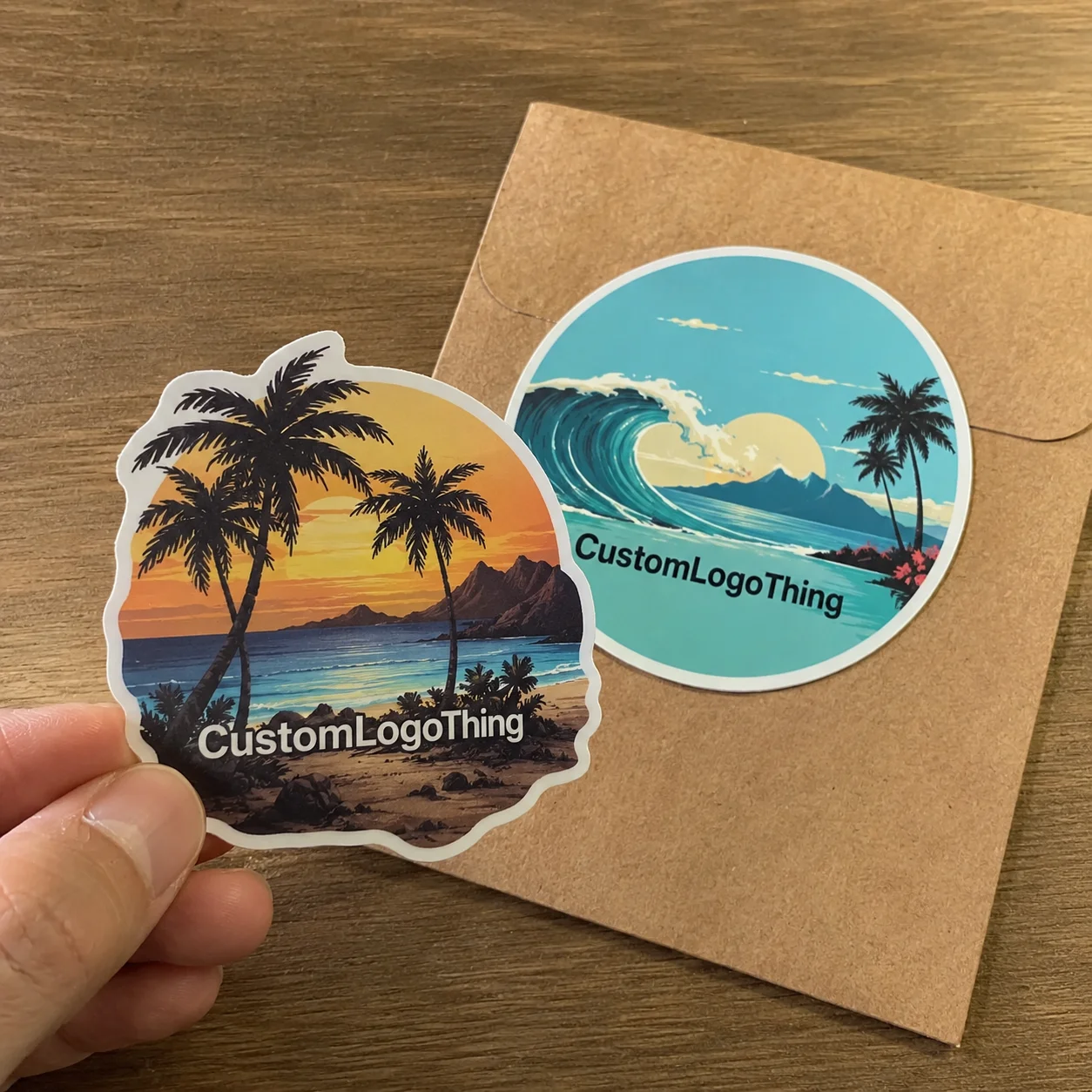
Custom Stickers Carry more pressure than commodity labels because they often sit at the intersection of branding and function. They may need an unusual shape, stronger shelf appeal, waterproof resistance, promotional value, or a premium finish that supports broader branded packaging. A plain shipping carton becomes more intentional with a clean logo seal. Tissue paper feels less generic with a small die-cut mark. Seasonal packaging can be refreshed without reprinting every box.
Stickers also work neatly with other packaging components. They can seal tissue, brand plain mailers, add compliance details, personalize custom labels and tags, or turn undecorated stock into short-run campaign packaging. If you already use Custom Printed Boxes or mailers, stickers often fill the gaps between a full packaging redesign and a completely plain shipment.
Practical rule: the best sticker order is shaped before ink touches material. Adhesive mismatch, poor resolution, color drift, and unrealistic delivery dates are usually planning failures, not printing mysteries.
How Custom Sticker Production Steps and Timeline Work
A reliable order follows a simple chain: brief, quote, artwork review, proof, approval, production, finishing, inspection, packing, and shipping. Skip one link and the risk moves downstream. Sometimes it becomes a one-day delay. Sometimes it becomes a full reprint.
The brief should answer seven questions: what the sticker is for, where it will be applied, what surface it touches, how long it must last, how many versions are needed, what deadline matters, and whether the artwork is final. A custom stickers company can quote faster when those details arrive together rather than scattered across five emails and two file links.
Proofing deserves more respect than it gets. A proof confirms size, cut line, bleed, color notes, quantity, material, finish, roll direction if relevant, and special packing instructions. It is not just a polished preview. Treat it like the production contract.
Simple digitally printed sticker runs often move faster than specialty finishes or complex die cuts. A short run of 500 to 2,000 digitally printed vinyl stickers may be relatively quick after proof approval. Foil accents, layered effects, custom roll labels, heavy lamination, color matching, or weatherproof materials can add setup, drying, curing, or inspection time. Queue position and stock availability matter too.
Production method changes the schedule. Digital printing is flexible for short runs, multiple designs, and variable artwork. Screen printing can suit durable spot-color work at higher quantities, especially when opacity is critical. Flexographic production often fits larger roll-label programs, but plates, setup, and color matching can stretch the front end.
Buyers control more bottlenecks than they realize. Late artwork, low-resolution logos, missing Pantone references, slow proof approval, unclear delivery addresses, and changes after approval are common delay triggers. Rush orders may be possible, but speed can narrow material options, increase freight cost, and reduce time for nonessential revisions.
If stickers support a product launch, trade show, subscription box drop, or retail promotion, build in a buffer. Five extra business days can be the difference between calm receiving and a team hand-applying substitutes at midnight.
Sticker Materials, Adhesives, and Finishes That Decide Performance
Material choice is the hidden engineering decision behind a good-looking sticker. Paper, vinyl, BOPP, polyester, clear film, kraft, holographic stock, and specialty films behave differently under moisture, abrasion, sunlight, cold, heat, and hand contact.
Paper is usually economical for indoor packaging seals, thank-you stickers, short-life promotions, and retail bag decoration. Vinyl is stronger for durability, water resistance, decals, laptops, bottles, and outdoor use. BOPP film is common for product labels because it resists moisture and oils better than many papers. Polyester can be useful where stiffness, chemical resistance, or longer-term durability matters. Clear film creates a no-label look, but it also exposes every bubble, fingerprint, and surface imperfection.
Kraft stock supports an organic, handmade, or small-batch look. It can work beautifully for soaps, candles, bakery boxes, and earthy packaging design. But kraft is not automatically durable. Around moisture, oils, cold storage, or heavy abrasion, it should be tested rather than assumed safe.
Adhesive is just as important as face stock. Permanent adhesive is designed to stay put. Removable adhesive allows cleaner removal for temporary campaigns, pricing labels, or reusable containers. Repositionable adhesive helps during application. Freezer-grade adhesive is built for cold storage. High-tack adhesive can help on rough, textured, or low-energy surfaces. Low-tack adhesive works where temporary contact matters more than bond strength.
Surface conditions complicate the order. Glass, cardboard, plastic, metal, coated paper, fabric, and powder-coated containers all affect bond strength. Even two plastics can behave differently. Polyethylene and polypropylene, for example, can be harder to bond than clean glass or coated paper. That is why a sample test is not wasted time.
Finishes change both appearance and function. Matte can reduce glare and create a softer retail look. Gloss adds shine and color punch. Soft-touch feels premium but may scuff depending on handling. Spot UV, foil, embossing, lamination, and varnish add visual or tactile interest. Lamination is especially useful when scratching, moisture, sunlight, or repeated handling are expected.
Durability claims need specifics. Does “waterproof” mean splash resistant, ice-bucket resistant, dishwasher tolerant, or suitable for outdoor weather exposure for months? Those are different tests. Standards groups such as ASTM International publish test methods used across materials and packaging; you do not need to quote a standard in every order, but serious suppliers should understand adhesion, abrasion, and environmental exposure as measurable issues.
- Indoor paper sticker: best for low-cost branding, tissue seals, inserts, and short-term packaging.
- White vinyl sticker: better for water resistance, decals, outdoor handouts, and heavier handling.
- Clear film sticker: useful for a minimal look on glass, plastic, or premium retail packaging.
- Kraft sticker: strong for natural branding, but test first around moisture, oils, and cold.
- Laminated film sticker: useful when scratching, sunlight, or repeated touch is expected.
Cost, Pricing, and Quote Factors for Sticker Orders
Sticker pricing is not random. Unit cost is shaped by size, quantity, material, adhesive, print method, number of versions, finish, die-cut complexity, packing, and shipping. A 1.5-inch round paper seal and a 4-inch laminated outdoor vinyl decal are both “stickers,” but their cost structures are not remotely the same.
Quantity changes the math because setup, proofing, file handling, and machine time get spread across more pieces. As a rough buying example, a simple 2-inch paper sticker might land near $0.06-$0.14 per piece at several thousand units, while a laminated die-cut vinyl sticker can sit closer to $0.18-$0.45 depending on size, finish, and order volume. Small runs often cost much more per piece because setup does not shrink just because the order is tiny.
The cheapest stock becomes expensive if it peels, fades, tears, or fails on the intended surface. This is the most common sticker budgeting mistake: buyers compare quotes by unit price before confirming whether the material can survive the job. A $0.04 saving disappears fast if 3,000 labels lift from chilled bottles.
Minimum order quantities vary. Some suppliers support small digital runs of 50, 100, or 250 pieces. Specialty materials, foils, custom dies, roll labels, or color-critical production may require higher minimums because setup time and waste are less forgiving. A capable supplier should explain why the minimum exists rather than hiding behind a vague policy.
| Sticker Option | Common Use | Typical Cost Drivers | Buyer Watchout |
|---|---|---|---|
| Paper sticker | Indoor seals, inserts, low-cost package branding | Size, quantity, finish, sheet layout | Weak around moisture, oils, and long outdoor exposure |
| Vinyl sticker | Decals, bottles, giveaways, outdoor branding | Film thickness, lamination, die-cut complexity | May cost more, but often prevents durability failures |
| Clear film sticker | Glass jars, bottles, premium retail packaging | White ink, opacity control, surface cleanliness | Air bubbles and fingerprints show more easily |
| Foil or spot UV sticker | Gift packaging, limited editions, luxury promotions | Extra finishing passes, setup, registration tolerance | Fine details may need simplification |
There are practical cost-saving levers. Use standard shapes. Combine designs on shared sheets. Reduce size variations. Simplify finishes. Choose rolls if stickers are applied in volume by hand or machine. Send clean vector artwork so prepress does not spend paid time rebuilding a blurry logo.
Also watch hidden cost centers: expedited freight, reprints caused by unapproved file issues, color matching rounds, special packing, split shipments, and last-minute design changes. If the stickers support a larger custom packaging products order, coordinate timing so boxes, tissue, labels, and stickers do not arrive in four separate freight surprises.
Ask for tiered quotes at two or three quantities, such as 500, 1,000, and 2,500 pieces. Breakpoints show where value begins. They also make budget conversations less emotional because everyone can see the math.
Step-by-Step Guide to Ordering Custom Stickers Without Rework
Start with the use case, not the artwork. A logo sticker on tissue paper has a different job than a waterproof label on a refrigerated kombucha bottle. The design may look similar, but the specification should not.
- Define the application. State the surface, expected life, handling level, and whether the sticker is decorative, functional, or regulatory.
- Measure the area. Account for curves, seams, folds, closures, corners, and handling zones. A technically correct size can still feel wrong on a tapered jar.
- Choose the format. Options include individual die-cut stickers, kiss-cut sheets, rolls, decals, labels, or sticker packs. Rolls are usually better for repeated application; singles are better for giveaways.
- Prepare artwork. Send vector files when possible, usually AI, EPS, or PDF. Include bleed, safe zones, outlined fonts, embedded images, and brand color references.
- Review the proof carefully. Check size, spelling, QR codes, cut line, orientation, material, finish, quantity, and shipping details.
- Request samples when risk is high. Cold storage, wet bathrooms, candles, textured boxes, curved bottles, and outdoor exposure deserve testing.
- Approve only after signoff. Keep the approved proof for internal reference and repeat orders.
For artwork, vector files are usually safest because logos, type, and cut lines stay sharp at different sizes. Raster images should be high resolution at final print size; 300 dpi is a common target for many print applications, though fine details and specialty effects may need closer review. Small reversed text, hairline borders, and tiny QR codes are worth checking at actual size, not zoomed 400% on a screen.
Bleed and safe zones are not fussy printer language. They protect the design from normal cutting tolerance. If a border sits exactly on the cut line, even a tiny shift can make it look uneven. If text sits too close to the edge, it can feel cramped or damaged after trimming.
Color needs the same discipline. Screens glow; inks reflect light. Uncoated paper, coated paper, clear film, kraft, metallic stock, and holographic materials all shift perception. If brand color is critical, provide Pantone references or previously approved samples. Not every production method hits every color with the same accuracy, so raise that concern early.
For buyers managing broader retail packaging, a simple internal spec sheet can prevent repeat-order confusion. Include size, material, adhesive, finish, roll or sheet format, number of designs, approved proof date, carton packing preference, and reorder notes. If you want to understand Custom Logo Things’ broader approach to branded merchandise and packaging, the About Custom Logo Things page gives useful context.
Common Sticker Ordering Mistakes That Create Delays
Buyers often judge stickers on screen. Stickers fail in the physical world. Peeling, scuffing, misalignment, poor contrast, cracked edges, and weak adhesive do not show up in a polished mockup.
The low-resolution artwork trap is brutal because it feels harmless at first. A logo pulled from a website may look acceptable in a phone preview, then print blurry once enlarged or cut into a precise shape. If the file is 600 pixels wide and the sticker needs sharp type at 3 inches, prepress will probably flag it. If nobody flags it, the customer will.
Missing bleed and tight safe zones create another predictable problem. Text, borders, and fine details placed too close to the cut line can look uneven after normal production tolerance. Die cutting is accurate, but it is not magic. A 1 mm shift can be visible on a thin circular border.
Material chosen by appearance alone is a quiet source of waste. A beautiful paper sticker can disappoint on chilled bottles, oily jars, humid bathrooms, or outdoor gear. A kraft sticker may match a natural brand identity perfectly, yet absorb oil from a candle jar or wrinkle on damp packaging. Surface and environment should outrank mood board appeal.
Color expectations also cause friction. A neon-looking RGB green on a laptop is not the same as CMYK ink on matte paper. Clear labels may need white ink behind color to avoid looking washed out. Metallic and holographic stocks can make colors look darker, brighter, or less predictable depending on viewing angle.
Overcomplicated die cuts deserve suspicion. Very tight corners, tiny islands, thin protrusions, and fragile points can tear, lift, or slow production. A dramatic silhouette may be memorable, but if it catches on packing gloves or peels from a bottle edge, the design has failed the application.
Approval mistakes can cost more time than printing. Changing artwork after proof approval, skipping sample testing, failing to check addresses, or forgetting split-shipment instructions can turn a clean job into a scramble. A good custom stickers company can help reduce risk, but it cannot correct missing information after approval.
There is also a compliance angle. If a sticker carries warnings, ingredient information, recycling marks, or country-of-origin language, verify the content before production. Packaging organizations such as the International Safe Transit Association focus heavily on distribution performance; the same principle applies here in miniature. Packaging has to survive the route, not just the design review.
Next Steps Before You Contact a Sticker Supplier
Before asking for a price, gather the information that drives the recommendation. Define the sticker use, surface, environment, size, quantity, artwork status, deadline, and budget range. Even a rough range helps. “We need 2,500 waterproof bottle stickers for refrigerated glass, applied by hand, needed before a market launch” is far more useful than “How much are logo stickers?”
Create a simple spec sheet. It does not need to be fancy. Include material preference, finish, adhesive needs, roll or sheet format, number of designs, packing instructions, and any deadline tied to a launch, event, or retail delivery window. Add photos of the application surface and current packaging. A supplier can often spot risks in a photo that are hard to explain in text, such as a curved shoulder, rough corrugate, glossy coating, or closure seam.
Ask three focused questions during the quote process:
- What material would you recommend for this surface and environment?
- What could cause this sticker to fail?
- What timeline risk should I plan around?
Those questions reveal how the supplier thinks. A weak answer often stays at the level of “matte or gloss?” A stronger answer discusses adhesive, substrate, application temperature, lamination, production method, and proof approval timing. That is the difference between order taking and packaging support.
Request tiered quotes at two or three quantities, plus one alternative material if budget and performance are both important. For example, compare 1,000 and 2,500 pieces in paper, then ask for the same sticker in laminated vinyl if moisture is a concern. The numbers may show that the better material adds only a few cents per sticker, or they may show that paper is perfectly adequate for a short indoor campaign.
Choosing a custom stickers company becomes much easier when you bring real use conditions, clean artwork, and a clear deadline instead of asking for a generic price. The better the brief, the fewer surprises you buy.
Frequently Asked Questions
What should I ask a custom sticker company before ordering?
Ask which material and adhesive fit your surface, whether the sticker needs lamination, what file format they prefer, how proof approval works, and what could affect delivery time. Share the application environment, not just the design, because moisture, cold, sunlight, texture, and handling can change the recommendation.
How much does a custom stickers company charge per sticker?
Per-sticker pricing depends on quantity, size, material, adhesive, finish, cut shape, number of designs, and shipping method. Higher quantity usually lowers unit cost, but specialty finishes, rush timelines, and complex die cuts can push pricing back up.
How long does custom sticker production usually take?
The timeline depends on artwork readiness, proof approval speed, material availability, production method, finishing complexity, and shipping distance. Simple digitally printed orders often move faster than specialty materials, foil, layered effects, or large roll-label runs.
What artwork files should I send for custom stickers?
Vector files such as AI, EPS, or PDF are usually best for logos, text, and die-cut shapes. If using raster images, provide high-resolution files and include bleed, safe zones, outlined fonts, and any brand color references.
Can a custom sticker supplier help choose waterproof materials?
Yes, a good supplier can recommend waterproof or water-resistant films, adhesives, and protective laminates based on the product environment. Tell them whether the stickers face refrigeration, ice buckets, bathrooms, dishwashing, outdoor weather, or regular hand contact.