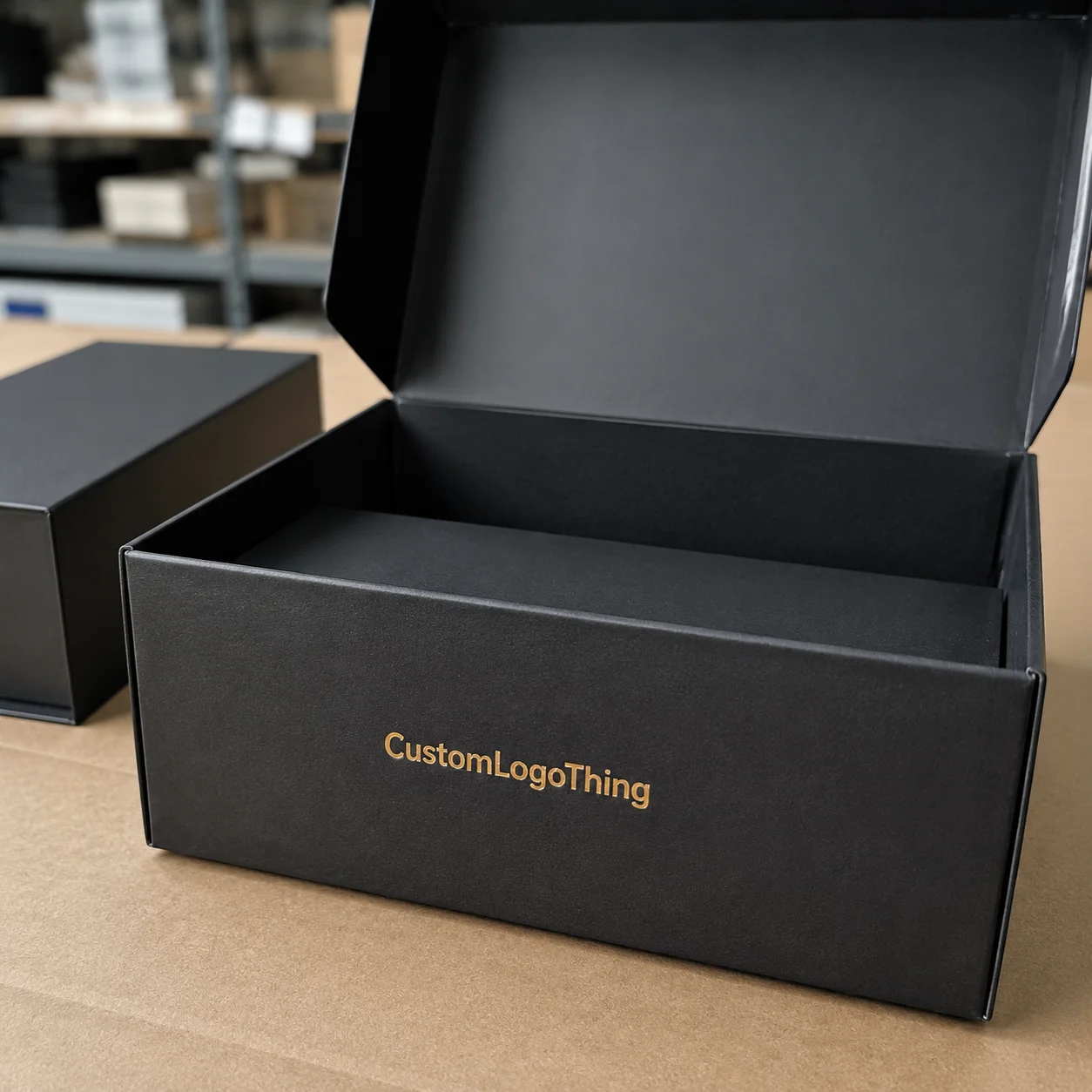
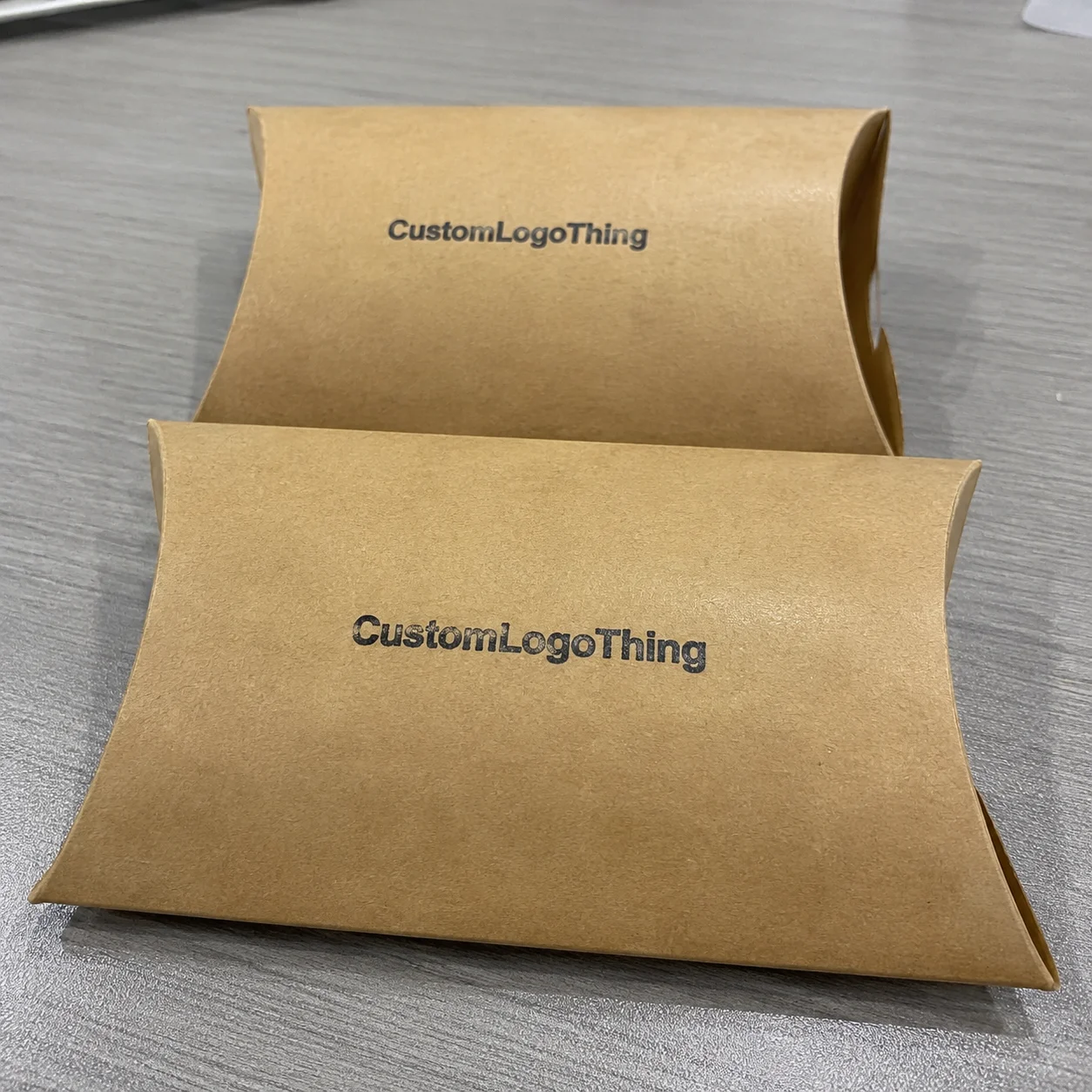
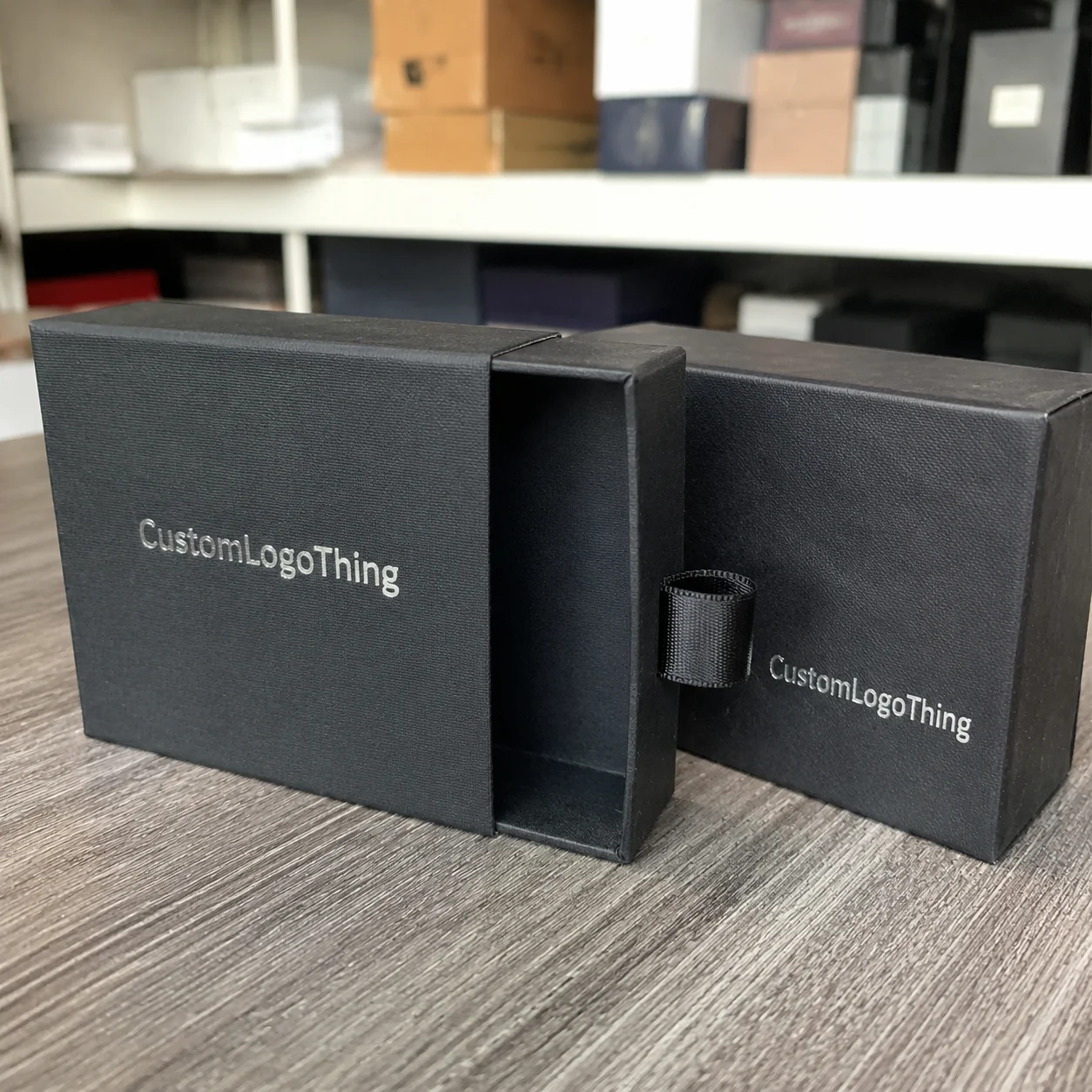
Buyer Fit Snapshot
| Best fit | small-business packaging supplier decisions where samples, MOQ, and reorder reliability matter where brand print, material, artwork control, and repeat-order consistency matter. |
|---|---|
| Quote inputs | Share finished size, material target, print colors, finish, packing count, annual reorder estimate, and delivery region. |
| Proofing check | Approve dieline scale, logo placement, barcode or warning zones, color tolerance, and any recyclable or compostable wording before bulk production. |
| Main risk | Vague material claims, crowded artwork, or missing packing details can create delays even when the unit price looks attractive. |
Fast answer: Small-Business Packaging Supplier Checklist: Samples, MOQ, Proofs, and Reorder Risk should be specified like a repeatable production item. The safest quote includes material, print method, finish, artwork proof, carton packing, and reorder notes in one written spec.
What to confirm before approving the packaging proof
Check the product dimensions against the actual filled item, not only the sales mockup. Ask for tolerance on folds, seals, hang holes, label areas, and retail display edges. If the package carries a logo, QR code, warning copy, or legal claim, reserve that space before decorative graphics fill the panel.
How to compare quotes without losing quality
Compare board or film grade, print process, finish, sampling route, tooling charges, carton quantity, and freight assumptions side by side. A lower quote is only useful if the supplier can repeat the same color, closure quality, and packing count on the next order.
How to Choose Packaging Supplier for Small Business Success
Every time I coach someone on How to Choose Packaging supplier for small business, I picture the chocolatier who wired a $12,500 deposit to a Shenzhen binder, asked for 5,000 printed boxes on 350gsm matte stock, and watched those pallets vanish while their October holiday revenue sat idle in a Salt Lake City storage unit.
That misstep turned a runway event into a waiting game and taught me to treat suppliers like supply chain forensic subjects.
I remember stomping through that rain-soaked storage facility on a Tuesday afternoon, dragging out warped boxes of melted caramel, wondering if anyone at the supplier knew what “confirmation” meant after their supplier cooled and offered a slideshow of excuses instead of shipping dates. That’s when I turned supplier scorecards into a drill-sergeant ritual with founders. Now those PDFs include response time, tooling status, freight milestones, and whether the QA lab ever smelled burnt sugar.
How to Choose Packaging Supplier for Small Business: Why Small Brands Need Clarity
I followed that boutique chocolatier through the mess left when their first supplier ghosted them at month-end, and that May 2022 fiasco drove home how often founders misunderstand the stakes when demand spikes two weeks before tooling is locked. When I prep people to answer how to choose Packaging Supplier for Small business, the question isn’t cute—it’s survival. We break the calendar down into freezes, so nobody says later, “I didn’t know we needed a die approval before Thanksgiving.”
“Packaging supplier” should read as a microscopic breakdown of roles: die-line specialists sketching mockups in Illustrator, prototyping engineers hitting ±0.5 mm tolerances on the Heidelberg XL 106, procurement teams sourcing certified inks with EU REACH declarations, and the fulfillment partner loading pallets outside the Vancouver terminal where I once watched 12 pallets of kraft matte packages stack neatly for a deodorant label.
The expectation vs. reality gap is huge; quarterly data shows 62% of indie brands redo packaging within 18 months because their supplier could not handle holiday surges, while 39% waste six weeks before tooling gets locked. That’s why I start every engagement by splitting branded packaging into concept (messaging, storytelling, and dielines), engineering (material specs like 24pt SBS or 350gsm C1S, adhesives rated for 45-second cycle times), and delivery (on-time pallet pickup from Long Beach, typically 12-15 business days post-proof). The breakdown forces founders to treat packaging as a roadmap rather than a checkbox shoved near launch.
During a meeting at our Shenzhen facility last spring, the operations lead slid an ISTA 3A drop-test report onto the table while the brand lead watched the 350gsm C1S artboard go through finishing with UV varnish; their reaction confirmed my belief: compliance matters when retailers demand ASTM F2056 level caps, and clarity prevents reruns from costing a small brand its rhythm.
Honestly, clarity is the only thing separating a dependable supplier from a flaky one, especially when you keep asking yourself how to choose packaging supplier for small business right before launch day chaos hits and every calendar date says “final proof due.”
How the Packaging Supply Process Unfolds for Small Businesses
Before any inquiry hits a supplier inbox, I sketch a timeline covering inquiry, sample approval, tooling, pilot run, regular fulfillment, and post-launch tweaks. I assign ranges to each stage: inquiry typically takes two to four business days, sample approval runs five to seven with specific review rounds, tooling stretches 10–15 days for custom dies and steel-rule tools, a pilot press run needs three to five days to iron out registration, and cross-Pacific fulfillment settles into 12–18 business days from proof approval, with customs brokerage added for Los Angeles and Newark ports.
I once sat with a local printer in Seattle on a Tuesday, mapping their seven-day lead time against a national contract packager near Memphis. The Seattle partner offered 500-unit runs but left freight management in the founder’s lap, while the Memphis provider demanded 20,000 units and bundled logistics plus QA reports from their in-house lab. Lead time, MOQ, and freight ownership are the lines that define who does what, and that founder learned to translate those differences into calendar certainty instead of fuzzy assumptions.
Concrete questions anchor the process: “What is your peak daily die-cut capacity on the BOBST 106?” “Do you certify workflows with FSC or recycled fiber?” “What contingency plans do you activate when a press stops?” My clients log these answers in a shared spreadsheet, turning them into specific dates—“Press capacity 28,000 sheets/day supports our 10,000-unit restock every 30 days; contingency = weekend overtime on Press 3 with the maintenance crew from Glendale.” Without that detail, shipping windows feel like guesses instead of commitments.
Hidden flexibility often surfaces during negotiation. One supplier offered six weeks for packaging design but only three weeks for production approval, so by adjusting the roadmap and shifting design approvals two weeks earlier, we managed to launch on time while keeping the brand details the founder obsessed over intact.
Also, note to self: never promise “flex” dates unless you enjoy late-night texts about dropped pallets after a 2 a.m. call with the Memphis fulfillment lead. If you say “we’re gonna make it,” you better mean it, because that lead will come screaming at you.
How to choose packaging supplier for small business without risking a launch?
How to choose packaging supplier for small business without risking a launch is a question I actually ask before handing anyone a PO; the answer is a ruthless packaging vendor selection that treats timeline slippage like a cost of goods increase. I want founders mapping every dependency—materials, approvals, freight—and seeing where a delay would cascade, so we can budget a buffer or hold a second factory call before calendars fill up.
The next step is a supplier vetting checklist that goes beyond fancy brochures. It lists proof of past surge handling, shipping partner stability, scrap rates, and how the supplier reports anomalies. That checklist becomes the document I reference in the debrief: “Your packaging vendor selection stack includes 12-hour response assurances, documented ASTM drops, and an eye on tooling reuse—nice.”
Push for one more confirmation if the deadline is sharp. Ask how they prioritize change requests when a retailer tweaks dielines last minute, and watch whether they give you a plan or a shrug. Once you can answer how to choose packaging supplier for small business with that level of clarity, you stop guessing and start setting expectations—for yourself and the supplier.
How to Choose Packaging Supplier for Small Business: Key Evaluation Factors
Reliability, capabilities, and alignment form the triad that decides success. Reliability shows up as supply chain visibility—one Guadalajara supplier displayed RFID-tagged pallets linked to a cloud dashboard, so production counts matched our orders in under 90 seconds and the founder could confirm 7,800 units were slated for rail shipment by midnight.
Capabilities cover die-cut tolerances (±0.25 mm on rigid boxes), ink coverage limits (CMYK + Pantone at 300% max), and sustainable fibers (FSC-certified or 40% post-consumer waste). Roughly 48% of the suppliers I track now offer FSC or recycled materials, up from 31% two years ago, and retailers like Target and Whole Foods ask for that paperwork before approving a slot in their private label windows.
Alignment with a brand’s mission feels subjective but can be scored. I once worked with a founder committed to zero waste and evaluated suppliers on carbon intensity tracking, vegetable-based adhesives, and cardboard returns to the Dallas plant. We turned those into a weighted scorecard—quality audits, on-time delivery, and response time each earn points. For a bakery shipping 2,000 units biweekly, one late delivery erodes $4,000 in sales, so a supplier hitting 98% on-time delivery in ISTA-7 runs is worth the premium.
Scorecards make soft factors quantifiable. List each metric, assign weight (quality = 40%, delivery = 30%, responsiveness = 30%), then calculate a score out of 100. Run that with multiple suppliers, and even brand warmth becomes a repeatable datapoint; it’s kinda like grading chemistry class, except your grade affects real revenue.
For me, the final score also includes a gut check. If the supplier can’t explain how they solved a past crisis, that’s a red flag; I want to hear about the chaotic night a press jammed at 3 a.m., how they rerouted the run to Press 2, and whether they offered the client a 5% discount for the headache.
Cost and Pricing Transparency to Compare Suppliers
Breaking down costing keeps talks honest. The base unit price covers printing and board; for example, 5,000 custom printed boxes on 24pt SBS run about $0.45 each, while the same count on 350gsm artboard with soft-touch lamination jumps to $0.68. Die/plate charges hover around $180 for standard shapes and $320 for complex ones, with setup fees ranging from $120 to $250 depending on the press operator.
Warehousing adds extra costs when suppliers store your stock. Custom Logo Things charges $0.10 per case per day, so four weeks of idle inventory can double a budget. Rush premiums of 20–30% appear when you need two-week fulfillment instead of the typical 12–15 business days from their Seattle facility. Freight also swings—$220 for LTL across three states, $400 for expedited parcel from New York to Los Angeles. Request a “total landed cost” to see how those pieces affect your margins.
Hidden traps emerge when suppliers skip fees for adjustments or label tweaks. One supplier I audited slapped $85 per revision because they expected final art before tooling, and the founder only realized this after three iterations. Always get a documented definition of revisions, how many are included, and pricing for extras. That way, you can compare apples to apples instead of being seduced by a low quote that explodes later.
Budgeting becomes negotiation once you share order frequency. At Custom Logo Things, committing to quarterly runs of 7,500 units unlocks 6–8% discounts without forcing a 30,000-unit buy. Clear terms—“Payment on delivery, four-week credit, 8% discount for recurring restocks”—protect cash flow and keep everyone honest.
Honestly, nothing derails a small brand faster than “cost clarity” being code for “we’ll tell you later.” I once watched a CEO stare at a P&L as surcharges piled up like snow in a blizzard, whispering, “I thought we agreed on $0.45.”
| Supplier Type | Typical MOQ | Lead Time | Average Unit Cost | Included Services |
|---|---|---|---|---|
| Local Printer (Rigby, PA) | 500 units | 7-10 days | $0.72 for 24pt rigid mailer | Design review, limited warehousing, direct pickup |
| Regional Contract Packager (Memphis) | 12,000 units | 18-21 days | $0.41 for 350gsm artboard | Full supply management, QA reports, freight coordination |
| Custom Logo Things (Seattle) | 2,500 units | 12-15 days | $0.58 with matte lamination | Packaging design support, FSC documentation, scheduled fulfillment |
Step-by-Step Guide to Vetting a Packaging Supplier
Step 1: Gather reference projects and sample kits. Ask for photo evidence showing tolerances across recent custom runs—suppliers should note whether they hit ±0.25 mm on automatic die-cut or needed hand trimming. I once inspected a skincare line’s sample kit that included macro photos and gloss coverage percentages, which let me confirm the finish before buying $9,000 of stock.
Step 2: Audit the communication rhythm. I log email timestamps and the substance of replies; suppliers who routinely answer two business days later with “we’ll get back to you” earn red flags. The best ones send quick summaries with action items and timelines. One audit revealed a supplier promising a 10-day sample but taking 22; that delay alone would have cost our client multiple retail pitch slots and $3,500 in expedited shipping.
Step 3: Run a mini-pilot. Ship 250 units with final art and track production vs. promised timelines. Check invoice accuracy before scaling. Does the invoice match the quote? Did they charge the agreed rush surcharge? In one pilot, the supplier added a $140 fabrication fee that hadn’t been discussed; we negotiated it out before full production.
Record every step in your workbook. I keep a spreadsheet with columns for “Reference Project,” “Sample Date,” “Timeline Promised,” “Timeline Delivered,” “Invoice Variance,” and “Next Action.” Reviewing it before committing to 20,000 units lets you say, “Our pilot needs 1.2% tighter die tolerance and the timeline missed by four days—can we fix that?” instead of relying on shaky memory.
The supplier vetting checklist also flags when sustainability claims don’t match documentation; a certificate number without a PDF is a red flag, and I’ll keep asking until a supplier proves their materials match what they told me on the call.
And yes, I still brag about that spreadsheet to every founder because it looks so good on a slide deck—like a Michelin star for supplier vetting.
Common Mistakes When Choosing a Packaging Supplier
The most frequent mistake is chasing the cheapest quote without dissecting omissions. A $0.32 per unit price often leaves out die plates, warehousing, assist, or label revisions. That’s how $0.32 becomes $0.68 once you add a $310 plate fee, $0.12 per unit warehousing after three weeks, and $95 per artwork revision that wasn’t “free.”
Skipping due diligence on sustainability or compliance is another misstep. A founder once dismissed FSC certification as unnecessary for a local launch, then a Midwestern grocery chain refused the shipment. You need proof—FSC certificate numbers, ASTM D790 results, adhesives that meet FDA indirect food contact—because customs brokers and retailers demand those documents before releasing product.
Assuming one supplier can handle every format is risky. When a brand moves from mailers to clamshells and then thermoformed trays, the original provider may lack that capability. Keeping at least two suppliers reduces disruption: one handles custom printed Boxes for Subscription launches, the other manages flexible pouches for seasonal pop-ups.
Each mistake leaves the business vulnerable. Skip these steps and launches slow, margins shrink, and consumers perceive inconsistent branding. That’s the opposite of what founders aim to build with their packaging.
Frustration often spirals when founders realize a panel or lamination was overlooked because “it was obvious.” Spoiler: your supplier can’t read minds. Either document what “obvious” means or brace for rework; the caramel brand I mentioned lost five days and $1,800 to fix a forgotten lamination layer.
Expert Tips and Actionable Next Steps for Small Brands
Tip one: Create a one-page packaging brief covering materials, aesthetic, units, timeline, and voice, and share it with every potential supplier. I’ve seen that brief shave 3–5 days off turnaround because suppliers skip the clarifying questions a missing brief triggers.
Tip two: Hold quarterly reviews with your supplier to recalibrate forecasts, monitor quality, and explore innovation. Our team caught ink migration during a 90-day review before it hit the next order, saving $1,200 in reprints and two weeks of rush time.
Tip three: Treat those quarterly reviews like a custom packaging partner check-in; demand the kind of accountability you expect from a tighter relationship, because when ink is running through a press, that partner is the difference between a nice launch and a brand scramble.
Actionable steps: First, audit your packaging spend and tally the suppliers you use. Second, schedule calls with two vetted suppliers, share the brief, and document their responses. Third, codify the questions you’ll ask (MOQs, lead times, tooling fees, sustainability credentials, communication rhythm, reference projects). These moves turn knowledge about how to choose packaging supplier for small business into a repeatable process instead of a last-second scramble.
Honestly, it feels a little like dating—you're screening for compatibility, reliability, and a shared commitment to the deadlines that keep your brand credible. But with data, notes, and a firm “no” on “maybe” promises, the supplier relationship becomes one that even a supply chain skeptic will celebrate.
Honesty matters. The best suppliers appreciate a brand story as much as technical specs, walk factory floors with you, and explain why certain gauge boards perform better on offset presses while others thrive in digital printing. That partnership protects both the margin and the promise.
Clarity is the currency here, and your ability to answer how to choose packaging supplier for small business with specific data and action will determine whether your next launch soars or stumbles.
How do I find a reliable packaging supplier for my small business?
Compile a shortlist through referrals, trade directories, and platforms like Custom Packaging Products that highlight certifications, then cross-check with the Institute of Packaging Professionals directory for safety standards.
Request samples, compare turnaround timelines (note if they commit to two-day sample prep or six-day proofs), and ask about past projects similar in size and type, noting specifics such as die-cut tolerance or lamination finish.
Verify financial stability with credit references and obtain at least two solid client references to ensure consistent delivery; my checklist calls for contact details, test run dates, and observed defect rates before I sign anything.
What questions should a small business ask a potential packaging supplier?
Ask about minimum order quantities, lead times, tooling fees, and how rush requests are managed, including documented timelines and penalties for missed dates, like a 5% refund if a pallet misses the truck bound for Austin.
Inquire about sustainability credentials, material sourcing, and how they report quality metrics such as defect rates per 1,000 units.
Clarify the communication cadence, who the account manager is, and how revisions are documented so packaging updates stay organized; expect weekly cadence with meeting minutes posted before Friday at 5 p.m.
Can I negotiate pricing with a packaging supplier as a small business?
Yes—bundle services like design, dielines, and procurement to lift spend and request volume or loyalty discounts; recurring quarterly orders of 7,500 units often unlock 6–8% savings without upfront capital strain.
Ask for transparent pricing tiers and insist on a written breakdown to avoid surprise fees for warehousing or adjustments.
Share projected growth so the supplier can propose phased pricing or escrow options that keep cash flow manageable while you scale packaging options.
How long does the packaging supplier selection process take for a small business?
Expect 2–4 weeks for discovery, sample review, and pilot production, depending on complexity and whether custom dies are required.
Allow extra time for tooling or custom dies; digital printing can shrink that window to as little as 10 days if designs are finalized.
Leave buffer time in your launch plan for unexpected adjustments—packaging delays usually precede logistics hiccups and can cascade into retail deadlines if you skip a week for QA.
What red flags signal I should walk away from a packaging supplier?
Walk away if communication stays inconsistent, if deadlines slip during vetting, or if the supplier refuses to share references dated within the last 12 months.
Reluctance to disclose costs, quality checks, or sustainability claims is another warning, especially when they dodge questions about FSC or ASTM compliance.
Refusal to sign a contract outlining KPIs suggests they may not treat your brand as a priority, and that uncertainty is too risky for small operations.
After auditing spend, briefing suppliers with your packaging story, and measuring how to choose packaging supplier for small business in quantifiable detail, you’ve stopped guessing and started building a deliberate, resilient supply chain that keeps retail packaging consistent, cost-effective, and true to your brand promise.
Honestly, the next time someone asks me for a quick tip, I’m just going to hand them the spreadsheet, a sample kit, and a flippin’ magnifying glass for those fine print surprises.
Now go fill out that supplier workbook, score the players on the three core metrics, and lock in the next two launches with the data that lets you answer how to choose packaging supplier for small business without scrambling at midnight.