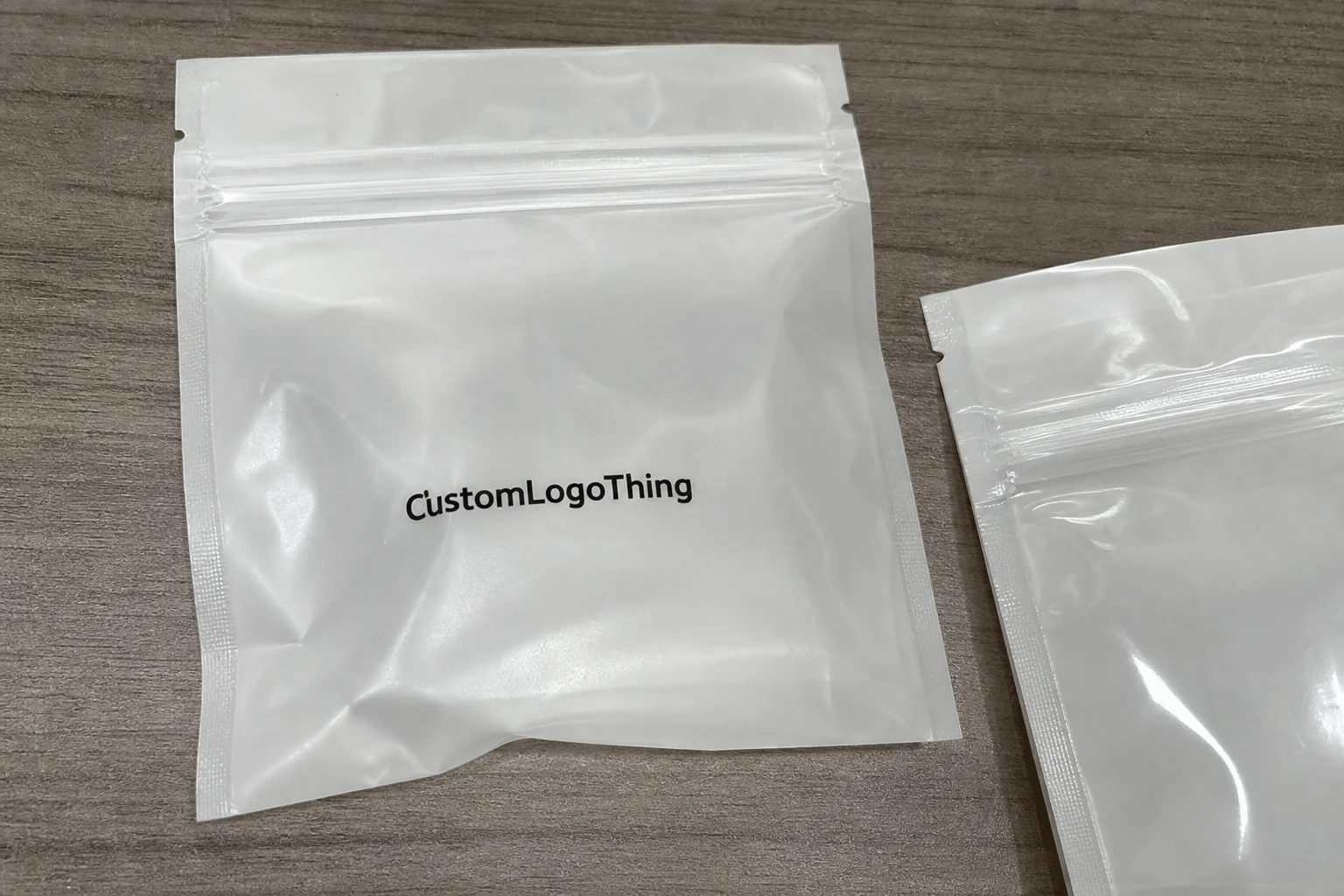
Two similar products can sit side by side, but the one packed in a clean frosted resealable bag often looks more organized before the shopper reads a single word. The surface does a quiet trick: it hides just enough clutter while still showing that something real is inside. Choosing a frosted zipper bags Private Label Supplier is not just a sourcing task. It tests whether a vendor can turn a brand preference into the right film, closure, print, size, compliance marks, carton format, and delivery schedule without causing trouble for the packing line.
What a Frosted Zipper Bags Private Label Supplier Actually Provides
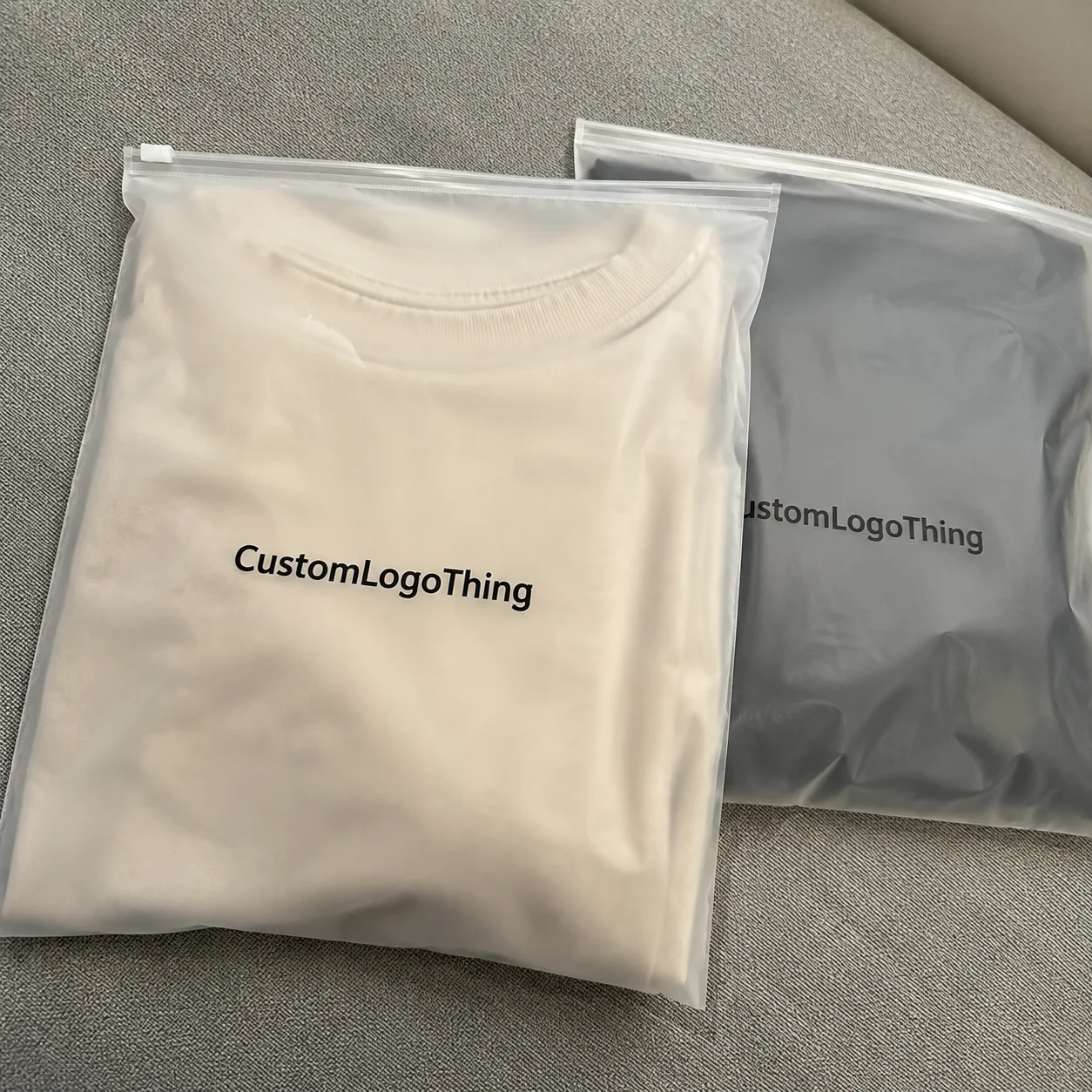
A competent supplier is not selling plain bags with a logo dropped on the front. They are translating a packaging brief into physical decisions: film thickness, frost level, zipper profile, seal width, artwork placement, carton pack count, and the way the bag behaves after a customer opens and closes it several times.
Frosted zipper bags are resealable plastic bags made with matte or semi-translucent film. Most soften product visibility rather than hiding the contents completely. A customer sees shape, color, or texture through the film, while the package still looks tidy on a shelf, inside a subscription box, or in an e-commerce shipment.
They show up in more categories than many buyers expect: apparel accessories, beauty tools, stationery, craft supplies, wellness items, small electronics, sample kits, replacement parts, refill components, and light hardware. The format works because it feels less disposable than a thin clear polybag but usually costs and weighs less than a rigid box or laminated pouch.
There is a material difference between stock frosted zipper bags with custom printing and a fully custom private label program. A stock program may use existing sizes, existing film, and a one-color logo. A custom program can control exact dimensions, zipper color, hang holes, vents, bottom gussets, suffocation warnings, barcode zones, carton labels, and whether one panel is clearer than the other.
Packaging buyer's rule: do not ask only for the lowest unit price. Ask what bag size, gauge, zipper, print method, tolerance, inspection level, and packing format the quote assumes.
The right supplier helps balance shelf presentation, durability, compliance, pack-out speed, and landed cost. A bag that saves $0.02 per unit but slows hand packing by 20 seconds, splits at the zipper, or needs rework before a retail delivery is not cheaper in any practical sense.
How Do You Choose a Frosted Zipper Bags Private Label Supplier?
Choose a frosted Zipper Bags Private Label Supplier by checking whether they can define the material structure, match the bag to your product, explain print limits on frosted film, provide samples, document tolerances, and quote the full landed cost. The supplier should speak in specs, not adjectives. "Premium" is a mood. "3.5 mil LDPE, semi-frosted, press-to-close zipper, one-color screen print, 100 pieces per inner bundle" is a package.
Good suppliers ask questions before quoting. Product size. Product weight. Insertion method. Retail channel. Freight route. Warning text. Barcode needs. Expected reuse. Target launch date. That intake is not bureaucracy; it changes the bag.
A rigid beauty tool may need heavier film, more zipper clearance, and cleaner side seals. A refill component program may care more about barcode scanability and fast packing than dramatic branding. A sample kit may need softer frost, lower opening quantity, and flexible artwork changes while the brand tests demand.
Private label packaging is partly technical and partly editorial. The supplier helps remove decisions that add cost without value and protect the ones that affect performance. If every option is treated as decoration, the buyer usually pays for it later.
How Frosted Zipper Bags Are Made and Branded
Most frosted zipper bags use polyethylene-based film, commonly LDPE, CPE, or blended PE structures. The frosted appearance can come from resin selection, mineral or matting additives, surface texture, film processing, or a mix of these choices. The buying impact is simple: two bags with the same nominal thickness can feel surprisingly different.
Film thickness affects hand feel, opacity, stiffness, puncture resistance, and perceived value. Light bags may land around 2 mil, or roughly 50 microns, and can work for soft, flat goods. Midweight retail bags often sit around 3 mil to 4 mil, about 75 to 100 microns. Heavier reusable or rigid-product bags may move into the 5 mil to 6 mil range, especially where corners, tools, or repeated handling are involved.
The zipper is usually a press-to-close profile extruded as part of the bag web or attached during converting. It looks minor until it fails. If the profile is too light, poorly aligned, or placed too close to a bulky product area, the bag may close during packing but disappoint the customer after a few uses.
Branding methods vary. Screen printing is common for simpler logos, shorter runs, and low-color designs. Flexographic printing fits larger repeat programs, especially one to four spot colors with a stable layout. Gravure-style printing can support high-volume, detailed graphics, although setup costs and order quantities are usually higher. Labels remain useful for pilot launches, variable SKUs, or lower-commitment programs, particularly when paired with Custom Labels & Tags.
Artwork can sit on the front logo panel, back instruction panel, bottom website line, recycling mark area, suffocation warning zone, barcode block, or a reserved unprinted window. Frosted film changes ink behavior. White may look softer. Black can lose some snap. Bright brand colors often appear more muted than they do on a glossy screen proof.
A physical proof is often worth the extra time. Digital proofs confirm placement, scale, spelling, and content. They do not prove film feel, opacity, rub resistance, zipper function, or real color behavior on matte translucent plastic.
Key Specs to Confirm Before You Request Samples
Start with size. Measure the actual product, not a similar item and not the outside of an old bag that barely worked. Allow room for product thickness, trapped air, zipper clearance, hang display, and the hand motion needed to insert the item without fighting the side seals.
A flat item that measures 5 x 7 inches may still need a 6 x 8 inch bag once thickness, header space, and easy loading are considered. A rigid part with corners may need an extra 0.5 inch to 1 inch in width. Not because the product is wide. Because the film has to wrap around depth without pulling the zipper into tension.
Gauge is the next practical choice. Lighter films can work for soft goods, paper goods, or items already protected inside another carton. Heavier films suit rigid tools, refillable kits, pointed corners, premium retail presentation, and bags expected to stay with the customer after purchase. Ask for gauge in both mils and microns if you are comparing domestic and international quotes.
Finish deserves a real decision. You may want a light frost that still shows color and texture, a heavy matte frost that hides more detail, a semi-clear frost for product recognition, colored translucent film for brand blocking, or a two-panel structure with one frosted side and one clearer side. None is automatically best.
Zipper details should be specified, not assumed. Options may include a standard press zip, a wider grip lip for easier opening, a slider zipper where available, or a child-resistant closure for certain regulated categories. Child-resistant packaging must be evaluated against the right standards for the product type. It is not a casual upgrade.
- Construction: hang hole, euro slot, tear notch, side seals, bottom gusset, rounded corners, vents, wicketing, or header space.
- Print details: number of colors, Pantone references, white underprint, registration tolerance, warning text, and barcode quiet zones.
- Compliance: food-contact suitability, suffocation warning language, recycling marks, Prop 65 review where applicable, country-of-origin rules, and retailer routing requirements.
For transit and handling expectations, many buyers reference testing approaches from organizations such as ISTA, especially if filled bags move through parcel networks or retail distribution. A one-page spec sheet keeps everyone honest. It also prevents three suppliers from quoting three different bags while all calling them "custom frosted zipper bags."
Pricing, MOQ, and Unit Cost Drivers Buyers Should Expect
Unit cost is shaped by more than bag size. Resin type, film thickness, zipper profile, frost level, number of ink colors, ink coverage, print method, order quantity, tooling, sampling, inspection, carton packing, and freight can all move the final number. A shift from 3 mil to 4 mil may matter more than adding a second small print color.
MOQ exists because extrusion, printing, zipper setup, and converting all take time and generate startup waste before the first saleable bag appears. A supplier may need to buy a minimum roll of film, mount plates, tune print pressure, align the zipper, and run enough material to stabilize seals and dimensions. That setup has to be paid for somewhere.
| Program Type | Typical Best Fit | Common MOQ Pattern | Cost Drivers | Tradeoffs |
|---|---|---|---|---|
| Stock frosted bag with logo | Launches, small SKU tests, simple retail packs | Often lower, sometimes 500 to 3,000 pieces depending on size and print | Logo color count, setup fee, bag size, label or screen print | Less control over exact size, frost level, zipper color, and repeat fit |
| Custom size and print | Branded retail packaging with defined dimensions | Often 5,000 to 20,000 pieces or more depending on film and machine setup | Film gauge, zipper profile, plates, print coverage, waste, freight | Better fit and consistency, but longer setup and higher first order commitment |
| High-volume printed program | Established SKUs with repeat orders | Usually higher runs tied to print and extrusion efficiency | Tooling, multi-color graphics, inspection level, palletized freight | Lowest repeat unit economics, but less friendly to frequent artwork changes |
As a planning range, a simple stock-plus-print frosted zipper bag might land around $0.12 to $0.35 per unit at moderate quantities, depending heavily on size, print, and packing. A fully custom bag can be lower or higher than that. Small bags in large runs may price well. Heavy-gauge bags with specialty zippers, multiple colors, and air freight can climb quickly.
Heavy ink coverage raises cost and can affect dry time, rub resistance, and the confidence behind recyclability claims. Many frosted bags look better with restraint: a clean logo, clear product information, and enough unprinted film for the matte surface to do its job.
Compare total landed cost, not only the per-piece line. Include tooling, plate charges, sample fees, carton packing, duties, freight, warehousing, and spoilage from poor fit. A higher unit price may reflect heavier gauge, tighter inspection, stronger zipper, or better packing count. Or it may not. The quote needs enough detail to reveal the difference.
Process and Timeline from Artwork to Delivered Bags
The normal path is straightforward: confirm specifications, review artwork, prepare a dieline or print layout, approve a digital proof, make a physical sample when needed, run bulk production, inspect, pack, and ship. The risk sits in the details, especially when multiple SKUs share one bag style but use different labels, warnings, or barcode blocks.
Simple logo printing on an existing frosted bag can move faster than a fully custom size with new tooling, specialty zipper, custom tint, printed panels, and physical sampling. A stock bag program may be ready for production soon after proof approval. A custom program often needs more time for material confirmation, sample review, plate making, machine scheduling, and freight planning.
Buyers should supply vector logo files, Pantone or brand color references, finished bag dimensions, product weight, use environment, regulatory text, target quantity, and delivery location. If the product will be handled in humid bathrooms, mailed in cold weather, stored in a warehouse, or inserted by hand at 1,000 units per shift, say so early. Packaging is physical. The use environment changes the right answer.
A digital proof confirms placement, scale, spelling, barcode position, and content. A physical sample confirms film feel, opacity, zipper function, product fit, ink behavior, and whether the packer can load the bag without wrinkling it. Those are different approvals, and an experienced frosted zipper bags private label supplier will separate them.
Common pressure points include artwork revisions, color matching, plate making, resin availability, holiday production schedules, freight method, customs clearance for imported goods, and internal sample routing. For a simple reorder, production may be measured in a few weeks. For a new custom program with samples, corrections, and ocean freight, a longer planning window is healthier.
Work backward from the launch date. Leave room for one correction cycle, especially for retail planograms, subscription drops, seasonal kits, or influencer mailers where the packaging must arrive before the product can be packed. A capable supplier should tell you which steps are fixed and which can be compressed only with cost or design tradeoffs.
Common Mistakes That Make Frosted Zipper Bags Feel Cheap
Undersizing is the most common problem. A bag can technically fit and still look wrong. If the product stretches the front panel, stresses the zipper, or creates diagonal wrinkles from corner pressure, the package will feel under-specified even if the film itself is decent.
Overprinting is another frequent issue. Frosted film has a soft, premium look because it diffuses light and reduces glare. Covering most of that surface with heavy art can make the pack look muddy, especially if the ink is not opaque enough or the print registration moves slightly on a flexible web.
Color surprises are normal unless they are managed. White ink, black ink, metallic tones, bright reds, and neon-adjacent brand colors can shift on matte translucent film. Do not rely only on a screen preview. A drawdown, press proof, or approved production sample gives a more honest read.
Weak zipper selection causes trouble fast. If the product is bulky near the top seal, the zipper may be hard to close. If customers are expected to reuse the bag for cables, tools, refills, or beauty accessories, the closure needs enough profile strength and alignment tolerance to survive repeated handling.
Abrasion also gets overlooked. Bags rub against master cartons, fulfillment bins, retail shelves, and other products before the customer sees them. ASTM test methods can be useful reference points for film properties and print durability, while broader sustainability claims should be checked carefully against guidance from the U.S. Environmental Protection Agency and the actual recycling stream available in the destination market.
Compliance mistakes are less visible but more expensive. Missing suffocation warnings for certain bag openings, unsupported recyclability claims, incorrect country-of-origin marking, or non-food-contact film used for direct edible contact can turn a packaging order into a rework project. Not every product needs every warning, but the review should happen before printing.
Another quiet mistake is comparing quotes without matching gauge, dimensions, packing count, and print method. A 4 mil custom bag packed 100 per inner bundle is not the same purchase as a 2 mil stock bag loose-packed in a master carton. The cheaper quote may simply describe a different package.
Expert Tips for Better Samples, Proofs, and Repeat Orders
Test samples with the real product. Empty bags almost always look better than filled bags because they have no corners, trapped air, weight, or surface friction. Put the actual item inside, close the zipper, shake it lightly, stack it, and leave it overnight if the product has spring or bulk.
Use a small checklist during sample review. It does not need to be elaborate, but it should be consistent.
- Appearance under normal room light and retail-style light
- Film feel, stiffness, frost level, and opacity
- Zipper alignment, closure force, and reopening feel
- Side seal strength and corner stress
- Logo position, ink clarity, rub resistance, and barcode scanability
- Carton count, bundle count, and packing speed at the fulfillment bench
Frosted bags often look best when the design gives the film room to work. Use contrast, negative space, and a disciplined logo area. If you need more variable product information than the bag print can comfortably hold, pair the bag with Custom Labels & Tags so the main package stays clean.
Ask for tolerance ranges in writing. Bag width, bag length, seal position, print registration, color tolerance, film gauge, and carton quantity all have normal manufacturing variation. A fair tolerance protects both sides because everyone knows what counts as acceptable production.
Keep an approved physical sample as the production standard for reorders. Label it with the date, SKU, gauge, print version, and approval name. That retained sample can save hours of debate later, especially when purchasing, design, and quality teams are not the same people who approved the first run.
Discuss packing format early. Bundles, inner poly packs, master cartons, barcode-labeled cartons, pallet height, and carton weight all matter to the people who receive and use the bags. Fulfillment teams care about how packaging arrives, not only how it photographs.
Repeat orders become smoother when specs, artwork files, proofs, invoices, sample notes, and approved samples are stored together. A frosted zipper bags private label supplier can move faster when the reorder request references a prior approved spec instead of rebuilding the order from memory.
Next Steps Before You Contact a Supplier
Before requesting a quote, gather the details that affect real production. Product dimensions, product weight, desired bag size, film thickness target, frost level, zipper type, quantity range, print colors, artwork files, regulatory text, delivery deadline, and ship-to location should all be ready. Even a rough target helps, as long as it is clearly labeled as rough.
Order or request comparable samples first if possible. Physical references make conversations much easier than vague words such as premium, soft, thick, or cloudy. A buyer saying "close to this 3 mil semi-frosted bag, but 1 inch taller with a stronger zipper lip" gives a private label packaging manufacturer something useful to quote.
Decide which priorities are fixed and which can flex. Launch date, MOQ, film gauge, print colors, custom sizing, and freight method all interact. If the deadline is fixed, the first order may need to use a stock size with printed labels. If the retail fit is fixed, the order quantity and sample timeline may need to stretch.
Ask direct questions: What material is quoted? What gauge? What print method? What MOQ? What lead time starts after proof approval? What tolerances apply? Is a physical sample included? Are warning text, carton labeling, and freight included in the unit cost or quoted separately?
Before bulk approval, test the final sample in the real packing flow. Insert the product, close the zipper, apply any label, scan the barcode, stack the packed bags in a carton, and check a few units again after handling. That simple exercise catches many problems while they are still cheap to fix.
Choosing a frosted zipper bags private label supplier is easiest when the buyer brings clear specs, realistic timing, and a sample-based approval process instead of shopping by price alone. The best result is not just a good-looking bag. It is a package that protects the product, supports the brand, packs efficiently, and can be reordered with confidence.
Frequently Asked Questions
What should I ask a frosted zipper bags private label supplier before ordering?
Ask for material type, film gauge, exact dimensions, zipper style, print method, MOQ, lead time, sample options, tolerance ranges, packing details, and whether regulatory text or warnings are included in the quote. Share your product dimensions, weight, artwork, delivery deadline, and use case so the supplier can recommend a bag that fits both presentation and function.
Are frosted zipper bags recyclable?
Many frosted zipper bags are made from polyethylene, which may be recyclable through appropriate PE film recycling streams, but local acceptance varies. Printed inks, labels, adhesives, zipper profiles, and mixed components can affect claims, so do not print recyclability language until the material structure and destination market have been reviewed.
What is a normal MOQ for custom frosted zipper bags?
MOQ depends on whether the bag is stock with custom printing or fully custom with new sizing, film, zipper, and print setup. Stock bag printing may support lower quantities. Custom extrusion and printing usually require higher runs because setup time, machine waste, and material purchasing have to be covered.
How long does private label frosted zipper bag production take?
Timing depends on artwork readiness, sample requirements, print method, material availability, order size, and shipping method. A simple stock bag with a logo is usually faster than a fully custom frosted bag with custom dimensions, special zipper details, multiple ink colors, and physical sampling.
How thick should frosted zipper bags be for retail packaging?
The right thickness depends on product weight, shape, handling, and desired hand feel. Lightweight soft goods can often use thinner film, while rigid parts or premium reusable packaging usually need heavier material. Always test the real product in the sample bag to confirm zipper strength, corner resistance, opacity, and shelf appearance before approving bulk production.