The sticker is rarely the hard part. The harder decision is choosing a Die Cut Stickers private label supplier that can repeat the same cut, color, adhesive feel, packing style, and label placement so customers believe the product came directly from your brand every time.
That sounds simple until you reorder 5,000 pieces and the white border shifts, the backing paper changes, or half the retail packs arrive with the wrong SKU label. Fun little nightmare. From a packaging buyer's point of view, you are not just buying printed vinyl. You are buying a repeatable product system.
A capable supplier sits somewhere between a custom sticker printer, a packaging vendor, and a small-scale fulfillment partner. The best ones understand that your logo decal, retail sticker pack, product insert, or subscription-box freebie has to look like it belongs to the same brand family. The weak ones treat every order like a one-off print job and hope nobody notices the drift.
What a Die Cut Stickers Private Label Supplier Actually Does
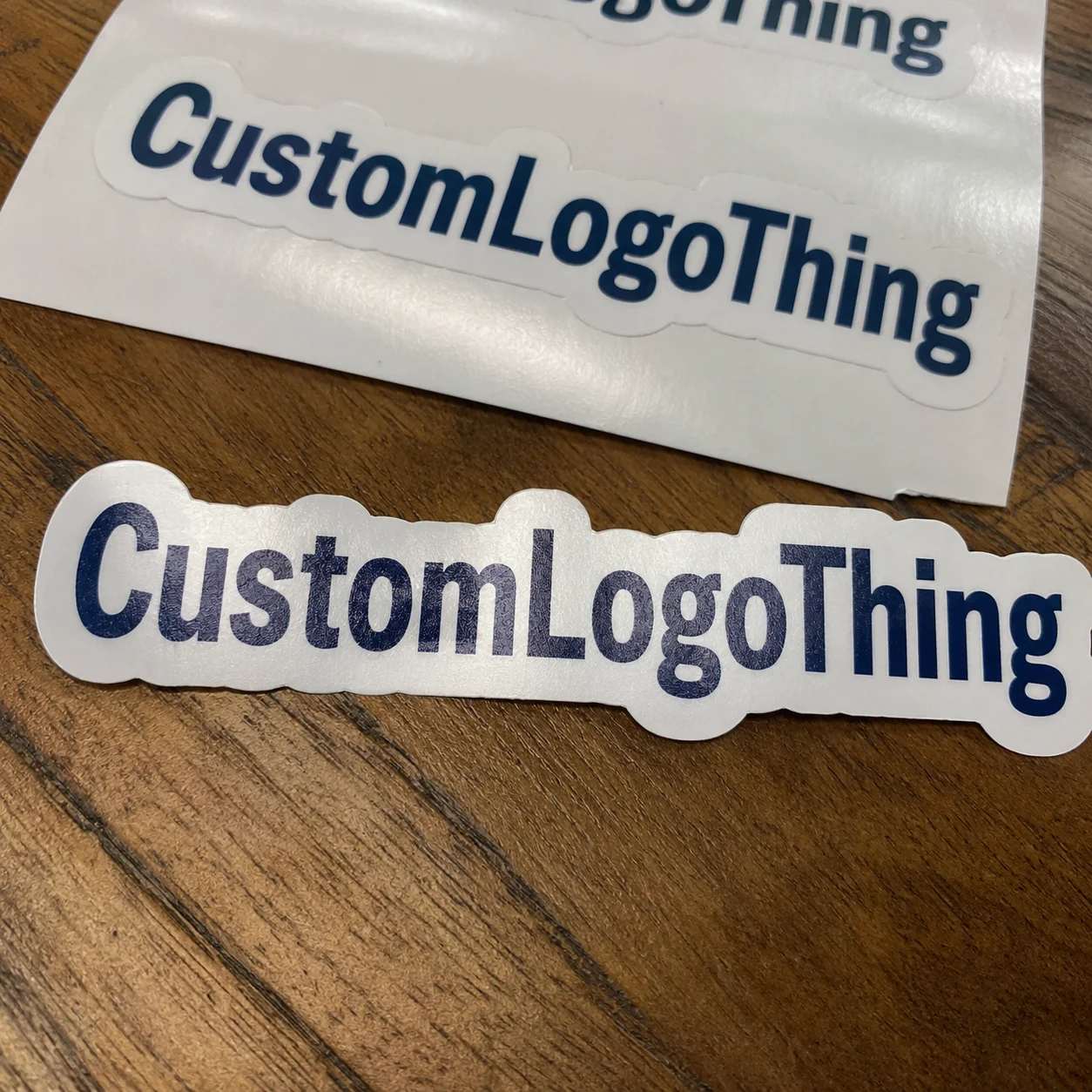
A die cut stickers Private Label Supplier is a manufacturer or production partner that prints custom-shaped stickers and prepares them under your brand. That may mean bulk-packed stickers in cartons, retail-ready sticker packs, branded backing cards, barcode labels, or direct-to-customer fulfillment if the supplier offers that service.
Private label means your brand controls the customer-facing presentation. Your artwork rules. Your packaging format. Your SKU structure. Your brand name on the pack. A standard custom sticker printer may print your file and ship a stack of stickers. A white label sticker supplier may ship without its own branding, but the presentation is often generic. Private label goes further. It treats the sticker as your product line, not just a print job.
Die cut means the sticker is trimmed around the artwork shape instead of being left as a square, rectangle, or circle. If your logo has a cloud outline, the sticker follows that cloud. If your mascot has ears, the cut line follows the ears. A related option is kiss cut stickers, where the sticker itself is cut to shape but the liner stays larger, making it easier to peel and useful for retail sheets.
The practical buyer question is blunt: can this supplier keep your product consistent across the first order, the tenth order, and the emergency reorder you probably should have planned two weeks earlier? Customers notice crooked borders, weak adhesive, cloudy clear film, and sticker packs that feel cheap. Apparently people do not enjoy paying for sloppy stickers.
How Private Label Die Cut Sticker Production Works
A decent production flow has clear stages: artwork review, digital proofing, optional sample production, printing, laminating or coating, cutting, quality control, packing, carton labeling, and shipping. Skip one of those checks and the problem usually appears after money has already left your account. Convenient, right?
Artwork review starts with the print file and the cut path. Vector files such as AI, EPS, or PDF are preferred for cut lines because the blade path needs to be clean, closed, and smooth. High-resolution raster artwork can work for the printed art, usually 300 dpi at final size, but a jagged cut path full of tiny points can create ugly edges and slower production. A serious supplier should flag those problems before proof approval, not after cutting has started.
Material choice is where many sticker programs quietly succeed or fail. White vinyl is common for durable brand stickers. Clear BOPP or PET works for transparent labels. Holographic film gives limited drops and premium packs a louder shelf presence. Kraft paper creates a more natural retail look, though it is usually less suitable for wet or rough use. Removable adhesive suits temporary applications. Permanent adhesive fits laptops, bottles, boxes, and general merch. Waterproof laminated vinyl is usually the safer pick for water exposure, but waterproof does not automatically mean dishwasher safe. That assumption creates refunds. Ask how the supplier defines it.
Finishing options change both cost and feel. Matte laminate gives a softer retail look and hides fingerprints better. Gloss laminate makes color pop. UV coating can add surface protection, while scratch-resistant laminate is better for stickers that will be handled hard. Split-back liners, hang tabs, retail header cards, barcodes, and branded bags all add labor. Labor does not disappear because the sticker is small.
Digital proofs catch layout, size, bleed, cut line, quantity, and spelling issues. Physical samples catch texture, adhesive feel, real color, edge quality, liner behavior, and laminate glare. If your design uses clear film, metallic effects, tight borders, or tiny text under 5 pt, request a sample. Screens lie. Samples lie less.
Practical callout: Private label work adds dull details like SKU sorting, bundle counts, backing cards, carton marks, and barcode placement. Those details are dull until they are wrong. Then they become expensive.
Pricing, MOQ, and Unit Cost Factors to Compare
Sticker pricing usually depends on size, material, print method, shape complexity, quantity, finishing, packing, and shipping method. A 2 inch white vinyl sticker with gloss laminate and simple bulk packing is not the same job as a 4 inch holographic sticker, kiss cut on a branded card, individually bagged, and sorted into 40 retail SKUs.
Small custom runs often carry higher setup and handling costs. Larger orders bring the unit cost down because print setup, cutting setup, proofing, packing, and freight are spread across more pieces. That does not mean big orders are always smart. If the design is untested, 10,000 units of the wrong sticker is not inventory. It is a storage problem with adhesive.
| Order Type | Typical Quantity | Common Use | Practical Unit Cost Range | Main Tradeoff |
|---|---|---|---|---|
| Test run | 100-500 pieces per design | Creator merch, market testing, subscription drops | $0.35-$0.90 each for 2-3 inch vinyl, depending on packing | Higher unit cost, lower inventory risk |
| Standard run | 1,000-5,000 pieces per design | Online store SKUs, brand kits, wholesale samples | $0.12-$0.35 each for common vinyl sizes | Better pricing, more cash tied in stock |
| Scale run | 10,000+ pieces per design | Retail programs, promotions, recurring bestsellers | $0.04-$0.18 each for simple specs at volume | Lowest unit cost, less room for artwork mistakes |
Those ranges are working references, not universal quotes. Material, size, finishing, and packing can move the price fast. A clear PET sticker with white ink backup, matte laminate, and individual retail bagging will not price like a basic white vinyl decal. Anyone pretending otherwise is selling you optimism, which is not a production spec.
Low MOQs help when testing 3 to 10 designs, building a subscription drop, or validating a new retail SKU. Higher MOQs make sense for proven sellers, wholesale programs, and branded packaging kits. If you already know a 3 inch logo sticker sells 2,000 units a month, volume pricing is your friend. If you are guessing, keep the run smaller.
Prepare the quote request before you contact a supplier. Include sticker dimensions, quantity per design, number of designs, material, laminate, indoor or outdoor use, packaging style, barcode needs, delivery address, and required ship date. Ask for landed unit cost, not just sticker price. Freight, duties, replacement policy, defect allowance, and reorder consistency all matter.
Hidden cost areas include oversized backing sheets, many micro-designs, individual polybagging, rushed proof approvals, PMS color matching, split shipments, and retail-ready packing. None are bad. They just need to be quoted before production starts, not discovered at invoice time by someone suddenly acting surprised.
Process, Timeline, and Lead Time From Proof to Delivery
A clean timeline usually starts with an artwork check, then proof creation, proof approval, optional sampling, bulk production, quality control, packing, and shipping. For a simple order, digital proofs often take 1 to 3 business days. Physical samples can add 5 to 10 business days. Bulk production commonly takes 7 to 20 business days depending on quantity, material, and packing complexity.
A reorder with no artwork changes can move faster. A new private label program with 40 designs, barcode sorting, branded backing cards, and carton labeling will not. There are too many touchpoints. Each touchpoint is a place for delay, error, or a very polite email asking you to confirm something you forgot to define.
Projects slow down because of unclear cut lines, missing bleed, color matching requests, too many SKUs, last-minute size changes, retail packaging edits, and delayed approvals. The worst delay is usually not factory production. It is the buyer approving half the details, then changing the pack count after the supplier already made the backing cards. That move burns time and money.
Shipping deserves real planning. Air freight is faster and more expensive, often useful for samples, launches, or small runs. Sea freight is cheaper for larger orders but needs more lead time and better inventory discipline. Domestic production can shorten transit and simplify duties, though the printed unit cost may be higher. Use the full landed cost before deciding.
For launch planning, work backward from the sales date. Add time for sample approval, production, freight, receiving inspection, photography, listing setup, and buffer. A practical launch calendar for a new private label sticker line may need 4 to 8 weeks if sampling is involved. It can take longer when retail packaging, marketplace compliance, or many designs are in play. Ask the supplier to separate production time from transit time so your schedule does not hide a freight problem inside a production promise.
Suppliers that serve retail programs may reference transit testing or packaging performance expectations tied to organizations such as ISTA. For sustainability claims, do not wing it. If paper cards or backing materials are marketed as responsibly sourced, ask about chain-of-custody documentation such as FSC certification where relevant.
Quality Specs That Separate Good Stickers From Refund Magnets
Before requesting quotes from a die cut stickers private label supplier, define the specs that actually control the finished product: material thickness, adhesive type, finish, size tolerance, cut tolerance, bleed, border width, color profile, laminate, backing paper, and packaging format. Vague specs produce vague results. Shocking, I know.
Material thickness can be confusing because suppliers describe film, adhesive, liner, and laminate in different ways. Common vinyl stickers often sit around 80-120 microns before laminate, though the full construction may be thicker once adhesive and liner are included. Ask for the full construction if durability matters. For artwork, a 1.5-2 mm bleed is common, with a safe zone inside the cut line so text and borders do not drift into danger.
Adhesive choice should match use. Permanent adhesive works well for laptops, water bottles, packaging seals, helmet decals, and brand merch. Removable adhesive is better for planners, temporary promotions, retail labels, wall-safe use cases, and surfaces where residue will annoy customers. Specialty adhesives cost more, but they cost less than bad reviews.
Durability needs plain-language testing. Waterproof is not the same as dishwasher safe. UV resistance matters for outdoor use. Scratch resistance depends heavily on laminate. A gloss laminated vinyl sticker may survive normal handling and water splashes, but repeated heat, detergent, and abrasion are a different fight. Ask whether the supplier has ASTM-style test references for adhesion, abrasion, or weathering, or at least documented internal test methods.
Ultra-detailed cuts can be a problem. Thin antenna shapes, tiny interior points, delicate script edges, and sharp corners may look great on screen but peel badly or cut inconsistently at small sizes. If the sticker is under 2 inches wide, simplify. A clean shape with a 2 mm border often sells better than a fragile shape that looks fancy for five seconds and then catches on the liner.
Cut tolerance matters because sticker cutting has normal movement. A supplier might hold roughly +/- 1 mm on many digital die cut jobs, but tighter tolerances can require slower production, better fixtures, or extra waste. If your brand wants a perfect 1 mm white border around a complex shape, production becomes less forgiving and often more expensive.
Look at real samples under normal light. Not just polished catalog shots. Nice lighting can hide cloudy clear film, uneven gloss, rough edges, and weak color density. Production does not care about your mood board.
How Do You Choose a Die Cut Stickers Private Label Supplier?
Choose a die cut stickers private label supplier by testing four things before the large order: proof discipline, sample accuracy, packing control, and reorder documentation. If a supplier cannot document the material, adhesive, laminate, cut tolerance, pack count, and approved artwork version, they are not ready to manage a private label product line. They may still print nice stickers. That is not the same job.
Start with communication. A good private label sticker manufacturer asks specific questions because missing details cost money later. What surface will the sticker go on? Will the pack hang on a retail peg? Does each SKU need a barcode? Is the sticker for indoor use, outdoor use, bottles, mailers, laptops, or product packaging? The questions may feel tedious. The silence is worse.
Then inspect the sample. Compare the physical piece against the proof, not against your memory of the proof. Measure the finished size. Check whether the border looks balanced. Bend the sticker and see whether the laminate cracks or lifts. Peel it from the liner. Apply it to the surface your customers will probably use. Wait. Cheap adhesive can look fine for the first hour and fail later, especially on textured, oily, curved, or low-energy plastics.
Ask how reorders are controlled. A reliable supplier should save the approved dieline, material construction, finish, packing instructions, carton labels, and color notes. Reorder consistency is where private label sourcing either becomes an asset or turns into a monthly guessing exercise.
Also check what the supplier refuses to promise. That tells you more than the polished capabilities list. A factory that says a tiny script logo cannot hold a clean cut at 1 inch is doing useful prepress work. A supplier that promises every material will be waterproof, outdoor-safe, removable, permanent, and cheap has not solved physics. They have avoided the conversation.
Common Mistakes When Sourcing Private Label Sticker Orders
The biggest mistake is shopping only by the lowest unit price. Cheap stickers can be perfectly fine for the right use. Cheap stickers with bad adhesive, weak laminate, fuzzy print, and messy cut lines become a customer service project. The invoice looks great. The returns do not.
Another common mistake is approving proofs too quickly. Check size, orientation, cut path, bleed, spelling, color callouts, SKU names, barcode numbers, pack counts, and carton instructions before approval. Once production starts, the proof is the contract. If the typo was visible and you approved it, that is not a supplier defect. That is a painful reading lesson.
Overcomplicated assortments also hurt new launches. Starting with 80 designs sounds exciting until every design needs separate proofing, counting, packing, labeling, photography, and inventory control. For a first private label die cut sticker run, 3 to 10 starter designs is usually more manageable. Pick the strongest designs, not every idea that survived a group chat.
Vague packaging language causes trouble. Phrases like "retail ready" or "premium packed" mean nothing until you define card size, bag type, barcode placement, pack count, hanger hole, carton label, and inner carton quantity. If your stickers need to sit on a peg hook, say so. If they need a suffocation warning on a polybag, specify it.
Artwork ownership matters. Keep editable source files, approved proofs, dielines, color notes, material specs, packing instructions, and reorder references. Without that documentation, every reorder becomes an archaeological dig through old emails and file names like final-final-v7-actuallyfinal.pdf. Beautiful system. Terrible business practice.
Compliance can also apply if you sell through retail, marketplaces, subscription boxes, or wholesale channels. You may need barcodes, country-of-origin labeling, carton markings, suffocation warnings for plastic bags, or retailer-specific routing labels. Requirements vary by channel and product format, so confirm them before ordering retail packaging.
If your sticker program connects with packaging products, align the specs with the rest of your brand system. Matching sticker finishes with Custom Labels & Tags can make kits feel intentional instead of cobbled together from three random vendors.
Next Steps Before You Request Supplier Quotes
Before asking any die cut stickers private label supplier for pricing, narrow the project. Choose 3 to 10 starter designs, define size ranges, pick material and finish, decide whether stickers will be bulk packed or retail packed, and set a launch date that has actual production time in it. Hope is not a schedule.
Create one spec sheet per product family. Include final sticker size, shape notes, material, adhesive, laminate, quantity per design, number of designs, packaging style, barcode needs, shipping destination, and target delivery date. If the sticker is part of a branded packaging set, include how it will be used: envelope seal, product insert, bottle decal, laptop merch, or retail sticker pack.
Ask suppliers for three quote tiers: test run, standard run, and scale run. For example, request pricing at 300, 1,000, and 5,000 pieces per design using the same material and packing format. That shows where price breaks actually happen. One lonely quantity tells you almost nothing.
Request one digital proof package for all designs and one physical sample for the highest-risk design. High-risk means tight borders, small text, clear film, holographic film, metallic effects, unusual adhesive, or retail packaging with multiple components. If the sample is wrong, fix the spec before bulk production. Do not "see how it goes" with 10 cartons. That is not brave. That is expensive.
Evaluate each supplier on communication clarity, proof accuracy, sample quality, reorder process, packing discipline, and willingness to document specs. A good private label sticker manufacturer should be able to confirm tolerances, material construction, production timing, packing counts, and reorder references without making you drag every answer out of them.
Think beyond stickers alone. If your launch includes branded tags, product labels, or packaging add-ons, keeping them under one coordinated print spec can reduce color problems later. Custom Logo Things offers Custom Labels & Tags that can be planned alongside sticker programs for a more consistent brand kit.
Choosing a die cut stickers private label supplier is not about finding the cheapest printer with a cutter. It is about finding a production partner that can keep your brand consistent after the first order, the tenth order, and the rush reorder you probably should have planned earlier.
FAQ
What should I ask a die cut stickers private label supplier before ordering?
Ask about material options, adhesive type, laminate, cut tolerance, MOQ, proofing process, sample availability, packing options, lead time, freight, and reorder documentation. Send exact specs instead of asking for a general price. Size, quantity, design count, finish, and packing style change the quote quickly.
What is a typical MOQ for private label die cut stickers?
MOQs vary by supplier, material, and packing complexity. Small test runs may start in the low hundreds per design, while stronger unit pricing usually appears at higher quantities. Retail packing, barcode sorting, and multiple SKUs can raise the practical MOQ because handling time becomes a bigger part of the cost.
How long does private label die cut sticker production take?
A simple reorder can move quickly, but a new private label project commonly needs time for proofing, sampling, bulk production, quality control, packing, and freight. Digital proofs often take 1 to 3 business days, samples may add 5 to 10 business days, and bulk production often runs 7 to 20 business days depending on scope.
Are custom die cut stickers waterproof enough for bottles and laptops?
Laminated vinyl stickers are usually a strong choice for water bottles, laptops, packaging, and general outdoor exposure. Waterproof does not automatically mean dishwasher safe, scratch proof, or permanent on every surface. Confirm adhesive, laminate, and testing expectations before production.
How do I compare quotes from private label sticker manufacturers?
Compare landed unit cost, not just the printed sticker price. Include setup, sampling, packing, freight, duties, defect policy, and reorder support. Ask for the same quote tiers from each die cut stickers private label supplier so you can compare quantity breaks and see whether the cheaper quote is actually missing key services.