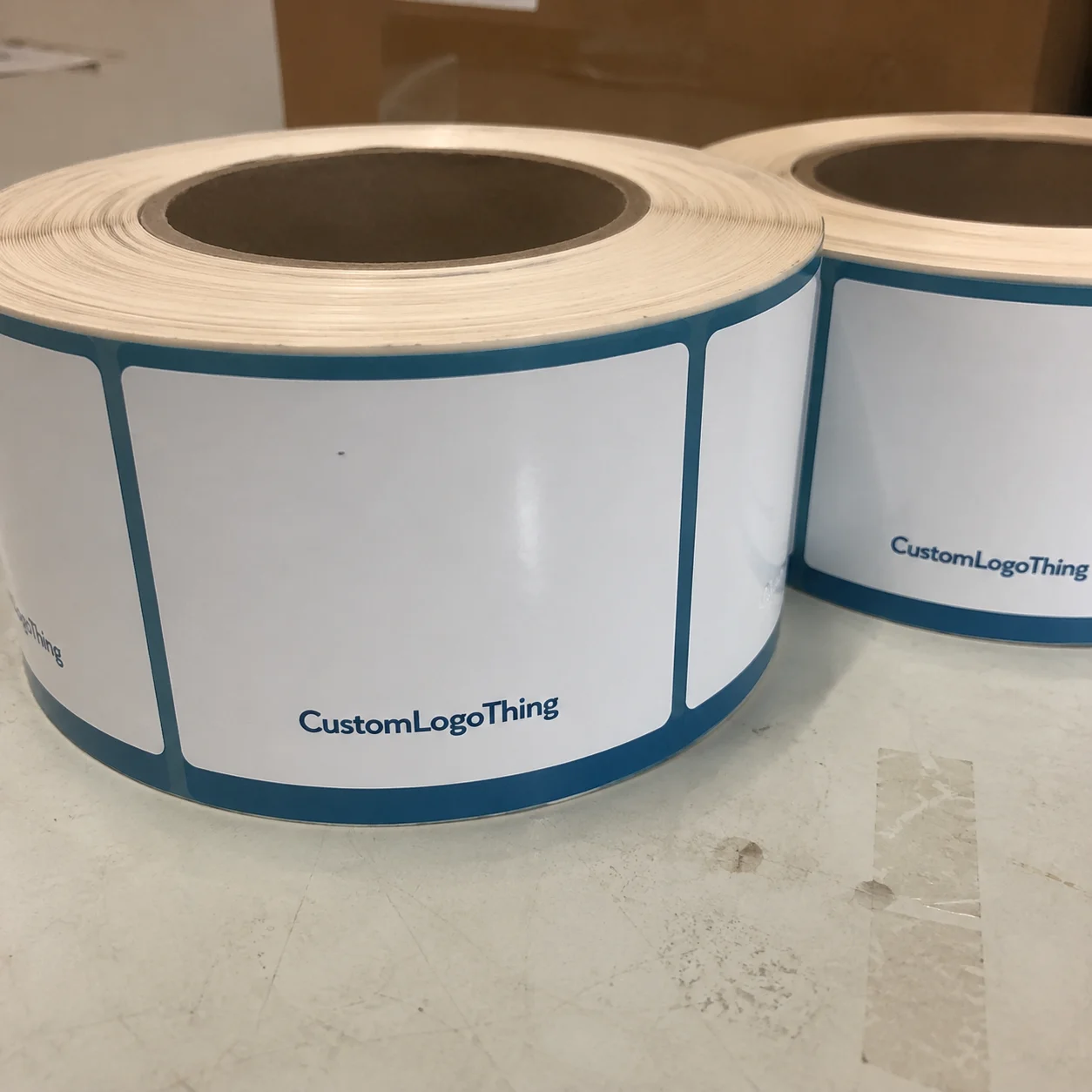
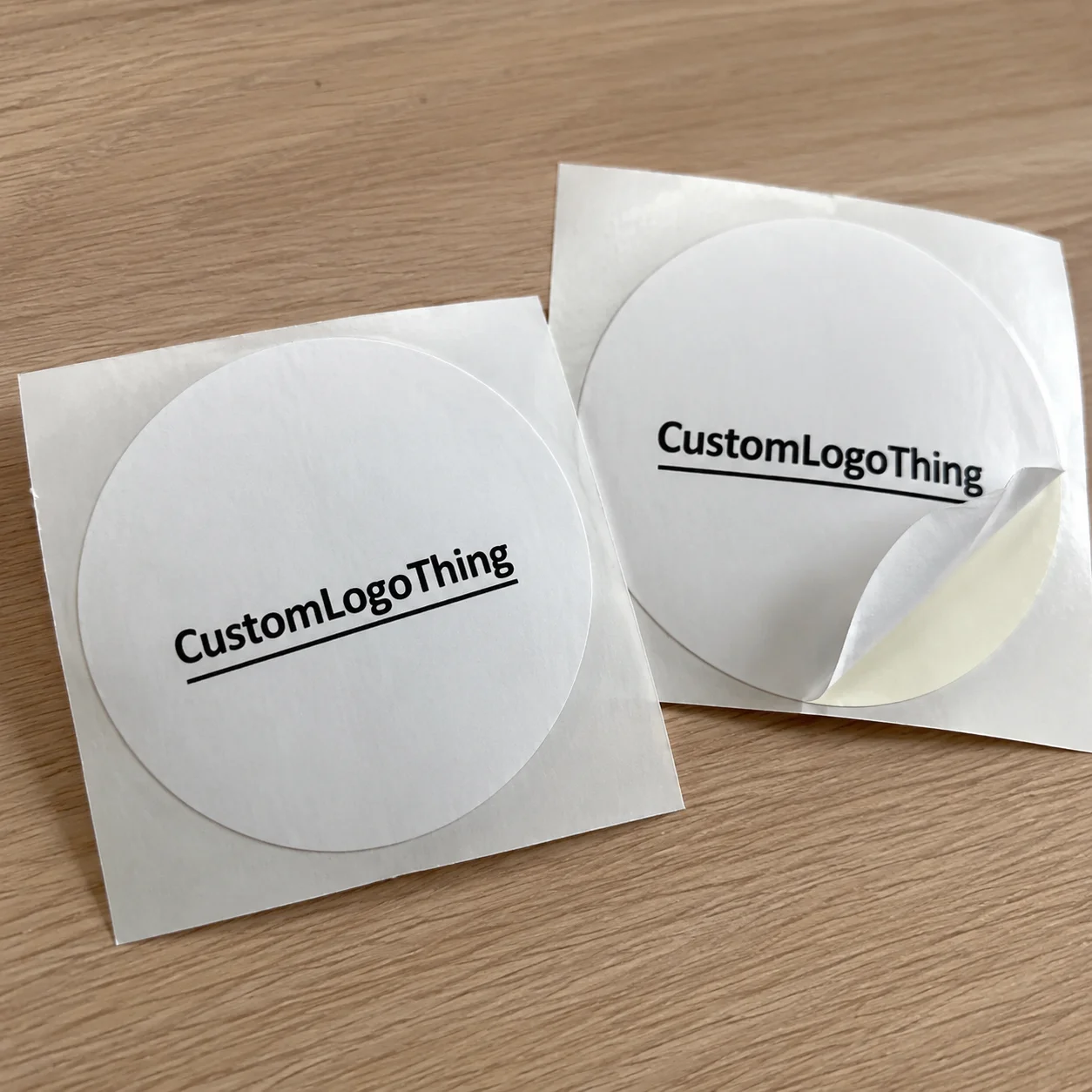
If you have ever picked up a shirt that looked polished on the hanger and then found a scratchy neck label the second you tried it on, you already know why Custom Label Printing companies matter. A label is small, but it carries a brand mark, care information, size guidance, and a lot of the product’s first tactile impression.
For clothing brands, the right vendor is not just printing ink on fabric or film. They are converting artwork into a label that can survive wash cycles, trimming, folding, stitching, and the daily wear that exposes weak construction fast. Good label work blends presentation with performance, and both sides matter.
That is especially true for brands building a full garment system. A neck label, side seam label, care label, and hang tag each serve a different job, and they do not always need the same material or finish. The best choice depends on garment type, budget, application method, and how the item will actually be worn.
One label can look perfect in a mockup and still fail in production. The edge can feel too sharp, the print can smear, the fold can sit awkwardly in the seam, or the label can curl after washing. Strong vendors know those failure points and design around them before the order is cut.
What custom label printing companies actually do for clothing brands
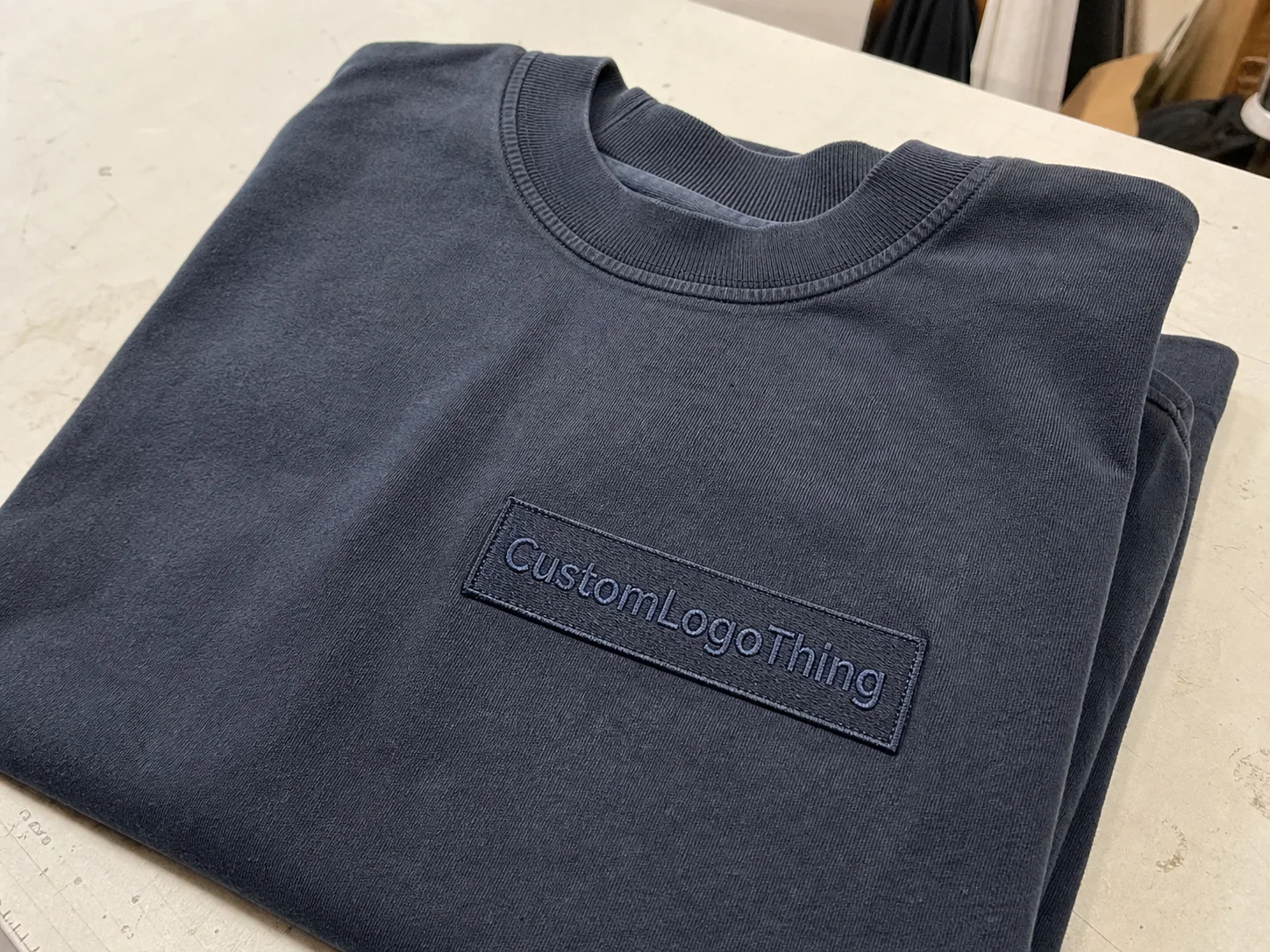
Start with a simple case: a crewneck sweatshirt looks finished on the outside, but the inside label is rough, the artwork is cramped, and the text starts to fade after a few washes. That is the gap Custom Label Printing companies are supposed to close. Their work is part design translation, part production control, and part material matching.
They usually produce a few main label types. Woven labels are the classic choice for a textured, premium look and hold detail well when the weave count matches the artwork. Printed satin labels are smoother and often a better fit for garments that sit directly against skin. Heat-transfer labels remove the physical tag entirely, which can help with activewear, children’s apparel, and lightweight basics. Hang tags are separate from sewn-in labels, but many brands use them to carry price, story, and care details.
The distinction from a general print shop is important. Apparel labels have tighter tolerances than a flyer or sticker. A label that is off-register, too glossy, too stiff, or trimmed poorly can irritate the wearer or look inconsistent from one production run to the next. That is a product problem, not just a print problem.
Good vendors also think about consistency across reorders. If a label is approved on the first run, the second and third run should match it without drifting in color, trim, or finish. Brands notice those changes even when they are subtle, especially if the label is visible on the interior of a premium garment. Consistency is part of the product experience, not an extra.
“A clothing label is easy to overlook and easy to get wrong, which makes it more important than its size suggests.”
Label decisions can also support the rest of a brand system. The same visual logic may carry into Custom Labels & Tags, into Custom Packaging Products, or into a broader Manufacturing Capabilities workflow where garment presentation, packaging, and shipment all need to look like they belong together.
Construction details matter as much as print quality. Edge finish, fold type, stitch tolerance, and placement all affect comfort and durability. A vendor that understands those details is usually more useful than one that only quotes a standard format.
How the label production process and timeline works
Most label orders begin with artwork intake. The buyer sends a vector file, label dimensions, fold instructions, color references, and a note about how the label will be used. If the file is clean and the instructions are clear, quoting and proofing move quickly. If the logo is a low-resolution screenshot or the dimensions are vague, the order slows down because the artwork has to be rebuilt before production can begin.
After that, custom label printing companies usually prepare a digital proof. It is useful, but it only shows part of the picture. A proof can catch spelling errors, alignment problems, missing lines, and bad proportions. It cannot fully show how the material feels, how the print reflects light, or how the label behaves once it is sewn into a garment.
Physical samples matter when the label touches skin, needs exact color matching, or has fine details that can disappear in production. One extra sample round is common, especially for a first order or when a brand is trying to match an existing item exactly. Skipping that step can save time on paper and cost more after production starts.
Lead time depends on the product type and how complete the spec sheet is. A repeat woven label order may move in roughly 7 to 12 business days after approval. A first-run custom printed label order often lands closer to 10 to 15 business days, not including shipping. Specialty folds, uncommon materials, or larger volumes can extend that timeline.
| Label type | Typical setup | Common lead time after proof approval | Best use case |
|---|---|---|---|
| Woven label | Loom setup, weave spec, cut or fold finish | 7-15 business days | Premium branding, repeat collections |
| Printed satin label | Print file, material selection, cut or fold | 7-12 business days | Soft hand feel, close-to-skin garments |
| Heat-transfer label | Artwork setup, film selection, application test | 10-15 business days | Activewear, children’s apparel, tagless finishes |
Communication matters as much as speed. A vendor that asks the right questions early can prevent a week of revisions later. A quote that takes a little longer but is based on complete information is usually better than a fast guess that creates rework. In label production, clean handoff beats hurried assumptions.
Shipping and geography affect the schedule too, especially on first orders where sample approval and final freight both have to be planned. If the labels are tied to a launch date, work backward from inbound receiving, not from the day the quote lands in your inbox.
Cost, pricing, MOQ, and what changes your quote
Pricing from custom label printing companies usually comes down to a handful of variables: quantity, size, material, color count, fold style, and finish. A simple one-Color Printed Label at 5,000 pieces can price very differently from a full-color woven label with a center fold and custom sizing. If a quote feels vague, one of those variables is probably still open.
MOQ, or minimum order quantity, changes the unit cost in a real way. A small brand may prefer a lower minimum because it reduces inventory risk, even if the per-unit cost is higher. A larger MOQ usually lowers the unit price, but it also increases the chance of sitting on labels that no longer match the next collection or a revised care note. For seasonal apparel, that tradeoff matters more than it first appears.
A practical way to think about it: 2,000 labels at a slightly higher unit cost can be smarter than 10,000 labels bought only to win a lower per-piece price. The cheapest unit is not always the cheapest decision. If the product line changes quickly, flexibility has value.
When comparing quotes, ask what is included. Setup, sampling, finishing, packing, and freight can all shift the final total. Two vendors can quote nearly the same unit price and still land far apart once the extra pieces are added. That is a common source of confusion when brands compare custom label printing companies on a spreadsheet alone.
For rough planning, a basic printed apparel label may land around $0.06 to $0.18 per unit at higher quantities, while woven or specialty-finish labels can move into the $0.10 to $0.28 range or more depending on the spec. First orders usually cost more because tooling and sampling are built into the setup. Repeat runs tend to improve unit economics because the production path already exists.
Watch for hidden waste. A quote that looks slightly lower can become expensive if the labels do not apply cleanly, the colors miss the target, or the order has to be rerun. The label budget should account for production risk, not just the line item cost.
Material and finish choices that affect comfort and durability
Material choice is where comfort and durability meet. Woven labels are durable and crisp, especially for logos and small branding marks. Printed satin gives a softer feel and is often better for neck labels because it lies flatter against the skin. Cotton twill can fit heritage or natural-product branding, though it is not always the best choice for very fine text. Heat-transfer options are useful when the brand wants to remove the physical tag altogether.
Softness is not only a comfort issue. It affects returns, complaints, and whether customers cut the label out on day one. If a babywear label scratches, or a lightweight tee has a stiff neck insert that twists after washing, people notice quickly. In close-to-skin categories, many buyers prioritize a soft hand feel first and a premium look second.
Finish details carry more weight than newer buyers expect. A merrowed edge gives a classic, embroidered border, but it adds bulk. A cut-and-fold label keeps edges cleaner and is easier to sew into seams. Center folds and end folds change how the label sits on the garment, while iron-on backing can help with temporary placement or specific workflows. None of those choices is universally best.
Durability depends on use. An outerwear label can usually tolerate a little more structure if it is tucked into a lining seam, while a label on a stretch jersey tee needs to move with the fabric. For athletic apparel, repeated laundering and tumble drying can expose weak inks, poor adhesion, or stiff edges very quickly. Samples need to be tested, not just looked at under good light.
Fit matters too. A label spec that works on a heavy fleece hoodie may be wrong for a soft rib knit, even if the branding is identical. Vendors who ask about fabric weight, stretch, and placement usually understand that one spec should not be forced across every SKU.
For environmental and compliance-minded brands, it can also help to ask about recycled components or FSC-certified paper on hang tags. The FSC system is a useful reference point for responsibly sourced paper materials: fsc.org. For broader packaging and material impact questions, the EPA has useful resources on sustainable materials management at epa.gov.
Spec details buyers should lock before requesting samples
The fastest way to get a useful quote is to send a complete spec sheet. Before you request samples, lock in the label dimensions, fold type, quantity by SKU, artwork file format, color targets, and whether care instructions need to be printed. If any of those are fuzzy, the quote will be fuzzy too.
Buyers sometimes send a note like, “Need a label for shirts.” That can start a conversation, but it usually creates extra revisions later. A clearer brief helps custom label printing companies price the work accurately and Choose the Right process from the start. Vague specs usually lead to vague pricing.
Garment compatibility should be part of the brief. Stretch fabrics need labels that can move without puckering. Heavy outerwear can handle a different hand feel than lightweight knits. Children’s apparel introduces comfort expectations and compliance awareness that are not the same as adult fashion basics.
Legibility is easy to underestimate. Small logos, thin lines, and tiny care text can disappear if the weave count is too coarse or the print resolution is too low. That is not only a visual issue. If care instructions are hard to read, customer service and returns can become the problem later.
Before sampling, ask how the label will be applied and what laundering conditions it should withstand. A careful vendor will ask back about stretch, heat exposure, wash temperature, and whether the label touches skin directly. That back-and-forth is usually a sign of a better production partner, not a slower one.
- Label dimensions: exact width and height, not approximate.
- Fold style: center fold, end fold, straight cut, or merrowed edge.
- Application method: sew-in, heat transfer, or adhesive-backed placement.
- Color reference: Pantone, swatch, or existing sample.
- Usage: neck label, side seam label, care label, or hang tag.
Common mistakes when comparing label vendors
The biggest mistake is chasing unit price alone. A low quote can become expensive once setup, rework, delayed shipping, or labels that do not apply cleanly are added back in. If the first production run gets rejected because the artwork was not prepared correctly, the bargain disappears quickly.
Another mistake is approving a sample that looks fine in a flat photo but never gets tested on the actual garment. A label can look excellent on a desk and still feel wrong on a lightweight tee, twist on a hem, or hold up poorly after washing. The sample needs to be judged under real conditions before a volume order goes live.
Terminology causes more trouble than people expect. One buyer says “tag,” another says “label,” and the vendor may be quoting a woven label, printed label, or hang tag. Those are not the same thing. Getting the names aligned early prevents the wrong item from being quoted and avoids revisions later.
Lead time is another trap. Brands often wait until the production schedule is tight, then discover there is no room for proof corrections, freight delays, or artwork fixes. Even a strong vendor cannot repair a bad timeline once the garment run is already queued.
Do not judge vendors only by catalog size. Compare responsiveness, repeat consistency, proof accuracy, and how clearly they explain tradeoffs. The better custom label printing companies usually give you the same level of control on the second order that they did on the first.
Next steps for ordering labels that fit your brand
If you are ready to order, start by gathering the artwork and writing down the actual garment use. Is the label going into a premium tee, a baby bodysuit, a uniform, or an outerwear line? That answer affects the material, finish, and fold more than most buyers expect. Then choose the label type that fits the product rather than the one that simply looks best in a sample book.
Next, compare two or three vendors using the same spec sheet. That is the only fair way to judge value. If one quote is based on woven labels and another on printed satin, or one includes freight and another does not, the numbers are not directly comparable. Good custom label printing companies will be able to talk through those differences plainly.
Ask each vendor to explain the material tradeoffs, MOQ, sampling path, and timeline in everyday language. If they cannot describe the process clearly, that usually becomes your problem later. A vendor who can talk through the practical side of production is usually easier to work with across repeat orders and seasonal updates.
Testing on the actual garment is worth the extra step. A sewn-in label on a cotton tee behaves differently than the same label on brushed fleece or a stretchy rib knit. If the item is part of a larger package system, check how it looks beside the product packaging, branded packaging, or hang tag so the whole presentation feels coordinated.
For brands that are scaling, consistency matters as much as the first quote. Ask about repeat-order records, color control, and how changes are handled when a logo or care instruction changes. That kind of process discipline keeps the label system from turning into a seasonal headache.
Custom labels are small, but they carry a lot of brand weight. Choose the material, finish, and vendor with the same care you would use for a carton, insert, or hang tag. If the labels are comfortable, durable, and consistent across reorders, they stop being an afterthought and start doing real work for the brand.
How do custom label printing companies price clothing labels?
They usually price by quantity, label type, size, color count, and finishing method. Setup and sampling can affect the first order more than the repeat order. Shipping and rush timing can change the final total even when the unit price looks stable.
What is the usual turnaround from custom label printing companies?
Turnaround depends on whether the label is woven, printed, or heat-transfer. Proof approval and artwork readiness are the biggest variables before production starts. Repeat orders are usually faster than first-time orders because the setup already exists.
What should I ask before getting a quote for clothing labels?
Ask about MOQ, sample options, production lead time, and what the quote includes. Confirm whether the vendor needs vector artwork and Pantone references. Ask how the label will handle washing, stretch, and direct skin contact.
Which label material is best for soft clothing items?
Soft printed satin or another low-friction material is often best for close-to-skin garments. Woven labels can work well when the brand wants texture and a more premium finish. The right choice depends on comfort, wash durability, and the garment’s fabric weight.
How can I avoid mistakes when working with custom label printing companies?
Send a complete spec sheet instead of relying on a short email description. Review a physical sample on the actual garment before ordering in volume. Compare quotes only after confirming that each vendor is pricing the same materials and setup.