The Clear Zipper Bags for boutiques cost breakdown rarely comes down to one number. Two bags can look nearly identical on a product page and still price out very differently once you account for film thickness, zipper style, print setup, pack-out, and freight. For boutique buyers, that matters because packaging is not decorative overhead. It protects inventory, supports presentation, and affects the margin on every unit that moves across the shelf.
The real decision is not whether a clear zipper bag is cheap or expensive. It is whether the bag does the job cleanly enough that you do not have to replace it, rework it, or apologize for it later. A package that fogs, splits, or closes badly creates hidden cost fast. The first quote may look attractive. The second and third reorder usually tell the truth.
Why Small Specification Changes Move Boutique Margin
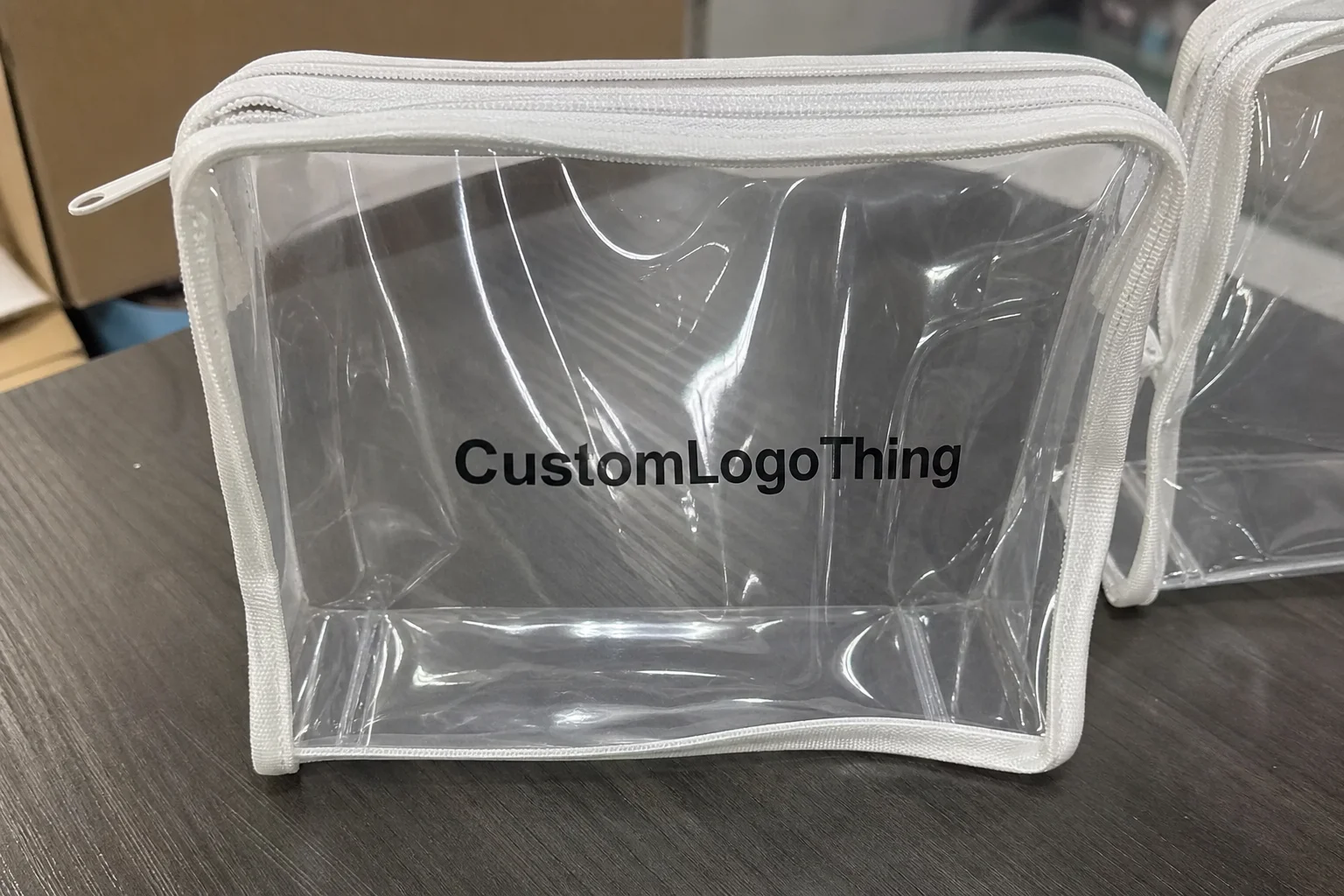
A boutique order looks simple on paper. Clear bag, neat closure, product inside, done. The problem is that the smallest specification changes can move the unit cost more than buyers expect. A slightly heavier film, a better zipper profile, or a cleaner print layout can push pricing upward, but the same changes can also reduce damage, improve shelf appearance, and lower replacement rates. The right answer depends on what the bag is actually carrying.
That is why a packaging decision should be tied to use, not just dimension. A bag for stacked hair clips has different needs from a bag for a boxed jewelry set or a cosmetic sampler. If the film is too light, the package feels flimsy and can crease badly in handling. If it is too thick, the item may look overpacked and the cost per piece can rise without giving the customer any visible benefit.
Common boutique use cases tend to fall into a few groups:
- Jewelry and small accessories that need visibility and a clean finish.
- Apparel add-ons such as scarves, socks, hair accessories, and belts.
- Cosmetics, sample sets, and travel-size items that benefit from tidy retail packaging.
- Gift sets and impulse items where presentation helps the item feel complete.
In-store presentation matters because the customer often sees the bag before handling the product. A cloudy zipper bag or a crooked seal reads as lower value even if the item inside is fine. A clear, consistent package does quiet work. It keeps stock organized, makes the display look intentional, and reduces the number of loose items that get repacked by staff.
A lower quoted price can become a higher real cost if the bag tears, fogs, or forces an early reorder. The damage shows up slowly, usually after the first round of stock movement rather than on day one.
For boutique buyers, the target is a bag that protects the product without competing with the product for attention. That is the balance that keeps packaging useful instead of ornamental.
Material, Closure, and Finish Choices That Shape the Bag
Most Clear Zipper Bags for retail use are made from polyethylene-based film or a similar clear plastic chosen for flexibility and seal performance. The exact resin blend affects more than price. It affects how the bag hangs on a rack, how much clarity it holds under store lighting, and how well it resists scuffs during packing and transport. A softer film can be easier to fill, while a firmer film often feels more premium in the hand.
Closure style is the next major cost lever. A standard press-to-close zipper is usually the most economical choice and works for everyday boutique use. A slider closure costs more because it adds material and assembly steps, but it can improve repeated use and make the bag feel more substantial. That matters for higher-ticket items or products that customers are likely to keep using after purchase.
Shape also changes the bill. Flat bags are easier to quote, easier to pack, and easier to keep consistent from run to run. Gusseted bags carry more volume and fit thicker products better, but the extra structure adds cost and can change the Minimum Order Quantity. If the product is thin and flat, paying for a gusset usually makes no sense. If the item needs depth to sit properly, a flat build can look strained and cheap.
Finish quality is easy to underestimate because it is not usually listed as a line item. Clarity, edge sealing, zipper alignment, and corner trimming all affect the final appearance. A bag with cloudy film or uneven heat seals will look less premium even if the branding is sharp. In a boutique setting, that visual consistency matters because customers notice packaging quality faster than buyers do during the quote stage.
One practical rule helps keep the decision grounded: lighter film can work for lightweight items, but once the product has any real weight, better thickness is usually cheaper than a pile of returns, damaged stock, and second-run replacements. A 2 mil bag may be fine for small accessories. A 4 mil build often feels more dependable for jewelry sets, cosmetics, and anything handled repeatedly.
Size, Thickness, and Print Specs Buyers Should Lock In
Bag sizing should start with the actual product, not an estimate from a sample review. Measure the item at its widest point and allow only the room needed for insertion and seal margin. Too little space creates stress on the zipper area. Too much space leaves the bag loose, wastes film, and makes the package look less controlled on the shelf.
Thickness is usually given in mil, and the number matters only when it is tied to how the package is used. A lighter film reduces cost, but it also tends to crease more and can feel fragile once it is handled a few times. Thicker film costs more, yet it adds body, improves the hand feel, and better supports products that will be opened, closed, and moved around during retail display or fulfillment.
Print specs are where many cost surprises begin. A single-color logo in one location can be fairly efficient. Add more colors, larger coverage, or special placement, and the quote changes because setup, plates, and inspection time increase. If your goal is simple branding, keep the mark clean and limited. Large artwork is not automatically better; it just costs more and can make the bag feel cluttered.
There are also practical details that should be locked in before the order is approved:
- Inside width, inside length, and any gusset depth.
- Zipper placement and whether the seal needs to sit below the opening.
- Hole punch or hang-tab requirements, if the bag will be displayed on hooks.
- Carton pack count and master case size for receiving and storage.
- Label format so warehouse staff do not have to relabel incoming inventory.
Those details do not look dramatic, but they are often the difference between a smooth reorder and a time-consuming correction. The clearer the spec, the less room there is for a supplier to guess.
If a sample bag already exists, measure it directly rather than relying on memory or a previous quote. Inside dimensions, zipper track position, and any extra allowances near the seal matter more than buyers usually expect. A small measurement error can create a bag that technically fits but does not present well.
Clear Zipper Bags for Boutiques Cost Breakdown
The clear zipper bags for boutiques cost breakdown usually comes from five variables: size, thickness, closure type, print complexity, and quantity. Those are the levers that move the cost per piece in a predictable way. Once you know how they interact, comparing supplier quotes gets easier because you can separate the true price from the quote that left out freight, proofing, or real packing allowances.
For common boutique builds, these ranges are a practical starting point. They are not fixed market prices, because dimensions and order size can move the number quickly.
| Bag Build | Typical Use | Approx. Unit Cost | Notes |
|---|---|---|---|
| Plain 2 mil press-to-close | Light accessories, sample items | $0.04-$0.08 | Lowest material cost, lighter hand feel, and less premium presentation. |
| Plain 4 mil press-to-close | Jewelry, cosmetics, gift items | $0.07-$0.14 | Stronger film, cleaner retail perception, better for repeated handling. |
| Slider closure, no print | Higher-value products, reusable packaging | $0.10-$0.24 | Closure cost is higher, but the bag usually feels more substantial. |
| Printed clear zipper bag | Branded boutique packaging | $0.14-$0.35 | Setup charges and print complexity move the first-run price fastest. |
The table above is only part of the picture. A quote can still look low if it excludes costs that matter at receiving. Freight, sample charges, artwork prep, replacement allowance, and carton labeling all belong in the real comparison. If the quote does not say whether those items are included, the number is incomplete.
It helps to break the pricing down by line item:
| Cost Element | What Moves It | Why It Matters |
|---|---|---|
| Material film | Thickness, resin quality, clarity | Drives base cost and the way the bag feels in hand. |
| Zipper closure | Press-to-close or slider, seal profile | Changes the unit price and the perceived value of the package. |
| Print setup | Color count, artwork size, print location | Usually the main cost jump on smaller runs. |
| Packing and cartonization | Pack count, master case size, labeling | Affects storage, inbound receiving, and inventory handling. |
| Freight and delivery | Destination, service level, shipment size | Determines landed cost, which is the number that actually matters. |
MOQ changes the math as well. A supplier may quote a simple stock bag at a lower minimum, but custom printed or custom-sized bags usually require a higher order to spread setup and inspection costs across enough units. That is not a pricing trick; it is how production works. The fewer bags you order, the more each one has to absorb in preparation cost.
There is also a difference between cheap and efficient. A lower-cost bag that clouds quickly, cracks at the seal, or arrives packed poorly can end up being more expensive than the better-built option. For boutiques, landed cost and failure rate belong in the same conversation. If a bag saves a few cents but creates visible defects, the savings vanish fast.
One more point buyers often miss: the first run is not always the right benchmark for the long term. If the design is going to repeat across seasons, paying a little more for a cleaner construction spec can reduce reorder friction later. A stable spec usually matters more than a bargain quote that changes every time you reorder.
Production Steps and Lead Time From Quote to Delivery
The production path is straightforward, but every step depends on clear information. It usually starts with a quote request, then moves to spec confirmation, proof review, production, inspection, packing, and shipment. Stock orders move faster. Custom printed orders slow down because there are more checkpoints and more chances for an unclear detail to stall the schedule.
For many custom runs, 12-15 business days from proof approval before shipment is a practical planning window. That assumes the artwork is ready, dimensions are confirmed, and the proof comes back without major changes. If the buyer delays approval or the file needs correction, the schedule stretches immediately. Production time is only part of the calendar; shipping time can be just as important if the packaging has to arrive before a product launch.
Quality control should happen at more than one stage. A decent order usually includes checks on zipper function, seal integrity, film clarity, print placement, and carton count. If the bag has a special closure or thicker film, the zipper should be tested more than once because the closure is often where problems show up first. A clean-looking bag that fails on the second opening is not a good result.
The production sequence is easier to manage if the buyer answers the operational questions first:
- What exact product is going into the bag?
- Is the bag flat, gusseted, or meant to stand on its own?
- Does the closure need to support repeated opening and closing?
- What carton count works for the receiving team and shelf storage?
- Where is the shipment going, and what freight timing is acceptable?
Inspection standards matter as much as production speed. Packaging for Retail display should be checked for wrinkles, zipper misalignment, seal burns, inconsistent dimensions, and print smudging. A bag can pass a casual glance and still create problems when it is packed by the hundreds. The better the pre-production proof and the tighter the inspection, the fewer surprises once the cartons arrive.
For transit planning, it helps to think beyond the factory floor. Packaging has to survive handling, stacking, and vibration during transport. The test language used by ISTA is useful here because it reminds buyers that the packaging must work in motion, not just look correct in a sample photo.
What a Good Supplier Should Handle Well
Boutique buyers need more than a quoted price. They need a supplier who can translate a retail goal into a spec that can actually be made, packed, and reordered without friction. For clear zipper bags, that means being able to confirm thickness, closure type, print placement, tolerances, and carton configuration before production starts.
A useful supplier response should be specific, not vague. The quote should show what is included, what is extra, and what changes the unit price. If print setup, freight, proofing, or sample fees are separate, that should be visible immediately. Buyers should not have to infer the real cost from a low line number that leaves out half the job.
Repeat ordering is another area where a good partner matters. If a boutique reorders every season, the bag has to stay visually consistent. The dimensions, seal look, and print placement should not drift from one run to the next. Small variations can be enough to make the packaging look off on a shelf full of older inventory.
Clear communication also reduces waste. If a buyer is balancing packaging cost against product margin, the supplier should be able to explain which spec changes save money and which ones improve presentation without creating a large price jump. That guidance is more useful than broad claims about quality. It helps the buyer make a direct tradeoff instead of guessing.
For some projects, it makes sense to ask about matching outer cartons or paper inserts at the same time so the full packaging stack is aligned. If the brand is asking for recycled or certified paper components, that should be discussed early rather than after the bag spec is already fixed. Separate quote rounds slow the process and make total cost harder to compare.
In practice, the best supplier relationship is boring in the right way. The specs stay stable, the proof matches the production run, and the delivered cartons arrive in the condition expected. That is the standard boutique buyers should expect from any packaging program that needs to repeat cleanly.
What to Send Next for an Accurate Order and Fast Start
If you want a quote that is actually useful, send the bag dimensions, target quantity, closure style, print needs, and shipping location. Those five details cover most of the cost drivers and give the supplier enough information to price the job without padding it for uncertainty. If you have a sample bag or a photo of an existing package, include that too. It removes a lot of guesswork.
Ask for tiered pricing so you can see where the price breaks sit. That makes it easier to judge whether ordering more now brings the unit cost down enough to justify the extra inventory. Also ask for the proof timeline, a sample option if needed, and a delivered-cost estimate that includes freight or shipping to your facility. A low unit price does not help if the landed total blows past budget.
A simple ordering checklist keeps the job organized:
- Exact product size, including any depth or gusset requirement.
- Intended use, such as retail display, gift packaging, or resale fulfillment.
- Desired finish, from plain and minimal to branded and premium.
- Any matching package you want to keep visually consistent.
- Receiving requirements, including carton count and label rules.
That last item matters more than many buyers expect. A well-made bag can still create delays if the cartons arrive packed poorly or the labels do not match how inventory is received. The less ambiguity there is at the start, the fewer corrections there are at the end.
If the order is tied to a launch date, work backward from the delivery window, not from the quote date. Proof approval, production time, transit time, and receiving all need room. A packaging order only feels quick when the schedule was built with those steps in mind from the start.
The practical way to handle the clear zipper bags for boutiques cost breakdown is to compare landed cost, inspect the spec, and choose the lightest build that still protects the product and presents it well. That is usually the cleanest margin decision and the least disruptive one to repeat.
Frequently Asked Questions
How much do clear zipper bags for boutiques usually cost per unit?
The price depends on size, thickness, closure style, print work, and quantity. Smaller runs cost more per bag because setup and handling are spread across fewer units. For a meaningful comparison, ask for tiered pricing so you can see how the unit cost changes at different order levels rather than relying on a single quote.
What MOQ should I expect for boutique clear zipper bags?
MOQ varies by construction and whether the bag is plain or printed. Simple stock-style orders can often start lower than custom branded runs, while printed or special-size bags usually need a higher minimum. If the order is a test run, expect a higher unit price because setup charges are divided across fewer bags.
Do printed clear zipper bags cost much more than plain ones?
Printing adds setup, proofing, and production steps, so the quote will rise. A single-color logo is usually the most economical way to add branding without pushing the price too far. Complex artwork, multiple colors, or special placement can raise the cost quickly, especially on smaller runs.
How long is the lead time after I approve the proof?
Lead time depends on whether the order is stock, custom printed, or built to a tighter spec. For many custom runs, 12-15 business days from proof approval is a realistic planning point before transit. The biggest delays usually come from late artwork, unclear measurements, or shipping details that were not confirmed early enough.
What details do I need for an accurate quote on clear zipper bags for boutiques?
Send exact dimensions, quantity, material preference, closure style, and whether you need print. Include your shipping destination so freight and delivered cost can be estimated correctly. If you already have a sample or reference bag, that helps reduce guesswork and usually produces a cleaner quote on the first round.
If you want the cleanest starting point, gather the specs, ask for tiered pricing, and compare the total landed cost before approving the clear zipper bags for boutiques cost breakdown that best supports your margin.


