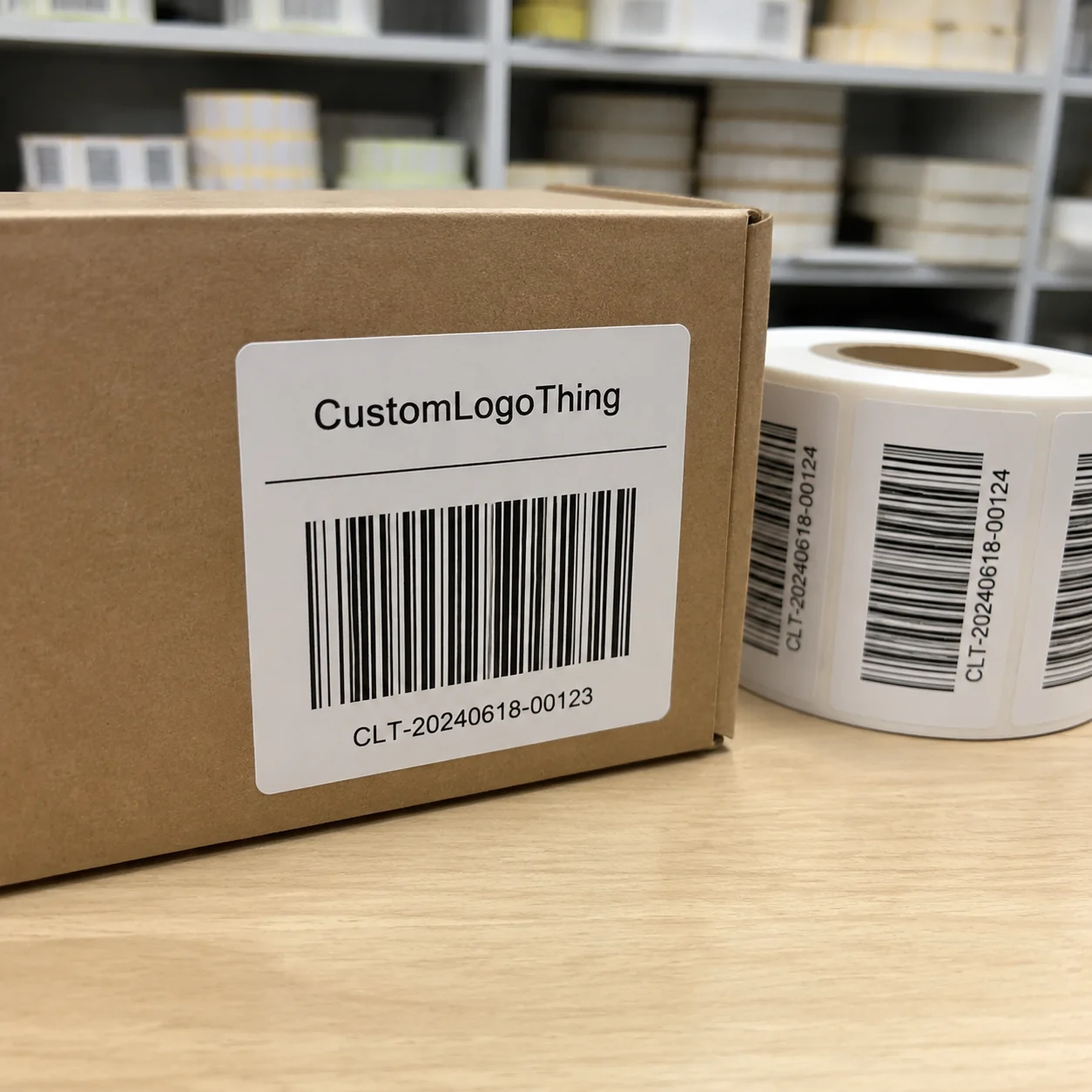
The fastest way to control Clothing Labels Unit Cost for apparel is not to chase the lowest number on a quote sheet. It is to normalize the spec first. A logo can stay the same while the fold, back finish, color count, and quantity change the real cost enough to make one quote look cheap and another look inflated, even though they are not pricing the same product.
That is the part buyers often run into after the first round of sourcing. Labels look simple until they are attached to a garment and expected to survive wear, wash, and inspection. Size, material, attachment method, and finishing all affect the final unit cost. If those variables are not locked, you are not comparing suppliers. You are comparing assumptions.
For apparel programs, the useful number is not the headline price. It is the cost per garment after setup, spoilage, and handling. A quote that saves a fraction of a cent but creates rework or rejects is not a better quote. It is a hidden expense.
Why label unit cost falls after the spec is fixed
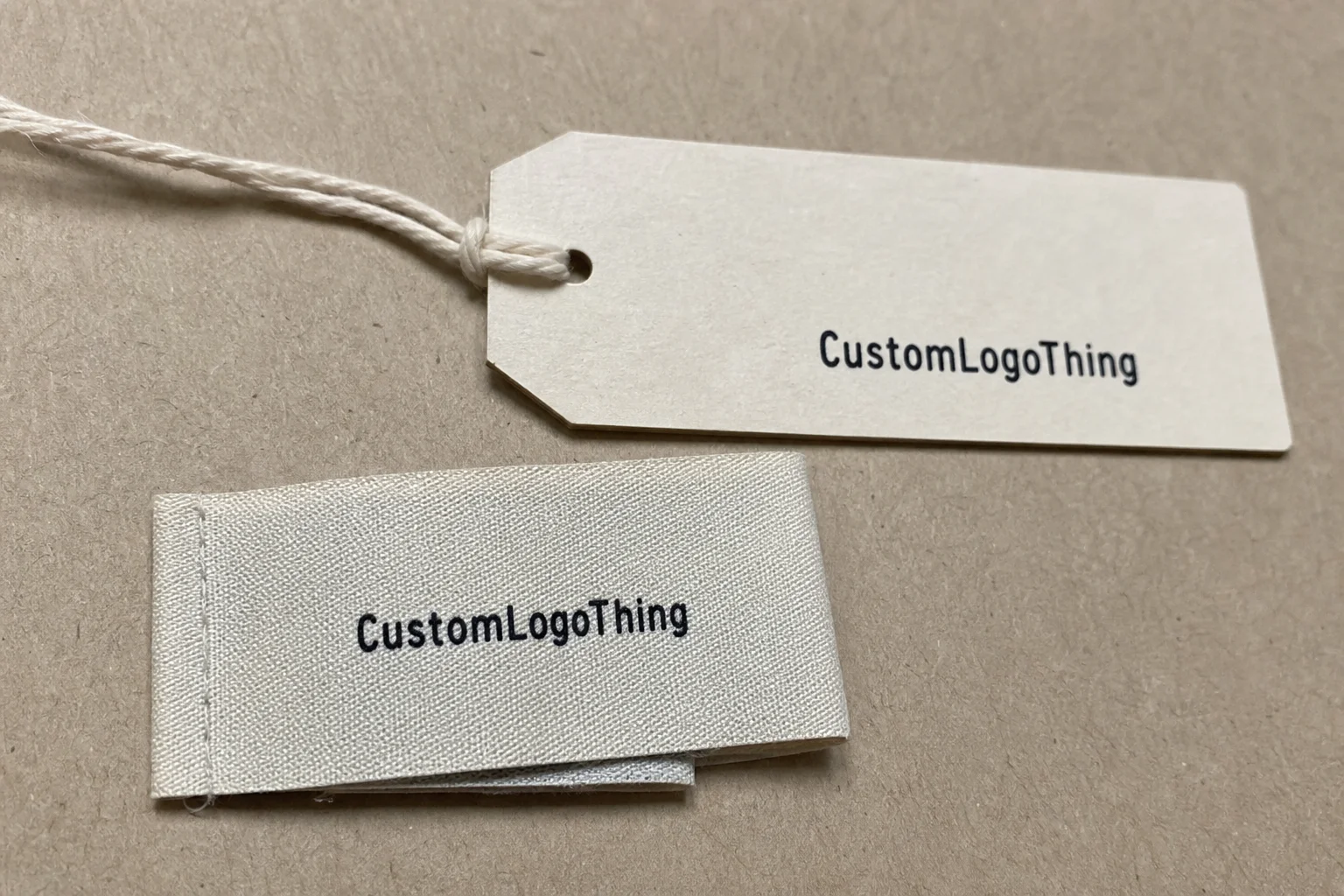
Two quotes can sit close together on paper and still mean very different things. A 25 x 60 mm woven neck label with two colors and a center fold is not the same product as a 25 x 60 mm printed satin care label with straight cut edges. The artwork might match, but the production path does not. Once the construction is standardized, Clothing Labels Unit Cost for apparel usually becomes easier to compare and often drops at higher volumes.
The common mistake is to compare graphics instead of manufacturing details. Buyers send the same logo to multiple suppliers and ask for the best price, then wonder why the numbers do not line up. A supplier quoting a sewn-in woven label is pricing thread, loom time, trimming, folding, and packing. Another quoting a printed satin label is pricing a different process with different setup and waste. The numbers should not match.
A label that looks inexpensive but curls, fades, scratches skin, or fails wash testing becomes expensive very quickly. Clean production usually beats a low starting price.
The real target is the lowest reliable cost per garment. That matters most on basics, kidswear, and private-label programs where one label spec runs across a large quantity. Even a small defect rate adds up in a high-volume order. A one percent reject rate may sound minor until it hits receiving, packing, and customer returns.
Production math rewards buyers who standardize the brief. If size, fold, color count, and attachment method are consistent, suppliers can price with less guesswork and less padding. If the brief is loose, the quote usually includes extra contingency because the supplier is taking on uncertainty.
Label constructions that change feel, durability, and price
Different garments ask labels to do different jobs. A neck label on a tee has to feel soft against skin. A label in workwear has to hold up through abrasion and frequent washing. A premium brand may care as much about handfeel as it does about legibility. There is no single best label type; there is only the right construction for the end use.
| Label type | Typical unit cost at 5,000 pcs | Best fit | Main tradeoff |
|---|---|---|---|
| Woven label | $0.06-$0.18 | Neck labels, brand tabs, premium basics | Strong detail and good durability, but fine text, metallic thread, and extra colors can raise price |
| Printed satin label | $0.04-$0.12 | Care labels, high-volume essentials | Lower cost, but the finish and wash durability depend on material and ink choice |
| Cotton label | $0.08-$0.22 | Natural-fiber brands, heritage looks | Good brand feel, though it is not always the cheapest option |
| Heat transfer label | $0.10-$0.25 | Athleisure, performance tees, tagless programs | Very comfortable against skin, but application needs tight process control |
Woven labels remain the standard for many apparel programs because they balance appearance and durability. The weave can hold detail better than buyers expect, but the price rises when the design asks for very fine type, several colors, or a dense weave structure. Printed satin labels are often the lower-cost choice for care content and compliance information because printing is simpler and the surface is smooth.
Cotton labels are chosen for the look and feel more than for the cheapest price. They suit brands that want a natural, slightly textured finish, but they still need a clean edge treatment and careful sewing instructions. Heat Transfer Labels are different again. They remove the sewn-in label feel, which is why they work well for performance wear and tagless neck branding. The tradeoff is that the garment factory must apply them correctly. Poor temperature, pressure, or dwell time can create peeling or incomplete bonding, and that is a process failure, not a design issue.
For buyers comparing Custom Labels & Tags, the right question is not which type sounds best in theory. It is which type holds the spec, survives the expected wash cycle, and stays inside the target unit cost.
Clothing Labels Unit Cost for Apparel: what actually changes the price
Clothing Labels Unit Cost for apparel is driven most by size, material, construction complexity, quantity, and finishing. Artwork matters, but usually less than buyers assume. A simple logo can still cost more than a detailed one if it needs a custom fold, specialty backing, or more labor in trimming and packing.
Quantity is the biggest lever. Setup work does not disappear on a smaller order. Artwork prep, loom or print setup, machine calibration, and packing labor still have to happen. When those fixed costs are spread across 500 pieces instead of 5,000, the unit cost rises. That is normal and predictable. It is also why buyers should ask for pricing at multiple volume bands instead of treating one number as final.
The hidden cost is usually not the label itself. It is the extra line items that appear later. Setup charges, tooling fees, sample charges, finishing fees, and shipping can turn a good-looking quote into a poor landed cost. A quote that looks cheaper by 12 cents per piece may become more expensive once the rest of the invoice is added.
These are the main cost drivers in practice:
- Small runs carry higher unit cost because setup is spread over fewer pieces.
- More colors, tighter weave detail, or specialty ink can raise price quickly.
- Fancy folds, laser-cut edges, and sewn-on pack-outs add labor.
- Rush jobs often price higher because they interrupt the production schedule.
- Mixed SKUs are harder to sort and pack, which can increase handling cost.
For planning purposes, the important question is where the curve bends. A move from 1,000 to 3,000 units might cut the cost enough to justify the larger buy. A move from 5,000 to 10,000 may not save much if the style changes fast or the warehouse cost is high. Good sourcing is not only about finding a lower price; it is about buying the right quantity for the product cycle.
Before comparing suppliers, normalize these four items:
- Finished size in millimeters or inches.
- Attachment method and fold style.
- Exact quantity break, not a range.
- Turnaround time and shipping terms.
Once those are aligned, the quotes start telling the truth.
Spec checklist for clean quotes on woven and printed labels
If the brief is vague, the quote will be vague too. That is usually not a supplier problem. It is a missing-spec problem. For an accurate price on woven or printed labels, send the finished size, label type, fold style, back finish, quantity, artwork file, and garment application. Leave out any of those items and the supplier has to guess.
Guessing is expensive. A quote for a center-fold neck label is not the same as a straight-cut care label or a loop-fold side seam label. The production method changes. The trimming changes. The labor changes. In many cases, the setup does too.
Minimum information for a reliable quote:
- Finished dimensions
- Material preference, such as woven satin, cotton, or printed satin
- Fold style or edge finish
- Color count and Pantone references if needed
- Quantity break and reorder expectation
- Garment use, such as neck label, care label, hem label, or kidswear application
- Any comfort or wash-performance requirement
Small text is a frequent source of trouble. Fine legal copy, tiny wash icons, and dense fiber content can force the layout to be adjusted or can reduce legibility. A careful supplier should call that out before production. A weak one may print it anyway and hope the issue is not noticed until inspection.
Color matching also has limits. Pantone references help, but thread, fabric, and print systems do not behave like a monitor. If the brand color has to repeat exactly across batches, that should be stated before pricing and proofing. Otherwise the quote may be lower because the spec was too loose to control.
Confirm the garment use before asking for a price. A neck label and a care label are not priced the same way because the size, compliance content, and finishing requirements differ. Buyers who separate those clearly usually get better quotes and fewer revisions.
Process and turnaround from proof to production
The workflow is usually straightforward: quote request, spec confirmation, artwork review, digital proof, sample approval if needed, production, then shipping. It only gets messy when the brief changes halfway through. A 2 mm size change may sound minor, but it can alter layout, fold behavior, and packing yield.
Typical timing depends on the order type. A repeat run with final artwork may move from proof to production in 7-10 business days. A new custom label spec often takes 10-15 business days after approval. If a physical sample is needed first, add that time before mass production starts. Shipping sits outside that clock unless the supplier is pulling from local stock.
Time is usually lost in the same places:
- Artwork arrives in the wrong format or with missing colors.
- The buyer requests a new size after proof approval.
- Quantity changes after the quote is issued.
- Ship-to details are incomplete or change late.
If faster turnaround matters, approve three things first: final art, exact quantity, and ship-to information. Once those are fixed, the supplier can hold the production slot and reduce unnecessary back-and-forth. That is a practical way to shorten the calendar without cutting corners on quality.
For broader packaging and labeling context, two references are useful. The Packaging & Manufacturing Association provides general packaging language and standards, while ISTA is relevant when labels are part of packaged apparel shipments that need distribution testing or stronger transit protection. If the product line also includes paper hangtags or insert cards, FSC certification at fsc.org may matter for the broader sourcing story.
What serious apparel buyers check in a label supplier
The difference between a supplier that sells labels and a supplier that supports a program is consistency. One can quote quickly and vanish after the order. The other can hold the spec across reorders, keep proofs accurate, and flag risks before the buyer spends money on a bad run.
Reliable quoting matters because small mistakes add up. If the label is 3 mm off, the fold is wrong, or the color drifts between batches, the garment team spends time sorting problems that should never have reached receiving. That is why quality control is part of unit cost. A slightly higher quote with fewer defects often costs less in the end.
Buyers should expect the following:
- Clear spec confirmation before pricing
- Proofs that match the requested size and fold
- Color consistency across the order
- Clean trimming and accurate fold alignment
- Pack count verification before shipment
For private label and wholesale programs, transparency matters more than sales language. A supplier should explain where the cost comes from, whether setup charges apply, and what quantity break improves the economics. If that explanation is vague, the pricing probably is too.
When comparing Clothing Labels Unit Cost for apparel, remember that reliability is part of the number. A label that arrives on time and matches the approved proof is cheaper than one that needs sorting, relabeling, or a second shipment. The invoice usually proves that out.
How to lock a quote without back-and-forth
If the goal is a clean quote, send the supplier the label type, dimensions, quantity range, artwork file, garment use, and any wash or comfort requirements. If there are two likely volume bands, include both. That makes the unit cost curve visible and helps decide whether the order should be split or consolidated.
For new programs, one proof milestone before production is usually enough. A sample is not always required, but if the label will sit against skin or the construction is changing, an approval step is cheap protection. It is much better to catch a fold issue or a size mismatch on a proof than on 20,000 finished garments.
Ask for two quote bands if the order is uncertain. That gives a clear view of where the savings begin. For example, 1,000 pieces may price at $0.16 each, while 5,000 pieces may land at $0.08-$0.11 depending on material and finishing. That kind of spread can justify a forecast decision, not just a purchase decision.
Compare the same spec, the same MOQs, and the same shipping terms. Anything else adds noise. The right quote is the one that matches production reality, not the one that looks attractive before the details show up.
For buyers who want a broader product view, Custom Labels & Tags are often the cleanest starting point because construction options, finishing choices, and quantity breaks can be set before price is finalized. That makes the quote faster and the final unit cost easier to trust.
Bottom line: match the spec, compare landed cost, and only then judge clothing labels unit cost for apparel. That is the difference between a real purchasing decision and a guess dressed up as savings.
What drives clothing label unit cost the most for apparel orders?
Quantity usually has the biggest effect because setup and labor are spread over more pieces at higher volumes. Construction details matter almost as much: size, material, fold style, color count, and finishing can move the quote quickly. Shipping and sampling should also be included in the comparison, or the cheapest quote may stop being cheap after the full invoice is added.
What MOQ should I expect for custom clothing labels?
MOQ depends on label type, but woven and printed labels often have lower entry points than buyers expect. Simple repeat specs can be economical at smaller runs, while custom folds or specialty finishes usually need larger quantities to price well. Ask for quantity breaks so you can see where the unit cost improves instead of guessing.
How long does production usually take after approval?
Turnaround depends on whether the order is a repeat, a new custom spec, or a revised proof that needs another review. Clean artwork and final specs shorten the calendar more than almost anything else. If the order needs a sample, add that time before mass production starts.
Which label type gives the lowest unit cost for apparel?
The lowest-cost option depends on the garment use, but simpler printed constructions often price lower than more complex woven builds. The cheapest unit is not always the best value if it fails wash tests or feels rough against skin. Compare by spec, not just by label name, because the same type can vary a lot by size and finish.
Can I lower clothing label unit cost without hurting quality?
Yes, by simplifying colors, reducing unnecessary size changes, and standardizing the fold or attachment method. Ordering in a cleaner quantity band usually lowers unit cost more reliably than switching suppliers for a tiny price difference. The safest savings come from removing complexity, not from cutting corners on the material that matters.