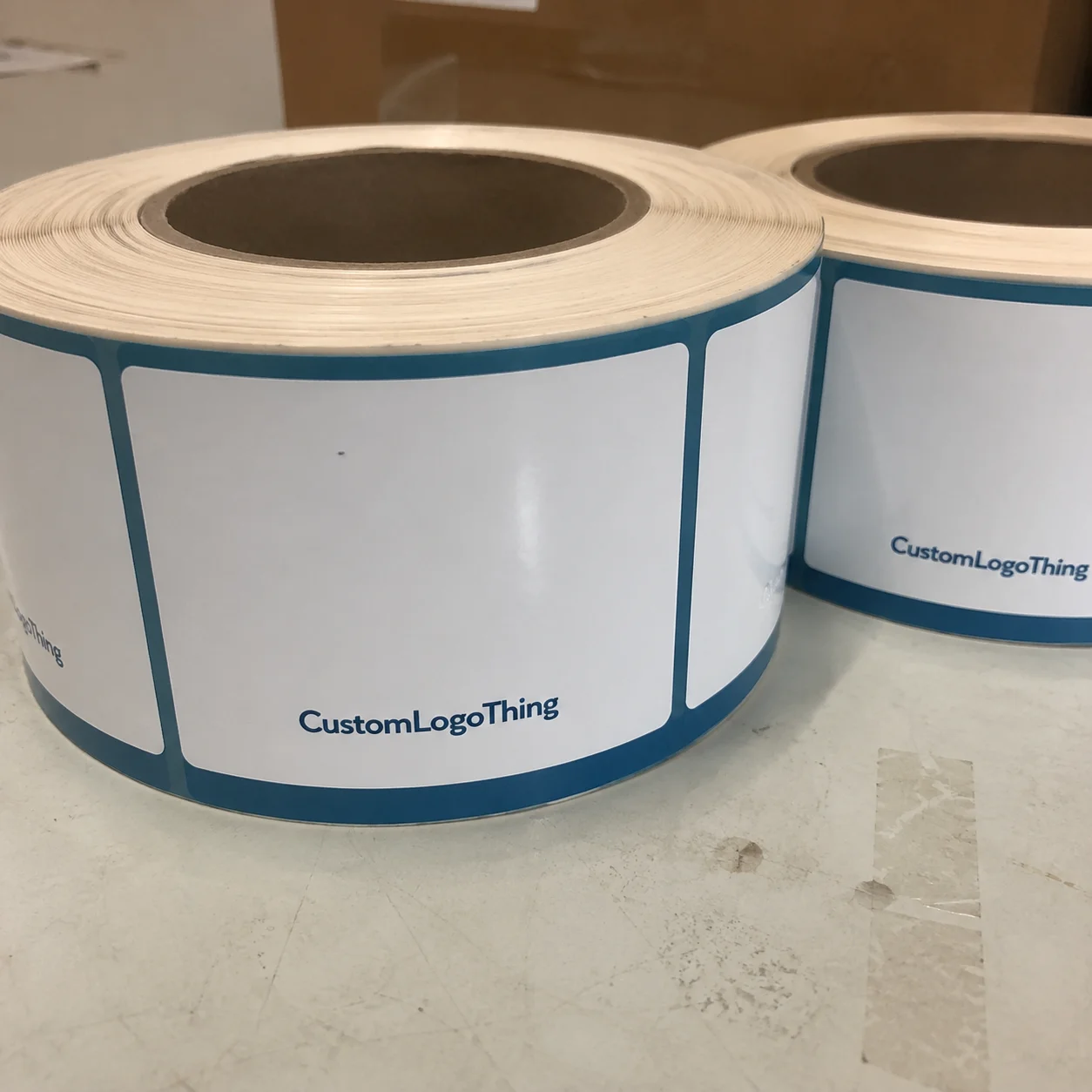
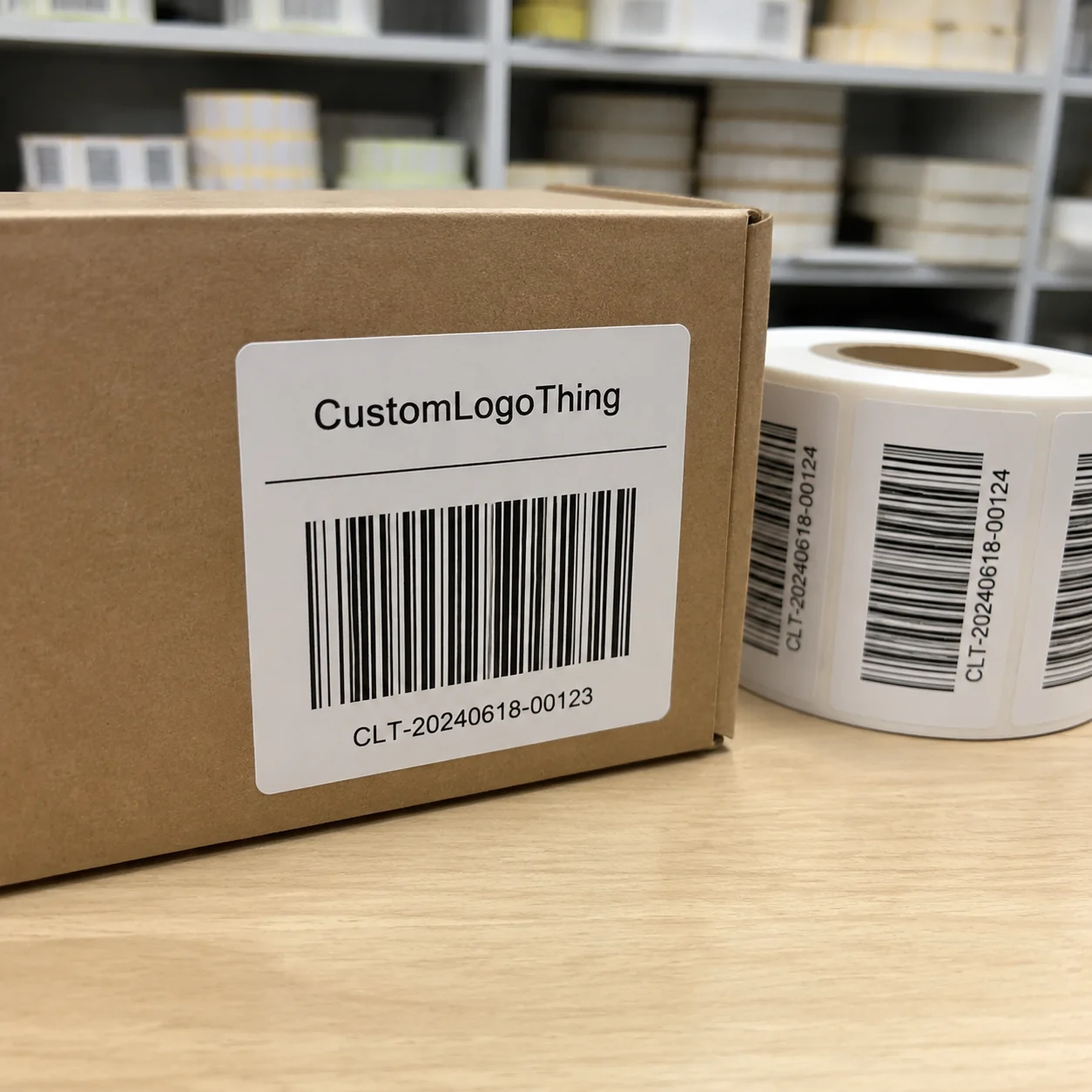
Clothing Labels Unit Cost for skincare tends to look straightforward on a spreadsheet and then gets complicated as soon as the order moves into production. The per-piece price is only one part of the equation. Setup, proofing, finishing, packing, and freight can matter just as much, especially on smaller runs where fixed costs do not have much volume to dilute them.
That is why skincare buyers often get caught off guard by the first quote. A label for a launch kit, fabric pouch, spa robe, retail set, or secondary package has different performance needs, and those needs affect material choice, attachment method, and overall cost. A clean buying decision starts with unit cost, MOQ, and repeatability, not the lowest number on the page.
For a broader view of constructions, our Custom Labels & Tags page is a practical reference point. Format drives pricing faster than most buyers expect, so it helps to narrow that down before asking for a quote.
Why clothing labels unit cost for skincare surprises buyers
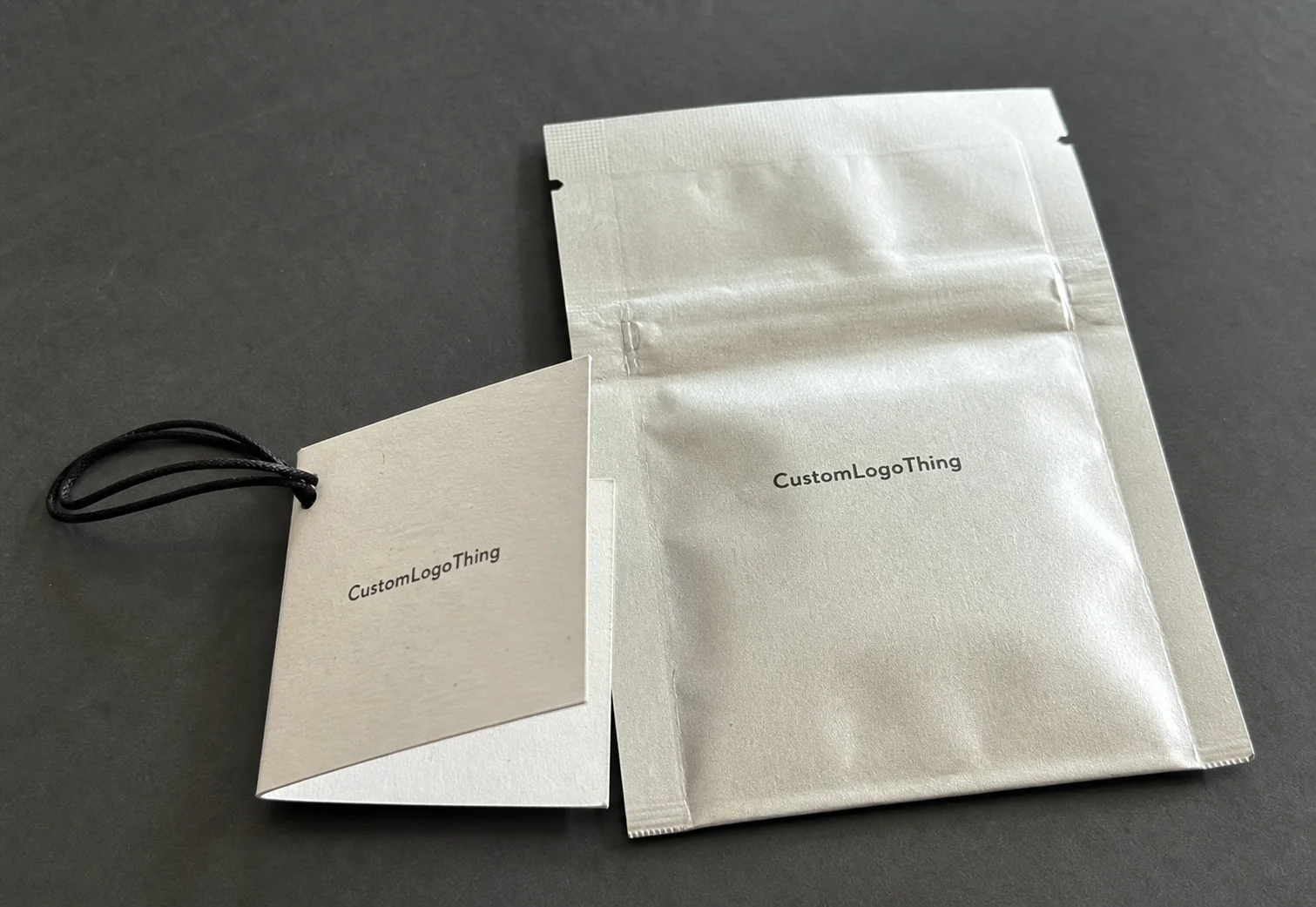
Most people assume the label itself is the main expense. It usually is not. The price is a bundle of material, production setup, inspection, finishing, packing, and shipping. On a small order, those fixed steps are spread across fewer pieces, and the cost per label rises quickly.
The surprise gets bigger when the order needs to look premium. A skincare brand may want polished labels for a launch set, but only needs a few hundred units. That sounds simple until the supplier adds tooling, proofing, and production labor. Nothing is padded by default. The order is simply too small to absorb the fixed work efficiently.
The cheapest quote can still be the most expensive choice if it leads to weak adhesion, fading, or a reprint. Skincare products get handled around oils, humidity, shipping cartons, refrigeration, and bathroom shelves. If a label curls, smears, or lifts after handling, the brand pays twice.
The better way to think about the spend is total value over the life of the order. Shelf impact matters, but so do compliance, reorderability, and the actual use environment. A label that photographs beautifully and then fails on the pouch is not a good buy. A slightly higher quote that holds color, survives transit, and reorders without surprises usually wins.
A quote only looks cheap until proofing, approval, and the first reorder are counted. After that, the real cost often appears.
For brands building a multi-product line, standardizing one or two constructions often saves more than chasing the lowest unit price on every SKU. The quote gets steadier when the same size, finish, and attachment method can be reused instead of rebuilt for every item. That is where clothing Labels Unit Cost for skincare becomes predictable rather than accidental.
Label formats and materials that fit skincare packaging
Not every label format belongs in a skincare program. Woven labels work well for fabric pouches, spa apparel, and sewn branding. Printed satin gives a softer feel and is often used where the brand wants a polished finish without heavy construction. Heat-transfer labels suit smooth textiles and create a cleaner look because there is no sewn edge. Adhesive labels fit cartons, sleeves, jars, and secondary packaging. Hang tags are useful for retail presentation and inserts.
The right choice depends on friction, contact, and moisture. Satin can feel premium, but if the label will be folded, rubbed by shipping, or handled repeatedly, a denser weave or a tougher printed construction may hold up better. Adhesive labels are fast and clean for packaging, but they are not a substitute for a sewn identification point on a textile item. The distinction is basic, yet it changes the result immediately.
| Format | Typical use | Typical unit cost range | MOQ impact | Best value when |
|---|---|---|---|---|
| Woven label | Fabric pouches, robes, sewn branding | $0.08-$0.24 | Lower MOQ raises cost per piece | You need durability and a clean sew-in finish |
| Printed satin label | Soft-touch branding, premium kits | $0.06-$0.18 | Mid-volume runs price well | You want a smooth handfeel without heavy construction |
| Heat-transfer label | Smooth textiles, minimal edge | $0.12-$0.30 | Setup matters more at small quantities | The label needs a clean appearance on fabric |
| Adhesive branding label | Cartons, sleeves, jars, pouches | $0.05-$0.20 | Standard sizes improve bulk pricing | You need fast application and a retail-facing surface |
| Hang tag | Retail kits, bundles, inserts | $0.04-$0.16 | Paper stock and finishing drive MOQ | Presentation matters more than abrasion resistance |
For paper-based pieces, ask for FSC-certified stock if that matters to the brand story. If the order will ship in bulk or travel long distances, it also makes sense to check transport handling against a distribution test profile such as ISTA standards. The goal is not to over-spec every order. It is to avoid paying for a sample that looks good in hand and fails in transit. Official references are available from FSC and ISTA.
For many buyers, the best value comes from restrained construction. A one-color woven label or a simple printed satin label often keeps the look clean while reducing complexity. Fewer colors usually mean fewer problems in proofing and fewer reasons for Clothing Labels Unit Cost for skincare to climb without delivering a meaningful visual gain.
Specifications that change the quote before production starts
The spec sheet controls the quote more than most buyers realize. Finished size, color count, artwork detail, backing type, fold style, edge finish, and attachment method all affect price before production begins. If those details are not locked, the supplier has to estimate. Estimates invite revision cycles, and revision cycles cost money.
Artwork complexity matters as well. Tiny logos, thin strokes, dense text, metallic effects, and gradients can push a job into slower or more expensive production paths. A simple two-color logo is easier to build than a crowded design with microtext. That is not a design judgment. It is a production reality.
These are the spec choices that usually move price fastest:
- Finished size: larger labels use more material and may require different finishing.
- Color count: each added color can increase print or weave complexity.
- Construction: satin, damask, woven, printed, or transfer each has a different cost structure.
- Backing or attachment: sew-in, adhesive, iron-on, or fold style changes labor and tooling.
- Finish: matte, gloss, soft-touch, or specialty textures affect both appearance and price.
There is also a direct tradeoff between sewn-in and adhesive formats. Sew-in labels generally carry more labor but create a stronger fabric identity. Adhesive labels can be faster and cheaper, especially on cartons and sleeves, but they are not the same product. Choosing the wrong one often creates hidden cost later, which is how a label that looked inexpensive at quote stage ends up being expensive in practice.
Fold style matters more than people expect. A center fold, end fold, loop fold, or flat cut changes how the label sits and how much finishing labor is involved. If the brand will use the same construction across several products, standardizing that fold can keep the quote tighter and the reorder easier to manage.
Compliance details should be settled before quoting. If the label needs care instructions, fiber content, batch data, or a specific regulatory note, include it up front. The same applies to packing requirements. Bulk packed, roll-packed, or individually separated labels all carry different handling costs. Small detail, real effect.
Pricing, MOQ, and unit cost drivers for skincare labels
Unit price is not random. It is the result of material, labor, inspection, finishing, packing, and freight. Tooling fees and setup charges are usually the least exciting part of the quote, but they often explain why a short run looks expensive.
MOQ changes the math in a simple way. A production line has fixed work at the start of the job, so 500 units will almost always cost more per label than 5,000 units. The material may be the same, but the setup is not. That is why low-volume orders almost always carry a higher unit cost, even when the design is basic.
That does not mean the largest number is the right answer. It means the buyer has to think like a planner. A larger order only makes sense if the artwork will be reused, the product life cycle is long enough, and the cash flow can carry the inventory. Otherwise the brand is just tying up money in stock that may age before it is used.
A practical quote comparison usually looks like this:
- Check what is included: proof, revisions, tooling, packing, and freight.
- Compare the same size and finish across suppliers.
- Ask for three quantity breaks so the unit cost drop is visible.
- Confirm whether the quote is for a first run or a repeat order.
Many buyers focus on the headline price and ignore the structure underneath it. One quote may include proofing and standard packing. Another may leave out tooling fees, charge for revisions, and add freight later. The first number can look higher and still be cheaper once the order is landed.
For skincare brands, the most reliable savings usually come from practical choices: fewer colors, standard dimensions, common fold styles, and one reusable spec across multiple SKUs. Those choices are not dramatic, but they keep Clothing Labels Unit Cost for skincare from drifting upward for no useful reason.
Process and turnaround: from artwork to delivery
The production path is predictable if the brief is clean. First comes the request, then file review, then quoting, proofing, approval, production, quality check, and shipment. If one stage is unclear, the schedule slips. Proofing is where delays often begin because the artwork was incomplete or the size was never finalized.
The most common causes of delay are also the easiest to prevent: missing measurements, color mismatch, unclear fold style, and low-resolution artwork. A supplier can quote fast, but if the spec is vague, the quote is only a placeholder. That does not help anyone planning a launch date.
For straightforward repeat orders, lead time is usually shorter because the spec already exists and the file does not need to be rebuilt. New constructions with multiple revisions take longer. A realistic planning window for many custom label orders is often 12 to 15 business days from proof approval, although that depends on the format, the production queue, and the shipping method.
If the launch date matters, count backward from receipt, not from order placement. Retail receiving windows, warehouse appointments, and replenishment schedules are where delays become expensive. If shipping is involved, ask whether the packing method fits the route. Standards like ISTA are useful here because they help connect the pack-out to the real shipping environment instead of treating transit as an afterthought.
Buyers who keep the process clean usually get better results from the same supplier. Fewer revisions mean fewer mistakes, fewer delays, and less chance that the unit cost changes after approval. The job becomes easier because the instructions are clearer. That sounds plain, but it is usually the difference between a smooth reorder and a rescue project.
What a reliable supplier should prove before you reorder
A reliable supplier earns repeat business by being consistent. That means clear spec confirmation, responsive file checks, written approval before production, and stable samples from one order to the next. If those basics are shaky, the supplier will probably struggle when the order gets larger or the timeline gets tighter.
Stable unit cost matters on reorders. A supplier protects that by keeping the spec unchanged, avoiding surprise substitutions, and documenting exactly what was approved. That is not a premium service. It is normal professionalism, and it should be the baseline.
The real comparison is not between a cheap quote and an expensive one. It is between a cheap quote and the cost of a bad match, poor finishing, or a reprint after launch. A lower number that causes a second production round is not a lower cost. It is a delay with paperwork attached.
For brands building a family of products, a good supplier should also help standardize the build across runs. Same material. Same print method. Same finish. Same attachment method where possible. The more repeatable the spec, the easier it is to keep Clothing Labels Unit Cost for skincare steady over time.
If a label will be visible on a premium kit, retail item, or press sample, ask for a sample or pre-production proof before full production starts. It adds time and sometimes a small amount of cost, but it is still less expensive than remaking an entire run because the fold, shade, or texture was wrong.
For format comparisons before ordering, the options on our Custom Labels & Tags page can help narrow the request. The right supplier should match the format to the packaging, not push the most expensive version as the default answer.
How to request a clean quote and order the right quantity
A clean quote starts with a clean brief. Send the finished size, material preference, fold style, quantity, artwork file, finish, target lead time, and shipping destination. If there are Pantone references or a physical sample, include those too. The more exact the input, the closer the quote will be to the final invoice.
Ask for two or three quantity breaks. That is the quickest way to see where unit cost drops enough to justify a larger order. Sometimes the difference between 1,000 and 3,000 pieces is minor. Sometimes it is enough to change the decision. You do not know until the tiers are side by side.
Also ask what is included in the price. Proofs, revisions, sampling, packing, and freight should be spelled out. If they are not, then the quote is not a true comparison. It is just a teaser number against someone else’s landed total, and that comparison does not help a buyer make a sound decision.
For skincare brands planning seasonal restocks or multi-SKU launches, the most efficient move is often to standardize one or two label specs and reuse them across the line. That keeps bulk pricing stable and makes reordering easier to forecast. It also keeps the brand from turning every product into a one-off, which is a fast way to inflate costs without improving the customer experience.
To get the clothing labels unit cost for skincare right, ask for a real breakdown rather than a vague estimate. The goal is not the lowest possible number. The goal is the right material, finish, MOQ, and lead time so the order works in production and still looks right on shelf.
What is the typical clothing labels unit cost for skincare on a small order?
Small orders usually cost more per piece because setup, proofing, and inspection are spread across fewer units. A short run may land around $0.10 to $0.35 per label depending on format, finish, and attachment method. The most reliable way to lower unit cost is usually a larger quantity or a simpler spec, not a fight over a few cents.
Which label material gives the best unit cost for skincare brands?
The best value depends on the application. For sewn-in textile labels, a simple woven build or printed satin often gives a good balance of appearance and cost. For cartons, sleeves, or jars, an adhesive label may be the better fit. Premium textures only make sense if the brand story or handling requirements justify the added spend.
How does MOQ affect clothing labels unit cost for skincare orders?
Lower MOQ usually means higher unit cost because fixed production work is divided across fewer pieces. Higher MOQ lowers the per-piece price, but only if the label will actually be reused. The right order size balances launch demand, cash flow, and how soon the next reorder is likely to happen.
Can I get a sample before approving skincare label production?
Yes, and it is the safer route for any label that will be visible on a retail product or premium kit. A sample helps confirm size, fold, texture, color, and attachment method before full production starts. Sampling adds time and sometimes cost, but it is cheaper than correcting a bad run.
What files do you need to quote clothing labels unit cost for skincare accurately?
Send the final artwork file, finished size, quantity, material preference, and any fold or attachment requirements. If brand colors matter, include Pantone references or a physical sample reference so the quote reflects the actual build. Clear specs reduce revision cycles and make the price much more accurate from the start.