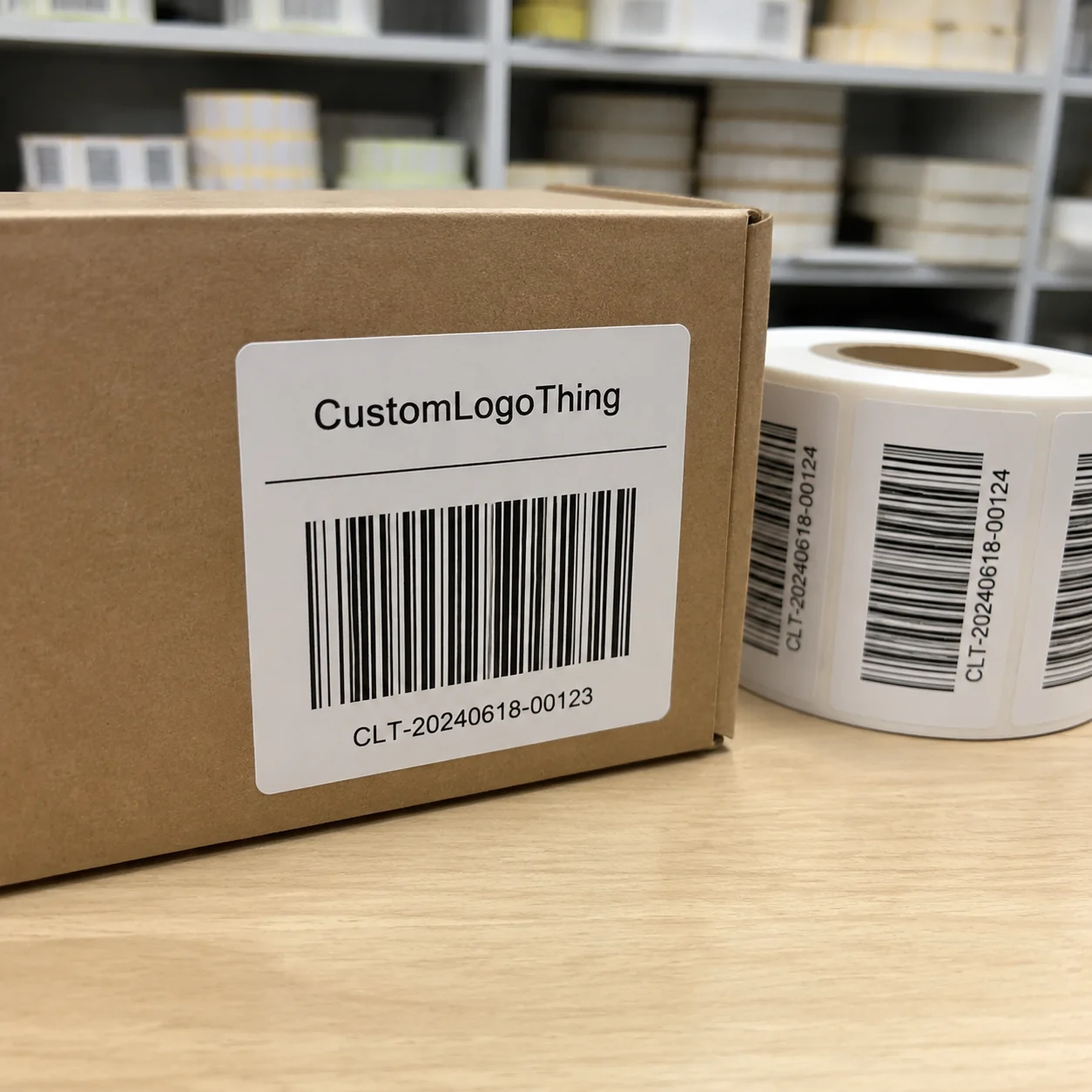
For subscription apparel, the Woven Labels Unit Cost for subscription is not a detail to leave until the end of the buy. It affects repeatability, pack-out efficiency, and how much obsolete inventory ends up sitting in a drawer after a design change. The label is small. The waste is not.
Most brands only feel this after the second or third drop. Someone changes the fold, someone else updates the color, and suddenly the warehouse is holding labels that no longer match the current garment run. It is a minor decision on paper and a real cost in practice.
Why Subscription Brands Care About Woven Labels Before the Box Ships
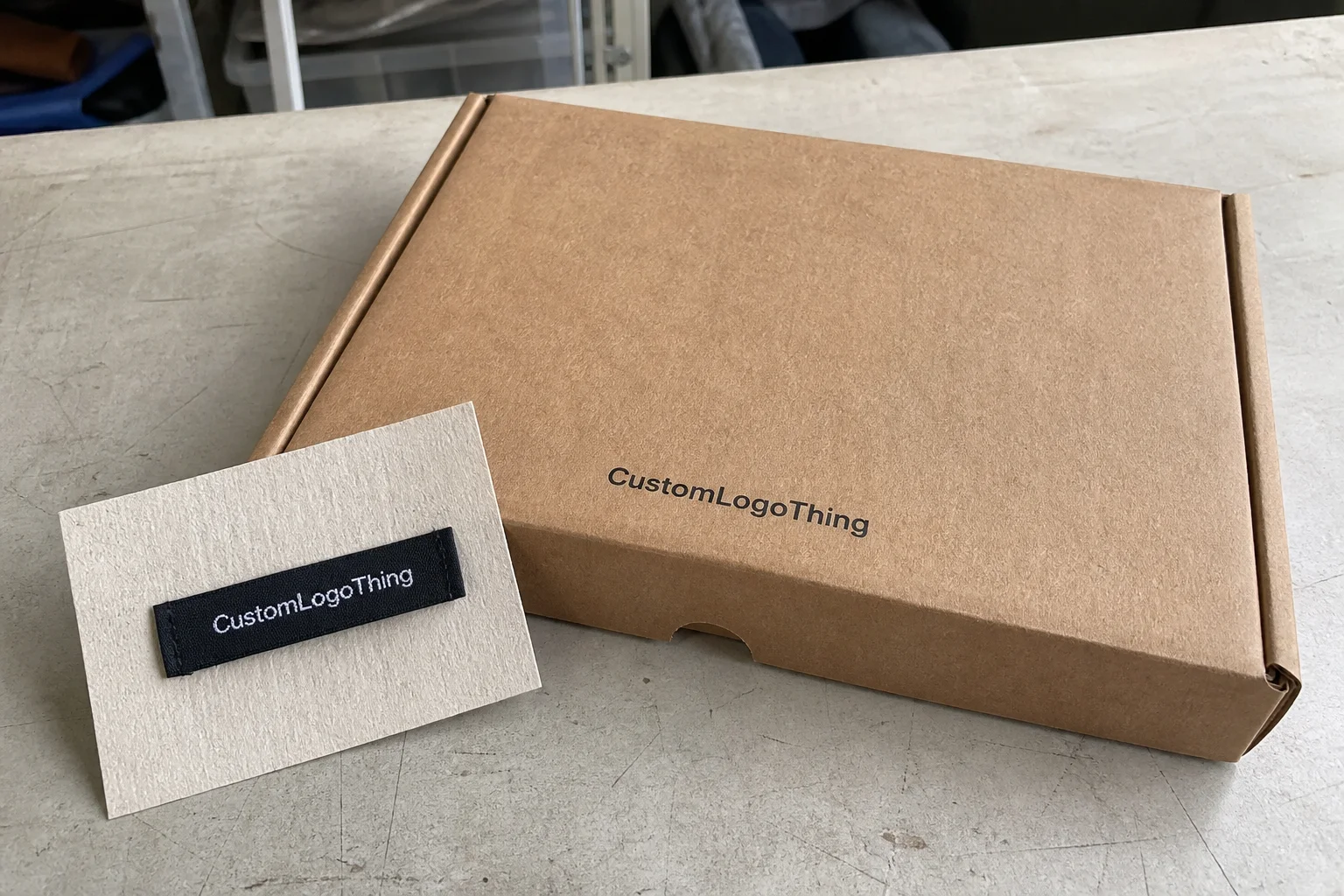
Subscription programs depend on consistency. The customer expects each delivery to feel like part of the same product line, even when the design evolves from month to month. A clean woven neck label or a stable side-seam label is one of the first signals that the brand still has control over the details.
That is why the Woven Labels Unit Cost for subscription needs to be considered before the first carton ships. If labels are treated like a one-off decorative part, the cost shows up later as duplicate proofs, mismatched stock, and reorders that no longer match the original approval. The expensive part is often the part no one budgeted for.
There is also a stock risk that buyers tend to underestimate. A small change in size, fold style, or background color can turn one label program into two separate SKUs. Once that happens, the MOQ problem gets less friendly, because each version needs its own setup, its own inventory bucket, and its own reorder history.
The practical question is simple: how do you keep the label looking premium on day one and still reorder it cleanly next cycle? That usually comes down to locking the specification early, asking for multiple volume breaks, and understanding what actually drives unit cost rather than assuming all woven labels price out the same way.
“The cheapest label is not the cheapest program if it keeps turning into the wrong reorder.”
If your apparel line also needs hang tags or other trim pieces, it helps to align those decisions early instead of sourcing everything in separate silos. Trim programs work better when the label spec, packaging plan, and fulfillment flow are being reviewed together.
Construction Choices That Change Unit Cost Without Changing the Look
Most buyers think woven labels are priced mainly by size. In reality, construction drives cost just as much, and sometimes more. The look can stay nearly identical while the quote changes because the weave is more detailed, the fold is more involved, or the backing requires extra handling.
The main weave bases are damask, satin, and taffeta. Damask is usually the best choice for fine text and logos because it supports sharper detail. Satin has a smoother hand feel and a more polished surface. Taffeta is often the lower-cost option and works well for simpler artwork that does not need extremely fine linework.
What changes the price
- Weave type: Damask usually costs more than basic taffeta because it handles fine detail better.
- Color count: More thread colors usually mean more complexity and more time in setup.
- Fold style: Center fold, end fold, loop fold, and mitre fold all add different amounts of cutting and finishing work.
- Backing: Iron-on, adhesive, and other specialty backings can raise unit cost depending on the application.
- Edge finish: Heat-cut and ultrasonic-cut edges are usually cleaner, but not always the lowest-cost option.
Some of these choices are mostly visual. Others affect labor directly. A center fold for a neck label is standard and usually straightforward to quote. A loop fold or specialty finish can look better on a premium garment, but it may also increase handling time and raise the per-piece cost.
Thread detail matters too. A finer weave gives cleaner small text, but only if the design needs it. If the logo is bold and simple, paying for ultra-fine detail can be unnecessary. Buyers often ask for premium construction and then submit artwork that would have read just as well in a simpler weave.
The practical rule is to spend where the customer can see and feel the difference, and trim cost where the benefit is marginal. The front face of the label should look intentional. The back side does not need extra complexity unless the garment callout requires it.
| Option | Typical Use | Relative Cost Impact | Buyer Takeaway |
|---|---|---|---|
| Damask | Fine logos, premium basics | Higher | Best for sharp detail and a clean brand presentation |
| Satin | Soft-hand fashion labels | Medium to higher | Good feel and a polished finish |
| Taffeta | Simple identity labels, cost-sensitive programs | Lower | Works well when the artwork is basic |
| Standard fold | Most apparel applications | Lower | Usually the easiest route for repeat orders |
| Special backing or fold | Premium finishes, specialty applications | Higher | Use only when the garment truly benefits from it |
For multi-SKU programs, standardizing one label construction across the product family can reduce duplicate setup charges and keep the reorder path cleaner. That does not mean every item should look identical. It means the parts that do not affect the customer experience should not be changing every cycle.
Specs That Keep Repeat Orders Consistent Across SKUs
Repeat orders stay economical only when the specification stays clean. That sounds obvious, but it is common to receive a request that says “same as before” without the actual approved details attached. Same as before according to which sample, which season, and which person signed off on it? Production needs a single source of truth, not institutional memory.
For subscription brands, the spec sheet should lock these fields before quoting:
- Finished width
- Finished height
- Background color
- Thread colors
- Fold type
- Backing or finish
- Quantity per SKU
Those fields matter because the woven Labels Unit Cost for subscription programs changes when any one of them changes. A small size adjustment can alter the weave density needed to keep the artwork readable. A color change can require a different thread mapping, which affects proofing and sometimes production cost. Multiply that across several monthly drops and the budget starts drifting in ways that are hard to trace after the fact.
Standardizing specs across product families is usually the simplest way to hold the line on cost. If a hoodie, tee, and jogger can share the same label format, the program gets easier to reorder and easier to inventory. You do not need a separate label structure for every style unless the garment function genuinely calls for it.
Artwork cleanup also matters. A clean vector file saves time. Microtype should stay readable at the finished size, not just on a monitor. Thread colors should be defined clearly, ideally with a reference system the production team can reproduce. If the file needs heavy cleanup, expect longer proof cycles. That is not a penalty; it is the normal cost of correcting weak artwork before production starts.
Placement deserves attention as well. Neck labels need to fit without irritating the wearer. Side-seam labels should sit where the seam structure supports them. If the brand position is premium basics, a softer hand feel may justify a higher unit cost. If the product is rugged workwear, durability may matter more than softness. The right answer depends on the garment, not on a generic preference for “premium” everything.
Woven Labels Unit Cost for Subscription Orders: What Changes the Price
Here is the part buyers usually want first: what actually changes the woven labels unit cost for subscription orders? The short answer is quantity, color count, weave detail, fold style, size, and whether the order is a fresh setup or a repeat run. The longer answer is that those factors interact, so the lowest quote on paper is not always the lowest landed cost.
Quantity matters most. First runs usually carry the highest per-unit price because setup, artwork preparation, and proofing are spread across fewer labels. That is how manufacturing works. Setup does not get cheaper just because the order is strategically important. Reorders usually cost less when the specification stays unchanged and the same setup can be reused.
That is why it helps to ask for pricing at multiple volume breaks. You want to compare a pilot run, a core reorder, and a bulk annual buy. If the price drops sharply between 2,000 and 10,000 pieces, it may make sense to buy ahead for a proven SKU. If the difference is modest, smaller batches may be safer and easier on cash flow. Either way, the decision should be made with numbers instead of guesswork.
Below is a practical pricing framework for typical woven label programs. These are not universal quotes, but they are useful for checking whether a proposal is in the right range.
| Run Type | Typical Quantity | Typical Unit Cost Range | Notes |
|---|---|---|---|
| Pilot run | 500-1,000 pcs | $0.18-$0.40 per piece | Higher setup share, useful for testing fit and placement |
| Core reorder | 2,000-5,000 pcs | $0.08-$0.22 per piece | Often the most practical range for recurring subscription drops |
| Bulk annual buy | 10,000+ pcs | $0.04-$0.12 per piece | Best unit economics if the spec remains locked |
Those ranges move with color count and construction complexity. A simple two-color damask label usually prices better than a six-color label with tight detail and a specialty fold. That is not a hidden formula. More work costs more money.
Ask about added charges as well:
- Sample charges for strike-offs or pre-production proofs
- Artwork edits if files need cleanup before approval
- Rush fees when the schedule tightens
- Shipping and cartonization by SKU
- Packaging by bundle or bag if labels need sorting before fulfillment
Packaging and sorting are easy to overlook. If the fulfillment team needs labels grouped by style or size, that work has to be priced somewhere. It either appears on the quote or it appears later as margin erosion. Buyers usually prefer the first version.
One more point that often gets missed: a lower unit price can still cost more overall if it creates higher waste or a longer lead time. A label that arrives late can disrupt packing schedules and force a partial shipment workaround. In a subscription model, that matters because every delay is multiplied across recurring fulfillment.
Process and Lead Time From Proof to Repeat Production
The best repeat orders follow a fairly boring process. That is a good thing. Boring means the work is predictable and the approvals are clear.
- Inquiry with artwork, size, quantity, and fold requirements.
- Quote based on the locked specification and production quantity.
- Digital proof to confirm layout, thread colors, and placement.
- Sample or strike-off if the program needs validation before production.
- Production after proof approval.
- Inspection and packing before shipment.
Repeat jobs move faster because the approved spec already exists. The loom setup is not starting from zero, and the buyer is usually not revisiting the design from scratch. That can reduce lead time meaningfully compared with a first order. Still, the timeline depends on quantity, artwork quality, and how quickly approvals move through the organization.
Typical turnaround for a repeat woven label order is often around 12-15 business days after proof approval. Simple programs can move faster. Custom finishing, high-volume production slots, or sorting by SKU can extend the timeline. First-time orders usually take longer because the artwork and specifications need to be validated before production starts. If someone promises a miracle without asking for the file quality, they are selling optimism rather than manufacturing.
Delays usually come from a few predictable sources:
- Artwork files that need cleanup
- Unclear fold instructions
- Too many revision rounds
- Waiting on approval from multiple departments
- Changing the spec after the quote is approved
For subscription brands, the best habit is to plan one reorder cycle ahead. If the current stock is nearly gone before the next quote starts, the calendar gets tight very quickly. Lead time plus shipping plus internal approval rarely equals “instant,” no matter how urgent the box schedule feels.
It also helps to keep a master spec file. One approved label layout. One source for size, color, fold, and backing information. That single document can save a lot of time when you are reordering across several SKUs or seasons, and it reduces the chance that a change slips in unnoticed.
Next Steps to Quote Your First Reorder Without Guesswork
If you need a quote for woven labels unit cost for subscription, send the full spec the first time. Missing details create price noise, and price noise makes it harder to compare suppliers or judge whether a reorder is actually cost-effective.
Send these items:
- Artwork file, preferably vector
- Finished width and height
- Fold type
- Thread colors or Pantone references
- Quantity forecast
- Whether it is a first run or a repeat run
- Any packaging or SKU-sorting requirements
Ask for at least two quantity tiers. Three is even better if you are managing a subscription calendar and want to compare inventory risk against bulk pricing. That gives you a real view of the cost curve instead of a single quote that may or may not fit the program.
Lock the spec before payment, then keep the approved sample as the master reference for future runs. If the brand drifts from that original approval, the next order can start to look like a close cousin rather than the same product line. That is how inconsistency creeps in, one small change at a time.
For recurring apparel drops, the label quote should support the production rhythm instead of fighting it. Get the unit cost, MOQ, lead time, and repeat-run terms in writing. Then build the reorder schedule around those numbers rather than assuming inventory will solve itself. It will not.
What affects woven label unit cost for subscription box brands?
Quantity, color count, weave detail, fold type, and whether the order is a fresh setup or a repeat run all affect price. Shipping, artwork edits, and rush timing can also change the landed cost.
What is the typical MOQ for repeated woven label orders?
MOQ depends on size, color count, and construction, but repeat runs usually become more flexible once the spec is locked. Ask for pricing at multiple volume breaks so you can compare MOQ against unit cost.
How can I lower woven label cost without making the trim look cheap?
Use fewer thread colors, keep one fold style across SKUs, and avoid unnecessary back-side detail. Standardizing the label across product lines usually saves more than chasing tiny design changes.
How long does a woven label reorder usually take?
Repeat production is usually faster than a first order because the approved spec already exists. Lead time still depends on quantity, proof approval speed, and whether you need a custom finish or packaging by SKU.
What should I send when asking for a quote on subscription label orders?
Send finished size, artwork file, thread colors, fold type, quantity forecast, and whether this is a new or repeat order. Include any packaging or SKU-sorting requirements so the quote matches the actual workflow.