Buyer Fit Snapshot
| Best fit | cmyk mailer box pricing for packaging buyers comparing material specs, print proof, MOQ, unit cost, freight, and repeat-order risk where brand print, material, artwork control, and repeat-order consistency matter. |
|---|---|
| Quote inputs | Share finished size, material target, print colors, finish, packing count, annual reorder estimate, and delivery region. |
| Proofing check | Approve dieline scale, logo placement, barcode or warning zones, color tolerance, and any recyclable or compostable wording before bulk production. |
| Main risk | Vague material claims, crowded artwork, or missing packing details can create delays even when the unit price looks attractive. |
Fast answer: CMYK Mailer Box Pricing: What Really Changes Cost Most should be specified like a repeatable production item. The safest quote includes material, print method, finish, artwork proof, carton packing, and reorder notes in one written spec.
What to confirm before approving the packaging proof
Check the product dimensions against the actual filled item, not only the sales mockup. Ask for tolerance on folds, seals, hang holes, label areas, and retail display edges. If the package carries a logo, QR code, warning copy, or legal claim, reserve that space before decorative graphics fill the panel.
How to compare quotes without losing quality
Compare board or film grade, print process, finish, sampling route, tooling charges, carton quantity, and freight assumptions side by side. A lower quote is only useful if the supplier can repeat the same color, closure quality, and packing count on the next order.
CMYK mailer box pricing can look simple on a quote sheet, then turn around and surprise you the moment two boxes with the same outer dimensions come back with very different numbers. One might be a clean printed shell on standard corrugated board, while the other carries heavier ink coverage, a tighter finish spec, and extra handling on press. That gap is usually not random; it is the cost of making two different products that only happen to share a size.
Buyers often start by comparing width, length, and quantity, which makes sense at first glance. But cmyk mailer box pricing changes with board grade, artwork coverage, coating, converting method, and freight method, so a quote that looks higher may actually be the more accurate one. Once you understand what sits behind the number, it gets much easier to Choose the Right spec instead of chasing the lowest line item.
I have seen the same pattern over and over: a brand expects a small print adjustment to have a tiny cost impact, then discovers that the change affects setup, waste allowance, or finishing more than they expected. That is not the buyer doing something wrong; it is just how packaging production works. And yes, it can be a little annoying when you are trying to keep a launch on budget.
Why CMYK Mailer Box Pricing Can Surprise You
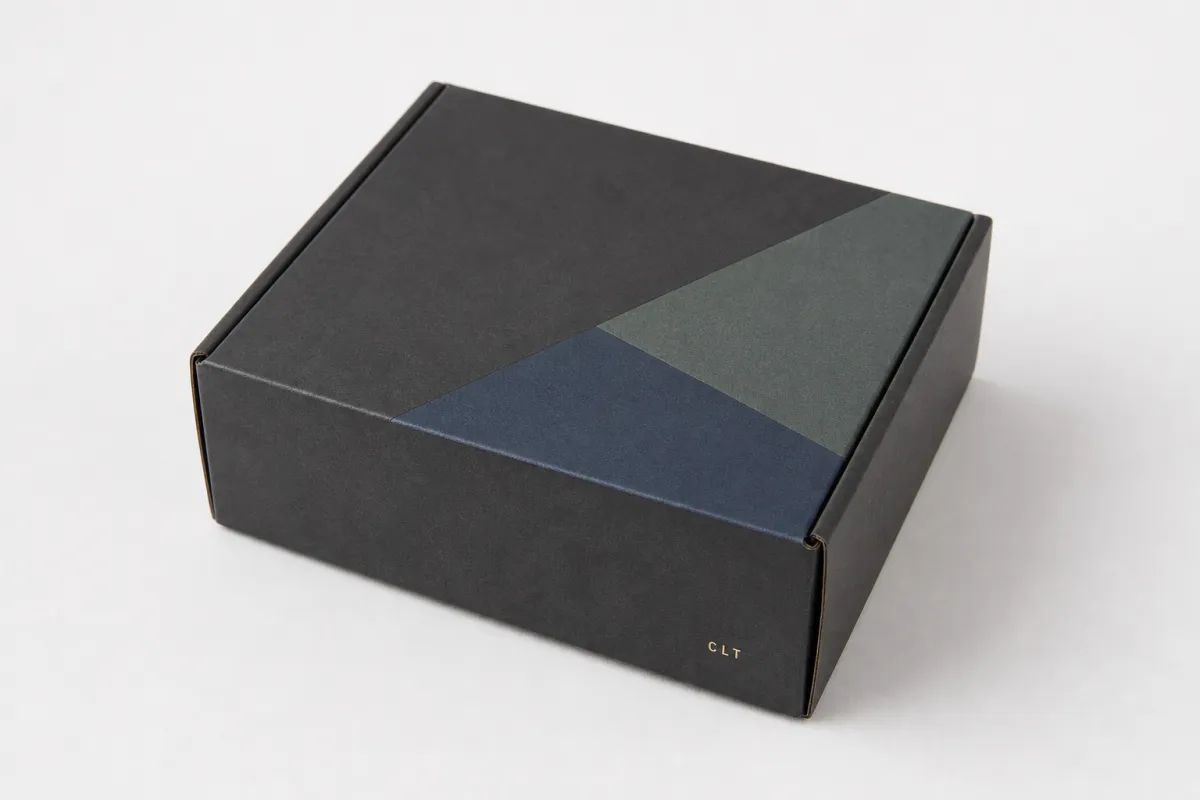
Two mailer boxes can look nearly identical on a screen and still land in very different price bands once they move into production. A clean white box with a modest logo might use light coverage and standard board, while a fully printed mailer with rich solids, full-wrap graphics, and an interior print panel may need more careful ink control and more time on press. That is why cmyk mailer box pricing should never be treated as a simple size-by-size math problem.
From a packaging buyer's point of view, the surprise usually starts with the assumption that the outside footprint tells the whole story. It does not. The box style, the board thickness, the flute profile, the print area, and even the chosen coating all influence cmyk mailer box pricing. A box that must hold shape during transit, stack neatly, and still show crisp color after folding will almost always cost more than a plain shipping mailer with minimal decoration.
I see the same thing when teams compare a sample on a desk to a production quote on a spreadsheet. The sample looks easy, but the production job has to survive die cutting, folding, gluing, palletizing, and then the actual trip through the carrier network. That is where the real work sits, and that work has a price.
There is also a printing reality many teams underestimate. CMYK process printing on folding cartons, carton liners, and corrugated mailers does not behave exactly the same way across every substrate. Ink absorption, dot gain, drying time, and surface smoothness all affect the final appearance. If the art has large floods, photography, or gradients, the press room may need tighter control, which can nudge cmyk mailer box pricing upward even when the box size stays unchanged.
The cleanest way to think about it is this: a fair quote is not the cheapest possible number, but the number that matches the real work required to make the box correctly. That work may include prepress cleanup, proofing, color control, die making, folding, gluing, packing, and freight. Once buyers see that chain clearly, cmyk mailer box pricing stops feeling mysterious and starts looking logical.
A price that looks high can still be the better buy if it avoids weak board, washed-out print, or a reprint that eats the margin later.
How CMYK Mailer Box Pricing Is Calculated
Most quotes for cmyk mailer box pricing begin with a few basic inputs: box dimensions, quantity, board type, print coverage, finishing, and shipping destination. Those inputs are then translated into setup cost, production cost, and logistics cost. The setup side can include artwork review and file prep, especially if the dieline needs correction or the graphics need trimming for safe print margins. The production side covers the actual material, printing, and converting. Freight closes the loop, because a box that is inexpensive at the factory can still be costly once it is palletized and shipped across regions.
The print process matters too. In many programs, cmyk mailer box pricing is influenced by whether the job is handled with offset printing, digital printing, or flexographic printing. Offset printing is often chosen for sharp imagery and solid registration on coated liners. Digital printing can be a smart fit for shorter runs where setup speed matters more than long-run press efficiency. Flexographic printing is common in corrugated work where the graphics are simpler and the structure is carrying more of the visual load. Each method has its own waste profile, tooling needs, and press behavior, so the quote changes accordingly.
Substrate choice is just as important. A smooth coated paperboard can give excellent image reproduction, but it is not the same as kraft liner or a more rugged corrugated build. A mailer designed to ship apparel may only need a lighter structure, while a subscription box for heavier contents may need stronger flute and better compression resistance. That is one reason cmyk mailer box pricing can rise even before a single color is printed.
There is also the matter of print coverage. A box with a small logo, one-color marks, and plenty of blank space is easier to produce than a design with full bleed art on every panel. More coverage means more ink, more drying consideration, and often more waste during setup. If the inside of the box is printed too, you are adding another layer of handling. For that reason, cmyk mailer box pricing is not only about the box itself but about how much of the box becomes part of the artwork.
For brands that need stronger transit validation, packaging teams sometimes align the structure with test standards such as those published by ISTA. If a corrugated mailer needs to survive drop testing, vibration, or compression more reliably, that can influence board grade and therefore the price. Sustainability specs can also enter the picture, especially when a buyer requests FSC-certified paper or board from suppliers aligned with FSC. Those choices do not automatically make a quote expensive, but they do shape the materials available for the job and can affect cmyk mailer box pricing.
In short, the calculation is not one number pulled from size alone. It is the sum of artwork prep, material grade, print method, finishing, and delivery. Once you understand that structure, cmyk mailer box pricing becomes much easier to interpret and compare.
CMYK Mailer Box Pricing: Cost Drivers That Change Your Quote
The biggest cost drivers tend to show up in the same order: quantity, board grade, dimensions, ink coverage, coatings, and any add-on features. If you only remember one thing, remember this: cmyk mailer box pricing usually moves most sharply when the quantity is low and the spec is complex. That is because setup, proofing, and changeover time are spread over fewer finished boxes.
Quantity matters because setup costs are mostly fixed. A die, a press setup, and a first-article approval cost roughly the same whether you run 500 boxes or 10,000. That is why smaller runs often carry a higher unit price even if the total order value is lower. Once production reaches a better efficiency band, cmyk mailer box pricing often drops noticeably per unit.
Board grade matters because not all corrugated or paperboard is equal. A standard white SBS-style carton or lighter corrugated build is easier on cost than a heavier premium board with better stiffness and print performance. If the product is fragile or has more weight, the board upgrade may be money well spent because it protects the contents and reduces transit issues. In that case, a slightly higher cmyk mailer box pricing number can actually save money downstream.
Ink coverage changes the quote in a way many first-time buyers miss. A box with sparse graphics and open space uses less ink and usually runs more cleanly. A design with solid backgrounds, deep blacks, photographic artwork, and full-wrap coverage needs more control, and more control usually means more expense. Spot color can also influence the quote if it is layered with CMYK or used to hit a stricter brand tone. The print team may need extra checks to keep the color stable, which is another reason cmyk mailer box pricing can climb.
Coatings and finishing matter more than many buyers expect. A gloss aqueous coating, matte varnish, soft-touch lamination, spot UV, embossing, or foil all add steps after printing. Each step adds material, labor, and potential scheduling time. Print finishing is not decorative fluff; it is a production process. If the design asks for premium feel, cmyk mailer box pricing must account for that extra work.
Shipping configuration can also change the delivered total. Flat-packed cartons are efficient for freight, but some jobs are packed in smaller bundles, mixed cartons, or palletized in a way that adds labor. Oversized boxes take up freight space quickly, and dimensional weight can matter more than the carton count. So when buyers compare delivered pricing, they should always ask whether the quote includes packing style and freight method, because those details can tilt cmyk mailer box pricing by a meaningful amount.
| Order Profile | Typical Spec | Indicative Unit Range | What Usually Pushes It Up |
|---|---|---|---|
| Short run | 500-1,000 units, simple graphics, standard board | $0.95-$2.10 | Low quantity, high setup share, special finishes |
| Mid run | 2,000-5,000 units, full CMYK coverage, one coating | $0.42-$0.88 | Full-bleed art, tighter color control, inserts |
| Higher run | 8,000+ units, standardized dieline, efficient packing | $0.24-$0.55 | Interior print, premium board, multi-step finishing |
Those ranges are not meant to be a universal rule, because every plant, material market, and freight lane is different. They do show how cmyk mailer box pricing often behaves in real quotes: the closer the order is to a production-friendly spec, the better the per-unit result tends to be.
One practical note for buyers: if you are pricing both branded mailers and everyday shipping packaging, it can help to compare your program against related items such as Custom Poly Mailers or a lighter-weight outer shipper. Different packaging formats use different materials and print logic, so a fair cost comparison starts with the right category. Even here, though, the same lesson applies: cmyk mailer box pricing is only meaningful when the spec is truly matched.
CMYK mailer box pricing also shifts with art complexity. A clean logo on a panel may need little more than a standard print check. A design with fine type, skin tones, gradients, and brand photography takes more file prep and more proof review. That does not mean the job is impossible or even unusually hard; it just means the factory has more opportunities to lose detail or drift off color if the process is not handled carefully. Buyers who understand that usually get better results and more realistic cmyk mailer box pricing from the start.
Here is the cleanest way to think about it: every extra layer of expectation adds cost somewhere, even if that cost is hidden in setup time, waste allowance, or finishing labor rather than on a line item labeled "design." That is why cmyk mailer box pricing becomes more predictable once the full spec is written down.
Production Steps and Timeline: From Artwork to Delivery
The timeline for cmyk mailer box pricing is really the timeline for turning artwork into a physical, folded carton that can ship and survive transit. It usually begins with file review. That means checking the dieline, bleed, safe zones, color mode, resolution, and whether the board layout matches the intended style of the box. If the file is incomplete, the schedule starts slipping before the press ever turns on.
After file review comes proofing. Some buyers want a digital proof, while others may request a more color-true sample or a structural sample if the board and folds are new. This stage matters because color corrections are easier before production than after thousands of sheets have been printed. Proof delays can affect cmyk mailer box pricing indirectly by extending the job slot and creating more back-and-forth with prepress.
Once proof approval is locked, the job moves to print. If the box has a straightforward CMYK layout, production can be fairly efficient. But if it includes heavy solids, inside printing, metallic accents, or a spot color element layered on top, press control becomes more sensitive. A press crew may need to monitor density more closely, clean the line more often, or slow the run to keep registration tight. That is another reason cmyk mailer box pricing tends to rise with artwork complexity.
After printing, the sheets move into die cutting, stripping, folding, and gluing. This is where structural accuracy matters. A bad cut line or poor fold score can lead to a box that pops open too easily or resists assembly. Good converting is not glamorous, but it is what makes the packaging usable on the packing line and reliable in transit. The more custom the structure, the more important this step becomes, and the more it can influence cmyk mailer box pricing.
Then comes packing and shipment. Flat-packed cartons are often the most efficient way to move mailers, but pallet configuration, bundle count, and destination all affect the final delivery cost. If a buyer needs a rush shipment, freight costs can rise because the factory must prioritize space and scheduling. Rush work rarely costs more because anyone wants to be difficult; it costs more because the normal flow of the plant has to be interrupted, and that always affects productivity. In other words, even timing can shape cmyk mailer box pricing.
A realistic lead time often falls somewhere in the 12-20 business day range after proof approval for a standard run, though heavy finishing, large quantities, or revision cycles can stretch that longer. Freight is separate, and cross-country transit should never be mixed up with production time. That distinction matters because buyers sometimes think the factory is slow when the real delay is the approval chain, the shipping lane, or a last-minute spec change. Clear timing keeps cmyk mailer box pricing honest and easier to plan around.
Common Mistakes Buyers Make When Comparing Prices
The most common mistake is comparing quotes that are not actually the same product. A box can share dimensions and still differ in board thickness, print coverage, coating, or packing method. If one supplier quotes a light-duty mailer and another quotes a premium rigid-feel mailer, the numbers will not match for good reason. In that situation, cmyk mailer box pricing is being judged without the full spec, which almost always leads to the wrong conclusion.
Another frequent problem is vague artwork information. If one buyer sends final print-ready files and another sends a rough mockup, the quote will not be apples-to-apples. The second quote may carry a buffer for file cleanup, dieline adjustments, and proof revisions. That buffer is not a penalty; it is a real production allowance. Clean files and exact specs usually produce cleaner cmyk mailer box pricing.
Freight is another place where comparisons go sideways. Some quotes include shipping to your door, others only cover factory pickup, and others leave palletization out entirely. The lowest number on the page can become the most expensive order once delivery is added. That is why buyers should compare landed cost, not just factory cost, whenever they review cmyk mailer box pricing.
It also helps to look at the minimum order quantity carefully. A quote for 1,000 pieces may look high, but the same spec at 5,000 pieces may fall sharply per unit because the setup is spread across more cartons. If a buyer assumes the MOQ is fixed when it is actually flexible, they can misread the quote entirely. Accurate quantity planning is one of the simplest ways to interpret cmyk mailer box pricing correctly.
A cheap quote that leaves out setup, freight, or finishing is not a bargain; it is just a quote with missing work.
Finally, some buyers focus so hard on the unit number that they forget the box has to function. If the board is too light, the locking tabs fail. If the print is too weak, the brand presentation falls flat. If the coating is wrong, scuff marks show up before the carton even reaches the customer. The better question is not "Which number is lowest?" but "Which cmyk mailer box pricing quote gives me the best result for the product I am actually shipping?"
Here is a simple comparison buyers can use before approving a quote:
- Match the structure - confirm flute, board grade, and closure style.
- Match the print - check CMYK coverage, spot color usage, and interior printing.
- Match the finish - verify coating, lamination, and any premium effects.
- Match the freight - compare packed cartons, pallet count, and destination.
- Match the quantity - make sure MOQ and unit price are based on the same volume.
Once those five points are aligned, cmyk mailer box pricing becomes much easier to compare with confidence. If any one of them is off, the price gap is probably telling you about spec differences rather than supplier performance.
Expert Tips for Lowering Unit Cost Without Cutting Quality
The smartest way to lower cmyk mailer box pricing is not to strip the box until it feels cheap. It is to remove avoidable complexity. Start with artwork. If the design uses large flood areas, ask whether a cleaner background or a more restrained print field could deliver the same brand feel with less ink and less press sensitivity. A small change in coverage can make a larger difference than many buyers expect.
Standardizing size helps too. If three SKUs can share one dieline or a close family of dielines, the production team can work more efficiently, and your ordering pattern becomes easier to manage. That often improves buying power over time. In practical terms, cmyk mailer box pricing drops more reliably when the spec repeats instead of changing on every reorder.
Choose the Right board for the job, not the heaviest board on the quote sheet. A product with low crush risk does not need overbuilt material, and overbuilding just pushes cost higher without adding useful protection. The same is true for finish. A soft-touch laminate may feel premium, but if a light matte coating already gives the look you need, that simpler choice can keep cmyk mailer box pricing in a better band.
It also pays to think about quantity thresholds. Sometimes a slightly larger run lowers unit cost enough to matter, especially if the packaging is used steadily through the month. Other times the extra inventory is not worth the cash tied up in storage. The best answer depends on turnover, seasonal demand, and warehousing space. There is no one-size rule, but the breakpoints in cmyk mailer box pricing are real and worth checking.
Clear files save money too. Clean dielines, correct bleed, and final copy reduce proof cycles and cut the chance of avoidable delays. If the artwork is still moving around while the quote is being prepared, the factory has to estimate more heavily, and that can make the number less competitive. A clean handoff usually gives the most accurate cmyk mailer box pricing.
Do not ignore the product itself. If the box is shipping apparel, beauty items, or lightweight accessories, you may not need a heavy shipper at all. If the packaging must perform like a transport box, then strength matters more. Matching structure to product weight is one of the easiest ways to avoid paying for material that does not help. That kind of disciplined spec choice keeps cmyk mailer box pricing honest.
For brands that use multiple packaging formats, pairing the right outer shipper with the right insert or mailing format can also improve the total packaging budget. For example, a lighter branded mailer for retail presentation and a separate shipping format for distribution can sometimes be more efficient than forcing one box to do everything. That broader view often produces better results than trying to make cmyk mailer box pricing carry the whole packaging strategy by itself.
If you want a practical rule: simplify the parts that do not add value, and keep the parts customers can see and touch. That is usually where the best balance lives in cmyk mailer box pricing.
What to Prepare Before Requesting a Quote
The more exact your request, the more useful the quote. That sounds obvious, but it is the biggest reason buyers get inconsistent pricing. Before you ask for cmyk mailer box pricing, gather the core details and put them in one place. A complete request helps the supplier avoid assumptions, and assumptions are where surprise costs begin.
Start with the box dimensions. Length, width, and height should be clear, and if the product has a specific fit requirement, note the internal clearance needed. Then confirm the quantity you want, not just the first test run. A quote for 1,000 pieces looks very different from one for 5,000 pieces, and the pricing curve often changes by band. Quantity is one of the first things a buyer should lock down when discussing cmyk mailer box pricing.
Next, list the board grade, print coverage, and finish preferences. If you want full CMYK on the outside, say so. If the inside needs print, say that too. If you want a matte surface, gloss feel, or a specific print finishing treatment, spell it out rather than leaving it implied. A quote is only as good as the spec it is built from, and cmyk mailer box pricing depends heavily on those choices.
It is equally useful to share artwork files and any color references. Final artwork, a dieline, and a clear note about brand colors help the prepress team judge whether the design needs special handling. If you are trying to match a strict brand palette, mention it early. If there are existing samples or previous cartons, reference them. Better reference material means more accurate cmyk mailer box pricing.
Here is a short checklist that helps speed up quoting:
- Box dimensions and style
- Target quantity and reorder estimate
- Product weight and protection needs
- Artwork files and dieline
- Print coverage, inside print, and spot color notes
- Finish request, such as coating or lamination
- Shipping destination and pallet preference
- Need for inserts, partitions, or other extras
- Required turnaround or launch date
If you want to see where costs can move, ask for two quote versions: one for your ideal spec and one for a simplified spec. That side-by-side view makes the pricing logic easy to see. It also shows which changes truly matter and which ones barely move the needle. For many buyers, that is the fastest way to understand cmyk mailer box pricing before committing to a run.
There is a real advantage in thinking this way before you request production. Instead of asking for a quote and then rewriting the spec three times, you can present the job as clearly as possible from the start. That usually means fewer revisions, fewer delays, and a more accurate number. And in the end, that is what cmyk mailer box pricing should give you: a realistic path from concept to carton, not a guessing game.
FAQ
What affects cmyk mailer box pricing the most?
Quantity, board grade, and box dimensions usually move the price first. Heavy ink coverage, interior printing, and special finishes can raise the quote quickly, especially when the design needs more setup and more control on press. Freight and packing method also matter when you compare delivered cost, so cmyk mailer box pricing should always be read as a full spec, not a single unit number.
How do I compare cmyk mailer box quotes fairly?
Match the exact size, board type, print coverage, and finish before comparing numbers. Check whether the quote includes setup, proofing, freight, and packing, because those items can change the real total even when the unit line looks similar. Use unit cost and landed cost together so one low line item does not hide extra charges, and keep cmyk mailer box pricing tied to the same production assumptions on both sides.
Does MOQ change cmyk mailer box pricing?
Yes, smaller runs usually carry a higher unit cost because setup is spread across fewer boxes. Higher quantities often lower the per-box price even if the total order value increases. Ask for pricing at a few quantity breakpoints so you can see where the best value band sits, because MOQ is one of the clearest levers in cmyk mailer box pricing.
How long is the typical lead time for CMYK mailer boxes?
Lead time depends on print complexity, finishing, order size, and proof approval speed. Simple jobs move faster than jobs with special coatings, inserts, or multiple artwork revisions. Freight time should be added separately if the boxes are shipping across regions, and production lead time should not be confused with transit time. That distinction helps buyers plan cmyk mailer box pricing around the real schedule.
What should I send to get an accurate quote?
Send dimensions, quantity, product weight, artwork files, and any finish requirements. Include your target turnaround, shipping destination, and whether you need inserts or special packaging. The more exact the specs, the less likely the quote will change later, which is exactly why detailed input makes cmyk mailer box pricing more reliable from the start.
The simplest way to read cmyk mailer box pricing is to treat it as a production formula, not a guess. Match the structure, the print coverage, the finish, the freight, and the quantity, then compare only quotes built on the same assumptions. That approach keeps the decision grounded in real packaging requirements, which is the part that actually matters when the boxes hit the line.