Buyer Fit Snapshot
| Best fit | Custom Luxury Box Supplier projects where brand print, material claims, artwork control, MOQ, and repeat-order consistency need to be specified before quoting. |
|---|---|
| Quote inputs | Share finished size, material target, print colors, finish, packing count, annual reorder estimate, ship-to region, and any compliance wording. |
| Proofing check | Approve dieline scale, logo placement, barcode or warning zones, color tolerance, closure strength, and carton packing before bulk production. |
| Main risk | Vague material claims, crowded artwork, missing packing details, or unclear freight terms can make a low unit price expensive after revisions. |
Fast answer: Custom Luxury Box Supplier: Board, Finish, Dieline, and Unit Cost should be specified like a repeatable production item. The safest quote records material, print method, finish, artwork proof, packing count, and reorder notes in one written spec.
Production checks before approval
Compare the actual filled-product size with the drawing, then confirm tolerance on folds, seals, hang holes, label areas, and retail display edges. Reserve space for logos, QR codes, warning copy, and material claims before decorative graphics fill the panel.
Quote comparison points
Review material grade, print process, finish, sampling route, tooling charges, carton quantity, and freight assumptions side by side. A quote is only useful when the supplier can repeat the same color, closure quality, and packing count on the next order.
Custom Luxury Box Supplier: How to Choose the Right One
A custom luxury box supplier can make a $20 product feel like a premium purchase, or make a genuinely high-end item look oddly cheap. That sounds dramatic until both boxes sit side by side and one of them does more damage to the brand than the product ever could. For brands sourcing through Custom Logo Things, the box is not decoration. It is part of the sale, part of the protection, and part of the customer’s first impression.
Choosing a custom luxury box supplier is not just a design call. It is a sourcing decision with real Cost, Lead Time, and quality consequences. The right supplier handles structure, materials, finishing, inserts, sampling, and quality control. The wrong one hands over pretty renderings, vague answers, and a box that only looks good on a screen.
Why a custom luxury box supplier matters more than people think
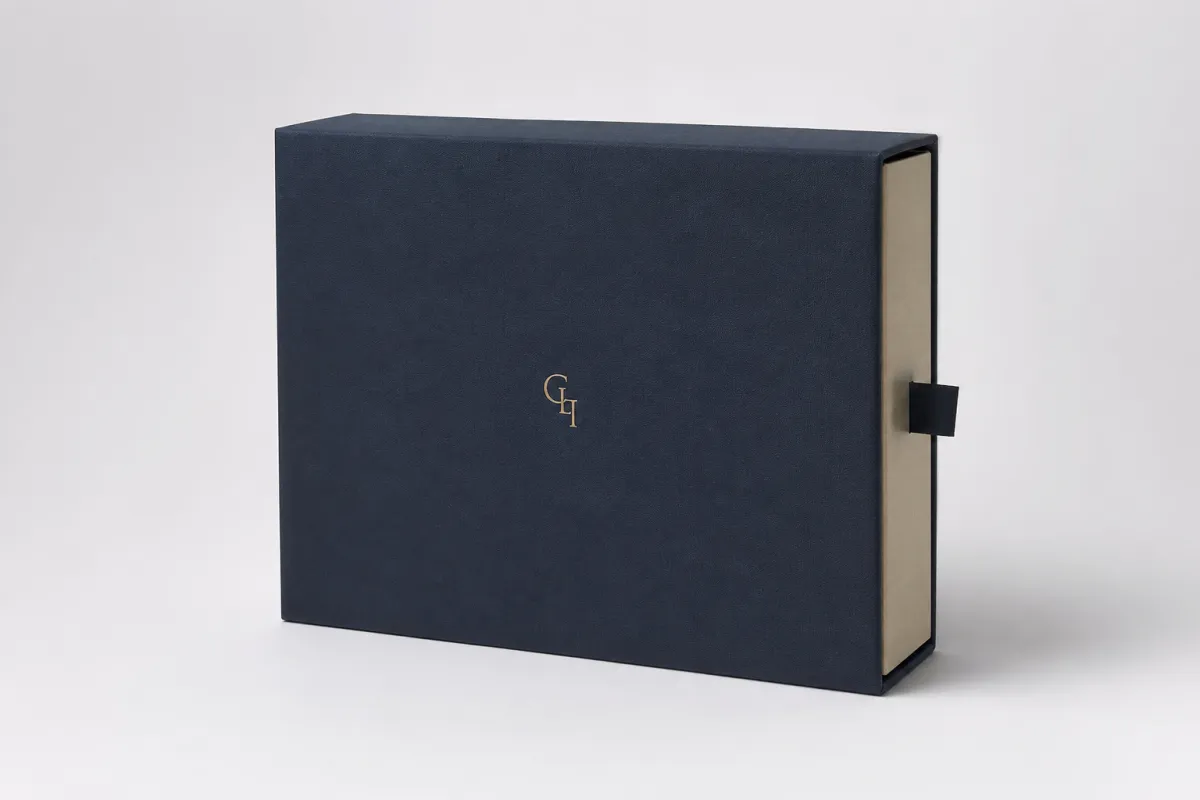
Most buyers treat packaging like a finishing touch. That is usually the first mistake. A custom luxury box supplier is not only producing a container. They are shaping how your product is perceived before anyone touches it. In premium categories, perception carries real weight. The same item can feel thoughtful, giftable, and expensive in one package, then flimsy and forgettable in another.
The box is doing three jobs at once. It protects the product through storage, transit, and shelf handling. It signals brand value through structure, print quality, and finishing. It also shapes the unboxing experience, and that part matters more than many brands are willing to admit, even in B2B settings. If one of those jobs fails, the rest of the experience weakens quickly.
Picture two identical products. Same weight. Same materials. Same contents. One ships in a plain mailer with a loose insert. The other arrives in a rigid set-up box with a clean wrap, accurate fit, and a soft-touch exterior with restrained foil. The product did not change. The perceived value did. That is what a skilled custom luxury box supplier handles every day.
There is also a difference between a printer and a true custom luxury box supplier. Printing is only one part of the job. A supplier in this category should understand board selection, rigid construction, paper wraps, edge finishing, lamination, die-cut inserts, magnetic closures, ribbon pulls, sleeve systems, and pack-out requirements. They should also know where packaging design stops being elegant and starts becoming expensive noise.
From a packaging buyer’s point of view, the best suppliers think in terms of brand protection and production reality, not just aesthetics. They ask whether the box will be stacked, mailed, displayed, or gifted. They ask about product fragility, seasonal demand, and whether the box needs to support retail packaging or direct-to-consumer shipping. That is a much better sign than a supplier who says yes to every fancy finish without asking how the box will actually be used.
If you want to compare options before committing, start with Custom Packaging Products that match your product category, then work backward to the structural needs. That simple move saves a lot of expensive guessing. It also keeps package branding tied to the actual product, not to a render that only looked right on a monitor.
Brand signal matters. A luxury box can make a modest product feel considered. It can also make a premium item feel cheap if the board caves, the wrap scuffs, or the closures feel weak. That is why the right custom luxury box supplier matters more than people think. The box is not an accessory. It is part of the product story.
For standards-minded buyers, packaging quality should be tied to actual test expectations, not wishful thinking. If the shipment will travel through parcel networks, ask how the structure relates to impact and compression testing, including industry references like ISTA testing methods. For paper sourcing, many brands also ask for FSC-certified board and paper wraps through FSC certification standards. Those details are not decoration either. They are evidence.
One thing I have learned after reviewing enough samples is that the box usually tells on the supplier before the sales email does. A corner that lifts, a magnet that sits crooked, a wrap that shows glue bleed around the edge, those little flaws are not small at all once they are multiplied across a full run. They are the difference between packaging that supports the product and packaging that quietly undercuts it.
How a custom luxury box supplier works: process and timeline
A good custom luxury box supplier follows a fairly predictable workflow. The exact details change by structure and finish, but the logic stays familiar: brief, dieline, proof, sample, revisions, production, inspection, and shipping. If one of those steps is rushed, the rest of the job tends to wobble. Packaging rarely fails all at once. It usually slips in small, annoying ways.
The process begins with discovery. The supplier needs product dimensions, product weight, fragility, target quantity, budget, and where the packaging will be used. A luxury retail box for a fragrance line is not the same as a shipper for a candle set. One is built for presentation. The other is built for protection first. A capable custom luxury box supplier will separate those needs instead of blending them into one vague recommendation.
The next stage is the dieline or structural plan. This is where many buyers lose time because they send artwork before the box architecture is settled. That usually creates avoidable back-and-forth. Artwork should fit the structure, not the other way around. If the box needs an insert, a magnet, a shoulder, or a lift-out tray, the dimensions have to be locked early. Otherwise, the print files become a moving target.
Sampling usually takes more time than buyers expect. A white sample or plain structural prototype may come first. Then a printed sample. Then, for larger orders, a pre-production proof. Each round adds accuracy, and each round also adds calendar days. A thoughtful custom luxury box supplier will tell you exactly which sample stage is for fit, which is for color, and which is for final sign-off. That clarity prevents expensive misunderstandings later.
Where does time get lost? Late artwork is one culprit. Material backorders are another. Unclear specifications cause trouble too, especially when a buyer says “luxury” but never explains what that means in board thickness, finish choice, or closure type. Revision churn can drag a job out for a week or more if too many people keep changing the design. I have seen a simple box become a calendar problem because three departments wanted to “just adjust one thing.” Those one-things add up.
Lead times vary by structure and finish. Simple rigid boxes often need about 12 to 18 business days after proof approval for production, assuming materials are available and the run is straightforward. Drawer boxes, magnetic closures, and more complex inserts often need 18 to 30 business days. If the job includes special wraps, detailed foil, or multi-part kitting, expect longer. International freight can add another week or more depending on routing and customs handling.
Seasonality changes the picture too. A custom luxury box supplier may move quickly during slower months and much more cautiously during peak demand. Large order sizes stretch every stage, from sampling to production to packing. International freight is its own variable. Air is faster and expensive. Ocean is cheaper and slower. Ground can still get delayed by warehouse congestion, especially if the shipment lands during a busy retail window.
If a supplier cannot explain which step owns the delay, you probably do not have a timeline problem. You have a process problem.
That sounds blunt because it is true. A good supplier should be able to tell you what the buyer controls and what the supplier controls. The buyer controls the brief, artwork approval, brand rules, and how quickly feedback comes back. The supplier controls structural engineering, sample execution, production planning, and final inspection. If those responsibilities get blurred, deadlines drift.
For brands building branded packaging across several SKUs, the cleanest approach is to standardize as much of the structure as possible. One base box size can often support multiple product variants with different inserts or wraps. That saves time, money, and headaches. It also makes product packaging easier to replenish later.
I have also found that the fastest projects are not always the ones with the simplest art. They are the ones where somebody on the buyer side actually owns the decision tree. When that person can say yes or no without waiting on five opinions, the supplier can keep moving. Otherwise, the sample sits, the schedule slips, and everyone starts pretending the delay came from somewhere else.
Custom luxury box supplier pricing: cost, MOQ, and quote traps
Pricing is where most buyers get trapped. A custom luxury box supplier can send a quote that looks attractive on the first page and turns less attractive after the line items show up. That is not always shady. Sometimes it is just a bad comparison. But if you do not know what drives cost, you will compare the wrong things and buy the wrong box.
The main pricing drivers are straightforward. Structure matters first. A rigid set-up box usually costs more than a folding carton because it uses more board, more labor, and more assembly time. Board grade matters next. Thicker greyboard, better wrap stock, and stronger liners cost more. Then comes finishing: foil stamping, embossing, debossing, spot UV, lamination, specialty paper wraps, window cutouts, and magnetic closures. Each one pushes the cost stack upward.
In practical terms, a simple folding carton might fall around $0.45 to $1.20 per unit at moderate volume, depending on size and print coverage. A rigid luxury box can land around $1.20 to $3.80 per unit for runs in the low thousands, again depending on complexity. Inserts, sleeves, and special finishes can push that higher. Very small runs can be dramatically more expensive per unit because setup cost gets spread over fewer boxes. That is just math, not drama.
MOQ, or minimum order quantity, is another thing buyers misunderstand. A lower MOQ sounds friendly, but the unit price usually rises fast because setup time does not shrink just because the order is smaller. If you need 300 boxes instead of 3,000, the supplier still has to prepare plates, materials, proofing, machine setup, and quality checks. A reliable custom luxury box supplier will explain that plainly instead of pretending small orders are cheap.
Here is a simple rule of thumb: if the quote does not clearly separate structure, print, finishing, insert, sampling, packaging, and freight, assume something is missing. That does not mean the supplier is dishonest. It means the quote is not ready for real comparison. Quote traps often appear in shipping, tooling, sample fees, or upgrade costs for finishes that looked “included” in the first email.
Another trap is comparing a stock-size customized box against a fully bespoke build as if they were the same thing. They are not. A stock-size base with printed wrap or simple insert changes is usually cheaper and faster. A fully bespoke construction can be better for brand impact and fit, but it costs more and usually takes longer. Good custom luxury box supplier partners will tell you where that tradeoff sits, not just push the most expensive option.
Order size also changes the economics. At 500 units, the supplier may quote a higher per-unit price because the setup burden is high. At 5,000 units, the unit price can drop meaningfully because production efficiency improves. That is why buyers should think in terms of total landed cost, not just unit cost. Sometimes a slightly higher unit price with better structure and lower damage risk is the smarter choice.
To make comparison easier, ask every custom luxury box supplier to quote the same specification sheet. Same size. Same board thickness. Same wrap. Same finish. Same insert. Same quantity. Same delivery terms. If the numbers still vary a lot after that, then you are actually comparing suppliers, not apples and oranges.
One more pricing reality that does not show up in the neat little quote boxes: paper and board markets move, and freight does too. A quote that looked perfect two months ago can look different once raw material availability shifts. A good supplier will tell you whether pricing is locked for a period or tied to current material conditions. That is the sort of detail that saves everyone from a last-minute surprise.
| Box option | Typical use | Common MOQ | Approx. unit price range | Notes |
|---|---|---|---|---|
| Folding carton | Cosmetics, accessories, retail packaging | 1,000-3,000 | $0.45-$1.20 | Best for lighter products and lower structure cost |
| Rigid set-up box | Jewelry, gifts, premium product packaging | 300-1,000 | $1.20-$3.80 | Stronger presentation, higher assembly labor |
| Magnetic closure box | Electronics, luxury kits, branded packaging | 500-2,000 | $1.80-$4.50 | Popular for premium feel, but hardware and assembly raise cost |
| Drawer box | Fragrance, apparel, gift sets | 500-2,000 | $1.60-$4.20 | Good unboxing experience, more parts to assemble |
If a supplier’s numbers look too good, ask what is excluded. Freight? Sampling? Tooling? Insert design? Packaging for shipment? A clean quote from a custom luxury box supplier should read like a purchase decision, not a scavenger hunt. That is especially true if you are sourcing custom printed boxes for a product launch tied to a fixed date.
What to check before you hire a custom luxury box supplier
Pretty mockups are easy. A box that arrives on time, fits the product correctly, and holds up through handling is the part that matters. Before you hire a custom luxury box supplier, check the physical details, not just the visual presentation. The mistake I see often is buyers approving a design because the render looked polished, then discovering the wrap scuffs, the corners crush, or the insert fit is sloppy.
Material quality comes first. Ask what board is used, how thick it is, whether the paper wrap has the right stiffness, and whether the adhesive or lamination matches the intended use. For retail packaging, edge wrapping and corner finish are especially visible. If the corners are loose or the wrap telegraphs glue marks, the box feels cheaper than it should. A serious custom luxury box supplier will show you actual materials, not only digital files.
Next, look at print consistency. Ask for photos of recent runs, and if possible, physical samples. Color drift, poor foil registration, weak embossing, and uneven lamination are all signs that quality control is loose. Not every supplier will be perfect on every run, but there should be evidence that they catch issues before shipment. That is the difference between a capable shop and a lucky one.
Category experience matters a lot. A supplier who understands jewelry packaging may not automatically understand beverage cartons or electronics inserts. Different categories have different tolerances, presentation needs, and shipping risks. Ask whether the supplier has handled jewelry, cosmetics, spirits, electronics, apparel, or gift packaging. The answer should sound specific, even if they avoid naming clients. A good custom luxury box supplier knows what changes from one category to another.
Communication speed is another quality signal. Slow replies often become slow approvals, then slow corrections, then late shipments. Technical clarity matters even more. If you ask about insert tolerance and the answer sounds vague, expect trouble later. Good suppliers answer in dimensions, process steps, and tradeoffs. Weak suppliers answer in adjectives. “Nice,” “premium,” and “high quality” are not specs.
Check whether they can support kitting or assembly if you need it. Some projects need inserts loaded, accessories packed, seals applied, or multiple components bundled together. If the supplier cannot handle that work, you may need a separate fulfillment step. That is not a dealbreaker, but it changes the plan. A well-organized custom luxury box supplier should be honest about what they can and cannot do.
Ask for sample photos, prototypes, and reference points from similar order sizes. A box that works beautifully at 200 pieces may behave differently at 2,000. A sample should show the final structure, not just a paper idea of it. If you are evaluating packaging design alongside the supplier, look at how the sample handles product movement, shipping pressure, and shelf presence. That tells you more than a render ever will.
If you need a starting point for broader sourcing, our Custom Packaging Products page can help you narrow down structural options before you request quotes. That is usually faster than asking a supplier to invent a concept from scratch. It also gives the supplier a better target to work from.
Ask this one question: “What will you inspect before shipment?” If the answer includes measurements, finish checks, insert fit, color checks, and carton count verification, you are probably talking to a real custom luxury box supplier. If the answer is vague, keep looking.
I also like to ask for one physical sample with a minor defect highlighted, just to see whether the supplier notices it before I mention it. You would be surprised how often that tiny test separates a careful shop from one that is just moving boxes through the door. It is a pretty useful sanity check, and honestly, it saves a lot of guesswork later.
Step-by-step: choosing the right custom luxury box supplier
Choosing the Right custom luxury box supplier gets much easier if you treat it like a sourcing process instead of a creative hunch. Good packaging decisions are usually boring in the best possible way. Clear brief. Clear quote. Clear sample. Clear sign-off. The drama is what happens when the process gets fuzzy.
Start with a packaging brief that includes product dimensions, target quantity, target cost, product weight, fragility, launch date, and where the box will be used. Is it for retail packaging, direct shipping, gifting, or display? That question matters because each use case changes structure. A box that looks elegant on a shelf may be too fragile for parcel transit. A custom luxury box supplier can only design well if the brief is specific.
Shortlist suppliers based on structure capability first, then finishing options, then price. That order matters. If a supplier cannot build the structure correctly, fancy finishing will not save the job. Once the structure is right, then compare foil, embossing, soft-touch lamination, paper wrap quality, magnet strength, and insert options. A supplier with fewer finishing bells and whistles but stronger execution is often the safer bet.
Request the same quote format from each supplier. Ask them to show structure, print method, finish, insert, sampling, packing, and freight separately. This makes comparison much cleaner. You do not want to discover later that one custom luxury box supplier included freight and another did not, because that fake savings disappears the moment the boxes leave the factory.
Order samples or prototypes before approving the production run. For larger jobs, ask for a sample hierarchy: a plain structural sample, then a printed sample, then a pre-production proof if the order is substantial. That sequence reduces risk. It also makes sure the product fits the insert properly and the branding holds up at actual size. A box that looks great at mockup scale can feel entirely different in hand.
Validate artwork, dielines, and shipping specs before the order is locked. Check panel alignment, bleed, safe zones, barcode placement if needed, and how the cartons will be packed for transport. This step is where many packaging projects save themselves from expensive rework. If the supplier sends a revised dieline, treat it like a technical drawing, not an invitation to freestyle. A custom luxury box supplier is a manufacturing partner, not a design wish box.
Here is a practical selection order that keeps most buyers out of trouble:
- Confirm the box structure fits the product.
- Check whether the supplier can hit the finish level you want.
- Compare quoted inclusions and exclusions.
- Review samples in hand, not only on screen.
- Sign off artwork only after fit and construction are approved.
That sequence may sound basic. It is also the one that avoids the most mistakes. A lot of packaging pain comes from approving visuals before the engineering is right. That is backwards. Better to let a capable custom luxury box supplier prove the structure first, then polish the appearance.
If your brand uses a few different SKUs, build a repeatable system. Standardize as much of the structure as you can, then vary only the visible branding details. That reduces cost, shortens future lead times, and makes replenishment easier. It also strengthens package branding because the customer sees consistency instead of one-off experiments.
When I work through this kind of selection with a team, I tell them to think less about the prettiest option and more about the option that can be repeated six months later without drama. That usually cuts through the noise. Pretty is nice. Repeatable is what keeps the program alive.
Common mistakes when working with a custom luxury box supplier
The cheapest quote is not the best quote. It is often the most incomplete one. Buyers who choose a custom luxury box supplier only because the first number is low usually end up paying elsewhere, either in hidden fees, rework, late freight, or a box that fails in use. Cheap packaging gets expensive fast when the box does not fit or the finish looks rough.
Another common mistake is approving a design before product fit is confirmed. Insert tolerance matters. So does the way the product sits in the cavity, especially if there are multiple components. A beautiful lid with a bad fit is a bad box. That sounds obvious until someone opens a shipment and finds the product rattling around inside. A professional custom luxury box supplier should insist on fit checks, not skip them.
Underestimating lead time is a classic problem. Buyers schedule the box like it is a single-step purchase, then get surprised by sample rounds, artwork revisions, and freight delays. Complex finishes need more time. High quantities need more time. International shipping needs more time. If your launch date is fixed, build a buffer. Otherwise, one small delay can put the entire packaging plan at risk.
Overcomplicated finishes also cause trouble. A box can look great in a presentation and fail in production because the foil area is too large, the emboss is too fine, or the paper stock does not support the effect cleanly. I have seen buyers ask for five different premium details, then act shocked when the quote climbs or the finish quality slips. A stronger design often uses one or two well-chosen details, not every effect in the catalog.
Finally, some buyers skip inspection planning. That is asking for trouble. If the shipment arrives damaged and nobody checked the count, the carton condition, or the outer packing method, you have no clean way to isolate the problem. A trustworthy custom luxury box supplier should explain how final inspection works and how damage claims are handled. If they do not, assume the burden will fall on you later.
Here is the short version of the biggest mistakes:
- Choosing the lowest quote without checking exclusions.
- Skipping sample approval on fit and finish.
- Overbuilding the design with too many premium effects.
- Ignoring freight, packing, and inspection details.
- Assuming one supplier can handle every category equally well.
For product launches, the most painful mistake is usually timing. A custom luxury box supplier can do excellent work and still miss the window if the buyer waits too long to approve art or changes the structure midstream. Packaging is not hard to buy. It is hard to buy on time and at the right spec.
There is also a softer mistake that does not show up in the spreadsheet: treating packaging as the final decision instead of part of the product experience. Once that mindset sets in, the team starts making compromises that do not really help. The result is usually a box that is almost right, which is often the most frustrating kind.
Expert tips for getting better results from a custom luxury box supplier
If you want better results, give the supplier better inputs. That sounds almost too simple, but it is the honest answer. A strong custom luxury box supplier can solve a lot of problems, but they cannot guess what your product actually does in the box. Bring exact product samples, not just measurements. Product samples show how the item flexes, where it scratches, what needs support, and how much tolerance the insert really needs.
Ask for a sample hierarchy when the order matters. Start with a plain structural sample to confirm size and fit. Move to a printed sample to check color, finish, and branding. For larger orders, request a pre-production proof before mass production starts. That sequence keeps the risk where it belongs: in the sample stage, not in a warehouse full of finished boxes. It also gives the custom luxury box supplier a chance to catch errors before they become costly.
Be specific about use case. A box that will be gifted needs a different emotional feel than one that will sit on a retail shelf or ship through parcel networks. If the box is part of a holiday set, the structure may need more protection. If it is for luxury accessories, the opening experience may matter more than crush resistance. Good product packaging is always tied to use, not just appearance.
Use finishing with restraint. One strong detail usually beats five weak ones. A clean foil logo, a sharp emboss, or a well-chosen soft-touch wrap can create a premium impression without bloating the budget. That kind of editing is where a practical custom luxury box supplier earns their keep. They should tell you what will read well in hand and what only sounds fancy in a sales email.
Build a backup plan if the packaging launch is tied to a product launch date. That might mean ordering earlier, approving a second structure, or keeping a simpler fallback version ready. Delays happen. Freight can stall. Samples can need another round. If you are depending on the box to carry the launch, do not give the timeline zero margin. That is not planning. That is hope with paperwork.
Also, think about future replenishment from the start. A smart custom luxury box supplier will tell you whether the structure can be repeated later without a complete redesign. If you expect repeat orders, ask how the tooling, dieline, and finish files will be stored. That makes future runs smoother and helps keep your branded packaging consistent over time.
Most buyers do not need the fanciest solution. They need the right one. A box that fits the product, supports the brand, and arrives without damage beats a showpiece that falls apart under real-world handling. That is why the best custom luxury box supplier is usually the one that asks better questions, not the one that promises the loudest finish list.
There is a reason serious buyers keep coming back to the same type of partner. The supplier understands how to balance structure, decoration, lead time, and cost without turning every project into an art experiment. That kind of consistency is valuable. It is also rarer than it should be.
Frequently asked questions
How do I compare custom luxury box supplier quotes fairly?
Make sure every quote uses the same size, board thickness, finish, insert type, and quantity. Then check what is included for sampling, tooling, packaging, and freight before comparing unit prices. A quote can look cheaper until setup fees or rush charges show up.
What is a normal MOQ for a custom luxury box supplier?
MOQ depends on the box style and production method, but rigid luxury boxes often start higher than simple folding cartons. Lower MOQs usually raise unit cost because setup time is spread over fewer boxes. Ask whether the supplier offers stock-size customization if your volume is limited.
How long does a custom luxury box supplier usually need for production?
Simple jobs may move faster, but sample approval still takes time. Complex structures with special finishes usually need longer planning and proofing. Freight and seasonal congestion can extend the overall timeline even after production is finished.
What should I ask a custom luxury box supplier before placing an order?
Ask about materials, finish options, insert types, sample timing, and production lead time. Confirm file requirements, carton dimensions, and how revisions are handled. Ask for a clear breakdown of what can delay the order so you can plan around it.
Can a custom luxury box supplier help if I only have a rough concept?
Yes, a good supplier can usually turn a rough idea into a workable structure and spec. Bring product dimensions, brand references, and target budget to make the process faster. Expect the supplier to refine the technical side, but not to guess your branding strategy for you.
Choosing a custom luxury box supplier is really about control. Control over fit. Control over finish. Control over timing. Control over what the customer feels when they open the package and decide, in a few seconds, whether the product belongs in the premium tier or not. If you keep the process grounded in specs, samples, and realistic timelines, the box stops being a gamble and starts doing its job.
That is the whole point, honestly. Pick a custom luxury box supplier who can explain the structure, defend the pricing, show the samples, and tell you where the risks are before they turn into problems. Then your custom printed boxes support the product instead of distracting from it, and your next round of branded packaging gets a lot easier to manage. The takeaway is simple: start with the structure, verify the sample in hand, and only then lock the artwork, because that order saves time, money, and a whole lot of avoidable headaches.

