Buyer Fit Snapshot
| Best fit | CMYK Printed Shipping Boxes Bulk projects where brand print, material claims, artwork control, MOQ, and repeat-order consistency need to be specified before quoting. |
|---|---|
| Quote inputs | Share finished size, material target, print colors, finish, packing count, annual reorder estimate, ship-to region, and any compliance wording. |
| Proofing check | Approve dieline scale, logo placement, barcode or warning zones, color tolerance, closure strength, and carton packing before bulk production. |
| Main risk | Vague material claims, crowded artwork, missing packing details, or unclear freight terms can make a low unit price expensive after revisions. |
Fast answer: CMYK Printed Shipping Boxes Bulk: Specs, Pricing, Lead Time should be specified like a repeatable production item. The safest quote records material, print method, finish, artwork proof, packing count, and reorder notes in one written spec.
Production checks before approval
Compare the actual filled-product size with the drawing, then confirm tolerance on folds, seals, hang holes, label areas, and retail display edges. Reserve space for logos, QR codes, warning copy, and material claims before decorative graphics fill the panel.
Quote comparison points
Review material grade, print process, finish, sampling route, tooling charges, carton quantity, and freight assumptions side by side. A quote is only useful when the supplier can repeat the same color, closure quality, and packing count on the next order.
cmyk Printed Shipping Boxes bulk does more than move a product from one point to another. It turns the outer carton into a working brand surface, which is a very different job from wrapping a gift or dressing up a shelf display. The box gets handled in a warehouse, scanned under fluorescent light, stacked, taped, tossed, and sometimes dragged a little farther than anyone would admit. That is the reality. If the print still looks intentional after all that, the packaging has done its job.
For Custom Logo Things, the useful question is not whether the box looks sharp in a render. It is whether cmyk Printed Shipping Boxes bulk can survive real fulfillment pressure, hold its shape on a pallet, arrive on time, and keep the artwork aligned from run to run. I have seen cartons that looked elegant on screen but failed the moment a pack team pushed them through a busy line. The artwork was fine. The structure was not. And that gap matters more than most buyers expect.
Bulk ordering makes sense for recurring SKUs, subscription shipments, wholesale replenishment, and any program that uses the same carton week after week. A plain brown box still works. No drama there. But a printed shipper cuts out label application, reduces one more touch on the pack line, and gives the brand a cleaner face without adding extra packaging layers.
The goal here is practical presentation, not packaging theater. You want a carton that looks good, protects well, and fits the way the business actually ships. That is the sweet spot for cmyk printed shipping boxes bulk, and it is where the real savings usually hide.
CMYK Printed Shipping Boxes Bulk: why the box matters at the dock
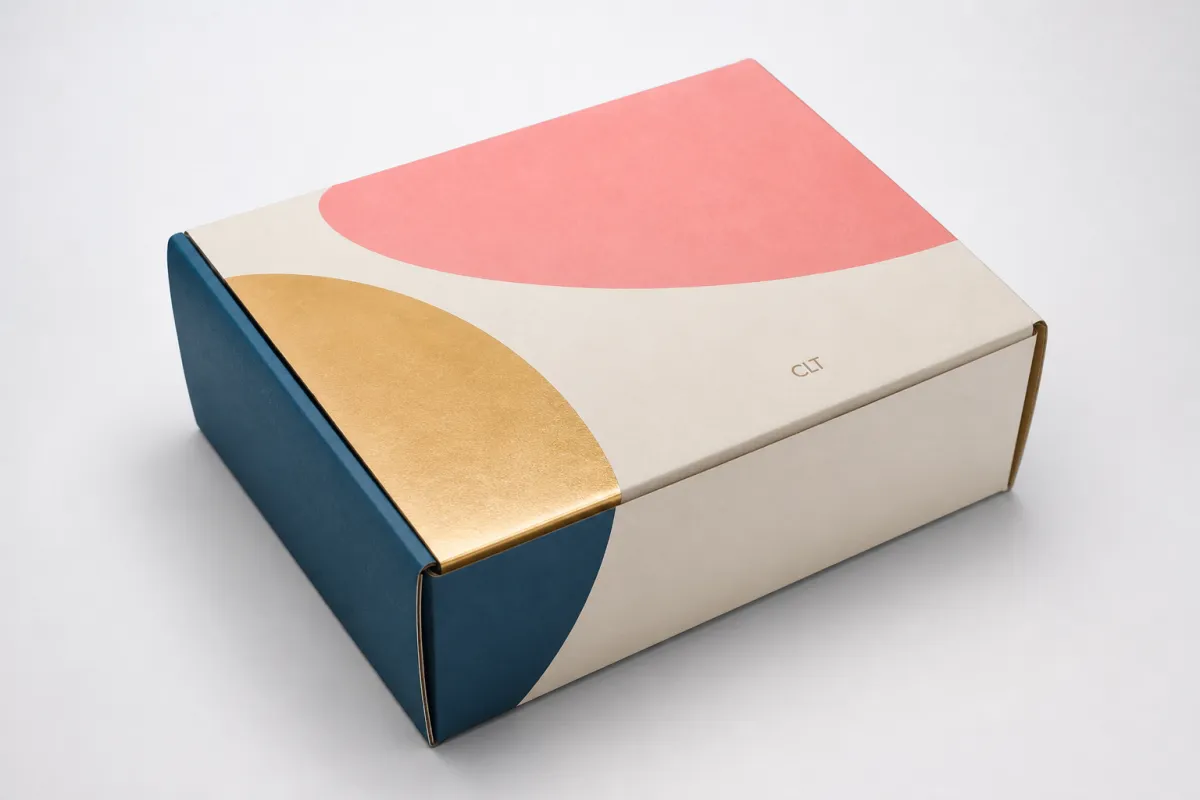
At the dock, the carton is the brand. That sounds blunt because it is. Before a parcel ever reaches a customer, it gets sorted, scanned, stacked, and handled by people who care about throughput, not branding decks. A printed shipper still changes the impression. A consistent surface signals care, and care signals competence.
That is why cmyk printed shipping boxes bulk works well for retailers, subscription programs, direct-to-consumer brands, and wholesale replenishment. The box can carry part of the brand load before the product is opened, which is useful when the unboxing moment is happening in a warehouse break room, a back office, or on a kitchen floor. It is not just decoration. It is identification, pacing, and presentation all at once.
In practical terms, a custom-printed shipper can reduce the need for separate branded labels, make carton identification easier, and keep the pack line moving with fewer interruptions. Even a modest time savings adds up. If a team saves just a few seconds per carton on a run of several thousand units, that becomes a visible shift by the end of the shift. Small math, big consequences.
From a buyer's point of view, cmyk printed shipping boxes bulk makes the most sense when the carton size is locked, the product mix is stable, and the artwork is not changing every month. Setup costs spread farther, reorders become easier to predict, and the risk of redesign shrinks. That is why this format suits recurring SKUs and replenishment programs better than one-off novelty projects.
It also helps to be honest about what a printed shipper is not. It is not a luxury gift box pretending to be freight packaging. If the carton will move through carrier networks and warehouse lanes, it needs to behave like transit packaging first. The print can be polished, even striking, but the structure still needs to carry the load. In plain terms, cmyk printed shipping boxes bulk should look intentional and still survive the truck ride.
“The best shipping box is the one that stays square, prints cleanly, and does not make the pack team swear at it.”
If you are comparing packaging formats across a wider line, the same logic applies to Custom Shipping Boxes, while lighter items may be better suited to Custom Poly Mailers. The right choice depends on product weight, shipping route, and how much protection the carton needs before it reaches the customer.
For companies building out a larger packaging system, Custom Packaging Products and Wholesale Programs can keep sourcing aligned across multiple SKUs. That makes life easier when one team is supporting both a core shipper and a seasonal launch. The cleaner the spec trail, the easier it is to reorder cmyk printed shipping boxes bulk without rebuilding the program from scratch.
Color consistency is the other piece people underestimate. A plain brown corrugated box hides a lot. A printed carton does not. If the logo sits too close to a fold, if the corners scuff, or if the artwork ignores the flaps, the flaw shows immediately. That is why the print plan has to be designed for the actual carton, not just the mockup. On screen and on corrugated are two different worlds.
CMYK Printed Shipping Boxes Bulk: product details and print setup
CMYK printing works well on corrugated because it can handle multi-color graphics, gradients, QR codes, and small text without requiring a separate plate for every color. In cmyk printed shipping boxes bulk, that matters when the design needs more range than a one-color or two-color line print can provide. It also fits buyers who want a sharper visual result without drifting into a specialty carton that pushes the budget where it does not need to go.
There are a few common print approaches. Outside-only print keeps the branding on the visible exterior panels and leaves the interior plain. Full-wrap coverage extends the artwork across multiple surfaces for a stronger brand presence. Limited-panel layouts keep high-wear areas cleaner, which can be smart for cartons that rub against stretch wrap, conveyor rails, or neighboring boxes. The best layout is usually the one that respects both scuff resistance and cost.
For high-volume cmyk printed shipping boxes bulk, artwork should be prepared with a proper dieline, bleed, and safe zone. The dieline shows where folds, cuts, and glue seams sit. The bleed gives the press room enough margin so color reaches the edge without white slivers. The safe zone keeps important text and logos away from folds and panel edges. Vector files are best for logos and text, while image assets should be high resolution so proofing does not become guesswork.
Good source files move the process faster. Send final dimensions, final artwork, and a clean dieline from the start, and you are already ahead of most delayed jobs. That matters even more for repeat runs of cmyk printed shipping boxes bulk, because once the size and layout are locked, the supplier can usually rerun the same setup with fewer proof rounds and less friction.
One detail buyers miss is how print coverage and box construction interact. A sharp exterior does not make up for weak corrugated board, poor score lines, or an underspecified flute profile. If the box bows under weight or the corners crush in transit, the print only highlights the damage. The box has to earn the graphic. Otherwise the carton ends up advertising the problem.
Digital printing is common for shorter or mid-size programs because it handles variable graphics efficiently and supports fast artwork changes. Offset printing still has a place, especially in programs that use printed liners or higher-end face sheets before lamination to corrugated. The choice depends on volume, finish requirements, and how strict the color match needs to be. For buyers comparing cmyk printed shipping boxes bulk, the print method should be chosen after the shipping spec is clear, not before it.
For compliance-sensitive or sustainability-focused programs, material sourcing can matter as well. If you need a better grasp of responsible fiber sourcing, review the basics at FSC. If you want to understand how transit abuse testing is commonly handled, the guidance on ISTA is useful, especially for shipments that face vibration, drop, or compression risk.
cmyk printed shipping boxes bulk is not just about putting color on corrugated. It is about choosing a print system that supports the way the carton is packed, stacked, shipped, and opened. Ignore any one of those steps, and the problem usually shows up later as damaged panels, awkward assembly, or artwork that looked perfect in the proof but fails in the warehouse.
Box specifications that affect shipping performance
The first spec to get right is the board. Single-wall corrugated is often enough for lighter ecommerce shipping loads, especially when the product is packed well and the carton does not need to survive brutal stacking. Double-wall construction starts to make sense when weight rises, when product edges are sharp, or when the box is likely to sit in transit longer. With cmyk printed shipping boxes bulk, print should never be selected before board strength. That order matters.
Flute profile matters too. B flute is often chosen for decent stacking and a flatter print surface, while C flute can add cushioning and compression resistance. E flute is thinner and can work where a cleaner print surface or less bulk matters. The right choice depends on product weight, crush risk, and whether the carton is built more for presentation or for transit packaging.
Size tolerance is another detail with real operational impact. If a box is too loose, product movement can increase the risk of edge crush, rubbed graphics, or a disappointing unboxing. If it is too tight, pack-out slows and the assembly team starts fighting the carton. On bulk orders, a quarter inch matters more than people expect because it affects fit, pallet layout, dimensional weight, and how many cartons a truck can carry.
cmyk printed shipping boxes bulk should also be checked against handling patterns. A carton moving through conveyor systems may need different seam placement than one loaded by hand. If tape or adhesive lands in the wrong spot, the box can bulge or open under pressure. A solid spec looks past the artwork and asks how the carton will be built, closed, labeled, and scanned on the line.
Finishing options deserve a careful look. A light varnish can help with scuff resistance. Moisture protection may matter if cartons sit on cold docks or move through humid conditions. A smoother outer surface can improve print sharpness, but only if the board and coating still fit the handling environment. Not every printed box needs a premium finish, but every bulk carton needs some thought about abrasion.
- Single-wall corrugated works well for lighter products, lower stacking pressure, and cleaner print economics.
- Double-wall corrugated is often better for heavier units, longer transit, or fragile contents that need extra package protection.
- Board test ratings such as 200# or 275# help compare strength, but they should always be matched to the actual distribution channel.
- Closure and seam design affect how fast the box packs and whether the carton stays square during handling.
- Internal inserts and partitions reduce movement and improve protection for mixed or multi-piece kits.
Carrier handling and warehouse readability matter just as much as print. If the box needs orientation marks, SKU IDs, or a label window, those details should be built into the artwork early. That is especially useful for cmyk printed shipping boxes bulk orders that support order fulfillment at scale, because the easiest carton to read is usually the easiest carton to process.
For buyers who need a practical shortcut, think of the spec in four parts: product weight, shipping distance, handling frequency, and stacking load. Those four variables usually tell you whether a light single-wall shipper will do the job or whether the program needs something stronger. The print comes after that decision, not before it.
Cost, pricing, MOQ, and quote breakdown
Pricing for cmyk printed shipping boxes bulk comes from box size, board grade, print coverage, finishing, artwork complexity, quantity, and destination freight. The simplest way to read it is this: larger cartons use more material, heavier board costs more, broader artwork coverage takes more production work, and smaller quantities carry a higher setup cost per unit. None of that is mysterious, but it does mean two boxes that look similar on screen can price very differently.
Bulk pricing improves because setup costs are spread across more units. Prepress, proofing, and press setup do not disappear just because quantity rises, so lower volumes usually carry a higher per-box cost. As the run gets larger, the unit cost often drops in steps. That is one reason cmyk printed shipping boxes bulk is so attractive for recurring programs rather than one-time launches.
Minimum order quantity is usually tied to production efficiency, not an arbitrary wall. A supplier may set MOQ to keep material usage efficient, reduce waste, or fit press scheduling. Digital printing can sometimes support lower minimums, while offset-style programs or laminated cartons may need larger quantities to make sense. If demand is borderline, ask whether a repeat-order plan can move you into a better cost band without clogging storage space. That conversation is often more useful than arguing about the starting number.
| Order band | Typical unit range | Best fit | Notes |
|---|---|---|---|
| 1,000 to 2,499 units | $1.10 to $1.85 | Launches, pilot SKUs, short campaigns | Higher setup share; digital printing often works well here |
| 3,000 to 4,999 units | $0.78 to $1.30 | Steady ecommerce shipping programs | Often a sweet spot for repeatable cmyk printed shipping boxes bulk |
| 5,000 to 9,999 units | $0.58 to $1.05 | Growing replenishment and wholesale orders | Better absorption of prepress and production changeover costs |
| 10,000+ units | $0.42 to $0.88 | High-volume order fulfillment and recurring cartons | Freight planning and storage space become part of the cost picture |
Those ranges are directional, not universal. A small carton with limited coverage may land below the middle of the range, while a large printed shipper with tight registration, special coating, or double-wall board may land above it. For accurate quotes on cmyk printed shipping boxes bulk, the supplier needs dimensions, product weight, quantity, artwork coverage, and delivery location in the same request. Leave one of those pieces out, and the quote slows down or becomes less reliable.
Compare quotes beyond the unit price. Ask what proofing is included, whether samples cost extra, whether freight is separate, and whether inserts, partitions, or split deliveries change the total. A lower unit price can disappear once shipping materials, packaging extras, or multiple delivery drops are added. The cleanest quote is the one that separates the box, the print, and the freight.
If the product is heavy or the route is rough, do not let price alone push you into a lighter carton. A weak box that crushes in transit costs more than a stronger one once returns and replacements are counted. That is especially true for cmyk printed shipping boxes bulk programs tied to customer-facing ecommerce shipping, where damaged corners or split seams can trigger avoidable service issues.
One useful habit is to ask for a quote structure that shows:
- final box dimensions
- board type and flute profile
- print coverage level
- quantity band
- freight destination
- any inserts, coatings, or special handling notes
That kind of request gives the supplier enough information to build a clean recommendation for cmyk printed shipping boxes bulk, and it gives you a fair comparison if you are reviewing multiple suppliers side by side.
Process, timeline, and production steps from proof to pallet
A well-run cmyk printed shipping boxes bulk order usually follows a predictable path: discovery, quotation, artwork review, proof approval, production, quality check, packing, and freight release. That sounds simple. The delays usually start when dimensions are unclear or the artwork keeps changing after the quote has already been approved. Better inputs at the start mean fewer corrections later.
Turnaround time depends on quantity, print complexity, material availability, and the shipping method selected. A straightforward run with locked artwork can move faster than a carton program that needs structural changes, coated board, or multiple revisions. In many cases, the production window after proof approval lands around 12 to 15 business days, but that can stretch if the job is large, the artwork is still moving, or the board has to be sourced to spec. For cmyk printed shipping boxes bulk, the safest timeline includes review time and freight transit, not just factory time.
The biggest delays usually come from the same places: a dieline that does not match the final product, last-minute dimension changes, and slow proof approval. When a buyer changes the box size after proofing, the whole production chain shifts. That happens across shipping materials and transit packaging, but it is far easier to prevent when the product dimensions are measured carefully and confirmed before artwork placement begins.
A good scheduling plan ties the box run to inventory demand. If the cartons support a product launch, they should arrive early enough for line testing and initial order fulfillment. If the cartons support a replenishment cycle, they should land before stock reaches the reorder point. Many buyers still order cmyk printed shipping boxes bulk too late and end up paying rush freight that eats into the savings from bulk pricing. That part is avoidable, which makes it more frustrating than it should be.
Communication matters at each stage. A supplier should tell you when the artwork is under review, when proofing is ready, when production starts, and when the cartons are packed and awaiting release. Constant chatter is not the goal. Clear checkpoints are. They let your warehouse team prepare receiving space and let procurement track the order without guessing.
For shipping programs that need more technical validation, test methods from ISTA can serve as a useful reference, especially for cartons that face vibration, compression, or drop risk across longer distribution chains. That matters even more when cmyk printed shipping boxes bulk is carrying heavier goods or multiple units in one master carton.
After production, quality control should confirm print alignment, color consistency, score accuracy, and structural integrity. Then the boxes are packed, palletized, and released for freight. A clean pallet pattern matters more than many people think; a loose pallet can damage corners before the cartons even leave the dock. In practical terms, the last mile of production still needs to respect package protection.
If you are planning a repeat program, build the reorder plan while the first run is still fresh. Save the approved artwork, the final box spec, the quantity band, and the preferred freight method. That makes the next cmyk printed shipping boxes bulk purchase easier to place, and it gives your operations team a stable format to work from instead of starting over every time.
Why choose us for CMYK printed shipping boxes bulk
Custom Logo Things approaches cmyk printed shipping boxes bulk as a packaging program, not just a print job. That distinction matters because a carton that looks good in a render but fails in transit is not a sound packaging decision. The right partner should look at fit, print consistency, closure strength, and how the box behaves once it enters the warehouse and carrier network.
What buyers usually need most is guidance that stays practical. If your artwork is strong but the dieline needs adjustment, that should be flagged early. If your carton dimensions are landing you in a bad dimensional weight tier, that should be fixed before production starts. If the print coverage is too heavy for the board surface, that should be said plainly. Those are the details that keep cmyk printed shipping boxes bulk from turning into a fix-it-later project.
Quote clarity is another part of the value. A useful proposal should make it easy to see what is included, what changes the price, and what the next approval step will be. Buyers should not have to decode the difference between print coverage, board grade, and freight charges just to compare two options. Clear pricing is especially useful for companies ordering through wholesale programs or managing multiple SKUs with different box sizes.
We also keep the conversation grounded in real handling conditions. A shipper that looks elegant on screen may still need stronger corners, tighter tolerances, or a different seam placement to work in a busy packing area. The best cmyk printed shipping boxes bulk solution supports the brand and the operation at the same time. That usually means fewer surprises in receiving, fewer damaged cartons, and fewer reorders caused by preventable spec mistakes.
Repeat-order reliability is another advantage. Once a carton spec is approved, the next order should not feel like starting from zero. The dimensions, artwork, and print setup should already be on file, which helps the next run move faster and gives procurement a dependable shipping material to plan around. If you are comparing suppliers, ask how they handle repeat runs and whether the approved spec is kept in a way that supports future production without unnecessary rework.
For buyers building a broader packaging system, the same mindset can carry over to Custom Packaging Products, Custom Shipping Boxes, and wholesale supply planning through Wholesale Programs. Strong packaging programs are rarely built from one carton alone. They are built from a repeatable set of specs that support different channels without creating chaos in the back room.
If you are evaluating cmyk printed shipping boxes bulk from a purely visual angle, it is easy to focus on the art and miss the mechanics. Evaluated from a production angle, the picture gets much clearer: the right board, the right print method, the right quote structure, and the right lead time are what make the program work. That is the part we care about most.
Next steps for CMYK printed shipping boxes bulk
If you are ready to move forward with cmyk printed shipping boxes bulk, start with a tight checklist. Send the final box dimensions, product weight, shipping method, target quantity, artwork files, and delivery window. If you already know whether the carton needs single-wall or double-wall construction, include that too. The more complete the request, the more accurate the quote will be.
Ask for the quote to separate the major variables clearly: print coverage, board grade, MOQ, and freight. That makes it easier to compare offers fairly, especially if one supplier is quoting a digital print path and another is quoting a laminated or offset-style build. A lower number is not useful if it hides a weaker structure or extra fees that appear later.
If the artwork is new or the fit is tight, approve a sample or proof before the full run. That extra step is usually worth it for heavier products, high-value products, or launches where a mistake would affect the entire campaign. A small sample cost is easier to absorb than a full pallet of cartons that needs rework. For cmyk printed shipping boxes bulk, proof discipline is usually cheaper than rescue work.
Once the first bulk order is moving, plan the reorder cycle. Save the approved files, note the final spec, and track how quickly the boxes move through your operation. If the run supports ecommerce shipping, compare carton usage against order volume so you know when to requeue production. If it supports retail replenishment, align the next run with your forecast so inventory does not sit stale in storage.
One practical rule helps almost every buyer: do not wait until the last pallet is gone before you start the next quote. That creates stress, pushes freight into rush mode, and leaves too little time for proof review. A smarter schedule keeps the next cmyk printed shipping boxes bulk order moving while the current batch is still in good shape.
When you are ready, gather the spec sheet, the artwork, and the target delivery date, then request a quote that reflects how the cartons will actually be used. That is the fastest way to turn cmyk printed shipping boxes bulk from a sourcing idea into a production plan that fits the operation without surprises.
How many cmyk printed shipping boxes bulk do I need to meet a workable MOQ?
MOQ depends on box size, board choice, print coverage, and the production method, so the best benchmark is the actual quote rather than a universal number. Higher quantities usually lower unit cost because setup and prepress are spread across more cartons. If your order is small but recurring, ask for a repeat-order plan so you can place a larger run once the design is approved.
Can cmyk printed shipping boxes bulk hold heavy products without crushing?
Yes, if the board grade, flute profile, and strength rating are selected for the product weight and the shipment method. Heavy products often need double-wall construction, tighter pack-out control, or internal inserts to keep the load from shifting. Ask for shipping-use guidance, not just print specs, so the carton performs in transit as well as it looks on the dock.
What files should I send for cmyk printed shipping boxes bulk quotes?
Send the dieline or box style, final dimensions, print art, quantity, shipping destination, and any special handling requirements. Vector artwork with outlined fonts is best, and any color references should be noted clearly for proofing. If you only have a concept, a rough layout can still start the quoting process, but final approval will need production-ready files.
How long does it take to produce cmyk printed shipping boxes bulk after proof approval?
Timeline depends on quantity, complexity, board availability, and whether the artwork is already locked. Straightforward bulk runs move faster when the proof is approved quickly and no size changes are made midstream. If the cartons are tied to a launch or restock date, build in time for review, freight transit, and a small cushion for unexpected revisions.
Are cmyk printed shipping boxes bulk better than labels on plain cartons?
Printed cartons usually create a cleaner, more integrated brand presentation because the artwork is part of the box itself. Labels can still work for short runs, but they may wrinkle, shift, or look less consistent on large shipments. If the shipping box is a major brand touchpoint, direct printing is often the better long-term choice.
cmyk printed shipping boxes bulk works best when the carton is treated as both a branding surface and a transit package. The real win is not just color on corrugated. It is a box that packs cleanly, holds up in shipping, and arrives looking like it belonged there from the start. The most useful takeaway is simple: lock the dimensions, choose the board for the route, and approve the proof before the run goes live. That is how the carton earns its keep.


