Buyer Fit Snapshot
| Best fit | Printed Shipping Box Sleeves projects where brand print, material claims, artwork control, MOQ, and repeat-order consistency need to be specified before quoting. |
|---|---|
| Quote inputs | Share finished size, material target, print colors, finish, packing count, annual reorder estimate, ship-to region, and any compliance wording. |
| Proofing check | Approve dieline scale, logo placement, barcode or warning zones, color tolerance, closure strength, and carton packing before bulk production. |
| Main risk | Vague material claims, crowded artwork, missing packing details, or unclear freight terms can make a low unit price expensive after revisions. |
Fast answer: Printed Shipping Box Sleeves: Board, Finish, Dieline, and Unit Cost should be specified like a repeatable production item. The safest quote records material, print method, finish, artwork proof, packing count, and reorder notes in one written spec.
Production checks before approval
Compare the actual filled-product size with the drawing, then confirm tolerance on folds, seals, hang holes, label areas, and retail display edges. Reserve space for logos, QR codes, warning copy, and material claims before decorative graphics fill the panel.
Quote comparison points
Review material grade, print process, finish, sampling route, tooling charges, carton quantity, and freight assumptions side by side. A quote is only useful when the supplier can repeat the same color, closure quality, and packing count on the next order.
A plain corrugated carton can feel surprisingly finished once printed shipping box sleeves are wrapped around it. That is the draw: printed shipping box sleeves give you a branded outer face without paying for a fully printed carton on every shipment. For ecommerce shipping, that matters because the base box can stay sturdy and straightforward while the sleeve carries the visual message. I like that balance because package protection and presentation stop fighting for the same budget.
There is a reason this format keeps showing up in subscription kits, product launches, and seasonal campaigns. printed shipping box sleeves are flexible, less costly than fully custom cartons, and much easier to revise when artwork, pricing, or messaging changes. The box underneath still has to fit the product and protect it in transit, and the sleeve still has to be sized correctly. No mystery there. Just practical packaging that does one job well.
Printed Shipping Box Sleeves: The Cheap Trick That Looks Custom
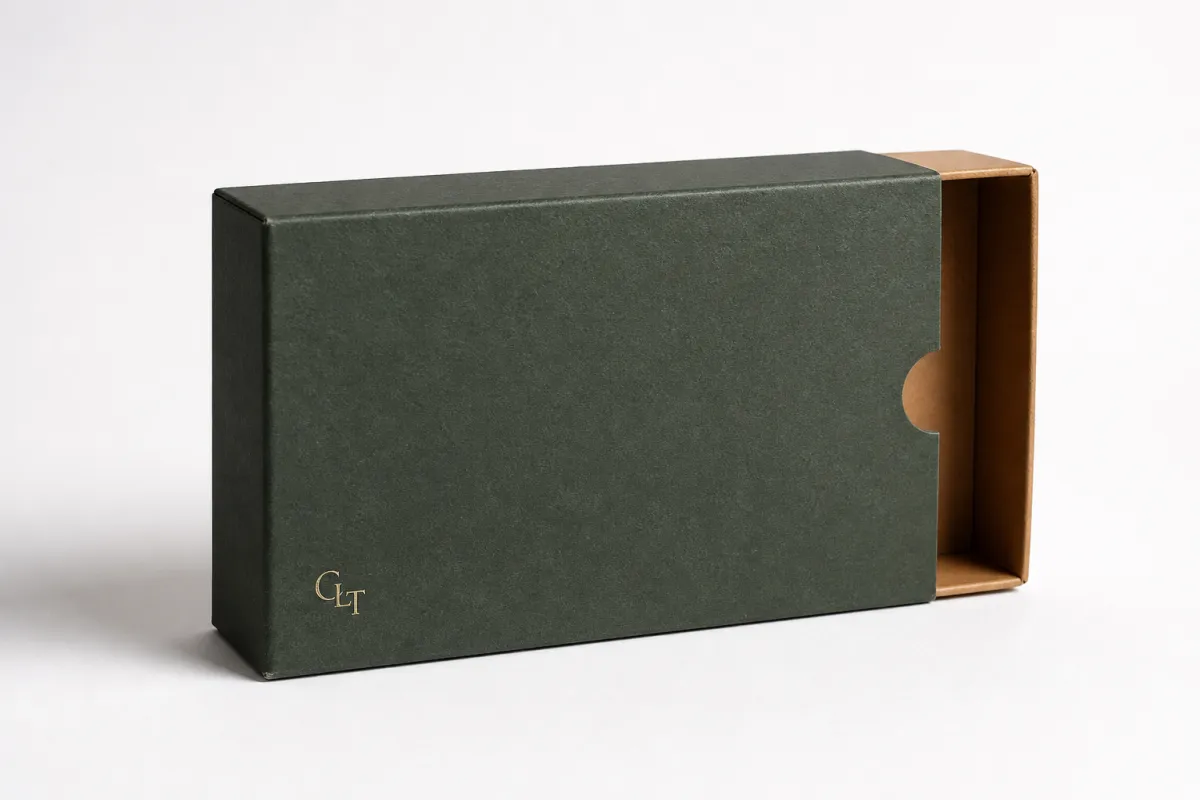
Here is the simple version. printed shipping box sleeves are printed wraps that slide over an existing shipping box. They can carry branding, directions, a launch note, a seasonal graphic, or a short URL for a campaign. The carton itself stays standard, which means you are not redesigning the whole package just to create a better first impression. That is especially helpful if you ship multiple SKUs or rotate artwork often.
From a packaging buyer's point of view, printed shipping box sleeves are a practical middle path. Fully Printed Corrugated Boxes look polished, but they usually come with larger inventory commitments and less room to pivot. Sleeves let you keep the shipping materials simple while still giving the shipment a deliberate, branded feel. For a lot of brands, that lands right in the useful zone between budget control and presentation.
The other reason printed shipping box sleeves work well is that they let the outer carton keep doing its real job. Corrugated board is built for structure, stacking, and package protection. The sleeve is not there to replace that. It is there to carry the branding load. That division makes sense because the box can remain plain kraft or white, and the sleeve becomes the first thing customers notice.
Plenty of brands overcomplicate this decision. They assume they need fully printed boxes because a plain carton feels unfinished. Then the reality shows up in inventory planning, print change costs, and the hassle of using one custom carton across multiple box sizes. printed shipping box sleeves solve that problem without asking you to commit every shipment to one rigid spec.
Practical rule: if your box size is stable but your messaging changes often, printed shipping box sleeves usually make more sense than printing every side of every carton.
That said, sleeves are not right for every project. If you need a rigid presentation box with a tightly choreographed unboxing reveal, a sleeve may not be enough on its own. If your shipments are rough, oversized, or likely to see heavy abrasion, scuff resistance deserves a hard look. Even so, for a lot of ecommerce shipping programs, printed shipping box sleeves are the cheapest way to look custom without turning the whole system into a luxury build.
If you are comparing packaging formats, it helps to look at the full system instead of the pretty surface alone. Pairing Custom Shipping Boxes with sleeves can work well for premium kits. For lighter items, Custom Poly Mailers may be the better fit. And if you are building out a broader rollout, Custom Packaging Products gives you a cleaner way to evaluate the lineup instead of guessing one item at a time.
How Printed Shipping Box Sleeves Work on the Packing Line
printed shipping box sleeves usually begin as flat printed sheets that are cut, scored, and folded into a wrap. The sleeve may lock with a tuck flap, a tab, adhesive, or a seam that holds the shape once it is wrapped around the carton. The exact structure depends on the box dimensions and how much tamper resistance or visual coverage you need. Simple idea, plenty of details. That is packaging in the real world.
The normal workflow is straightforward. Artwork gets approved, the dieline is checked, the sheets are printed, then the pieces are die-cut and scored. After that, the sleeves are folded, packed flat, and sent to the fulfillment team or staged for the packing line. At assembly, the sleeve is either pre-formed and slid over the box or opened and wrapped on the spot. printed shipping box sleeves can be manual, semi-automatic, or kitted in advance depending on order volume and labor setup.
For smaller runs, people often apply printed shipping box sleeves by hand. That works fine if you are shipping a few hundred or a couple thousand units and labor is already built into the pack process. At higher volume, though, the sleeve has to behave like a production component, not a craft project. If the wrap is awkward, slow, or fussy, the labor cost can swallow the savings quickly.
Fit is where good programs succeed and careless ones fall apart. The sleeve has to account for the assembled box size, board thickness, score tolerance, and closure style. A carton that measures 10 x 8 x 4 inches on paper may run a little large or a little small once it is folded and taped. If the sleeve is designed from the wrong dimension, it can twist, gape, or crush at the seam. That is how a polished art file ends up sitting on a poor fit.
printed shipping box sleeves also do more than branding. They can carry QR codes, return instructions, product education, launch notes, or a seasonal message that would be too risky to print on the box itself. That is useful for order fulfillment teams because the artwork can be updated without scrapping the base carton. One sleeve design can support multiple campaigns, which means less dead stock and fewer awkward leftovers.
In real operations, sleeves are often chosen because they support fast switching. A brand can run the same shipping box all quarter, then swap to a holiday sleeve, a clearance sleeve, or an influencer campaign sleeve without changing the carton spec. That is especially handy for ecommerce shipping programs where the same package might leave the warehouse with different inserts, different SKUs, and different messages depending on the day.
And yes, the sleeve still has to survive actual handling. If the printed surface rubs off inside the carton stack, or the wrap curls after a week in storage, the whole thing looks cheap. The point of printed shipping box sleeves is to get a polished result without turning your packing line into a bottleneck. If the sleeve makes the operation harder, it missed the mark.
Printed Shipping Box Sleeves: Cost, Pricing, and MOQ Basics
Money is usually where the theory gets tested. The price of printed shipping box sleeves depends on size, stock, print coverage, finish, cut complexity, and quantity. A small run with heavy ink coverage and soft-touch lamination will cost more than a simple one-color sleeve on uncoated kraft. That is not a supplier trying to hide anything. It is just print pricing doing what print pricing does.
For realistic budgeting, many buyers see printed shipping box sleeves land somewhere around $0.18 to $0.28 per unit at 5,000 pieces for a simple design, and more like $0.35 to $0.80 per unit for small runs, specialty finishes, or heavier coverage. If you need a tiny quantity, the unit price can climb fast because setup costs get spread across fewer pieces. Sometimes a quote looks inflated until you remember that die-cutting, proofing, and finishing all carry real cost.
MOQ matters more than people like to admit. Some suppliers will quote a low quantity, but the unit cost jumps hard if you are only ordering a few hundred sleeves. printed shipping box sleeves are often cheapest in the 2,500 to 10,000 range, especially if the artwork is stable and the dieline is already locked. Below that, you are paying more for setup and less for actual paper.
Here is a clean way to compare options without getting distracted by a low headline number.
| Option | Typical Quantity | Approx. Unit Cost | Lead Time | Best Use |
|---|---|---|---|---|
| Digital printed shipping box sleeves | 250 to 1,000 | $0.45 to $1.10 | 7 to 12 business days | Launches, tests, short campaigns |
| Offset printed shipping box sleeves | 2,500 to 10,000+ | $0.18 to $0.42 | 12 to 18 business days | Stable art, larger rollouts |
| Kraft printed shipping box sleeves | 1,000 to 5,000 | $0.22 to $0.55 | 10 to 15 business days | Natural look, restrained branding |
| Special finish printed shipping box sleeves | 2,500+ | $0.35 to $0.95 | 15 to 22 business days | Premium campaigns, retail display shipping |
The table above is not a promise. It is a buying frame. A sleeve printed with one color on recycled board will not price like a four-color sleeve with foil and spot UV. The part many teams miss is that the cheapest quote on printed shipping box sleeves only stays cheap if it includes the right proofing, cutting, and packing details. Leave those out, and the low quote tends to become expensive later.
Ask suppliers exactly what is included. Are pre-production proofs included? Is the die charge separate? Are revisions billed? Does shipping sit on top of the price or inside it? Are the sleeves packed flat or pre-assembled? Those questions matter because printed shipping box sleeves can look affordable at first glance and then lose their appeal once the add-ons appear.
The smartest tradeoff is simple: do not chase the lowest unit cost if the fit is off or the print quality is weak. A sleeve that rubs, splits, or slows down packing costs more in labor and replacements than a slightly pricier sleeve that works the first time. In order fulfillment, speed is part of cost. Waste is part of cost too. So is getting a shipment out the door on schedule.
If your program includes more than one format, compare the sleeve price against the rest of the pack line. Sometimes a standard box plus sleeve still beats a fully printed carton. Sometimes it does not. The answer depends on the number of SKUs, your dimensional weight constraints, and how often the artwork changes. There is no universal formula here. Packaging never makes life that tidy.
Process and Timeline: From Artwork to Delivery
The production path for printed shipping box sleeves usually starts with a brief and a size check. Then the supplier builds or confirms the dieline, which is the template that shows where each fold, score, and cut lives. After artwork setup, you get a proof. Sometimes you get more than one proof if the seam, bleed, or barcode area needs adjustment. That is normal. A clean proof stage is better than fixing avoidable mistakes after print.
A realistic timeline for printed shipping box sleeves is often 10 to 15 business days after proof approval for simple work, and 15 to 25 business days for specialty finishes, complex cuts, or larger runs. If someone promises less without asking about artwork, stock, and quantity, they are guessing. Guessing is not a supply chain plan.
Delays usually come from the same few places. The dieline is wrong. The bleed is missing. The art is too close to the seam. Someone approves the proof late. Then another person wants to change the QR code after the job is already queued. Suddenly your printed shipping box sleeves are waiting on a decision that should have happened days earlier.
If a launch date is real, build in cushion. I would rather see a brand plan for one extra week than watch a shipment miss a campaign because the proof was approved on a Friday afternoon and nobody noticed the barcode was sitting too close to the fold. That is how reasonable plans turn into expensive stories.
Here is a practical sequence that keeps the process under control:
- Lock the carton size and closure style first.
- Confirm the sleeve dimension against the assembled box, not a guessed spec.
- Prepare artwork with bleed, safe area, and seam awareness.
- Review a digital proof and ask for a physical sample if the sleeve will be handled a lot.
- Approve once, then stop changing things unless you enjoy paying for revisions.
printed shipping box sleeves move fastest when the inputs are clean. That sounds obvious, but the packaging world still gets buried in late artwork and vague measurements. If the box size is still being debated, do not send sleeve art to production. Wait. Get the carton right first. The sleeve only works if it is built on a stable base.
For brands that manage several packaging types at once, the timeline gets easier if you standardize the approval flow. Keep one person responsible for structural sign-off and one for art sign-off. Use the same naming system for files. Store the dieline, proof, and final PDF together. Small habits save real time when printed shipping box sleeves are tied to a live ecommerce shipping schedule.
Key Factors That Decide Whether the Sleeves Perform
The biggest factor is stock choice. printed shipping box sleeves can be made from SBS, CCNB, kraft, coated board, or heavier paperboard, and each option changes the look and behavior. A white SBS sleeve gives you clean color and sharp graphics. Kraft looks natural and less polished, which can be the right move if you want an earthy brand story. Heavier stock feels more rigid, but it can also be harder to fold and slightly more expensive to ship in bulk.
Print method matters too. Digital printing is flexible for smaller runs and faster changes. Offset printing usually makes more sense at higher volume or where color consistency matters most. If you are doing a holiday campaign with 800 sleeves, digital often wins. If you are rolling 10,000 units for a quarter, offset usually gives better economics. printed shipping box sleeves do not care about theory. They care about production reality.
Finishing changes both appearance and durability. Matte finish is quieter and often hides scuffs better. Gloss reads brighter on shelf and camera, but it can show fingerprints and rub marks. Soft-touch feels premium, though it costs more and can be less forgiving if the sleeves are handled a lot. Spot UV and foil can look sharp, but use them for a reason, not because someone in marketing asked to "make it pop" for the sixth time before lunch.
Performance also depends on box compatibility. A sleeve that fits the idealized carton size will still fail if the box changes by a few millimeters, the insert pushes the walls outward, or the closure style adds bulk. printed shipping box sleeves have to work with the exact carton, not the cleaner version sitting in a spreadsheet. Measure the assembled unit, not just the spec sheet. That saves both embarrassment and cost.
For package protection, you want the sleeve to stay put without making the box harder to open or seal. If the wrap slips, catches on tape, or tears when someone stacks it, that is a problem. For transit packaging, you also want the printed surface to survive abrasion. That is where finish, ink coverage, and storage conditions matter more than many teams expect. A sleeve sitting in a humid back room for three weeks can look very different from one that goes straight from carton to shipment.
There are also standards worth asking about. For distribution testing, many teams refer to ISTA testing guidance for drop, vibration, and compression expectations. If your sleeve relies on paper sourcing claims, FSC certification can help support responsible sourcing. That does not make the sleeve better by magic, but it does help make the program defensible. Pretty packaging is pleasant. A spec that survives real shipping is better.
printed shipping box sleeves also need to play nicely with storage. Flat-packed sleeves should stack without curling, and the printed finish should not block or offset when kept in cartons. If the sleeves are going into a warehouse environment with changing temperature or humidity, ask how the stock behaves before you approve a full run. I have seen very nice graphics ruined by very ordinary warehouse conditions. Nothing dramatic. Just avoidable.
One more thing: think about the customer experience in motion, not only at the moment of reveal. A sleeve that looks good on a desk can still fail if it forces extra tape, adds pack time, or creates awkward handling. The best printed shipping box sleeves earn their place by improving the brand without slowing the operation. If the line runs better without them, that answer is already telling you something.
Common Mistakes to Avoid Before You Order
The first mistake is measuring the wrong thing. People measure the inside box size and ignore board thickness, flap overlap, and folding variance. Then the sleeve arrives and sits too loose or too tight. printed shipping box sleeves need the assembled outside dimensions, not the number on a packing list. That small distinction causes more problems than it should.
The second mistake is crowding the seam. Logos, small text, and critical QR codes should not live where the sleeve locks or overlaps. That area can disappear visually once the wrap is assembled. If you place important copy there, you are asking for trouble in a narrow spot that gives you very little forgiveness. printed shipping box sleeves are forgiving in some ways, but seam placement is not one of them.
The third mistake is overordering a campaign-specific design. A sleeve built for one influencer drop or one holiday sale can become dead stock faster than expected. If the base box is standard, you can change the sleeve art later. That is the advantage. Use it. A stack of unused printed shipping box sleeves sitting in storage is not branding. It is clutter with a purchase order attached.
The fourth mistake is skipping the sample. A mockup on a screen does not show curl, fit, scuffing, or how the sleeve behaves when a packer is moving quickly. Sample a small run or at least request a physical proof if the order matters. A real sample of printed shipping box sleeves tells you more in ten seconds than a dozen email threads.
The fifth mistake is approving artwork before the structural details are locked. If the dieline changes after design approval, you may be paying for fixes that should have been avoided. Confirm the size, material, print method, and finish before you send final art. That sounds obvious. People still skip it every week.
Here is a quick checklist that helps reduce mistakes:
- Measure the assembled box with tape in hand, not memory.
- Keep important art away from folds and seams.
- Confirm the finish, stock, and print method before proofing.
- Ask for a sample if the sleeve affects packing speed or customer perception.
- Order conservatively for campaign artwork unless you know the design will be reused.
printed shipping box sleeves are not difficult to buy. They are easy to underestimate. Once you treat them as a structural item with a branding job instead of a graphic item with a box-shaped afterthought, the buying process gets much clearer. That shift saves money, time, and a fair amount of irritation.
Expert Tips and Next Steps for Printed Shipping Box Sleeves
If I were buying printed shipping box sleeves for the first time, I would keep the first order simple. One box size. One stock. One finish. That gives you a clean read on fit, cost, and handling. Once the system is proven, then you can add specialty finishes, alternate artwork, or another format for a different SKU line. Start boring. Boring is efficient.
Use sleeves strategically instead of trying to sleeve every shipment forever. The strongest use cases are product launches, seasonal campaigns, influencer shipments, subscription resets, and limited editions. Those are the moments where printed shipping box sleeves add clear value. If a package goes out every day with the same message, a fully printed carton or a simpler label system may be the smarter move.
Ask for quotes that show the variables separately. I want to see material, print method, die charge, finishing, quantity tiers, shipping, and sample cost. If a quote collapses all that into one number, you are being asked to trust the dark. Clear quotes make it easier to compare printed shipping box sleeves against other packaging materials and against the cost of doing nothing.
For quality control, a sample or short run is worth the time. Check the sleeve on the actual carton, under actual warehouse lighting, with actual packers handling it. If it has to move through a line quickly, test that too. You want the sleeve to improve the unboxing moment without making order fulfillment awkward. That is the whole point.
If your shipping profile changes a lot, think about how the sleeve works with dimensional weight, inserts, and the carton family around it. In some cases, a sleeve over a standard box gives you the best of both worlds: stable shipping materials and flexible branding. In other cases, a different format from the broader packaging line may save more money. The right answer depends on how many SKUs you ship, how often the art changes, and how much handling the package sees in transit packaging.
printed shipping box sleeves are not glamorous. They are useful. That is better. A good sleeve should fit the box, survive the trip, keep the brand visible, and not make your operations team curse under their breath. If it does all four, it is doing its job.
Before You Order, compare printed shipping box sleeves by fit, price, lead time, and brand impact. Then check the sample. Then approve the real dieline. That is the practical route, and it usually beats the expensive route.
If you build the program carefully, printed shipping box sleeves can give you a premium look without locking up cash in custom cartons that only work for one campaign. That is why I keep recommending them for brands that need flexibility, decent package protection, and tighter control over inventory risk. Smart packaging is not about spending the most. It is about spending where it actually shows up.
Frequently Asked Questions
What are printed shipping box sleeves used for?
printed shipping box sleeves wrap around a standard shipping box to add branding, instructions, or campaign messaging without changing the carton itself. They are useful when you want a custom look but do not want to pay for fully printed boxes on every order. They also make it easier to update seasonal artwork or marketing copy without replacing your core packaging.
How much do printed shipping box sleeves usually cost per unit?
Price depends on size, material, print coverage, finish, and quantity, so there is no honest one-size answer. Small runs of printed shipping box sleeves cost more per sleeve because setup and cutting get spread over fewer pieces. Ask for tiered pricing so you can see where the unit cost drops enough to justify ordering more.
What is the normal production timeline for printed shipping box sleeves?
A typical timeline includes dieline setup, proofing, approval, production, finishing, and shipping. Simple printed shipping box sleeves move faster; specialty finishes, custom cutting, or artwork revisions add days or weeks. Build in extra time if the sleeves are tied to a launch date, since approvals usually take longer than anyone wants.
How do I know if my box size will work with printed shipping box sleeves?
Measure the exact assembled box dimensions, not just the nominal size on the spec sheet. Account for board thickness, folding tolerances, and any inserts or closures that change the outer shape. A sample fit test is the safest way to confirm printed shipping box sleeves will slide on cleanly and stay aligned.
Are printed shipping box sleeves better than fully printed boxes?
They are usually cheaper, faster to update, and easier to store because the base box stays standard. Fully printed boxes can look more integrated, but they usually require more inventory commitment and higher tooling cost. printed shipping box sleeves win when flexibility matters more than printing every surface of the carton.


