Coffee Roaster Soft Touch Poly Mailers Bulk Order Plan
coffee roaster soft touch poly mailers Bulk Order Planning gets a lot easier once the mailer stops being treated like a throwaway shipper. Most problems are not dramatic failures. They are small, ugly ones: scuffed finishes, weak seals, crooked labels, packages that look tired before the customer opens them. A soft-touch poly mailer solves part of that immediately. It gives coffee roasters a cleaner outer layer for sample packs, subscriptions, and merch without jumping to a rigid box. The catch is that the order only works if size, print, minimums, and timing are locked before the quote turns into a production schedule.
That last part matters more than most buyers want to admit. Coffee fulfillment is rarely steady. Seasonal blends move. Wholesale sample kits spike. Holiday merch lands all at once. If you order only against this week’s demand, you end up paying for new proofs, new freight, and avoidable rush charges. A good plan matches the mailer spec to the shipping pattern, not to some optimistic spreadsheet that assumes every month behaves itself.
Coffee roaster soft touch poly mailers bulk order planning: why it works
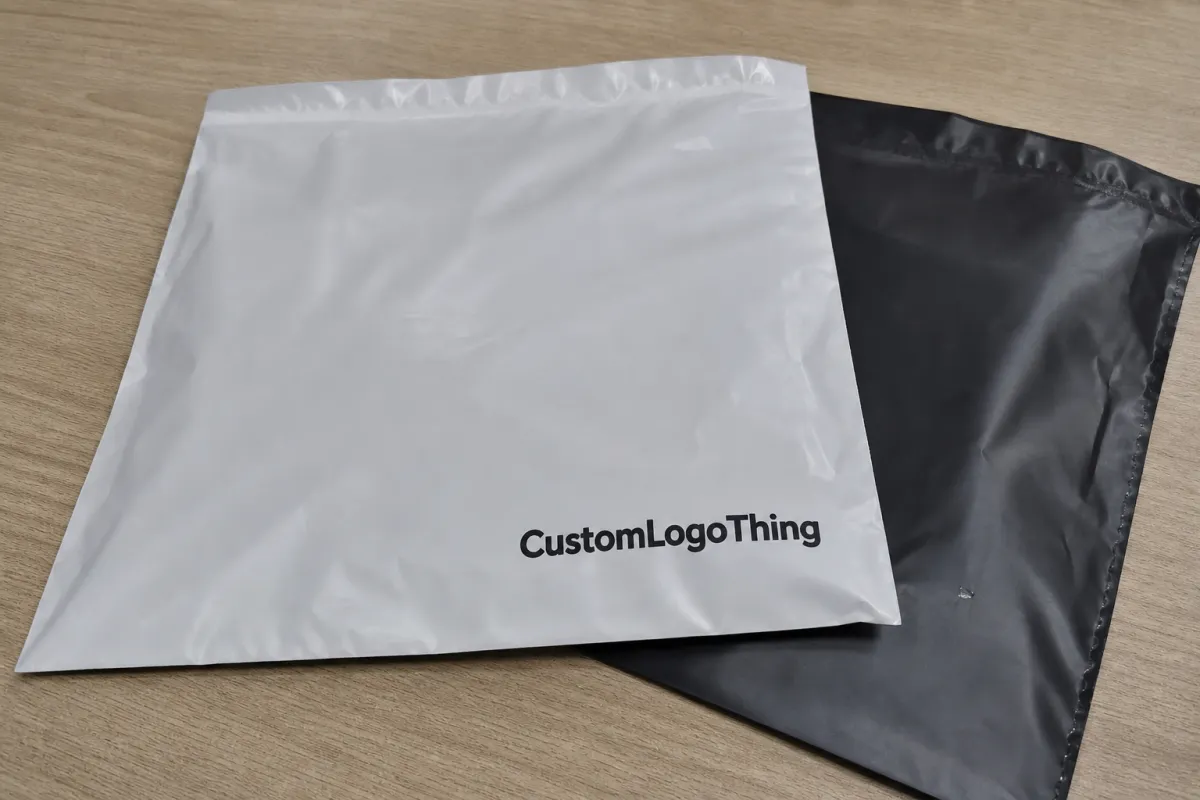
Mailers do one job well: protect the shipment and present the brand cleanly. The inner coffee pouch handles freshness. The outer mailer handles abrasion resistance, light weather protection, and first impression. That split is useful. If you ask one package to behave like both a shipping carton and a retail pouch, you usually end up with something more expensive and still not quite right.
Soft-touch film changes the feel right away. The matte, velvety surface hides fingerprints better than glossy poly and does a better job of muting light scuffs. That matters for subscription boxes and sample shipments, because those are often the first touchpoint a customer has with the brand. If the outside looks cheap, the roast inside has to spend the next five seconds defending your pricing. Not ideal.
Bulk planning also protects the fulfillment team. One standardized mailer can cover sample packs, subscription refills, and limited-run merch as long as the filled dimensions stay within range. That kind of standardization is boring in the best way. It cuts label mistakes, keeps pack-out faster, and reduces the number of SKUs someone has to hunt for on a busy morning.
If the product ships in a sealed inner pouch, judge the outer mailer on fit, seal reliability, and presentation first. Puncture resistance matters too, but weak branding or sloppy sizing usually causes more damage to the order than a rare tear.
For coffee roasters that sell direct-to-consumer and wholesale samples, a consistent outer shipper also helps the brand look disciplined across product lines. The customer should not see one personality for subscriptions and a completely different one for wholesale kits. If the same mailer can handle both, the spec is working.
Soft-touch poly mailer product details that buyers actually need
The phrase “soft touch” sounds cosmetic, but the finish does useful work. It is usually a matte coating or lamination that creates a low-glare, almost rubbery hand feel. That finish elevates perceived value without the weight or labor of a rigid carton. It also gives logos better contrast under normal light, which helps the package read as intentional instead of generic.
Film build is the first spec to pin down. Most custom soft-Touch Poly Mailers land around 2.5 to 4 mil, depending on the structure and how the vendor measures it. Thicker film gives a richer feel and better abrasion resistance, but unit cost rises with it. For coffee shipments, 3 mil is a practical middle ground for sample packs and light apparel. Four mil starts making sense when the shipment is heavier, handled often, or likely to travel rough routes.
The adhesive strip is not a side note. Seal failures create returns, and returns are expensive in every direction: labor, customer goodwill, and re-ship cost. Ask for seal width, adhesive type, and whether the flap is meant for one-time closure or a stronger bond. A wider seal zone usually helps when the fulfillment team packs quickly. Tear notches or tear strips are worth asking about too. They reduce the awkward scissor moment at the kitchen counter, which is more common than packaging teams think.
Print spec needs equal discipline. One-color logos are still the cleanest and usually the cheapest. Multi-color work well if the artwork is simple and registration is controlled. Full-bleed coverage looks premium, but it uses more ink and can complicate setup. Barcode placement, return-address placement, and shipping-label clear zones should be planned together. If those decisions are left until proof review, someone usually ends up moving art that should have stayed put from the start.
- Best uses: sample packs, subscription refills, roast merch, launch kits, wholesale samples
- Best finish: matte soft-touch for premium feel and lower scuff visibility
- Best closure: pressure-sensitive adhesive with enough flap width for reliable sealing
- Best add-ons: tear notch, return-address panel, barcode-safe zone, and clear label area
One point needs to be explicit: this is an outer shipping package, not a direct food-contact package unless the material spec and compliance documents say otherwise. Coffee roasters should keep freshness inside the inner bag and use the mailer as branded protection. If sourcing documents matter internally, references from ISTA and FSC can help frame conversations about testing and material sourcing.
Compared with a plain stock mailer, a custom printed soft-touch version changes more than appearance. It affects pack line labor, brand consistency, and how easy it is to standardize the shipping process. For broader packaging formats, see Custom Packaging Products or the dedicated Custom Poly Mailers page.
Size, seal, and print specs to lock before ordering
Start with filled dimensions, not the flat bag size printed on a spec sheet. A coffee pouch with a valve, an insert card, and a shipping label can swell the package faster than expected. Buyers regularly choose a mailer by width alone and then discover the flap overlaps the product once everything is inside. That mistake is annoying, and it is completely avoidable.
For coffee roasters, the size bands are usually predictable. Small sample sets often fit in 6x9 or 8.5x11. Subscription refills and a single pouch with a card usually land in 9x12. Larger bundles, promo kits, or two-bag shipments often need 10x13. The right answer depends on the actual filled thickness, not the marketing description of the pack.
Seal spec deserves the same attention. Ask for adhesive strength, seal width, and whether the flap is designed for one-time closure or a stronger bond. A wider seal zone helps when the line moves fast and the team wants fewer rejects. A tear feature is worth a small cost increase if your customers care about the opening experience. They usually do, even if they never say it that way.
Print spec should be defined before artwork approval, not after. Safe zones, bleed, barcode clear areas, and label placement all need to be set up front. Do not let the logo cross a seam. Do not place a strong illustration where the shipping label will hide it every time. Those problems show up in proofs because somebody skipped one obvious question. Usually two.
| Option | Typical Best Use | Usual Price Range | Notes |
|---|---|---|---|
| Stock mailer + label | Low-volume fulfillment, fast starts | $0.08-$0.18 per unit | Cheaper upfront, weaker brand presence, more label labor |
| Custom printed soft-touch mailer | Subscriptions, samples, merch, launches | $0.18-$0.28 per unit at 5,000 pieces | Better presentation, higher setup cost, stronger repeat value |
| Heavy-gauge custom mailer | Heavier bundles or rough transit | $0.24-$0.38 per unit | More material cost, more protection, still lighter than a box |
Before approving production, test the exact coffee bag, insert, and label together. One physical mockup catches what a screen never will. If the mailer bulges, slides around, or hides the shipping label, fix it before buying in bulk. Changing a spec before production is cheap. Changing it after 10,000 units are boxed is not.
Cost, pricing, MOQ, and quote levers for bulk orders
Price is driven by a short list of practical levers: size, film thickness, finish, number of print colors, ink coverage, and whether the design is full bleed. Larger bags cost more because they use more film. Thicker film costs more because the material bill goes up. Soft-touch finish adds cost because it introduces another surface step. Nothing mysterious there.
For Custom Printed Mailers, MOQ often lands between 1,000 and 5,000 units, depending on the factory and whether the size is stock or custom. Lower minimums are more common when the size is standard and the print is simple. Custom dimensions, heavier film, or more complicated artwork usually push the threshold upward. If a quote looks unusually cheap at a low MOQ, read the fine print. The extra cost is usually hiding in setup or freight.
Tier pricing usually improves at 5,000, 10,000, 25,000, and 50,000 units. That happens because setup gets spread across more bags and the press runs more efficiently. Buyers planning subscriptions and seasonal launches should ask for those breakpoints before choosing a quantity. Sometimes the next tier adds only a little cash and cuts the unit cost enough to matter. Sometimes it does not. Better to know than guess badly.
Budget for the annoying line items too:
- Setup or plate fees: often separate from unit price
- Sample charges: sometimes credited back on bulk confirmation, sometimes not
- Freight: air, ocean, and domestic delivery can swing landed cost a lot
- Rush production: possible, rarely cheap
- Artwork changes: revision cycles can add time and sometimes cost
The comparison most coffee buyers need is landed cost, not just factory price. A stock mailer plus label can look cheaper on paper, but custom packaging often wins once repeat fulfillment, branding, and volume are factored in. Freight can erase the apparent savings on a small order. That is why coffee roaster soft touch poly mailers Bulk Order Planning should always include shipping and setup, not just the unit quote.
If you run multiple programs, ask about Wholesale Programs so sample packs, retail shipping, and private-label lanes can be priced with the same logic. Fewer surprises later. Buyers usually appreciate that more than another polished sales line.
Process and lead time from artwork to delivered stock
The production path is simple if someone runs it like a project instead of a loose email chain. The usual sequence is brief, dieline, artwork, digital proof, sample or prepress approval, production, packing, and shipping. If any one of those steps is unclear, the schedule slips. That is usually a coordination problem, not a factory problem.
Lead time is more predictable than many buyers expect, as long as the artwork stops changing halfway through. Proofing often takes 1 to 2 days. Samples can take 3 to 7 days. Production commonly sits around 10 to 25 business days, depending on film structure, print complexity, and the factory queue. First orders are slower because setup and approval happen once. Reorders are faster because the spec already exists.
Shipping changes both calendar and cost. Air freight cuts transit time and raises landed cost. Ocean freight lowers the shipping rate but demands more lead time and better planning. If a launch date is fixed, build backward from that date and leave room for proof review, sample approval, and freight delay. Otherwise the packaging schedule becomes the reason the campaign misses its own deadline. That story is more common than anyone wants to say out loud.
Rush options exist, but they are not magic. They can compress proof review, limit finish choices, and raise cost enough that the time saved gets expensive. Use rush when the launch is already sold and packaging simply needs to catch up. If the launch is still fluid, the rush fee is usually a sign to slow down and clean up the plan.
The easiest way to move faster is to send one complete packet: finished dimensions, artwork files, target quantity, ship-to ZIP code, and launch date. That cuts the back-and-forth and gets a real quote sooner. If the supplier has to ask five clarifying questions before sizing the bag, the order is not ready yet.
Quality control should happen at three points: proof review, pre-production sample approval, and receiving inspection. Check print alignment, adhesive coverage, seal uniformity, and whether the finished bag stays flat enough for label application. A few minutes spent on those checks saves a lot of time later, especially if the order is going into recurring fulfillment.
Why buyers reorder from a manufacturer instead of a broker
Direct manufacturing gives tighter control over film consistency, print registration, adhesive performance, and color matching from batch to batch. That matters when the same mailer spec has to support sample packs, refill shipments, and merch programs. A broker can be fine for a simple purchase, but the more specific the packaging gets, the more valuable direct oversight becomes.
Continuity is the real advantage. If a seasonal blend and a subscription line use the same mailer size, the branding should stay consistent even when the order volume shifts. A manufacturer can usually adjust dimensions, artwork placement, or stock planning with less friction. Brokers add another layer of translation, and translation is where details slip. Small details. Expensive details.
Reorders also move faster when the spec already exists. No new guessing. No debate over seal width. No fresh argument about whether the label area moved because someone “improved” the layout. That consistency is why coffee roaster soft touch poly mailers Bulk Order Planning works best when the relationship is direct and the spec stays stable.
Direct buying makes pricing easier to read too. You can see whether the difference comes from film thickness, print coverage, or freight instead of wondering which middleman added margin where. That transparency helps on the next order because you already know what can be trimmed and what should stay.
Brokers still have a place, especially for small one-off buys or odd mixed orders. But if repeat volume, tighter timelines, or seasonal launches are part of the plan, manufacturer-direct is usually the cleaner path. It is less glamorous. It also tends to work better.
Next steps to place a clean bulk order without delays
Send one clean message with the essentials: finished dimensions, artwork, target quantity, ship-to ZIP code, and launch date. That alone removes a lot of friction. Then ask for quotes at 2 to 3 quantity tiers so unit cost and landed cost can be compared before the print run is chosen.
Request a proof and, if possible, a physical sample with the actual coffee pouch and label placement before approving production. A digital proof can hide a fit problem. A physical sample usually exposes it quickly. If the mailer bulges, shifts, or buries the shipping label, fix that before the bulk order starts.
Confirm the lead time, freight method, and backup plan for late approvals. A good supplier should be able to explain what happens if artwork changes, sample approval slips, or freight runs long. That conversation is better before production than after cartons are sitting in a port.
Work backward from the launch date: launch day, inbound freight, production window, proof approval, artwork finalization. That is the sequence. Not hope. Not “we’ll see.” Real deadlines.
If the next order needs to be boring, get the spec sheet right, compare the tiers, and approve the proof. That is the clean path for coffee roaster soft touch poly mailers Bulk Order Planning, and it keeps the packaging sharp without turning it into a drama.
What size soft touch poly mailer should I use for coffee sample packs?
Choose the size based on the filled pouch, not the flat bag alone, because inserts and labels change the fit quickly. Small sample sets often fit in 6x9 or 8.5x11 mailers, while multi-bag shipments usually need 9x12 or 10x13. Test the exact coffee bag and shipping label before placing a bulk order.
How is bulk pricing for custom coffee roaster mailers calculated?
Price usually follows size, thickness, finish, print colors, and how much of the surface is covered. Higher quantity breaks typically lower unit cost at 5,000, 10,000, and 25,000 units. Ask for landed cost, not just factory price, because freight and setup fees can change the real number fast.
What lead time should I plan for a first custom mailer order?
Proofing may take 1 to 2 days, samples 3 to 7 days, and production 10 to 25 business days depending on the spec. First orders take longer because dielines, artwork, and approval happen before production starts. If the launch date is fixed, build the schedule backward and leave room for freight.
Can one mailer work for subscriptions and wholesale sample kits?
Yes, if the filled dimensions and branding are planned around the larger of the two uses. Use one spec when the product mix is close enough to avoid bag distortion or excess empty space. If the pack sizes vary a lot, separate mailer sizes usually cost less than forcing one oversized option.
Are soft touch poly mailers enough protection for coffee shipments?
They work well as an outer shipper for coffee that is already sealed in an inner bag. They protect against scuffing, light moisture exposure, and basic abrasion better than plain paper packaging. For fragile inserts or heavy merch, confirm the thickness and seal spec before buying in bulk. If more packaging support is needed, review the options in our FAQ before placing the order.


