Buyer Fit Snapshot
| Best fit | compare rigid boxes vs folding cartons for packaging buyers comparing material specs, print proof, MOQ, unit cost, freight, and repeat-order risk where brand print, material, artwork control, and repeat-order consistency matter. |
|---|---|
| Quote inputs | Share finished size, material target, print colors, finish, packing count, annual reorder estimate, and delivery region. |
| Proofing check | Approve dieline scale, logo placement, barcode or warning zones, color tolerance, and any recyclable or compostable wording before bulk production. |
| Main risk | Vague material claims, crowded artwork, or missing packing details can create delays even when the unit price looks attractive. |
Fast answer: Compare Rigid Boxes vs Folding Cartons: Dieline, Finish, Proof, and Buyer Review should be specified like a repeatable production item. The safest quote includes material, print method, finish, artwork proof, carton packing, and reorder notes in one written spec.
What to confirm before approving the packaging proof
Check the product dimensions against the actual filled item, not only the sales mockup. Ask for tolerance on folds, seals, hang holes, label areas, and retail display edges. If the package carries a logo, QR code, warning copy, or legal claim, reserve that space before decorative graphics fill the panel.
How to compare quotes without losing quality
Compare board or film grade, print process, finish, sampling route, tooling charges, carton quantity, and freight assumptions side by side. A lower quote is only useful if the supplier can repeat the same color, closure quality, and packing count on the next order.
Quick Answer: Compare Rigid Boxes vs Folding Cartons
Every time I Compare Rigid Boxes vs Folding cartons on a factory floor, the answer is less glamorous than the render and more useful than the sales pitch. The “better” box is usually the one that fits the product, the freight lane, the sales channel, and the margin you still have left after everyone else has taken their bite. I’ve stood next to a cosmetics launch in Dongguan where the rigid sample looked gorgeous under studio lights, then watched the buyer stare at the pallet plan and realize the inbound freight bill was about to punch a hole in the budget. Pretty box. Painful math. Happens all the time. On that job, the rigid sample came in at $1.28 per unit for 5,000 pieces, while the folding carton option with a 350gsm C1S artboard and matte aqueous coating landed at $0.24 per unit. The CFO did not need a poetry reading. He needed the lower number.
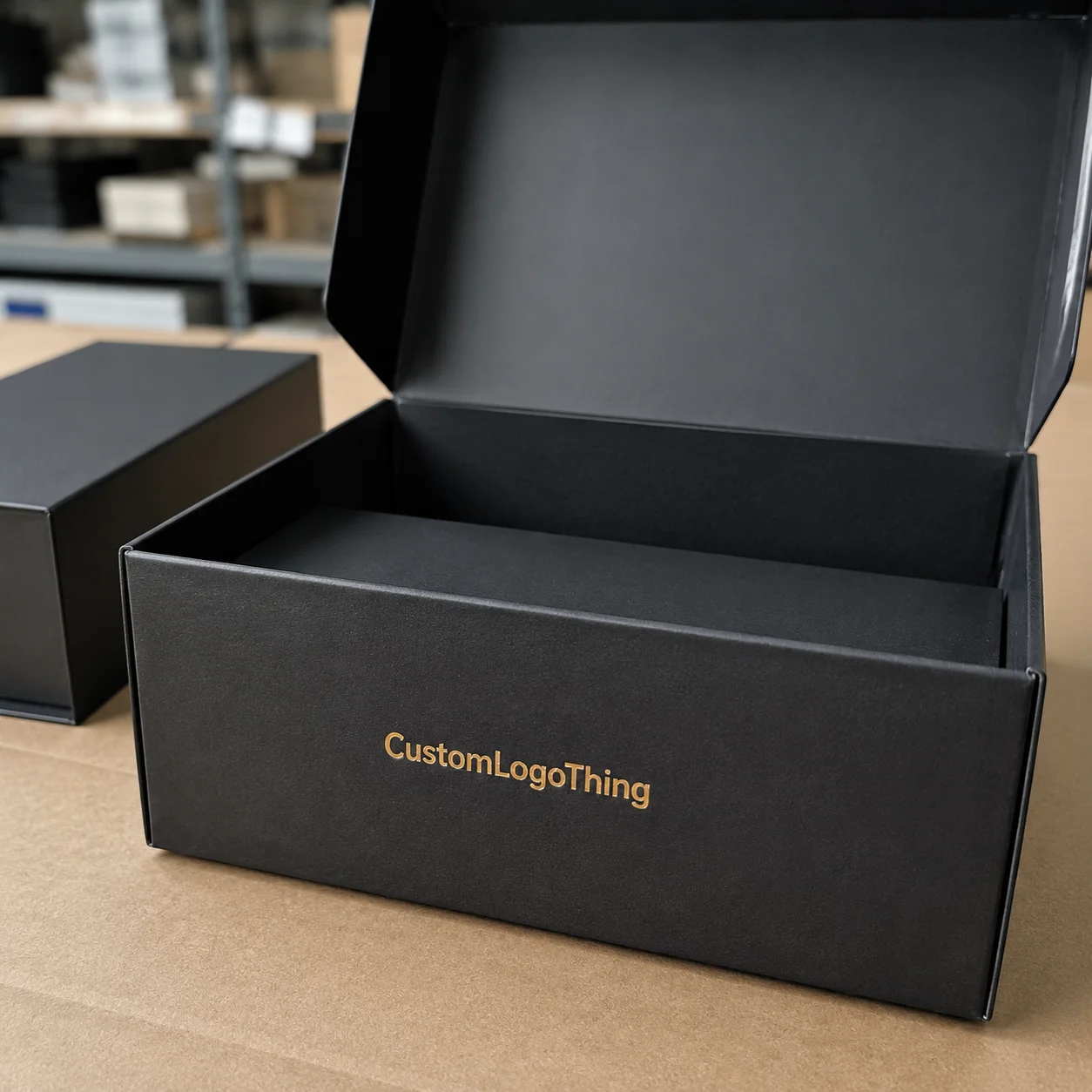
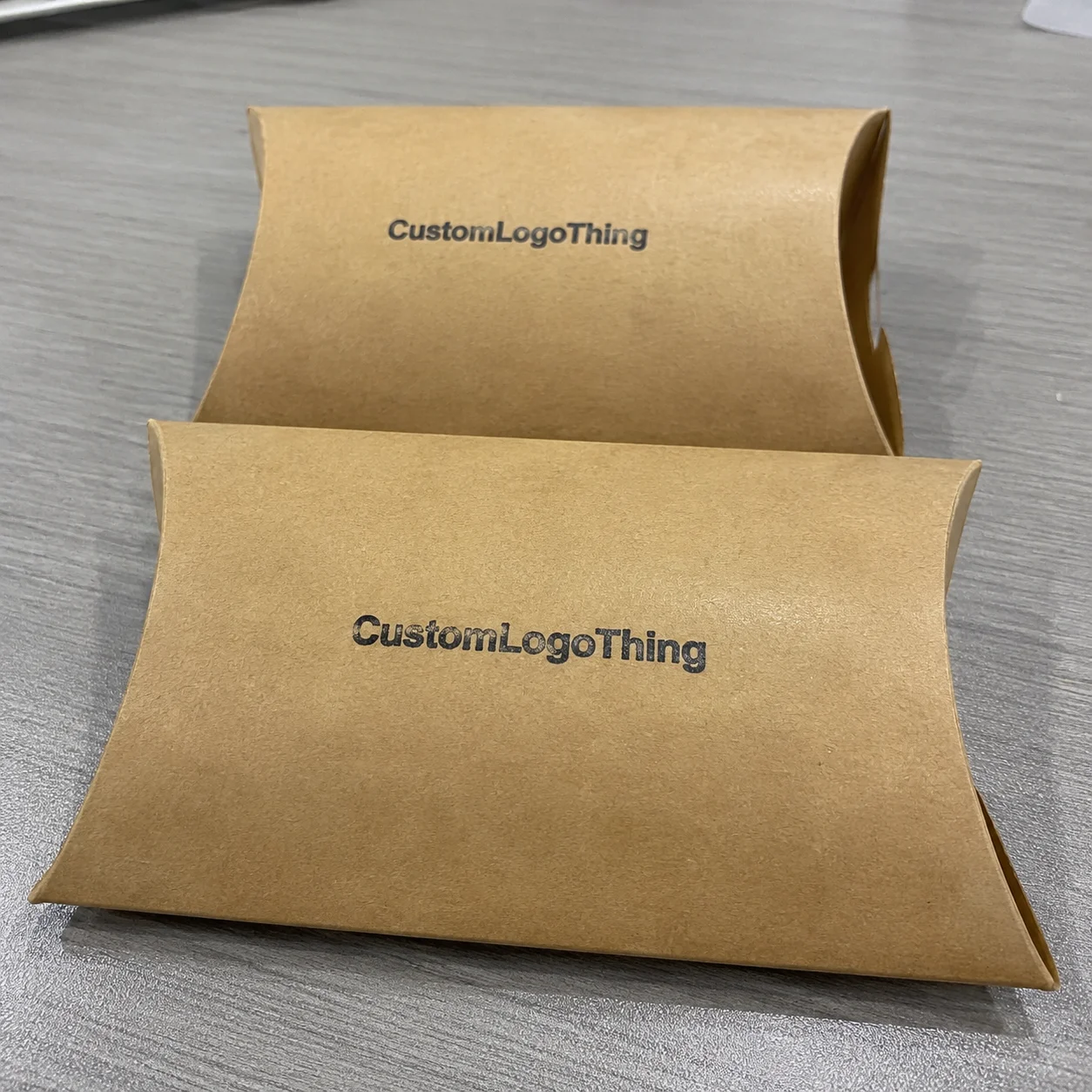
Rigid boxes are pre-formed presentation boxes made from thick chipboard and wrapped with printed or specialty paper. Folding cartons are printed board cartons that ship flat and get converted into shape later. If you compare rigid boxes vs folding cartons by feel alone, rigid boxes usually win. If you compare them by storage density, folding cartons usually win. Brands need to compare rigid boxes vs folding cartons across the stuff that actually matters: print quality, assembly time, protection, lead time, and the total landed cost that ends up on finance’s desk. In practice, that means looking at a 1.5 mm chipboard Rigid Box Versus a folding carton on 350gsm C1S or 400gsm SBS, then checking what 10,000 units do to your warehouse cube in Los Angeles, Chicago, or Rotterdam.
“The box that wins the unboxing video can still lose the budget meeting.”
I said something close to that in a Shenzhen meeting after we tested two packaging routes for a small luxury watch brand. The rigid box got applause from the sales team. The folding carton line made more sense for replenishment stock because the retailer was ordering smaller batches, more often, and wanted the warehouse moving fast. That’s the practical answer when you compare rigid boxes vs folding cartons: rigid boxes usually win on perceived luxury and presentation, while folding cartons usually win on cost efficiency, flat storage, and fulfillment speed. The watch program also had a 14-business-day window from proof approval to carton delivery, while the rigid route needed 19-22 business days because of manual wrapping and magnet insertion.
For commercial buyers, the decision is simple and annoying. If your product is giftable, high-margin, or sold in a premium retail environment, a rigid structure can earn its keep. If your product is high-volume, lightweight, frequently reordered, or pushed through multiple warehouses, folding cartons usually make more sense. Compare rigid boxes vs folding cartons the right way, and you’re not just looking at the carton. You’re looking at materials, tooling, finishes, freight, labor, and the hidden costs people forget to mention until the quote arrives. A 5,000-piece run in Guangdong can look cheap until you add custom inserts, export cartons, and air freight because marketing forgot to approve artwork on time. That part is very on brand, unfortunately.
Top Options Compared: Compare Rigid Boxes vs Folding Cartons by Use Case
When brands ask me to compare rigid boxes vs folding cartons, I start with the product type. The use case tells you more than a catalog ever will. Premium cosmetics often need a box that feels sturdy in hand and photographs well on a vanity. Jewelry packaging usually leans toward magnetic closures, drawer pulls, or book-style rigid constructions that make the first impression count. Tech accessories sit somewhere in the middle. Earbuds, power banks, and smart home add-ons can work beautifully in folding cartons if the inner tray protects the product, but premium editions often move into rigid territory to support a higher price point. A 60 mm x 120 mm wireless earbud set, for example, can ship in a tuck-end folding carton with a pulp tray for roughly $0.18-$0.32 per unit in Shenzhen or Xiamen, while the same product in a magnetic rigid box with wrapped chipboard often lands at $0.95-$1.60 per unit at 3,000 to 5,000 pieces.
Gourmet food packaging is another one that sounds easy until you’re sitting in the room with operations and sales. I’ve seen tea sets, chocolate assortments, and specialty oils packaged both ways, and the decision usually comes down to shelf presence and shelf life requirements. Folding cartons often make more sense for retail display when the packs need to stack neatly and move through a fast warehouse. Rigid boxes often make more sense for gift assortments and seasonal sets, especially if the customer is likely to keep the package after opening. That is one reason compare rigid boxes vs folding cartons is so useful for brands selling in both retail and direct-to-consumer channels. A tea sampler launched out of Qingdao with a 400gsm SBS folding carton and glossy aqueous coating moved through a 12-store test in 11 days of shelf time, while the rigid collector’s box version was reserved for a holiday set sold in 2,000-unit drops in Toronto and Vancouver.
Apparel accessories and subscription kits can go either way. Socks, belts, scarves, and small leather goods often fit folding cartons well because the pack is light and easy to decorate. When the subscription kit is built around a curated experience, rigid boxes can slow the moment down in a good way. The product feels special before the lid even lifts. I watched a coffee subscription client switch from folding cartons to rigid mailers for a collector’s edition, and the jump in perceived value was real enough that the higher box cost stopped being a problem. They paid about $0.22 per folding carton in Ho Chi Minh City and $1.05 per rigid mailer in Dongguan, but the collector kit sold at a $12 higher retail price and still cleared margin. Funny how that works when the numbers match the experience.
Here’s a practical way to compare rigid boxes vs folding cartons by performance:
- Structural feel: rigid boxes feel denser and more luxurious; folding cartons feel lighter and more utilitarian unless upgraded with specialty finishes like soft-touch lamination or foil stamping.
- Stackability: folding cartons are easier to stack flat or packed; rigid boxes take more cube and are less forgiving in storage, especially in warehouses in Los Angeles, Hamburg, or Sydney.
- Retail presence: rigid formats often create more shelf drama; folding cartons can still look sharp with strong graphics, a 4-color offset print, and a clean 350gsm C1S or SBS board.
- Protection: rigid boxes can help with presentation protection, but transit protection still depends on the shipper and insert design, especially for parcel carriers like UPS and DHL.
- Insert compatibility: both can work with EVA foam, die-cut paperboard, molded pulp, or thermoformed PET inserts, depending on the product and the drop test target.
In high-SKU programs, folding cartons tend to shine because a plant running offset lithography with aqueous coating and a high-speed folder-gluer can change over reasonably fast once the dielines are locked. I spent a morning in a carton plant outside Guangzhou watching a Muller Martini line feed, score, and glue at speed, and what stood out was how cleanly the cartons moved from printed sheets to flat-packed inventory. For a brand with twelve colorways and four seasonal labels, that matters more than a thicker wall construction. The plant was running 18,000 sheets per hour on a 350gsm board, and the difference in output versus hand-built rigid work was not subtle.
Rigid box lines work differently. They usually rely on wrapped chipboard, manual or semi-automated corner wrapping, and a lot more hands-on inspection. That’s where the box earns its premium feel. It also means rigid boxes are less forgiving if the brand wants frequent artwork updates, fast SKU rotation, or short replenishment windows. So when I compare rigid boxes vs folding cartons by use case, I tell clients to ask a better question than “which is nicer?” Ask, “which one supports the way we actually sell?” A luxury skincare set in Paris doesn’t have the same logistics as a value bundle shipped through Dallas and Atlanta every week.
Many brands use both. I’ve seen folding cartons serve as the retail-facing primary pack while rigid boxes are reserved for influencer kits, holiday sets, VIP launches, and press mailers. That layered strategy works because the everyday program stays efficient while the special moments get the premium treatment. If you need a broader starting point, the product catalog at Custom Packaging Products is a good place to compare structural families before you lock the design direction. A common split is 20,000 folding cartons for core retail and 1,000 rigid presentation boxes for media outreach in New York, London, and Singapore.
Detailed Reviews: Compare Rigid Boxes vs Folding Cartons in Production
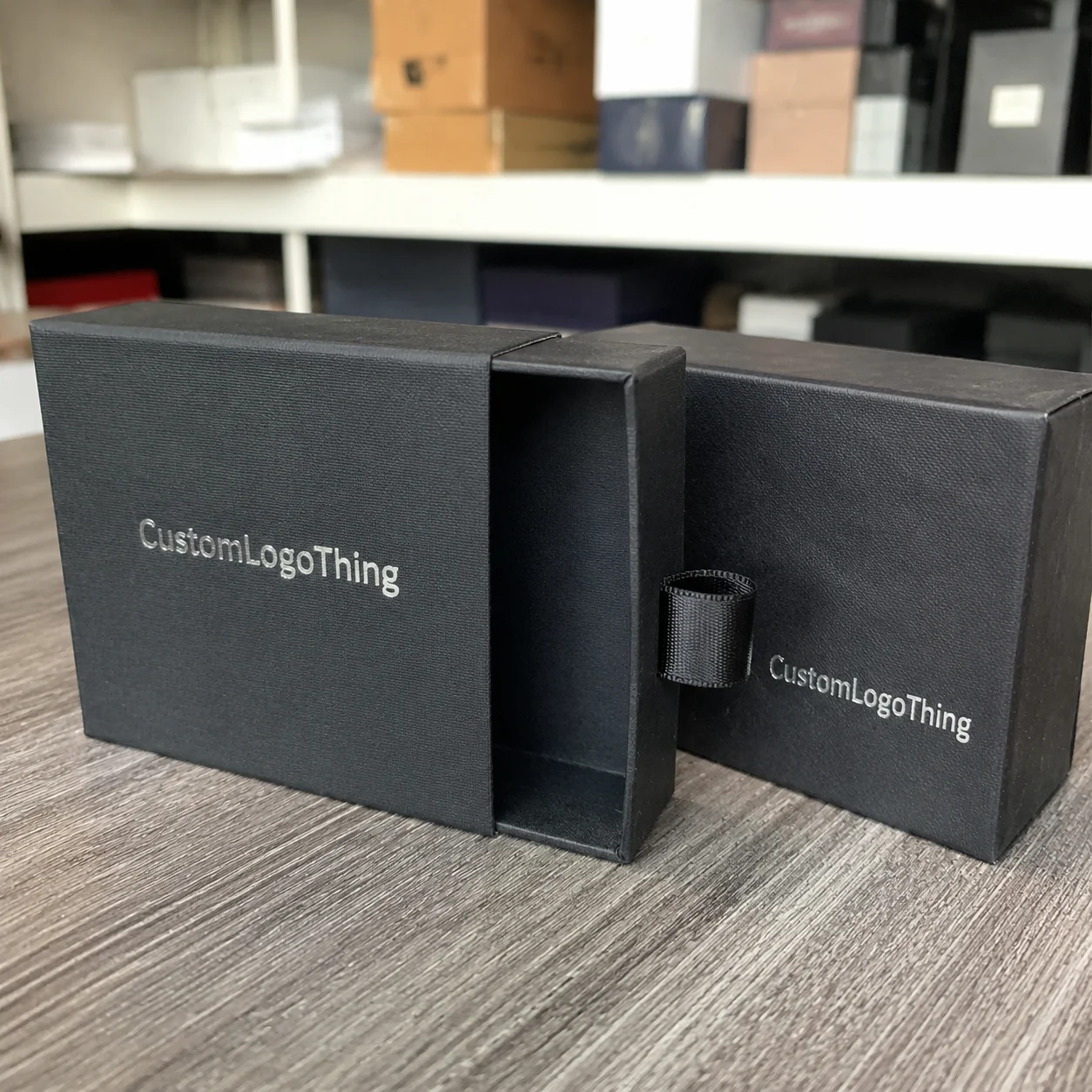
To compare rigid boxes vs folding cartons properly, you have to look at how each one is actually made. A rigid box usually starts with chipboard in the range of about 1.5 mm to 3 mm, depending on size and the stiffness you want. That board gets wrapped with printed art paper, specialty textured stock, or sometimes soft-touch laminated paper. The corners are turned and tucked with care because corner accuracy is what separates a crisp luxury box from one that looks tired before it even reaches the shelf. Magnetic closures, shoulder-and-neck builds, and drawer-style constructions add more tooling and more handling, but they also add the tactile cues buyers associate with premium products. In a typical factory near Dongguan or Kunshan, those builds often require 6 to 12 manual touch points per unit, which is exactly why the labor line climbs.
Folding cartons are built for efficiency. The usual base stocks are SBS, C1S, or C2S board, often chosen based on print side requirements, food contact considerations, or coating performance. The board is printed, die cut, scored, and then folded and glued, usually on automated lines that can produce large volumes with tight consistency. I’ve seen carton plants in the Pearl River Delta run a job from press to folder-gluer to shipper with very little manual intervention after setup, which is one reason folding cartons are so attractive for brands that need predictable replenishment. A 400gsm SBS carton in Shenzhen can be run with a 3-day press slot, 2-day die-cut and glue cycle, and truckout within 12-15 business days from proof approval if the artwork is clean.
Print and finish are where the personality of each format really shows. Rigid boxes often rely on specialty papers, foil stamping, embossing, debossing, matte lamination, and soft-touch coatings to create a richer sensory experience. Folding cartons can absolutely look premium, but the strategy is different: stronger graphics, sharper retail messaging, clean color control, and finishes that stay economical at scale. I’ve had clients ask whether folding cartons can look luxurious enough. Yes. They can. The catch is that the creative team has to respect the structure instead of trying to fake a rigid box on a folding carton budget. That trick rarely ends well, and I’ve seen enough “can we just make it look heavier?” requests to last a lifetime. A 350gsm C1S carton with foil on the logo panel and spot UV on the product name can look sharp in a Sephora-style retail aisle without pretending to be a jewelry box from Milan.
Durability deserves a straight answer too. Rigid boxes resist crushing better in customer-facing use because the chipboard wall gives them a firm, protective feel. Folding cartons are lighter and more efficient, but they often need corrugate shippers, paperboard inserts, or molded trays to survive rough handling in transit. For direct-to-consumer shipping, neither format should be assumed safe without testing. If the pack is going into parcel networks, I want to see an ISTA-style transit test plan before I sign off on the final structure. You can read more about shipping test principles through the International Safe Transit Association at ISTA. For a mailed beauty kit leaving Nashville or Phoenix, I would usually spec an outer corrugate mailer plus an internal folding carton rather than betting on a naked rigid box to survive the last mile.
Honestly, my own review after hundreds of sample rounds is simple: rigid boxes feel better in the hand, but folding cartons are easier to scale, easier to warehouse, and easier to revise when marketing decides the logo needs a 4 mm move. That last part happens more than people admit. A folding carton is more forgiving when a brand is still learning what sells. A rigid box works better when the packaging story is already settled and the brand wants to lock the experience in place. I’ve watched teams spend three weeks debating a 0.5 mm foil shift on rigid samples in Shanghai, while the folding carton job for the same brand was already in flat-packed inventory and headed to Chicago.
| Feature | Rigid Boxes | Folding Cartons |
|---|---|---|
| Typical board | 1.5 mm to 3 mm chipboard wrapped with art paper | SBS, C1S, or C2S board, usually 300gsm to 400gsm |
| Production style | More manual steps, corner wrapping, and inspection | Print, die cut, score, fold, glue, ship flat |
| Premium feel | Very high | Moderate to high with good print and finishing |
| Storage efficiency | Lower | Higher |
| Changeover flexibility | Lower | Higher |
| Best fit | Luxury, gifting, collector editions | Retail volume, fast-moving SKUs, fulfillment programs |
One anecdote sticks with me. A client in premium skincare wanted to compare rigid boxes vs folding cartons for a launch set that included a serum, cream, and refill pod. The rigid version looked spectacular under showroom lights, but the folding carton version won once we factored in pack-out time, pallet density, and the fact that the retailer wanted frequent replenishment in mixed cartons. The product itself did not change. The business model did. That’s the part many teams miss, and then they act surprised when the “pretty” option becomes the expensive headache. On paper, the rigid pack was $1.42 per unit at 4,000 pieces from a supplier in Dongguan. The folding carton with a die-cut paperboard tray came in at $0.31 per unit in 8,000 pieces from a plant in Foshan.
For brands that need both structure and broad SKU control, I often recommend pairing folding cartons with a secondary display tray or outer shipper rather than forcing every item into a rigid build. You get the graphic flexibility of folding cartons and the logistical sanity that comes from flat-pack storage. If the goal is a premium launch, keep the rigid box in reserve for the hero set, not every repeat item. A lot of brands waste money making every SKU look like a collectible when only one SKU actually needs that treatment.
Cost Comparison: Compare Rigid Boxes vs Folding Cartons on Real Budget Factors
The cost conversation is where compare rigid boxes vs folding cartons gets painfully concrete. A rigid box quote usually looks higher because the materials are thicker, the wrapping process is more labor-intensive, and the yield loss from manual handling can be higher. Add specialty wraps, magnets, foam inserts, or custom ribbon pulls, and the cost climbs fast. In factory terms, rigid boxes usually need more touch labor per unit, and touch labor is where budgets quietly vanish. A 5,000-piece magnetic rigid box program in Guangzhou can easily include $0.08 per unit for chipboard, $0.22 for wrapped paper and print, $0.18 for labor, and another $0.12-$0.25 for insert and finishing work before freight even shows up.
Folding cartons are usually more economical because the board is lighter, the print run can be faster, and the packs ship flat. Automatic folder-gluers cut labor, and the unit cost drops sharply at scale. A well-run carton plant can make a 10,000-piece run look routine, especially if the artwork is stable and the die line has already been proven. That said, a folding carton is not automatically cheap. Heavy ink coverage, specialty coatings, foil, embossing, and tight registration can push the price up in a hurry. A 350gsm C1S folding carton with spot UV and foil on a 10,000-piece order in Shenzhen might land at $0.19-$0.38 per unit, while the same box with a simple one-color print and aqueous coating may drop closer to $0.15 per unit for 5,000 pieces.
When clients compare rigid boxes vs folding cartons, they often miss the hidden costs. Warehousing is a big one. A rigid box consumes more cubic volume, which means higher storage costs and more difficult pallet planning. Freight is another obvious line item: flat-shipped folding cartons often travel far more efficiently. Then there is assembly labor. If your team or 3PL has to build or sleeve a rigid pack downstream, you need to price that labor into the packaging choice instead of treating it like an invisible detail. I’ve had more than one buyer look shocked at that part, as if the boxes were going to fold themselves. In a Chicago fulfillment center, 1,000 assembled rigid boxes can take up nearly the same floor space as 5,000 flat folding cartons. That mismatch shows up fast on a monthly storage invoice.
Here is a simple budget view I’ve used in meetings, especially when the finance team wants a direct comparison:
| Cost Factor | Rigid Boxes | Folding Cartons |
|---|---|---|
| Unit material cost | Higher | Lower |
| Labor per unit | Higher due to wrapping and assembly | Lower with automated gluing |
| Freight cube | Higher unless nested or shipped flat in parts | Much lower because cartons ship flat |
| Warehousing | More expensive per thousand units | More efficient storage density |
| Reprint risk | More painful if artwork changes after tooling | Usually easier to revise |
| Best value case | High-margin premium products | Volume-driven retail and fulfillment |
For real quotations, I’ve seen folding cartons priced around $0.12 to $0.35 per unit in meaningful volume depending on board, print coverage, coating, and insert complexity, while rigid boxes can move from roughly $0.55 to well above $2.00 per unit once the build gets more complex. Those numbers swing with order size, construction, and finish, so I never present them as fixed truth. They’re still useful enough to make one thing obvious: if you only compare rigid boxes vs folding cartons by box price, you are not seeing the whole bill. A rigid presentation box with a ribbon pull in Suzhou might quote at $1.10 on 3,000 units, then climb to $1.45 once the supplier adds manual lining and extra QC. Printing a folding carton in 8,000 units on 400gsm SBS with one foil hit may sit at $0.27 and still look polished on shelf.
One client in the wellness category learned that the hard way. Their rigid box quote looked manageable until they added foam inserts, hand assembly, and ocean freight on a full cube of packed boxes. Once we recalculated total landed cost, a folding carton with a die-cut pulp tray saved enough money to fund an additional retail display program. That kind of practical change can affect sell-through more than a prettier lid ever will. The final switch shaved about $0.61 per unit from the packaging cost, which paid for two months of endcap placement in Phoenix and San Diego.
If you want a sustainability angle, keep it honest. Folding cartons often use less material and ship more efficiently, which can reduce freight emissions and storage burden. Rigid boxes may be reused by the customer, which is a real benefit in some markets, but they usually consume more material per unit. For recycled content guidance and broader packaging stewardship language, the Environmental Protection Agency has useful resources at EPA packaging sustainability resources. If your board comes from a mill in Canada or Finland and your cartons are packed in Guangdong, the shipping math is still part of the sustainability story whether marketing wants to say it out loud or not.
Process and Timeline: Compare Rigid Boxes vs Folding Cartons from Quote to Delivery
Timeline is another place where compare rigid boxes vs folding cartons gets very real. A rigid box project usually starts with structure approval, then sample development, material sourcing, printing, wrapping, assembly, and final inspection. If the build includes magnets, sleeves, foam, ribbon, or a book-style hinge, the process can slow down at several points because every extra component adds a chance for tolerance drift. Specialty paper sourcing can also stretch the schedule, especially if the wrap stock has to match a brand color or texture. In Shanghai and Dongguan, I’ve seen rigid sample cycles take 7 to 10 business days before a buyer even touches the first pre-production unit, and that’s assuming nobody requests a gold foil tweak after the fact.
Folding cartons generally move faster once the dieline is approved. The workflow is straightforward: final artwork, prepress, printing, die cutting, scoring, folding, gluing, flat packing, and shipment. A good carton supplier can scale repeat runs efficiently, particularly when the folder-gluer setup is already dialed in. I’ve watched a packaging plant near Shenzhen move from proof approval to production cartons with impressive pace because the artwork changes were minimal and the board spec had already been validated on prior orders. Repeatability like that is a big reason folding cartons work so well for long-running retail programs. A typical lead time of 12-15 business days from proof approval is common for a standard carton order in the Pearl River Delta when the substrate is 350gsm C1S artboard and the finish is simple.
Delays happen differently in each format. Rigid boxes often slow down at wrapping, corner alignment, and inspection because visual perfection matters so much. Folding cartons can slow down if the artwork needs several revisions, the die line changes late, or coating and registration issues pop up during press. Neither format is immune to production reality. I’ve seen a supposedly simple folding carton hold up a launch because the cutout around a hanging tab was off by a fraction that only mattered after the first retail fit test. Tiny issue. Huge annoyance. The sort of thing that makes you stare at a sample and wonder how a 1 mm mistake got promoted to a launch delay. In one case, that 1 mm error pushed delivery from a scheduled Friday truckout in Ningbo to the following Wednesday because the retailer would not accept the hanging display with the wrong slot width.
For repeat orders, machine type matters more than most buyers realize. A hand-glued luxury box line is not the same as a high-speed carton plant running a folder-gluer like a Muller Martini or comparable line. The first is about craft and visual precision. The second is about throughput, repeatability, and efficient replenishment. When compare rigid boxes vs folding cartons is framed that way, the choice becomes easier: do you need artisanal presentation, or do you need dependable scale with clean finish? If you need 2,000 units for a launch event in London next month, rigid may be fine. If you need 25,000 units rolling into Walmart distribution in Texas and Ohio, folding cartons are usually the sane answer.
My advice is to align the packaging timeline with the launch calendar instead of treating packaging as a side project. If the retail reset is fixed, work backward from that date and add time for samples, transit testing, and artwork corrections. A packaging delay can wreck a product launch faster than a marketing delay because the box is often the last physical gate before inventory can move. For a direct line into our broader packaging offer, the Custom Packaging Products page can help you map formats before you request quotes. Give the supplier your target ship date, your quantity, and the city of final delivery. “ASAP” is not a schedule. It’s a cry for help.
How to Choose Between Rigid Boxes vs Folding Cartons
The best way to compare rigid boxes vs folding cartons is to use a decision framework built around your product, not around someone else’s taste. Start with product value. If your item sells at a premium price point and the packaging contributes to perceived value, rigid may be worth the extra spend. If the product competes on repeat purchase, price sensitivity, or broad retail distribution, folding cartons usually make better business sense. A $150 fragrance in a department store in London can justify a $1.20 rigid box. A $9 supplement sold through subscription in the Midwest usually cannot.
Then look at the shipping method. Direct-to-consumer shipments need packaging that survives parcel handling, and that may push you toward inserts or secondary shippers no matter which format you choose. Retail distribution puts different demands on the pack: shelf stacking, case packing, barcode visibility, and efficient replenishment. A rigid box that feels incredible on a table can become awkward if the retail warehouse wants slim, flat cartons that pack tightly in cases. A 6-case master carton in Mexico City will tolerate different cube and compression requirements than a boutique shipper leaving a studio in Brooklyn, and the pack should be designed for the real lane, not the marketing mood board.
Brand experience matters too. I’ve had clients tell me they want customers to feel something when they open the box, and that is a legitimate packaging goal. Rigid boxes do that well. They slow the hand down. They create a pause. They make the opening feel intentional. Folding cartons can still be beautiful, but they usually need more careful graphic design and structural thinking to hit the same emotional weight. If your brand sells discovery, ceremony, or collector value, rigid boxes are often the stronger narrative choice. If your brand sells clarity, speed, and easy replenishment, folding cartons are usually better.
On sustainability, skip the blanket claims. Folding cartons often use less board and ship more efficiently, which helps the footprint in many programs. Rigid boxes may be reused, but not every customer keeps them, and not every reuse offsets the extra material. If sustainability is part of your pitch, compare material usage, freight efficiency, recyclability, and customer behavior instead of relying on a single label. A 350gsm carton from a mill in Asia shipped flat to a U.S. warehouse can outperform a heavy rigid box on transport efficiency even before you account for pallet density.
Before you decide, ask these questions:
- Will the box be displayed, stored, reused, or discarded quickly?
- Does the product need inserts, foam, pulp, or a tray system?
- Will it ship direct to consumer, through retail, or both?
- How often will artwork or SKUs change?
- Can the margin support a premium structure?
- Have you tested the pack under warehouse and transit conditions?
Those six questions have saved clients from expensive mistakes more than once. I remember a beverage accessory brand that loved the look of rigid boxes until we walked through their fulfillment math on a whiteboard. Their reorder schedule, mixed-case shipping, and frequent artwork updates all pointed toward folding cartons. Once they saw the total cost picture, the decision became obvious without any hard sell. We priced one route at $0.96 per unit in rigid with a 20-day turnaround, and the folding carton route at $0.21 per unit with a 13-business-day lead time from proof approval. Guess which one the warehouse team preferred.
Our Recommendation: Compare Rigid Boxes vs Folding Cartons by Product Type
If I had to give a clean recommendation after years on the floor, I’d say this: choose rigid boxes when presentation is part of the product, and choose folding cartons when packaging has to support volume, speed, and control. That sounds simple, but it’s the right place to start when you compare rigid boxes vs folding cartons for a live commercial program. A rigid box in Milan, Munich, or New York is a statement piece. A folding carton in Dallas, Manila, or Warsaw is often a logistics tool that still needs to look good.
For premium and giftable products, rigid boxes are usually the stronger choice. They suit luxury cosmetics, watches, high-end confectionery, limited-edition collectibles, and gift sets where the unboxing moment is part of the brand promise. If your customer is paying for status, celebration, or collectability, the extra cost of rigid packaging is easier to defend. A soft-touch wrapped chipboard box with foil stamping and a custom insert can justify itself when the perceived value lifts the product well above commodity territory. I’ve seen a 2-piece watch set in a magnetic rigid box sell 18% higher than the same product in a standard carton simply because the packaging lined up with the price tag.
For scalable retail programs, folding cartons are usually the better fit. They work especially well for FMCG-style products, subscription replenishment, health and beauty items, small electronics, and multi-SKU assortments that need efficient distribution. Folding cartons ship flat, store neatly, and adapt more easily when marketing changes the artwork or when a retailer asks for a different barcode placement. That flexibility matters in the real world much more than a polished sales deck admits. A folding carton in 400gsm SBS with a simple tuck-end and one-color print can still look sharp on a shelf in Houston or Brisbane while keeping unit cost near $0.15-$0.28 at 5,000 to 10,000 pieces.
A hybrid strategy often gives growing brands the best of both. Use folding cartons for the core SKU line, then reserve rigid boxes for launch kits, VIP bundles, holiday sets, and influencer mailers. I’ve seen this approach work in skincare, tea, stationery, and small tech accessories because it keeps the base program lean while preserving a luxury channel for special moments. It also stops every box from being forced into the same job. Packaging does not need a hero complex. If your first shipment goes to 500 retail doors and your PR kit only goes to 50 editors, those two packages do not need the same structure or cost base.
If you’re still weighing the decision, I suggest a practical checklist:
- Confirm the budget per unit and the acceptable freight ceiling.
- Request samples of both formats using the same artwork theme.
- Test the pack in transit, not just on a table.
- Review the finish under store lighting and fluorescent warehouse lighting.
- Calculate total landed cost, including labor and storage.
- Match the structure to the real sales channel, not the most glamorous one.
That checklist is how I would compare rigid boxes vs folding cartons if I were putting my own money behind a product launch. I would not choose based on a render alone, and I would not let a higher-end box distract me from pallet cube, assembly time, and reorder frequency. The right answer is the one that supports the brand story and the business model at the same time. A beautiful box that arrives late or costs too much is just expensive decor.
If you are ready to compare rigid boxes vs folding cartons for your own product, shortlist the main use case, gather the dielines, and request both formats for side-by-side sample testing. That is usually the fastest way to see which option earns its place on your shelf, in your warehouse, and in your margin plan. For many brands, the choice becomes obvious once the samples and the spreadsheet sit on the same table. I’ve seen that meeting happen in Hong Kong, Atlanta, and Milan, and the winning box was almost always the one with the better total cost, not the louder marketing deck.
When should I compare rigid boxes vs folding cartons for a new product launch?
Compare them before you approve the final dieline so the structure, inserts, barcode placement, and artwork can all be built around the chosen format. If the launch depends on premium presentation or gifting, evaluate rigid boxes early; if the launch depends on cost and speed, folding cartons may be the safer baseline. I usually want that decision made at least 4 to 6 weeks before production, especially if the order is headed to a factory in Guangdong or Zhejiang.
Are rigid boxes always more expensive than folding cartons?
In most cases, yes, because rigid boxes use thicker board, more labor, and more complex finishing. The real answer depends on volume, insert complexity, print finishes, and whether you include warehousing and freight in the comparison rather than only the box price. A folding carton at $0.18 per unit in 10,000 pieces can still become a bad deal if you need expensive inserts or rush air freight from Shenzhen to Frankfurt.
Which is better for shipping durability, rigid boxes or folding cartons?
Rigid boxes usually feel more durable in customer-facing use because of their thicker structure and premium build. For transit protection at scale, folding cartons often need secondary corrugate packaging or inserts to match the crush resistance of rigid formats. If the product is moving through parcel networks in the U.S. or Europe, I’d test both formats with a 1-meter drop standard and a real pack-out, not just a hand sample.
How do I compare rigid boxes vs folding cartons for sustainability?
Compare material usage, freight efficiency, reusability, and end-of-life recyclability rather than relying on a simple eco-friendly label. Folding cartons often use less material and ship flat, while rigid boxes may be reused by customers but typically consume more packaging material per unit. A 350gsm folding carton from a plant in Ningbo usually beats a rigid box on cube efficiency before you even start counting pallets.
Can folding cartons still look premium enough for luxury products?
Yes, especially with strong print design, specialty coatings, foil, embossing, and thoughtful structural details. That said, rigid boxes still deliver a more immediate premium feel and are usually the better choice when the unboxing experience is a major brand asset. I’ve seen folding cartons with soft-touch coating and foil look excellent in London boutiques, but the structure still reads more like premium retail than collector’s object.