Buyer Fit Snapshot
| Best fit | Compare Rigid Boxes vs Folding Cartons projects where brand print, material claims, artwork control, MOQ, and repeat-order consistency need to be specified before quoting. |
|---|---|
| Quote inputs | Share finished size, material target, print colors, finish, packing count, annual reorder estimate, ship-to region, and any compliance wording. |
| Proofing check | Approve dieline scale, logo placement, barcode or warning zones, color tolerance, closure strength, and carton packing before bulk production. |
| Main risk | Vague material claims, crowded artwork, missing packing details, or unclear freight terms can make a low unit price expensive after revisions. |
Fast answer: Compare Rigid Boxes vs Folding Cartons: Artwork Proof, Packing Count, and Landed Cost should be specified like a repeatable production item. The safest quote records material, print method, finish, artwork proof, packing count, and reorder notes in one written spec.
Production checks before approval
Compare the actual filled-product size with the drawing, then confirm tolerance on folds, seals, hang holes, label areas, and retail display edges. Reserve space for logos, QR codes, warning copy, and material claims before decorative graphics fill the panel.
Quote comparison points
Review material grade, print process, finish, sampling route, tooling charges, carton quantity, and freight assumptions side by side. A quote is only useful when the supplier can repeat the same color, closure quality, and packing count on the next order.
Quick Answer: Compare Rigid Boxes vs Folding Cartons
The first time I stood on a Shenzhen packing line and heard a brand manager say, “We need rigid because it feels premium,” I almost laughed. Not because premium doesn’t matter. It does. But because that sentence has burned more margin than a bad print run and a missed freight booking combined. If you want to compare rigid boxes vs folding cartons honestly, the answer is simple: rigid boxes are pre-assembled, stiff, and built for presentation; folding cartons are printed, shipped flat, and folded only when needed. In Guangdong factories, that difference shows up immediately in labor, pallet count, and lead time.
Here’s the shortcut I give clients after a dozen supplier meetings and more than one ugly freight quote. Choose Rigid Boxes for Luxury, unboxing drama, and products where perceived value matters as much as the item itself. Choose folding cartons for shelf-ready retail, faster production, and cleaner unit economics. I’ve seen brands overspend by $0.80 to $2.50 per unit on rigid when a smart carton would have done the job with room to spare. On a 5,000-piece order, that means an extra $4,000 to $12,500 gone before the product even hits a warehouse. And yes, that adds up fast. Annoyingly fast.
There’s also a blunt commercial truth people hate hearing. If your product sells under $20, your packaging usually does not need to behave like a jewelry case unless the brand story truly demands it. A $14 candle in a rigid box can look expensive, sure, but I’ve watched that same candle get priced out of retail once storage, freight, and labor were added. Compare rigid boxes vs folding cartons with total landed cost in mind, not vibes. Vibes do not pay invoices, and they definitely don’t answer procurement emails on Friday afternoon. In Los Angeles or Chicago, a pallet of rigid boxes can also cost materially more to move than the same SKU in flat cartons.
My rule of thumb is boring, but it works. If the box itself helps sell the product, protect it, or gift it, rigid may earn its keep. If the box only sits on a shelf and gets tossed after opening, folding cartons often win on speed, stacking efficiency, and margin. That’s the kind of tradeoff I wish more brands would make before they lock artwork and order 10,000 units from the nearest shiny supplier in Dongguan, Shenzhen, or Suzhou.
Top Packaging Options Compared: Compare Rigid Boxes vs Folding Cartons
When I help a client compare rigid boxes vs folding cartons, I do it on five points first: construction, appearance, protection, shipping efficiency, and retail presentation. Everything else is secondary. A box that looks nice but costs too much to warehouse is a marketing problem wearing a pretty dress. I learned that in a warehouse outside Ningbo, where the pallet racking told the truth long before the sales deck did.
Rigid boxes use thick chipboard, usually around 1.5 mm to 3 mm, wrapped with printed or specialty paper. Folding cartons use paperboard like SBS, CCNB, or kraft, often in the 14 pt to 24 pt range depending on the product. For a common premium carton, I’ll often specify 350gsm C1S artboard with matte aqueous coating for a clean retail look. That single material difference drives a lot of the experience. Rigid feels substantial. Folding cartons feel lighter, smarter, and more economical.
On shelf, the difference is obvious. Rigid boxes keep crisp corners and hold shape better, which is why they work so well for gift sets and premium kits. Folding cartons are easier to palletize, easier to open on automated lines, and easier to store in bulk. I once helped a supplement client in Shanghai move from rigid to carton and cut pallet space by roughly 38%. That saved them enough on inbound freight to fund foil stamping on the front panel, which looked better anyway. Everyone won except the original rigid-box quote.
| Feature | Rigid Boxes | Folding Cartons |
|---|---|---|
| Construction | Thick chipboard wrapped by hand or semi-hand assembly, often 2.0 mm to 3.0 mm board | Paperboard printed, cut, scored, and glued flat, often 14 pt to 24 pt |
| Visual Feel | Heavy, premium, gift-like, especially with soft-touch wrap or linen paper | Clean, practical, retail-focused, with strong print and finish options |
| Protection | Better crush resistance and premium inserts, such as EVA or molded pulp | Good for light-to-medium protection, often with paperboard or thermoformed inserts |
| Shipping Efficiency | Bulkier, more freight and warehouse space, especially on export pallets | Ships flat, lower storage and outbound costs, easier for cartonized freight |
| Best Use | Luxury goods, influencer kits, jewelry, premium cosmetics, collector editions | Retail SKUs, supplements, food, personal care, mass launches, e-commerce |
If you compare rigid boxes vs folding cartons by product type, the pattern gets even clearer. Cosmetics often sit in the middle; a hero serum may justify rigid, while a full skincare line usually belongs in cartons. Candles can go either way, but if the brand sells at $28 to $45, a folding carton with soft-touch coating and foil can still look expensive. Electronics accessories need protection and clear labeling, so cartons usually beat rigid unless the item is positioned as a gift bundle. Apparel is almost always a carton or mailer unless the customer experience is the product.
Branding matters too. Rigid boxes signal luxury, care, and occasion. Folding cartons signal efficiency, accessibility, and retail sense. Neither is automatically better. One says, “This is a gift.” The other says, “This moves well and doesn’t waste money.” Different jobs. Different boxes. In a buyer meeting in New York, I’ve seen both arguments win depending on whether the product was headed for Nordstrom, Amazon, or a DTC subscription box.
Detailed Review: Rigid Boxes
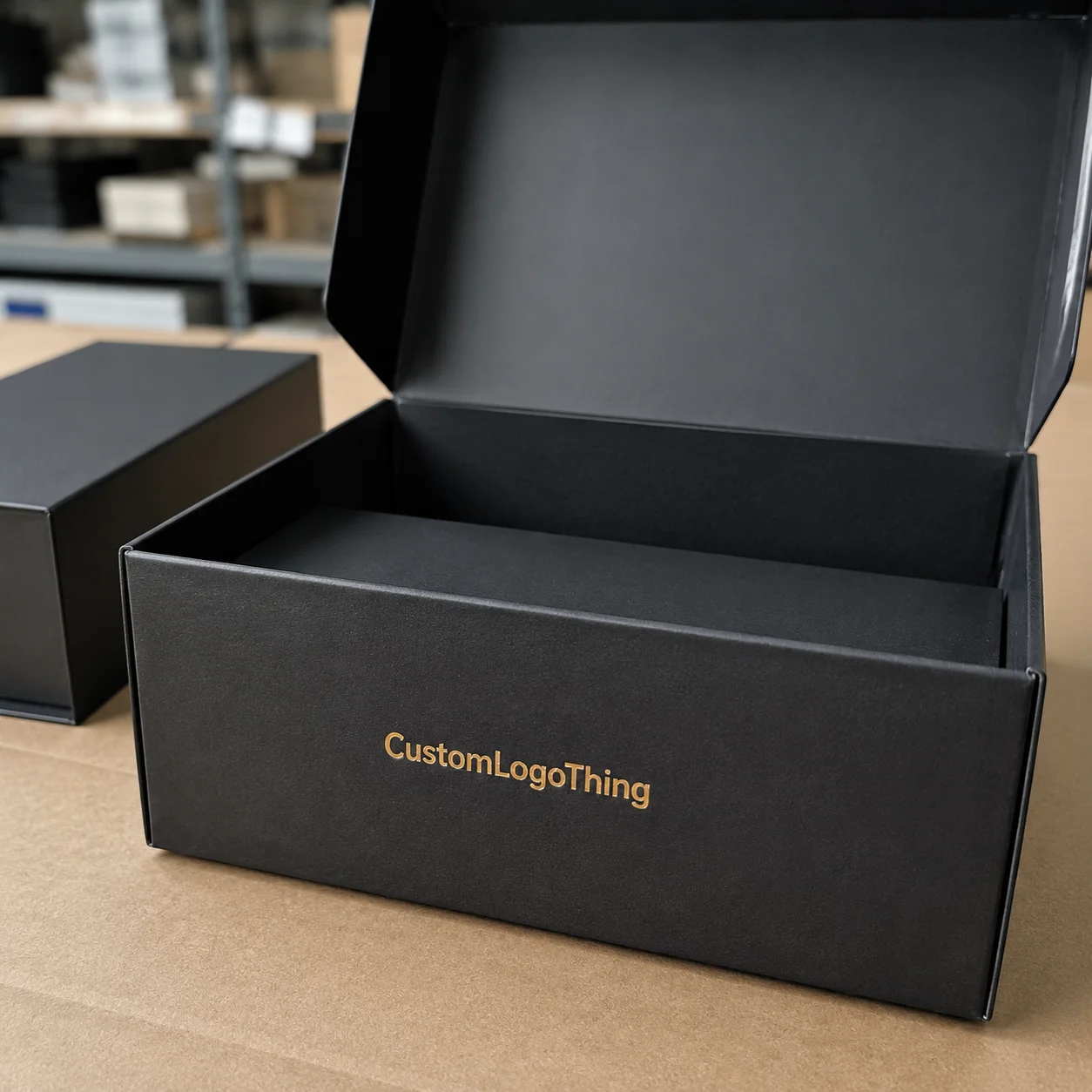
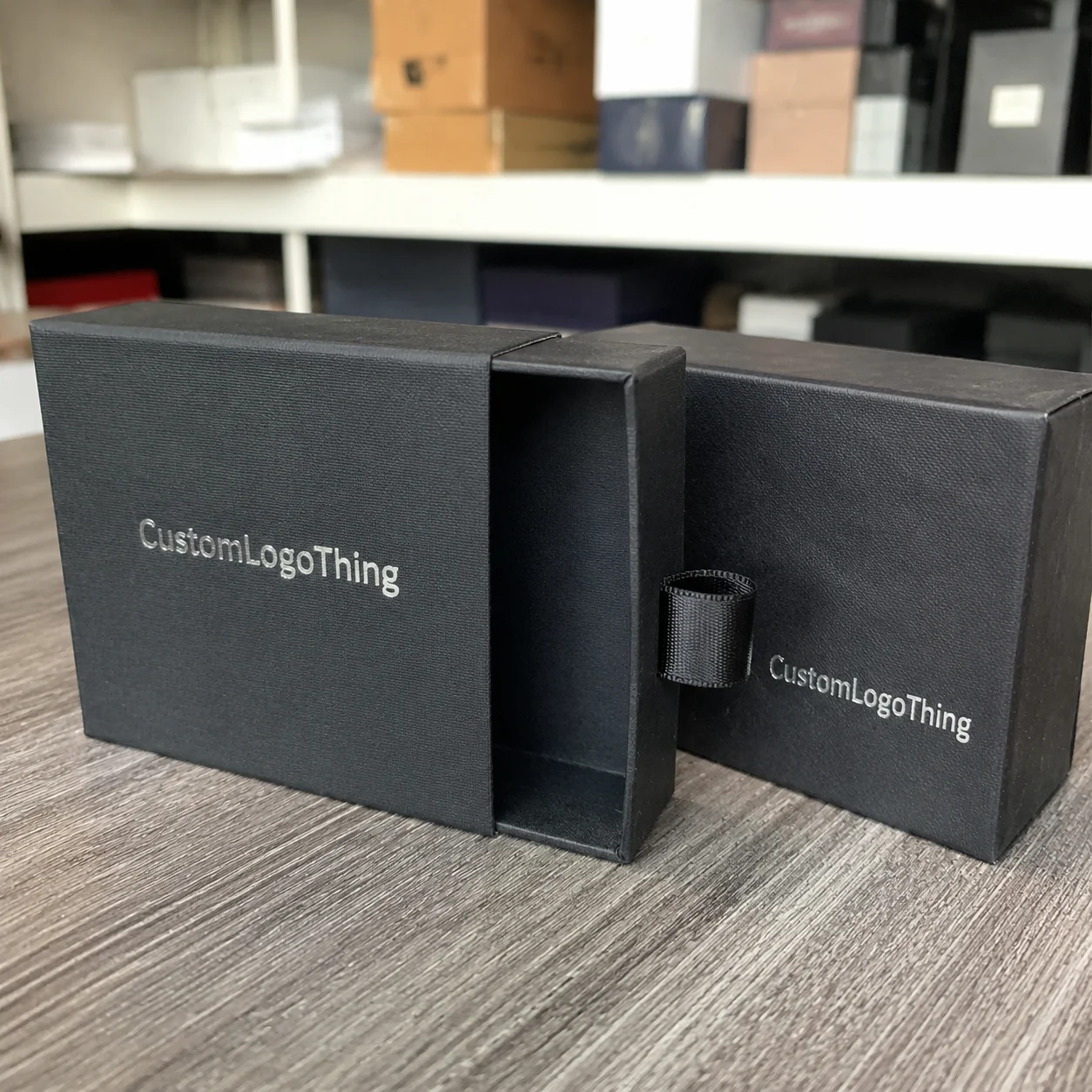
Rigid boxes are the fancy ones people love to point at in board meetings. They’re made from dense chipboard, wrapped in printed or specialty paper, then finished with details like magnetic closures, ribbon pulls, foam inserts, EVA trays, and soft-touch lamination. On paper, that sounds expensive because it is. On the factory floor in Dongguan or Wenzhou, it also means more steps, more handling, and more chances for a misaligned wrap to ruin the whole batch.
I still remember a visit to a packaging plant outside Dongguan where a junior brand team insisted on gold foil, embossed logos, and a two-piece rigid lid. Their box looked beautiful. Their margin looked dead. The product was a $19 facial oil. After freight and assembly, the packaging added more than 12% of the wholesale price. That’s not branding. That’s self-sabotage dressed as luxury. I had to bite my tongue so hard I nearly needed a coffee after. The plant manager just stared at the quote and nodded like he’d seen this movie in 2018 and 2022 already.
The upside is real, though. Rigid boxes create a dramatic unboxing experience. The lid lifts with weight. The walls feel solid. Inserts hold the product in place. For influencer kits, premium electronics, jewelry, and high-margin cosmetics, that kind of presentation can absolutely help conversion. If the goal is to make the customer pause, post a photo, or feel like they bought a gift, rigid boxes do that better than cartons most of the time. A rigid box with a 2.5 mm grayboard core and 157gsm art paper wrap can make a small item feel far more expensive than it is.
Rigid boxes also provide stronger structural protection than many people expect. I’ve seen them pass drop testing better than flimsy cartons, especially when built with proper inserts. But don’t confuse “sturdy” with “invincible.” A rigid box can still get dented at the corners if the outer shipper is weak. If you’re shipping through multiple channels, I still recommend checking ISTA testing standards before you approve anything expensive and fragile. The glossy mockup in your office is not a shipping plan, no matter how much someone says “it should be fine.” In one batch leaving Shenzhen for Austin, a weak shipper turned a gorgeous box into a corner-damaged mess by the time it hit the first sort facility.
There are downsides, and they’re not small. Rigid boxes take more warehouse room. They cost more to freight. They usually need more manual assembly than folding cartons. They can also be frustrating for procurement because every little upgrade — a better wrap paper, a deeper foil hit, a hidden magnet — adds dollars fast. I’ve watched a packaging quote jump from $1.85 to $3.40 per unit just because the client wanted thicker board, a drawer style, and custom inserts. On 8,000 units, that’s a jump from $14,800 to $27,200. That’s how “premium” quietly becomes “why did this SKU miss forecast?”
Supplier reality matters here. Rigid box production often involves separate cutting, wrapping, corner folding, insert making, and final assembly. Quality control needs to be tighter because one crooked edge stands out immediately. If you’re working with a factory that also handles folding cartons, ask how much of the rigid build is hand-assembled versus machine-assisted. The answer changes your lead time and your consistency. In Suzhou, one plant quoted me 18 business days for a standard wrap box and 26 business days for a magnetic drawer because the insert work was still manual.
“The packaging looked amazing, then we realized we were paying for the box more than the serum.” That was a client’s line after their first rigid-box quote from a factory in Shenzhen. Honest. Painful. Accurate.
Detailed Review: Folding Cartons
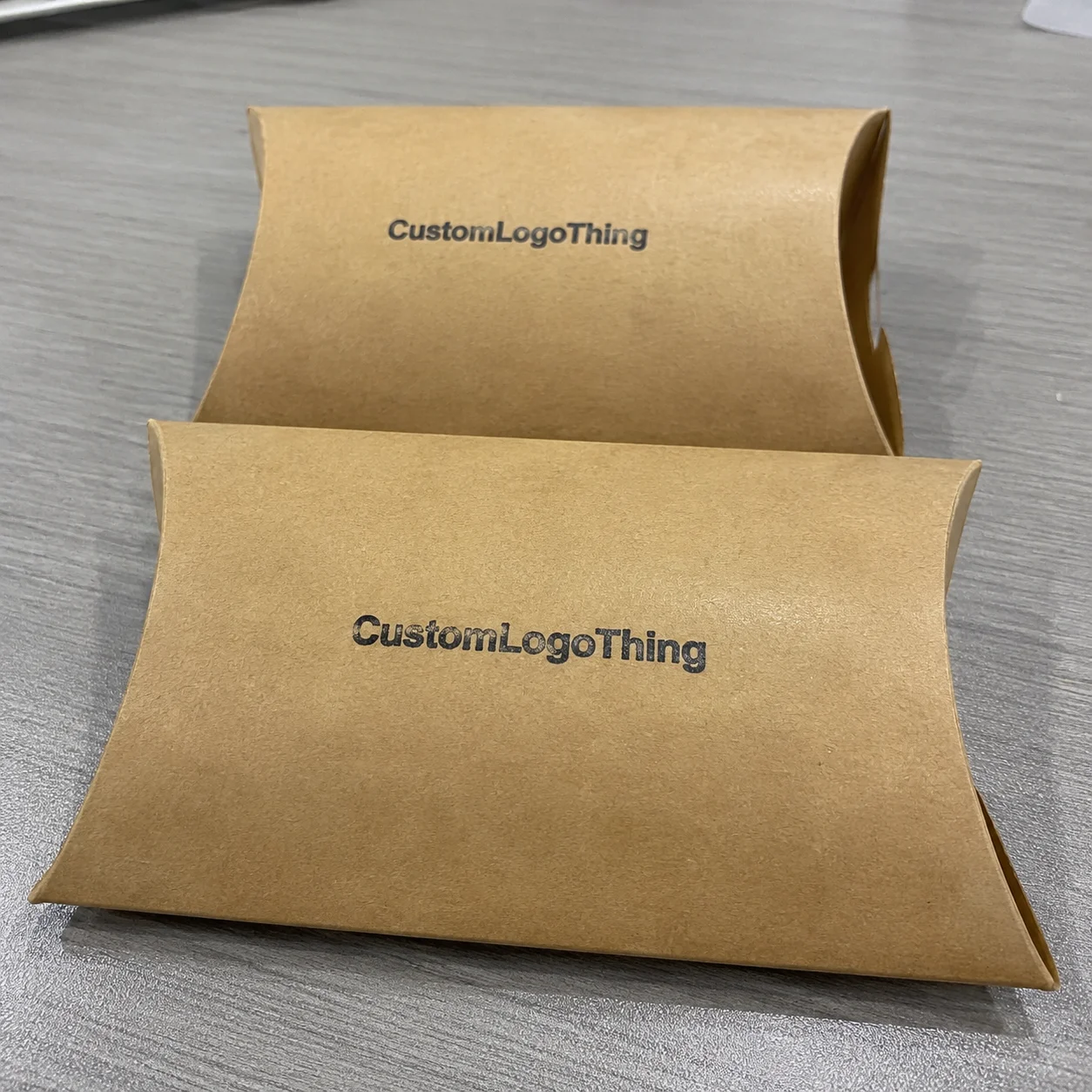
Folding cartons are the workhorse of retail packaging. They’re usually made from SBS, CCNB, kraft paperboard, or coated recycled board, and the common structures are simple: tuck end, reverse tuck, auto-lock bottom, sleeve, or straight tuck with a hang tab. If rigid boxes are a tuxedo, folding cartons are a tailored blazer. Less drama. More utility. Often a better fit. A lot of my best-performing SKUs started with a carton spec like 350gsm C1S artboard, aqueous coating, and a clean die line.
What makes folding cartons so popular is painfully practical. They ship flat. They take up less warehouse space. They’re easy to print in large runs. They run well on folder-gluer lines. That means lower labor, lower freight, and better throughput. For brands that care about speed and volume, folding cartons usually win without much debate. I’ve seen launch teams shave 7 to 10 business days off their packaging schedule just by choosing cartons instead of rigid. In Guangzhou, one brand even advanced their retail ship date by a full week because the carton supplier could mass-produce flat packs while the rigid vendor was still hand-wrapping samples.
Branding options are stronger than many people assume. You can get matte aqueous coating, soft-touch lamination, foil stamping, embossing, debossing, spot UV, window patches, and even textured paper wraps on cartons. I’ve approved folding cartons for premium face cream lines that looked upscale enough to sit next to products priced at $60+. The trick is pairing structure with finish. Cheap paper and smart design still look cheap. Better stock, tighter typography, and a clean die line solve half the problem. A carton printed on 400gsm SBS in Guangzhou with foil and embossing can hold its own against plenty of luxury packaging.
They also perform well in omnichannel retail. A carton can go from warehouse to shelf to mailer insert without drama. It’s easier for fulfillment teams to scan, stack, and pack. For food, supplements, personal care, and lightweight electronics, that efficiency matters more than a luxury feel. If you’re pushing high SKU counts, folding cartons let you hold inventory without taking over your building. I’ve seen a 40-SKU beauty line in Los Angeles breathe again after switching from boxed sets to cartons. The warehouse manager looked like someone had returned his soul.
There are limits, of course. Folding cartons generally don’t feel as premium. They crush more easily than rigid boxes unless the board and structural design are strong. Fragile items often need inserts, and if you don’t spec those correctly, the product moves around and the box becomes a prettier liability. For items that must arrive pristine, you need to think about protective packaging, not just print. A carton with a well-cut paperboard insert and an outer shipper can work beautifully, but a flimsy 16 pt sleeve around glass is asking for breakage and customer complaints.
If you want to compare rigid boxes vs folding cartons fairly, include print flexibility too. Cartons are easier to customize across multiple SKUs, which is huge for seasonal colorways, flavor variants, and subscription programs. Rigid boxes can do that too, but every new version is more expensive to manage. For large portfolios, simplicity wins more often than romance. In one Arizona supplement line, we used the same carton structure for six flavors and only changed the spot color and flavor icon. That saved roughly $0.07 per unit compared with retooling a rigid set every quarter.
Price Comparison: Compare Rigid Boxes vs Folding Cartons
Now we get to the part everyone wants first and should probably ask last: money. If you compare rigid boxes vs folding cartons strictly on unit price, rigid boxes almost always look worse. That’s because you’re paying for thicker board, more labor, more assembly, custom inserts, and often more finishing. Folding cartons are more efficient to run at scale, so their per-unit cost tends to drop much faster as quantities rise. A factory in Shenzhen can crank out cartons in a way a hand-wrapped rigid line simply cannot match.
Here’s a practical framework from the quotes I’ve seen across U.S. and Asia sourcing. These are directional numbers, not magic promises. A basic folding carton at 5,000 units might land around $0.18 to $0.45 per unit depending on size, print coverage, and coating. I’ve also seen straightforward jobs come in at $0.15 per unit for 5,000 pieces when the structure is simple, the art is clean, and the factory is in a lower-cost region like Dongguan or Xiamen. Add foil, embossing, or a window, and you may see $0.55 to $0.95. Rigid boxes, by contrast, can start around $1.10 to $1.80 per unit for simple builds and move to $2.50 to $5.00+ for magnetic closures, drawers, specialty wraps, or custom inserts.
That’s only the sticker price. Real cost lives in the boring parts. Warehousing matters. Rigid boxes take more cube space, which means more pallets, more storage fees, and more freight expense. Assembly labor matters too. I once watched a client pay an extra $4,800 a month in pack-out labor because their rigid box line required manual insert placement and hand inspection in a warehouse near Long Beach. Their CFO did not enjoy that conversation. I did, a little. (I’m not proud of it, but there it is.)
| Cost Factor | Rigid Boxes | Folding Cartons |
|---|---|---|
| Board / Material Cost | Higher due to chipboard and wrap stock, often 1.5 mm to 3 mm board | Lower due to paperboard construction, often 14 pt to 24 pt |
| Labor | Higher assembly and finishing labor, especially with hand-wrapped corners | Lower, especially with auto-glue lines and flat shipping |
| Freight | More expensive because boxes are bulky and ship pre-built | Lower because cartons ship flat and cube out better |
| Warehouse Cost | More storage space required, more pallets per SKU | Compact palletization, fewer cubic feet per 1,000 units |
| Customization | Premium details add cost quickly, especially magnets and inserts | Premium print options are easier to scale across volumes |
The total landed-cost angle is where most brands wake up. A rigid box that costs $1.90 at the factory can end up costing $2.60 to $3.10 after freight, duty, warehousing, and touch labor. A folding carton that looks “cheaper” at first can deliver a better fully loaded number, especially if it ships flat and gets packed on an efficient line. That’s why I keep saying compare rigid boxes vs folding cartons using the whole bill, not one line on a quote sheet. A quote from Yiwu or Shenzhen means very little until you add outer cartons, palletization, and domestic drayage.
Volume changes the math too. At 25,000 units or more, folding cartons usually become dramatically more efficient because presses, die cutters, and folder-gluers love repetition. Rigid boxes can scale too, but they rarely get as cheap as cartons because human labor still sits in the middle. That said, if the brand is selling a $120 fragrance set, the extra packaging cost may be totally justified. Again: context, not ego. A luxury launch in Los Angeles can survive a higher pack cost if the box actually helps the sell-through rate.
One more thing. Don’t let a low factory quote fool you. Ask for inserts, finishing, packaging method, outer cartons, and shipping dimensions. Then ask what happens if the order splits across multiple SKUs. That’s where the real money hides. I’ve seen a quote from $0.22 jump to $0.31 after the supplier added a custom insert, and then to $0.38 after the client changed the window size by 8 mm. Small changes. Big irritation.
Process and Timeline: Which One Moves Faster?
If your launch date is tight, folding cartons usually move faster. They’re printed, cut, scored, glued, and shipped flat. Rigid boxes take more steps: board cutting, wrap printing, surface finishing, wrap lamination, box wrapping, insert assembly, and final inspection. More steps mean more chances for delay. Simple as that. A carton run in Shenzhen or Guangzhou can move from proof to packed cartons faster because fewer hands touch the product.
For a typical carton project, I’ll often see 12 to 15 business days from proof approval to production completion on straightforward jobs, though that depends on quantity, coating, and factory load. Rigid boxes often need 18 to 30 business days, especially if there are magnets, specialty papers, or custom inserts. That timeline can stretch if the client keeps changing dielines after sampling. Which, to be honest, happens more than anyone admits in kickoff calls. People say “final artwork” like it means something. It usually doesn’t. Not on Monday, anyway. I’ve had a “final” carton file change three times before lunch in a Shanghai project room.
Here’s the workflow I try to protect: dieline review, material selection, artwork proofing, physical sample, production, and quality control. For both formats, a physical sample matters more than the pretty PDF. Digital mockups can hide bad tolerances, weak corners, and ugly color shifts. I learned that the expensive way years ago when a deep black rigid box came back with a weird blue cast under retail lighting. The art director called it “luxurious.” The customer called it “off.” The customer won. Brutally, as customers tend to do. A sample made on the actual 350gsm C1S artboard or grayboard core will tell you more than a dozen mood boards.
Rigid boxes need more buffer in the timeline because the margin for error is tighter. A one-millimeter wrap issue on a carton is a nuisance. On a rigid box, it can be a reject. If you’re working with a seasonal launch, the safer play is usually folding cartons unless the premium positioning is non-negotiable. I tell clients to build in a week of slack anyway. Packaging delays love to arrive right before a shipping window closes, especially if customs, truck booking, or local holiday closures in China get involved.
If your product has a complicated insert or you’re using FSC-certified paperboard, give the team extra approval time. For brands that care about responsible sourcing, you can review standards and sourcing guidance at FSC. That’s not a substitute for a supplier audit, but it’s a decent starting point. I’ve also seen certification paperwork add 2 to 4 business days to the sampling process when the factory is pulling documents from multiple mills in Zhejiang and Shandong.
How to Choose the Right Box for Your Product
When I compare rigid boxes vs folding cartons for a client, I make them answer five questions: How much does the product weigh? What’s the selling price? Where is it sold? How fragile is it? And what do you want the packaging to do besides hold the item? If nobody can answer those clearly, they usually end up overbuying packaging because it looked impressive in a sample room in Shenzhen.
Pick rigid boxes when the box itself is part of the value. That means luxury fragrance, jewelry, influencer PR kits, collector editions, or high-margin cosmetics where presentation helps justify the price. Pick folding cartons when the product needs to move efficiently through retail, subscription, or e-commerce channels. Supplements, soaps, teas, and most consumer packaged goods belong here unless the brand story demands a gift format. A $7 tea tin does not need a $3.20 rigid shell unless you’re selling it as a holiday set in Boston or Tokyo.
One mistake I see all the time: a brand uses rigid because the founder wants “premium,” then wonders why reorder economics get ugly. If the packaging doesn’t improve conversion, retention, or shelf placement, don’t build a luxury box just to soothe your ego. That’s not strategy. That’s decoration with a procurement problem attached. I’ve seen that mistake in startup offices from Brooklyn to Santa Monica, and it is always more expensive than the founder expected.
A better approach is to test with actual buyers or retail staff. I did this with a skincare client in California after we narrowed two concepts: a drawer-style rigid set and a soft-touch folding carton with a paper insert. Store managers preferred the carton because it stacked better and looked cleaner on shelf. Customers still perceived it as premium because the print finishes were strong. The carton won, and the margin improved by nearly 9%. That was one of those rare meetings where everyone left happy and nobody asked for a third round of samples.
Need more product inspiration or structural ideas? Browse Custom Packaging Products and compare formats before you commit to tooling. It’s cheaper to change a mockup than a warehouse full of boxes. I’ve watched a last-minute change in Ningbo save a brand from reprinting 20,000 cartons after the first sample felt too flimsy in hand.
- Choose rigid boxes for giftability, premium perception, and fragile high-value items.
- Choose folding cartons for speed, scale, lower freight, and strong retail efficiency.
- Choose inserts carefully because a bad insert can ruin both formats.
- Choose based on landed cost, not just factory pricing.
Our Recommendation: What We’d Pick in Real Life
If you force me to pick in a real commercial setting, here’s my answer. For premium gift products, I’d choose rigid boxes. For everyday retail SKUs, I’d choose folding cartons. That’s the short version. The longer version is that most brands should not build every product like a luxury gift set. It’s expensive, slow, and usually unnecessary. A premium box from a factory in Guangzhou can be gorgeous, but if it turns a healthy SKU into a margin headache, you’ve bought theater, not packaging.
I’ve watched brand teams fall in love with rigid boxes because the sample feels expensive in the hand. Then the second purchase order comes in, and everyone realizes the packaging budget ate the launch margin. After enough factory visits, you start recognizing the pattern. The founders want prestige. Finance wants sanity. The carton usually wins because it keeps the business alive long enough to reach reorder stage. That may not sound romantic, but neither does missing payroll. Or explaining to a retailer why the next shipment is late because your fancy box supplier needed another week.
Honestly, I think the smartest strategy is hybrid. Use folding cartons for the main line. Use rigid boxes for hero products, press kits, holiday bundles, and limited editions. That gives you a premium tier without forcing the whole catalog into premium costs. It also helps you control inventory. You don’t want 14 slow-moving rigid SKUs sitting in a warehouse like expensive furniture nobody asked for. A 3,000-piece holiday rigid run in Dongguan is a lot easier to stomach than committing the whole catalog to it.
Before you place an order, request samples of both. Compare freight quotes. Check shelf dimensions. Ask the warehouse team how much space the cartons and rigid boxes will actually consume. Then calculate total landed cost with duty, inserts, and pack-out labor. If the difference is less than one bad promo discount, fine, maybe choose the prettier box. If the gap is real, pick the format that protects your margin. I’d rather see a brand save $0.42 per unit and reinvest it in media than burn it on an oversized lid.
That’s my honest take after years of sourcing, negotiating, and standing on factory floors while someone pointed at a glittery sample and said, “Can we make it feel even more premium?” Sure. We can. The real question is whether you should. Most of the time, the answer is no, and everyone knows it by the second spreadsheet. In Yiwu, Shenzhen, or Los Angeles, the math usually says the same thing even if the sample room smells like perfume and optimism.
When should I compare rigid boxes vs folding cartons for a new product launch?
Compare them before final artwork so the structure, inserts, and print area match your budget and brand goals. If your launch is margin-sensitive or high-volume, folding cartons usually deserve first look. If your product depends on premium perception or gifting, rigid boxes should be sampled early. I’d lock this decision at least 3 to 4 weeks before production so you have room for a physical sample and one revision cycle.
Are rigid boxes worth the extra cost over folding cartons?
Yes, when the packaging itself drives perceived value, gift appeal, or protection for premium items. No, if the product is low-priced, shipped in bulk, or sold in a channel where shelf efficiency matters more than luxury. The real test is total landed cost versus conversion impact, not just the sticker Price Per Unit. A rigid box that adds $1.20 but lifts sell-through by 8% may be worth it; one that adds $1.20 and changes nothing is just expensive cardboard.
Which option is better for shipping and storage?
Folding cartons are usually better for shipping and storage because they ship flat and take up less space. Rigid boxes take more warehouse room and cost more to freight, especially in large quantities. If you need compact palletization and fast fulfillment, cartons are the practical choice. In a typical warehouse in Dallas or New Jersey, cartons can reduce cube by 30% to 45% compared with pre-built rigid sets.
Can folding cartons look premium enough for luxury brands?
Yes, with the right paper stock, foil, embossing, soft-touch coating, and strong structural design. They still won’t feel as heavy or gift-like as rigid boxes, but they can look polished and upscale. For many brands, premium print finishes on cartons deliver enough luxury without the rigid-box price tag. A 24 pt carton with foil and debossing can look surprisingly expensive on shelf in places like Sephora or premium boutique retail.
How do I decide between rigid boxes vs folding cartons for fragile products?
Start with the product’s breakage risk, not the packaging trend. Rigid boxes offer stronger presentation and can support inserts, but folding cartons can work if paired with protective internal trays. If the item is fragile and high-value, rigid is usually safer; if it’s lightly fragile and volume matters, cartons may still be the smarter option. For glass, ceramics, or electronics, I’d also ask for drop test results and outer shipper specs, not just a nice render.
If you’re still stuck, here’s my final answer after years in this business: compare rigid boxes vs folding cartons by the job the box needs to do, not by how dramatic the sample feels under warehouse lights. The right choice is the one that fits your product, your channel, your timeline, and your margin. Everything else is expensive theater. And if a supplier in Shenzhen tells you the premium option is “only a little more,” ask for the full landed cost in writing before you believe a word of it. That’s the part that saves you from dumb surprises later.