Buyer Fit Snapshot
| Best fit | Compostable Product Boxes Order projects where brand print, material claims, artwork control, MOQ, and repeat-order consistency need to be specified before quoting. |
|---|---|
| Quote inputs | Share finished size, material target, print colors, finish, packing count, annual reorder estimate, ship-to region, and any compliance wording. |
| Proofing check | Approve dieline scale, logo placement, barcode or warning zones, color tolerance, closure strength, and carton packing before bulk production. |
| Main risk | Vague material claims, crowded artwork, missing packing details, or unclear freight terms can make a low unit price expensive after revisions. |
Fast answer: Compostable Product Boxes Order: Board, Finish, Dieline, and Unit Cost should be specified like a repeatable production item. The safest quote records material, print method, finish, artwork proof, packing count, and reorder notes in one written spec.
Production checks before approval
Compare the actual filled-product size with the drawing, then confirm tolerance on folds, seals, hang holes, label areas, and retail display edges. Reserve space for logos, QR codes, warning copy, and material claims before decorative graphics fill the panel.
Quote comparison points
Review material grade, print process, finish, sampling route, tooling charges, carton quantity, and freight assumptions side by side. A quote is only useful when the supplier can repeat the same color, closure quality, and packing count on the next order.
Compostable Product Boxes Order: Pricing & Specs Guide
A compostable product boxes order can cut waste quickly, provided the board, ink, adhesive, and finish all fit the product and the route it takes through your supply chain. A box can carry a compostable claim and still behave badly in real use if the coating slows fiber breakdown, the glue softens under humidity, or the structure gives way during transit. From a packaging buyer's perspective, the right compostable product boxes order has to do four jobs at once: protect the item, print cleanly, fit the shelf or mailer workflow, and leave behind a believable end-of-life path.
The decision is bigger than a green label. It touches the whole system. Shelf presence affects conversion. Storage footprint affects warehouse cost. Shipping strength affects damage rate. Disposal affects whether the brand is supporting the circular economy or just adding another pleasant-sounding claim to a carton that never fully breaks down. A solid compostable product boxes order comes with concrete specs that support production, fulfillment, and compliance without guesswork.
Brands are comparing options for a straightforward reason: customers notice excess packaging, and operations teams notice the cost of reprints, misfits, and transit failures. Packaging waste is not some distant reporting line that only shows up in a sustainability deck. It shows up in freight invoices, in customer complaints, and in the little stack of damaged cartons that starts to tell its own story. If your goal is eco-friendly packaging that still looks sharp on the shelf, the details matter more than the label on the box.
Use this guide to sort through the material choices, pricing drivers, common Specs, and Process checkpoints that matter before you place a compostable product boxes order. It is written for buyers who need usable numbers and practical guidance, not vague marketing language. If you want to compare structural options while you read, you can also review our Custom Packaging Products, check the FAQ, or see how volume pricing works through our Wholesale Programs.
Why a compostable product boxes order can cut waste fast
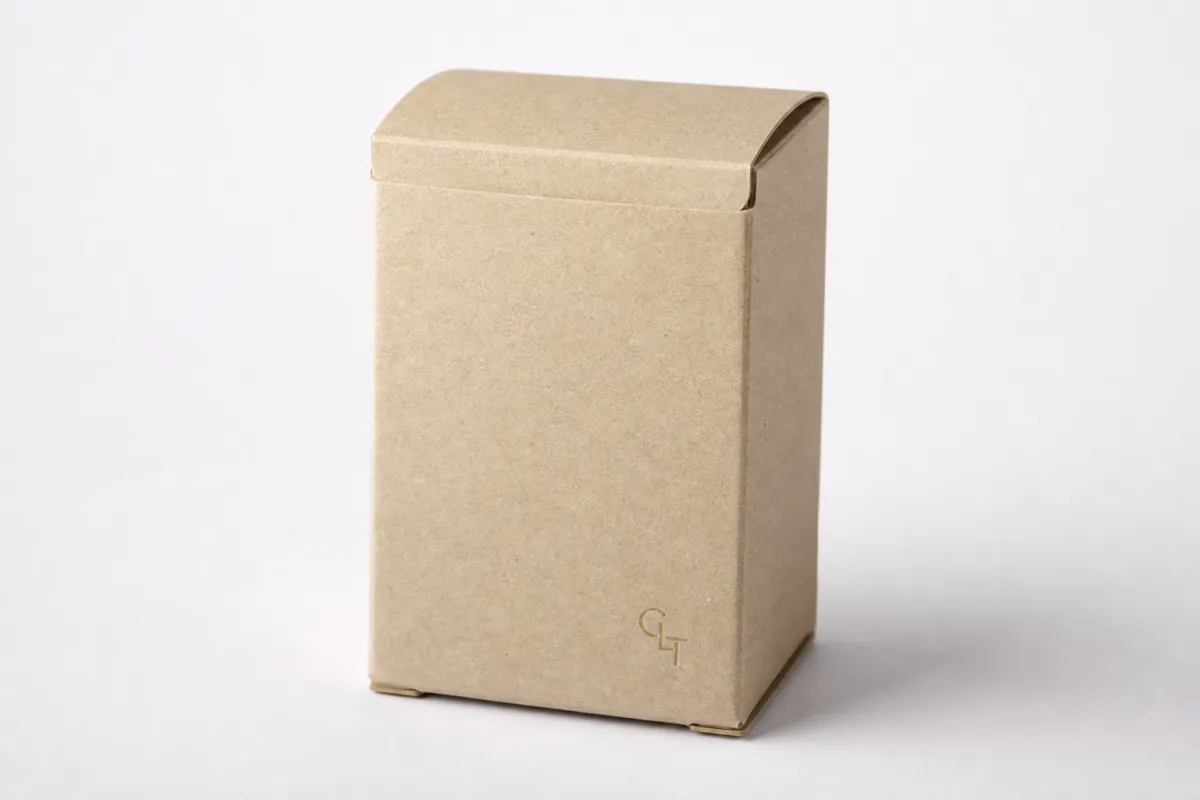
A compostable product boxes order reduces waste quickly because packaging is one of the few parts of the supply chain that reaches the customer, the warehouse, and the disposal stream all at once. When the box is built well, the difference shows up right away: less plastic content, less landfill-bound material, and less overboxing. When the box is built badly, the brand pays twice, once for the packaging and again for the damage or reprint it causes.
Compostable does not automatically mean functional. I have seen a lot of beautiful mockups fall apart the first time they sat in a humid stock room, and the failure was usually not the paper itself. It was the coating, the adhesive, or the way the structure folded under load. A thin water-based coating can behave very differently on kraft fiberboard than on a denser paperboard, and a heavy ink flood may slow down compostability even if the substrate itself is certified. Glue matters in the same way. A compostable product boxes order built on the wrong adhesive can look clean in a mockup and still fail after a few humidity cycles in a warehouse.
Three business goals usually drive the decision:
- Retail presentation: the box needs enough print clarity, color control, and structural precision to support brand value.
- Transit protection: the box needs a caliper and fold strength that match the product weight, not just the marketing brief.
- End-of-life credibility: the box should be compostable under the standard the brand is actually claiming, not a vague promise of being greener.
That last point matters more than many buyers expect. Consumers are increasingly skeptical of green packaging claims that sound polished but lack proof. A clean, well-documented compostable product boxes order helps close that credibility gap. It also supports brand consistency across channels, which is useful if your packaging needs to perform in retail, e-commerce, and subscription workflows without changing size or appearance.
There is also a carbon footprint angle that gets missed often. A box oversized by even 10% can increase corrugate use, fill material use, and freight cost. Over a run of 20,000 units, that difference adds up fast. The point is not to treat compostability as a slogan. The point is to choose a compostable product boxes order that reduces waste in more than one place: materials, transport, and disposal.
"The best eco-friendly packaging is the one that survives production without creating hidden cost later. If the spec is loose, the reprint bill usually arrives faster than the first sales report."
Packaging professionals often compare this choice to buying shoes for a hike. Looks matter, but so do the fit, the terrain, and the distance. A compostable product boxes order should fit the product, the route, and the customer's disposal habits. When those pieces do not line up, the box may still be compostable in theory while being wrong for the business in practice.
Compostable product boxes order options: materials, sizes, and finishes
The material choice sets the tone for the entire compostable product boxes order. Most buyers compare three core options: kraft-lined paperboard, molded fiber, and compostable paperboard structures with minimal finishing. Each one brings a different balance of stiffness, print quality, cost, and appearance. The right choice depends on product weight, branding style, and whether the box is meant to ship, sit on a shelf, or do both jobs.
Kraft-lined paperboard is often the most flexible option for retail cartons and lighter e-commerce packs. It offers a natural look, takes water-based inks well, and can support a premium design when typography is handled with care. A compostable product boxes order built on kraft paperboard often fits personal care, small accessories, supplements, and low-to-moderate weight goods.
Molded fiber works better when the product needs shape-based protection or a tactile presentation that feels deliberate the moment it is lifted from the carton. It shows up often in inserts, trays, and rigid-looking protective forms. It is not the best answer for every print-heavy brief, but it can add value where a buyer wants a lower-plastic, lower-filler presentation. For a compostable product boxes order centered on protection first, molded fiber can reduce the need for secondary cushioning.
Compostable paperboard with low-coverage printing and minimal adhesive use is the most direct path when the goal is simple visual impact and a straightforward end-of-life claim. That approach rewards restraint. A box can look premium without metallic inks, heavy lamination, or cluttered graphics. In practice, many brands get this backward. They think premium means more decoration, when the better result often comes from tighter structure, stronger contrast, and cleaner proportions. The premium look is kinda wasted if the box collapses in transit.
Size planning carries the same weight as material choice. If the internal dimensions are too loose, you add void fill, freight volume, and presentation problems. If the fit is too tight, assembly slows and product damage rises. A good compostable product boxes order starts with the product's actual dimensions, then allows for inserts, product movement, and closing tolerance. For shipping cartons, even 2-3 mm can matter when the product has corners, closures, or fragile surfaces.
Finishes deserve equal scrutiny. Compostable packaging can still use surface treatments, but not every finish belongs in the spec. The safer choices are:
- Water-based inks for clean print and lower VOC exposure.
- Low-migration coatings where food, cosmetics, or sensitive contact is involved.
- Minimal-use adhesives that support assembly without creating unnecessary material layers.
- Uncoated or lightly coated surfaces when a natural texture strengthens the brand story.
Brand presentation still matters. A box can be simple and still feel expensive if the dieline is disciplined and the typography is well spaced. Some of the strongest compostable product boxes order projects rely on restraint: one strong logo placement, one deliberate accent color, and enough white space to let the material itself feel intentional.
For teams building a seasonal launch or limited-run campaign, the tradeoff becomes visible quickly. A fuller print design may look richer in a mockup, but it can raise setup cost and complicate compostability goals. A leaner design often lowers the carbon footprint by reducing ink coverage, while also making the compostable product boxes order easier to produce consistently.
Specifications that matter before you place a compostable product boxes order
Before you approve a compostable product boxes order, the spec sheet should answer a few questions clearly. What is the board caliper? What box style are you using? How does it close? What is the print coverage? Which compostability standard are you claiming, if any? If a supplier cannot answer those points in writing, the quote is too soft to trust.
Start with the board structure. Caliper and basis weight are not the same thing, and buyers sometimes confuse them. A thicker board can improve rigidity, but it may also create folding issues or add unnecessary cost. A smart compostable product boxes order balances stiffness with line efficiency, especially if the packaging will be assembled by hand or packed in volume.
Performance deserves more attention than adjectives. Terms like "durable" and "strong" do not tell you much on their own. Ask for the actual testing basis. For shipping cartons, edge crush resistance and burst strength are the practical measures that help predict whether the box will survive handling. If the packaging must move through parcel networks, ask whether the design was checked against an ISTA-style transit profile. You can review the general shipping-test framework at ISTA, which is a useful reference point even when the final pack is not formally certified.
If the packaging will be used for food, cosmetics, or another sensitive product, the ink and coating system deserve extra attention. Odor transfer, migration risk, and fiber compatibility can affect suitability. A compostable product boxes order for a dry food brand is not the same as one for a retail candle line or a skincare launch. Same label. Different risk profile.
The next check is dimensional discipline. A spec should state:
- Internal dimensions in millimeters or inches.
- Board grade and thickness.
- Closure style, insert type, or locking method.
- Print method, number of colors, and coverage level.
- Any required certification or documentation.
That list may look basic, but it is where many delays begin. If the dimensions are loose or the art file is built before the dieline is approved, the compostable product boxes order can drift into revisions that eat time and budget. A clean spec sheet before artwork begins prevents that problem. It also gives your internal team a simple way to compare one supplier against another.
Certification is another point where clarity beats assumption. Some brands need FSC chain-of-custody proof for paper sourcing. Others need compostability documentation aligned to the market they sell into, often with standards such as ASTM D6400 or EN 13432 depending on where the boxes will be used and sold. If that is part of your brief, ask early. A supplier can only support a compliant compostable product boxes order if the requirements are stated before production starts, not after the sample is approved.
There is a practical way to think about strength testing and compliance. The box does not need to be the heaviest possible structure. It needs to be the lightest structure that still passes the relevant handling, storage, and presentation tests. That is a better use of materials, and it usually lowers cost. It also supports the broader zero waste discussion because fewer excess layers mean fewer resources consumed per unit.
For teams that want to check whether the material choice matches a sustainability brief, the U.S. EPA offers useful background on waste and materials management at EPA. It is not a packaging supplier's spec sheet, but it does help frame the downstream impact of a compostable product boxes order inside a wider waste reduction strategy.
Cost, pricing, and MOQ for a compostable product boxes order
Pricing is where the decision usually becomes real. A compostable product boxes order can be cost-effective, but only if the buyer understands what is driving the quote. Material type, print complexity, finish choice, box geometry, and total order volume all affect the final unit cost. If two quotes look different, they are often quoting different specs rather than the same box.
MOQ matters because tooling, plate setup, cutting prep, and press adjustment are fixed costs. Spread those costs across 500 units and the unit price rises fast. Spread them across 5,000 or 10,000 units and the math improves. That is why a lower-volume compostable product boxes order usually costs more per unit even when the design is simple. Buyers should expect that rather than treating it as a mystery markup.
To compare quotes fairly, match the following items exactly:
- Same board grade and thickness.
- Same internal dimensions and structural style.
- Same print colors and ink coverage.
- Same finish, coating, or lamination system.
- Same delivery terms and destination.
If any one of those changes, the price comparison is no longer clean. A compostable product boxes order can look cheaper on paper and still cost more once freight, damage risk, and reprint exposure are added. That is why a quote should be treated as a landed cost conversation, not just a unit-price conversation.
| Option | Typical MOQ | Estimated Unit Price | Best Fit | Notes |
|---|---|---|---|---|
| Kraft-lined folding carton | 1,000-3,000 | $0.28-$0.62 | Retail, cosmetics, supplements | Good printability, clean natural look, efficient setup |
| Simple compostable paperboard box | 3,000-5,000 | $0.22-$0.48 | Light products, direct-to-consumer | Lower material complexity, better at scale |
| Molded fiber insert or tray | 2,000-5,000 | $0.35-$0.90 | Protection, premium unboxing | Great for fit and cushioning, limited graphics |
| Rigid-style compostable pack | 1,000-2,000 | $0.80-$2.20 | High-value items, presentation-led brands | Higher material and labor cost, strongest premium feel |
Those numbers are directional, not a universal price list. A detailed compostable product boxes order for a premium product with multiple print passes, tight tolerances, and custom inserts may land higher. A simpler run with one-color print and a standard lock style may land lower. The real value is in understanding the spread before you commit.
There is also a hidden budgeting angle that gets ignored too often: packaging cost should be measured against waste reduction and damage reduction. If a slightly better spec lowers your damage rate by 2% and cuts wasted headspace in the carton, that is real money. Over a recurring compostable product boxes order, those savings can offset a more expensive board or a better coating.
From a procurement perspective, the best quote is the one that makes tradeoffs visible. You want to see where the money goes so you can decide whether to reduce ink coverage, adjust the size, simplify the closure, or change the finish. A supplier that can separate those variables is usually easier to work with on repeat orders too. That matters because repeatability is where packaging programs either save money or drift into chaos.
One more point: if a supplier promises an unusually low unit cost on a custom compostable product boxes order, check the assumptions. Sometimes the board is thinner than expected, the print coverage is lighter than the mockup suggests, or freight is excluded. Low price is not useful if the box fails the first drop test or triggers the first customer complaint.
Process and timeline: how a compostable product boxes order moves from quote to delivery
A compostable product boxes order usually follows the same core workflow, but the speed depends on how clean the brief is. The steps are straightforward: inquiry, quote, spec confirmation, dieline review, artwork approval, sampling, production, and shipping. The trap is assuming those steps can be skipped because the box looks simple on screen.
Here is the sequence that works best in practice:
- Inquiry and quote: the buyer shares dimensions, quantity, product type, and any certification requirement.
- Spec confirmation: the supplier confirms board type, closure, print coverage, and finish.
- Dieline review: structural drawings are checked before artwork is placed.
- Artwork proof: the design is checked for fit, bleed, folding, and readability.
- Sample or prototype: the buyer validates fit, feel, and assembly.
- Production: the approved spec is manufactured.
- Shipping: cartons are packed, labeled, and sent to the destination.
That process may sound long, but it saves time by preventing the most common failure: approving artwork before the structure is settled. A compostable product boxes order that skips structural review often comes back with logo shift, flap interference, or panel proportions that no longer fit the product. Those are avoidable delays, and they are expensive because they usually surface after everyone is already committed.
Realistic timelines vary with volume and complexity. A simple repeat compostable product boxes order may move in roughly 12-15 business days after proof approval if materials are available and no new tooling is required. A new custom structure with samples, revisions, and a more detailed print setup can run 3-5 weeks or longer. The more custom the box, the more time the approvals need.
The biggest delay points are familiar:
- Late artwork changes after proof approval.
- Missing compostability or FSC documentation.
- Unclear product measurements across SKUs.
- Decision-makers who are not aligned internally.
- Sample feedback that arrives in fragments instead of one clean response.
That last point deserves attention. One decision-maker can move a compostable product boxes order forward faster than four people each sending partial feedback. The supplier should receive one consolidated response after the proof or sample review. Otherwise, the schedule drifts while everyone waits for a final answer that never quite arrives.
It also helps to separate production time from shipping time. Too many buyers ask for a "two-week lead time" without saying whether freight is included. It rarely is. A useful project plan for a compostable product boxes order should list proof time, production time, and transit time independently so launch dates are built on reality rather than hope.
If your pack is part of a broader launch, align the packaging schedule with the final product release, not with the marketing wish list. The stronger the communication between procurement, design, and operations, the smoother the run. Packaging is one of those functions where small delays ripple quickly. A day lost at proof stage can become a week lost at fulfillment.
Why choose us for your compostable product boxes order
A good supplier does more than quote a price. For a compostable product boxes order, the best partner helps you narrow the spec before you spend money on revisions. That means clear material guidance, honest feedback on print coverage, and practical structural support. When the quote separates real cost drivers from generic sales language, you can make a better decision faster.
At Custom Logo Things, the value is in controlled specs and usable communication. If the box needs a dieline adjustment, that should be explained in plain terms. If the print area is too large for the chosen finish, that should be flagged before production starts. A compostable product boxes order should not depend on guesswork, and it should not require the buyer to decode packaging jargon just to move forward.
Consistency matters just as much as the first sample. Repeat orders should match the approved run in size, print, and finish so your fulfillment team does not have to re-train around packaging drift. In a warehouse, even a small dimension change can affect packing speed, insert fit, and carton count. That is why a disciplined compostable product boxes order is not only about sustainability; it is about operational stability.
There is also a trust factor that rarely shows up on a sales page but makes a big difference in practice: transparent lead-time updates. If material availability changes, Buyers Need to Know early. If artwork has a problem, they need to hear that before the press run is locked. That kind of communication keeps a compostable product boxes order on schedule and avoids the expensive surprises that damage both margins and launch plans.
For teams that buy packaging repeatedly, the long-term benefit is simple. A supplier who documents specs, approvals, and revisions makes future orders easier. You are not rebuilding the brief every time. You are refining it. That is especially helpful for brands that want to keep a steady line of eco-friendly packaging without changing the look or the functional performance from batch to batch.
If you are comparing vendors, ask each one the same questions. Which board do you recommend for this weight? What is the expected MOQ? What is the difference between the first quote and a repeat run? How will the box perform in shipping? A strong response will sound specific, not polished. That is what you want for a compostable product boxes order.
We also support buyers who need broader packaging coordination, including seasonal programs and volume-based purchasing. If your brand is planning multiple SKUs or a larger rollout, the Wholesale Programs page is a useful starting point. The goal is not to push more packaging. The goal is to help the right compostable product boxes order land cleanly the first time.
Next steps to finalize your compostable product boxes order
The fastest way to move a compostable product boxes order forward is to gather three things before you request a quote: product dimensions, target quantity, and the disposal or certification requirement. If you can also share a photo of the product or the current box, that helps the supplier evaluate fit, print area, and structural risk without guesswork. The better the input, the cleaner the quote.
After that, send artwork files and any existing packaging images together. A supplier can judge a compostable product boxes order more accurately when they see the structure and the brand system at the same time. That saves time later because the print size, fold lines, and visual hierarchy can be checked before the first proof is issued.
Then compare two or three quotes using the same spec sheet. Do not compare one supplier's simple carton to another supplier's fully finished version and assume the lower number is the better deal. A fair compostable product boxes order comparison should include the same board, the same dimensions, the same artwork coverage, and the same delivery terms. If one quote is missing detail, treat that as a risk, not a bargain.
A practical buying checklist looks like this:
- Confirm product dimensions and weight.
- Choose the board type and finish.
- Check whether any certification is required.
- Review the dieline before artwork begins.
- Approve one clean proof quickly.
- Separate production time from shipping time.
That checklist may look basic, but it is the difference between a smooth launch and a box redesign halfway through the run. A strong compostable product boxes order is built on decisions that are documented, not implied. That is how you avoid reprints, reduce delays, and keep the final package aligned with the product it protects.
If your team is still deciding between options, think in terms of material, MOQ, pricing, timeline, and freight. Those five variables tell you most of what you need to know. A supplier that can explain each of them clearly is easier to trust and easier to scale with. That is especially true for brands trying to keep a credible zero waste message without compromising functional packaging performance.
Bottom line: the best compostable product boxes order is the one that performs in the real world, not just in a mockup. It should fit the product, respect the budget, pass the needed handling tests, and support the disposal story the brand wants to tell. Lock the dimensions, substrate, adhesive, ink system, and disposal claim on one page before production starts, because that is the point where a clean plan turns into a box that actually earns its keep.
FAQ
What should I check before I place a compostable product boxes order?
Confirm the box dimensions, board type, print method, and any compostability certification you need. Ask whether the coating, adhesive, and ink system still support compostable disposal, and request a spec sheet plus a sample before production approval. That matters even more if the compostable product boxes order will ship through a parcel network or sit in storage before use.
Which materials work best for compostable product boxes orders?
Kraft-lined paperboard works well for many retail and e-commerce uses when you want strength and a natural look. Molded fiber is useful for protective inserts or rigid product presentation where shape matters. The best choice depends on product weight, print goals, shipping conditions, and end-of-life requirements for the compostable product boxes order.
How does MOQ affect a compostable product boxes order?
A higher MOQ usually lowers unit cost because setup and tooling costs are spread across more boxes. A lower MOQ is useful for launches and test runs, but the per-box price is typically higher. Ask for tiered pricing so you can see the cost change at different volumes before committing to the compostable product boxes order.
How long does production usually take for compostable product boxes?
Timeline depends on sampling, artwork approval, material availability, and whether the box structure is custom. Simple repeat orders can move faster than new custom jobs because dielines and print settings are already approved. If you have a firm launch date, ask the supplier to separate proof time, production time, and shipping time for the compostable product boxes order.
What drives the price of compostable product boxes most?
Material choice, print complexity, finish, box size, and order volume are the biggest cost drivers. Extra customization such as inserts, specialty coatings, or rigid construction can raise the unit price quickly. A fair quote should show where the money goes so you can adjust specs without guessing on the compostable product boxes order.
Before you move ahead, gather the final dimensions, the quantity range, the required claim or certification, and the shipping method in one brief. That gives you a cleaner quote, a more honest timeline, and fewer surprises after approval. Choose the material with the best balance of strength and end-of-life reality, compare the same spec across vendors, and let the compostable product boxes order be decided by what the box has to do, not by the prettiest sample on the table.

