When a product already earns attention through form, color, and the way it feels in hand, compostable retail sleeves bulk order programs give brands a practical way to sharpen shelf presentation without tearing up the whole package architecture. The primary pack stays in place, the filling line stays familiar, and the sleeve adds branding, legal copy, and SKU distinction in a format that buyers can review, approve, and reOrder With Confidence.
Retail packaging choices rarely hinge on one visual preference. Fit, print clarity, unit Cost, Lead Time, and the truth behind the sustainability claim all sit in the same conversation. From a packaging buyer's point of view, a compostable retail sleeves bulk order needs to satisfy three conditions at once: it has to look polished on shelf, use materials with restraint, and arrive with documentation that can stand up to procurement review. That is the real brief, and it is the one worth keeping close.
I have seen plenty of sleeve projects stall because the team focused on the finish before they locked the fit. The order looked good on a sample board, sure, but the line operators were the ones who had to wrestle with it later. That sort of thing is avoidable, and it usually starts with getting the basics right before anyone starts debating foil, coatings, or a fancy die cut.
Compostable Retail Sleeves Bulk Order: The Shelf-Impact Case
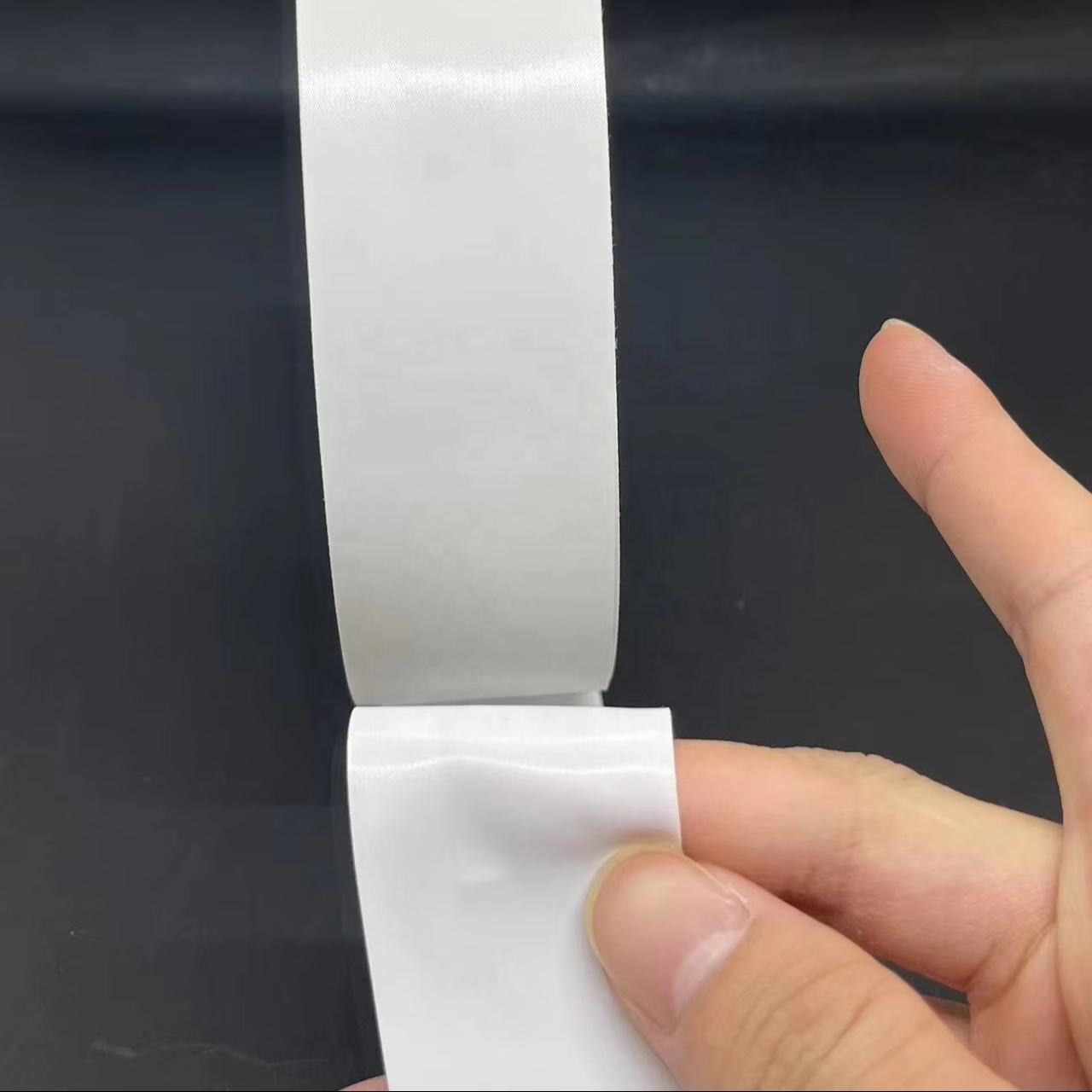
A retail sleeve is a small packaging component with a large responsibility. It can turn a plain primary pack into a branded display piece, and it can do that without forcing a full carton redesign or a new filling setup. That is one reason compostable retail sleeves bulk order requests often move faster than bigger packaging changes. The outer presentation changes; the core product architecture does not.
That approach is especially useful in categories where the product already carries strong physical cues. Wellness bottles, reusable household items, specialty food jars, and accessory kits often need a seasonal message or a regulatory panel more than they need a completely new box. A sleeve can carry a promotion, a compliance note, or a SKU code while preserving the base pack. Compared with a rigid carton, a sleeve uses less material and often less ink coverage. Built correctly, that lower material load can support a cleaner environmental profile, especially when the sleeve is sized tightly rather than padded out for convenience.
There is a commercial reason buyers keep returning to compostable retail sleeves bulk order programs as well. Retail teams want the package to communicate value quickly. A sleeve gives them a generous print surface, a straightforward path to multilingual copy, and a way to localize versions without changing every component in the supply chain. One die line can support multiple launches if the artwork system is planned with care and the layout is built in modules rather than one-off fragments.
The comparison with a full carton is useful here. A sleeve may contain much less material, yet it can still create strong shelf blocking. For many programs, that is the right balance: enough presence to feel intentional, not so much packaging that it reads as wasteful. Buyers focused on zero waste and circular economy goals often prefer that middle ground because it keeps the package closer to the product's actual need instead of adding decorative bulk.
The practical takeaway is simple. If the current pack already protects the product and only needs stronger retail communication, compostable retail sleeves bulk order work can be the fastest upgrade path. The change is visible to shoppers, manageable for operations, and easier to forecast than a complete format switch.
There is also a brand signal embedded in the sleeve. Shoppers may not parse the construction details, but they do notice whether the pack feels overbuilt or thoughtfully restrained. A sleeve that carries the right amount of information, without crowding the product into a block of noise, tends to read as more deliberate. That sort of restraint does a lot of heavy lifting on shelf.
Buyer reality: the best sleeve program is not the one that sounds most sustainable in a meeting. It is the one that prints cleanly, fits consistently, ships on time, and can be reordered without rework.
Compostable Retail Sleeve Product Details: What You Are Actually Ordering
People often say “sleeves” as if the word covers one standard product. It does not. A compostable retail sleeves bulk order may include belly bands, wrap sleeves, display bands, promo sleeves, or form-fitting overwraps. The difference is not semantic; it changes how the pack sits on shelf, how it is applied on the line, and how much print area is available.
The simplest versions are paper-based bands or wraps made from certified compostable fiber structures. These are often chosen for dry goods, wellness products, and lighter retail items where the sleeve is there to communicate rather than contain. More technical programs may use certified compostable films or hybrid structures that are built for better fold memory, cleaner creasing, or improved abrasion resistance. Film-based options can create a sharper, more polished appearance, but the material needs to match the disposal claim and the retailer's policy.
Customization usually starts with size, cut style, and artwork coverage. Then come details buyers sometimes underestimate: window placement, perforation, adhesive panel placement, and whether the sleeve will be applied by hand or by automated equipment. A hand-applied band can tolerate different tolerances than a high-speed line. That sounds obvious until a production run begins and the sleeve is off by a millimeter. On a busy packing floor, that millimeter becomes labor cost, scrap, or both.
Here is the practical split many teams use when planning a compostable retail sleeves bulk order:
- Product belly bands: narrow wraps used to identify a SKU or carry a short message.
- Retail display sleeves: larger wraps that add shelf impact and more compliance copy.
- Promotional sleeves: seasonal or campaign-driven wraps with variable text.
- Multi-pack bands: structures that hold bundled items together without a full carton.
Material choice changes the feel as much as the function. Paper-based compostable sleeves often look more natural and can fit well with eco-friendly packaging programs that want a softer, less glossy presentation. Film-based compostable sleeves can be a better fit when you need a crisper edge, higher scuff resistance, or more visible print contrast. Neither is automatically superior. The right answer depends on product weight, handling conditions, and how the sleeve will be merchandised.
One common buyer mistake is assuming the sleeve can compensate for a weak primary pack. It cannot. If the base carton is undersized or the bottle panel is already crowded, the sleeve will only expose the problem more clearly. A strong compostable retail sleeves bulk order program begins with the exact substrate, the exact fit, and the exact end use. That is what keeps the project practical instead of decorative.
The same applies to end-of-life claims. A sleeve can be certified compostable on paper and still not fit every local collection stream. That is not a flaw in the material so much as a reality of municipal infrastructure. The honest version of the message is usually the best one: certified compostable where facilities accept it, with the paperwork to back up the claim.
Specifications That Matter for Compostable Retail Sleeves
Before anyone prices a compostable retail sleeves bulk order, the spec sheet should tell a clear story. Finished dimensions come first. Then the sleeve depth, the wrap direction, and the tolerance band for fit. If the sleeve is meant to slide over a carton, the internal clearance matters. If it is meant to fold around a bottle or tray, the crease positions matter even more.
Material thickness or caliper should be stated in a way the production team can use. For paper-based structures, the caliper affects stiffness, scuff resistance, and how sharply the sleeve holds a fold. For compostable films, thickness influences stretch, curl, and how the material behaves under humidity. In a humid warehouse, a sleeve that looks perfect on a proof can still shift during packing if the material is too soft or too memory-driven.
Print details matter just as much. Number of colors, ink system, matte or gloss appearance, varnish or coating choices, and any special effect all change the performance profile. A bright, heavily coated finish may look strong in a sales sample, but not every finish preserves a compostable claim. That is why the documentation needs to match the construction. If a buyer is preparing retailer paperwork, the sustainability statement must be supported by the exact material build, not just a promise from a sales sheet.
For many teams, the standards conversation is where the buying decision becomes real. Buyers often ask for proof against a recognized compostability standard, such as ASTM D6400 or EN 13432, depending on the destination market. If paper fibers are involved, FSC documentation may matter too. For distribution durability, transport testing is worth discussing, and organizations like ISTA provide the kind of test language procurement teams understand. For broader packaging and recovery context, the industry resources at packaging.org can help anchor internal conversations about materials and end-of-life expectations.
Spec detail also includes the manufacturing tolerance. A sleeve that looks attractive in a prototype can still fail in a production run if the die line, glue area, or perforation was not engineered for the chosen material. That is especially true on compostable retail sleeves bulk order jobs, where the material may be more sensitive than conventional plastic film. Buyers who ask for precise die lines, proof approval, and fit validation reduce risk before the press starts.
Good spec pack checklist:
- Finished width, height, and wrap depth.
- Substrate type, caliper, and compostability basis.
- Print count, file format, and color target.
- Adhesive or locking method, if needed.
- Tolerance requirements and application method.
- Retail compliance copy and any regional claim language.
There is a simple rule here: the better the spec, the cleaner the quote. For a compostable retail sleeves bulk order, every missing detail becomes a pricing variable, a lead-time variable, or both. Buyers who define the structure up front usually get fewer surprises later.
One detail that gets skipped more often than it should is the storage condition. If the sleeves will sit in a warm warehouse, pass through a humid dock, or wait in a chilled staging area, say that early. Materials do not behave the same across environments, and the team doing the conversion needs that context before they commit to a structure.
Compostable Retail Sleeves Bulk Order Pricing and MOQ
Pricing is where many packaging conversations become vague, and they should not. A compostable retail sleeves bulk order should be priced around a clear set of inputs: material, size, print complexity, finish, and quantity. If the supplier cannot explain how those variables affect the number, the quote is not ready for comparison.
Material is usually the largest driver. Certified compostable papers, specialty fiber blends, and compostable films do not behave like commodity plastics. The raw material cost is higher, and the conversion process can be more sensitive. Print complexity comes next. A one-color band with limited coverage is naturally cheaper than a full-wrap, full-bleed design with multiple spot colors, coating, or intricate registration. Volume changes the picture after that. Setup costs are spread across more pieces as the order grows, which is why true bulk pricing improves sharply once the run size crosses a few thousand units.
MOQ varies by production method and material availability. Short runs can work for a pilot, a launch test, or a retailer presentation. A compostable retail sleeves bulk order becomes more efficient when the setup can be amortized over a larger quantity. For many custom programs, 1,000 units may be a workable pilot MOQ, 3,000 units may be the point where the economics begin to settle, and 5,000 to 10,000 units often brings the most meaningful unit-cost drop. The exact threshold depends on whether the sleeve is standard size or fully custom.
Buyers often miss the “invisible” quote items. Tooling or die charges may be separate. Sampling, shipping, proofing, and special packing can all appear as add-ons. If the order requires individual SKU labeling or pallet configuration for a warehouse drop, that should be priced up front. In a serious compostable retail sleeves bulk order review, those costs belong in the comparison spreadsheet, not hidden in the margin.
To make the difference more concrete, here is a typical pricing frame for custom projects. These are planning ranges, not guarantees, because the final number still depends on artwork coverage, material choice, and ship-to destination.
| Order Quantity | Simple Compostable Paper Sleeve | Printed Compostable Film Sleeve | What Usually Drives the Price |
|---|---|---|---|
| 1,000 units | $0.38-$0.65 per unit | $0.42-$0.72 per unit | Setup, proofing, and material minimums weigh heavily |
| 5,000 units | $0.18-$0.32 per unit | $0.22-$0.38 per unit | Bulk spread starts to reduce the setup burden |
| 10,000 units | $0.11-$0.22 per unit | $0.15-$0.28 per unit | Higher yield and steadier material usage improve efficiency |
Those numbers help buyers frame expectations, but they are not a substitute for a real quote. A compostable retail sleeves bulk order with one SKU may price very differently from a program with six SKUs, variable artwork, and short launch timing. The right comparison requires the same dimensions, the same substrate, the same print coverage, the same quantity, and the same delivery window.
If you are comparing suppliers, ask for a quote break at two volumes. For example, request pricing at 3,000 and 10,000 units. That gives you a useful view of unit-cost movement and makes the MOQ conversation more honest. It also helps separate real bulk economics from promotional pricing that only works at a narrow quantity. From a buyer's side, that is the difference between a quote and a plan.
It also helps to separate price from total landed cost. A quote that looks strong on the unit number can fall apart once freight, pallet charges, or rush fees are added. I have watched teams chase the lowest line item and then spend the next week untangling the rest of the invoice. Not fun, and kinda avoidable.
Useful rule: if one supplier quotes a sleeve much cheaper but does not match substrate, print coverage, or proofing terms, the quote is not comparable. It is just a lower number.
Process and Timeline: From Artwork to Delivery
A compostable retail sleeves bulk order runs more smoothly when the production path is controlled from the start. The sequence is usually straightforward: inquiry, spec review, quote, dieline confirmation, artwork submission, proof approval, production, inspection, and shipment. Each step sounds routine, and that is exactly why it matters. Miss one of them and the schedule slips.
The most common delay is incomplete dimensional information. If the finished product size is not locked, the sleeve cannot be engineered correctly. The second most common delay is artwork revision after proofing has begun. Even a small copy change can alter the dieline relationship, especially when there is a tear notch, fold line, or registered window. For a compostable retail sleeves bulk order, late revisions are rarely free in time or money.
Proofing often happens in two stages. A digital proof verifies layout, copy, and color placement. A physical sample or pre-production check confirms fit, fold behavior, and finish. That second step is especially valuable for products that use an unusual bottle shape, a premium carton, or a tight retail display tray. A sleeve that works on screen may still need adjustment before full production.
Once production starts, the timeline depends on the material and the printing method. A well-prepared compostable retail sleeves bulk order can move in roughly 12-15 business days after final approval when the material is in stock and the artwork is stable. If the program needs specialty materials, certification verification, or a new die line, the window can stretch. Add freight time on top, and the real launch date should always include a buffer.
Here is the timing logic many packaging teams use:
- Day 1-2: inquiry and spec review.
- Day 2-4: quote and dieline confirmation.
- Day 4-7: artwork setup and digital proof.
- Day 7-10: sample or pre-production approval, if needed.
- Day 10-25: production, quality checks, and packing.
- Then: shipment and final delivery.
That is the path for a typical custom run. A faster compostable retail sleeves bulk order is possible when the spec is locked early and the artwork arrives print-ready. A slower one is almost always the result of missing dimensions, a moving launch target, or a material that still needs validation. The schedule follows the decisions made before the order is released.
There is another practical point worth stating plainly. Retail launches often fail not because the packaging is wrong, but because the packaging arrives too late to support the sell-in. A sleeve that is functionally excellent but misses the shelf reset is a missed opportunity. That is why planning should include ship-to timing, not just production timing. If the pack is going to a distributor, a co-packer, or a retailer's central warehouse, transit days matter as much as press days.
Schedule discipline saves money. A locked spec, a final artwork file, and a realistic buffer usually beat rush fees every time on a compostable retail sleeves bulk order.
It helps to keep one more thing in mind: even a good schedule can wobble if approvals are scattered across too many people. A single point of sign-off, or at least a clearly named final reviewer, tends to keep the process moving. Without that, you can lose a week to opinions that never quite become a decision.
Why Choose Us for Compostable Sleeve Programs
For a packaging buyer, the best supplier is not the one with the loudest sustainability language. It is the one that removes uncertainty. That means stable sourcing, clean preflight checks, reliable fit guidance, and repeatability on the second and third order. A compostable retail sleeves bulk order should be a controlled program, not an experiment you have to relearn every quarter.
Custom Logo Things is built around that practical view. The goal is to help you match the sleeve structure to the product, the print to the shelf goal, and the documentation to the claim you want to make. If a design looks good but will crease badly in transit, that should be flagged before production. If a material is technically compostable but too soft for retail handling, that should be discussed before the quote is finalized. A good supplier prevents those surprises instead of apologizing for them later.
There is also value in working with a team that understands multi-SKU planning. Many brands do not need one sleeve; they need a sleeve system. One size family can often support several variants if the layout architecture is designed properly. That can lower setup friction, reduce artwork chaos, and make the next compostable retail sleeves bulk order faster to release. It is one of the cleaner ways to support a circular economy message without making operations harder.
Transparent documentation matters just as much. Buyers increasingly need to know what can be stated on pack, what can be stated to a retailer, and what needs supporting evidence. If the sleeve carries a compostable claim, the claim basis should be obvious. If the structure includes paper, the fiber source and any FSC documentation should be clear. If the sleeve is intended for a specific recycling or composting pathway, the language should be carefully checked so the eco-friendly packaging story remains accurate rather than overstated.
For repeat programs, our Wholesale Programs page is the right starting point for bulk ordering logic, and our FAQ page answers common questions about artwork, minimums, and proofing. That combination helps teams move from inquiry to approval without wasting time on avoidable back-and-forth.
In practice, the best-selling packaging usually does three things well: it looks right, it moves through production without drama, and it can be reordered with minimal friction. A compostable retail sleeves bulk order fits that model when the supplier treats it as a production system rather than a one-time print job.
Experience does matter here. The projects that go best are usually the ones where the supplier asks a few annoying questions early: what machine is applying the sleeve, how will it be stored, who signs off on claims, and what exactly happens if a dimension shifts by a fraction of an inch. Those questions save everyone from the bad kind of surprise later.
Next Steps for Your Compostable Retail Sleeves Bulk Order
If you are preparing a compostable retail sleeves bulk order, start by gathering the information that actually drives the quote. The cleaner the brief, the more useful the response. At minimum, you should have the product dimensions, the sleeve format, the target quantity, the artwork file, the preferred material, and the launch date you are planning backward from.
It also helps to ask for comparison pricing at two quantity levels. A quote at 3,000 units and another at 10,000 units will show you where the setup cost stops dominating and where the unit price becomes more attractive. That matters when procurement is trying to decide whether a pilot should become a recurring program. A compostable retail sleeves bulk order should make that decision easier, not harder.
Ask for a sample or proof before release, especially if the sleeve has to fit a specific carton, bottle, tray, or multi-pack. If the product is likely to be handled heavily in store, talk about scuff resistance and fold behavior as part of the approval process. If the item is going into a chilled or humid environment, test that condition early. A sample can expose issues that a computer file will not show.
Once the first run is approved, keep the final spec locked. That is how repeat orders move faster. Every change to the sleeve size, material, or print layout creates a new set of variables. Stable spec management is one of the easiest ways to control the long-term cost of a compostable retail sleeves bulk order while keeping the shelf presentation consistent.
If you want the process to stay clean, follow this sequence: send the specs, confirm the timeline, review the quote, approve the proof, and release the order with enough shipping buffer. That is the practical route. It works because each step gives you a decision point before money is committed. For a packaging buyer, that is exactly what disciplined ordering should look like.
When the brief is clear and the requirements are realistic, a compostable retail sleeves bulk order can deliver strong shelf impact, measurable material reduction, and a packaging story that fits modern retail expectations without pretending to solve everything at once.
The clearest next move is to build the brief around the real product, not the ideal one: final dimensions, application method, certified material basis, quantity breakpoints, and the exact date the sleeves need to be in hand. That keeps the quote grounded, the schedule honest, and the bulk order useful from the first run onward.
What information do you need for a compostable retail sleeves bulk order quote?
Send the finished sleeve dimensions, the product type, and the way the sleeve will be applied. Include your artwork file format, color count, finish preferences, target quantity, launch date, and the destination address so freight and lead time can be priced accurately.
How do compostable retail sleeves bulk orders compare with plastic sleeves on cost?
At low volume, compostable options are usually higher in unit cost than basic plastic film. As volume rises, the gap often narrows because setup and conversion costs are spread across more pieces. Material choice, certification requirements, and print complexity usually matter more than the sleeve shape itself.
What MOQ should I expect for compostable retail sleeves?
MOQ depends on the substrate, the print method, and whether the sleeve is a standard or fully custom size. Short runs can work for pilots, but bulk pricing usually becomes more attractive once setup costs are distributed over a larger quantity. Ask for a tiered quote so you can compare break points clearly.
Are compostable retail sleeves actually suitable for retail handling?
Yes, if the material and thickness match the product weight, storage conditions, and expected shelf handling. For humid environments or high-touch displays, request guidance on scuff resistance, crease memory, and fold performance. A sample on the actual product is the fastest way to confirm fit.
How long does a compostable retail sleeves bulk order usually take?
Timing depends on artwork readiness, proof approval, material availability, and order size. Projects move faster when dimensions are final and certification questions are already answered. Ask for a quoted production window plus shipping time so you can plan with a realistic buffer.
For teams evaluating a compostable retail sleeves bulk order, the smartest move is to start with the real spec, not the hopeful one. That keeps the quote honest, the schedule usable, and the packaging story grounded in facts instead of buzzwords.


