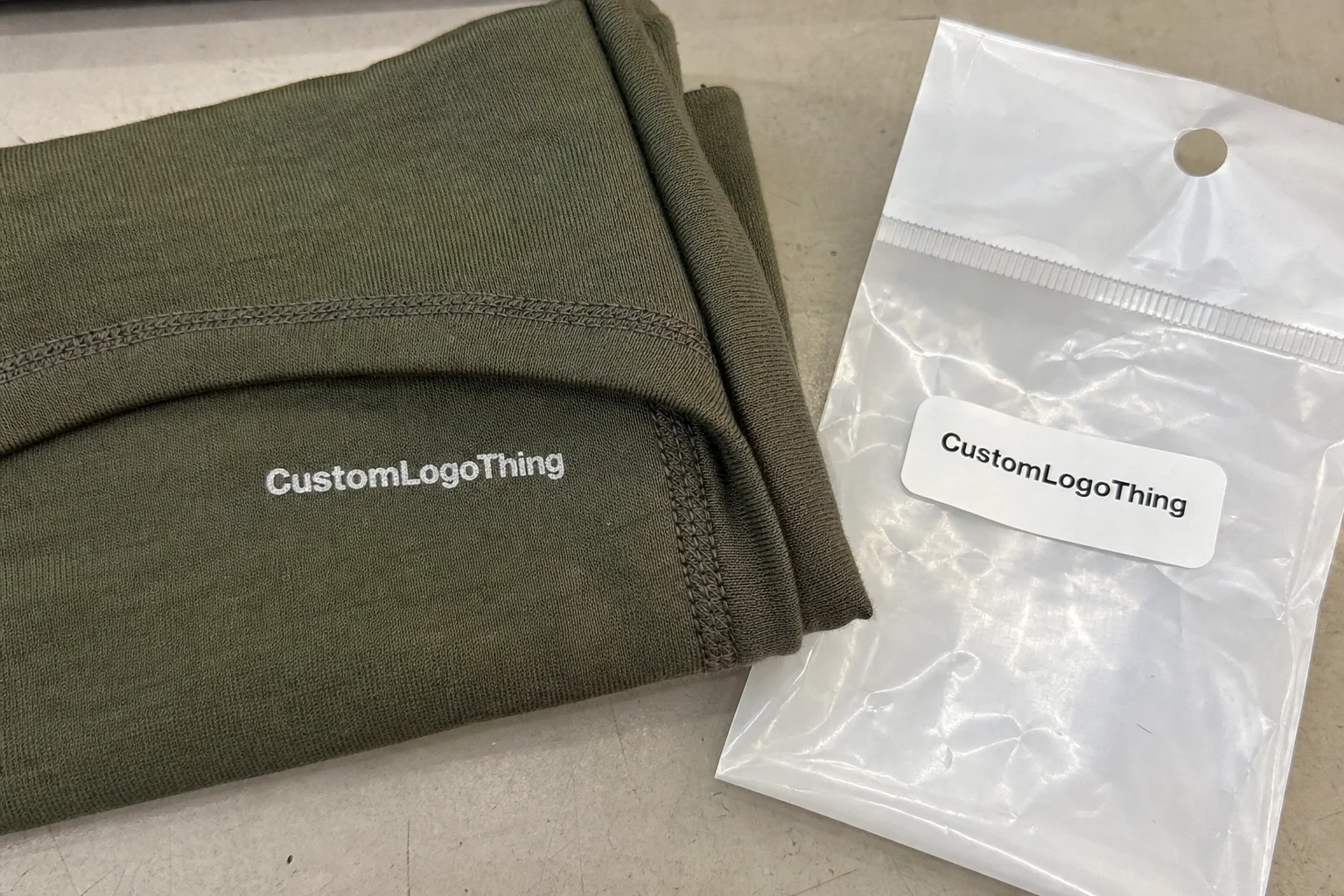
Soft-touch mailers look premium because the surface does more than hold ink. It changes how light falls across the bag, how color reads in the hand, and how the customer interprets the shipment before the product is even opened. That same finish also makes weak reorders easy to spot. Scuffs show sooner. Shade drift looks sharper. A seal placed a few millimeters off can make the whole bag feel less considered.
That is why a cosmetics brands soft touch Poly Mailers Reorder Checklist should exist before inventory gets tight. A good repeat run protects presentation, keeps pack-out moving, and avoids the expensive scramble of rushed proofs, upgraded freight, and avoidable rework.
From a packaging buyer's point of view, a reorder should not feel like a fresh sourcing project. The cleanest repeat order matches the last approved sample, uses the same material and finish notes, ships inside a realistic timeline, and gives the fulfillment team bags that behave exactly as expected. Basic, yes. Also where plenty of brands lose money.
Why the cosmetics brands soft touch poly mailers reorder checklist matters before stock runs out
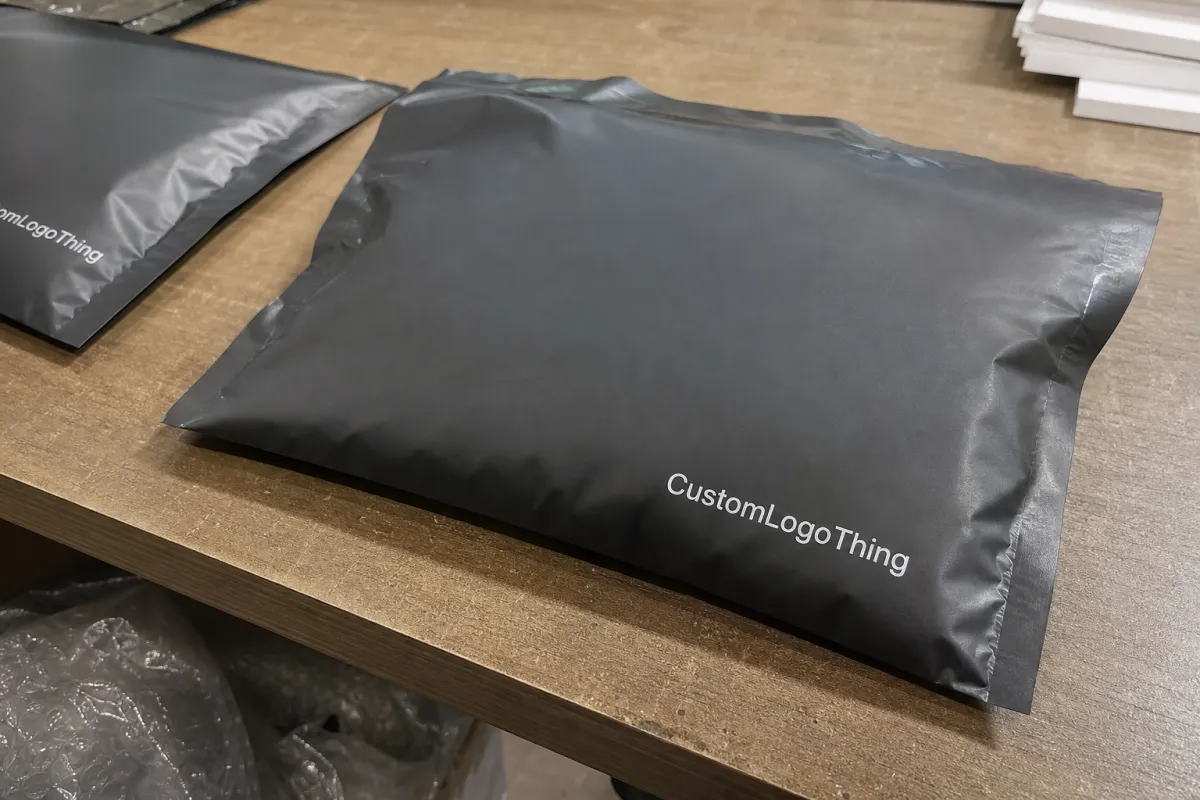
A soft-touch poly mailer is less forgiving than a standard glossy or plain polyethylene bag. The finish can mark from carton friction, printed color may shift slightly under a new ink batch, and the seal area tends to reveal handling wear after repeated distribution cycles. If the mailer is part of the unboxing experience, the reorder should be treated as a controlled repeat item, not a loose commodity.
The usual reorder triggers are predictable. Inventory drops below a threshold that should have been set when the last order landed. A seasonal launch sells faster than forecast. A social campaign or influencer drop burns through a month of mailers in two weeks. Or the brand changes a logo, QR code, return address, claim language, recycling note, or compliance line, making older stock awkward or unusable for the next shipment wave.
Early reordering protects margin in direct, measurable ways. A rushed run may carry higher unit pricing, expedited proof charges, air freight, or fewer material options if the preferred film is not available on short notice. Waiting can feel efficient until the invoice shows the cost of speed. The bag itself may be inexpensive compared with the product inside, but late packaging has a way of taxing every department at once.
Cosmetics also bring a particular kind of pressure. Customers notice texture, finish, and color because those details are part of the category language. A mailer for a serum, lip product, fragrance sample kit, or subscription box insert does not need to be overbuilt, but it does need to feel intentional. A dull repeat run can make the shipment look mismatched even if the product is perfect.
For teams building a broader packaging stack, the Custom Packaging Products catalog can help keep mailers, cartons, inserts, and labels aligned instead of treating each component as a separate emergency. Outside references such as ISTA are also useful for thinking about transit stress, while The Packaging School / packaging.org offers helpful material and packaging education. Neither will dictate the exact bag spec, but both help frame what packaging must survive once it leaves the dock.
What to verify before you approve the next mailer run
Do not trust memory on a reorder. Pull the last approved sample, production sheet, purchase order, proof, and shipment record before asking for a quote. If the previous run used a 2.5 mil matte soft-touch poly mailer with a permanent peel-and-seal closure, that full construction is the starting point. Not a similar size. Not a photo from the warehouse. The exact spec.
Start with dimensions, and be specific about what the numbers mean. Nominal outside size is not always the same as usable internal space, especially once seal area, side welds, or gussets are considered. A cosmetic set that fit comfortably in the last bag may become tight if the secondary carton changes by even a small amount. One taller insert, thicker tissue wrap, or revised product carton can push the seal line and create a weak closure.
Film thickness needs the same attention. Many cosmetic mailers fall in the 1.8 mil to 3.0 mil range, with heavier or sharper-edged shipments often needing more structure. A lightweight sample pouch may ship acceptably in a thinner film, while a boxed skincare set may need a stronger gauge to resist puncture and edge stress. The right answer depends on product weight, product geometry, distribution method, and how much abuse the package is expected to take.
Then review the closure. Peel-and-seal sounds simple, but adhesive width, liner release, placement, and seal strength affect pack-out speed. A closure that is too aggressive can slow fulfillment if staff struggle with the liner. A weak closure may open under pressure or temperature changes. If the last run worked well, keep the closure style documented along with any packing notes from the warehouse.
Print status matters too. A printed mailer may require proof confirmation, plate or setup review, color notes, and production scheduling. A plain soft-touch mailer with a label may move faster, but the label material still needs to be checked against the surface. Some labels adhere differently to matte and soft-touch finishes, especially under cold storage, humid handling, or long dwell times in transit.
Brand updates deserve a quick but serious pass before quoting. Confirm logo files, spot or process color values, QR code destinations, return address, website URL, ingredient or compliance references if used on the mailer, and any recycling or disposal language. A small copy edit can require a new proof cycle. That is not a reason to avoid updates; it is a reason to identify them early.
A practical internal file set should include the last PO, approved artwork, material spec, proof approval, carton count, landed quantity, and any notes from receiving or fulfillment. If project records live across shared drives, inboxes, and old chat threads, expect delays. One clean folder can remove hours of small uncertainty.
- Size: confirm usable internal width and length, including seal area and any gusset allowance.
- Thickness: match the last mil or micron spec unless product weight or transit risk has changed.
- Closure: document peel-and-seal type, adhesive position, and liner behavior if it affected packing speed.
- Finish: specify soft-touch, matte, gloss, or other coating language exactly as used on the prior run.
- Artwork: verify logo, color values, QR codes, return address, legal lines, and version date before quoting.
Finish, thickness, and print specs that hold up in transit
Soft-touch bags depend on spec discipline. The important variables are film gauge, surface finish, print method, ink coverage, opacity, seal strength, and tear resistance. They are connected. A thicker film may resist puncture better, but loose print registration still makes the finished bag look careless. A smooth matte handfeel may sell the premium cue, yet still disappoint if the seal edge wrinkles or the black ink reads brown under neutral light.
Cosmetics shipping is harder than it appears from a sample table. The mailer gets stacked, slid, compressed, labeled, scanned, and handled by people who have no reason to be gentle with a branded bag. Shipping labels can scuff the surface. Conveyor friction can polish a matte patch. Temperature swings can affect adhesive performance. A finish that looks beautiful in a short approval run still has to survive the route to the customer.
For many brands, 1.8 mil to 2.5 mil works for light cosmetic shipments, samples, and small boxed items. Heavier kits, rigid cartons, glass components, or mixed orders may justify 2.5 mil to 3.0 mil or a different construction entirely. If the product has sharp carton corners, pumps, caps, or rigid edges, test the packed unit rather than the empty mailer. Empty-bag strength does not tell the whole story.
Opacity deserves more attention than it usually gets. Beauty brands often ship products where color, shade name, or promotional inserts should not be visible through the bag. A soft-touch exterior does not automatically guarantee blockout. If privacy matters, specify opacity expectations and check a filled mailer under bright light.
Color control is another common pain point. The soft-touch surface changes how ink appears because it reduces glare and can make tones look deeper or flatter than they do on a coated label or paperboard carton. Screen proofs help with layout, but they do not replace a physical review when color is brand-critical. If the brand has an approved sample, keep it labeled and protected so the next batch can be compared against a real reference rather than a monitor.
Useful tolerances should be written down. Trim tolerance, seal placement tolerance, color tolerance, and acceptable surface variation all help reduce argument later. No mass-produced poly mailer is perfect bag to bag, and pretending otherwise creates friction. The point is to define what is acceptable before production, especially for mailers that will sit beside previous inventory during a transition period.
Print coverage also affects both cost and performance. A small one-color logo repeat behaves differently from heavy full-panel coverage. Dense ink areas may need more drying or curing time, and heavy coverage can make shade variation more obvious. Metallic effects, flood coats, and high-contrast designs should be reviewed with extra care because even small scuffs tend to stand out.
| Reorder type | Typical unit cost | Lead time | Best for |
|---|---|---|---|
| Straight repeat, no changes | $0.18-$0.28 at 5,000 pieces | Often 12-15 business days after approval | Stable SKUs and planned replenishment |
| Repeat with artwork edits | $0.20-$0.33 at 5,000 pieces | Often 15-20 business days | Logo updates, QR changes, compliance text revisions |
| Size or construction change | $0.24-$0.40 at 5,000 pieces | Often 18-25 business days | New product dimensions or revised pack-out needs |
These ranges are planning numbers, not promises. Resin costs, freight conditions, print complexity, rush scheduling, and order size can move pricing quickly. A supplier should still be able to explain the reason for a price change in plain language.
Cost, pricing, and MOQ for repeat poly mailer orders
Repeat order pricing is usually driven by size, material weight, print coverage, finish, color count, setup requirements, and quantity. If the quote changes significantly from the last run, ask what changed. Sometimes the answer is resin, freight, labor, or a lower order quantity. Sometimes the new quote includes an artwork revision or rush schedule the buyer did not mean to request.
MOQ is a production constraint, not a judgment on the brand. Smaller runs almost always carry higher unit costs because setup, proofing, and production handling are spread across fewer bags. Larger orders can reduce the unit price, but only if the brand can store and use the inventory before the next packaging refresh. Cheap obsolete packaging is still wasted money.
Cosmetics brands often need a middle path: enough mailers to cover the next sell-through window plus a buffer for delays, but not so many that a shade launch, claims update, or brand refresh strands old stock. A subscription brand, a seasonal color cosmetics line, and a refill-focused skincare brand should not buy packaging on the same rhythm. Velocity matters more than a tidy price break chart.
For planning, many buyers look at average monthly use, upcoming campaigns, safety stock, and realistic reorder lead time. If a brand uses 3,000 mailers a month and the reorder lead time is three weeks after proof approval, waiting until 2,000 bags remain is already tight. If the same brand is heading into a launch or holiday period, the reorder point should be higher.
Freight can change the total landed cost more than expected, especially on smaller or rushed orders. A quote with a slightly higher unit price may still be better if cartons are packed efficiently, the production timeline is realistic, and the supplier reduces the risk of rework. Compare landed cost, not only bag cost.
Storage has its own limits. Soft-touch mailers should be kept clean, dry, and protected from unnecessary compression, heat, and abrasion. Cartons that sit in a crowded warehouse can pick up dents or surface rub before the bags ever reach the packing table. If the mailer is intended to look premium, the storage plan should respect the finish.
For brands buying several formats, reviewing Custom Poly Mailers alongside cartons, labels, and inserts helps prevent mismatched assumptions. A mailer that works for one product family may be wrong for another, even if the artwork system is shared.
Production steps, lead time, and reorder turnaround
A repeat order typically moves through quote, specification review, proof approval if needed, printing, curing or finishing, converting, quality check, packing, and shipment booking. The order may look simple because the art already exists. Delays usually appear in the spaces between steps: missing files, unclear quantity, changed dimensions, slow approvals, or unresolved color comments.
Same-spec reorders tend to move faster than first runs because the supplier has file history and production notes. Faster does not mean immediate. Queue position, material availability, print complexity, finish requirements, and freight method all shape the timeline. A straightforward repeat may fall around 2 to 3 weeks after approval. Peak season, heavy ink coverage, revised construction, or rush freight can stretch that window.
Good organization shortens the cycle. Keep approved artwork in one folder. Use clear file names with dates or version numbers. Confirm quantity and destination before requesting a quote. Give one person final approval authority so proofs do not sit while multiple reviewers debate subjective color language. A prior order number can save a supplier from reconstructing a job from screenshots.
Proofing should be used with judgment. If nothing has changed and the supplier is running the saved production file, the approval step may be limited to confirming the repeat spec. If artwork, dimensions, closure, finish, or material changed, a proof is worth the time. Skipping a proof to save a day can create a much longer delay if the completed order is wrong.
Cosmetics launches rarely move in a calm straight line. A promotion shifts. A bundle sells faster than expected. A creator campaign performs better than forecast. If packaging is not already in motion, the brand starts paying for speed. In this category, speed usually has a price, and the price is rarely limited to the mailer.
For teams managing repeat purchasing across several SKUs, a Wholesale Programs structure can help finance and operations see volume breaks, reorder thresholds, and basic buying terms in one place. That visibility matters when packaging needs to support campaigns instead of chasing them.
How to keep repeat orders consistent across batches
Consistency comes from records and checks, not hope. A supplier that saves the exact spec, approved artwork, color notes, material details, and production history is better positioned to repeat a job accurately. A brand that sends the same information every time is also easier to serve well.
Quality checks should be plain and specific: print alignment, color match, surface finish, seal strength, adhesive liner release, bag count, carton labeling, and outer shipping condition. If the first carton reviewed already looks off, pause and ask for correction before the full order ships or enters packing. Catching a problem at sample or first-article stage is dull in the best possible way. Catching it after inventory lands is expensive.
Sample retention helps. Keep one or two approved bags from each production run, marked with the date, PO number, size, material, and finish. Store them flat or lightly packed so the surface is not damaged. A retained sample gives the next reorder a physical target, which is especially valuable for soft-touch surfaces where photographs can distort color and texture.
Receiving checks should not be skipped just because the supplier has produced the job before. Open cartons from different parts of the shipment. Count a sample carton. Compare the bag to the approved reference. Check the seal and the liner. Inspect for scuffing, blocked bags, poor trim, ink transfer, odor, or crushed cartons. Most issues will be rare, but a short inspection prevents a fulfillment team from discovering the problem during a live shipment day.
“The second run should look like the first. If it does not, somebody skipped a detail.”
That line holds up because repeat packaging is supposed to be boring in the right way. The color lands where it should. The finish feels familiar. The bag seals cleanly. The count matches the PO. Cartons are labeled clearly enough for warehouse staff to pull the right format without opening three boxes.
There is also a practical reason not to change suppliers casually for a tiny unit-cost reduction. A new vendor may be perfectly capable, but they still need to match a previous construction, finish, and color target. If the first supplier had good records and reliable repeat performance, that continuity has value. A cheaper quote can become costly if the new run needs extra proofing, adjustment, sorting, or replacement.
None of this means a brand should accept poor pricing or weak service. It means repeatability should be part of the comparison. The lowest bag price is not always the lowest packaging cost.
Next steps for a clean cosmetics mailer reorder
Start with a tight brief: size, quantity, material gauge, finish, closure, artwork status, destination, target ship date, and whether the last run should be matched exactly. Attach the previous PO or invoice, approved proof, and any sample reference. If something changed, say exactly what changed. If nothing changed, state that clearly too.
Then check the product going inside the bag. Use the current packed unit, not last season's drawing. Confirm that cartons, inserts, wraps, labels, and protective materials still fit without stressing the seal or distorting the mailer. If the package feels tight on the table, it will not improve in a busy fulfillment line.
Ask for a proof when there is a real production reason: new artwork, revised dimensions, different closure, finish adjustment, color correction, or material change. For a true repeat, confirm the saved production file and move into scheduling. The checklist is not meant to create ceremony. It is meant to stop expensive surprises before the stockroom is down to the last open carton.
The best reorder gives the brand the same look, the same handling, and a predictable delivery window. That outcome depends on clean records, realistic forecasting, and a supplier who treats repeat work with care. Lock the spec early, keep the approved sample close, and place the next run while there is still enough inventory to make a sensible decision.
FAQ
How do cosmetics brands reorder soft touch poly mailers without changing the look?
Reuse the last approved size, finish, material gauge, closure, and print spec. Send the previous PO, approved proof, and retained sample reference so the supplier can match the same production file. Request a new proof if artwork, dimensions, finish, or material have changed.
What details most affect the quote on a soft touch poly mailer reorder?
Quantity, film thickness, bag size, print coverage, color count, finish, and closure type all affect unit cost. Freight method and destination can also move the landed price, especially on smaller or rushed orders. Artwork revisions may add setup time and extend the schedule.
What MOQ should cosmetics brands expect for repeat mailer orders?
MOQ depends on size, print method, material, finish, and whether the bag is a true repeat or a revised construction. Larger runs usually lower unit cost, but the order should match storage space and expected use. Overbuying can create obsolete packaging if branding, claims, or product dimensions change.
How fast can a soft touch poly mailer reorder move into production?
A straight repeat can move faster than a first run because the supplier already has artwork and production notes. A typical planned reorder may take about 2 to 3 weeks after approval, depending on queue position, material availability, and freight. Missing files, slow proof approval, or revised specs can add time.
What should be checked before placing the next cosmetics mailer reorder?
Check inventory on hand, upcoming launch dates, average monthly usage, and current packed product dimensions. Confirm size, gauge, finish, closure, artwork version, carton count, and shipping destination from the last order. Review the first received cartons for color, scuffing, seal strength, count accuracy, and label clarity before using the full shipment.