Cosmetics shipping boxes cost is usually the first number buyers circle, but that number rarely tells the whole story. A carton that looks cheap on paper can turn expensive fast once a glass serum bottle cracks, a palette arrives scuffed, or a second shipment has to go out because the first one got crushed in transit. The quote is small. The fallout is not.
In packaging, the real comparison is not just carton price versus carton price. It is cosmetics shipping boxes cost versus damage risk, freight weight, labor time, and the first impression the customer gets when the box lands on the doorstep. A shipping box is not only a container for ecommerce orders. It also changes dimensional weight, affects pack-out speed, and carries the brand into the customer’s hands before the product ever gets opened.
At Custom Logo Things, a useful quote breaks out the parts that actually move the number: structure, board grade, print coverage, inserts, and freight. Once those pieces are itemized, cosmetics shipping boxes cost becomes easier to judge against performance instead of guesswork. That matters whether you are shipping a serum, a palette set, or a mixed kit with glass and pump components in the same order.
I have seen teams save a few cents per box and then lose the savings in one afternoon because the product had too much movement inside the carton. That kind of mistake is more common than people admit. The box looked fine. The shipping test was the part they skipped.
Cosmetics Shipping Boxes Cost: What Buyers Miss First
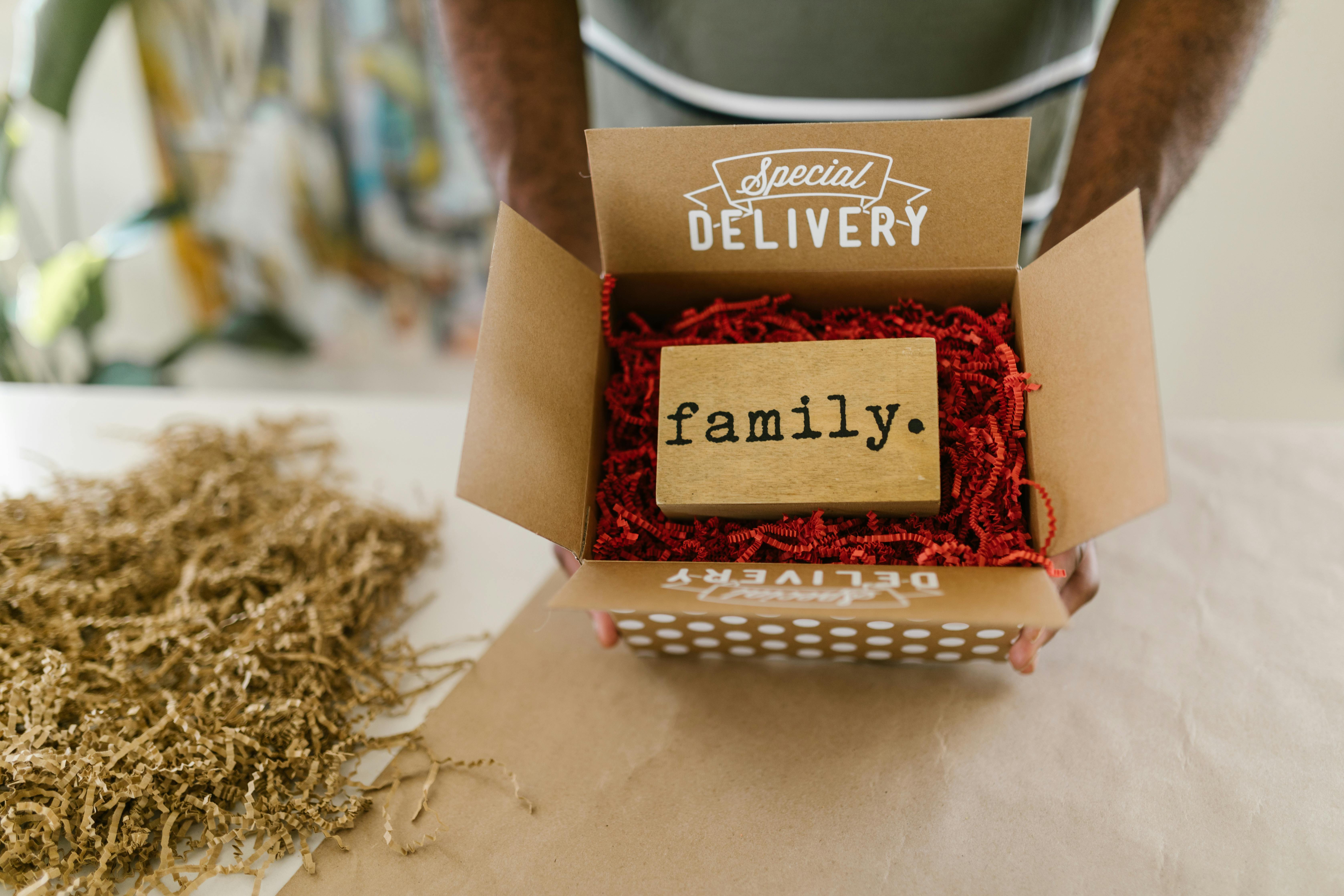
The first thing many buyers miss is that cosmetics shipping boxes cost is often lower than the cost of a damaged order. That sounds obvious, but it gets overlooked whenever teams compare only carton price and ignore the full landed result. A brittle retail-style box with weak flaps may save a few cents, but it can also trigger more void fill, more tape, more labor, and a higher breakage rate that wipes out the savings pretty quickly.
Glass jars, pumps, droppers, and palette kits need more than a good-looking shell. They need the right caliper, the right closure style, and enough internal stability to survive vibration, compression, and the sort of drops that happen in real ecommerce shipping. If the product moves inside the box, the carton is not doing its job. You are paying for empty space, extra packing material, and the possibility of replacement orders. In that sense, cosmetics shipping boxes cost should be treated like a protection budget, not just a carton quote.
Another mistake is assuming the simplest-looking design is the least expensive to run. A stock mailer can seem attractive until the product needs custom inserts, extra tape, or double-boxing to make it through transit intact. Then material spend climbs, pack-out slows down, and the supposed savings disappear. That is why cosmetics shipping boxes cost has to be reviewed alongside damage risk and packing speed.
A low-cost carton that fails at the corner is not a bargain. The real bill shows up later in returns, reshipments, and unhappy customers.
Direct-to-consumer shipping and internal warehouse movement create different pressures. If the box is going straight to a customer’s doorstep, cosmetics shipping boxes cost should reflect shipping weight, dimensional weight, and the way the carton presents on arrival. If the box is part of an internal fulfillment workflow, stackability and pack-out speed may matter more than presentation. The right design depends on how often the carton ships, how far it travels, and what sits inside it.
That is why quotes should be broken into separate pieces. Ask for structure, print, inserts, and freight as distinct line items. When everything is bundled into one number, it becomes difficult to see whether the savings come from a lighter board, a simpler print process, or a lower service level. A clean quote gives you a clearer view of cosmetics shipping boxes cost and makes comparison across vendors much easier.
If you are buying other packaging components at the same time, it helps to compare the carton against related options like Custom Packaging Products, especially when the program includes inner boxes, labels, and protective shipping materials. Looking at the full package mix often shows where the real savings sit.
Custom Cosmetics Shipping Boxes and Product Fit
Fit is one of the most overlooked drivers of cosmetics shipping boxes cost. Outer dimensions matter, but internal dimensions matter more. A carton that is even half an inch too loose can let jars rattle; one that is too tight can slow down packing or damage the closure during assembly. The goal is not simply to hold the product. The goal is to cradle it so it stays stable while still moving quickly on a busy fulfillment line.
Common formats include tuck-top mailers, corrugated shipping cartons, product sleeves, and premium presentation shippers. Each one changes cosmetics shipping boxes cost because each one uses a different amount of board, scoring, and finishing. A tuck-top mailer can be efficient for lighter kits. A thicker corrugated shipper may be the better choice for bottles, glass skincare, or multi-piece sets that need stronger compression resistance.
Internal fit matters even more when the shipment contains multiple SKUs. Dividers, partitions, and inserts keep compacts away from bottles and keep droppers from knocking into jars. That extra structure may increase cosmetics shipping boxes cost, yet it often lowers the total program cost by reducing movement and improving package protection. For buyers, that tradeoff deserves modeling instead of guesswork.
Shipping channel changes the answer too. A brand sending 20,000 boxes a month through order fulfillment has different needs than one packing small promotional kits for a launch. Subscription orders, warehouse transfers, and direct retail replenishment all place different demands on the carton. Before locking in a spec, ask a practical question: how will the box be handled from pack-out to delivery? That answer influences cosmetics shipping boxes cost more than many teams expect.
For programs that do not require a heavy corrugated build, it can make sense to compare a custom shipper with a lighter option like Custom Poly Mailers. Not every cosmetic item needs a rigid carton, and not every brand benefits from paying for extra board when soft goods or non-fragile kits are being mailed. Sometimes that switch is the smarter spend, and sometimes it is not. The point is to test the idea instead of assuming the most familiar box is the right one.
The safest route is to build around the product instead of forcing the product into a generic box. Measure the item, add clearance for inserts or tissue, then test the closure and handling. If the box protects without overbuilding, cosmetics shipping boxes cost stays under control and the unboxing feels intentional rather than improvised.
I usually ask clients to imagine the package after three kinds of stress: a drop, a stack, and a long ride in the back of a truck. That simple mental check catches a lot of bad specs early. It is not fancy, but it works.
Cosmetics Shipping Boxes Cost by Material, Print, and Finish
Material choice is where cosmetics shipping boxes cost starts to move quickly. E-flute corrugated is often chosen when the box needs a cleaner print surface and a lighter profile. B-flute is thicker and stronger, which makes sense when the shipment needs more stacking strength or more resistance to rough handling. Heavier corrugated constructions can be the right answer for dense kits, but they are not always necessary. The best board should match the product weight, shipping distance, and expected abuse in transit.
White-liner board usually gives a cleaner look for printed branding, while kraft board sends a more natural, understated message and can fit recycled-content programs well. The visual difference matters because the carton reaches the customer before the product does. If the brand promise is premium and polished, the exterior finish needs to support that. If the brand story leans earthy or minimal, kraft can reinforce that message while keeping cosmetics shipping boxes cost more restrained.
Printing changes the number very quickly. One-color flexographic printing is usually the most economical route for simple logos, marks, or shipping instructions. Full-coverage digital print costs more, but it gives more freedom with gradients, illustrations, and dense branding. Label applications can work well for short runs or campaigns that change frequently, though labels add handling and can create a different tactile impression than direct print. Each method pushes cosmetics shipping boxes cost in a different direction, so the best choice depends on whether the carton is mainly functional or also a major brand touchpoint.
Finish choices can add more cost than buyers expect. Coatings, foil, spot UV, and soft-touch lamination all improve presentation, but they also add steps, materials, and setup. In many cosmetic programs, a soft-touch coat or foil accent looks elegant in photos, yet it does not necessarily help the product ship better or sell faster. If the finish is not helping conversion or perceived value, it deserves a hard look. That discipline keeps cosmetics shipping boxes cost tied to actual business value.
Here is a practical comparison of common options. The numbers are directional, not fixed, because design, quantity, and board availability affect the final quote.
| Option | Typical Use | Relative Cosmetics Shipping Boxes Cost | Best Fit |
|---|---|---|---|
| E-flute corrugated, 1-color print | Lighter skincare, small kits, ecommerce shipping | Lower | Clean brand look with controlled unit cost |
| B-flute corrugated, 1-2 color print | Heavier items, fragile bottles, stronger transit packaging | Moderate | Better package protection and stacking strength |
| Digital print with white-liner board | Short runs, seasonal artwork, premium presentation | Moderate to higher | Flexible branding without large setup commitments |
| Soft-touch + foil accent | Prestige launches, gifting, luxury unboxing | Higher | High visual impact where the carton is part of the sale |
Buyers who care about standards usually get better results when they think in terms of performance instead of appearance alone. Industry references such as ISTA help frame how cartons behave under vibration, compression, and drop testing. For material sourcing and responsible fiber choices, FSC offers a credible framework for certified paper sourcing. These references do not replace a quote, but they do sharpen the questions you ask about cosmetics shipping boxes cost and packaging performance.
The practical takeaway is simple: finish should support the brand, not swallow the budget. If the box will be discarded immediately after delivery, overspending on elaborate coating may not make sense. If the package is meant to create a premium first impression, a better finish can be justified. Either way, cosmetics shipping boxes cost should serve a clear purpose rather than habit.
There is also a hidden cost that gets missed in prettier presentations: production waste. A complicated finish can add setup time, more spoilage, and more chances for rework if the color shifts or the coating does not cure correctly. None of that shows up in a neat little line item, but it still lands in the budget.
MOQ, Unit Cost, and Quote Variables for Cosmetics Shipping Boxes
MOQ is one of the biggest drivers of cosmetics shipping boxes cost, and it usually exists for practical production reasons rather than arbitrary ones. A die-cut carton needs setup time, material scheduling, cutting, stripping, and packing. Print methods also influence how much volume is needed to make the run efficient. When a supplier quotes minimum order quantities, they are usually accounting for press setup, board waste, and the economics of converting sheets into finished packaging.
Unit cost generally falls as quantity rises, but the curve is not magical. A 1,000-piece order may carry a noticeably higher cost per carton than a 5,000-piece order, while 10,000 pieces may deliver only a small additional drop depending on the spec. That is why smart buyers ask for tiered pricing. If you only see one quantity, you cannot tell where cosmetics shipping boxes cost becomes more favorable or whether the higher volume creates storage problems that erase the savings.
Storage matters. Corrugated cartons take space, especially if they include inserts, dividers, or nested components. Buying too much can tie up cash and warehouse floor area. Buying too little can push you into rush reorders and higher freight. A practical order size balances unit cost with usage rate, shelf space, and the rhythm of order fulfillment. That balance is more useful than chasing the absolute lowest number on paper.
Several quote variables should always be spelled out clearly:
- Dimensions and internal fit requirements
- Board grade and flute type
- Print coverage and number of colors
- Insert count, partitions, or divider needs
- Freight destination and shipping method
- Sample requests or dieline review needs
- Finish choices such as coating or foil
When those details are missing, cosmetics shipping boxes cost becomes much harder to compare across vendors. One supplier may quote a lighter board, another may include a stronger one. One may assume no inserts, while another builds them in. That is why apples-to-apples comparison matters so much in packaging sourcing.
It also helps to ask for pricing at several quantities. A buyer may find that moving from 2,500 to 5,000 units drops the unit cost enough to justify the extra inventory. The same buyer may learn that a smaller run is smarter because the artwork is changing soon. In both cases, the goal is not simply to minimize cosmetics shipping boxes cost; it is to match the order with real usage.
For buyers building a broader packaging program, it can help to compare the carton quote against other shipping materials in the line. Sometimes a small improvement in box structure allows you to remove filler, cut breakage, and simplify packing. That often lowers the true cost per shipped order more than shaving a fraction off the carton itself.
One more practical note: dimensional weight can surprise teams that focus only on manufacturing cost. If the box is too large, freight may rise even when the carton itself is inexpensive. That is why cosmetics shipping boxes cost should be reviewed together with shipping weight, cubic size, and pack-out efficiency. The best quote often comes from the best-fitting box, not the cheapest raw board.
Production Steps, Proofs, and Lead Time
Production timing matters because a low cosmetics shipping boxes cost quote is useless if the cartons arrive too late for launch. The usual workflow starts with the dieline and artwork, then moves through proofing, structural review, production, packing, and freight handoff. Each step has a purpose, and each one can add time if the information is incomplete or the design changes late in the process.
The first checkpoint is structural confirmation. If the box size is not locked, the quote may need revision after sample review. Artwork setup comes next, and it can take longer when the design has multiple panels, fine type, or full-background coverage. Special finishes add more steps. A simple one-color run can move faster than a carton that needs foil, spot UV, or a custom coating. The more finishing operations involved, the more likely cosmetics shipping boxes cost and lead time will rise together.
Rush orders can be handled in some cases, but they usually compress the schedule and may narrow material choices. That can mean higher freight, limited press availability, or a smaller selection of board stock. If a launch date is fixed, it is better to send specs early than to pay for avoidable urgency. A rush may be manageable; a rushed correction is where cost really climbs. That is why cosmetics shipping boxes cost should always be considered with lead time, not apart from it.
Before asking for a quote, have these items ready:
- Exact product dimensions and product weight
- Target quantity and expected reorder rhythm
- Shipping method and destination region
- Brand files or logo files in usable format
- Any insert, divider, or partition requirements
- A sample product, if fit testing is needed
Sending those details early reduces revision cycles and helps the supplier quote with more confidence. It also lowers the chance of a surprise later, which is where budgets tend to break. A clean proof stage usually saves time downstream and keeps cosmetics shipping boxes cost aligned with the original plan.
Sampling is especially helpful for fragile cosmetic items. A physical sample shows whether the closure stays secure, whether the product shifts, and whether the insert truly protects the item. A dieline alone cannot answer every question. Once a sample is approved, production becomes more predictable, which helps both timeline and cost control. That predictability is worth a lot in busy ecommerce shipping operations.
If your program depends on reliable transit packaging, it is smart to think in terms of testing discipline. The carton should support the product through handling, compression, and drop exposure, not just look good on a screen. That mindset keeps cosmetics shipping boxes cost focused on performance, which is the part customers actually notice when the box arrives intact.
One practical warning: if a supplier cannot explain how the structure was tested or what changed between proof and production, pause. A confident quote is nice; a carton that survives the route is better.
Why Choose Us for Cosmetics Shipping Boxes Cost Control
Custom Logo Things focuses on practical packaging decisions, and that matters when you are trying to control cosmetics shipping boxes cost without giving up the right protection. The goal is not to overspec a carton just because it sounds premium. The goal is to match the box construction to the product weight, the handling route, and the brand experience you want the customer to have the moment the package lands.
That approach is especially valuable for cosmetics because these items are often fragile, visible, and sensitive to presentation. A box for a glass serum bottle is not the same as a box for a palette set, and neither one should be treated like a generic shipping item. We build around the actual use case so the packaging supports package protection, keeps packing efficient, and keeps cosmetics shipping boxes cost under control.
Here is the standard we try to hold ourselves to:
- Clear quotes that separate structure, print, inserts, and freight
- Realistic specifications that match product size and shipping method
- Responsive proofing so changes are caught before production
- Straightforward guidance when a lighter or heavier board makes more sense
That kind of clarity helps buyers compare quotes from different vendors without guessing what is included. It also keeps internal approvals moving. When finance, operations, and marketing can all see the same structure, cosmetics shipping boxes cost is easier to justify and easier to defend.
We also understand that not every project needs a fancy finish. Sometimes the right answer is a durable corrugated shipper with restrained branding and a clean fit. Other times, the package needs a more polished presentation because the box itself is part of the sale. The important thing is that the spend serves the job. A good packaging program makes shipping easier, protects the product, and still looks like the brand intended it. That is how cosmetics shipping boxes cost stays efficient over time.
For buyers comparing outer cartons against other formats, it can be useful to review a broader mix of Custom Shipping Boxes and related packaging options. Sometimes a small structural change lowers damage risk enough to cut labor and reshipment costs across the program.
We are also direct about the limits. No carton solves every problem, and not every finish belongs on every box. If a cheaper structure will protect the product just as well, we will say so. If a stronger board is the safer choice for a dense kit, we will say that too. That directness is part of keeping cosmetics shipping boxes cost tied to the facts rather than to a sales pitch.
That same practical mindset shows up in industry guidance from organizations such as the EPA's sustainable materials management resources, which are useful when teams want to think carefully about source reduction, recyclable structures, and packaging efficiency. Good packaging is not only about the box on the shelf. It is about the materials, the shipping lane, and the amount of work the carton creates once it enters the fulfillment flow.
We learned this the hard way on a launch that looked beautiful in mockups and failed in transit because the inner cradle was too loose by a few millimeters. The reprint cost more than the original order. That one taught everyone on the team to test the fit before getting seduced by the artwork.
Next Steps to Lock In the Right Cosmetics Shipping Boxes Cost
If you want a reliable quote, start with the basics: product dimensions, product weight, shipping method, target quantity, and any insert or branding needs. Those details let the supplier build a quote that reflects real use instead of a rough estimate. Better inputs almost always produce better pricing, and they also help narrow down the best way to control cosmetics shipping boxes cost.
It is smart to compare at least two structures before you decide. For example, you might compare a lighter mailer against a stronger corrugated shipper, or a simple printed carton against one with an insert system. That comparison shows where protection, presentation, and cosmetics shipping boxes cost intersect. Sometimes the box with the lower unit price is not the better value once freight and damage risk are added in.
Ask for a sample or a dieline review before you go to full production. A small test can catch a fit issue that would be expensive to correct later. It can also reveal whether the closure feels secure, whether the branding reads clearly, and whether the product stays centered during handling. That one step often saves more money than a late-stage discount ever would, and it keeps cosmetics shipping boxes cost from drifting upward after approval.
The best quote starts with a clear request. Send the artwork, the target budget, the product specs, and the desired quantity together so the pricing team can respond accurately. If there is a launch deadline, include that too. The more complete the brief, the less likely hidden costs will creep in through revisions, rush handling, or avoidable rework. That is how you keep cosmetics shipping boxes cost practical, defendable, and ready for production.
For brands that want a dependable packaging partner, Custom Logo Things can help you build a carton spec that protects the product, looks right on arrival, and stays within budget. Send the details, compare the options, and let the quote do its job. The right cosmetics shipping boxes cost is the one that supports the product all the way from pack-out to doorstep, without waste, surprises, or overdesign.
The cleanest next move is simple: Request a Quote with exact dimensions, ask for tiered pricing, and insist on a sample before committing to volume. That sequence keeps the decision grounded in real performance instead of a pretty number.
Frequently Asked Questions
What affects cosmetics shipping boxes cost the most?
Box size and board grade usually drive the biggest swings in cosmetics shipping boxes cost because they affect material usage, strength, and freight dimensions. Print coverage, coatings, and special finishes can add quickly, especially on smaller runs. Inserts, dividers, and custom fit requirements also change the final number because they add materials and setup time. If the carton needs to survive a long shipping lane, the board choice matters even more than the artwork.
How do I reduce cosmetics shipping boxes cost without losing protection?
Start with the smallest safe box size so you are not paying for unnecessary board or filler. Choose a board strength that matches the product weight and shipping distance instead of overbuilding the carton. Simplify print and finish choices when the priority is dependable shipping performance and repeatable unit cost. A well-fitted, plain box can outperform a prettier one that is oversized and kind of flimsy.
What MOQ should I expect for cosmetics shipping box orders?
MOQ depends on the material, print method, and die-cut setup, so there is no single number that fits every order. Higher quantities usually lower unit cost, but the right order size also depends on storage space and how quickly the packaging will be used. Ask for pricing at several quantities so you can see where cosmetics shipping boxes cost becomes more favorable. If the supplier only gives one tier, ask for more. That request is normal, not fussy.
How long does cosmetics shipping boxes production usually take?
Timing depends on proof approval, sampling, print method, and whether special finishing is required. Standard production moves faster when the artwork is final and the structure is already approved. Freight time is separate from manufacturing time, so both should be confirmed in the quote. If the launch date is fixed, build in a cushion. Production delays love to show up right when you think you have plenty of time.
Can I sample cosmetics shipping boxes before a larger order?
Yes, a sample or dieline review is a smart way to verify fit, closure, and product protection before full production. Sampling is especially useful for fragile cosmetic items with inserts, dividers, or multiple components. Approving a sample early can prevent expensive revisions and reduce the chance of rework later. It is a small step, but it saves a lot of grief.
Does a premium finish always justify a higher cosmetics shipping boxes cost?
No. A premium finish makes sense only if it supports the brand story, improves shelf appeal in transit, or helps conversion after unboxing. If the carton is mostly a protective shell, a simpler finish may be the smarter spend. If the box is part of the product experience, a higher finish can earn its keep. The trick is matching the finish to the job, not to habit or vanity.

