Boutique folding cartons MOQ is usually the first number a brand wants to pin down, and for good reason: that one figure can decide whether a premium launch stays lean or turns into slow-moving inventory. For Custom Logo Things, the real question is not only how low the boutique folding cartons MOQ can go, but whether the structure, print, and finish still make commercial sense.
I have watched brands save money on paper and lose it in the warehouse. A stock carton may look cheaper at first glance, yet if the fit is off by just a few millimeters, the product shifts, shelf presence weakens, and returns start to creep upward. A Custom Folding Carton does more than dress up the SKU. It protects it, sells it, and often reduces damage, repacking, and wasted freight. That is why boutique folding cartons MOQ deserves an operational reading, not a casual one.
Smaller launches, seasonal drops, influencer kits, and limited editions all push brands toward a practical middle ground: enough polish to feel premium, enough structure to survive handling, and enough quantity flexibility to avoid overbuying. The goal is not the lowest box price. The goal is a package that matches unit economics, setup charges, print quality, and the sell-through forecast. Boutique folding cartons MOQ sits right inside that calculation.
There is also a cash-flow angle here that gets missed too often. A brand that ties up money in cartons it will not sell for six months is making a storage decision, not a packaging decision. That kind of imbalance can quietly squeeze a launch budget, which is why MOQ planning and forecast planning belong in the same meeting.
Why boutique folding cartons MOQ can beat stock packaging
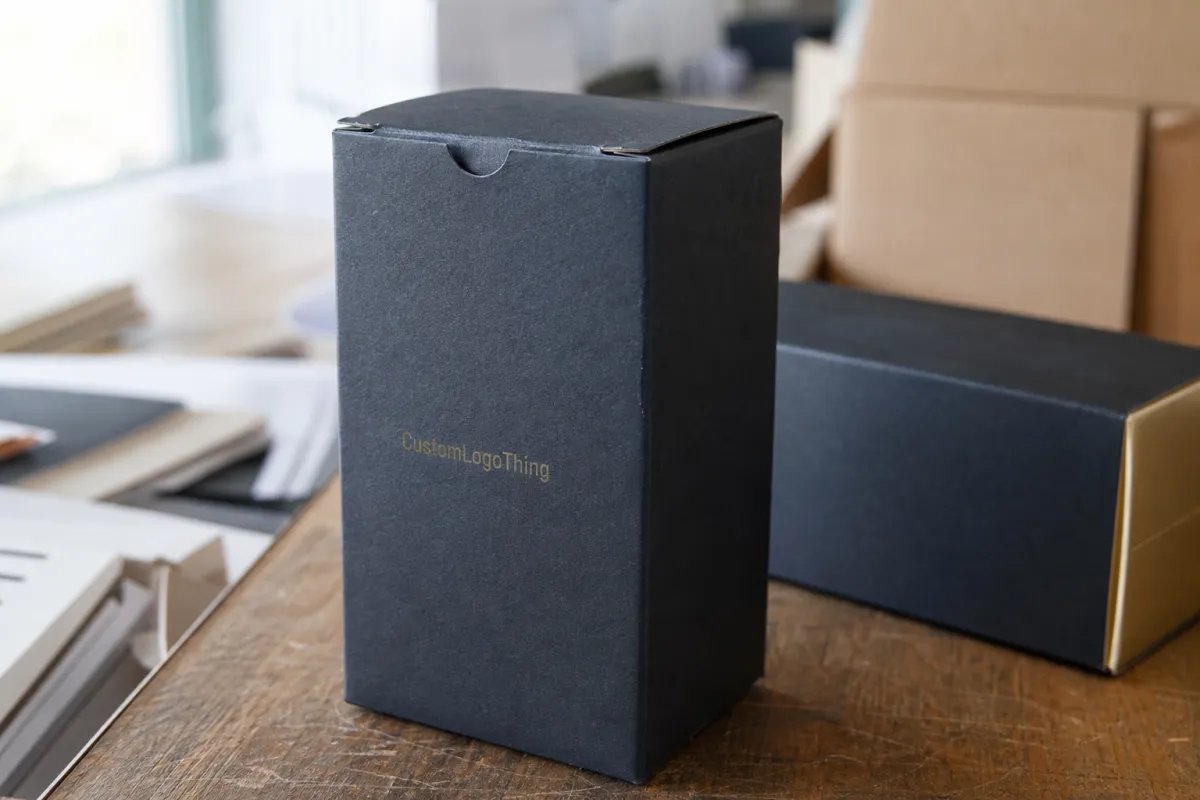
Many buyers assume stock packaging is safer because it looks cheaper on paper. That comparison leaves out the parts that hurt later. Stock cartons rarely match the exact product footprint, and the hidden cost shows up in void fill, uneven shelf presentation, and a higher chance of crushed corners during fulfillment. A properly specified boutique folding cartons MOQ can beat stock packaging because unit cost is only one line in the ledger.
The comparison gets interesting fast. A generic carton might save a few cents per piece, but a custom structure can reduce damage, improve presentation, and remove the need for secondary packing. That matters in cosmetics, supplements, candles, confections, and accessories, where the package is part of the perceived value. A $32 item in a carton that looks bargain-bin cheap can quietly lose conversion. A carefully planned boutique folding cartons MOQ helps brands avoid that outcome without forcing them into oversized runs.
From a packaging buyer’s point of view, the smartest way to think about boutique folding cartons MOQ is as a threshold, not a ceiling. A lower minimum can make a test launch possible. A slightly higher minimum can unlock better print economics. The right answer depends on sell-through expectations, launch timing, and how many SKUs need to ship together. A direct-to-consumer kit with three variants may justify a different boutique folding cartons MOQ than a single evergreen SKU that replenishes every month.
A carton that fits properly, prints cleanly, and ships without drama is not a luxury. It is a cost-control tool with a better face.
Brand risk matters too. Smaller launches often fail not because the product is weak, but because the packaging looks improvised. Buyers can spot an off-brand carton in seconds, especially in categories where tactile finish, color control, and panel layout influence trust. A well-planned boutique folding cartons MOQ lets a brand test the market without looking temporary.
There is a subtle comparison worth making here. A carton that costs two cents less but creates a 1% damage rate can erase the savings almost immediately. That is not theoretical; on a run of 10,000 units, even a modest defect rate starts to show up in credits, replacements, and customer-service time. The box price is only the beginning.
Here is the decision lens that matters most:
- Unit cost needs to be read alongside setup charges, not in isolation.
- Boutique folding cartons MOQ should match forecasted sell-through, not wishful thinking.
- Structural fit should cut damage and packing time.
- Print finish should support the product’s price point and channel.
- Lead time should fit the launch window, not just the factory calendar.
Quote conversations should begin with the SKU, not a mood board. The most efficient boutique folding cartons MOQ decisions happen when the product size, channel, and handling conditions are known early. Once those pieces are locked, pricing becomes much more honest. If the spec sheet is fuzzy, the quote is gonna be fuzzy too.
Product details: formats, materials, and finishing options
Boutique folding cartons MOQ becomes easier to evaluate once the carton format is defined. Common structures include straight tuck end, reverse tuck end, auto-lock bottom, and custom specialty builds. Straight tuck and reverse tuck are widely used for lightweight consumer goods because they are efficient to produce and easy to pack. Auto-lock bottoms are better for candles, jars, and heavier retail products. Specialty constructions only earn their keep when the product truly needs a custom reveal, a reinforced base, or a distinctive unboxing sequence.
Board choice drives a large share of perceived quality. SBS is common for crisp print and a bright white face. C1S and C2S boards can make sense depending on where the branding lives and whether the inside of the carton needs print. Recycled-content board can support sustainability positioning, but the visual tradeoff still needs to be checked against the brand’s premium target. Heavier board usually improves feel and rigidity, though it also affects cost per piece and shipping weight. That is why a disciplined boutique folding cartons MOQ conversation should include the board spec, not only the graphics.
Low-MOQ projects usually benefit from finishes that add visible value without adding a maze of setup steps. Matte varnish gives a calm, modern feel. Gloss sharpens color and suits brighter brands. Soft-touch coating creates a velvety surface, but it can raise unit cost and demands careful handling in production. Spot UV, foil stamping, embossing, and debossing all elevate the carton, yet each one brings tooling fees, registration demands, or longer press time. A strong boutique folding cartons MOQ strategy keeps the finish stack focused instead of piling on effects simply because they are available.
Product category changes the build. Cosmetics often need generous copy space for claims and ingredients. Supplements need room for dosage panels, warnings, lot codes, and barcodes. Candles usually need better crush resistance and a structure that stays tidy after repeated handling. Confections may favor window patches or display-friendly shapes. Accessories often prioritize shelf appeal and compact carton dimensions. The same boutique folding cartons MOQ can mean very different specifications depending on the product class.
One more layer matters: sustainability claims. Buyers increasingly ask for recyclable substrates, FSC-certified paperboard, or reduced-ink designs. The FSC standard can support responsible sourcing claims, but it still needs to match the brand message and the market’s expectations. A carton that claims eco credibility but feels flimsy creates the wrong impression. Strong packaging works because the claims, the structure, and the material all point in the same direction.
For premium brands, finish choice can do as much selling as color palette. A soft-touch carton with restrained typography can feel quietly expensive, while the same box with too many effects starts to look trying-too-hard. That balance is part design, part restraint, and part experience. The best low-MOQ cartons do not shout; they imply quality and then back it up.
Boutique folding cartons MOQ should also be judged by the product’s handling profile. If the carton is going into retail trays, shipper cases, or subscription boxes, it has to survive more than one touchpoint. The best structure for a boutique brand is rarely the flashiest one. It is the one that delivers enough presence, enough protection, and enough production efficiency to protect margin.
Construction specs that affect fit, print, and shelf performance
Exact dimensions matter more than most buyers expect. A carton with too much clearance can look bloated, shift in transit, and waste board. A carton that is too tight can scuff the product, distort the panel faces, or fail during assembly. For a solid boutique folding cartons MOQ quote, product dimensions need to be captured carefully: width, depth, height, closure style, and any extra room needed for inserts or tamper features. Those numbers shape the dieline, glue flap placement, tuck depth, and how efficiently the cartons pack into master cases.
Print setup is just as important. Bleed, safe zones, barcode placement, and copy density should be checked before artwork is approved. Fine type raises the stakes because board texture and finishing method suddenly matter a lot. Multiple SKUs or variable copy add another layer of prepress review. Brands often ask for a low boutique folding cartons MOQ and then send artwork that is not ready for press. That is where the schedule starts slipping.
Buyers should confirm a few specs before requesting pricing:
- Carton style and opening direction.
- Board thickness and substrate grade.
- Finish and whether spot effects are included.
- Insert needs for glass, cosmetic vials, or fragile items.
- Tamper-evident features if the product requires them.
- Label space for ingredients, warnings, or batch coding.
Moisture resistance, stackability, and fold memory also matter in real conditions. A carton that looks beautiful on a sample sheet can fail under warehouse humidity or repeated handling. Transit testing is worth discussing early, especially if the product ships in master cases, crosses climate zones, or moves through distribution centers. Many brands use ISTA protocols to evaluate package durability; the ISTA organization publishes widely used test standards that help quantify handling risk. Testing is not mandatory for every order, though for fragile products it can save money by exposing failure points before production.
Regulatory copy should never be an afterthought. Supplement labels, cosmetic ingredient panels, and warning statements can eat space fast. If the carton is too small to hold the required text comfortably, design compromises follow: tiny type, crowded panels, or awkward barcode placement. None of those help sell the product. A realistic boutique folding cartons MOQ plan starts with the legal and operational copy, then builds the design around it.
One practical rule holds up across categories: vague specs lead to vague quotes. Locked dimensions, a clear print method, and a defined finish let production move faster and with fewer revisions. Serious buyers treat the spec sheet like a commercial document, not a rough note. The clearer the input, the stronger the boutique folding cartons MOQ result.
There is also a small but real production detail that buyers overlook: the way a carton folds can change line speed. A structure that looks elegant on screen may slow assembly if the tuck flaps fight the board grain. That sort of problem is not glamorous, but it shows up in labor costs and makes a low-MOQ run less efficient than it should be.
Boutique folding cartons MOQ, pricing, and quote drivers
Boutique folding cartons MOQ pricing usually comes down to a compact group of variables: carton size, board grade, print coverage, finishing complexity, insert count, and total quantity. Every extra operation adds setup time somewhere in the workflow. That is why quotes can vary sharply even for cartons that look almost identical at first glance.
Lower quantities almost always raise unit cost. That is not a penalty; it is arithmetic. Prepress, plate or tooling fees, press setup, make-ready waste, and die-cut preparation must be spread across fewer units. The cost per piece improves as quantity rises, but only to the point where inventory risk starts to outweigh savings. A smart boutique folding cartons MOQ decision balances those two pressures instead of pretending they do not exist.
Buyers comparing proposals make the same mistake again and again: they read the headline number and stop there. One supplier may include setup charges, proofing, and standard freight assumptions. Another may leave those out. A lower sticker price can still be the higher landed cost. That is why quotes should spell out the board spec, print method, coating, inserts, lead time, and sample terms clearly. If any of those items are missing, the boutique folding cartons MOQ comparison is incomplete.
Here is a practical snapshot of how common options may price out. These ranges are directional, not absolute, because design coverage, supplier capacity, and freight can shift the numbers.
| Carton style | Typical MOQ range | Typical setup charges | Estimated cost per piece at 5,000 units | Best use case |
|---|---|---|---|---|
| Straight tuck end | 1,000-3,000 | Lower to moderate | $0.18-$0.32 | Lightweight retail items, launch SKUs, simple print |
| Reverse tuck end | 1,000-3,500 | Lower to moderate | $0.17-$0.30 | Cosmetics, supplements, small accessories |
| Auto-lock bottom | 2,000-5,000 | Moderate | $0.24-$0.42 | Heavier jars, candles, premium products |
| Premium specialty build | 3,000+ | Moderate to high | $0.35-$0.75+ | Limited editions, gift sets, high-touch brands |
Cost can be controlled without flattening the package. Standardizing carton dimensions across a product family often reduces waste and makes reorders easier. Simplifying the finish stack from foil plus embossing plus spot UV down to one strong effect can cut the quote noticeably. Reducing the number of special operations helps too. A cleaner dieline is often worth more than a flashy one because it supports faster production and lower tooling fees. That is a major reason boutique folding cartons MOQ buyers should keep structure discipline at the center of the conversation.
Another overlooked savings lever is pallet and case efficiency. A carton that nests or stacks well may cost a little more per unit but ship more economically. Across larger replenishment cycles, that can offset part of the premium. The same logic applies to damage reduction. Fewer crushed cartons means fewer write-offs, fewer replacements, and fewer customer complaints. The cheapest quote is not always the cheapest outcome. A well-planned boutique folding cartons MOQ can lower total packaging cost even if the box itself is not the lowest line item.
Brands comparing bulk pricing should ask whether the MOQ is a hard floor or a flexible range. Some suppliers can move slightly below a published threshold if the structure is simple and the schedule allows it. Others cannot. Ask what happens if the order size increases by 1,000 units or drops by 500. Sometimes the unit price changes meaningfully; sometimes it barely moves. The only reliable way to compare quotes is to make every assumption visible.
If the quote includes plates, tooling, or insert dies, get that in writing. If sampling is included, confirm whether it is a digital proof, a blank sample, or a printed structural sample. Those details affect the real landed cost more than many buyers realize. A disciplined boutique folding cartons MOQ buyer should care about the whole package, not just the box price.
That level of detail can feel fussy, but it is where the actual savings live. The brands that ask the awkward questions usually avoid the biggest surprises later. The brands that do not tend to discover them after the cartons are already on a truck.
Process, timeline, and production steps from quote to delivery
The path from brief to delivery usually follows a predictable sequence: discovery, dieline selection, artwork review, proofing, sampling, production, finishing, packing, and dispatch. A good boutique folding cartons MOQ project moves smoothly because each step closes a specific question. Delays usually come from unfinished artwork, unclear dimensions, or late changes after proof approval.
One reason timelines stretch is that buyers often underestimate the prepress stage. Artwork corrections may take longer than the physical production run, especially if there are multiple SKUs or copy-heavy panels. If a brand requests a custom structure, an insert, or a specialty finish, sampling becomes even more important. That step protects the order, but it can also add days or weeks depending on revision cycles. A realistic boutique folding cartons MOQ plan should include that buffer.
Here is the basic production flow most teams follow:
- Collect dimensions, quantity, and structure requirements.
- Review the dieline and confirm panel layout.
- Check artwork, barcode placement, and copy blocks.
- Approve a digital or physical sample.
- Run production, print, and finishing.
- Inspect, pack, and ship.
Lead times depend on complexity. A simple straight tuck carton with standard print may move faster than a premium box with foil, embossing, and a custom window patch. In many shops, the gap between standard and custom is not a few days; it is the difference between a straightforward schedule and a multi-stage approval process. That is why boutique folding cartons MOQ buyers should ask for lead time based on final spec, not a rough estimate.
Speed tends to follow clarity. When the product dimensions are final, the artwork is press-ready, and the quantity is confirmed, production teams can move directly from approved files to manufacturing. If the buyer is still revising wording, changing the finish, or deciding whether to add an insert, the schedule slips. Simple projects are the fastest projects. That pattern shows up across nearly every boutique folding cartons MOQ order.
For reference, it helps to separate standard work from custom work. A streamlined carton order might take 12-15 business days after proof approval, while a more involved project can take longer because of tooling, sampling, or special finishes. Freight then adds its own timeline. Ground shipping is usually more economical, but air or expedited freight may be justified if the launch date is fixed. The key is to distinguish production time from transit time so the quote reflects reality.
There is a planning edge here. Brands that submit complete briefs usually get more options. Brands that submit partial briefs often end up paying for speed later. If the goal is a strong boutique folding cartons MOQ result, the cleanest route is to lock specs first and then request pricing.
As a practical matter, the timeline also depends on who owns each approval. If marketing, regulatory, and operations all review the carton in different rounds, the job slows down. A single consolidated approval path saves days. That is not glamorous, but it is how real production schedules stay on track.
Why choose us for boutique folding cartons at lower MOQ
A strong packaging partner should make low-volume premium packaging feel manageable, not complicated. That is the value proposition behind boutique folding cartons MOQ support at Custom Logo Things: disciplined pricing, responsive quote turnaround, and practical guidance that helps the carton fit both the product and the budget. Buyers do not need hype. They need accurate assumptions, clear terms, and a supplier who understands the difference between a nice sample and a production-ready order.
Consistency matters more than most small brands expect. A lower-MOQ buyer still needs color accuracy, tidy folds, reliable glue performance, and repeatable reorders. If the second run shifts from the first, the brand loses time and money trying to reconcile the difference. That is why a dependable boutique folding cartons MOQ program should include production discipline, not just friendly sales language.
Consultation is part of the service. Sometimes the best answer is not the fanciest finish or the most complex structure. Sometimes a slightly heavier board, a cleaner coating, or a different tuck direction solves the problem at a better unit cost. That kind of recommendation helps because it respects both margin and presentation. A good packaging advisor will point out tradeoffs openly, especially where a small spec change can save money without weakening the product story.
Ask for clarity on quality checks. Ask how samples are reviewed. Ask what happens if the reorder needs to match the original build. Ask whether the supplier can explain the difference between setup charges and production cost. A credible boutique folding cartons MOQ partner should answer those questions directly. If the answers are vague, the risk shifts to the buyer.
There is also value in connecting packaging to channel strategy. A carton for retail display does not need the same priorities as a carton for direct-to-consumer shipping. A launch kit does not need the same construction as a replenishment carton. The best boutique folding cartons MOQ decisions come from matching the structure to the route to market. That sounds basic, but many expensive mistakes come from skipping that step.
If you need a broader pre-quote checklist, the FAQ can help you organize the essentials before you request pricing. For a faster internal review, many teams also keep a short brief template that covers dimensions, quantity, finish, and target deadline. The more precise the input, the more useful the quote.
For brands that want a current industry baseline, the Packaging Alliance and related industry resources are helpful for context on material choices, sustainability language, and packaging trends. That background can make boutique folding cartons MOQ conversations more strategic and less reactive.
There is a reason experienced teams return to the same supplier once they find one that knows low-volume packaging. It is not just price. It is the reduction in friction: fewer clarifications, fewer sample cycles, and fewer unpleasant surprises after approval.
Next steps: build a quote-ready carton brief
The fastest way to Get an Accurate answer is to send a complete brief. For boutique folding cartons MOQ, that brief should include final product dimensions, target quantity, carton style preference, artwork files, finish ideas, and any compliance copy. If the product uses an insert or a window, include that too. If the order is tied to a hard launch date, say so clearly. Deadlines matter because they affect print scheduling, freight choice, and whether a sampling round fits the calendar.
One brief per SKU is usually the cleanest method. It keeps details from getting crossed and helps the quote reflect the actual packaging load rather than a blended estimate. If the order is a limited run, call that out. If it is a replenishment run, call that out as well. The role of boutique folding cartons MOQ is different in those two cases. Limited runs can tolerate a slightly higher cost per piece if the package is doing a branding job. Replenishment runs usually need tighter economics and easier repeatability.
Compare quotes by checking what is included, not just the bottom line. Is the MOQ a hard minimum or a flexible threshold? Are samples extra? Are tooling fees included? What freight assumptions are built in? Is the quoted cost based on final artwork or a placeholder layout? Those questions matter because the lowest quote on paper can become the highest landed cost if the exclusions pile up. That is especially true in boutique folding cartons MOQ projects, where setup charges can distort the early comparison.
A practical planning sequence looks like this:
- Confirm product dimensions and carton style.
- Choose board, finish, and any inserts.
- Align quantity with launch demand.
- Review the proof carefully.
- Approve the sample or pre-production spec.
- Schedule production and freight together.
That sequence keeps the project moving and reduces surprises. It also gives you a better chance of hitting the price point you need without sacrificing shelf impact. Buyers who prepare this way usually get stronger boutique folding cartons MOQ results because the supplier can quote against facts, not assumptions.
For Brands That Sell products with transit sensitivity, it can also help to think about shipping validation early. If your packaging must withstand distribution center handling or parcel delivery, testing against relevant standards is worth considering. Many teams reference ISTA methods to understand how a carton behaves under vibration, compression, and drop conditions. That level of planning does not add glamour. It does add confidence.
Boutique folding cartons MOQ is not just a procurement question. It is a packaging strategy question. If the dimensions are right, the structure is appropriate, the finish supports the brand, and the quantity matches the forecast, the carton does its job. If not, even a beautiful box can become expensive clutter. Request a precise quote with your specs, and let the numbers show you where the real tradeoffs sit. The cleanest move is to finalize your dimensions, board choice, finish, and launch date before asking for pricing; that is how a boutique folding cartons MOQ turns from a vague constraint into a workable plan.
What is the typical MOQ for boutique folding cartons?
Boutique folding cartons MOQ varies by carton style, print method, and finishing complexity. Simpler structures with standard board often support lower minimums, while highly customized cartons usually need a higher quantity so the unit cost stays workable. If you are comparing suppliers, ask whether the MOQ is fixed or flexible.
Can I order boutique folding cartons with a low MOQ and custom print?
Yes, low-MOQ custom print is common for launches, seasonal products, and test runs. The most efficient orders are the ones where final artwork and dimensions are ready before quoting. A tighter spec keeps the boutique folding cartons MOQ conversation focused and reduces revision delays.
What affects boutique folding cartons pricing the most?
Quantity, carton size, and board grade usually have the biggest effect on price. Special finishes, inserts, and complex structures raise setup and production cost. Artwork coverage and color count can also change the quote, especially on smaller runs.
How long does a boutique folding cartons order usually take?
Timing depends on proof approval, sampling, production complexity, and freight. Orders move faster when artwork is final and specs are clear at the start. Special finishes or structural revisions can add extra time, so a realistic boutique folding cartons MOQ plan should include some schedule buffer.
What do you need to quote boutique folding cartons accurately?
Provide product dimensions, target quantity, carton style, and finish preferences. Include artwork files, compliance text, and any insert or window requirements. State your deadline so the quote reflects a real production path and a workable boutique folding cartons MOQ.


