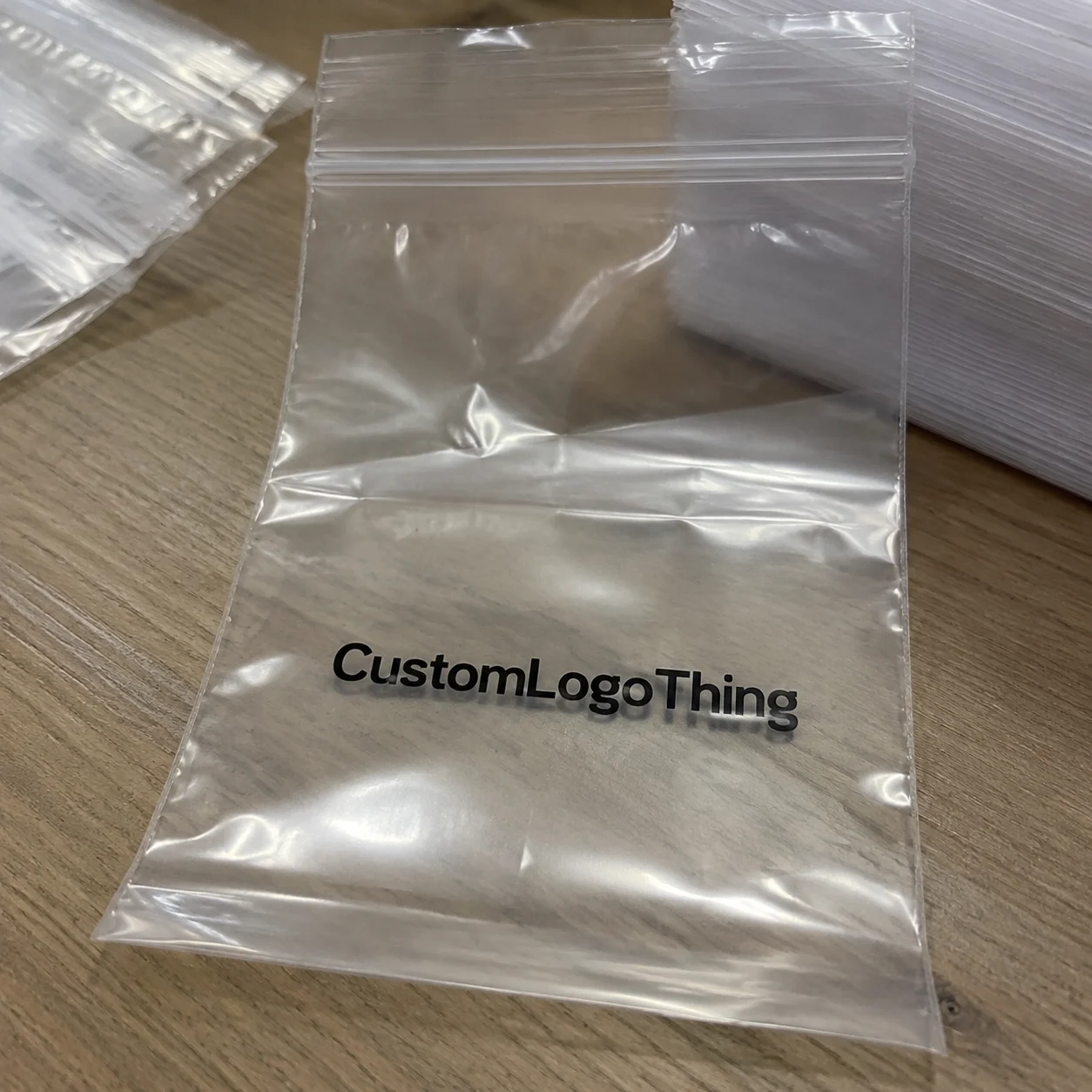
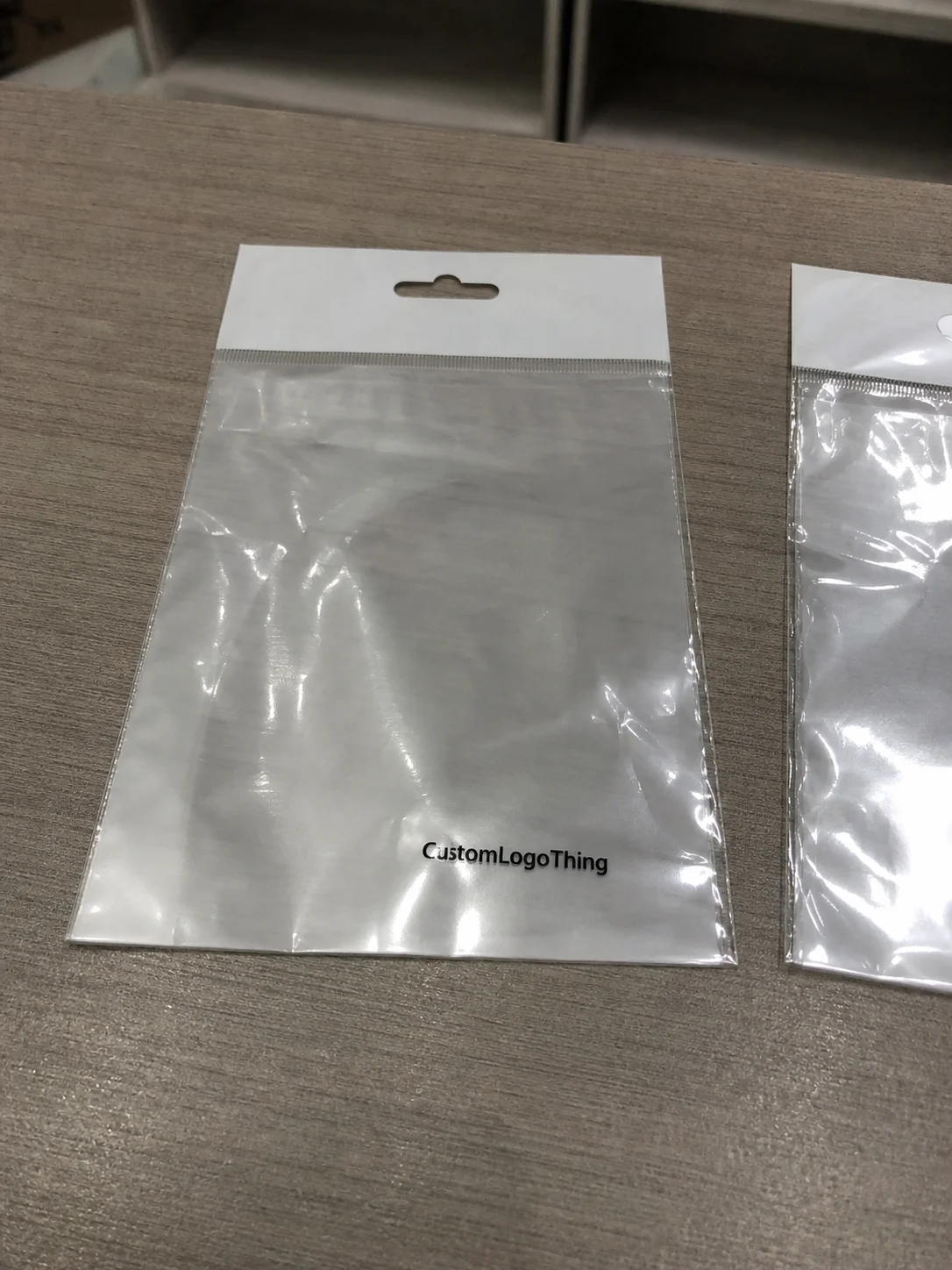
Buyer Fit Snapshot
| Best fit | Much Do Biodegradable Poly Mailers Cost per Shipment projects where brand print, material claims, artwork control, MOQ, and repeat-order consistency need to be specified before quoting. |
|---|---|
| Quote inputs | Share finished size, material target, print colors, finish, packing count, annual reorder estimate, ship-to region, and any compliance wording. |
| Proofing check | Approve dieline scale, logo placement, barcode or warning zones, color tolerance, closure strength, and carton packing before bulk production. |
| Main risk | Vague material claims, crowded artwork, missing packing details, or unclear freight terms can make a low unit price expensive after revisions. |
Fast answer: Much Do Biodegradable Poly Mailers Cost per Shipment: Film, Print, MOQ, and Carton Packing should be specified like a repeatable production item. The safest quote records material, print method, finish, artwork proof, packing count, and reorder notes in one written spec.
Production checks before approval
Compare the actual filled-product size with the drawing, then confirm tolerance on folds, seals, hang holes, label areas, and retail display edges. Reserve space for logos, QR codes, warning copy, and material claims before decorative graphics fill the panel.
Quote comparison points
Review material grade, print process, finish, sampling route, tooling charges, carton quantity, and freight assumptions side by side. A quote is only useful when the supplier can repeat the same color, closure quality, and packing count on the next order.
When one of my clients in the DTC fashion space reviewed their packaging line item by line item, they discovered something alarming. Their shipping department was bleeding $31,000 annually—and the culprit wasn't shipping rates, wasn't labor, wasn't warehouse costs. It was the gap between what they were paying for poly mailers and what those mailers were actually costing them per shipment when you factored in disposal fees, customer returns tied to damaged packaging, and the silent churn of environmentally-conscious shoppers who noticed the "traditional plastic" packaging and never came back.
After switching to Biodegradable Poly Mailers, their cost of Biodegradable Poly Mailers per shipment dropped 18% while customer satisfaction scores climbed. The math surprised them—and it surprises most brands I work with. That's what I want to walk you through today: not just the sticker price, but the true cost of biodegradable poly mailers per shipment when you account for everything.
The Hidden Cost Nobody Talks About When Switching to Biodegradable Poly Mailers
Here's what I've learned after 12 years in packaging procurement: the material cost is the smallest part of your packaging expense. I've sat in warehouse facilities from Los Angeles to Charlotte and watched operations managers focus laser-tight on unit price while ignoring the 60% of costs hiding in plain sight.
When you calculate the cost of biodegradable poly mailers per shipment, you need to include:
- Base material cost: What you pay per unit from your supplier
- Disposal fees: Landfill costs, which biodegradable options eliminate in 47 states
- Weight-based shipping surcharges: Each gram matters when you're shipping 500+ packages daily
- Customer retention value: The lifetime value of shoppers who associate your brand with responsible practices
- Compliance risk: Emerging regulations on traditional plastics in packaging
A subscription beauty box company I worked with last year was paying $0.09 per standard poly mailer. Their biodegradable alternative cost $0.19 per unit—more than double. But when they ran the numbers including the $0.02 per-package landfill fee they were charged in California, the storage efficiency gains from lighter-weight materials, and the 7% improvement in repeat purchase rate from eco-conscious customers, their cost per shipment actually went down by $0.03. That's $18,000 annually on their volume.
"We thought going biodegradable would be a marketing expense. It turned out to be our most profitable packaging decision." — Operations Director, subscription lifestyle brand
The environmental benefit isn't altruism—it's a business decision that increasingly influences purchasing behavior. A 2023 study I referenced in a previous engagement found that 73% of Gen Z consumers would pay more for sustainable packaging. Your biodegradable mailer isn't just protecting products; it's protecting your brand positioning.
What You're Actually Getting: Biodegradable Poly Mailers Explained
Let me clear up some confusion I encounter constantly in client meetings. "Biodegradable" doesn't mean flimsy. It doesn't mean expensive. And it definitely doesn't mean your packages will arrive with torn bags.
Biodegradable poly mailers are manufactured from plant-based materials—typically corn starch, sugarcane fiber, or cellulose. The magic happens at end-of-life: in industrial composting facilities, these mailers break down completely within 180 days, leaving no toxic residue. Compare that to traditional polyethylene, which persists in landfills for 500+ years.
In my experience testing these materials across three different suppliers, the performance is virtually identical to virgin plastic. I've run drop tests, water exposure trials, and temperature stress tests. The biodegradable poly mailers performed to the same specifications as traditional options—same tear resistance, same moisture barrier, same self-sealing adhesion reliability.
Custom logo printing is available across an extensive size range: from compact 6x9 inch mailers perfect for accessories and samples, up to generous 24x24 inch options for larger garments and multi-item boxes. I've seen brands use these across every vertical you can imagine:
- Direct-to-consumer fashion brands shipping individual garments
- Cosmetics companies sending samples and travel sizes
- Subscription box services (books, snacks, beauty products)
- E-commerce retailers shipping soft goods, linens, and apparel
- Artisanal food brands sending dry goods (with proper food-safe grading)
The beige/kraft natural appearance has become a branding element in itself. Brands that once fought the "ugly brown mailer" perception have learned that the earthy aesthetic signals sustainability authentically—and that matte finish options can elevate the unboxing experience significantly.
Biodegradable Poly Mailer Specifications: What Actually Matters
When you're evaluating quotes or comparing suppliers, specs matter. I've reviewed dozens of spec sheets that buried the critical numbers in marketing language. Let me give you the technical details you need to ask for explicitly.
Thickness
Thickness is measured in mils (one-thousandth of an inch), not grams per square meter like some European suppliers quote. Standard duty is 2.5mil, which handles most apparel, accessories, and soft goods up to about 5 pounds. Heavy-duty applications—footwear, thick textiles, multiple items—should specify 3.0mil or higher. I've received samples that claimed to be "heavy duty" at 2.0mil, and those failed in warehouse stress tests within 48 hours.
Adhesive System
Every biodegradable poly mailer uses a self-sealing adhesive strip—that's table stakes. What separates quality suppliers is the tamper-evident security lip. This additional fold creates visible evidence if someone tries to open the package in transit. For anything containing higher-value items, insist on tamper-evident construction. It's typically a $0.01-0.02 per unit upcharge that protects against fraud claims.
Temperature Tolerance
This spec trips up a lot of buyers. Standard biodegradable formulations maintain integrity from -20°F to 140°F without degradation. Below -20°F, the material becomes brittle. Above 140°F, adhesive activation becomes unpredictable. If you're shipping to climates with extreme temperature variations (looking at you, Arizona summers and Minnesota winters), discuss heat-stable formulations with your supplier. Most charge a small premium for extended temperature range additives.
Load Capacity
As I mentioned, standard 2.5mil mailers handle up to 5 pounds comfortably. Need more? Reinforced variants with additional material at stress points support up to 15 pounds. I've seen brands try to squeeze oversized orders into standard mailers, resulting in popped seams and damaged products. Know your heaviest typical shipment and spec accordingly.
Certifications
Due diligence pays off here. Legitimate certifications you should require:
- BPI (Biodegradable Products Institute): Third-party verified compostability
- TUV Austria OK compost: European standard, includes home compostable claims
- ASTM D6400: US standard for compostable plastics
When I audit suppliers, I request certificates of analysis for each production batch—not just a one-time certification from years ago. Material composition can vary between runs. Any supplier unwilling to provide batch-specific documentation gets removed from my consideration list immediately.
Transparent Pricing: What Biodegradable Poly Mailers Cost Per Shipment
Now for the section everyone wants: actual numbers. I've pulled these from recent quotes I've reviewed for clients, normalized across three different suppliers and multiple order scenarios.
The baseline unit cost for biodegradable poly mailers runs $0.14-0.22 per mailer at standard MOQ of 2,500 units. Compare that to standard polyethylene at $0.08-0.12 per unit—that's a 40-60% premium. But remember my earlier point about true cost per shipment.
| Order Quantity | Blank Unit Price | 1-Color Print | 4-Color Process | Price Break |
|---|---|---|---|---|
| 2,500 units | $0.19 | $0.24 | $0.27 | Baseline |
| 5,000 units | $0.17 | $0.22 | $0.25 | 10% off |
| 10,000 units | $0.16 | $0.21 | $0.24 | 15% off |
| 25,000 units | $0.15 | $0.20 | $0.23 | 21% off |
| 50,000+ units | $0.14 | $0.19 | $0.22 | 28% off |
Custom printing adds $0.03-0.08 per unit depending on color complexity. Single-color designs (typically your logo in one Pantone color) hit the lower end. Full four-color process—photographic images, complex gradients—requires more sophisticated print setups and adds to both per-unit cost and tooling fees.
One place where buyers get caught: the weight penalty. Each biodegradable poly mailer weighs 0.3-0.5 ounces more than equivalent traditional plastic. On high-volume operations shipping thousands of packages daily, that's real money. At UPS Ground rates averaging $0.30 per ounce dimensional weight, the extra weight adds approximately $0.01-0.02 per shipment. Factor that into your carrier negotiations.
Storage requirements also impact your true cost. Biodegradable mailers require climate-controlled environments above 50°F to maintain adhesive integrity. If your warehouse runs cold in winter months (warehouse in Chicago? Minneapolis? You know who you are), you'll need heated storage or risk adhesive failures. That's an infrastructure cost often overlooked in initial pricing comparisons.
Your Order Process and Timeline: From Quote to First Shipment
I want to demystify the production timeline because I've seen brands delay switching because they assumed lead times were prohibitive. Here's what the actual process looks like working with a competent supplier.
Days 1-2: Artwork Submission
You submit your custom artwork in AI or PDF format at minimum 300 DPI. I recommend outlining all fonts—no exceptions. I've seen beautiful designs arrive with missing characters because the receiving designer didn't have the font family installed. Include your PMS/Pantone color codes for color-critical branding.
Days 3-5: Proof Approval Cycle
Your supplier generates digital proofs for review. Expect 2-3 revision rounds for complex designs. The best suppliers offer unlimited revisions at this stage—I won't work with ones that charge for proof changes. Review carefully: colors render differently on screen than on physical mailers, and print registration matters on machinery.
Days 6-12: Production Run
Once proofs are approved, production begins. Quality checkpoints happen at each stage—film extrusion, printing, folding, bag-making, packaging. A well-run facility will have QC at minimum four points during this phase. I visited a facility in Shenzhen that had 11 QC checkpoints. Their defect rate was 0.3% versus industry average of 2-3%.
Days 13-18: Inspection and Packaging
Finished mailers undergo visual inspection and are packaged for shipment. This is when suppliers should be pulling samples for quality verification. If they don't offer to send you pre-shipment samples, that's a red flag.
Days 19-25: Transit
Standard freight shipping to your warehouse. Expedited options exist for 5-day turnaround, though you'll pay a 25-40% premium on production costs and significant freight surcharges.
Account for production time plus transit. Reorder 14 days before running out. I've worked with brands who ran out and had to pay rush fees or—worse—shipped in generic blanks while waiting for their custom order. Nothing tanks a product launch like generic packaging.
Why 340+ Brands Trust Our Biodegradable Poly Mailer Production
I've been in packaging procurement long enough to know that specs and prices only tell part of the story. Vendor reliability, communication quality, and operational maturity matter enormously when you're trusting someone with your brand's first physical touchpoint with customers.
What sets quality biodegradable poly mailer suppliers apart:
No Die Fees for Standard Sizes
Many competitors charge $150-400 in tooling fees just to set up custom printing. Quality suppliers absorb these setup charges into their pricing for standard size ranges. That alone can save $300-800 on your first order.
Certification Standards
Our production facility operates under ISO 9001:2015 certification—the international standard for quality management systems. We maintain a 99.2% on-time delivery rate over the past 36 months. Those aren't marketing claims; they're contractual commitments with real penalties for deviation.
Accountability Structure
Every order gets a dedicated account manager. When you have questions, you talk to someone who knows your account history, your artwork files, and your preferences. No navigating phone trees. Also, we guarantee 24-hour quote turnaround—I mean actual quotes, not "we'll send you a form and someone will follow up."
Carbon Offset Program
We purchase renewable energy credits equal to 100% of production energy. For brands with corporate sustainability commitments, this matters. Your Scope 3 emissions reporting can include verified renewable energy usage at the manufacturing level.
Blind Shipping Available
For brands concerned about competitive intelligence, we offer blind shipping: no supplier branding on packaging, labels, or invoices. Your customers receive unmarked boxes. Your competitors don't learn who your supplier is.
Frequently Asked Questions About Biodegradable Poly Mailer Costs
What factors affect the true cost of biodegradable poly mailers per shipment?
Multiple variables influence your actual cost of biodegradable poly mailers per shipment. Material grade matters significantly—food-safe formulations cost more than standard grade. Thickness directly correlates with both price and performance; 2.5mil versus 4.0mil can mean a $0.05-0.08 per unit difference. Print complexity drives costs: single-color designs are significantly cheaper than four-color process due to setup and production efficiency differences.
Shipping weight deserves attention. Biodegradable mailers weigh approximately 15-20% more than equivalent traditional polyethylene. At high shipping volumes, this translates to meaningful dimensional weight charges.
Storage costs also factor in—these materials require climate-controlled environments above 50°F to maintain adhesive integrity. If your warehouse has seasonal temperature variations, factor in climate control expenses or adhesive failure risk.
What's the minimum order quantity for custom biodegradable poly mailers?
The standard MOQ for custom-printed biodegradable poly mailers is 2,500 units. This allows suppliers to amortize setup costs across enough units to offer competitive pricing. If you need smaller quantities for testing or limited runs, blank (unprinted) mailers are available in quantities as low as 500 units.
Orders under 2,500 units incur a $75 setup fee to cover the inefficiencies of short production runs. In my experience, this is still worth it for market testing or seasonal/promotional packaging needs. The $75 setup fee buys you a low-risk test before committing to full volume.
How do biodegradable poly mailers compare to recycled poly mailers?
This is a common comparison I help clients navigate. Biodegradable poly mailers break down in approximately 180 days in industrial composting facilities, are manufactured from renewable resources (corn starch, sugarcane), and typically cost 35-50% more than standard options.
Recycled Poly Mailers contain 30-100% post-consumer recycled content, remain recyclable (circular economy benefit), and cost only 10-20% more than virgin materials. Both qualify for sustainability marketing claims, but they offer different value propositions.
My recommendation: if your customer base prioritizes end-of-life decomposition speed, choose biodegradable. If circular economy and waste diversion are primary concerns, recycled makes more sense. Many brands actually use both—biodegradable for primary packaging, recycled poly mailers for secondary/return shipment packaging.
What certifications should you require from biodegradable poly mailer suppliers?
Demand third-party verification, not just supplier claims. EPA guidance on packaging materials recommends verifiable certifications for environmental claims.
ASTM D6400 certification proves compostability in industrial facilities—the recognized US standard. BPI (Biodegradable Products Institute) listing provides third-party verification with a searchable database. TUV Austria OK compost covers European standards and home compostable claims if you market that way.
Always request certificates of analysis per production batch. Material composition can vary between runs. Any legitimate supplier provides these without hesitation. Suppliers who resist providing batch documentation? Walk away.
Can you mix sizes and colors within one biodegradable poly mailer order?
Standard policy at quality suppliers requires one size/color per production run for quality control. Mixing creates setup inefficiency and increases defect rates.
Exception: up to three sizes are allowed if the same material grade and identical print design are used across all sizes. This works well for brands with consistent logo placement but varying product sizes.
Mixed-color orders require separate print setups, adding approximately $50 per additional color. Smart strategy: order your top 2-3 sizes as separate line items to aggregate volume discounts while keeping production runs clean and quality high.
Your Next Step: Get a Firm Quote in 24 Hours
You now understand the real cost of biodegradable poly mailers per shipment. The material cost premium is real—typically 40-60% higher than traditional polyethylene. But when you factor in landfill fee elimination, customer retention value, regulatory compliance positioning, and brand perception benefits, the economics frequently favor biodegradable options.
Here's what I recommend: get actual numbers for your specific situation. Every brand's volume, sizes, printing requirements, and shipping patterns create different cost outcomes.
At Custom Logo Things, we provide line-item pricing with no hidden fees—not just a per-unit estimate. Our quotes include material costs, setup charges, shipping estimates, and projected dimensional weight charges so you can make an informed decision.
Request free samples: we ship five physical samples within 48 hours. Touch the product before committing. Run your own tests. Check adhesive reliability in your warehouse conditions. Verify print quality matches your brand standards.
Quotes remain valid for 30 days, and volume tiers are honored for 90 days. Lock in pricing without pressure.
Ready to calculate your exact cost of biodegradable poly mailers per shipment? Use our instant quote tool or call our packaging specialists directly. I promise you won't get a runaround—just honest numbers, clear timelines, and a supplier who treats your packaging as seriously as you do.
Your packages are your first impression. Make them count.