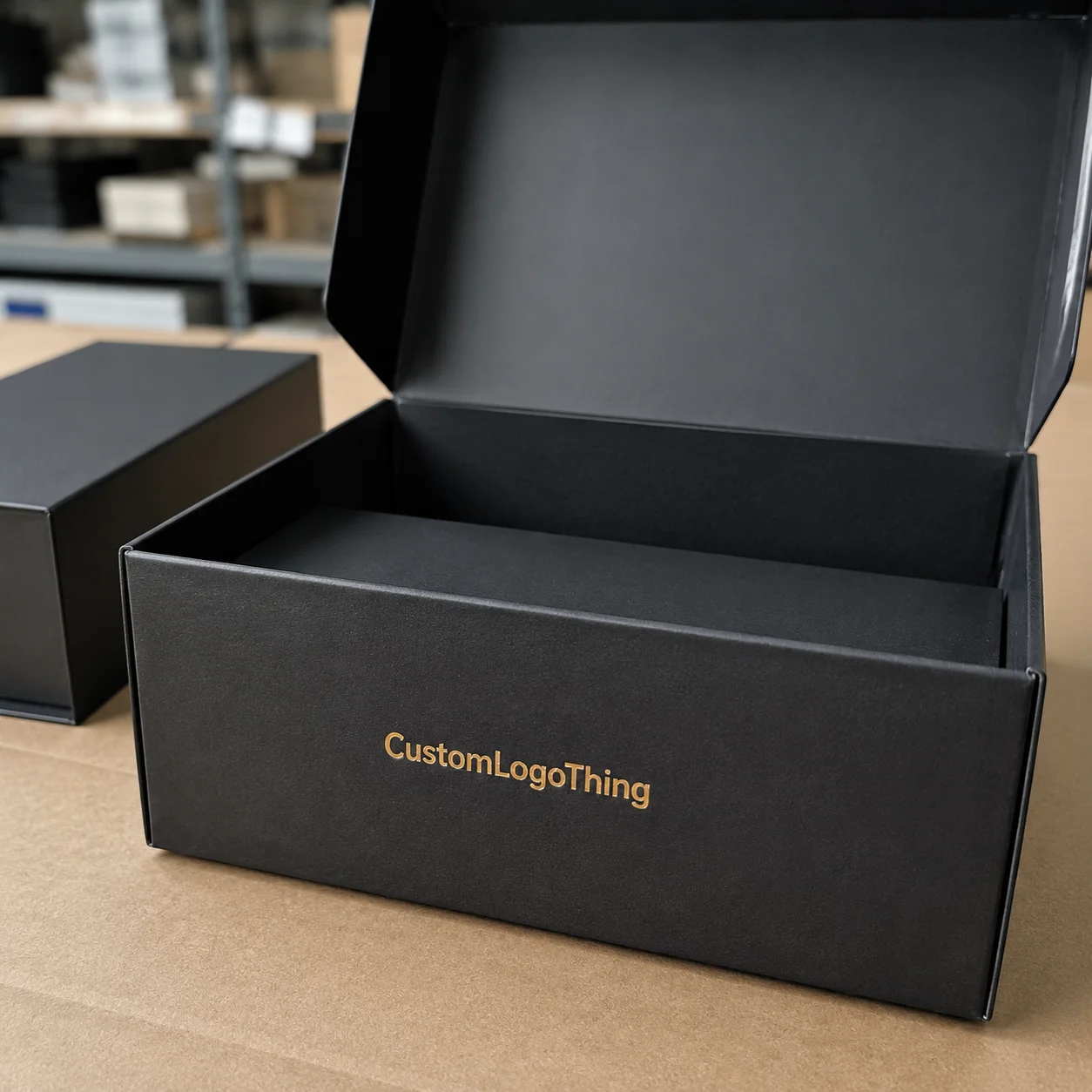
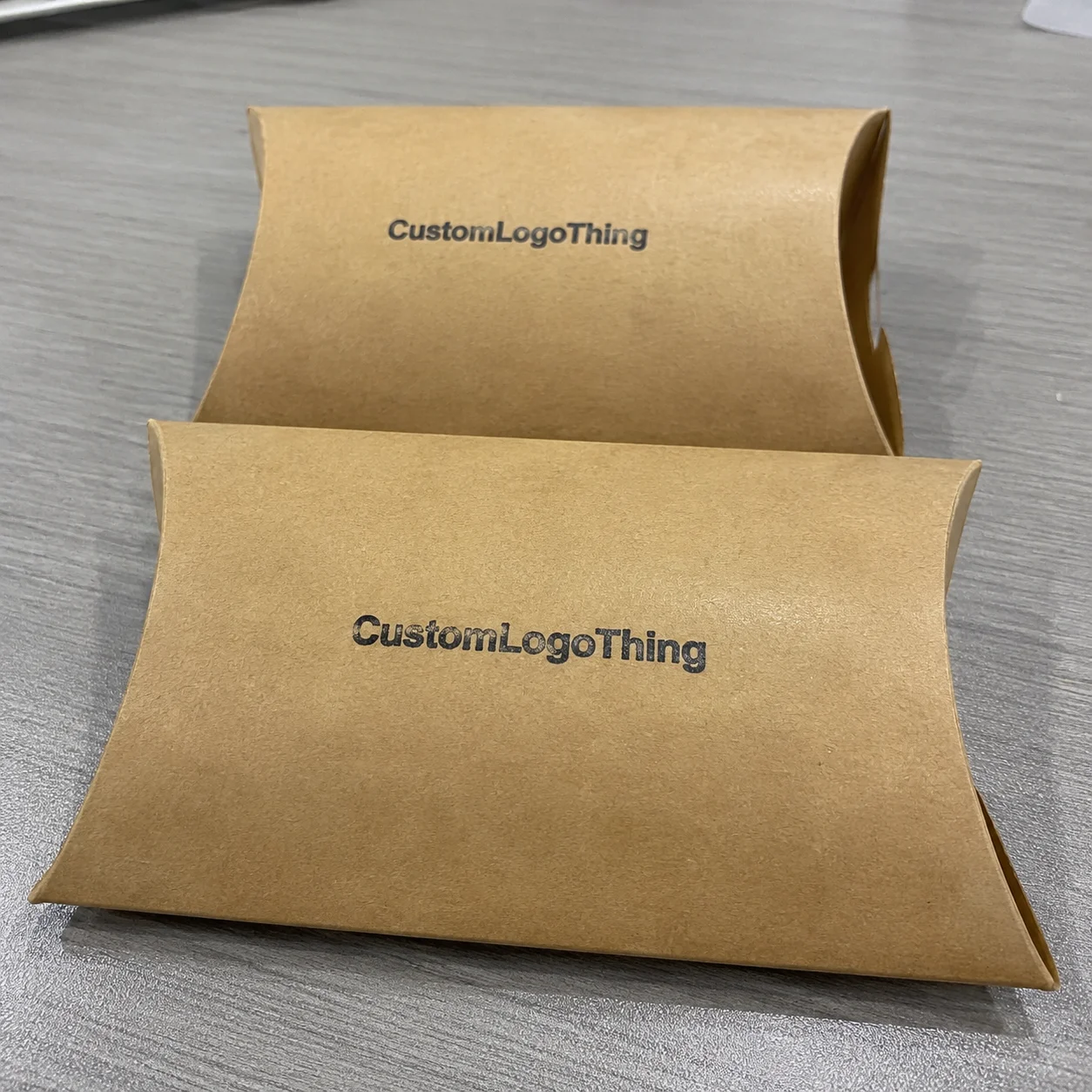
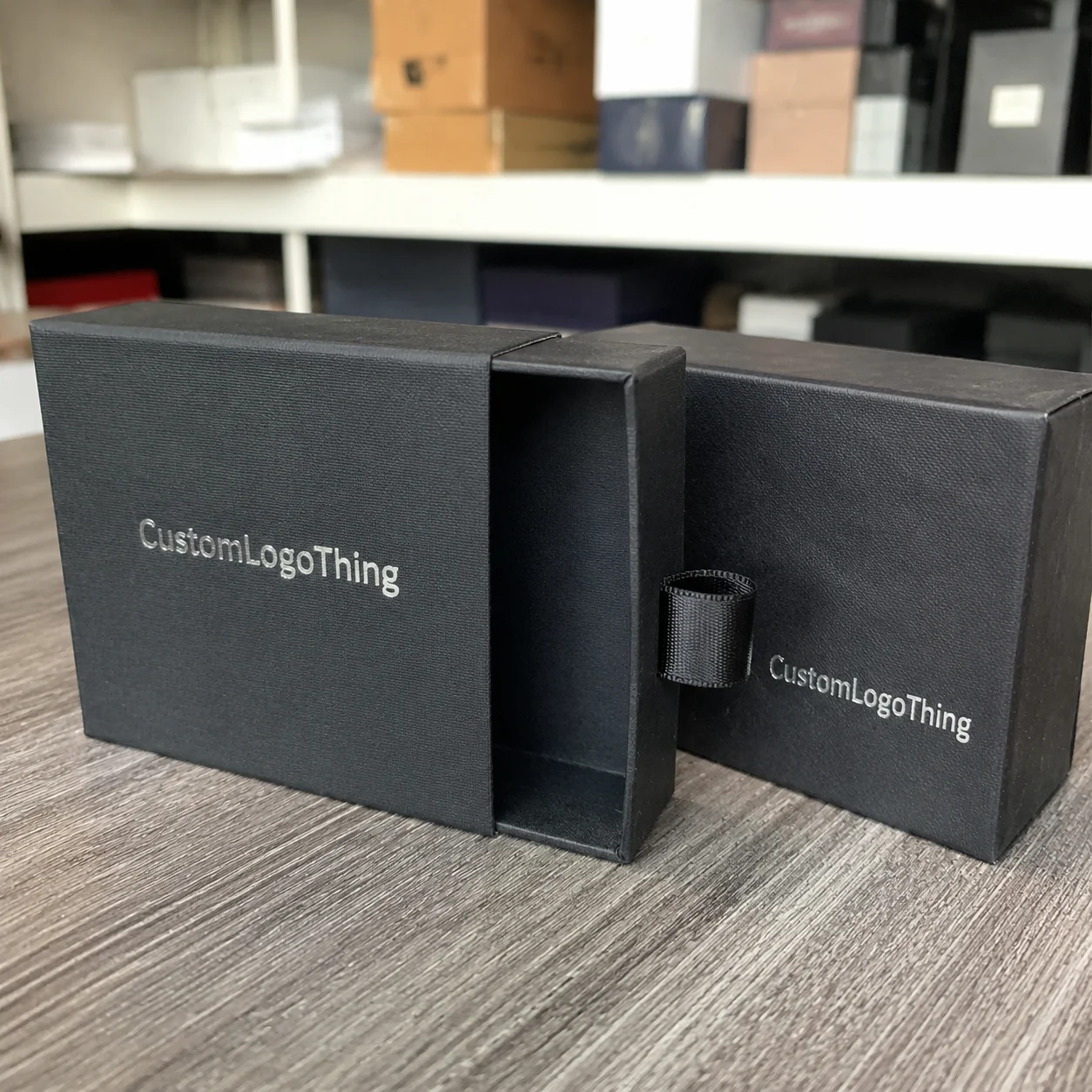
Buyer Fit Snapshot
| Best fit | Cost Comparison projects where brand print, material claims, artwork control, MOQ, and repeat-order consistency need to be specified before quoting. |
|---|---|
| Quote inputs | Share finished size, material target, print colors, finish, packing count, annual reorder estimate, ship-to region, and any compliance wording. |
| Proofing check | Approve dieline scale, logo placement, barcode or warning zones, color tolerance, closure strength, and carton packing before bulk production. |
| Main risk | Vague material claims, crowded artwork, missing packing details, or unclear freight terms can make a low unit price expensive after revisions. |
Fast answer: Cost Comparison: Custom Shipping Boxes vs Stock Boxes should be specified like a repeatable production item. The safest quote records material, print method, finish, artwork proof, packing count, and reorder notes in one written spec.
Production checks before approval
Compare the actual filled-product size with the drawing, then confirm tolerance on folds, seals, hang holes, label areas, and retail display edges. Reserve space for logos, QR codes, warning copy, and material claims before decorative graphics fill the panel.
Quote comparison points
Review material grade, print process, finish, sampling route, tooling charges, carton quantity, and freight assumptions side by side. A quote is only useful when the supplier can repeat the same color, closure quality, and packing count on the next order.
I still remember a Thursday morning in Ontario, California, standing on a fulfillment floor where two skincare brands were shipping almost the same monthly volume, around 38,000 parcels each, and yet one had a gross margin nearly 6 points higher. The difference was not product cost. It was cost comparison Custom Shipping Boxes vs stock discipline. One brand relied on oversized stock cartons, paying DIM penalties on nearly 42% of shipments, while the other invested in right-sized custom printed boxes and cut damage claims by 31% in one quarter.
If you are buying packaging for ecommerce shipping, this decision is rarely about the visible box price alone. I have seen a stock box at $0.62 beat a custom box at $0.74 on unit price, then lose badly once void fill, labor touch time, outbound parcel charges, and reshipments are counted. The right way to buy is to run a measurable model, line by line, and compare total landed cost instead of chasing a low quote number.
Cost Comparison Custom Shipping Boxes vs Stock: The Real Money Leak Starts in Transit
I have worked with teams in Dallas, Newark, and Shenzhen where buyers focused on cents per box and missed dollars per shipment. The blunt truth is simple: in many programs, the carton itself is only 18% to 35% of total packaging-related shipping cost. The remaining spend hides in freight billing, dunnage, labor, storage, returns, and customer service tickets tied to damage.
A few months ago, I sat in a client review with a supplement brand shipping 22,000 orders monthly. Their stock carton cost was just $0.49, which looked excellent on paper. Their average parcel DIM divisor exposure pushed billable weight up by 0.8 lb per order in Zone 6 and above. That translated to roughly $0.54 extra postage per parcel. In that case, a “cheap” box quietly added over $11,000 per month.
The buyer framework I recommend for every cost comparison Custom Shipping Boxes vs stock project has four buckets:
- Unit cost: box, insert, tape, label, print method
- Total delivered cost: inbound freight, palletization, warehouse footprint
- Operational cost: pick-pack speed, training burden, SKU complexity
- Customer experience cost: damage, replacements, review impact, retention risk
This decision should be driven by measurable inputs, not packaging hype. Branded packaging can support unboxing and retention, but the business case starts with hard economics. I ask procurement teams to compare five criteria side by side every single time:
- Right-size fit tolerance (for example, product-to-box clearance of 6–12 mm)
- Board grade and flute profile (ECT 32 vs ECT 44, B flute vs E flute)
- Print pathway (flexo, digital, litho-label)
- Storage footprint (pallet positions and bin slots)
- Reorder flexibility (lead time, minimums, release schedules)
Stock tends to win on short runs under 2,000 pieces, urgent replenishment inside 48–72 hours, and very simple SKUs that can tolerate extra cube. Custom usually wins on repeat volume, freight-sensitive parcel profiles, and multi-SKU operations where carton rationalization cuts pack errors and labor drag.
Quick disclaimer from the trenches: no single formula fits every catalog. If your order profile swings hard by season, your break-even line will move too, sometimes a lot.
By the end of this guide, you will have a practical checklist and formula to run your own cost comparison custom shipping boxes vs stock process apples-to-apples, not estimate-to-estimate. If you need product options while reading, review our Custom Packaging Products lineup and map styles to your current order profile.
Product Details That Change Cost: Box Style, Material, and Pack-Out Fit
Box geometry changes economics faster than most teams expect. I once helped a home-fragrance shipper in Phoenix move from a generic 12 x 10 x 8 RSC stock carton to a 10.5 x 8.25 x 6.5 die-cut mailer with a corrugated insert. Material cost rose by $0.11 per unit, freight dropped $0.37, and breakage fell from 3.9% to 1.4%. That is what a serious cost comparison custom shipping boxes vs stock review uncovers.
Shipping box formats and where they win
- RSC (Regular Slotted Container): Lowest entry cost, flexible use, slower manual taping, more cube waste if not tightly sized.
- FOL (Full Overlap): Better top/bottom strength for heavier goods, extra board usage, useful for 20+ lb products.
- Die-cut mailers: Precise fit, faster presentation, good for ecommerce shipping under 10 lb, typically less void fill.
- Auto-lock bottoms: Faster line setup, reduced tape use, strong in high-throughput order fulfillment cells.
Flute and board decisions you can feel on the floor
E flute (about 1.6 mm) prints cleaner and works well for small retail packaging units. B flute (about 3.2 mm) gives balanced crush and puncture resistance for parcel handling. C flute (about 4.0 mm) provides better stacking strength for larger cartons. Single-wall ECT 32 is common, but I often spec ECT 44 for heavier, multi-zone carrier networks. High-risk lanes may justify double-wall BC flute because replacement costs can dwarf the added board spend.
Buyers should also understand burst vs ECT. Burst values describe puncture pressure; ECT predicts stacking compression. Carriers and 3PLs usually care more about crush in stacked handling, so ECT-based specs map better to real parcel environments.
Pack-out fit, inserts, and damage probability
Product geometry drives your outcome. If you leave 35–50 mm of empty headspace, you pay for filler and absorb more impact movement. Tight tolerances can reduce both DIM exposure and labor. Inserts add cost, but they can be used precisely:
- Corrugated inserts: +$0.09 to $0.22 typical, good rigidity
- Kraft partitions: +$0.05 to $0.18, useful for multi-item kits
- Molded pulp trays: +$0.16 to $0.34, strong sustainability story and excellent cavity control
In one beverage accessory project in Tampa, an extra $0.14 insert cut breakage by 2.6 points and reduced customer service tickets by 19% in six weeks. That is why cost comparison custom shipping boxes vs stock must include return and service costs, not only packaging PO values.
Print method and closure choices
Flexo is cost-effective for 1–2 color marks at higher volume. Digital works well for short runs, variable graphics, and faster artwork turns. Litho-label creates premium exterior quality for branded packaging but adds process layers. Closure method matters too: a carton designed for one-strip H-tape at 2.5 seconds is very different from a format requiring two-strip tape and manual squaring at 6–8 seconds.
And yeah, this sounds nerdy, but tape seconds add up faster than people think. On a line doing 1,200 orders per shift, those seconds are gonna show up in payroll.
Teams exploring fit options can use our Custom Shipping Boxes page to narrow style and structure choices before RFQ.
Specifications Buyers Should Request Before Any Quote
Poor specs create fake savings. I have seen three suppliers quote the same project with a spread of 28% simply because one assumed ECT 32, one assumed ECT 44, and one priced a different internal dimension set. A credible cost comparison custom shipping boxes vs stock starts with a quote-ready technical packet.
Core data for comparable bids
- Internal dimensions (L x W x H) in mm and inches
- Packed product weight range (for example 1.2–1.6 lb)
- Stack pattern (column stack vs interlock) and pallet tier target
- Drop-risk profile (fragile glass, liquid, electronics)
- Shipping zones and carrier mix (Ground, 2-Day, regional)
Performance, print, and warehouse specs
- Target board grade (ECT/Burst), compression requirement, humidity exposure
- Print colors, coverage %, registration tolerance (for example ±1.5 mm)
- Ink requirements (water-based, low-odor, food-contact-adjacent if needed)
- Bundle count, pallet quantity, max pallet height (like 58 in for mezzanine constraints)
- Dock constraints (48 x 40 pallet only, no slip-sheet receiving)
If relevant, request ISTA transit validation and edge crush verification. You can review ISTA resources at ista.org. For fiber sourcing goals, include FSC requirements and chain-of-custody preference at fsc.org.
Incomplete inputs lead to repricing, emergency reorders, and expedite freight, which erase the apparent advantage of stock cartons. I have watched teams save $0.08 per box and then burn $4,800 in one month on rush replenishment because pallet quantity assumptions were never locked.
| Comparison Input | Stock Box Baseline | Custom Box Option | Why It Matters |
|---|---|---|---|
| Internal Size | 12 x 10 x 8 in | 10.5 x 8.25 x 6.5 in | Drives DIM and void fill usage |
| Board Grade | ECT 32 B flute | ECT 44 B flute | Affects crush and damage rates |
| Print Type | Plain kraft | 1-color flexo | Impacts package branding and setup cost |
| MOQ | 100 units | 3,000 units | Changes cash flow and unit economics |
| Lead Time | 2-4 days | 12-15 business days | Determines safety stock planning |
Pricing & MOQ: Unit Cost vs Total Landed Cost at Different Volumes
Most purchasing teams either win here or overpay for years. A reliable cost comparison custom shipping boxes vs stock model uses one formula:
Total Cost per Shipment = Packaging Unit + Inbound Freight + Storage + Pack Labor + Void Fill + Damage/Returns + Outbound Parcel Effect
Now apply realistic bands I use with clients.
Low volume band (up to 3,000 shipments/month)
Stock often wins early because tooling is zero and MOQs are low. Example: stock RSC at $0.58, no die fee, next-day replenishment. Custom die-cut might be $0.86 at 3,000 qty plus a $450 die. Custom needs to cut freight by at least $0.20 per parcel or reduce damage by 1.5+ points for a fast payback.
Medium volume band (3,000–20,000 shipments/month)
This is the range where cost comparison custom shipping boxes vs stock frequently flips. A personal care brand I supported in New Jersey moved from two stock sizes to three engineered custom sizes. Their unit box cost increased $0.09 on average, but DIM and filler savings reduced total cost by $0.31 per shipment. Net monthly improvement came to about $4,960 at 16,000 orders.
High volume band (20,000+ shipments/month)
At scale, custom usually carries a strong edge because fixed setup costs dilute quickly and cartonization gets tighter. I have seen pricing move from $0.79 at 5,000 units to $0.52 at 50,000 units on the same custom spec with flexo print. With blanket orders and releases, buyers can hold price while controlling inventory.
Sample cost model table
| Cost Component (Per Shipment) | Stock Carton | Custom Carton | Difference |
|---|---|---|---|
| Box + Insert | $0.64 | $0.78 | +$0.14 |
| Void Fill | $0.21 | $0.08 | -$0.13 |
| Pack Labor | $0.33 | $0.24 | -$0.09 |
| Outbound Parcel Impact | $6.72 | $6.39 | -$0.33 |
| Damage/Return Allowance | $0.19 | $0.11 | -$0.08 |
| Total | $8.09 | $7.60 | -$0.49 |
MOQ reality: custom pricing includes die creation and press make-ready. That is standard. The key is procurement structure. Use blanket POs with scheduled releases every 2–4 weeks so you capture volume pricing without overloading the warehouse. In Chicago, I negotiated a 60,000-unit annual commitment released monthly; the client improved unit cost by 17% while keeping on-hand inventory under 18 days.
Freight math in plain language: carriers bill by the greater of actual weight or dimensional weight. If your stock carton creates extra cube, you pay for air. Multi-SKU cartonization can reduce split shipments, lowering both postage and handling labor. A serious cost comparison custom shipping boxes vs stock exercise should model ship profile by zone and service type, not a single blended average rate.
If your product line includes soft goods or low-fragility items, compare corrugated with Custom Poly Mailers for select SKUs. Hybrid packaging strategies often outperform one-size-fits-all carton programs and can improve corrugated packaging ROI across mixed catalogs.
Process & Timeline: From Dieline to Delivery Without Disrupting Fulfillment
A clean rollout protects savings. I have seen great packaging design fail because approvals lagged and operations never received updated SOPs. Strong cost comparison custom shipping boxes vs stock results depend on execution discipline.
Typical custom workflow and timing
- Discovery and data intake: 1–2 business days
- Engineering review + CAD/dieline: 2–4 business days
- Prototype build and pack test: 3–5 business days
- Transit validation (if required): 4–8 business days
- Production run: 7–12 business days
- Staged delivery to DC/3PL: 2–5 business days
Critical blockers are predictable: unclear dimensions, late artwork files, too many revision loops, and no spec lock date. Set checkpoints and use versioned artwork with final sign-off by named owners in procurement and operations.
Urgent launches can run plain test cartons first, then convert to custom printed boxes in phase two. I used this path for a seasonal electronics client near Long Beach. We launched with unprinted right-sized cartons in 9 business days, then rolled printed graphics at week 4 without interrupting daily ship volume.
Inventory planning should match production cadence. Keep safety stock around 2–3 weeks for high runners, forecast 8–12 weeks for board allocation stability, and define reorder points tied to daily usage velocity. Teams that skip this step often pay expedite premiums that erase original cost comparison custom shipping boxes vs stock gains.
Why Choose Us for Cost Comparison Custom Shipping Boxes vs Stock Decisions
Custom Logo Things is set up as a manufacturing partner, not a pass-through broker. We combine structural design, print planning, and logistics-aware packaging recommendations so buyers can make decisions with clear trade-offs.
Our approach to cost comparison custom shipping boxes vs stock is fact-first and transparent. Every quote can include line-item assumptions: board grade, print method, MOQ tiers, freight basis, storage model, and labor assumptions. If a number changes, we show why in writing.
- Precision die-cutting: tight tolerance support for right-size programs
- Print options: flexo and digital routes based on artwork complexity and volume
- Quality checks: board verification, dimensions, bundle consistency, print registration
- Repeatability: controlled specs for reorders to reduce drift across batches
We also support shipping performance, not only appearance. Our team reviews cube utilization, carrier sensitivity, and product protection risk so your product packaging works on real routes, not just in a conference-room sample review.
“The first vendor who showed us exactly where our stock cartons were inflating parcel charges. We switched top SKUs first and saw measurable savings in the first month.” — Operations Manager, DTC wellness brand
Support includes a dedicated packaging specialist, sample cycles, and procurement-ready documentation for internal approvals. Teams that need proof before broad conversion can run pilot programs and track KPIs like damage %, labor seconds per pack, and carton cube utilization by zone.
To keep this honest: not every SKU should move to custom. Slow movers, promo kits, and uncertain launches are often better on stock for a while, and we’ll say that directly if the math points there.
If you want a reliable cost comparison custom shipping boxes vs stock model, send SKU dimensions, weights, current carton list, monthly order profile, zone mix, damage history, filler usage, and labor assumptions. We can usually return an actionable side-by-side in a few business days.
Action Plan: How to Run Your Own Cost Comparison Custom Shipping Boxes vs Stock in 10 Business Days
Here is the practical schedule I recommend to procurement and fulfillment teams. It is built for speed and detailed enough to protect decision quality.
Day-by-day execution plan
- Day 1: Pull baseline data for 90 days: order count, current cartons, parcel spend, damage rate.
- Day 2: Segment SKUs by volume; identify top 20% items driving 70%+ shipments.
- Day 3: Publish RFQ with locked specs: dimensions, board targets, print, bundle/pallet rules.
- Day 4–5: Receive supplier proposals and sample plan; confirm MOQ and lead-time assumptions.
- Day 6: Run pack tests on floor with timed labor study (minimum 30 packs per option).
- Day 7: Calculate landed cost model by zone and service type.
- Day 8: Review with finance and operations; check payback period and working capital impact.
- Day 9: Decide pilot scope; approve first-wave SKUs and release quantities.
- Day 10: Final sign-off, SOP update, reorder point setup, launch date confirmation.
Who should be in the room
- Operations lead (packing workflow and line constraints)
- Procurement manager (pricing, terms, release strategy)
- Finance analyst (cash flow and payback thresholds)
- Fulfillment floor supervisor (training and practical adoption)
Data capture template essentials
- SKU dimensions and unit weights
- Current box assortment and usage by SKU
- Ship zones and carrier methods
- Damage/return history by product type
- Void fill usage cost per order
- Labor touch time (seconds per pack)
- Storage limits (pallet positions, max heights)
Set decision thresholds before comparing quotes. Example: MOQ must fit 45 days of demand, payback under 4 months, and at least $0.18 reduction per shipment from freight plus damage plus labor. Teams without thresholds usually stall in subjective debates.
For lower risk, phase the rollout: start with highest-volume SKUs, validate KPI movement for 30 days, then expand to long-tail SKUs. This protects order fulfillment speed and gives finance clean before/after data.
Final takeaway, and it’s actionable: build your model on the top 10 SKUs by shipment count first, run a 30-day pilot with hard KPIs (DIM spend, pack seconds, and damage rate), and only then scale the winners. That sequence is kinda boring, but it keeps you from betting your whole packaging budget on assumptions.
Fast, accurate pricing depends on complete technical and operational inputs up front. The shortest path to a confident buying decision is a documented cost comparison custom shipping boxes vs stock process using real shipment data, not assumptions. Done right, cost comparison custom shipping boxes vs stock produces lower total cost, better consistency, and fewer surprises at scale. The most resilient teams revisit the model quarterly, because parcel rates, material indexes, and fulfillment throughput can shift the total landed cost equation over time.
What is the most accurate way to run a cost comparison custom shipping boxes vs stock analysis?
The most accurate method is to compare total landed cost per shipment, not carton unit price alone. Build a side-by-side model that includes packaging unit cost, inbound freight, storage footprint, pack labor time, void fill, dimensional weight impact, and damage/return allowance. Then test both stock and Custom Packaging Options on real SKUs and zones, validate with a short pilot, and decide based on measured savings and payback period.
FAQs
What is the break-even point in a cost comparison of custom shipping boxes vs stock boxes?
Break-even is usually driven by total landed cost, not box unit cost alone. In a proper cost comparison custom shipping boxes vs stock model, include monthly volume, DIM impact, void-fill cost, labor per pack, and damage/return rates. For many repeat shippers, custom turns favorable once freight and damage savings absorb tooling and MOQ limits.
Are custom shipping boxes always more expensive than stock boxes?
Not always. Custom may show a higher visible unit price, but end-to-end shipping cost can be lower. Right-sized cartons often reduce parcel charges, filler spend, and replacement shipments. Stock can remain the better choice for very low volume, emergency buys, or temporary launches. That is exactly why cost comparison custom shipping boxes vs stock should be modeled with full-cost inputs.
How do MOQ and tooling affect custom shipping box pricing compared with stock?
Custom programs include setup economics like die creation and press make-ready. Higher quantities spread these fixed costs and reduce per-unit price. Blanket orders with scheduled releases are a practical way to balance MOQ savings with warehouse limits and keep your cost comparison custom shipping boxes vs stock results favorable over time.
How long does it take to switch from stock to custom shipping boxes?
A typical flow includes engineering, sample approval, and production, and the timeline depends on spec clarity and artwork readiness. Pilot runs can speed urgent needs before full conversion. A phased rollout by highest-volume SKUs lowers risk and keeps fulfillment stable while implementing cost comparison custom shipping boxes vs stock decisions.
What data should I provide for an accurate cost comparison custom shipping boxes vs stock quote?
Provide SKU dimensions and weights, current box sizes, monthly order volume, shipping zones, and carrier method. Include damage history, labor assumptions, filler usage, storage constraints, and reorder cadence. Complete inputs lead to a tighter and more reliable cost comparison custom shipping boxes vs stock quote.