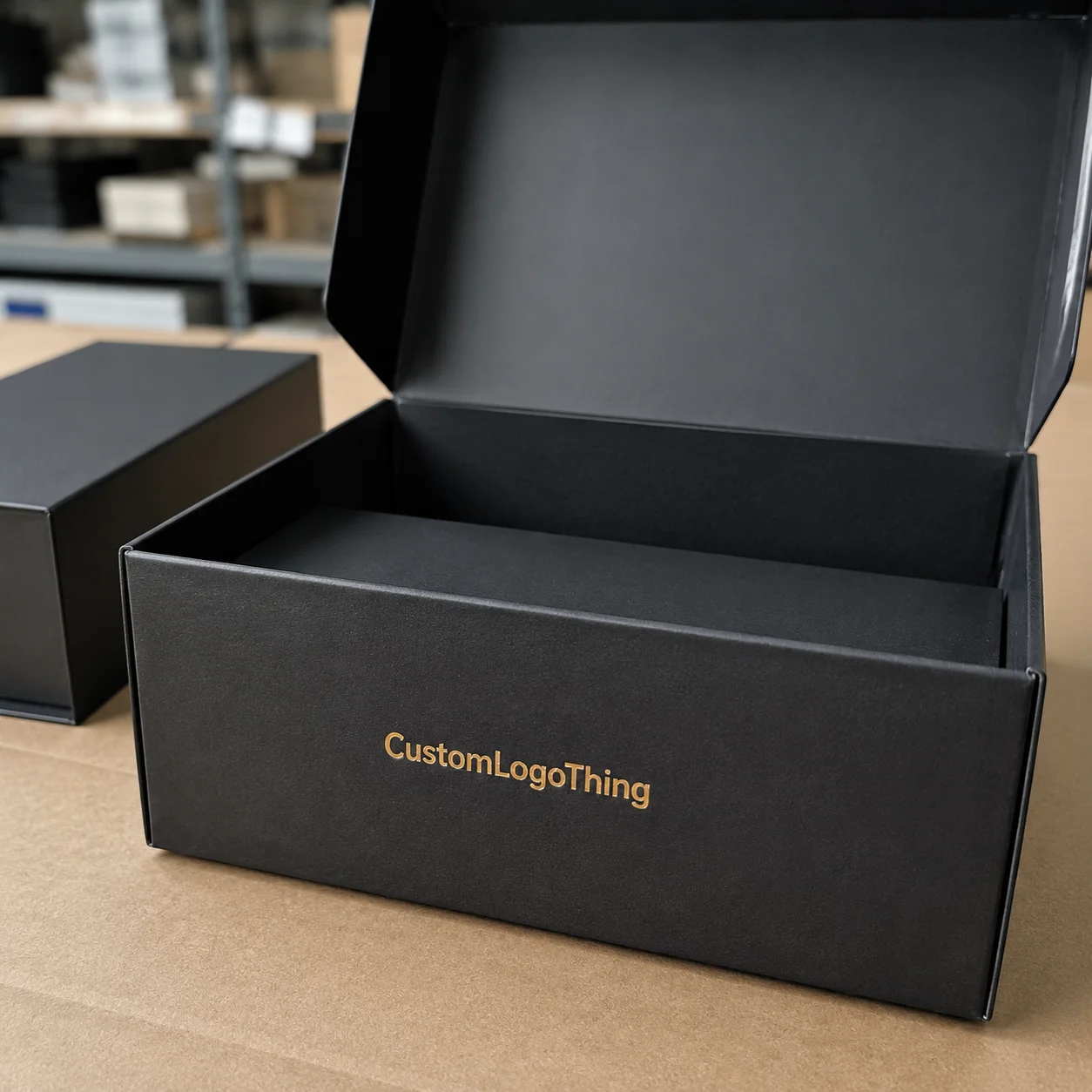
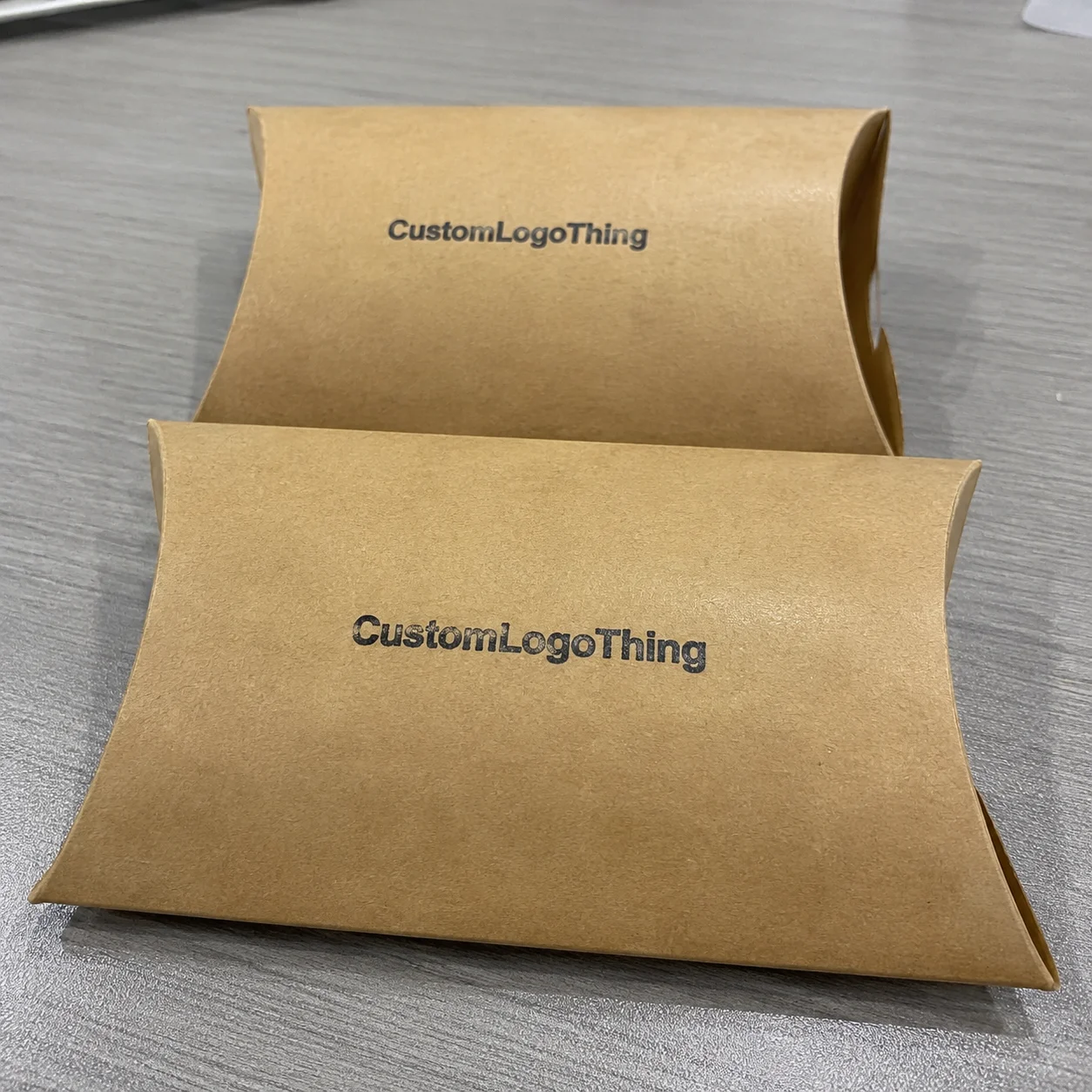
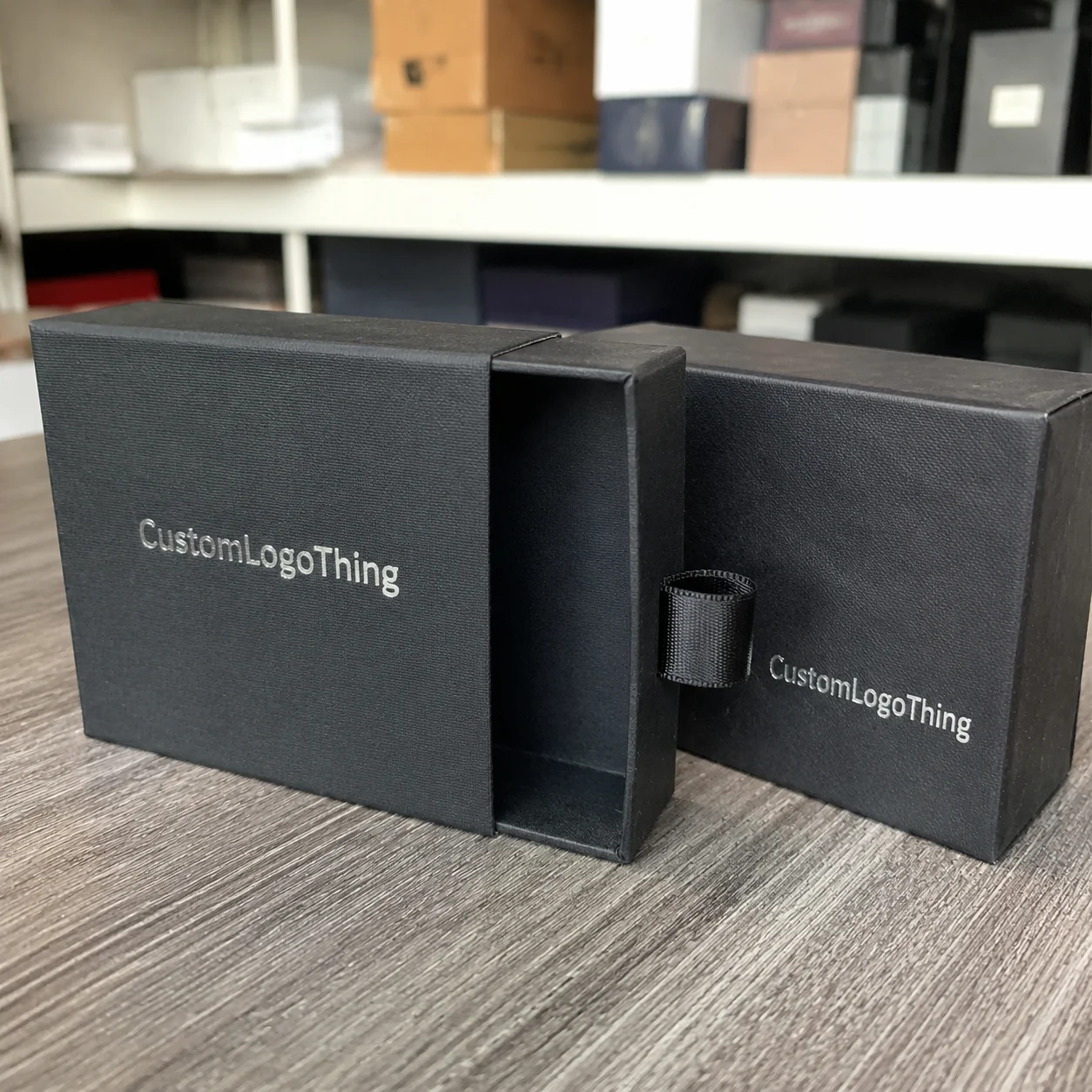
Buyer Fit Snapshot
| Best fit | Custom Shipping Boxes Wholesale projects where brand print, material claims, artwork control, MOQ, and repeat-order consistency need to be specified before quoting. |
|---|---|
| Quote inputs | Share finished size, material target, print colors, finish, packing count, annual reorder estimate, ship-to region, and any compliance wording. |
| Proofing check | Approve dieline scale, logo placement, barcode or warning zones, color tolerance, closure strength, and carton packing before bulk production. |
| Main risk | Vague material claims, crowded artwork, missing packing details, or unclear freight terms can make a low unit price expensive after revisions. |
Fast answer: Custom Shipping Boxes Wholesale: Pricing, Specs & Process should be specified like a repeatable production item. The safest quote records material, print method, finish, artwork proof, packing count, and reorder notes in one written spec.
Production checks before approval
Compare the actual filled-product size with the drawing, then confirm tolerance on folds, seals, hang holes, label areas, and retail display edges. Reserve space for logos, QR codes, warning copy, and material claims before decorative graphics fill the panel.
Quote comparison points
Review material grade, print process, finish, sampling route, tooling charges, carton quantity, and freight assumptions side by side. A quote is only useful when the supplier can repeat the same color, closure quality, and packing count on the next order.
One damaged carton can cost more than the box ever did. I’ve seen a $0.62 shipper trigger a $14.80 chain reaction: replacement product, repacking labor, carrier claim paperwork, and a customer service call that burned another 12 minutes. In a 3PL operation outside Columbus, Ohio, that kind of failure can ripple through the whole day, especially when the dock is running 2,400 outbound parcels before noon. Honestly, that’s the part people underestimate most—the box itself is tiny on the invoice, then it quietly drags a whole mess behind it. That is exactly why so many buyers move to Custom Shipping Boxes wholesale after one ugly shipment. The box itself is only the starting number.
When I visited a corrugated plant outside Shenzhen, the production manager showed me a pallet of returns from an ecommerce client. The board looked fine until you pressed on the side panel; then it collapsed like a wet cereal sleeve. I remember thinking, “Well, that’s going to ruin somebody’s afternoon.” The issue wasn’t just strength. It was sizing, flute choice, and oversized void space that let the product punch through during transit. In that facility, the board line was running 350gsm C1S artboard for display work and single-wall corrugated for shipping cartons on the same shift, which made the contrast painfully obvious. Custom Shipping Boxes wholesale solves those failures by matching the carton to the product, the shipping method, and the warehouse reality.
Buyers get trapped by comparing unit price alone. A stock box might ship faster, but a well-specified custom carton usually wins on fit, protection, and total landed cost. If you care about order fulfillment efficiency, cleaner package branding, and fewer damages, Custom Shipping Boxes wholesale deserves a hard look. In many programs, the difference between a $0.48 stock carton and a $0.57 custom carton disappears once you count void fill, damage claims, and the 8 to 14 seconds saved at pack-out.
Custom Shipping Boxes Wholesale: Why Buyers Switch After One Bad Shipment
The first reason is simple: damage costs compound. A box failure is rarely one line on a spreadsheet. It becomes return freight, staff time, customer appeasement, and in some cases lost repeat business. In a supplier meeting I sat through last spring in Los Angeles, a cosmetics brand estimated that every crushed parcel cost them about $18 once they added shipping labels, replacement stock, and service labor. Their box cost was only $0.54. That ratio is why custom shipping boxes wholesale often looks expensive until you measure the full damage stack.
The second reason is cube utilization. Oversized cartons eat freight space, and freight space is where margin disappears. If your product fills 68% of the carton instead of 42%, you reduce filler, cut dimensional weight exposure, and improve pallet counts. I’ve watched an operations team in California save three trailer spots per week just by resizing cartons by 1.25 inches on two sides, going from a 12 x 9 x 6 inch shipper to a 10.75 x 8.25 x 6 inch version. That change was only possible through custom shipping boxes wholesale, not stock inventory.
The third reason is branding. A plain brown box can still work, but branded packaging creates a cleaner first impression, especially for direct-to-consumer products. I’m not talking about printing every square inch. Even a single-color logo, a clean panel layout, and consistent structural fit can make custom shipping boxes wholesale feel more premium than a random stock mailer with a sticker slapped on top. And yes, I’ve seen the sticker solution. It works until it peels at the corner in a humid warehouse in Atlanta and suddenly your “premium” package looks like it got dressed in a hurry.
Stock boxes have a place. They’re fast, they’re familiar, and they’re useful for unpredictable runs or emergency replenishment. But stock sizes force product teams to fit their item into the box library, not the other way around. Custom boxes reverse that logic. For ecommerce shipping, that usually means fewer inserts, more predictable packing speed, and a cleaner unboxing experience. Here’s the practical comparison I give buyers, usually after they’ve shown me a sample carton that arrives by messenger at 9:00 a.m. and a damaged return report by 2:00 p.m.:
| Option | Best for | Typical tradeoff | Cost behavior |
|---|---|---|---|
| Stock corrugated box | Urgent replenishment, low variation SKUs | Poor fit, more void fill, less branding control | Low upfront, higher hidden fulfillment cost |
| Custom shipping boxes wholesale | Stable SKUs, branded shipping, repeat orders | Lead time, MOQ, proofing steps | Better unit economics at volume |
| Fully custom die-cut shipper | High-value or presentation-driven product packaging | Higher setup and tooling complexity | Higher initial spend, strong brand impact |
If you sell apparel, supplements, skincare, accessories, or small electronics, custom shipping boxes wholesale can reduce both shipping damage and packing waste. If you move industrial parts, the benefit shifts toward structural consistency and load stability. Either way, the box must match the product, not the other way around, especially if your warehouse in Dallas or Nashville is shipping 500 to 2,500 orders a day across mixed carriers.
“The carton was cheap. The damage wasn’t.” That was the line a warehouse director gave me after a pallet of subscription kits arrived crushed on the bottom row. We changed the board grade from a light single-wall to a stronger B-flute specification, tightened the fit by 8 mm, and cut claims by 31% over the next two months.
That kind of result is why buyers keep coming back to custom shipping boxes wholesale. The savings rarely show up in one place. They show up across claims, labor, freight, and customer retention, and sometimes the difference is a modest $0.06 per unit that turns into thousands of dollars a month once you ship 20,000 cartons from a plant in Dongguan or Ningbo.
Product Details: What Custom Shipping Boxes Wholesale Actually Includes
People often use the phrase custom shipping boxes wholesale as if it means one product. It doesn’t. It can include regular slotted containers, mailer-style shipping boxes, heavy-duty corrugated shippers, and branded ecommerce cartons. Each one has a different build, a different folding profile, and a different cost curve, whether the factory is in Guangdong, Vietnam, or a corrugated converting plant near Monterrey, Mexico.
Regular slotted containers, or RSCs, are the workhorses. They’re easy to stack, easy to tape, and familiar to most order fulfillment teams. Mailer-style boxes open from the front or top and are common for subscription kits and retail packaging. Heavy-duty shippers use thicker board and stronger flute combinations for rough handling or heavier contents. Branded ecommerce cartons prioritize print quality and presentation without giving up too much structural strength. All of these can fall under custom shipping boxes wholesale. In practical terms, an RSC built from 32 ECT single-wall board may be fine for a 2.2 lb apparel bundle, while a double-wall 48 ECT shipper might be the better answer for glassware or metal parts that leave a warehouse in Chicago every afternoon.
The customization options matter more than the sales pitch. Size is the obvious one, but it is only the beginning. You can specify flute type, board grade, print coverage, die-cut windows, coatings, internal inserts, and sometimes tear strips or self-locking closures. For product packaging, those details change how the box performs in the real world. A 1-color kraft print on a B-flute mailer behaves very differently from a 4-color coated carton with a die-cut thumb notch. I still remember a client insisting the thumb notch was “just a little detail,” and then calling me three weeks later because their warehouse team loved it and refused to go back. That kind of detail can save 6 to 10 seconds per pack, which matters a lot when a line in Louisville is pushing 160 orders per hour.
In a meeting with a Midwestern apparel brand, the buying team wanted the cheapest carton with their logo on it. I asked them three questions: product weight, shipping method, and average pack-out speed. Their answer changed the spec completely. They moved from a thin single-wall box to a sturdier mailer with better corner compression because their warehouse staff were packing 180 orders per hour and the boxes were being stacked on conveyors. That’s a classic custom shipping boxes wholesale lesson: design follows use case, not mood board. We ended up specifying a 200gsm white liner with a 32 ECT corrugated medium, which held up far better than the original sample from a Southern California converter.
Here’s a practical mapping of common use cases:
- Apparel: Mailer-style cartons with clean print, often 200-250 gsm liner plus corrugated construction depending on weight, especially for folded garments under 3 lb.
- Cosmetics: Smaller cartons with inserts, tight fit, and stronger branding to support package branding and unboxing, often with 350gsm C1S artboard for retail-facing components.
- Subscription kits: Die-cut mailers or display-style boxes that balance retail packaging appeal with shipping durability, usually with 1-2 color flexographic print.
- Consumer electronics: Heavy-duty corrugated shippers with tighter spec control and possible foam or paper inserts, especially for items above 5 lb.
- Food-safe secondary packaging: Printed cartons that protect the primary pack and maintain clear handling instructions, commonly finished with aqueous coating.
- Industrial parts: Stiff corrugated boxes sized for weight, stack pressure, and long-distance transit, often moving through palletized freight in Houston, Memphis, or Kansas City.
Printing also matters. Clean flexographic print can be ideal for large-volume shipping cartons because it is consistent and cost-effective. Offset or high-quality digital print can work better when the box is also serving as retail packaging. I’ve seen buyers overpay for print coverage they barely use, which is one of those packaging decisions that makes me quietly grumble at the ceiling. A small logo, a return address panel, and one internal message often do more than full coverage graphics on custom shipping boxes wholesale. If you are ordering 5,000 pieces and only need a 1-color mark, you may not need a full four-color press run at all.
For buyers comparing Custom Shipping Boxes against other formats, the biggest question is whether the carton is doing one job or two. If the box only protects during transit, keep the spec disciplined. If it also sells the product, add print and finish carefully, because every coating and panel choice affects cost and speed. A simple brown kraft exterior with a clean black logo can cost meaningfully less than a laminated full-coverage print job, especially when the order ships from an offset plant in Shenzhen or Ho Chi Minh City.
If you need more than cartons, many buyers pair their shipper program with Custom Poly Mailers for soft goods and with branded insert cards for retention. That mix often reduces overall packaging spend because the right format is used for the right SKU, not every SKU forced into the same carton. In one California apparel program, switching 40% of items to poly mailers cut corrugated usage by 18% over a quarter.
Specifications That Matter Before You Order Custom Shipping Boxes Wholesale
If you skip the specs, you guess. And guessing on custom shipping boxes wholesale usually ends with either crushed product or expensive overbuilding. The core numbers are inner dimensions, wall construction, flute profile, Edge Crush Test, and burst strength. Those five items tell you more than a glossy mockup ever will, especially if the cartons are being made in a plant in Foshan or near Ho Chi Minh City where the line can produce 20,000 units a day but only if the spec is tight.
Inner dimensions matter because the product fits inside those numbers, not the outer size. I’ve seen buyers approve a box based on the outside measurement and then wonder why a 9.5-inch item wouldn’t fit into a “10-inch” carton. Corrugated thickness changes the inside clearance. That seems basic, but it’s one of the most common mistakes in custom shipping boxes wholesale. A box listed at 10 x 8 x 4 inches externally may only offer about 9.75 x 7.75 x 3.75 inches internally depending on the flute and board build.
Wall construction tells you how many layers protect the product. Single-wall is common for lighter ecommerce shipping. Double-wall can help with heavier loads or harsher transit. Flute profile changes stiffness and cushioning. Smaller flutes can improve print quality and reduce bulge; larger flutes can improve stacking and shock absorption. Edge crush test, or ECT, is a common strength metric for stacked compression. Burst strength measures puncture and overall board toughness. Neither one should be selected in a vacuum. For example, a 32 ECT single-wall carton may be enough for a 2 lb garment box, while a 44 ECT double-wall shipper is a safer choice for a 14 lb parts kit traveling by LTL to Phoenix.
Shipping environment changes the spec. Parcel carriers toss, slide, and compress cartons differently than LTL freight. Humid climates weaken fibers faster than climate-controlled warehouses. If your cartons sit on a dock for 48 hours and then ride in a hot trailer, the board needs more margin. That is not theory. I watched a beverage accessories client in the Southeast lose carton rigidity simply because the boxes were stored near a loading bay with high moisture. After switching to a heavier board grade in their custom shipping boxes wholesale program, the stack failures dropped sharply. Their supplier in Jiangsu moved them from a lighter 24 ECT build to a 32 ECT spec with a slightly tighter score line, and the difference showed up within the first 3,000 units.
Before approval, I recommend this sample checklist:
- Board stiffness: Does it flex too easily at the corners?
- Fold accuracy: Do panels meet squarely or drift by 2-3 mm?
- Print alignment: Is the logo centered and consistent across panels?
- Tape adhesion: Does the closure hold after 10 pulls?
- Closure performance: Does the mailer stay shut under normal handling?
- Insert fit: Do paper or corrugated inserts keep the product from shifting?
Common errors show up fast in the sample stage. The first is choosing by outer dimensions only. The second is underestimating product weight, especially after accessories or inserts are added. The third is ignoring warehouse handling conditions, such as conveyor drop points, pallet stacking, or repeated opening cycles. In custom shipping boxes wholesale, the warehouse can be as important as the design file. A carton that works in a sample room in Brooklyn may fail once it hits a conveyor line in Reno that drops parcels 18 inches onto a moving belt.
For buyers who want standards-based confidence, I always point to independent bodies such as the ISTA test protocols and material guidance from the Packaging School / packaging industry resources. If your program needs sustainability validation, FSC-certified paperboard can also help align sourcing with broader procurement goals, and the FSC system is the reference point most procurement teams recognize. Many sourcing teams also ask for recycled content documentation, such as 30% post-consumer fiber, when comparing vendors in Guangzhou, North Carolina, or the Midwest.
Custom Shipping Boxes Wholesale Pricing: What Drives the Cost
Pricing for custom shipping boxes wholesale is less mysterious than most buyers think. The unit price is driven by size, board grade, print colors, quantity, tooling, ink coverage, and special finishes. Change any one of those, and the quote moves. Change three, and you’re in a different cost band altogether. A carton built in a Shenzhen converting plant with a single-color flexo job will not price the same way as a full-coverage laminated mailer produced in Dongguan with hand assembly and insert pockets.
Size is usually the first driver. Larger cartons use more paperboard and more corrugate, so the board cost rises. But size also affects freight and pallet utilization. A small reduction in carton dimensions can lower per-unit material cost and improve shipping cube. I’ve seen a packaging buyer save $0.11 per box simply by shrinking the height by 0.6 inches and removing 14% of the void fill from the pack-out. That was a custom shipping boxes wholesale decision, not a marketing decision, and the change also raised pallet count by 8% on a 53-foot trailer.
Board grade is the second driver. Upgrading from a lighter single-wall board to a stronger flute combination can add a few cents per unit, sometimes more if the box is large. Print colors add cost too, especially when registration or coverage is heavy. A one-color logo on kraft can be far cheaper than a four-color full-coverage design. Tooling or die setup is another fixed cost that matters more at lower quantities. Once you spread that setup across a larger run, the per-box effect drops. For example, a setup charge of $260 spread across 1,000 pieces adds $0.26 each, while the same charge across 10,000 pieces adds only $0.026 each.
Quantity changes everything. At 1,000 pieces, setup costs and press time get spread over a small base. At 10,000 or 25,000 pieces, the same setup becomes a much smaller slice of the unit price. That is why buyers should ask for pricing tiers. For custom shipping boxes wholesale, the break between quantities is often more useful than the headline MOQ itself. In many factories, a jump from 3,000 to 5,000 pieces can lower the unit by 15% to 25% simply because the press and converting line can run longer without stopping.
Here is a practical price illustration. These are not universal, because board grade, print, and shipping distance change the numbers, but they show how cost behaves:
| Run size | Typical spec | Illustrative unit price | What changes it most |
|---|---|---|---|
| 1,000 pcs | Single-wall, 1-color print | $0.78 to $1.25 | Setup fees, smaller production spread |
| 5,000 pcs | Single-wall or light double-wall | $0.42 to $0.68 | Board grade, print coverage, freight |
| 10,000 pcs | Custom printed boxes with moderate coverage | $0.29 to $0.49 | Quantity break, color count, die complexity |
| 25,000 pcs | Standardized ecommerce shippers | $0.18 to $0.34 | Material yield, press efficiency, freight class |
Those numbers help buyers think in ranges, not fantasies. The cheapest quote is not always the lowest cost. If a low-priced box increases damage by 2% or adds 20 seconds to pack-out time, the “cheap” option gets expensive fast. I’ve watched procurement teams choose the lowest line item only to lose the savings in customer complaints and re-shipments. That’s the trap inside custom shipping boxes wholesale, especially when the shipper is used for fragile products moving out of a warehouse in Charlotte or Indianapolis.
Hidden costs matter too. Samples can cost $25 to $150 depending on whether you need physical dummies or printed proofs. Freight can add a meaningful amount if the shipment is palletized and crosses a long zone. Storage matters if you buy 25,000 pieces and only use 4,000 per month. Waste matters when the carton is too large and forces extra filler or larger shipping rates. The best way to judge custom shipping boxes wholesale is total landed cost, not the quote alone. A quote from a factory in Shenzhen may look lower until ocean freight, customs brokerage, and domestic drayage add another $0.06 to $0.14 per unit.
Sometimes a stronger carton saves money even if the per-box price rises by $0.06. That happens when the damage rate falls, the pack speed improves, and the freight cube becomes more efficient. That is why I always ask buyers to share monthly usage, product weight, and return rate before I discuss pricing. Without those numbers, a quote is only a guess dressed up as certainty. If a supplier can give you a specific example like $0.15 per unit for 5,000 pieces on a 9 x 6 x 3 inch RSC with 1-color print, then you can compare it against the next quote with some confidence.
MOQ, Lead Times, and the Ordering Process
MOQ exists because custom manufacturing has setup costs. In custom shipping boxes wholesale, the line has to be prepared, plates or dies may need to be made, inks need to be mixed, and test runs must be approved. None of that is free, so the minimum order quantity helps spread fixed costs across enough pieces to keep pricing sane. On a flexo line in Guangdong, the first hour of setup can matter as much as the next 4,000 units.
The ordering process usually follows a predictable path. First comes the quote request. Then the supplier confirms dimensions, board grade, print needs, and usage conditions. After that, the dieline or size drawing is approved. Artwork is reviewed next, followed by a sample or digital proof. Production starts only after approval, and then the cartons ship. It sounds straightforward, but the details inside each step can add or subtract several days. That’s the reality of custom shipping boxes wholesale. If your supplier is organized, proof approval can happen within 24 to 72 hours and the run can move straight into the cutting and gluing queue.
A good timeline separates proofing, production, and transit. If your artwork is final and your dimensions are exact, proofing may take 1 to 3 business days. Sampling can add another 3 to 7 days depending on whether you want plain samples or printed samples. Production often runs 10 to 20 business days for many corrugated orders, though complex print work or higher volume can take longer. Transit is its own variable. Domestic freight might take 2 to 7 days. International shipment can be more. Buyers often miss this distinction and blame production for delays caused by freight or late approvals in the custom shipping boxes wholesale process. A typical run might take 12-15 business days from proof approval, then another 3 to 6 days for inland freight if the cartons are shipping from a factory near Ningbo to a distribution center in Dallas.
Clear dimensions, print-ready files, one decision-maker, and a sample approved without a long internal chain of emails all speed things up. I’ve watched a beverage client shave six days off the schedule simply because the packaging design team gave one approval list instead of four separate comments from marketing, operations, and finance. That matters more than people think, especially when the schedule has a hard launch date on a Thursday and the cartons need to land in New Jersey by the prior Friday.
Late color corrections, changes after proof approval, and incomplete spec data slow things down. If the supplier has to chase down whether the product weighs 11 oz or 17 oz, the project stalls. If someone adjusts the logo placement after the dieline is already locked, production can stop. In custom shipping boxes wholesale, every small change ripples into time and cost. A small artwork edit can add 2 to 4 business days if plates or digital files have to be reworked.
I prefer to see buyers prepare three reference items before requesting a quote:
- Product sample: The actual item or a dummy that matches size and weight.
- Shipping method: Parcel, LTL, warehousing, or mixed channel.
- Order quantity: Monthly usage plus any safety stock target.
That combination gives the supplier enough information to recommend a realistic spec. It also prevents overselling. A consultant who has walked a corrugated line knows that a box designed for shelf display is not always the best box for parcel abuse. I’ve had to tell buyers, bluntly, that their first idea was pretty but weak. Better to hear it early than after 3,000 cartons are printed, stacked on a pallet in a warehouse in Seattle, and already scheduled for outbound pickup.
Why Choose Us for Custom Shipping Boxes Wholesale
Custom Logo Things is built for buyers who want facts, not fluff. When clients ask about custom shipping boxes wholesale, the right answer is rarely “our cheapest option.” It is usually “the box that meets the job with the fewest surprises.” That’s how I like to work, and frankly, it saves everyone time. If the spec says 32 ECT single-wall, 1-color print, 10,000 pieces, and delivery into Texas, then the quote should reflect those exact numbers rather than vague averages.
Our strongest advantage is material consistency. A box that measures right on Monday should measure right on Friday. That means tighter fit, cleaner closure, and fewer pack-out headaches. On a factory floor I visited last year in Dongguan, the difference between stable and unstable board showed up at the folding rails within minutes. The unstable batch twisted slightly at the corners. That tiny drift looked harmless until the cartons hit a conveyor and the sealing tape had to compensate. Consistency is not marketing language. It is labor cost, damage rate, and customer satisfaction rolled into one. With custom shipping boxes wholesale, a 2 mm drift in the score line can turn into a few extra seconds per box at 100,000 units a month.
We also keep the quoting process clear. You should know the board grade, the print method, the expected timeline, and the reason behind each recommendation. If a supplier pushes expensive features without explaining the tradeoff, that’s a red flag. A consultative approach to custom shipping boxes wholesale means sizing help, artwork setup support, and guidance on whether a box should be simple or heavily branded. Honestly, I trust a supplier more when they’re willing to tell me, “You don’t need that upgrade,” because that usually means they’ve actually thought through the program. A good partner will explain why a B-flute mailer in 350gsm C1S artboard might be right for one SKU, while a double-wall corrugated RSC is better for another.
Here’s the kind of service buyers should expect:
- Responsive quoting: pricing tied to exact dimensions and quantity tiers.
- Proofing support: one clear review loop instead of vague back-and-forth.
- Fit guidance: recommendations based on weight, fragility, and ship method.
- Repeatability: dependable dimensions for future reorders.
- Cross-product planning: help pairing cartons with inserts, mailers, or other Custom Packaging Products.
Another advantage is reducing buying risk. I’ve sat in supplier negotiations where the cheapest vendor won the work, then quietly changed board grades or print setup details after the PO was issued. That kind of surprise is deadly for retail packaging and ecommerce shipping alike. A dependable partner should tell you what the carton can do, what it cannot do, and where the tradeoffs sit. That is especially true in custom shipping boxes wholesale, where the box is part packaging, part logistics tool, and part brand asset. If you need cartons made in a plant near Guangzhou or a converter in the U.S. Midwest, you should get the same spec control either way.
If you manage multiple SKUs, the ability to standardize box families is valuable. One family of box sizes can support different products, simplify inventory, and reduce training time for order fulfillment staff. It also helps with reordering through our Wholesale Programs, where repeat purchasing becomes easier once the spec is locked. That kind of structure is often where the real savings live, especially when a single box family can cover 70% of your outbound volume with three sizes instead of eight.
Next Steps for Ordering Custom Shipping Boxes Wholesale
If you want the right custom shipping boxes wholesale quote, start with the numbers. Gather product dimensions, product weight, and shipping method. Then decide whether the box is doing pure transit protection or also carrying branded packaging duties. Those answers shape the spec more than color preference ever will. A 2.8 lb skincare set shipping from New Jersey needs a different carton than a 12 lb hardware kit leaving a warehouse in Arizona.
Next, prepare one product sample and one shipping sample if possible. I mean the actual item, not a photo. A carton spec built from a 2D image often misses the tolerances that matter in production. If the shipment is fragile, high-value, or tightly margin-controlled, request one prototype or pre-production sample before volume approval. That small step can prevent a large and embarrassing mistake. I learned that the hard way years ago, and I still get a little twitchy when someone says, “We can just estimate it.” No, we cannot. Estimating is how boxes end up three millimeters too tight and everyone acts shocked. A prototype usually costs less than $100 and can save a full run of 5,000 pieces from being scrapped.
When you request a quote, include these details:
- Box style: RSC, mailer, heavy-duty shipper, or branded ecommerce carton.
- Inner dimensions: length, width, and height in inches or millimeters.
- Board grade: single-wall, double-wall, flute preference, and strength target.
- Print requirements: one-color, two-color, full coverage, or no print.
- Order quantity: target run size and monthly consumption.
- Delivery target: desired ship date and destination ZIP or port.
That information lets us recommend a clean, realistic route for custom shipping boxes wholesale. It also helps keep the project from bouncing between departments for two weeks while everyone argues over a quarter-inch. I’ve seen that happen. More than once. Once in a while I wonder if some teams think the box will magically become larger out of sympathy. A good brief with exact measurements, like 11.25 x 8.5 x 4.75 inches and 32 ECT board, eliminates most of that back-and-forth before it starts.
There is also a practical reason to ask for a sample. Box performance is tactile. You can read the spec sheet and still miss the weak corner score or the over-tight tuck flap until you hold the carton in your hands. In one client meeting, a brand owner picked up two samples and immediately felt the difference in fold pressure. One box clicked shut. The other needed force. We changed the closing style and avoided a pack-out bottleneck that would have affected every outgoing order from the facility in Richmond. Small tactile differences can matter more than a glossy mockup ever will.
If you’re comparing options, think in this order: fit, strength, print, then price. That sequence is more honest than leading with the lowest unit number. And if your program includes related items, you can combine shipping cartons with other Custom Packaging Products to keep the look consistent across the full package branding system. A single sourcing plan can simplify reorders by 20% or more when the same team handles cartons, inserts, and mailers.
Finally, ask for a clear re-order path. A good custom shipping boxes wholesale program should make the second and third order easier than the first. Specs should be locked. Artwork should be archived. Replenishment should be predictable. That is how packaging moves from a one-off purchase to a controlled operating expense. If a vendor can quote a reorder in 24 hours using the same dieline, the same board grade, and the same print file, you’ve found a supplier who understands the pace of real operations.
My opinion? The best buyers are not the ones who chase the lowest quote. They are the ones who understand where the cost really lives: in damage, labor, freight, and rework. If you want custom shipping boxes wholesale that actually supports your operation, treat the box as a business tool first and a print surface second. That mindset is how a $0.54 carton becomes a smarter investment than a $0.41 carton that quietly creates $9 in downstream pain.
FAQs
What is the minimum order for custom shipping boxes wholesale?
MOQ depends on box style, size, and print complexity. Simpler mailer runs can start lower than fully printed or die-cut cartons, while heavier or more complex structures usually need higher quantities to offset setup. Ask for multiple pricing tiers so you can compare the break-even point between a smaller order and a larger production run for custom shipping boxes wholesale. For example, a 1,000-piece run may price at $0.78 to $1.25 per unit, while 5,000 pieces may drop closer to $0.42 to $0.68 depending on board and print.
How long does custom shipping boxes wholesale production usually take?
Timing is usually split into proofing, production, and freight transit. Clear artwork and fast approvals can shorten the timeline noticeably, while design changes after proof approval can add several days. Rush service may be available, but it can affect both the unit price and the freight method for custom shipping boxes wholesale. A typical schedule is 1 to 3 business days for proofing, 10 to 20 business days for production, and 2 to 7 business days for domestic freight, with many orders landing at 12-15 business days from proof approval when everything is ready on time.
Which specs should I check before ordering custom shipping boxes wholesale?
Confirm inner dimensions, flute type, board grade, and ECT or burst strength. Make sure the carton has enough room for inserts or void fill if the product needs extra protection. I also recommend asking for a sample or spec sheet before approving full production of custom shipping boxes wholesale. A useful baseline might be 32 ECT single-wall for lighter ecommerce goods or 44 ECT double-wall for heavier, longer-haul shipments.
Are custom shipping boxes wholesale cheaper than stock boxes?
Not always on the invoice, but often yes on total cost when damage and wasted space are included. Custom sizing can reduce filler usage, improve freight efficiency, and lower replacement rates. At higher volumes, the price gap between stock and custom shipping boxes wholesale usually narrows further. A stock box that saves $0.07 up front can still cost more if it adds 2% damage and 15 seconds of extra pack time per carton.
What artwork is best for custom shipping boxes wholesale printing?
Use clean, print-ready vector files whenever possible. Keep logos, brand marks, and contact details simple if the box is mainly for shipping rather than retail display. Confirm color expectations with a proof before production starts so your custom shipping boxes wholesale order matches the approved look. For many corrugated shipments, 1-color flexographic print on kraft is a practical choice, while 4-color digital or offset work better for presentation-heavy cartons.
If you’re ready to move from guesswork to a repeatable packaging program, start with a spec review, a sample request, and a clear quantity target. That is the cleanest path to custom shipping boxes wholesale that protects product, supports order fulfillment, and improves unit economics without unnecessary complexity. A good starting quote might be built around 5,000 pieces, 32 ECT single-wall board, and a 12-15 business day production window from proof approval, which gives you a realistic baseline before you scale up.