Buyer Fit Snapshot
| Best fit | Cost of Custom Folding Cartons projects where brand print, material claims, artwork control, MOQ, and repeat-order consistency need to be specified before quoting. |
|---|---|
| Quote inputs | Share finished size, material target, print colors, finish, packing count, annual reorder estimate, ship-to region, and any compliance wording. |
| Proofing check | Approve dieline scale, logo placement, barcode or warning zones, color tolerance, closure strength, and carton packing before bulk production. |
| Main risk | Vague material claims, crowded artwork, missing packing details, or unclear freight terms can make a low unit price expensive after revisions. |
Fast answer: Cost of Custom Folding Cartons: Board, Finish, Dieline, and Unit Cost should be specified like a repeatable production item. The safest quote records material, print method, finish, artwork proof, packing count, and reorder notes in one written spec.
Production checks before approval
Compare the actual filled-product size with the drawing, then confirm tolerance on folds, seals, hang holes, label areas, and retail display edges. Reserve space for logos, QR codes, warning copy, and material claims before decorative graphics fill the panel.
Quote comparison points
Review material grade, print process, finish, sampling route, tooling charges, carton quantity, and freight assumptions side by side. A quote is only useful when the supplier can repeat the same color, closure quality, and packing count on the next order.
Cost of Custom Folding Cartons: Pricing Factors & Tips
Two cartons can share the same dimensions and still land miles apart on price. That is the part people miss. The cost of Custom Folding Cartons usually has less to do with box size and more to do with board grade, print coverage, finishing, and how cleanly the job can actually run.
People love to start with length, width, and depth, then act surprised when the quote changes after the dieline, ink layout, and coating choices show up. That surprise is optional. The cost of Custom Folding Cartons is not some hidden factory trick. It is the total of a handful of decisions you control.
I have sat through enough packaging quote reviews to know the pattern. Someone wants a premium-looking carton, a tiny budget, and a two-week timeline. Sure. And then everybody pretends the math is unfair. It is not unfair. It is just math.
Custom Logo Things works best for buyers who want plain answers, not packaging theater. If you are comparing samples, trying to set a realistic MOQ, or figuring out which features deserve the money, this breakdown will help you make better calls without wasting time or budget.
What Is the Cost of Custom Folding Cartons?
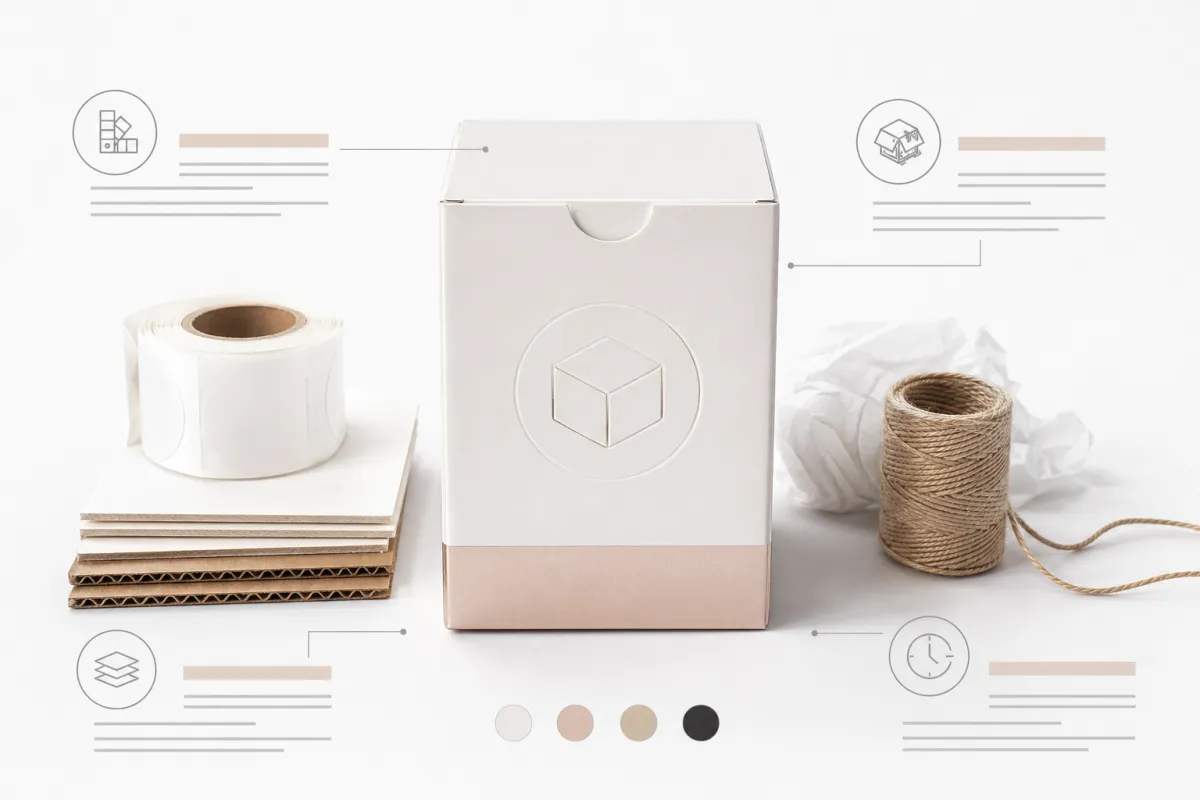
The cost of Custom Folding Cartons is the sum of material, print, setup, finishing, and production efficiency. That is the short version. The longer version is that packaging quotes change whenever the spec changes, even a little. Board thickness, coating choice, artwork coverage, and quantity all move the number.
If you want the cleanest answer, stop thinking about the carton as a box and start thinking about it as a finished retail packaging system. A carton that protects the product, supports package branding, and runs well on the line is usually worth more than a cheaper carton that causes problems later. The cost of Custom Folding Cartons should reflect that reality.
Size matters, but not as much as people think. A small carton with full-bleed graphics, tight registration, and a premium finish can cost more than a larger carton with a simple one-color print. The Cost of Custom folding cartons is usually shaped by material, labor, setup, and waste, not one dimension on a spec sheet.
Here is the practical test I use: if a carton saves $0.03 per unit but creates a fit issue, slows the packing line, or weakens shelf presentation, that savings is fake. Good product packaging should make the product easier to ship, easier to sell, and easier to repeat on the next order. Cheap is fine. Expensive mistakes are not.
A carton is not just a box. It is a production decision, a branding decision, and a freight decision rolled into one. Ignore any one of those and the cost of custom folding cartons usually punishes you later.
That is why experienced buyers look at the full bill of materials and the total landed cost, not just the per-unit number. Board, print, finish, MOQ, freight, tooling. Boring list. Real money-saving list.
If you want a simple way to frame the decision, start with three questions:
- What must the carton do for the product?
- What does the customer need to see on shelf?
- What can the plant actually run without delay or waste?
Those answers shape the cost of Custom Folding Cartons more than a box dimension ever will.
Custom Folding Cartons: What You Are Actually Buying
Folding cartons are printed paperboard boxes shipped flat and assembled later. They show up everywhere in retail packaging, cosmetics, food, supplements, electronics, and personal care because they ship efficiently and can carry a lot of branding without turning into a freight headache. The cost of custom folding cartons starts with that basic format, then moves up or down based on what gets added.
At the simplest level, you are paying for paperboard stock, print, die-cutting, and folding/gluing. Once the carton becomes a custom printed box, the bill can also include coatings, inserts, windows, foil, embossing, debossing, and structural changes. Each feature can be useful. Each feature also adds cost. That is the bargain.
Common constructions include straight tuck end, reverse tuck end, auto-lock bottom, lock bottom, and sleeve-style cartons. A plain tuck-end design usually costs less than a reinforced bottom because it is faster to make and easier to run. A custom-engineered carton with internal support or product retention features may be worth the extra spend, especially for heavier or fragile items.
Different product categories pull the structure in different directions. A cosmetic carton might need a refined retail feel and rich graphics. A food carton may need grease resistance, migration-safe materials, or extra space for legal copy. A pharma carton may need batch coding, tamper evidence, and tighter compliance control. The cost of custom folding cartons reflects those requirements whether the buyer likes it or not.
Think of the carton as a stack of decisions:
- Board stock sets the base material cost and structural performance.
- Print method affects setup, color accuracy, and run efficiency.
- Finishing changes shelf appeal and labor time.
- Tooling covers cutting dies, plates, and proofing.
- Assembly needs change the labor profile and packaging workflow.
If the carton includes a PET window, custom insert, or special barrier layer, you are no longer buying a basic folding carton. You are buying a more complex package system. Fine. Just do not pretend the cost of custom folding cartons should stay flat while the spec sheet gets more ambitious.
For buyers comparing product packaging options, a good reference point is the Custom Packaging Products page, where the broader mix of carton types and packaging formats can help clarify what construction is actually needed.
For suppliers and internal teams, the most useful distinction is this: standard folding cartons are repeatable, while custom-engineered cartons need more input, more proofing, and more time. That is where the unit cost starts to move.
Cost of Custom Folding Cartons: The Pricing Factors That Move the Needle
Now to the part that matters. The cost of custom folding cartons shifts for a few clear reasons, and most of them are controllable if you know where to look. Buyers who understand these levers negotiate better, spec better, and avoid paying premium prices for avoidable complexity.
1. Board choice. SBS, C1S, C2S, kraft, recycled paperboard, and specialty stocks all behave differently. Thicker board improves rigidity and shelf feel, but it also increases material cost and can raise freight weight. For many retail packaging jobs, 18 pt to 24 pt paperboard is the common range, but the right choice depends on product weight, fill method, and how much abuse the carton will take.
2. Print coverage. A one-color run is cheaper than a full-bleed carton with dense ink coverage, small reverses, and a lot of registration pressure. The more artwork that wraps around the carton, the more room there is for setup time and waste. The cost of custom folding cartons climbs faster when the design tries to do too much on every panel.
3. Finishing. Matte lamination, gloss coating, soft-touch, spot UV, foil stamping, embossing, and debossing all add cost. Some finishes are mostly labor. Others mix labor and materials. A simple aqueous coating can be a modest add-on. A multi-step premium finish stack can move the quote in a noticeable way.
4. Tooling and setup. Dielines, cutting dies, plates, and proofing are easy to overlook because they are not visible on the shelf. On smaller runs, they matter a lot. If your order is 1,000 cartons, a $250 setup fee is meaningful. If your order is 25,000 cartons, that fee gets diluted. The cost of custom folding cartons almost always looks better as quantity rises because setup spreads across more units.
5. Structure. A simple straight tuck end is cheaper than an auto-lock bottom or a format with special tear features, display windows, or unusual closure geometry. The more custom the structure, the more likely you are to pay for extra machine time and tighter folding control.
6. Yield and waste. This is where experienced buyers separate themselves from guessers. If a carton design nests poorly on the press sheet, scrap goes up. More waste means higher effective cost. A box that looks elegant in a mockup can still be expensive to produce if it is inefficient on the press or in die-cutting.
One more thing people miss: artwork complexity and structural complexity are not the same. You can have a visually simple carton that still costs more because the structure is odd. You can also have a fancy-looking carton that prints well and runs cleanly because the design was disciplined. The cost of custom folding cartons rewards smart packaging design, not decorative excess.
For larger buyers, a practical benchmark is to compare total spec packages rather than just unit price. As a rough market range, a basic carton at 5,000 pieces may land around $0.18-$0.35 per unit before freight and duties, while a premium version with heavier stock and finishing can move toward $0.45-$1.10 per unit. That is not a universal quote. It is a directional range, and anyone claiming otherwise is probably making up certainty for fun.
Here is the ugly truth: the cheapest-looking carton often becomes the most expensive if it causes rework, poor shelf presentation, or damage in transit. That is why the cost of custom folding cartons should be judged alongside performance, not in isolation.
| Carton Type | Typical Unit Cost Range | MOQ Range | Best Fit | Main Tradeoff |
|---|---|---|---|---|
| Basic digital short-run carton | $0.55-$1.20 | 250-1,000 pcs | Samples, launches, frequent artwork changes | Higher unit cost |
| Standard offset folding carton | $0.18-$0.42 | 3,000-10,000 pcs | Stable SKUs, retail packaging, repeat orders | Higher setup commitment |
| Premium carton with foil or spot UV | $0.35-$0.90 | 2,000-8,000 pcs | Branded packaging with strong shelf impact | Extra finish cost |
That table is not a promise. It is a practical map. The cost of custom folding cartons sits inside those bands depending on the board grade, print coverage, and how picky the structure is.
If the box is meant to sit next to competing SKUs on a retail shelf, you should also think about color consistency, barcode placement, and how much white space the design leaves for regulatory copy. Those choices can save or add time in production. They also change how the package reads in a crowded category.
For teams that want a more direct view of board and finish options, the Custom Packaging Products catalog is a useful place to compare construction styles before asking for a quote. That way, the conversation starts with the right carton, not a random price number.
Specifications That Change the Cost of Custom Folding Cartons Fast
If you want to control the cost of custom folding cartons, specs are where the real work happens. The clearer the carton spec, the less room there is for expensive surprises later.
Board thickness is the first spec I would lock down. A heavier board can improve crush resistance and make a package feel more substantial, which matters in retail packaging. It also adds weight, which affects freight and sometimes packaging line behavior. For small consumer goods, a moderate board can be enough. For heavier jars, bottles, or stacked units, thin stock becomes a false economy.
Print method should match order pattern and artwork frequency. Digital printing makes sense for short runs, seasonal variations, and multiple SKUs with similar structures. Offset printing usually wins on larger runs because the per-unit economics improve as volume rises. If your artwork will stay stable for months or longer, offset often gives a better answer on the cost of custom folding cartons.
Coating and protection should be chosen for the product, not for ego. Matte coating gives a softer look. Gloss makes color pop harder. Soft-touch improves tactile feel but adds cost and can wear differently. If the carton will sit in a humid environment, be handled a lot, or travel through rough distribution, the finish should protect the print as well as look good.
Windows and inserts are another cost jump. A PET window helps shoppers see the product, and a custom insert can keep fragile items in place. Both are useful. Both add materials and assembly steps. If the carton only needs to look premium and the product itself does not need visibility, a printed image or a cutout concept may be enough.
Compliance copy can reshape the structure and the artwork. Regulated product packaging may need batch codes, warning statements, ingredient panels, legal text, or barcodes with very specific placement. A pretty layout that leaves no room for those items is not a finished design. It is a headache waiting to happen.
Packaging buyers also need to account for distribution testing. If the carton is part of a full shipper system, ask whether the design should align with ISTA distribution test protocols. If you need recycled or responsibly sourced paperboard, look at FSC certification requirements before the quote is finalized. Those details can influence both sourcing and cost.
Here is a useful rule: if a spec does not improve product fit, shelf impact, or supply chain performance, question it. A lot of packaging design choices are emotional. The cost of custom folding cartons behaves better when the spec sheet is disciplined.
Some other spec details that change pricing quickly:
- Auto-lock bottoms versus tuck closures.
- Window patches and specialty adhesives.
- Embossed logos or multi-level raised effects.
- Heavy solid ink coverage on dark cartons.
- Micro text or fine-line artwork that increases rejection risk.
None of these are bad choices. They just need a reason. The fastest way to get the cost of custom folding cartons under control is to strip out features that do not support the product or the sale.
Pricing, MOQ, and What a Real Quote Should Include
A quote that only shows unit price is not enough. The cost of custom folding cartons should be evaluated as a full package: materials, setup, finishing, packing, freight, and the quantity break that gets you the best total outcome.
MOQ matters because setup costs do not scale down nicely. If the same die, same plate work, and same press setup are spread across 20,000 cartons instead of 1,000, the unit cost drops. That is why a larger order often looks much better on paper. The problem is that some suppliers hide their real economics behind a low unit price and a punishing MOQ.
A good quote should include at least these items:
- Artwork or prepress support.
- Dieline or structural setup.
- Cutting die and plate costs.
- Sample or proof charges.
- Production quantity and overage allowance.
- Finishing, inserts, or window components.
- Packing method and carton count per master case.
- Freight or shipping assumptions.
If any of those are missing, the quote is incomplete. That is how the cost of custom folding cartons gets underestimated and the purchase order turns messy later.
Here is the buying logic I recommend. Compare quotes at several volumes, not one. Ask for 1,000, 3,000, 5,000, and 10,000 pieces if those are realistic. The breakpoints will show you where the pricing curve actually improves. Sometimes the sweet spot is just above your original quantity. Sometimes it is not. That depends on setup, sheet yield, and print method.
Unit price can mislead you. A carton at $0.24 with a $900 setup fee may be worse than a carton at $0.29 with a lighter setup and lower freight because the packaging stacks more efficiently. That is not theory. That is how the cost of custom folding cartons behaves in real purchasing decisions.
Freight deserves attention too. Flat-packed cartons are efficient, but not all cartons pack equally well. Bulky structures, oversized master cartons, or partial shipments can wipe out a lower manufacturing quote. If a supplier does not explain how the boxes will be packed and shipped, ask. Freight math is not glamorous, but it changes the landed cost.
For transactional buyers, this is where supplier selection becomes more than a price hunt. You want clear assumptions, a manageable MOQ, and a quote that reflects the full production path. That is also where Custom Logo Things can be useful: practical guidance, not a pitch deck.
A realistic way to think about the cost of custom folding cartons is to compare three scenarios side by side:
- Low MOQ: faster start, higher unit cost, lower commitment.
- Mid MOQ: balanced economics, usually the best fit for repeat SKUs.
- High MOQ: best unit pricing, but only if demand is stable.
Buy the quantity that fits your real demand, not the quantity that makes the quote look pretty. A cheap carton in the wrong volume is still a bad purchase.
Process and Timeline for Custom Folding Cartons
The cost of custom folding cartons is tied to time as much as material. Faster jobs usually cost more because they disrupt scheduling, speed up approvals, or force expedited sourcing. If the timeline is tight, you are paying for convenience whether it shows up as a rush fee or not.
The normal workflow starts with dieline confirmation and product specs. After that comes artwork review, proofing, prepress adjustments, tool creation, production, finishing, folding, packing, and shipment. Each step has a failure point. The cleaner the input, the cheaper and faster the job tends to be.
Artwork revisions are a classic delay. Teams send a design that looks fine on screen, then discover legal copy is missing, the barcode is too small, or the logo is sitting where a crease will land. That triggers another round of edits. The cost of custom folding cartons rises because people are paying for extra review cycles that should not have happened.
Sample approval can stretch the schedule too. If you need a pre-production sample, build that into the timeline early. It is much cheaper to catch a fit issue before mass production than after 10,000 cartons are on the press. For cartons that must fit tightly around a bottle, jar, or kit, a sample is usually worth the time.
Typical timelines depend on complexity. Simple cartons with stable artwork may move in roughly 10-15 business days after proof approval. More complex jobs, especially those with foil, embossing, custom inserts, or structural revisions, often land in the 15-25 business day range. If a supplier promises much faster than that without asking questions, be skeptical.
Rush orders usually affect the cost of custom folding cartons in three ways:
- They compress prepress and proof approval time.
- They may require material substitutions or expedited sourcing.
- They can interrupt the normal production queue, which is never free.
Plan early if color accuracy matters. Printed packaging can drift if artwork is not prepared correctly or if the proof standard is vague. A calm approval process is cheaper than a frantic one. It is also less annoying, which helps everyone.
For regulated or shelf-sensitive product packaging, build time for review against labeling rules, FDA-style copy spacing where relevant, and distribution testing if the carton will be part of a full shipper system. That planning does not just protect compliance. It protects the budget.
There is a boring reason this section matters: delays create costs that do not show up on a pretty quote. A supplier can be cheap and still cost you more if they are sloppy with timing. The cost of custom folding cartons should include the cost of waiting, rework, and missed launch dates.
Why Choose Us for Custom Folding Cartons
Custom Logo Things is built for buyers who want practical packaging guidance and straight pricing. No mystery fees. No fake certainty. Just a clearer path through the cost of custom folding cartons so you can make a buying decision without guessing.
What matters most is translation. You bring a product, a target quantity, and a brand goal. We help turn that into a carton spec that can actually be produced. That means advising on board thickness, print method, coating, structure, and MOQ in a way that fits the job instead of inflating it.
Good folding carton sourcing should reduce friction, not create it. That is why support around custom dielines, finish selection, and carton fit is useful. A supplier should be able to explain why one spec costs less than another and where the tradeoff sits. If that explanation is missing, the cost of custom folding cartons is already at risk.
Quality control matters too. Clean prepress checks, board verification, and fit review reduce the chance of reprints, color drift, and carton assembly problems. Those errors are expensive. They also waste time, and nobody enjoys explaining a missed launch because the box did not fold the way it was supposed to.
Here is what a solid packaging partner should do:
- Explain pricing ranges in plain English.
- Recommend a structure that fits the product.
- Flag print or finish choices that will raise unit cost.
- Show where MOQ changes the economics.
- Help balance shelf impact against budget pressure.
That last point is where branded packaging either works or falls apart. If the carton looks great but cannot be run efficiently, the buyer pays for it later. If it is stripped back too far, it may miss the shelf. The right answer sits between those two mistakes.
For buyers comparing options across categories, the Custom Packaging Products page can help narrow the construction before you request pricing. A better spec sheet usually means a cleaner quote. Funny how that works.
The bottom line is simple: a supplier should make the cost of custom folding cartons understandable, not decorative. If you get a quote that reads like a puzzle, keep looking.
Next Steps to Lock In the Right Folding Carton Budget
If you are ready to budget properly, start with the numbers that matter. The cost of custom folding cartons gets much easier to control when the specs are locked before quoting begins.
Use this checklist before you request pricing:
- Confirm exact dimensions and product weight.
- Choose the board grade or at least the board family.
- Decide on print coverage and number of colors.
- Specify finishes, coatings, and any special effects.
- Note whether inserts, windows, or seals are required.
- Set target quantities for at least two or three scenarios.
- Share any compliance or shelf-copy requirements.
Then ask for quotes at multiple volumes. A 1,000-piece price, a 5,000-piece price, and a 10,000-piece price will show you where the curve improves. That is the easiest way to see the real cost of custom folding cartons instead of a single number that hides the tradeoff.
Artwork files should be as clean as possible before you submit them. If the dieline is still changing, say so. If you already know the carton must fit tightly, request a sample or pre-production proof. That upfront discipline avoids expensive changes later.
Do not buy a spec because it sounds premium. Buy it because it supports the product and the sale. That sounds obvious. It still gets ignored constantly. The smartest packaging buyers care about unit cost, lead time, shelf impact, and freight together, because product packaging is a system, not a decoration.
One last practical move: compare the total landed cost, not just the box price. A carton that is slightly higher on unit cost but lower on freight, waste, or setup can be the better deal. That is usually how the cost of custom folding cartons gets optimized in real purchasing.
Follow that process, and you will spend less time chasing quotes and more time approving a carton that fits the product, the brand, and the budget. That is the point. The cost of custom folding cartons should be a controlled input, not a surprise at the end of the project.
FAQ
What affects the cost of custom folding cartons the most?
Board material, print coverage, finishing, and order quantity usually have the biggest impact on the cost of custom folding cartons. Tooling and setup fees matter more on small runs, while volume lowers unit cost. If you want the fastest savings, simplify the structure first, then trim unnecessary finishes.
How does MOQ change the cost of custom folding cartons?
Higher MOQ usually lowers the unit price because setup costs are spread across more cartons. Low MOQ orders are easier to start, but the per-box price is typically higher. That is why the cost of custom folding cartons often improves sharply once you move from a short run into a mid-run quantity.
Are printed folding cartons cheaper than specialty-finished cartons?
Yes, basic printed cartons are usually cheaper than cartons with foil, embossing, spot UV, or soft-touch lamination. Each extra finish adds labor, materials, or both, so the cost of custom folding cartons rises as the finish stack gets more complex.
How long does it take to produce custom folding cartons?
Simple jobs can move quickly, but artwork approval, samples, and tooling often set the timeline. Complex finishes or rush production usually add cost and scheduling pressure. For many buyers, the real cost of custom folding cartons includes the time needed to get the proof right.
How can I lower the cost of custom folding cartons without making them look cheap?
Use a standard structure, limit heavy ink coverage, and choose one strong finish instead of stacking multiple effects. Request quotes at different quantities so you can find the best price break. That is the cleanest way to reduce the cost of custom folding cartons while keeping the carton sharp on shelf.