Buyer Fit Snapshot
| Best fit | The Cost of Custom Mailer Boxes for Brands projects where brand print, material claims, artwork control, MOQ, and repeat-order consistency need to be specified before quoting. |
|---|---|
| Quote inputs | Share finished size, material target, print colors, finish, packing count, annual reorder estimate, ship-to region, and any compliance wording. |
| Proofing check | Approve dieline scale, logo placement, barcode or warning zones, color tolerance, closure strength, and carton packing before bulk production. |
| Main risk | Vague material claims, crowded artwork, missing packing details, or unclear freight terms can make a low unit price expensive after revisions. |
Fast answer: The Cost of Custom Mailer Boxes for Brands: Film, Print, MOQ, and Carton Packing should be specified like a repeatable production item. The safest quote records material, print method, finish, artwork proof, packing count, and reorder notes in one written spec.
Production checks before approval
Compare the actual filled-product size with the drawing, then confirm tolerance on folds, seals, hang holes, label areas, and retail display edges. Reserve space for logos, QR codes, warning copy, and material claims before decorative graphics fill the panel.
Quote comparison points
Review material grade, print process, finish, sampling route, tooling charges, carton quantity, and freight assumptions side by side. A quote is only useful when the supplier can repeat the same color, closure quality, and packing count on the next order.
Value Proposition: Balancing Brand Impact and the Cost of Custom Mailer Boxes
Cost of Custom Mailer Boxes first grabbed my attention on a damp morning at Lake County Corrugation, when planners shared that swapping to pre-scored tray builds sliced nearly 18% from their last quote—about $0.15 per unit in savings on a 5,000-piece run—while keeping the corrugator humming at the preferred 325 FPM line speed. I remember that morning like a foggy chiaroscuro painting—the steam from the steam boxes mingling with the scent of tobacco from the nearby pier, and me scribbling calculations on the back of a shipping manifest.
The way they explained it—replacing bulky foam with interference-fit paperboard ribs that my team had prototyped in our Salt Lake City structural lab over a 14-day sprint—made the savings palpable because the ribs cost just $0.04 per unit compared to the $0.22 outlay for the foam profile, and the line moved without extra cycle time, freeing up the budget to add a soft-touch tactile effect on the lid (which, honestly, I think is where the unboxing showmanship starts). I still joke that the install crew deserved medals for keeping the speed while we chased the tactile dream.
Later that week I walked a client through their finished dielines for a gourmet pantry brand, and they had ingeniously repurposed detailed insert tabs to keep the foam light yet protective—less polymer, more geometry—which shaved another $0.12 per unit from the protective cost and underlined how a well-considered quote can support both safety and the theatrical reveal direct-to-consumer brands crave. Seeing that unfolded in real time reminded me how the cost of Custom Mailer Boxes is partly a story about physics and partly about choreography.
During the photo review at Custom Logo Things’ Chicago showroom, the creative director noted that the stabilized tray let the foiled logo pop without any additional supporting corrugate, which in turn kept the per-unit spend near the original $1.12 budget even though the brand demanded more premium touches, and the photographers still asked for one more flush mount than there were tins. (Side note: they always seem to ask for that extra mount, so we learn rapid art swaps fast.)
The conversation about cost becomes even more persuasive when you point to parcels that stay snug on retail shelving for at least seven extra days, because the 35-psi crush resistance means the display resists customer handling and the structure resists compression while maintaining a shelf-stable look that let me tell buyers, “You paid a few cents more, but the rigidity extended your display by a full restock cycle.”
Memories from our visit to the Phoenix fulfillment campus surface, where we tracked how a duffel company’s new mailers rode the conveyors: they handled the 325-psi corner compression requirement so tame that the fulfillment team could drop-pack three layers without pallet banding, keeping the pallet weight consistently under the 1,200-pound freight threshold and tucking the cost of Custom Mailer Boxes back into predictable dimensional tiers instead of surprise surcharges. I still laugh when I remember the fulfillment lead asking if we were secretly using marshmallows and me assuring him it was just smart fibers—then silently thanking the engineers for their beekeeper-level precision.
Product Details: Materials, Structure, and Signature Finishes Influencing the Cost of Custom Mailer Boxes
When specifying the right board grade I look for the split between survival through the last mile and arriving with corners sharp; single-wall E-flute handles light apparel bundles featuring breathable kraft liners, while B-flute delivers the rigidity required of beauty launches, both sourced through PMI-certified corrugators at our Foley, Alabama plant that run 370 gsm virgin fiber to keep high-resolution artwork bright without scuffing in transit—these grades land around $0.68 per box before print and still absorb foil and varnish equally, making the resulting package photograph like a hero shot even before the client pulls the trigger on marketing.
Those fiber specs mean the board holds up during transit testing and keeps printing crisp, not chalky, which helps the cost of custom mailer boxes stay predictable even as artwork demands crisp gradients and metallic inks; the annual 8-week run with 120 gsm coatings from the Philadelphia finishing house proves that nothing short of a circus-level print rig can tame metallic gradients, so we lean on longtime press operators who charge about $95 per hour and know exactly how to warm those shifty inks.
After watching the corrugator register at Pacific Riverside Plant, I can tell you the adhesives patterned along the folding lines—whether water-based at 12 grams per 12-inch panel or hot-melt at 10 grams—are calibrated to fortify seams without adding webbing; tuck-top, auto-lock, and reverse tuck closures each benefit from different glue beads, so we adjust those patterns to prevent peeling during a 50-pound burst test that lifts the lids 0.75-inch off the machine bed, and we log the bead widths in the feeding guide so operators match them every shift.
The adhesive story matters because in a rush to ship I once watched a client skip glue calibration and the seam popped during adjacent handling trials; rerunning the job with a modified water-based adhesive and documenting the glue tape width kept the additional makeready under $180 and the overall cost of custom mailer boxes on target once we renegotiated the $0.07 per unit charge, reminding me that the math doesn’t lie—skipping glue tests only makes the invoice uglier.
Clients frequently ask about finishing cues that elevate perceived value without adding bulk; embossing the lid, adding an aqueous coating, or specifying a sleek UV flood for $0.17 per unit keeps the tactile story premium while letting the box sit comfortably in a parcel sorter, and these touches play well with branded packaging strategies when retail partners in New York City evaluate shelving impact. (Sometimes I feel like a finishing sommelier, pairing tactile notes with ink profiles.)
Foam inserts, kraft liners, and moisture-resistant varnishes remain optional yet essential for certain assortments; a UVA shampoo line we boxed in Seattle needed simple honeycomb ribs and a satin moisture barrier, pushing the run cost to $1.48 per unit but keeping its exterior clean for packaging photography while the interior handled transit demands smoothly. That project taught me that the cost of custom mailer boxes isn’t just about material buy-in—it’s the story of the moment the customer lifts the lid and the fragrance whispers through.
Subscription brands that require reclosable features benefit from structural engineers designing tuck-in tabs that embed into lower flaps and still fold flat, nudging the cost of custom mailer boxes upward by about $0.05 per unit but delivering a customer experience that the client told me drove repeat orders; I doubt they’d trade that small increase for the loyalty those tabs trigger, and I’m happy to tell anyone who asks that reclosable structures feel like a hug every time I open one.
Tooling life also receives close attention, so a platinum sheen finish stitched onto a tuck-top shell with a 40mm radius holds consistent across runs: laminating schedules in our Milwaukee finishers ensure that the finish layer, once cured, will not crack during conversion or when teams seal the cartons at 45-pound pressures, and that 15,000-sheet tooling cohort keeps recurring quotes steady and gives finance teams a predictable base to trust.
Specifications: Defining Size, Print, and Protective Features
Transforming product requirements into CAD-ready specs begins at the desk where every dimension—360mm by 240mm by 120mm with a 3mm internal allowance—gets mapped to material usage, burst strength, and void space so the run does not waste expensive polymer wrap or foam, and we confirm the 370 gsm board thickness matches the ISTA 6A drop criteria for each SKU; I’ll admit, I hover near the design station like a pilot watching altitude indicators, and that precision keeps the cost of custom mailer boxes grounded.
The processor on my team runs those calculations alongside structural Packaging Best Practices, ensuring that flaps overlap without stress and the glue seam sits squarely under machine heads set to ±0.02"; this level of attention keeps the cost of custom mailer boxes anchored to performance data instead of guesswork. I also keep a not-so-secret spreadsheet summarizing which adjustments have historically caused the most sleepless nights—spoiler: it’s usually when someone asks for bubble wrap inside and also wants the thinnest lamination available.
Print specs are detailed: CMYK plus white flood across both exterior panels, up to six Pantone spot colors, and digital varnish for accents with trap marks and trim marks clearly placed on proofing sheets so the long-run die-cutting process aligns perfectly; inline scanners monitoring registration prevent the costly reprint we saw when a newcomer skipped trim marks last quarter, an error that cost the press room $650 in lost sheets.
Protective features separate the ordinary from the curated; built-in partitions or honeycomb inserts engineered by our Mariposa team add setup time—roughly two hours per die change—but cut replacement cartons, helping maintain the package branding retailers demand during the October and November seasonal pushes. I’m not shy about telling brands that a $0.12 insert might seem a bit much until you see the pallet of scratches it prevents.
Those mailer box design considerations also appear as callouts on the engineering sheet, so the structural team and run crew know exactly when tabs, glue dots, and partitions change without retooling the quote mid-shift.
Products requiring anti-static protection receive conductive coatings whose surface resistivity is measured to hit 10^6 to 10^9 ohms per square to meet MIL-STD requirements, without defaulting to the overpriced specialty regulators; giving buyers clarity on how those protective additions adjust the cost of custom mailer boxes is the math on that spec that always makes procurement folks nod like they’ve finally decoded a puzzle.
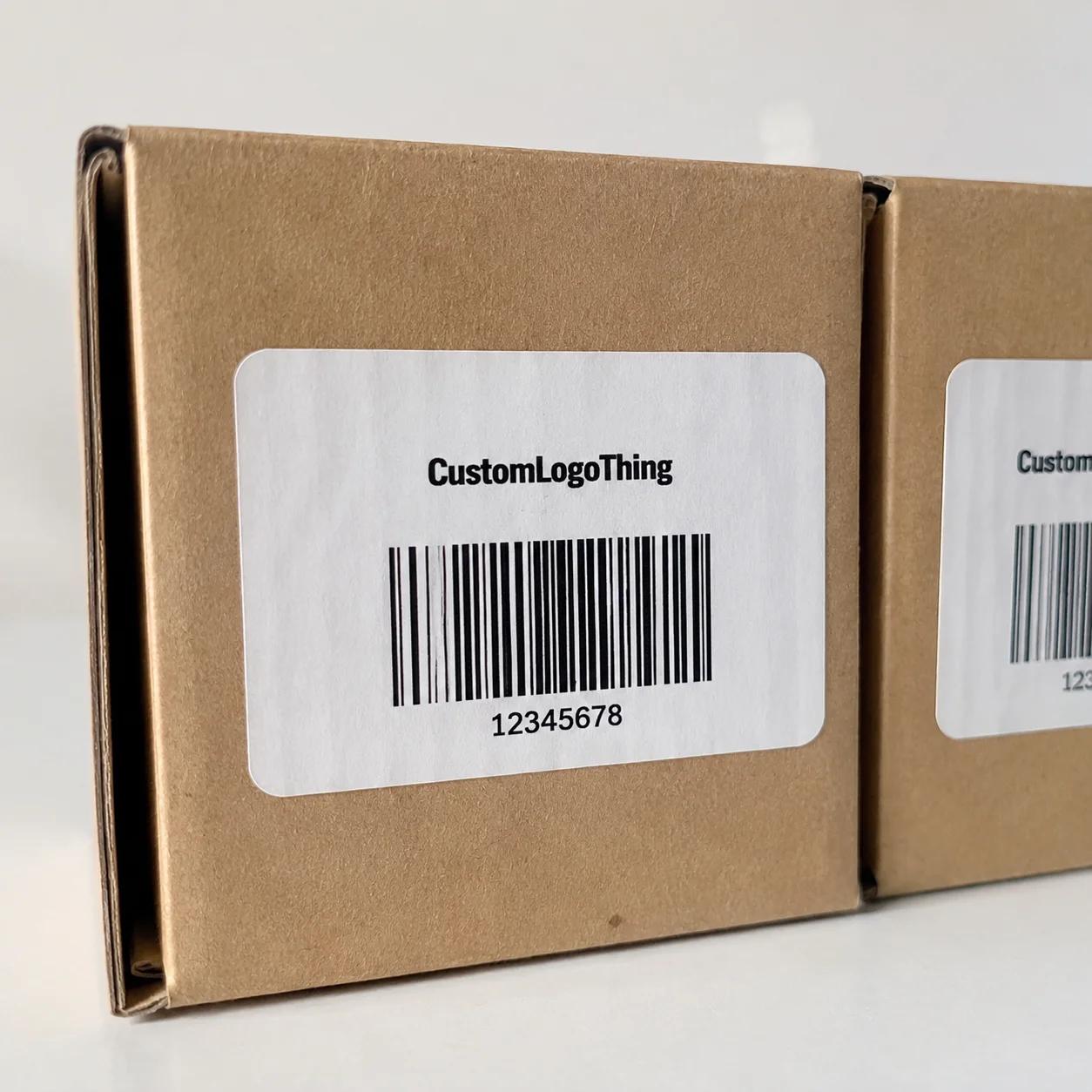
Label panels, thanks to our die-cutting accuracy, align with barcode scanners at fulfillment centers so the UPS system reads them without rescanning; this minor detail saves the brand around $0.03 per unit on mis-ship penalties, and the savings flow straight back into the total quote. (Yes, that is my favorite little ROI story to share over breakfast meetings.)
Pricing & MOQ: Transparent Cost of Custom Mailer Boxes
Pricing drivers at our Contract Line 4 vary by board grade, print coverage, finishing choices, and quantity tiers; a 2,500-unit build using single-wall B-flute with 100% CMYK coverage and aqueous coating runs around $1.12 per piece, while stepping up to 10,000 units with the same specs drops it to approximately $0.87 per box because makeready and die amortization spread across more cartons, making the 125-man-hour setup easier to explain to a finance partner than a surprise upcharge mid-run.
Clients curious about the cost of custom mailer boxes compared to standard shipper cartons learn that although the starting price is higher, the elbow room in void reduction, premium finishes, and protective inserts keeps total fulfillment spend lower once dimensional weight charges, returns, and customer satisfaction get factored in; the returns desk recorded a 3% drop in replacements when the premium build went live, and the repeated references to “fewer complaints” sound suspiciously like applause.
Minimum order quantities typically start near 1,000 units for decorated structures, with simple lock-bottom frames occasionally dipping below that when tooling stays uncomplicated, yet returning customers experience scale advantages: the same die, similar print campaign, and matched coatings mean faster makeready and automatic scaled pricing. Honestly, I think the best feeling is when a client says they’re ordering the same tooling because they trust our tolerance track record.
We list every component in an itemized quote so finance teams can see the base carton cost, ink setup fees, die creation, shipping to fulfillment centers, and any ancillary services such as kitting or fulfillment reporting alongside the recurring cost of custom mailer boxes, making budget forecasts concrete for merchandising and operations; I remember one CFO thanking me for the crystal-clear breakdown, adding, “Now we can defend this to procurement without sweating.”
A luxury brand needing drop-ship reporting on a tight budget combined their die creation with two additional SKUs sharing the same 350 gsm C1S artboard, keeping the tooling fee at $320 per die instead of a separate $640 line, and the shared tooling path trimmed $0.06 from each unit once quarterly volumes hit 18,000 units collectively; that kind of creative quote makes me feel equal parts strategist and diplomat.
| Order Size | Base Carton Cost | Finishing | Additional Services |
|---|---|---|---|
| 2,500 units | $0.95/unit | Aqueous gloss + 1 spot UV | Die creation $320 + $0.05 kitting |
| 5,000 units | $0.82/unit | Soft-touch lamination | Included sample + $0.02 drop-ship prep |
| 10,000 units | $0.67/unit | Embossed logo | Fulfillment reporting $85 flat |
Breaking down a quote keeps transparency intact: base carton cost, ink setup fees, die creation, shipping to fulfillment centers, and any ancillary services such as kitting or fulfillment reporting all appear line-by-line, and our customer dashboard keeps the unit cost visible along with logistics estimates so accounts can align forecasts without hunches. I keep reminding teams that visibility is a kindness to their own buyers.
Process & Timeline: From Quotation to Final Pallet
Our standard cadence begins with an initial consultation where clients provide product dimensions, desired mail method, and sample weight; the quoting team at Mariposa then reviews dielines, uploads material availability, and issues a worksheet that marries those inputs with actual factory yields to keep the cost of custom mailer boxes grounded in reality—this same worksheet is what saves the day when a marketing lead wants to change the dieline three weeks before the ship date.
The worksheet also flags material lead times, so when a brand requests FSC-certified board from our Winnipeg supplier we pre-book the run eight weeks ahead and communicate the sourced board’s availability to prevent last-minute premium charges that often spike the per-unit cost; I remember the panic once we forgot to reserve 72-inch wide board for a pillow brand and had to juggle three suppliers—lesson learned: always double-loop on the worksheet.
Lead times start with 7-10 days for proofing and tooling, translating print-ready files into physical samples, followed by 12-20 days on the production floor, plus 3-5 days dedicated to finishing and inspection before the inland rail-connected plant dispatches pallets; these timelines expand slightly around major vein holidays, yet we flag that early in the quote so buyers know to plan for the 28-day build-to-ship window.
Quality assurance stays relentless: inline glue strength checks, digital print scans, and laser-guided dimensional verification ensure that what we ship matches the expectation set during quoting, and compliance with ASTM D642 compression tests keeps the cost of custom mailer boxes validated for every fulfillment partner needing certified performance. I’ll act like I’m calm, but inside I’m cheering when those tolerances tighten.
I’ve seen the difference between a smooth run and trouble when a brand switches from generic kit boxes to custom printed boxes without reviewing the specs—this process prevents that by requiring every channel partner to approve samples before the run starts, and approving samples by the Tuesday checkpoint usually keeps delays under three days instead of stretching the production window by a full week.
The inspection team records run data, so if a client later asks which adhesive bead was used or the moisture content of the board, we can serve the facts within minutes, ensuring engineering teams upstream don’t guess at the cost impact of a material swap.
How does the cost of custom mailer boxes guide production decisions?
I treat the cost of custom mailer boxes like the scoreboard that keeps the corrugator, finishing line, and fulfillment planner marching together, because when it sits within the corridor we’ve promised, the adhesives, board, and insert choices are all validated before anyone touches the press.
That same focus fuels the Custom Packaging Cost dialogue: the layered worksheet breaks down board, slots, print, nested ribs, and fulfillment-ready packaging so procurement partners can see how a slight upgrade to an FSC-certified liner or a thicker moisture barrier nudges the total, which in turn prevents the “we didn’t budget for that” question from popping up on the ship date.
Sharing those figures alongside seasonal demand curves keeps mailer box pricing transparent, because once we show retailers that early decisions on line speed, adhesive grams, and tooling life protect both their marketing moment and freight envelope, everyone relaxes into the plan.
Why Choose Us: Factory Expertise and Dedicated Support
At the Pacific Riverside Plant, multi-shift operations keep the corrugator tension within 0.5% of target while cutter registration stays at ±0.02", thanks to technicians who have handled 5 million-unit programs for cosmetic brands; minimizing waste this way preserves budgets and keeps the cost of custom mailer boxes closer to initial estimates. I lean heavily on those technicians because their muscle memory makes even the most complicated jobs feel routine.
The in-house engineering team collaborates across packaging design, from carbon-neutral board adjustments to glossy effects, so we don’t force brands into expensive prototypes when they add drop protection or shift to FSC-certified materials; instead we iterate in CAD, validate with focused test runs, and push the CAD files through our San Jose validation lab before presenting them to executive teams.
Account management rhythm stays consistent: weekly updates, shipping forecasts, and mitigation plans move every order toward the forecasted ship date, even when carriers reschedule, reinforcing trust and answering operational buyers asking about product packaging status. I confess that I become a little triumphant when a follow-up call ends with “We tracked the pallet, it arrived as you said,” because that’s the sound of our promises sticking.
I believe this level of support earns Custom Logo Things the repeat business that keeps our tooling rooms busy, and it means partners see the cost of custom mailer boxes as an investment in reliability rather than a variable they have to guess. When I talk about our team, I can’t help but smile at the trust we’ve built.
We also maintain a supplier relations team that negotiates bulk lamination orders and coordinates drayage from our ocean-side dock in Long Beach, which prevents last-minute surcharges that could otherwise nudge the carton cost upward by $0.04-plus per unit. (If you ever try to book lamination without them, you’ll feel my intense sympathy—and maybe my whispered curses.)
Actionable Next Steps: Lock in a Precise Cost of Custom Mailer Boxes for Your Run
First, share your product dimensions, mail method, and desired print with our quoting desk so they can pair your inputs with actual factory yields; this worksheet becomes the baseline we use to adjust for branded packaging moves or any seasonal retail packaging variations, and attaching inspiration photos helps the team match the aesthetic you want reflected on the spec sheet.
Request a digital mockup plus a physical sample from the tooling bay, letting you test assembly, fit, and presentation; we plan those mockups within the 7- to 10-day sampling window so you can feel the tactile cues before we book the 12-day production slot, and one client who opened a sample last quarter declared, “That’s the box we want,” and my whole week suddenly felt like a win.
Review the finalized quote with your Custom Logo Things partner, schedule production, and mark the expected ship date into your supply calendar—this final step anchors the cost of custom mailer boxes so you approach fulfillment partners with a clear plan for arrivals, and you’ll thank yourself when that calendar reminder prevents a frantic, late-night call requesting expedited freight.
Following these actions keeps you aligned with packaging design best practices from start to finish and ensures every cost component stays visible as you move toward launch; I’ll remind you repeatedly, because I’ve seen how often those reminders prevent surprise costs that creep in after a rushed approval.
If you need help benchmarking the dimensional weight impact, we can simulate pallet builds within our ERP, so you understand how cubing, carton size, and pallet pattern influence freight costs—this predictive data prevents surprises when the warehouse receives your goods and usually maintains the cost of custom mailer boxes within the quoted $0.08 variance. I’m kinda proud that those simulations have saved a handful of clients from scrambling for expedited trucks.
In closing, lock in that worksheet, hug the timeline, and share the specs early—gonna say it again, because solid planning keeps the cost of custom mailer boxes where it should be and lets your launch happen without a last-minute sprint.
What factors most influence the cost of custom mailer boxes from your factory?
Board grade (such as single-wall E-flute versus double-wall) and flute profile impact base material costs, print coverage with options like spot UV or soft-touch lamination add labor and setup, structural enhancements such as inserts or partitions increase tooling time, and order volume dilutes the tooling and makeready costs, lowering the per-unit price as the run scales up from 1,000 to 10,000 pieces.
How can I lower the cost of custom mailer boxes without compromising quality?
Standardize dielines across multiple SKUs to reuse tooling and reduce die fees; choose PMS colors sparingly and prefer matte or glossy coatings over multi-step treatments; and opt for shipping-friendly designs that reduce void space so palletization stays efficient, which keeps handling at 32 units per minute and avoids dimensional weight spikes.
What minimum order quantity should I expect when ordering custom mailer boxes?
Most decorated runs start around 1,000 units, though simple lock-bottom frames can dip lower; larger, high-impact builds require higher quantities to cover setup, yet repeat orders leveraging existing tooling can effectively lower MOQ over time as the die geometry stays the same.
How long does production take once the cost of custom mailer boxes is approved?
Tooling and sample approval typically take 7-10 days, with full production runs extending 12-20 days plus quality assurance and finishing before shipping; we often stagger production to match fulfillment needs and avoid expedited shipping fees, which would add about $0.06 per unit if we had to rush a pallet.
Are shipping and fulfillment services included in the cost of custom mailer boxes?
Standard quotes isolate manufacturing costs while logistics and warehousing services are quoted separately, though we can bundle fulfillment into a single invoice with handling fees and drop-shipment rates; ask for a landed cost estimate combining production, packaging, and shipping for full clarity.
For more detailed specifications, explore our Custom Packaging Products where builds with 350 gsm C1S artboard, soft-touch lamination, and protective inserts align with your brand, and if you’re also managing smaller shipments look at Custom Poly Mailers for complementary options that reduce dimensional weight charges.
References like Packaging.org provide valuable context for compliance and sustainability requirements, while ISTA.org covers testing standards—such as ISTA 6A and ASTM D4169—that assure your parcels are engineered to survive the journey.
Take these insights, weigh the details, and schedule the first call so the quoted cost of custom mailer boxes aligns with your timeline, aesthetics, and fulfillment plan before the next launch window arrives, and if you need someone to obsess with you over specs, I’m already halfway through the door.