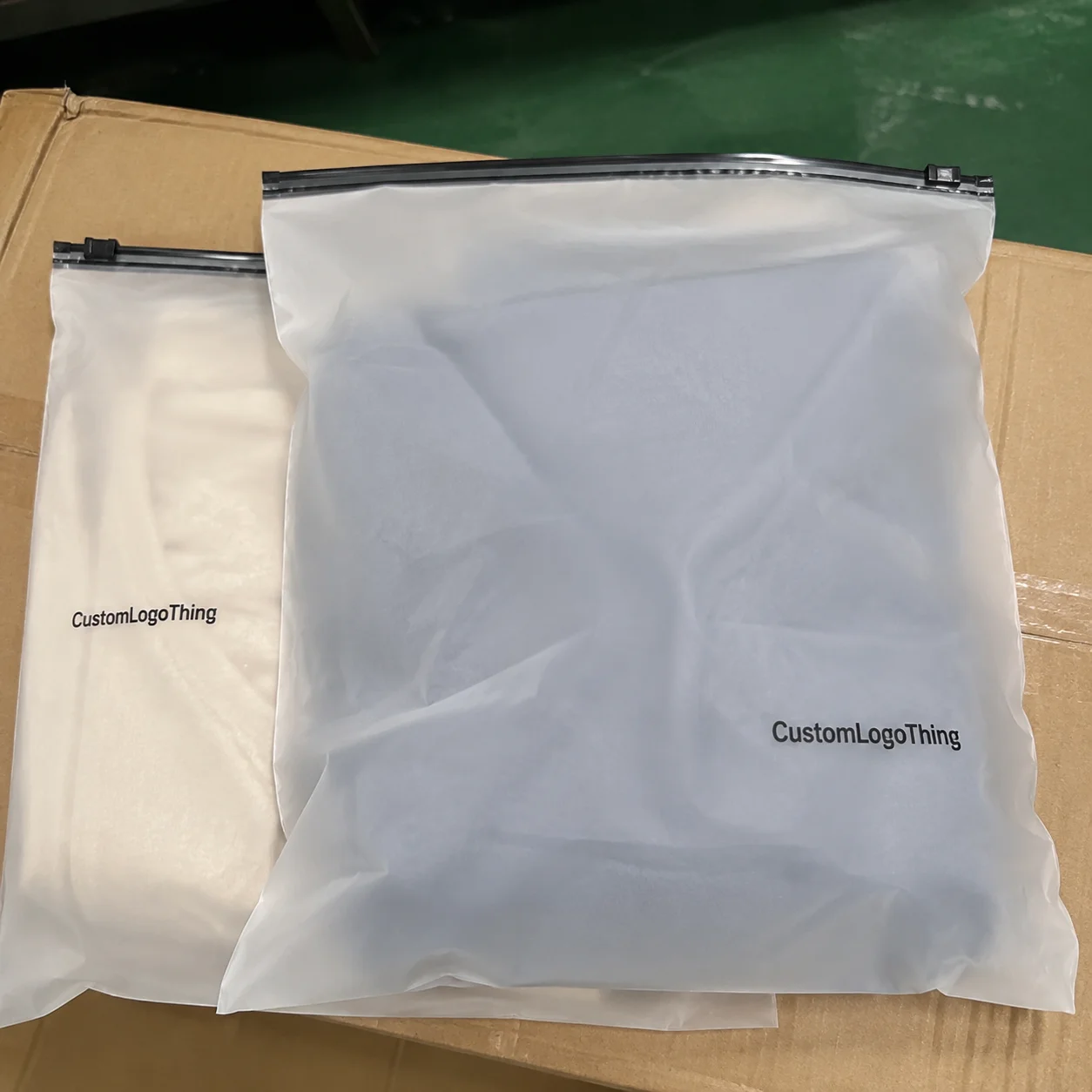
For outdoor brands, courier mailer Bags for Outdoor brands reorder guide decisions are usually about one thing: keeping fulfillment moving without creating avoidable waste. A lightweight hoodie, tee, sock bundle, or accessory set does not need a heavy carton. It does need a mailer that survives wet docks, rough packing benches, and the abuse of last-mile handling.
The real cost risk is rarely the printed artwork. It is downtime, short packs, slow sealing, and a bag that suddenly no longer fits the product the way it used to. Reorders should be treated like replenishment decisions, not styling exercises. Change one variable too many and the warehouse pays for it later.
If the previous run worked, the safest move is usually to preserve the exact spec and buy the same build again. That means the same finished size, same film gauge, same adhesive width, and the same approved artwork file. Sounds boring. Good. Boring packaging is profitable packaging.
Why a tighter reorder saves money on outdoor fulfillment
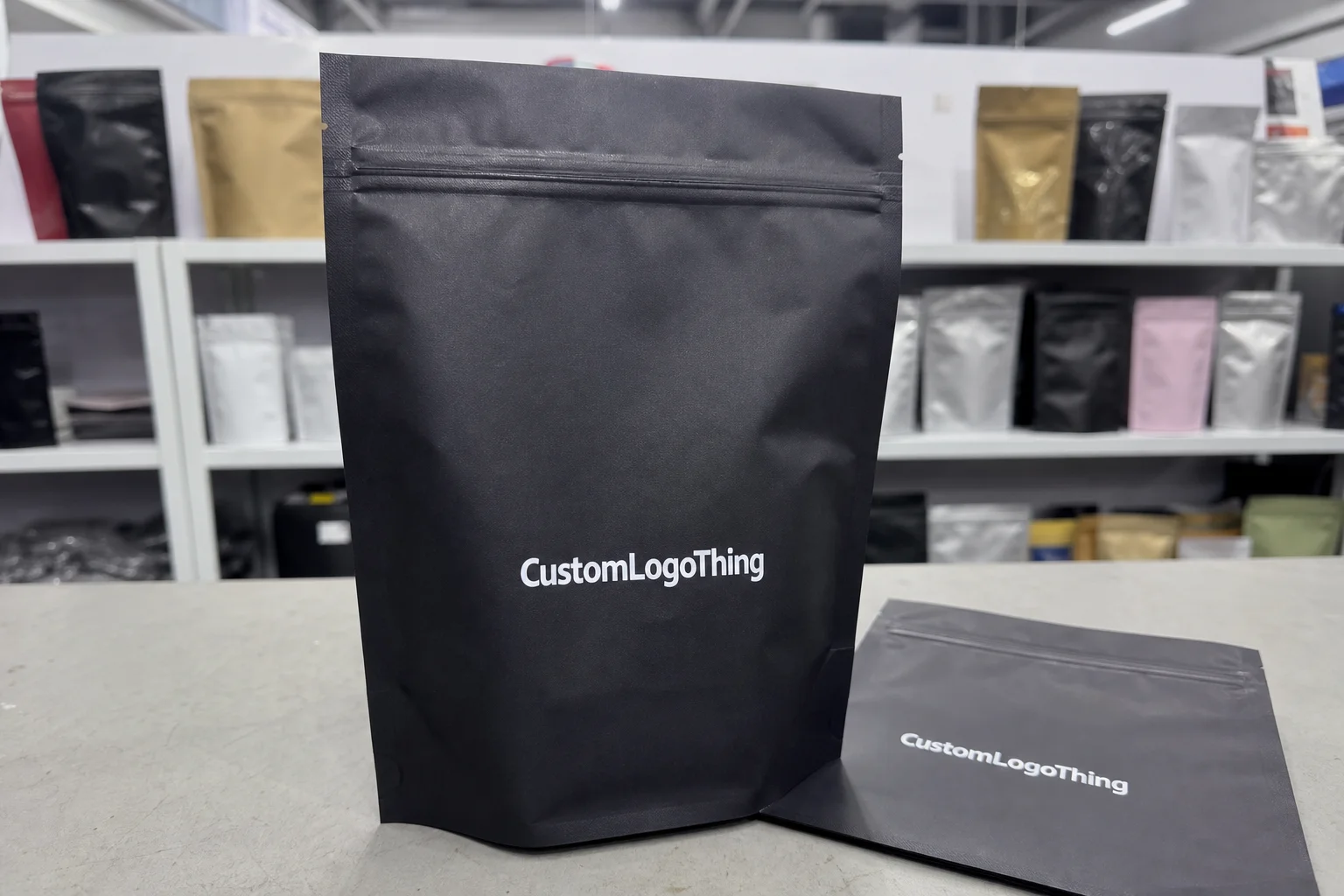
Outdoor brands usually ship a mix of soft goods, and that mix matters more than most teams expect. A mailer that works for a folded cotton tee may be too tight for an insulated layer, yet too large for socks and headwear. Oversized mailers waste air, raise freight exposure, and slow down packing. Undersized ones create jams, crushed seams, and returns that nobody wanted to process.
The best reorder program is narrow and disciplined. Keep the bag size stable. Keep the print file controlled. Only adjust what genuinely needs to change. A few millimeters may not look like much in a spec sheet, but in a packing line they decide whether the bag seals cleanly or needs to be forced shut. That is how reorder drift starts.
“A good reorder is boring in the best way: same size, same film, same seal, same count. That is what keeps outbound packing predictable.”
For brands that ship seasonal apparel or fast-moving accessories, consistency matters even more during peak weeks. The warehouse team should not have to relearn the bag every time an order is placed. If the previous job performed well, preserve the measured sample and the final sign-off file, then use them to anchor the next run.
If you need a broader packaging baseline for other shipping formats, our Custom Poly Mailers page is a useful reference point, and our Wholesale Programs page explains how repeat purchasing usually works when demand becomes more predictable.
Mailer construction that holds up in trail, rain, and warehouse handling
For outdoor brands, durability and weather resistance matter more than decorative detail. Most courier mailers are made from polyethylene or co-ex film, and that choice affects puncture resistance, opacity, feel, and overall toughness. A co-ex film usually gives a cleaner print surface and better layer performance. Standard polyethylene often keeps costs lower for straightforward repeats. Neither is automatically better. The better option depends on the product weight, handling environment, and how much abuse the bag will see before delivery.
Thickness is the next meaningful decision. For light apparel and accessories, a common range is roughly 50 to 75 microns, though heavier or sharper-edged items can justify moving up. If you are shipping bulkier fleece, base layers with trims, or mixed accessory packs, more film is often a better investment than more print coverage. Thin bags save money until they split, and then they stop being cheap very quickly.
Closure performance deserves special attention. A strong pressure-sensitive adhesive, proper lip width, and consistent seal alignment reduce failed closures and make exchanges cleaner. Weak adhesive can look acceptable on the proof and still create problems in the packing area, especially when humidity or temperature changes. That is not a theoretical issue. It shows up in rejected bags and frustrated packers.
Surface finish is a brand choice, but it still needs to work in operations. Matte can feel more premium and hide scuffs better. Gloss can be easier to wipe and may scan more cleanly under some warehouse lighting. Either way, the film should accept labels, hold print detail, and stay readable after normal handling.
- PE film is usually the economical choice for standard repeat orders.
- Co-ex film is often better when puncture resistance and print quality both matter.
- Matte finish can feel more premium, while gloss can be easier to keep clean.
- Pressure-sensitive adhesive should be tested for hold, closure alignment, and clean release.
Branding still matters, but the bag has to function first. A courier mailer that carries a clear logo, a simple product message, and a barcode-safe layout usually outperforms an overdesigned pouch that slows packing or creates label conflicts. If you want a broader industry reference for transport testing and packaging terminology, the ISTA site is useful for shipping-performance context, and the EPA has practical resources on materials and waste management.
Specs to lock before you approve the next run
The cleanest reorders start with a fixed spec sheet. Before approving the next run, confirm the finished size, film thickness, print colors, seal style, adhesive width, and any gusset or expansion requirement. Those details drive fit, pack speed, and cost more than the artwork itself, and they should never be guessed from memory.
Tolerances matter. If the last bag fit a folded tee with room for a return slip and a small insert, keep the same measuring standard instead of rounding the dimensions differently this time. A few millimeters can be the difference between a smooth close and a bag that needs to be mashed shut. That is not a tiny difference on a live packing line.
Print layout needs the same attention as material. Barcode-safe zones, logo placement, bleed allowance, and the unprinted margin required for labels should all be reviewed again, even on a repeat order. Outdoor brands often ship from multiple fulfillment sites, which means the bag also needs space for internal handling stickers or route labels without covering key artwork.
Do not ignore logistics details. Units per carton, carton dimensions, pallet count, and whether the order should ship bulk or retail-ready all affect the replenishment plan. A quote can look attractive on paper and still be a headache if the carton pack is awkward to store or the warehouse does not want to receive that format.
| Spec item | Why it matters | What to confirm on reorder |
|---|---|---|
| Finished size | Controls fit for folded apparel and inserts | Match the previous approved sample |
| Film thickness | Impacts puncture resistance and feel | Keep the same micron or gauge unless the product changes |
| Adhesive strip | Determines seal strength and packing reliability | Confirm width, tack, and closure position |
| Print coverage | Affects cost, setup, and label space | Verify colors, safe zones, and bleed |
| Carton pack | Impacts warehouse handling and freight efficiency | Approve units per carton and pallet configuration |
Keeping a clean internal record also makes future pricing easier to compare. Otherwise, teams end up rebuilding the job from old emails, which is a terrific way to miss the one detail that changed the result last time. A short reorder sheet, the approved sample, and the final artwork file should live together.
Pricing, MOQ, and unit-cost tradeoffs
Most price swings on courier mailers come from a small set of inputs: bag size, film thickness, print complexity, number of colors, surface finish, adhesive upgrades, and order quantity. A larger mailer in a thicker film with full-coverage print will usually cost more than a simple one-color repeat. That is not a surprise. It is the job.
MOQ changes the picture quickly. Lower minimums help when a brand is testing a new capsule, adjusting seasonal demand, or protecting cash flow on a short launch. Larger repeat orders usually improve unit cost and reduce the chance of emergency restocks later. Still, the lowest MOQ is not always the smartest buy if the result is a higher landed cost or a carton quantity that does not fit warehouse storage.
Product cost is not the same as landed cost. Freight, packaging configuration, print setup, and any tooling or plate charges can affect the real cost per bag more than the headline unit price. If the bag is too thin, too small, or prone to seal failure, the cheapest quote can become the most expensive operating choice once rework and damage are counted.
| Order type | Typical MOQ behavior | Unit-cost tendency | Best use case |
|---|---|---|---|
| Launch test | Lower MOQ | Higher per unit | New artwork, seasonal drop, SKU validation |
| Standard repeat | Moderate MOQ | Balanced pricing | Stable sell-through and routine replenishment |
| High-volume reorder | Higher MOQ | Lower per unit | Core assortment, long selling window, forecast confidence |
The better buying lens is cost per shipped order, not just cost per bag. A mailer that saves a few cents but slows fulfillment, tears on corners, or fails to seal consistently is rarely the better buy. For packaging teams tracking repeat programs internally, that difference becomes obvious as soon as outbound volume climbs.
As a rough market reality, simple poly mailers for repeat use often sit in a low per-unit range at higher quantities, while thicker co-ex builds, custom print, and special finishes can push pricing up quickly. Freight and setup can matter more than many buyers expect, especially on smaller runs. If the order is tiny, the unit price is only part of the story; setup spread over fewer bags changes everything.
Process and lead time for repeat orders
A repeat order usually moves through a familiar chain: specification review, artwork check, digital proofing, approval, material scheduling, production, quality inspection, packing, and dispatch. That sounds simple. It is not always simple. Each step can stall if the bag spec is unclear or the artwork file does not match the approved version.
The fastest reorders are the ones with the least ambiguity. Keep the size, film build, and print file unchanged whenever possible. If the supplier already has the approved record, the job needs less prepress work and fewer variables to verify. That is why many packaging teams save a final sign-off file, a measured sample, and the last purchase order in the same folder. It makes the next restock much easier to approve.
Lead time still depends on quantity, print setup, and shipping method. Repeat jobs are usually faster than first-time runs, but not every reorder is a rush order. Domestic transit behaves differently from international freight, and higher carton counts can affect packing and dispatch timing. The most realistic approach is to share the in-hand date at the start and ask the supplier to schedule against that requirement instead of a generic estimate.
For outdoor brands working through seasonal peaks, that timing discipline matters. If replenishment is tied to a product drop, a wholesale push, or a paid campaign, confirm artwork early and approve proofs quickly. A day saved in prepress can be more valuable than a small discount if it prevents stockout risk.
Buyers often ask about standard transport performance and material verification, especially if the mailer will move through multiple fulfillment nodes. For general packaging standards and terminology, organizations like the Packaging Institute can be useful. If paper-based inserts or companion components are part of the order, FSC guidance can help support responsible sourcing references.
Typical repeat-order timelines vary by setup and route. Simple restocks with unchanged artwork can often move on a shorter production window, while custom print, thicker film, or mixed carton packing can add days. International shipping adds its own variability. There is no honest way around that.
What a reliable courier-mailer supplier should prove
A dependable supplier should show more than a price. On repeat business, the key quality checks are seal strength, gauge consistency, print registration, color consistency, and count accuracy in each carton. If those five points are stable, most reorder problems stay out of the warehouse and away from the customer.
Stable spec records matter too. A good partner keeps the previous approved sample on file, matches the same build on the next run, and flags any change before production starts. That is how reorder drift gets prevented. The trouble starts when a bag looks close enough on screen but differs in film or adhesive once it arrives.
Outdoor brands with seasonal colorways, multiple SKU families, or frequent artwork refreshes need a supplier that can preserve continuity without forcing a full redesign every time the campaign changes. Packaging should support the product calendar, not slow it down. If the print remains consistent but the brand wants a finish update or a layout refinement, that can often be handled cleanly as long as the core spec stays locked.
The other sign of a reliable partner is operational calm. Fewer back-and-forth revisions, fewer packing surprises, and a cleaner handoff from proof to shipment usually tell you more than a polished sales deck. Packaging work gets practical very quickly once orders are live, and the best suppliers understand that a good mailer is one that arrives correct, count-accurate, and ready to run.
There are also a few process checks worth asking for before a reorder is approved: photos of carton packing, confirmation of the adhesive closure test, a note on material gauge tolerance, and a record of the approved artwork version. None of those are fancy. They are just the kind of boring details that keep an order from turning into a mess.
Next-order checklist before you request the quote
If you want the next quote to be useful, send the supplier the exact bag size, thickness, finish, print version, and quantity first. Those inputs determine the quote far more than the artwork alone. If the size is vague or the film spec is missing, the estimate is only a placeholder, not a buying tool.
Then share the current SKU list, forecast volume, target ship date, and destination. That gives the reorder context, especially for courier mailer Bags for Outdoor Brands reorder guide planning. A generic quote is easy. A quote matched to replenishment timing is the one that helps the warehouse.
- Confirm the exact finished size and film thickness.
- Verify finish, seal style, and adhesive strip details.
- Share artwork files and the previous approved sample if available.
- State whether the order is a straight repeat or a spec change.
- Provide quantity, in-hand date, and delivery destination.
That last point matters more than many teams realize. If the order is replacing an existing approved bag, the quote process is usually straightforward. If it is a new spec, even a small update can change the cost, lead time, and sample approval path. The sooner that is made clear, the fewer surprises show up later.
For outdoor brands building a repeatable replenishment rhythm, courier mailer buying should stay simple: lock the spec, protect the seal, keep the film appropriate for the product weight, and buy against the real shipment schedule. A clean reorder is not complicated. It is just disciplined.
FAQ
What size courier mailer bags should outdoor brands reorder first?
Start with the SKU that ships most often, usually tees, light layers, or small accessories, so the first reorder covers the highest-volume pack-out path. Match the finished bag size to the folded product, not the garment label alone, and leave enough room for inserts, return slips, or fulfillment labels. If the assortment is broad, keep one standard size for core apparel and one larger backup size for bulkier seasonal items.
How do I estimate the right MOQ for courier mailer bags for outdoor brands?
Base the MOQ on sell-through and lead time: reorder enough to cover the next production window plus a safety buffer for seasonal demand. If you are testing a new design or a short campaign, a lower MOQ can reduce risk, but repeated small orders often raise unit cost. For stable programs, a larger MOQ usually improves pricing and reduces the chance of emergency restocks.
What drives the unit cost on a repeat courier mailer order?
The biggest drivers are bag size, film thickness, print complexity, finish, and order quantity. Freight, packing configuration, and any setup or plate charges can also affect the landed cost more than the headline price per bag. The cheapest quote is not always the lowest operating cost if the bag is too thin, too small, or prone to seal failures.
How long does a repeat order usually take to produce?
Repeat orders generally move faster than first-time jobs because the approved spec already exists and artwork changes are usually minimal. Lead time still depends on quantity, print setup, and shipping method, so the fastest path is to approve proofs quickly and share the target in-hand date up front. If the size, film, and print remain unchanged, the order can usually be scheduled with fewer production steps.
Can I update artwork or finish without changing the whole bag spec?
Yes, if the finished size, material, and closure stay the same, artwork or finish updates can often be handled without rebuilding the entire spec. Any change to print coverage, color count, or surface finish should still be checked against the existing production record before approval. For a cleaner reorder, send the old sample or previous spec sheet so the supplier can confirm what is changing and what should stay locked.