PVC Garment Bags for Outdoor Brands: Unit Cost Buyer Guide
For outdoor labels, pvc garment Bags for Outdoor Brands unit cost is usually shaped by more than the logo. Film gauge, closure style, hanger hardware, print coverage, and the amount of handwork needed on the line do most of the damage to the quote. Miss those details and the number looks random. It is not random.
A jacket sleeve, a shell, and a lofted insulated layer all stress packaging differently. The bag has to hold shape in transit, protect the garment from scuffs, and still look presentable on a rack or in a stockroom. Paying for the wrong features is easy. Paying for the right ones is the part that takes discipline.
The useful questions are practical: what actually moves the price, where can a brand cut spend without wrecking performance, and which details should be locked before anyone starts cutting film. That is the part most quote requests skip, which is why the first number often tells you very little.
Why outdoor brands see wide PVC bag price swings
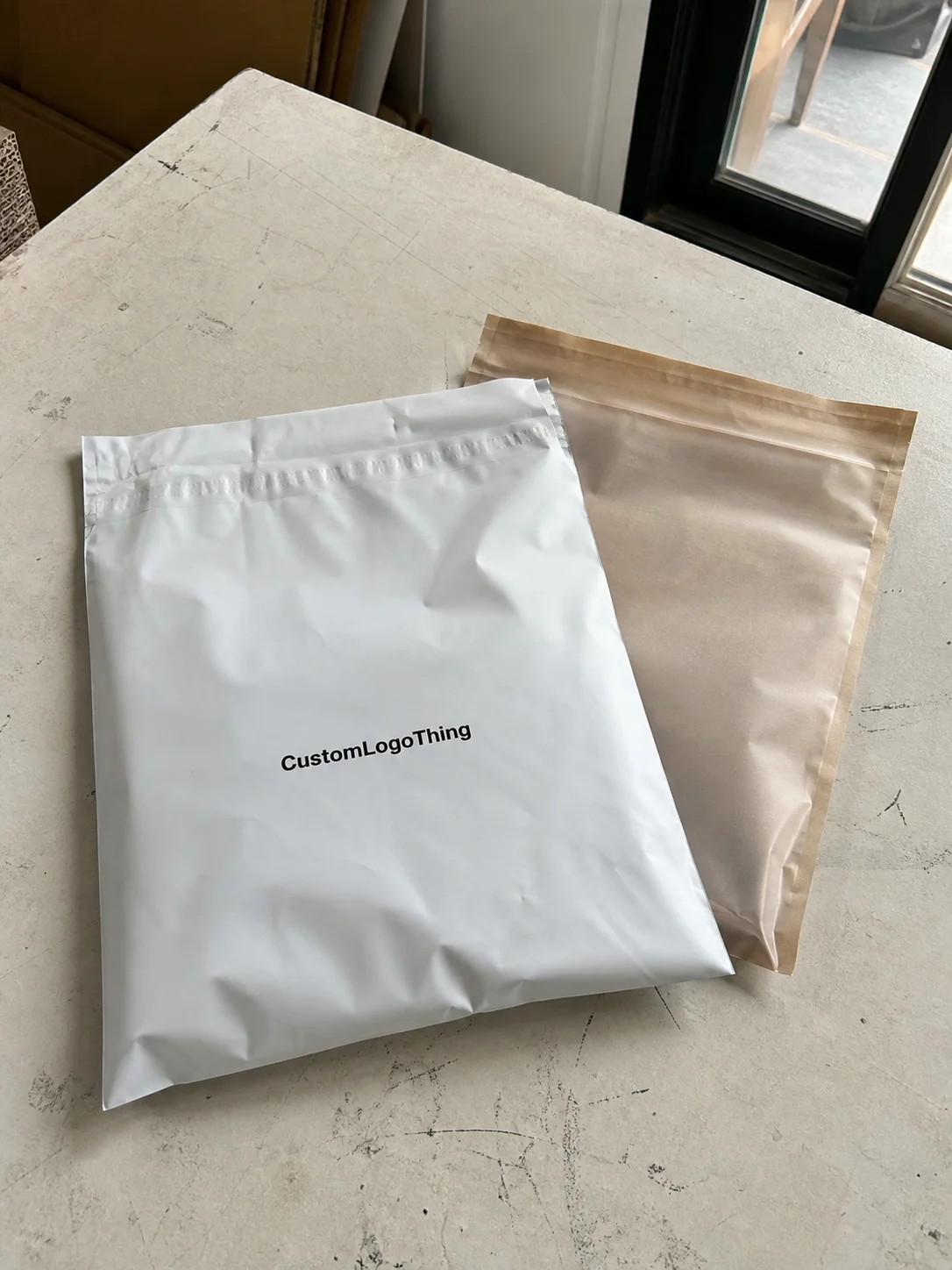
Two PVC Garment Bags can look almost identical on a sample table and still land at very different cost per piece. The reason is usually buried in the spec sheet. Thickness, cut pattern, seam construction, zipper type, and finishing all matter more than a quick visual comparison.
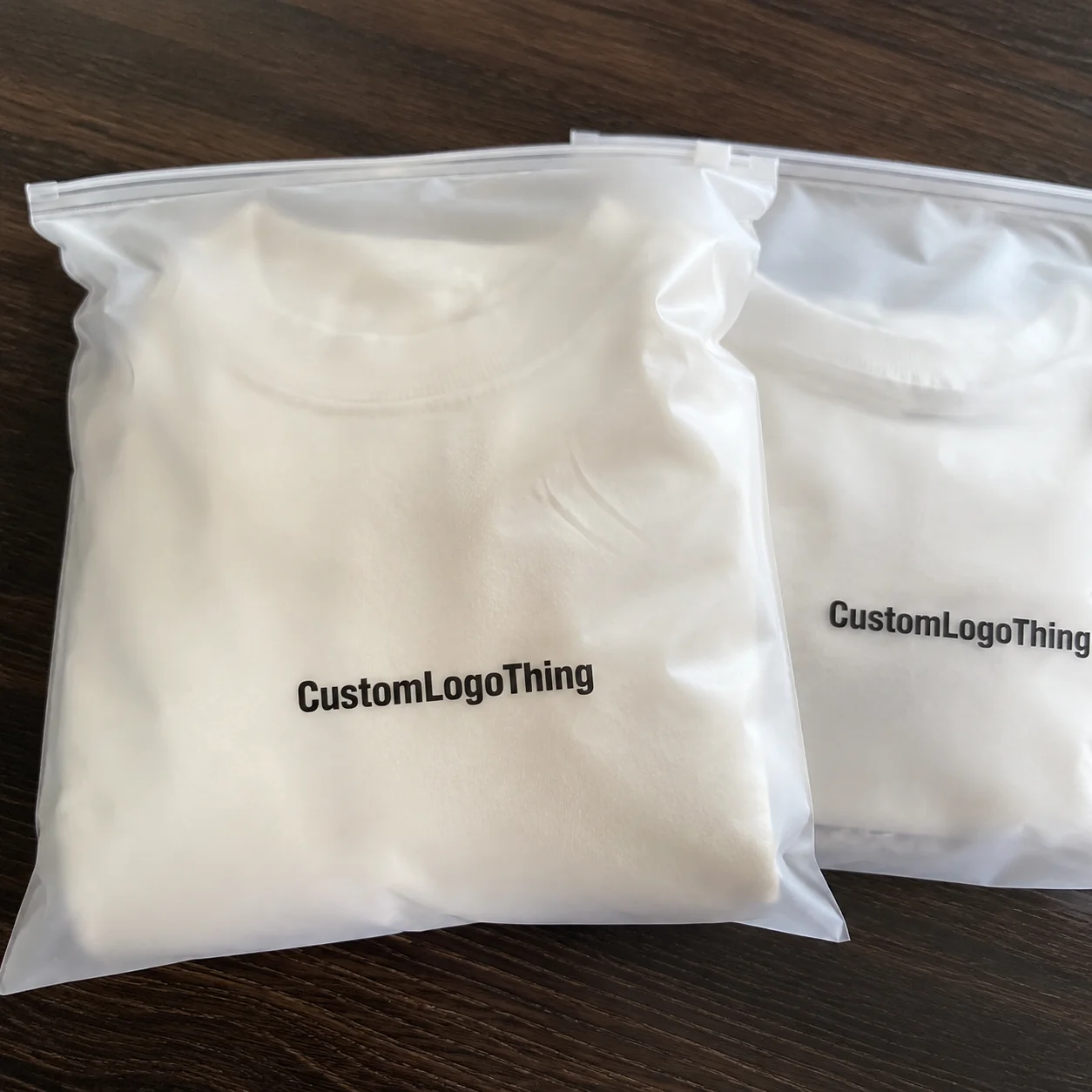
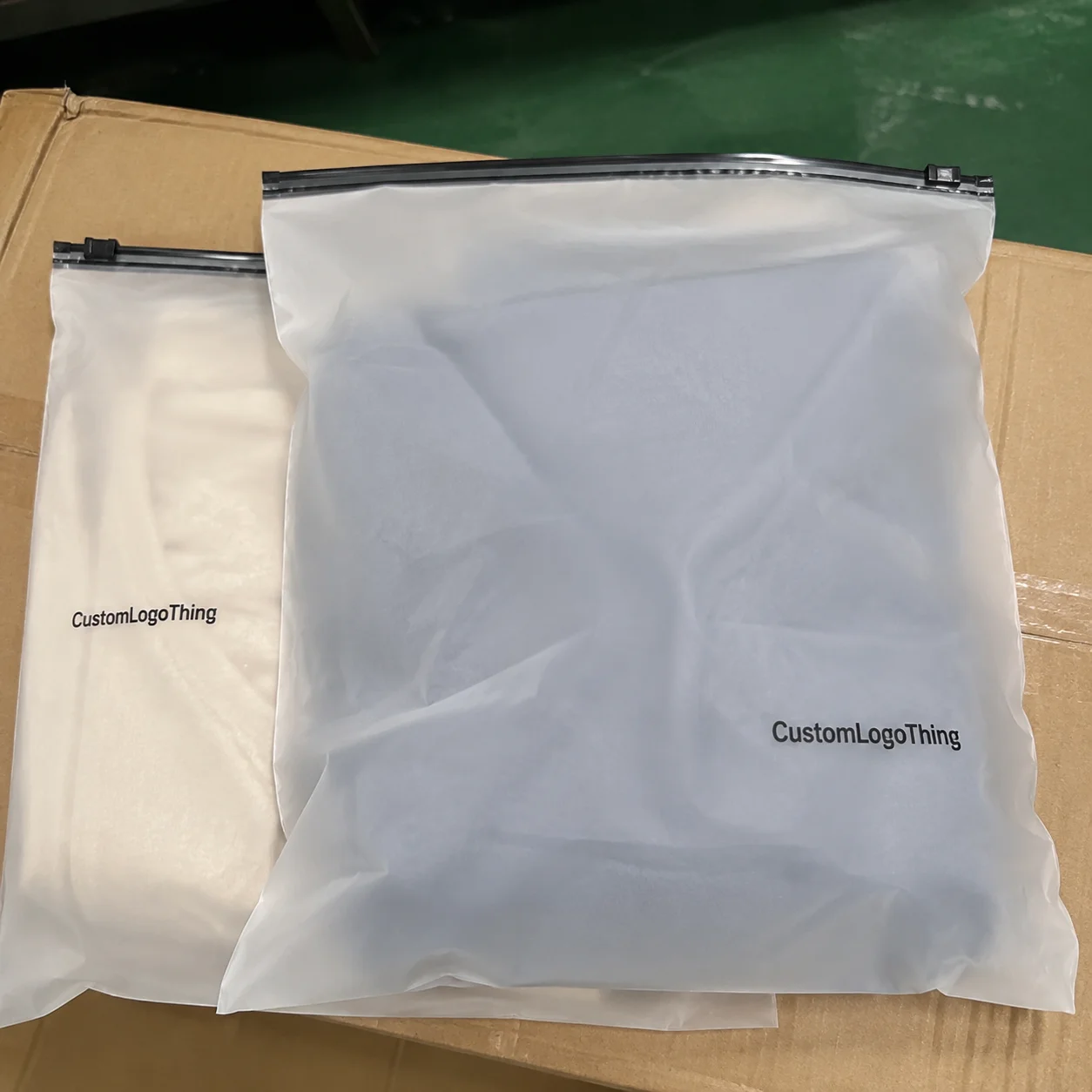
Outdoor brands are especially prone to comparing the sample instead of the build. A frosted bag with a clean zipper, a reinforced hanger opening, and stable seams may cost more than a plain clear sleeve, but it can also protect premium outerwear better during repeated handling. If the bag is part of the retail presentation, that extra spend is not vanity. It is part of the product experience.
The shiny sample is the easy part. The production quote is where the truth shows up.
There is also a real difference between showroom packaging and distribution packaging. A display-ready bag can justify better clarity, print control, and reinforcement. A warehouse sleeve may only need visibility and a closure that holds. If the bag is moving from factory to distribution center and never touching a sales floor, do not pay for features that only make sense in retail.
One reason quotes vary so much is that suppliers price risk as well as material. Small quantities, unclear artwork, incomplete measurements, or unusual hardware all push the number up. A clear spec removes a lot of that uncertainty. A vague request does the opposite.
Ask for a quote that separates material, labor, and setup. If the supplier cannot explain why one version is more expensive, the number is not actually comparable. It is just a number on a page.
Product details that matter for outerwear packaging
Outdoor apparel does not pack like a T-shirt. Jackets carry volume at the shoulders, shells have slippery surfaces, and insulated pieces trap air even after folding. Packaging has to account for that shape, not fight it.
The common formats are flat sleeves, gusseted bags, zippered covers, and hanging bags. Each one has a different job. Flat sleeves are efficient for tighter carton counts and simpler distribution. Gusseted bags give extra room for lofted insulation or wide yokes. Zippered covers make more sense for retail display because store staff can open and close them without tearing the bag apart.
- Clear front panels help buyers and warehouse staff identify the garment quickly.
- Frosted PVC cuts glare and usually looks cleaner under store lighting.
- Printed logos help with brand presentation and sorting.
- Size labels and SKU windows speed up picking and replenishment.
- Hang holes and reinforced tops matter if the garment lives on a rack.
The most common mistake is overworking the visual side and underworking the handling side. A bag can look refined in a photo and still be annoying on the packing line if the opening is too tight, the zipper track is stiff, or the hanger clearance does not match the garment hanger. That friction shows up later in labor time, and labor time eventually becomes cost.
For outdoor brands, retail packaging and distribution packaging should not be treated as the same category. If the product is only going to fulfillment, the focus should be on stackability, visibility, and resistance to scuffing. If it will hang in a store, the bag needs better presentation, a cleaner closure, and enough durability to survive staff opening it more than once.
Spec choices that define durability, clarity, and fit
The core spec stack is simple: PVC grade, thickness, dimensions, seam style, closure type, and whether the bag is built for folded apparel or hanging garments. Buyers often start with thickness because it sounds like the main issue. It is not. A well-designed 0.18 mm bag can outperform a heavier bag if the cut and seal are better matched to the garment.
Thickness should follow use, not habit. Lightweight rain shells do not need the same build as premium insulated jackets. Too much stiffness makes folding harder and carton packing less efficient. Too little thickness can leave the edges flimsy and increase seam failure during repeated handling.
Fit matters just as much. Measure the finished garment width across the shoulders, sleeve volume, and hanger clearance before locking the bag size. Lofted fill can make a jacket look smaller on paper than it really is in three dimensions. If the bag is too tight, the garment loses shape. If it is too loose, you are paying for extra film and extra air.
A few quality checks are worth asking about early:
- Clarity under shop lighting, especially if the bag is meant to display product color accurately.
- Odor after unpacking, since enclosed retail spaces make cheap film smell worse than a warehouse does.
- Edge finish around openings and cut lines.
- Heat seal strength on seams, gussets, and reinforced areas.
- Handling behavior after opening, closing, folding, and restacking.
Cold storage is another point people ignore until it causes trouble. PVC can get stiffer in low temperatures, so if inventory sits in cold warehouses or ships through winter routes, ask about brittleness and cracking behavior. A bag that looks fine at room temperature may behave differently after a few weeks in the wrong environment.
For brands that want a basic transit standard, simple drop and compression checks are usually enough. Some teams align with common methods used by groups such as ISTA. That is not overkill. It is a way to stop packaging from becoming the weak point after the product has already been made properly.
pvc garment bags for outdoor brands unit cost: what drives it
The cleanest way to think about pvc garment Bags for Outdoor Brands unit cost is to split it into material, conversion labor, and logistics. Resin and thickness matter, but they are only one piece. Zipper tape, hang hardware, print coverage, folding method, carton packing, and freight method can move the final number more than buyers expect. On custom orders, setup charges and tooling can be just as visible as the film itself.
MOQ is usually the first cost lever. Lower quantities spread setup work across fewer pieces, so the unit price rises. That is true for cutting, sealing, printing plates or screens, and any special folding or kitting work. A request for 1,000 custom bags will not price like 10,000 standard sleeves. The math does not forgive that gap.
| Specification level | Typical unit cost range | Best fit | Cost drivers |
|---|---|---|---|
| Basic clear sleeve, standard size | $0.18-$0.28 | Warehouse packing and simple retail use | Low print coverage, simple seals, higher volume |
| Custom size with logo print | $0.26-$0.45 | Brand-forward outerwear packaging | Print prep, size changes, tighter quality control |
| Zippered or gusseted bag | $0.38-$0.72 | Premium jackets, shells, and display use | Hardware, extra material, more labor steps |
| Special finish or custom hardware | $0.60 and up | Higher-end retail programs | Custom tooling, slower line speed, more inspection |
Those ranges move with order size, film market conditions, and shipment terms. A 5,000-piece order can look efficient if the spec is standard, while a 1,500-piece order with custom dimensions and a printed logo can climb quickly because setup gets diluted less. Bulk pricing only works if the order is large enough to absorb the front-end work.
There are sensible ways to lower the price without weakening the bag. Standardize dimensions across several jacket styles. Reduce print coverage to one small logo instead of full-panel branding. Remove accessories that do not improve performance. If the bag is only for distribution, cut the retail display features. That saves money without making the packaging worse.
The false economy is buying the cheapest version that exists. Cloudy film, weak seams, or a stiff zipper can create rework, damaged presentation, or returns. Those costs arrive after the purchase order is closed, which is why the lowest quote can become the most expensive decision in the program.
For fair comparisons, ask suppliers to quote three versions side by side: base spec, upgraded closure, and volume pricing at multiple quantities. That exposes how much of the number is tied to setup, how much is tied to labor, and how much is tied to hardware. If the supplier cannot do that cleanly, the quote is not ready for a decision.
For outdoor brands, the point is not finding the lowest nominal price. The point is finding the lowest total cost that still protects the product and keeps packing operations predictable.
Production steps, sampling, and lead time
A clean order starts with a clean spec. The usual path is inquiry, quote, sample or proof, approval, production, inspection, packing, and freight booking. That sounds basic because it is basic. Most delays happen because one thing was missing at the start: the finished size, the artwork file, the closure type, or the carton count.
Artwork approval is a common bottleneck. If the logo needs exact color matching, the supplier may need a proof, a print mockup, or a small run sample before starting the full order. Size changes after sample review can affect cutting dies, seal alignment, and packing efficiency. That is also why setup charges exist. They cover the work needed to make the line repeatable.
Lead time depends on what is standard and what is custom. A repeat order with the same dimensions and print can move faster than a new design with special zippers or hanger hardware. A realistic planning window is often 10 to 15 business days after proof approval for straightforward orders, with 15 to 25 business days for complex constructions, color-critical work, or higher-volume runs that need extra inspection.
Freight planning should not wait until the end. Ask for carton count, master carton dimensions, destination port or zip, and whether the goods need palletization. Those details affect freight quotes and can even influence bag sizing if carton utilization matters. A bag that packs well in cartons is usually cheaper to move than one that looks elegant but wastes cubic space.
Inspection also needs to be defined in writing. Some buyers only want visual checks. Others want random sampling, seam verification, and print registration checks. For technical outerwear, a documented inspection step is a practical way to reduce surprises. That is supply-chain discipline, not extra ceremony.
If the supplier cannot explain where the schedule can slip, they probably have not controlled the order very well. Good communication here is direct. Samples get notes. Changes get confirmation. Delivery windows get realistic dates. Nothing fancy. Just fewer guesses.
What to expect from a packaging partner for outdoor brands
A useful packaging partner does not oversell. They clarify the spec, identify risk points, and tell you where the price actually comes from. That means clear measurements, a transparent breakdown of unit cost, and direct answers on feasibility. If a supplier cannot explain why a zipper bag costs more than a sleeve, the quote is incomplete.
Consistency matters more than most buyers admit. Film quality should hold from run to run, seals should behave the same way across the order, and print registration should not drift. Those issues sound small until one batch arrives cloudy or one corner starts opening in the warehouse. Then the packaging team spends time sorting defects instead of shipping product.
The better suppliers also understand product tiering. A basic rain shell does not need the same bag as a premium technical jacket. Good packaging support means matching the bag to the garment and the channel, not forcing every SKU into the same oversized spec. That kind of adjustment keeps the quote honest and the packaging relevant.
What matters most is written clarity. Sample notes should stay with the project. Change requests should be confirmed. Delivery windows should be realistic. If the supplier is fast but vague, the order is not controlled. Fast and vague is just a different form of risk.
What to send for a usable quote: garment type, finished bag dimensions, target PVC thickness, closure style, print area, quantity, and destination zip or port. If the bag will hang on retail racks or travel with premium outerwear, request a prototype before approving the full run. That is especially useful for gusseted bags, zipper closures, and any design with reinforced hanging points.
If you want real pricing instead of a guess, ask for a pricing ladder at 1,000, 3,000, and 5,000 pieces. That shows how the unit price shifts with volume and whether the spec can be standardized across several styles. It also makes it obvious where setup charges are hiding.
For outdoor brands, the cleanest quote is the one built around the finished garment, the handling environment, and the shipping plan. That is the fastest route to a sensible answer on price without paying for features the product does not need.
What drives unit cost the most for PVC garment bags?
Thickness, dimensions, and closure style usually move the price first. Printing coverage, custom hardware, and lower order quantities also raise the unit cost because they add labor, setup time, and in some cases tooling.
What MOQ should I expect for custom PVC garment bags?
MOQ depends on size, print method, and whether the bag needs special sealing or hardware. Standard specs usually allow lower minimums than fully custom constructions, while premium retail designs often need a higher commitment to keep pricing workable.
How can an outdoor brand lower the unit cost without hurting quality?
Standardize sizes across multiple jacket styles and reduce unnecessary print coverage. Keep the closure and structure aligned to actual handling needs instead of overbuilding the bag, and ask for multiple quote options so the tradeoffs stay visible.
What lead time should I plan for custom PVC garment bags?
Simple repeat orders can move in about 10 to 15 business days after proof approval. New specs, special hardware, or high-volume runs usually need more time, and freight booking can add days if the shipment is going overseas.
Can PVC garment bags include logos and size labeling?
Yes. Most outdoor brands use printed logos, size marks, or SKU labels for sorting and retail presentation. Confirm the print area and number of colors early because they affect cost, proof approval, and the final appearance of the bag.