Buyer Fit Snapshot
| Best fit | Custom Art Print Mailers projects where brand print, material claims, artwork control, MOQ, and repeat-order consistency need to be specified before quoting. |
|---|---|
| Quote inputs | Share finished size, material target, print colors, finish, packing count, annual reorder estimate, ship-to region, and any compliance wording. |
| Proofing check | Approve dieline scale, logo placement, barcode or warning zones, color tolerance, closure strength, and carton packing before bulk production. |
| Main risk | Vague material claims, crowded artwork, missing packing details, or unclear freight terms can make a low unit price expensive after revisions. |
Fast answer: Custom Art Print Mailers: Film, Print, MOQ, and Carton Packing should be specified like a repeatable production item. The safest quote records material, print method, finish, artwork proof, packing count, and reorder notes in one written spec.
Production checks before approval
Compare the actual filled-product size with the drawing, then confirm tolerance on folds, seals, hang holes, label areas, and retail display edges. Reserve space for logos, QR codes, warning copy, and material claims before decorative graphics fill the panel.
Quote comparison points
Review material grade, print process, finish, sampling route, tooling charges, carton quantity, and freight assumptions side by side. A quote is only useful when the supplier can repeat the same color, closure quality, and packing count on the next order.
Custom art print mailers are one of those packaging choices that seem straightforward until the first bent corner, scuffed edge, or split seam shows up in a customer photo. A print can look spotless on a screen and still arrive tired because the mailer flexed too much, was sized badly, or behaved more like a thin envelope than a shipping format built for pressure. That gap between a nice mockup and a package that survives carrier handling is where packaging decisions stop being decorative and start affecting the business.
For artists, print shops, galleries, e-commerce brands, and subscription businesses, custom art print mailers have two jobs at once: protect the piece and present the brand. The outside of the package sets the tone before the customer ever lifts a flap or peels a seal. A mailer that looks considered tells people the print inside was handled with the same care. A package that looks cheap tends to lower expectations before the product gets a fair shot, and that is a hard thing to recover from once the box is on the table.
I have seen enough press checks and sample rounds to know that most packaging trouble is not dramatic. It is usually a stack of small misses: the wrong board, a loose fit, a finish that looks better in a render than under actual light, or a proof that never got checked against the real item. None of that is glamorous, but it is the part that keeps art prints from turning into customer complaints. And honestly, that is the job.
What Custom Art Print Mailers Actually Are
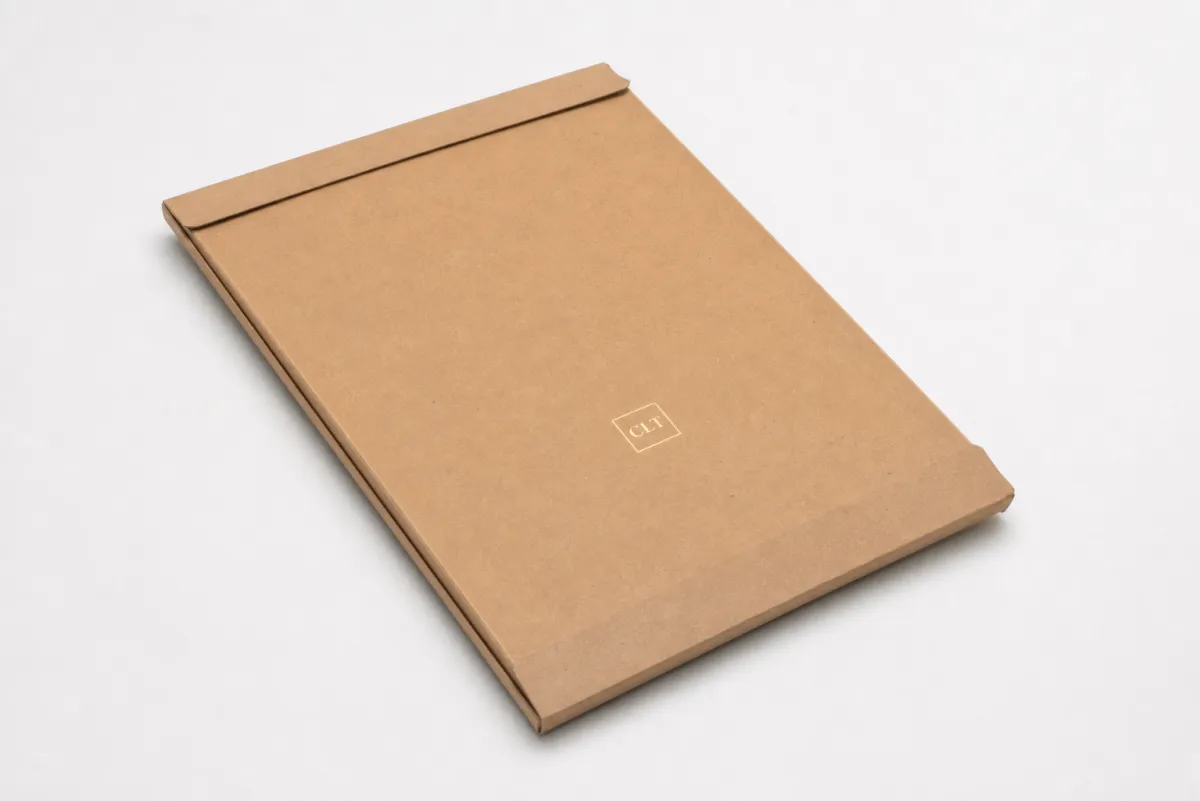
Plain English version: custom art print mailers are rigid or semi-rigid carriers made for flat goods like posters, signed prints, lithographs, photo prints, and branded inserts. They keep the product flatter, cleaner, and safer than a loose envelope or a generic carton with too much empty space inside. In practice, the better versions sit between custom printed boxes and retail packaging: enough structure to resist carrier handling, enough surface area to carry branding, and enough efficiency to ship in volume without wrecking margin.
The construction usually falls into a few familiar lanes. Lightweight versions use chipboard or paperboard around 16pt to 24pt. Heavier-duty versions use corrugated board, often E-flute or F-flute, which adds crush resistance without turning the package into a brick. For larger posters or bundled pieces, some brands move to mailer-style cartons with reinforced edges or internal supports. That is not overkill when the print has real value. It is just a sensible response to the way packages get treated once they leave the dock.
Who uses custom art print mailers most often? Artists and print-on-demand studios, sure, but also galleries, framing suppliers, museum shops, subscription brands, and any e-commerce company shipping flat product packaging with genuine presentation expectations. If the customer is buying a print as a gift, a limited edition, or a collectible, the mailer becomes part of the purchase, not just the shipping layer. That is especially true when the packaging is the first thing the buyer touches after waiting for a release date.
The difference between a plain mailer and a branded one is pretty simple: a plain mailer moves inventory; a custom one sells the brand before the package is even opened. That is why package branding matters here. The outside panel can carry a logo, edition number, product story, care instructions, or a clean visual that matches the art inside. The result is a more premium unboxing, fewer complaints about crushed corners, and often fewer returns tied to the feeling that the order arrived looking cheaper than expected.
A strong mailer does not just protect the print. It protects the price people were willing to pay for it.
From a buyer's point of view, that is the real business case for custom art print mailers. Better fit, better structure, and better protection usually lower damage risk. Lower damage risk usually means fewer reprints and fewer refunds. That is not marketing language. That is a line item, and it shows up fast if your business ships at any kind of volume.
How Custom Art Print Mailers Work: Process and Timeline
The production flow for custom art print mailers starts with the dieline. Skip that file and you are designing by guesswork, which is a poor procurement strategy. The dieline shows panel sizes, folds, glue areas, bleeds, and safe zones. Once it is approved, the artwork gets placed, proofed, and checked for print accuracy. After proof approval, production moves into printing, finishing, conversion, packing, and freight.
That sequence sounds simple until the real-world details start stacking up. Most delays come from file issues: missing bleed, text too close to a fold, low-resolution art, barcode placement that conflicts with branding, or last-minute changes after proofing. Vague sizing causes trouble too. "It needs to fit a poster" is not a usable spec. "Fits 18 x 24 in print with backing board and sleeve" is a spec. Specifics keep the process moving because they cut down the back-and-forth.
Typical timing depends on order complexity and quantity. For simple custom art print mailers, sample or prototype work may take 3-7 business days. Production often runs 10-20 business days after proof approval. Transit can add 3-12 days depending on shipping method and destination. Premium finishing, such as matte lamination, spot UV, foil, or an inside print, usually pushes the schedule longer. That is normal. Fancy packaging rarely runs on the same clock as a plain stock build, no matter how much everyone wishes it would.
There is also a difference between factory time and calendar time. Buyers often ask for "two weeks" and mean the full project. Vendors usually mean production only. Real planning should include artwork prep, revisions, proof turnaround, freight, and a little buffer for carrier delays. If a launch is tied to a product drop or exhibition opening, that buffer matters more than a small difference in unit price. I would rather see a project arrive a few days early than watch a launch week turn into a panic.
For brands that want a more formal test approach, transit standards are better than intuition. ISTA test methods are a good starting point, especially distribution testing that simulates drops, vibration, and compression. You can review the basics at ISTA. For sustainability claims, FSC documentation helps when traceable fiber sourcing matters more than broad "eco-friendly" language. See FSC for certification context.
In practice, custom art print mailers are a process, not a one-step purchase. The cleanest projects are the ones where specs, files, and expectations are settled before production starts. That sounds obvious, yet a surprising number of orders still skip that part and then act surprised when the proof comes back with questions.
Custom Art Print Mailers Cost, Pricing, and MOQ
Pricing for custom art print mailers comes from several moving parts, not one tidy number someone pulled together after a meeting. The biggest cost drivers are board stock, print coverage, structure, coating, inserts, tooling, freight, and labor. If a supplier gives you a price without breaking those pieces out, ask again. Then ask slower. It is annoying, sure, but it is a lot less annoying than finding hidden costs after the purchase order is already signed.
Minimum order quantity, or MOQ, has a direct effect on unit cost. Small runs carry more setup cost per piece, so the price looks higher. Larger runs spread that setup cost across more units, so the per-piece number usually drops. That is why a 500-piece order can feel expensive while a 5,000-piece order suddenly looks more reasonable. Same packaging. Different arithmetic.
Custom sizing changes the math too. Standard dimensions are cheaper to set up, but custom dimensions can reduce void space, lower movement, and make shipping more efficient. For fragile art, a tighter fit often beats generic sizing. If the piece rattles, the carrier will find a way to punish it. That is just how the system behaves, and pretending otherwise does not help.
Here is a practical range view for custom art print mailers at common order sizes. These are broad estimates, because coverage, board grade, and finishes can shift pricing quickly.
| Mailer Type | Typical Use | Approx. Unit Price at 1,000 | Approx. Unit Price at 5,000 | Notes |
|---|---|---|---|---|
| Economy paperboard mailer | Posters, promotional prints, lighter items | $0.35-$0.70 | $0.22-$0.38 | Works for simple branding and lower-complexity shipping |
| Mid-grade rigid mailer | Signed prints, retail packaging, premium drops | $0.70-$1.25 | $0.42-$0.78 | Good balance of protection, print quality, and cost |
| Premium custom build | Limited editions, foil, spot UV, inside print | $1.40-$2.80 | $0.90-$1.60 | Higher presentation value, longer production, more setup |
That table is not a promise. It is a buying frame. Real quotes move with print coverage, inside printing, special finishes, thicker boards, and freight assumptions. A low number can still be expensive if it excludes packaging labor or shipping. A higher number can be the better buy if it lowers returns and damage claims. I have seen teams choose the cheaper line item and then spend the savings fixing what the mailer could have prevented.
Another detail people miss: digital printing and offset printing do not behave the same way on price. Digital printing usually fits shorter runs and faster changeovers. Offset printing makes more sense for larger volumes with tighter color consistency and lower per-unit costs after setup. If artwork changes every drop, digital may be more practical. If the brand system is fixed and repeatable, offset can be the smarter move. Neither is automatically better; the run size and art cadence decide that.
For brands building a broader packaging system, it helps to compare Custom Packaging Products across formats instead of judging one quote in isolation. Sometimes custom art print mailers are the right answer. Sometimes another structure, or even Custom Poly Mailers for secondary protection, makes more sense in the chain. Good buying depends on comparison, not habit.
Key Factors That Make Custom Art Print Mailers Work
Protection starts with board strength. If the mailer is too flimsy, corner crush shows up fast. If it is too heavy, postage and fulfillment costs rise. The right point depends on the size and value of the print, but common board choices range from 16pt to 24pt paperboard or a corrugated build for larger formats. For very flat, premium art, a tighter multi-layer structure can be worth the extra cent or two.
Fit comes next. Custom art print mailers should hold the piece snugly without forcing it into a stress point. Too much room and the print slides. Too little room and the edges crease during insertion. A good spec allows enough tolerance for a sleeve, backing board, or protective tissue while avoiding loose movement. That balance is packaging design in practice, not in theory.
Print quality matters more than people expect. Rich ink coverage, clean registration, and the right coating can make the mailer feel deliberate instead of bargain-bin. Matte aqueous coating gives a restrained finish. Soft-touch adds a more tactile feel, though it can raise cost. Spot UV or foil can highlight logos or edition marks, but only if the design is strong enough to justify them. Overdoing embellishment is how brands end up with expensive clutter that does not help the product.
Sustainability should live in the spec, not in the sales pitch. Recyclable board, responsibly sourced fiber, and fewer mixed-material extras are all useful. If a mailer uses excessive plastic or unnecessary inserts, you are making future waste for no clear benefit. The EPA has useful context on recycling and materials management at EPA. The basic idea is simple: choose materials that protect the print without inflating the package.
Branding ties the whole thing together. In branded packaging, the mailer is often the first physical touchpoint. It frames the customer's expectation before the artwork is even revealed. That matters most for premium drops, gift orders, and retail packaging that gets photographed. If the outside feels polished, the contents tend to feel more valuable. If the outside feels sloppy, the buyer starts wondering whether the print was priced too high. That doubt can be hard to shake.
Good custom art print mailers are not trying to impress everyone. They are trying to survive shipping and still look like a brand made choices on purpose.
That is the point many teams miss. They focus on decoration before structure. Structure comes first. Pretty comes second. For custom art print mailers, pretty only matters if the print arrives intact enough for anyone to notice it. Otherwise, you are just paying for packaging that looks nice in a render and underperforms on a loading dock.
Step-by-Step: Ordering Custom Art Print Mailers
Start with a real inventory audit. Measure the artwork sizes, note whether each piece ships with a backing board or sleeve, and decide how much damage protection is mandatory. A 12 x 18 in art print does not need the same structure as a framed collectible insert. The spec should follow the product, not the other way around.
Next, Choose the Right build. Simple posters may work with flat board mailers. Heavier signed editions or bundled prints may need a sturdier wall structure. If you already know your broader packaging setup, compare the mailer against other product packaging options in your line, including Custom Packaging Products. The best format is the one that protects the item and still fits your shipping workflow. Anything else is just extra hassle dressed up as a decision.
Then prepare artwork correctly. Use the dieline. Set bleed. Keep essential copy out of fold zones. Confirm color mode. If there is a barcode, SKU, or shipping instruction panel, check those locations before you send files. File prep sounds tedious because it is. It also saves money because a bad proof is still cheaper than a bad run. Nobody enjoys fixing a print mistake after thousands of units are already on pallets.
Request samples or digital proofs before full production. Better yet, ask for a real sample of the chosen stock if the order size justifies it. A proof tells you how art lands on the dieline. A physical sample tells you whether the mailer feels too thin, too tight, or too glossy. Those are different questions, and they are worth separating.
Then compare vendors on equal terms. A smart comparison sheet should include:
- Board type and thickness
- Print method, such as digital printing or offset printing
- MOQ and tiered pricing
- Coatings and special finishes
- Lead time after proof approval
- Freight terms and packaging labor assumptions
- Inside printing or custom inserts, if needed
That list sounds basic because it is basic. Yet it is also where buyers get burned. One quote includes a plain stock build. Another includes matte lamination, inside print, and door-to-door freight. Those are not comparable numbers. They only look comparable if you want trouble, and most packaging mistakes start there.
For brands shipping multiple formats, it helps to align custom art print mailers with the rest of the packaging system, including custom printed boxes for bundled products and secondary protection where useful. Consistency across formats improves fulfillment speed and package branding. It also makes reordering easier, which is underrated until someone has to do it under deadline with a launch waiting on the dock.
Common Mistakes With Custom Art Print Mailers
The first mistake is ordering by outside dimensions only. That sounds efficient until you realize the art has a sleeve, a backing board, and a little flex. The usable interior space matters more than the exterior number. Carrier abuse matters too, because a mailer that looks fine on a desk can fail after drops, vibration, and compression in transit. Testing against realistic handling is far more useful than admiring a mockup.
The second mistake is weak artwork setup. Low-resolution files, RGB color mode, missing bleed, and text too close to folds are classic problems. They show up as fuzzy logos, clipped copy, or odd color shifts. In a packaging design review, those errors are not minor. They are production delays with a nicer name. And if you are paying for a premium finish, those file issues get even more annoying because the fancy surface just puts a spotlight on the mistake.
The third mistake is overdesigning the outside while underbuilding the structure. A mailer with foil and spot UV means very little if the board is too soft or the corners collapse. That problem shows up often when brands try to impress through surface treatment alone. Nice finish. Bad protection. That is expensive theater, and customers can tell the difference pretty quickly.
Another issue is assuming all custom art print mailers need the same spec. They do not. A small poster club order, a signed art drop, and a high-value gallery print each need different materials, closures, and internal support. If the order mix changes, the packaging should change too. Otherwise, one structure is being asked to do three jobs badly, which is a good way to waste money and patience at the same time.
Brands also underestimate testing. One bad run can eat the margin from an entire batch if damaged pieces need reprinting or refunding. A practical shipping test does not need a lab coat, but it should include at least a few real shipments through normal carrier handling. If the mailer arrives bent to your own office, that is not a comforting sign. It is a clue.
Finally, some buyers compare quotes without checking assumptions. One supplier may include structural inserts, the other may not. One may quote FSC board, the other may use a cheaper stock without certification. One may build for digital printing, another for offset printing. No wonder the pricing looks confusing. The data was never equal.
From a packaging buyer's point of view, the best way to avoid mistakes is to keep the spec tight and the test honest. Custom art print mailers are supposed to reduce friction, not create it with prettier typography. If they make fulfillment harder, the design is not doing its job.
Expert Tips and Next Steps for Custom Art Print Mailers
Test three things before you scale: structure, print quality, and real-world shipping. One sample should tell you whether the mailer protects the art. One proof should tell you whether the branding lands correctly. One actual shipment should tell you how the package behaves once carriers get involved. That sequence catches most preventable problems without wasting a full production run.
Build a spec sheet and keep it boring. Size, board type, print finish, fold style, closure method, freight requirement, and acceptable tolerances should all be written down. Boring packaging paperwork is a blessing. It keeps reorders consistent, and consistency is what buyers pay for in custom packaging. It also makes vendor switching less painful if you ever need a backup source. Nobody gets excited about documentation, but the teams with clean specs usually sleep better.
Ask quote providers to compare on the same basis. Same board. Same print coverage. Same coating. Same freight terms. Otherwise, a lower number means almost nothing. It can be a better deal, or it can just be a thinner build with surprise charges hiding in the fine print. If the pricing feels too clean, double-check the assumptions. I am not saying every low quote is bad, just that the fine print likes to hide in plain sight.
A practical launch sequence usually looks like this:
- Confirm print dimensions and shipping method
- Review the dieline and artwork
- Approve a sample or proof
- Place a small production run
- Check customer feedback and damage rates
- Adjust the spec before the next reorder
That is the dull, effective way to do it. It is also how you keep custom art print mailers from becoming a one-time experiment instead of a repeatable system. Good packaging should improve the margin story, not just the mood board.
My practical advice: do not chase the fanciest finish first. Start with fit, structure, and shipping performance. Then add branding details that actually support the product. A clean exterior, a sturdy board, and a controlled unboxing are worth more than decorative extras that never survive the mail stream. That matters even more if your line includes custom printed boxes, retail packaging, or other branded packaging that needs to feel coherent across the whole order.
If you are setting this up for the first time, one honest rule helps a lot: the package should be judged by what happens after it leaves your hands, not by how it looks on the art board. That is where real value shows up. A mailer that protects the print, keeps the brand clear, and fits the shipping process is doing the work you actually paid for.
In the end, custom art print mailers are not just a protective shell. They are a repeatable buying decision that affects damage rates, customer perception, and how much of your art business feels professionally handled. Get the spec right, test it honestly, and the package stops being a problem and starts doing its job.
FAQ
How do custom art print mailers protect prints better than standard mailers?
They use sturdier board, tighter sizing, and better structural support, so the print is less likely to bend, crush, or scuff during transit. They also reduce movement inside the package, which matters more than most people think when a carrier throws the shipment around. The difference is usually not subtle once you compare a sample order to a basic envelope-style mailer.
What affects the price of custom art print mailers the most?
MOQ, board thickness, print coverage, special finishes, and custom sizing usually move the price more than small artwork tweaks. Freight and setup charges can also change the total fast, so compare quotes on the same specs instead of guessing. If you are comparing three vendors and the numbers are all over the place, the specs probably are too.
What is a realistic turnaround for custom art print mailers?
Turnaround depends on sample approval, artwork readiness, production complexity, and shipping method, so there is no single magic number. Simple runs are faster; premium builds with special finishes, custom inserts, or larger quantities take longer. As a rule, plan for more time than the sales email first suggests, because proof cycles and freight tend to stretch things out a bit.
What artwork do I need before ordering custom art print mailers?
You need the dieline, print-ready files, correct bleed, safe margins, and any branding copy that needs to land on specific panels. If you skip setup, expect proof delays, file corrections, and a higher chance of print errors. A clean file package saves money and keeps the production team from having to guess what you meant.
Can small brands order custom art print mailers without huge MOQ requirements?
Yes, but the unit cost is usually higher on small runs because setup costs get spread across fewer pieces. A smart approach is to start with a smaller order, test demand, and scale once the design and packaging performance are proven. That path is slower than guessing, but it is usually cheaper than fixing a bad batch later.

