Buyer Fit Snapshot
| Best fit | Custom Auto Lock Boxes projects where brand print, material claims, artwork control, MOQ, and repeat-order consistency need to be specified before quoting. |
|---|---|
| Quote inputs | Share finished size, material target, print colors, finish, packing count, annual reorder estimate, ship-to region, and any compliance wording. |
| Proofing check | Approve dieline scale, logo placement, barcode or warning zones, color tolerance, closure strength, and carton packing before bulk production. |
| Main risk | Vague material claims, crowded artwork, missing packing details, or unclear freight terms can make a low unit price expensive after revisions. |
Fast answer: Custom Auto Lock Boxes: Structure, Cost, and Production should be specified like a repeatable production item. The safest quote records material, print method, finish, artwork proof, packing count, and reorder notes in one written spec.
Production checks before approval
Compare the actual filled-product size with the drawing, then confirm tolerance on folds, seals, hang holes, label areas, and retail display edges. Reserve space for logos, QR codes, warning copy, and material claims before decorative graphics fill the panel.
Quote comparison points
Review material grade, print process, finish, sampling route, tooling charges, carton quantity, and freight assumptions side by side. A quote is only useful when the supplier can repeat the same color, closure quality, and packing count on the next order.
Custom Auto Lock Boxes: Structure, Cost, and Production
A carton that ships flat, then opens into a locked base in one motion, can change how a packing line feels. That is the practical strength of custom auto lock boxes: fewer hand motions, less tape, and a finished package that still looks crisp on the shelf.
Packaging buyers usually care about three things at once. The box has to move quickly through fulfillment, it has to present well in retail or unboxing settings, and it has to hold product without making the person on the line fight the structure every time a case is opened.
That mix explains why custom auto lock boxes are used so often for cosmetics, supplements, food, small electronics, and subscription kits. The format looks simple, yet the details carry real weight: board grade, scoring, glue pattern, print coverage, and the way the top closes all shape how the box behaves after it leaves the dieline and lands on an actual packing table.
Teams building branded packaging usually need more than one structural option on the table. Product weight, display goals, shipping method, and available labor all affect the final decision. A broader comparison against other Custom Packaging Products can help before the spec is locked.
A good auto-lock carton should feel like a clean hand-built box without the hand-building. If the packer has to wrestle it, the structure is working against the process.
What Are Custom Auto Lock Boxes?
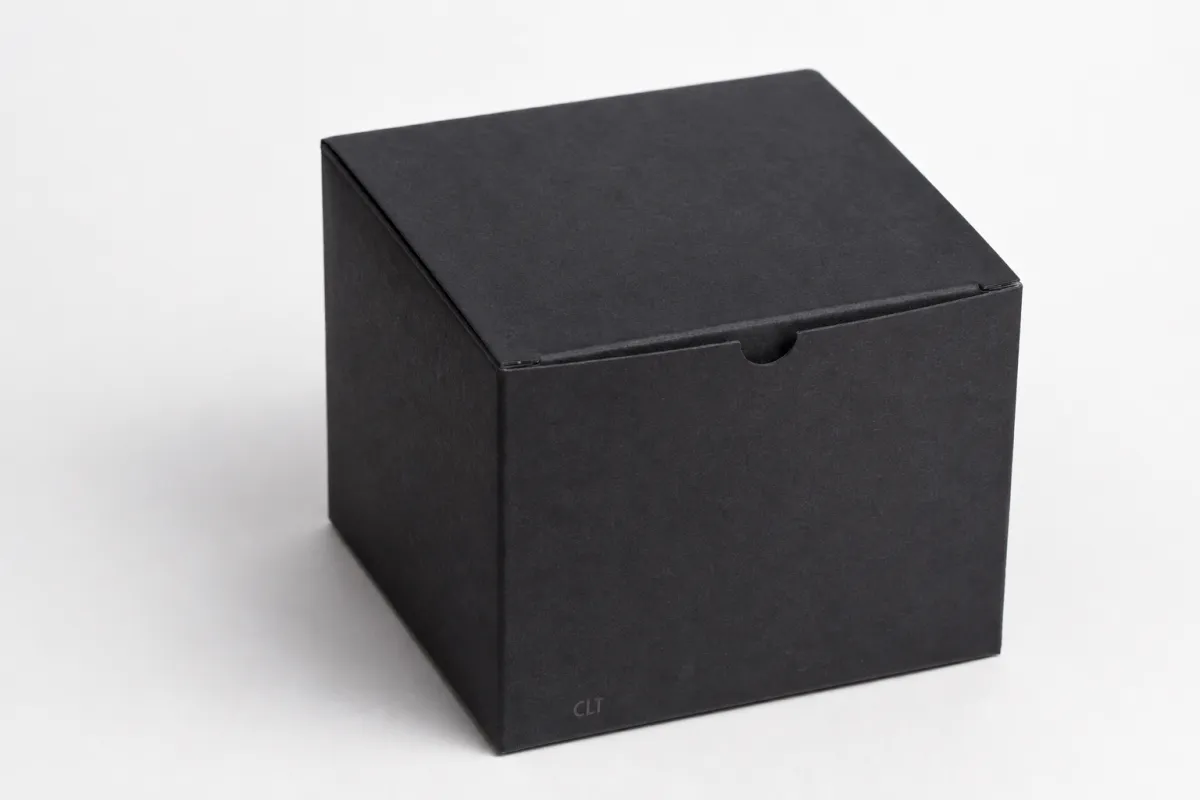
Custom auto lock boxes are folding cartons with a pre-glued bottom that locks into place as the box opens. They ship flat, store efficiently, and set up fast without bottom tape or a separate assembly step. In everyday use, a packer can pull a carton from the stack, open it, load the product, and keep moving with very little delay.
The structure works especially well when speed and presentation have to live in the same package. A basic shipping carton may protect the product, but it rarely adds much to the unboxing moment. Custom auto lock boxes do both jobs well when the item is small or medium-sized and the buyer wants a retail-ready look. Lip care, sachet packs, wellness products, USB devices, candles, and giftable sets fit the format naturally.
From a technical point of view, the style is a folding carton with a lock-bottom design, sometimes called an auto bottom or crash-bottom style. The bottom panels are pre-glued so they fold into a stable base with very little effort. Compared with a straight tuck box or a simple snap-lock carton that may need manual bottom assembly, custom auto lock boxes cut labor at the pack station and reduce the risk of a weak or uneven base.
The better question is not only what they are, but where they make sense. The format tends to shine when the product is handled repeatedly, the team wants a consistent box shape, and the pack line has enough volume that a few seconds saved per unit matter in a real way. Heavy products, oversized cartons, and rough transit conditions can point to a different structure.
Material choice matters here. Common paperboard options include 14pt, 16pt, 18pt, and heavier SBS or CCNB stock, along with kraft board for a more natural look. White-coated board with offset printing usually gives a cleaner result for shelf-focused product packaging. Kraft with restrained ink coverage can suit brands that want a more understated package branding style and a less glossy finish.
In plain terms, custom auto lock boxes are more than boxes with a locking bottom. They are a practical format for brands that want faster assembly, polished presentation, and a carton that works for both direct-to-consumer fulfillment and retail packaging without adding extra work for the packer.
How Custom Auto Lock Boxes Work
The mechanism makes sense as soon as you watch one open. A flat carton folds along scored panels, then the pre-glued bottom panels interlock as the box is expanded. The base takes shape without extra tape, which is a big reason custom auto lock boxes are favored on busy fulfillment lines. The opening motion does part of the work, and that matters when a team packs hundreds or thousands of units in a shift.
The practical gain shows up in repetitive motion. A taped bottom asks the packer to fold, hold, tape, and check the carton before filling it. A well-made auto-lock bottom removes several of those steps. Across a full day, the difference becomes easier to feel. The line runs more evenly, the box shape stays more consistent, and the operator can focus on product placement instead of fighting the carton.
Structure behavior depends on board caliper, dieline accuracy, and product weight. A lightweight cosmetic kit may feel crisp in 16pt board, while a denser supplement bottle or multi-item set may need stronger material or tighter panel geometry. If the board is too light, the base can spread or bulge. If the folds are too tight, the locking action can feel stiff and slow the packer down. Custom auto lock boxes work best when those tolerances are matched to the actual item, not guessed from a mockup.
Scoring and gluing matter more than many buyers expect. Clean score lines help panels fold in the right sequence without cracking the printed surface. Accurate gluing keeps the bottom aligned so the box opens square instead of twisting. Dieline approval is not a paperwork step; it protects the run before the first stack reaches production.
Compared with tape-required cartons, the auto-lock style is easier to standardize. Tape introduces variation because each operator applies it a little differently. Some strips are longer, some sit crooked, and some boxes gain extra bulk at the base. Custom auto lock boxes reduce that inconsistency, which helps if the box has to stand on a shelf, hold inserts neatly, or fit tightly inside a shipper.
Presentation improves as well. A box that opens square and stays true to its shape tends to feel more premium in the customer’s hands. That does not make it luxurious by default, but it does make the product feel more deliberate. For retail packaging, that consistency can matter as much as the time saved on the line.
I’ve seen teams focus only on the art file and then get surprised by the fold behavior later. The art matters, sure, but the lock action is doing real work under that ink. If the box is fighting the fold, you’re gonna feel it on the line pretty quickly.
One useful check: if inserts, dividers, or a product tray are part of the build, test the full pack-out sequence rather than the empty carton alone. A structure can look perfect on paper and still feel awkward once the real item is added. With custom auto lock boxes, the bottom lock, internal clearance, and top closure should all be reviewed together.
Custom Auto Lock Boxes Cost and Pricing Factors
Pricing is where buyers usually run into the biggest surprise. Custom auto lock boxes are not priced by size alone; the quote reflects board stock, print method, quantity, finishing, and how much setup the job requires. A small carton with simple one-color printing can be efficient, while a premium retail version with foil and soft-touch lamination can land in a different cost bracket entirely.
Quantity is often the strongest cost driver. Setup work, plate costs, cutting dies, and glue-line preparation get spread across the run, so larger quantities usually lower unit cost. A 1,000-piece order can carry a noticeably higher per-box price than 5,000 or 10,000 units, even if the design stays the same. That is standard in folding carton production, and it is why many brands ask for pricing at several quantities before settling on a final run size.
Board stock matters just as much. Heavier board or premium SBS can improve stiffness and print quality, but it also raises material cost. Kraft board may be more economical in some builds, though the final look depends on ink coverage and coating. If the carton needs to protect a heavier product, using thinner board just to shave off a few cents can backfire quickly. On custom auto lock boxes, the base does real work, so the board should match the item instead of the artwork budget.
Finish choices can move the quote more than buyers expect. Soft-touch lamination, spot UV, embossing, debossing, hot foil, and specialty varnishes all add cost in different ways. They can also add handling time if the production sequence needs extra passes. For branded packaging that has to look premium on a retail shelf, those upgrades may be worth it. For product packaging that ships mostly through e-commerce, a cleaner print build may deliver better value.
Here is a practical comparison that shows how the same structure can land in very different budget ranges depending on spec.
| Build style | Typical board / finish | Best fit | Approx. unit range at 5,000 pcs |
|---|---|---|---|
| Economy retail box | 16pt SBS, 4-color print, aqueous coating | Light products, high-volume giveaways, simple retail packaging | $0.18 - $0.32 |
| Standard branded box | 18pt SBS or CCNB, full-color print, gloss or matte coating | Cosmetics, supplements, small electronics | $0.28 - $0.48 |
| Premium presentation box | 18pt - 24pt board, soft-touch, spot UV, foil accents | Giftable sets, luxury packaging, launch kits | $0.45 - $0.85 |
| High-spec pack-out box | Heavier board, printed insert, specialty finishing | Fragile items, multi-piece kits, display-focused packaging design | $0.65 - $1.20 |
Those numbers are not fixed. Artwork coverage, carton size, insert complexity, freight method, and proofing rounds all shift the final price. Even so, they offer a realistic frame for buyers comparing custom auto lock boxes against other custom printed boxes. Treat them as planning ranges, not promises.
Sampling can add another layer to the budget. A white sample, digital prototype, or press proof is usually inexpensive compared with a full run, yet each revision takes time and adds a little more cost. If the dieline needs changes after the first sample, the real cost is not the sample itself; it is the time lost to a corrected line and a second approval cycle.
Ask how the quote handles artwork edits, structural changes, and repeat proofing. That one question can prevent confusion later. A clear vendor should explain whether plate charges, cutting dies, and sample revisions are separate or bundled into the final line item. For many custom auto lock boxes projects, the cheapest quote is not the best quote if it hides finishing fees or leaves too little board strength for the product.
If you are building a launch budget, compare three versions side by side: a clean functional build, a mid-tier branded packaging build, and a premium retail version. That makes it easier to see where the money goes and whether the upgrades are paying for shelf impact, labor savings, or both. The Custom Packaging Products page is a useful place to start that comparison before requesting a formal quote.
Production Process and Timeline for Custom Auto Lock Boxes
The production path usually starts with a brief, then moves to dieline review, artwork layout, proofing, printing, cutting, gluing, and final packing. Custom auto lock boxes depend on tight registration and accurate fold geometry, so the approval steps at the front of the project matter more than many teams expect. Once the size and lock pattern are approved, production tends to move much more predictably.
Artwork is usually the first slowdown. Missing bleeds, low-resolution logos, barcode placement issues, or last-minute copy changes can hold up the job quickly. Structural revisions come next. If the carton needs a size adjustment, insert revision, or a bottom-lock change, the dieline has to be rechecked before printing starts. For packaging design that will be used in a real fulfillment environment, that extra review is time well spent.
Lead time depends on the print method and the level of finishing. Digital jobs can move faster on short runs because they do not require the same plate setup as offset printing. Offset production often makes more sense for larger quantities and precise color work, but it adds setup time. Specialty finishes extend the schedule further because they may require additional passes or curing time. As a practical planning range, many simple custom auto lock boxes orders can move in roughly 7 to 12 business days after proof approval, while more complex retail builds may take 12 to 20 business days or longer depending on the finish stack.
That range only helps if the buyer sends clean inputs. A complete product specification, correct artwork files, and a clear shipping destination help the factory or converter move faster because fewer questions need to be answered midstream. If the box has to support a seasonal inventory push or a product launch, leaving room for one proof round is a smart move. The first sample often reveals a small but important detail that was easy to miss on screen.
Testing saves time as well. A pre-production sample can show whether the bottom lock opens too stiffly, whether the product fit is too tight, or whether the box needs a stronger board grade. That matters even more on custom auto lock boxes used for fragile items or kits with inserts. Correcting a sizing issue before full production is far cheaper than discovering it after thousands of cartons are printed, cut, and glued.
For transit-sensitive projects, recognized packaging test standards are worth a look. ISTA procedures are often used to evaluate shipping abuse, vibration, and drop performance, and the International Safe Transit Association provides useful context at ista.org. For fiber sourcing and responsible materials, FSC certification is another reference point, especially if the brand wants paperboard with a documented forestry chain at fsc.org. Not every job needs a formal certification claim, but those standards help frame stronger product packaging decisions.
Carton gluing is not a cosmetic detail. A weak glue line can show up later as poor stacking, drifting panels, or a base that does not hold square during packing. For custom auto lock boxes, the glue line is part of the structural system, not a minor manufacturing note. Sample approval should include an actual fold-and-fill test, not only a visual sign-off.
How to Choose the Right Specs for Custom Auto Lock Boxes
The best place to begin is the product itself. Measure width, depth, and height, then add enough allowance for inserts, cushioning, or any easy-open feature the customer will need. If the item shifts inside the carton, the structure has to work harder during shipping and the presentation suffers at opening. Custom auto lock boxes should fit the item cleanly without making assembly awkward.
Board strength should match product weight and fragility. A lightweight cosmetic tube may do well in 16pt or 18pt board, while a dense glass bottle or multi-piece kit may need a stronger caliper or an interior support. That is not overengineering; it is practical packaging. If the carton is too light, the lock bottom can feel soft. If it is too heavy, the box may cost more than the product can support. The right balance depends on the actual use case.
Print goals should come next. A brand that relies on shelf appeal may want rich color, crisp logo placement, and a matte or soft-touch finish that feels deliberate in the hand. A shipping-first brand may prefer restrained graphics, a strong barcode area, and a design that keeps ink coverage controlled. Both are valid. What matters is whether the custom auto lock boxes support the brand story instead of fighting it.
Retail realities belong in the brief as well. Will the carton sit on a shelf, hang from a peg, or stay inside a master case until it ships to the customer? Does the retailer require barcode placement on a specific panel? Does the package need enough front-face space for claims, ingredient copy, or compliance marks? A box that looks good on a render can still be clumsy in a real retail packaging plan.
If the job includes inserts, dividers, or a molded tray, test the sequence with the final product load. The packer should be able to open the box, place the contents, and close the top without friction. That is where line speed and package branding meet. A tidy structure helps, but the real winner is the carton that lets the person on the line do the task naturally. For that kind of review, comparing several Custom Packaging Products side by side often clarifies the final choice.
Matching structure to use case is the last filter. Display packaging and launch kits often justify more finish and a firmer board. Direct-to-consumer shipping may favor a cleaner, more efficient build with less cosmetic excess. Promotional packaging can land somewhere in between. Custom auto lock boxes are flexible enough to serve all three, but only if the spec is chosen with the actual pack-out in mind.
In practice, I tell teams to choose the spec that solves the daily problem, not the prettiest one on the screen. That sounds simple, but it kinda saves a lot of rework once production starts.
Common Mistakes With Custom Auto Lock Boxes
The most common mistake is sizing the box too tightly. A carton that barely fits the product may look efficient on paper, yet it can make assembly awkward and can crush the item during pack-out or transit. With custom auto lock boxes, a few millimeters of practical clearance can be the difference between a clean run and constant frustration on the line.
Another frequent issue is choosing board that is too light for the load. The base may lock perfectly with no product inside, then bow or spread once a bottle, device, or kit is added. That becomes especially risky if the carton is being opened and filled repeatedly during a long shift. A small savings in board cost can disappear quickly if the team has to reject boxes or slow down to manage weak bases.
Some brands overbuild the graphics while underbuilding the function. Heavy foil coverage, complex texture effects, and fancy finishes can look attractive, but they do not fix a weak dieline or poor fit. If the box has to move quickly through fulfillment, the priority should be reliable handling first and decoration second. That is not a rejection of design; it is a practical production choice.
Skipping samples is another expensive habit. A dieline on screen can look perfect and still feel wrong in the hand. Fold tension, glue placement, top tuck behavior, and product insertion all need a physical check. Custom auto lock boxes are meant to save time later, which is exactly why a small sample run is usually worth it before a larger order commits the budget.
Teams also forget to test the final pack-out with the actual product, the actual insert, and the actual sequence the line will use. That sounds obvious, and it still gets missed often. A box may work with a sample product and fail once the real bottle, pouch, or accessory bundle arrives. Practical packaging is built by testing the real thing, not by assuming the carton will behave the same every time.
Shipping method should not be an afterthought either. A carton built for shelf display may not survive rough parcel handling unless the board, insert, and overpack are chosen carefully. If the product has to pass parcel tests, build the spec around transit from the start and compare the structure to the likely abuse profile. That is where custom auto lock boxes need to match the shipping environment, not just the marketing image.
Expert Tips and Next Steps for Custom Auto Lock Boxes
Start with a clean brief. Product dimensions, target quantity, artwork files, finish preferences, shipping method, and retailer rules should be collected before the quote request goes out. The better the brief, the more useful the pricing conversation becomes. Custom auto lock boxes are easy to mis-spec when the team is guessing at the numbers, and that usually leads to revisions that cost time later.
If the item is fragile, unusually shaped, or expensive enough that a packaging error would hurt, order a sample or prototype first. A physical test can show whether the internal clearance is right, whether the base feels strong enough, and whether the customer can open the carton without tearing the panel. One sample often answers questions that a digital mockup cannot.
Compare board options and finish choices side by side instead of treating them as isolated line items. A slightly stronger board may remove the need for an insert. A simpler coating may free up budget for a sharper print build. That kind of tradeoff is where smart packaging design pays off. The goal is rarely the most expensive version; it is the version that supports the product, the line speed, and the shelf story at the same time.
Talk to the people who will actually use the cartons. Packers, warehouse leads, and customer service teams often notice details that designers miss. Maybe the top flap is a little hard to open. Maybe the barcode needs more contrast. Maybe the carton should be one millimeter wider so the insert loads faster. Those small observations can make custom auto lock boxes easier to use and easier to scale.
Use the right references, too. If the project needs fiber sourcing documentation, FSC is a useful benchmark. If the product is sensitive in transit, ISTA-style testing keeps the conversation grounded in performance rather than guesswork. If the packaging must do double duty as retail packaging and shipping packaging, build the spec around that reality from the start. The strongest packaging is usually the one that respects how the box will actually live in the world.
For teams building a broader package branding system, treat the carton as part of a family rather than a one-off. A consistent dieline style, type treatment, and print approach can make future product packaging easier to launch. If you are still mapping the options, take a look at Custom Packaging Products and compare the structure choices against your current product mix before you commit to a final run.
My practical take is simple: the best custom auto lock boxes are the ones matched to the product, the line speed, and the real shipping environment. Get those three things aligned, and the carton stops being a packaging headache and starts doing real work for the brand.
FAQ
Are custom auto lock boxes good for fragile products?
Yes, when the board thickness matches the product weight and the interior uses inserts, cushions, or dividers that keep the item from shifting. Custom auto lock boxes work especially well for fragile products that need a sturdy base and a clean opening experience, but the final pack-out should always be tested with the actual item before production is approved.
What affects the cost of custom auto lock boxes the most?
The biggest drivers are box size, board stock, print coverage, quantity, and whether special finishes are included. Smaller runs usually cost more per box because setup and overhead are spread across fewer units, while larger quantities lower the unit cost. For custom auto lock boxes, a sample round or structural revision can also add cost if the dieline changes after the first proof.
How long do custom auto lock boxes usually take to produce?
Timeline depends on artwork readiness, dieline approval, material selection, and whether a physical sample is needed first. Simple jobs with final artwork can move faster, while specialty finishing or structural changes usually extend lead time. Many custom auto lock boxes projects move in roughly 7 to 12 business days after proof approval for straightforward builds, though more complex runs may take longer.
Do custom auto lock boxes need tape or glue during assembly?
The bottom is designed to lock into place, so extra tape is usually not needed during assembly. Some projects do use glue during manufacturing so the box arrives flat and opens into a secure structure. That built-in lock is one reason custom auto lock boxes are popular for fast packing lines and retail-ready presentation.
Can I order a low MOQ for custom auto lock boxes?
Yes, but the minimum order quantity depends on the manufacturer, print method, and whether the job is digital or offset printed. Lower MOQs are often possible for simple designs and shorter runs. If you are comparing suppliers for custom auto lock boxes, ask for pricing at several quantities so you can see how the unit cost changes as volume increases.
If you want the shortest path to a better decision, gather your dimensions, artwork, quantity target, and shipping method first, then request a quote that includes a sample option. That is usually the cleanest way to spec custom auto lock boxes without wasting time on revisions or guessing at the wrong structure.

