Buyer Fit Snapshot
| Best fit | Custom Auto Lock Cartons MOQ projects where brand print, material claims, artwork control, MOQ, and repeat-order consistency need to be specified before quoting. |
|---|---|
| Quote inputs | Share finished size, material target, print colors, finish, packing count, annual reorder estimate, ship-to region, and any compliance wording. |
| Proofing check | Approve dieline scale, logo placement, barcode or warning zones, color tolerance, closure strength, and carton packing before bulk production. |
| Main risk | Vague material claims, crowded artwork, missing packing details, or unclear freight terms can make a low unit price expensive after revisions. |
Fast answer: Custom Auto Lock Cartons MOQ: Pricing, Specs, Timeline should be specified like a repeatable production item. The safest quote records material, print method, finish, artwork proof, packing count, and reorder notes in one written spec.
Production checks before approval
Compare the actual filled-product size with the drawing, then confirm tolerance on folds, seals, hang holes, label areas, and retail display edges. Reserve space for logos, QR codes, warning copy, and material claims before decorative graphics fill the panel.
Quote comparison points
Review material grade, print process, finish, sampling route, tooling charges, carton quantity, and freight assumptions side by side. A quote is only useful when the supplier can repeat the same color, closure quality, and packing count on the next order.
If you're trying to pin down custom auto lock cartons moq, start with the real cost, not the headline number. The carton earns its keep when assembly speed, consistent folding, and cleaner pack-out matter more than saving a few cents on the board. A box that snaps into shape in seconds is easier to defend than a box that burns time, tape, and patience at a crowded packing table.
Buyers often look at unit price and stop there. That misses the labor, the handling, the rework, and the frustration that come with a carton that is cheap only on paper. The full cost of packaging includes making the carton, folding it, filling it, moving it, and getting it out the door without slowing the line. Custom auto lock cartons usually help on the labor side. They cut assembly time, reduce setup mistakes, and keep the branded presentation tight without turning your team into part-time box mechanics.
If you are comparing box styles, our Custom Packaging Products page is a good place to review options before you lock a spec. Once the order starts moving, keep your attention on size, board, print coverage, and target MOQ. That is where the money lives.
The cheapest carton is not the one with the lowest quote. It is the one that ships cleanly, folds fast, and does not create rework.
Custom Auto Lock Cartons: Why They Save Time Fast
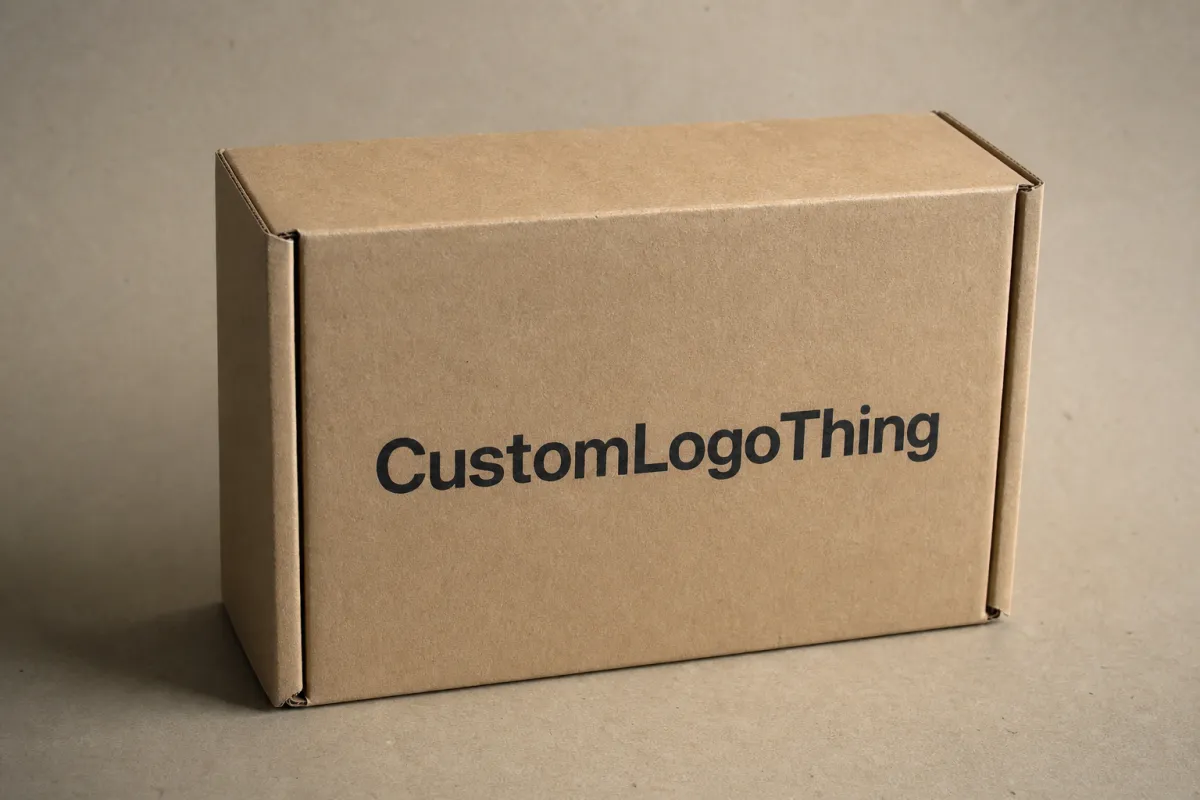
Custom auto lock cartons are built for speed. The bottom panel locks into place with one motion, which takes the carton from flat to filled-ready with very little handling. That matters on a packing line. More than people like to admit during quoting. If your team is folding hundreds or thousands of boxes a week, every extra fold, glue point, or strip of tape turns into real labor.
The math is not complicated. A standard mailer or tuck box may look cheaper on paper, but if it takes longer to assemble and invites inconsistency, the hidden cost shows up fast. A slightly higher board cost is often easier to live with than a slow packing cycle and a stack of boxes that all fold a little differently.
Custom auto lock cartons also bring repeatability. The bottom is engineered to stay square under product weight, which helps reduce crushed corners and sloppy bases. That matters for product packaging that has to arrive looking tidy, especially in ecommerce, subscription kits, and retail-ready packaging where presentation is part of the sale.
The strongest use cases usually share the same pattern: steady volume and a clean presentation requirement.
- Ecommerce products that need quick pack-out and a polished unboxing experience.
- Subscription kits where the same box size repeats every month.
- Seasonal drops that need branded packaging without a slow hand-assembly step.
- Retail packaging for shelves, counters, and display trays.
- Fulfillment operations where labor costs are high and consistency matters.
That is the business case in plain language. When labor is expensive, a better carton structure lowers your total packaging cost per order even if the printed box itself costs a little more. Buyers who only chase board price usually miss the larger number sitting in the warehouse.
Good packaging design is not about making a box look clever. It is about making the right box behave in production. Custom auto lock cartons do that by combining structure, speed, and brand surface area in one format. That is why they show up so often in Custom Printed Boxes that need to do more than just hold product.
A practical example: a skincare brand shipping 3,000 units a month can usually justify a better auto-lock structure if the box goes from flat to packed in a few seconds and protects a glass jar inside. The same logic applies to candle brands, supplement kits, and small electronics. If the package is touched many times before it reaches the customer, the structure matters. If it only looks good in a mockup, it does not.
Product Details: What Custom Auto Lock Cartons Are Built To Do
An auto-lock carton is a die-cut box with a bottom that locks itself into a rigid base when opened. The fold pattern is designed so the carton can be assembled quickly without a long chain of manual steps. That makes it a better fit than a basic tuck-end carton when speed and shape consistency matter.
The structure is more forgiving under load than many buyers expect. A well-made auto-lock bottom spreads weight across the base, which helps with small electronics, candles, supplements, skincare, and gift sets. It is not magic. Heavy or awkward products still need proper board selection and a sound dieline. What you get is a stronger starting point than a flimsy fold-in bottom.
For many brands, the appeal is simple: the box looks clean, premium, and efficient. It supports package branding without forcing a complicated setup. The visible panels give you room for color, instructions, ingredients, compliance copy, and a crisp logo. If the unboxing moment matters, that surface area pulls real weight.
Common construction choices include:
- SBS for sharp print quality and retail presentation.
- CCNB when cost control matters and the product does not need premium white fiber on every panel.
- Kraft paperboard for a natural look and a more restrained branded packaging style.
- Corrugated board for stronger protection, especially if the carton also has to survive shipping abuse.
- Specialty boards for luxury or highly specific retail packaging programs.
Print and finish choices change the feel of the box immediately. CMYK process printing works for full-color graphics and product imagery. Spot colors help when a logo has to stay exact. Matte coating usually feels quieter and more premium. Gloss makes colors pop, although that is not always the right move for a restrained brand. Foil, embossing, and inside print all raise perceived value, and they also add setup complexity and unit cost.
For brands that care about sourcing, FSC-certified board is worth discussing early. The Forest Stewardship Council has clear chain-of-custody standards, and you can review the program directly at FSC. If your packaging program needs documented material sourcing, do not leave that detail for the last round of emails.
Auto-lock cartons also work well with inserts and dividers. That helps when the product needs to sit upright, stay centered, or avoid rubbing against printed panels. A custom insert can make a modest carton feel far more premium and cut down on transit movement. For cosmetics, candles, and kits with multiple pieces, that often separates a clean arrival from a messy one.
Products that usually benefit most include:
- Skincare jars, bottles, and tube sets.
- Candles and home fragrance items.
- Supplements and wellness products.
- Small electronics and accessories.
- Gift sets and promotional packs.
If the product is shipping through parcel carriers, transit testing matters. The International Safe Transit Association publishes clear guidance and test methods for shipping simulation, and their resources are available at ISTA. That does not mean every box needs a full test suite. It does mean a buyer should stop guessing and ask what kind of rough handling the carton actually needs to survive.
There is also a difference between a box that protects a product and a box that supports a brand. The first job is structural. The second job is visual. The best cartons do both, but not every project needs the same balance. A subscription box might prioritize the unboxing feel. A parts box might prioritize stackability. A retail carton with a window may need both shelf appeal and enough edge strength to survive distribution. The spec should match the job, not a mood board.
Specifications: Sizes, Board, Print, and Structural Limits
Good sizing starts with the product, not the carton. Measure the item length, width, height, and weight first. Then decide whether the carton is carrying the product alone or supporting an inner tray, insert, pouch, or wrapped component. Skip that step and the box can end up technically correct and practically useless. That happens more often than vendors like to admit.
For quoting, the minimum useful data set is straightforward:
- Product dimensions and weight.
- Desired internal carton size or finished outside size.
- Board preference, if you already have one.
- Print coverage: no print, one-color, spot color, or full color.
- Finish preference: matte, gloss, soft-touch, foil, or none.
- Any inserts, windows, tear strips, or hang tabs.
Board choice is a tradeoff, not a moral statement. Lighter paperboard lowers cost and works well for retail display cartons that are handled gently. Thicker board or corrugated costs more, but it gives better crush resistance and stronger protection in transit. If the product is heavy, fragile, or expensive, saving a few cents on board is usually false economy.
Typical stock ranges look something like this, though the exact spec depends on the box size and the print method:
- 14pt to 18pt SBS for smaller retail cartons and cosmetics.
- 18pt to 24pt paperboard for stronger presentation and better rigidity.
- E-flute corrugated for added protection with a print-friendly profile.
- B-flute corrugated for heavier products or more demanding shipping paths.
There are limits, and pretending otherwise is how buyers end up with bulging bottoms or crushed sidewalls. Auto-lock designs are strong for what they are, but they are not a license to overload the carton. If the product is dense or top-heavy, the board and the dieline have to be engineered for the weight. Otherwise the locking tabs do not matter much because the structure fails first.
Print detail needs discipline too. Full-bleed artwork looks good only if the registration tolerance is handled properly. Barcodes need a clean, readable zone. Legal copy, ingredients, warnings, and compliance marks should never be shoved into the gutter because the designer ran out of room. In custom printed boxes, good layout beats busy layout every time.
Finishes can shift color behavior. Soft-touch film can mute contrast. Gloss can sharpen contrast but also expose fingerprints. Foil can elevate the shelf look, but it adds a separate process step and can affect turnaround. A buyer who wants clean production should ask for realistic artwork specs early instead of learning the limits after the proof is already approved.
Extra features change the spec and the tooling. Tear strips, windows with patches, hang tabs, tamper-evident features, and complex inserts all alter cut lines and setup. They also affect the final unit cost. If your package branding depends on one of those details, put it in the first request. Otherwise you are paying for another revision cycle.
One thing that gets overlooked: board availability can move lead time more than design choice does. A common white SBS stock is usually easier to source than a niche specialty board with a very specific coating. If your launch date is tight, ask what materials are available in the production window you actually have, not the window you wish you had.
Custom Auto Lock Cartons MOQ: Pricing, MOQ, and Unit Cost
Here is the part everybody wants first and should not ask first: price. Custom auto lock cartons moq pricing depends on carton size, board grade, print complexity, finish, tooling, and total quantity. That is not a dodge. It is how die-cut packaging gets made. The useful part is that the cost drivers are easy to understand once you separate setup from per-piece production.
MOQ matters because setup costs do not scale politely. Dieline prep, prepress work, make-ready, plate or print setup, and die cutting all cost money before the first carton is packed into a master case. If you order a small run, those costs are spread across fewer units, which pushes up the unit cost. A larger run gives the math more room to breathe.
For direction only, here is a practical pricing view for custom auto lock cartons. These are not quotes. They are the kind of ranges that help a buyer sanity-check a proposal instead of pretending every carton should cost the same.
| Order Size | Typical Use | Indicative Unit Cost | What Usually Drives It |
|---|---|---|---|
| 500-1,000 pcs | Launches, samples, small seasonal runs | $0.95-$2.20 each | Setup spread across fewer boxes, more labor per unit, higher proportion of prepress cost |
| 2,500-5,000 pcs | Small brands, replenishment, repeat campaigns | $0.42-$1.05 each | Better sheet utilization, lower setup burden per piece, more efficient production planning |
| 10,000+ pcs | Established SKUs, national retail, steady ecommerce demand | $0.18-$0.58 each | Lower unit setup cost, more efficient printing, better material purchasing power |
Those numbers move up or down based on a few practical variables. A small carton with one-color print and standard board is a very different job from a large carton with foil, matte lamination, and inside print. If the board is premium, the finish is complex, or the dieline needs more engineering, the quote will follow that complexity. That is normal.
Buyers can save money in sensible ways without wrecking the design:
- Simplify print coverage if the front panel carries most of the selling power.
- Keep the size as tight as the product allows.
- Use a standard board where it still protects the item properly.
- Reduce special finishes if they are decorative rather than functional.
- Order at a quantity that improves sheet utilization, not just the lowest sticker total.
There is another cost that gets ignored too often: freight. A carton quote can look fine until shipping, storage, and receiving are added. Large cartons take more space. Heavy boards cost more to move. Rush freight can blow up a healthy unit cost in one line item. That is why landed cost matters more than box price alone.
For some programs, a slightly higher box price is still the right call. If the carton folds faster, packs better, and reduces damage or repacking, the total cost per order can still come out lower. That is especially true in high-volume fulfillment where every second on the line gets multiplied by thousands of orders.
One more thing: a clean quote depends on accurate inputs. If the finished size is vague, the print coverage is not specified, or the finish is still undecided, the price will move later. Buyers who send exact dimensions, clear artwork expectations, and the target MOQ usually get better numbers and fewer change orders. Amazing how that works.
What changes the quote most
Size is usually the biggest driver because larger cartons consume more board and more press area. Print complexity comes next. Full-coverage art with multiple spot colors, varnish, or foil costs more than a clean one-color layout. Board choice matters as well, especially when the carton needs to support weight or survive shipping abuse.
Tooling and die-line changes also affect the cost structure. A new shape or a major structural adjustment means extra setup. If the carton is a repeat of an existing size, the pricing is easier to control. If it is a new design with inserts and windows, expect the quote to reflect that work.
Use case matters too. A retail box with shelf appeal and a shipping-safe carton are not always the same thing. If the same package has to do both jobs, the spec usually gets more expensive because the structure has to solve more problems at once.
Quantity breaks can be helpful, but only if the warehouse can handle the inventory. Ordering 20% more cartons to save 8% per unit is not automatically smart. If those boxes sit for a year, the carrying cost eats the gain. The right MOQ is the one that fits cash flow, storage, and reorder timing. Not the one that sounds impressive in a spreadsheet.
Process, Timeline, and Lead Time for Custom Auto Lock Cartons
The production path is usually simple, but it only stays simple if the buyer keeps the inputs clean. The typical flow goes like this: inquiry, quote, dieline confirmation, artwork check, proof approval, production scheduling, then shipping. Each step can move quickly or slowly depending on how clear the spec is at the start.
If you want the fastest turnaround, send the final dimensions, target quantity, print file, board preference, and delivery address in the first message. That does not guarantee a quick schedule, but it strips out the usual back-and-forth that slows everything down. Vague requests create vague answers. Packaging does not reward mystery.
- Inquiry: Share the product size, weight, and the carton style you want.
- Quotation: Get pricing based on quantity, board, print, and finish.
- Dieline and artwork review: Confirm the structure and panel layout.
- Proof approval: Check digital proof details or request a sample if the fit is tight.
- Production: Print, die-cut, finish, and fold according to the approved spec.
- Shipping: Book freight and confirm the delivery window before dispatch.
Proofing is where money gets saved or wasted. A digital proof is fast, usually one to two business days once the artwork is clean. A physical sample or structural sample takes longer, often five to ten business days depending on the complexity. That extra time is worth it if the carton has inserts, a tight retail fit, or a bottom lock that needs to be tested before bulk production.
Lead time depends on the usual suspects: quantity, print method, finishing steps, warehouse location, and whether the order needs a new dieline. A simple run can move quickly once approved. A more complex program with foil, inserts, and custom board takes longer because every step adds handling and inspection. The box itself may be easy. The coordination is what eats the calendar.
Here is a realistic lead-time view for planning:
- Digital proof: often 1-2 business days after artwork is ready.
- Physical sample: often 5-10 business days, depending on structure and finishing.
- Production after approval: often 10-18 business days for standard jobs.
- Freight transit: commonly 3-7 business days domestically, longer if the destination is remote.
Rush orders are possible in some cases, but they are not magic. Artwork fixes, structural changes, and freight scheduling usually take more time than the actual carton build. If the schedule is tight, approve the proof fast, avoid design changes midstream, and ask for the production calendar before you green-light the job.
For order planning, the simplest move is usually the smartest one. Lock the spec, lock the quantity, and lock the finish before production starts. If you need a pre-check on common questions, our FAQ page is a decent place to cut down the email loop.
One practical warning: if your team changes the carton size after the dieline is approved, expect the timeline to slip. Even a small adjustment can affect artwork, board usage, folding behavior, and carton count per master case. The fastest projects are boring in the best way. Everyone agrees on the spec and then leaves it alone.
Why Choose Us for Custom Auto Lock Cartons MOQ Orders
Low and mid-volume buyers need a packaging partner who respects the order size instead of talking down to it. That is not charity. It is good business. When a brand is testing a new SKU or scaling a fresh retail program, the box has to be right without forcing the buyer into a giant inventory bet.
Good carton support starts with honest MOQ guidance. If a design is too complex for the quantity, the quote should say so. If a simpler board or finish would save money without hurting the box, that should be on the table too. Buyers do not need sales poetry. They need the truth about unit cost, structure, and risk.
Production discipline matters more than glossy promises. Clean die-cutting, consistent folds, sharp print registration, and reliable cartons are what keep a packing line moving. One bad run can waste more money than a dozen minor design upgrades. A box that assembles inconsistently creates slowdowns, and slowdowns are expensive.
For custom printed boxes that need to support brand presentation and real-world handling, the practical details matter:
- Accurate sizing so the product does not rattle or jam.
- Board selection matched to product weight and shipping path.
- Print setup that keeps the logo and key panels clean.
- Structure that folds quickly without collapsing under load.
- Clear communication on MOQ, lead time, and freight terms.
That is the part buyers usually feel after the quote. Fewer revisions. Fewer surprises. Fewer reasons to wonder why the carton suddenly costs more than expected after proofing. The process should feel controlled, not theatrical.
We also know that brand teams care about presentation. A carton is not just a shipping shell. It is part of the retail story, part of the branded packaging, and part of how the product feels before the product is even touched. Good packaging design gives the box a job and then lets it do that job well.
If you need to compare a few packaging routes before you commit, our Custom Packaging Products page can help you sort structure, board, and finish without guessing. That is usually smarter than picking a format because it looked easy in a mockup.
There is also a trust issue here. If a supplier cannot explain the tradeoff between board strength, print complexity, and MOQ, they probably do not know where the cost is coming from. You do not want a mystery quote. You want a quote that can survive a procurement review without a lot of apologizing.
Next Steps: How to Quote and Order Without Guesswork
If you want an accurate quote, start with the right inputs. The biggest mistake buyers make is asking for price before the spec exists. That creates a vague reply and wastes time for everyone involved. Send the dimensions, weight, artwork coverage, finish, and MOQ target together. Then the discussion can be about the actual box, not a fantasy version of it.
A simple quoting checklist works well:
- Finished box size or product dimensions.
- Product weight and whether the box ships solo or with inserts.
- Board preference and any required strength level.
- Print colors, artwork coverage, and any inside print.
- Finish preference such as matte, gloss, soft-touch, or foil.
- Target quantity and backup quantity for comparison.
- Delivery address for landed-cost planning.
Compare at least two quantity scenarios. A launch run and a replenishment run often show where the unit cost drops enough to matter. Sometimes a small bump in quantity saves enough per unit to justify the extra inventory. Sometimes it does not. The math should decide, not habit.
If the product is heavy, fragile, or premium-priced, ask for a structural recommendation. The cheapest board is not automatically the smartest choice. A carton that fails in transit, distorts on the shelf, or slows pack-out is expensive in ways that never show up in the first quote line.
Samples are worth it when the fit is tight. If the box needs to cradle an insert, support a bottle neck, or close around a specific retail shelf footprint, a sample removes doubt. Yes, it adds time. It also avoids the much worse problem of discovering the finished carton is off by a few millimeters after bulk production has already started.
Before approval, make sure the spec is locked:
- Dimensions confirmed.
- Board chosen.
- Print and finish approved.
- Timeline understood.
- Freight terms checked.
That is how you keep the process clean. No drama. No surprises. Just a packaging order that makes sense on paper and behaves the same way on the line.
If you are preparing a custom auto lock cartons moq request, the most useful move is simple: send the exact product size, the target quantity, the print coverage, and the finish in one message, then compare the landed cost across two or three quantities before you approve anything. That keeps the quote honest and the carton choice grounded in how the packaging will actually be used.
FAQ
What is the MOQ for custom auto lock cartons?
MOQ depends on size, board type, print method, and whether a new dieline or tooling setup is required. Smaller launch runs are possible, but the unit price is usually higher because setup costs are spread over fewer cartons. For the most accurate answer, send the carton dimensions, artwork needs, and target quantity together.
Are custom auto lock cartons more expensive than standard tuck boxes?
They can cost a little more per unit because the structure is more complex than a basic tuck box. The labor savings often offset that difference, especially in fulfillment operations where every second matters. If assembly speed and consistency matter, the total packaging cost can be lower even when the unit price is higher.
What details do you need to quote custom auto lock cartons MOQ pricing?
You need the product dimensions, weight, carton style, print coverage, finish, and target quantity. If inserts, windows, or special features are involved, include those early so the quote does not change later. A clear freight destination also helps because shipping can move the landed cost more than buyers expect.
Can I order samples before placing a bulk order?
Yes, and for fitted packaging it is usually the smart move. A sample or proof helps confirm box size, locking behavior, print placement, and insert fit before full production. Samples add time, but they reduce the risk of a costly reprint or a box that does not close properly.
How long is the production lead time for custom auto lock cartons?
Lead time depends on quantity, print complexity, finishing, and whether the artwork is approved quickly. The fastest jobs are the ones with final specs, clean files, and no back-and-forth on structural changes. If you need a tighter timeline, ask for the production schedule before approving the order so there are no surprises.
Which products are a poor fit for auto-lock cartons?
Very heavy products, highly irregular shapes, or items that need heavy-duty shipping protection may need a different structure. Auto-lock cartons can be engineered for strength, but they are still paper-based packaging. If the product is dense, sharp, or likely to crush the base, a more protective design may be the better choice.
Do finishes like foil or soft-touch affect MOQ?
Yes. Special finishes usually increase setup complexity, which can affect both minimum order requirements and unit pricing. The carton may still be worth it for shelf impact, but the cost should be weighed against the actual sales lift rather than assumed.

