Custom Belly Bands for cosmetics brands material thickness guide sounds like a small production topic until a wrap starts curling at the corners, cracking on the score, or feeling too flimsy the moment it leaves the table. That is usually the point where people realize the band is not just decoration. In cosmetics packaging, thickness affects the first impression, the hand-feel, and how well the finished pack survives assembly, shipping, and shelf handling.
This Custom Belly Bands for Cosmetics brands material thickness guide is really about making a practical choice without guessing. The right stock needs enough body to hold its shape, enough flexibility to score cleanly, and enough compatibility with the finish and print effects the brand wants. A band can look elegant on a render and still feel underbuilt once it is wrapped around a heavier carton, especially if the carton has sharp folds or a tight closure.
Packaging buyers usually need a simple answer with a lot of moving parts behind it: what thickness makes sense for the product, the carton, the application method, and the budget. A 50 ml serum box does not need the same structure as a rigid gift set. Kraft paper behaves differently from coated SBS. A gloss promotional wrap and a soft-touch skincare band are not asking the material to do the same job. The trick is picking the stock that fits the packaging system, not the one that sounds best in a spec sheet.
That is the job of this Custom Belly Bands for cosmetics brands material thickness guide. It walks through where thickness matters, which ranges make sense for common cosmetic cartons, how finishes change performance, what drives unit cost, and how to request quotes that can actually be compared. No fluff, no fake precision, just the stuff that helps you avoid a bad first run.
Custom Belly Bands for Cosmetics Brands Material Thickness Guide: Why It Matters
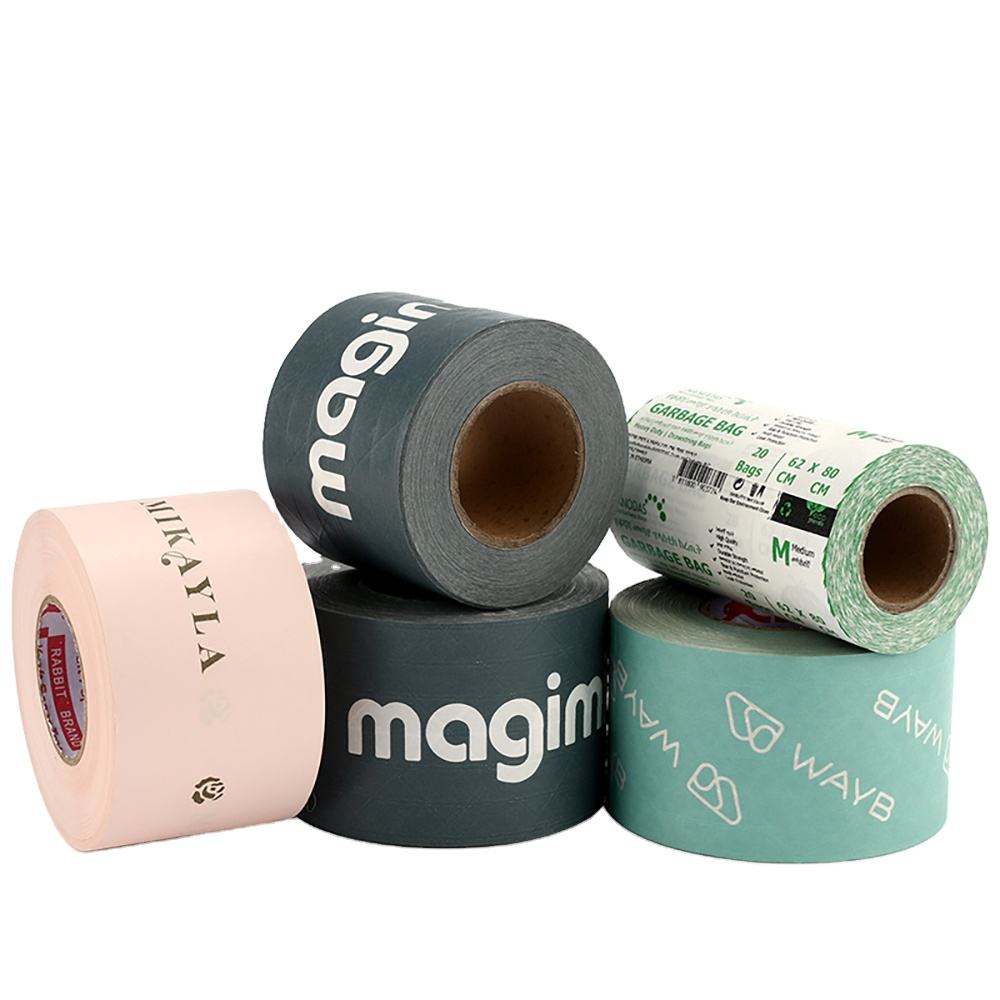
A belly band is often the first physical part of the pack that someone touches. The carton carries the structure, sure, but the band is what people slide, press, and inspect. If the band feels weak, the whole package reads as lighter and less considered, even when the box underneath is perfectly fine. I have seen good cartons get dragged down by a band that was just a touch too soft or too shiny for the product.
Thickness also affects shelf presence. A band with the right caliper sits flatter, resists edge curl, and keeps artwork aligned across the front panel and overlap. A weak band shows every miscut, every rough score, and every little bump from packing or freight. The custom belly bands for cosmetics brands material thickness guide keeps coming back to structure for a reason: the finish can help, but it cannot rescue a band that behaves badly.
Shipping makes the issue more obvious. In a sample room, almost any stock can look acceptable. In a freight carton, pressure points tell the truth quickly. Heavy jars, rigid cartons, and stacked cases expose soft stock fast. A band that looks fine during hand assembly may still bow, crease, or scuff once it sits against corrugated packaging in transit. That difference separates packaging that feels intentional from packaging that looks rushed.
Cosmetics also ask the band to do a branding job without taking over the entire design. A belly band may carry a shade name, a seasonal message, a tamper-evident note, or a small promotional panel. Too light, and the surface starts looking tired before the ink does. Too heavy, and the folds can crack or the corners can telegraph stress. So, yes, this guide is about aesthetics too, but only after the practical details are handled first.
"A band that looks premium but fails in transit is just expensive paper with confidence issues."
For skincare, makeup, and fragrance accessories, thickness should never be treated as a side note. It affects how the brand reads on the shelf, how the package survives the trip, and how much material gets wasted when the first sample run misses the mark. The smarter move is to test early instead of debating late.
Custom Belly Bands for Cosmetics Brands Material Thickness Guide: How the Wrap Actually Works
Think of a belly band as a compact wrap system. It slides around the outer carton, adds branded messaging, and can also act as a seal, promo strip, or content label. The custom belly bands for cosmetics brands material thickness guide matters here because the band has to bridge open space, stay flat over the face of the box, and hold a neat seam without fighting the carton underneath.
Thickness matters most at the fold lines and the overlap zone. Those are the points where paper memory and stiffness meet, and the fit either stays clean or starts to misbehave. A light stock waves at the seam. A heavy one may crack at the score or bow at the corners. In packaging design, that narrow seam is often where the premium impression holds together or falls apart.
Paper weight, caliper, and stiffness are related, but they are not interchangeable. A higher gsm stock is usually heavier, yet the feel in hand also depends on coating, fiber mix, surface treatment, and whether the sheet is laminated. A coated sheet can feel denser than the number suggests. Kraft can read as sturdy while still flexing more than expected. That is why the custom belly bands for cosmetics brands material thickness guide needs to look beyond a single spec line.
Artwork changes behavior too. Large solid areas, foil stamping, embossing, and spot UV all affect the way a band folds and sits. Heavy ink coverage can reduce fiber snap-back. Embossing can make a narrow wrap harder to apply cleanly. Spot UV looks sharp, but it also reveals waviness fast. If the structure is weak, the finish makes the flaw easier to see rather than prettier to ignore.
The band should be designed around the carton, not the other way around. Measure the box, calculate the overlap, and decide whether the wrap will be applied by hand or by machine. A manual line can tolerate a little more flex. An automated line usually wants tighter consistency. That is the kind of detail this custom belly bands for cosmetics brands material thickness guide is built to handle.
- Measure the box first so the band size follows the carton instead of guesswork.
- Check the overlap because too little overlap invites lifting and too much wastes stock.
- Match the finish to the stock so matte, gloss, and soft-touch coatings do not fight the fold.
- Test the band on the real carton because flat samples hide problems that production shows quickly.
Material Choices, Finishes, and Thickness Ranges for Cosmetic Bands
For most cosmetics projects, the useful starting range is pretty clear. Light sample kits often sit around 250-300 gsm or 10-12 pt. Most retail cartons feel comfortable at 300-350 gsm or 12-14 pt. Heavier or more premium sets often move to 400 gsm or 16 pt and above. That is the backbone of any custom belly bands for cosmetics brands material thickness guide that is meant to be used in real buying decisions, not just admired in a deck.
Thickness and material choice belong together. SBS gives a crisp print surface and cleaner folds. Kraft paper brings a natural, clean-beauty feel, though it usually has less visual punch than coated board. Recycled board can support a strong sustainability story, yet the surface tends to vary more from run to run. For cosmetics, the best stock is usually the one that supports the brand story without creating a production headache.
Finish changes the equation. Matte and soft-touch coatings feel calm and refined, which fits skincare, fragrance, and premium sets. Gloss can help resist scuffs and push color blocks harder. Lamination can add stiffness without moving all the way up to a heavier sheet, which helps when the band needs more body but the budget cannot absorb a major stock jump. One practical takeaway from the custom belly bands for cosmetics brands material thickness guide is that finish can help, but it does not fix a weak structure by itself.
Another nuance matters once the sheet is converted. Grain direction, score quality, and the overall size of the wrap all affect performance. A wider band on a large carton needs more body than a narrow strip on a sample box. Dense foil coverage may call for a firmer sheet. A band around a slim tube carton may need more flex so it can hug the shape without lifting at the edge. There is no universal answer, only solid ranges and real testing.
| Stock / Finish | Typical Thickness | Best Fit | What It Feels Like | Cost Impact |
|---|---|---|---|---|
| Coated SBS, matte | 250-300 gsm / 10-12 pt | Sample kits, light cartons | Clean, light, easy to wrap | Lowest base cost |
| Coated SBS, soft-touch | 300-350 gsm / 12-14 pt | Most retail cosmetics cartons | More body, more upscale hand-feel | Moderate increase |
| Kraft paper or kraft-lined board | 300-400 gsm / 12-16 pt | Natural beauty, refillable lines | Organic, less polished, more tactile | Medium, depending on print |
| Heavy board with lamination | 400 gsm+ / 16 pt+ | Rigid sets, premium gift packaging | Very stiff, more substantial | Higher material and converting cost |
For brands comparing options, the question is not "what is the thickest stock?" It is "what survives the product, the carton, and the budget?" If the packaging system needs broader support, our Custom Packaging Products page is a useful place to compare structures beyond the belly band. If you want to see how related decisions played out in real projects, the Case Studies section gives a more grounded reference point than a sample deck ever will.
When a band wraps a carton that also ships inside corrugated cardboard, the outer system matters just as much as the wrap itself. A premium band on a weak shipper still feels weak. The same goes for packaging that looks upscale but scratches in transit. If the goal is retail packaging that reads expensive from a few feet away and still arrives clean, the material needs to be chosen as part of the whole package, not as decoration added at the end.
Brands that care about fiber sourcing should ask for FSC-certified paper options where appropriate. For transit validation, look at common test methods used in distribution testing, including those published by ISTA. Those standards do not pick the stock for you, but they do help keep the real shipping environment in view.
Custom Belly Bands for Cosmetics Brands: Cost, Pricing, MOQ, and Unit Cost
Pricing is where the custom belly bands for cosmetics brands material thickness guide becomes practical very quickly. Thicker stock usually raises material cost a little, but the larger jumps tend to come from finishing, cutting, and the total run length. Foil stamping, embossing, spot UV, custom shapes, and tight color matching can move the unit price more than a single step up in gsm. "Thicker means expensive" is too blunt to be useful.
At low quantities, setup cost dominates. Digital runs often suit launch tests, seasonal offers, and ecommerce drops because the minimum order quantity stays lower and proofing moves faster. Once volume grows, offset usually makes more sense because the per-unit cost falls as the run gets longer. That only helps if the artwork and structure stay simple enough to run efficiently. The custom belly bands for cosmetics brands material thickness guide is also a guide to avoiding expensive indecision.
Very rough unit pricing for plain belly bands often lands somewhere around $0.12-$0.40 per band at 100-500 units, $0.05-$0.22 at 1,000-2,500 units, and lower still at 5,000+ units if the design remains simple. Add specialty finishes and the range rises. Add a complex dieline and it rises again. That is not marketing language. That is production math, and it changes fast with substrate, setup, and finishing pass count.
The safest way to request quotes is to separate the variables. Ask for stock, print, finishing, tooling, sampling, and shipping as separate lines. If a vendor sends one lump number, you cannot tell whether the high price comes from the board, the setup, or the finish. For custom packaging and package branding, bundled pricing hides the real comparison and makes reorders harder later because nobody remembers what the "good" quote actually included.
- Stock thickness usually changes price modestly unless you move into specialty board.
- Finishes like soft-touch, foil, and embossing often add more than caliper changes do.
- Short runs raise unit cost because setup gets spread over fewer pieces.
- Custom shapes can add die-cut or tooling charges that matter on small orders.
- Hand assembly may reduce machine needs but increases labor cost if the run is large.
If you are comparing suppliers, ask whether the band is being quoted for hand application or machine application. That detail changes the tolerance window, the fold behavior, and sometimes the stock recommendation itself. A supplier who ignores that is not really quoting the job. They are quoting a sheet and hoping you do the rest.
Process, Timeline, and Production Steps for Ordering Belly Bands
Good ordering starts with measurements, not artwork. Measure the carton width, height, depth, and the path the band needs to cover. Confirm the overlap zone. Decide where the seam sits. Then choose a stock that can handle the fold without cracking. The custom belly bands for cosmetics brands material thickness guide works best when the spec is built around the real carton, not a clean flat sketch somebody made without seeing the product.
A practical workflow looks like this: measure the box, confirm the band size, choose the stock range, approve the dieline, review the artwork, and only then lock production. If the band also needs tamper-evident behavior or a promotional message, that should be settled before final proofing. Changing structure after proof is where timelines start slipping. The custom belly bands for cosmetics brands material thickness guide saves time only when the team follows it.
- Measure the carton and note any curved corners, inserts, or raised details.
- Decide the overlap so the seam stays secure without wasting material.
- Pick the stock range based on weight, finish, and how the band will be applied.
- Approve the dieline before color correction or special effects move too far ahead.
- Check a physical sample on the actual box, not just on a flat sheet.
Timing is usually more predictable than people expect, as long as the spec is clean. Samples often take 3-5 business days. Production can run 7-14 business days once the proof is approved. Freight can add another 3-7 business days depending on route and method. Heavy finishing or custom die-cut shapes stretch the schedule. The paper itself is rarely the problem. The extra steps are.
For brands shipping across multiple channels, transit testing matters as much as print approval. If the retail pack is going into e-commerce mailers, ask whether the band can survive vibration, compression, and rub. That is where standards matter. The methods used by ISTA are useful because they keep the package tied to reality instead of the render.
There is a simple rule for faster jobs: keep the structure standard, use a stocked board, and skip extra finishing passes. If the launch is tight, do not add six special effects and then act surprised when the schedule slips. The cleaner the spec, the more likely the band arrives on time and on budget. That is packaging reality, not optimism.
Common Mistakes When Choosing Belly Band Thickness
The biggest mistake is choosing thickness because the word premium sounds better than the carton itself. That is not a specification. That is wishful thinking. In the custom belly bands for cosmetics brands material thickness guide, the stock has to earn its place by fitting the product, scoring cleanly, and surviving the shipping path. A thick band on a tiny carton can look clumsy. A thin band on a rigid set can look weak. Neither helps the launch.
Fold cracking is another common problem. Too-thick stock can split at narrow scores, especially on small cosmetic boxes with tight panel geometry. This shows up quickly on slim serum cartons, lip product sets, and compact gift boxes. The print may be perfect, yet the line where the band bends turns white or fractures. That is a structure failure, not a design failure. The custom belly bands for cosmetics brands material thickness guide exists to keep that kind of problem from becoming expensive.
Under-speccing is the fake economy version of the same mistake. A flimsy band may save a few cents, but it can also wrinkle, lift, or distort after the first shipping cycle. Then the brand pays again for reprints, rush freight, and possibly a delayed launch. That is the kind of math that makes a buyer stare at a quote and wonder how the "savings" turned into extra spend.
Skipping real-world tests is the last major miss. The band should be checked on the actual carton, inside the outer mailer, and under the final finish. If the brand uses gloss varnish, soft-touch, or spot UV, those versions need testing too. Surface coatings change how the band slides, bends, and scuffs. A clean PDF can behave very differently once the physical product packaging is assembled.
"If you never test the band on the real box, you are not validating packaging. You are admiring a guess."
The shipping environment matters as well. A belly band that performs on a flat table can still struggle inside corrugated cardboard, especially when stacked with heavier items. Cosmetics often travel with inserts, samples, or secondary seals, and those extras change how the band sits. The safest teams test the full pack, not just the paper strip. That habit saves money and a fair bit of stress, which is handy because launch weeks are already busy enough.
Expert Tips and Next Steps for the Right Spec
A practical starting point is 300-350 gsm or 12-14 pt. That range handles a lot of cosmetics cartons without feeling flimsy or becoming stubborn at the score line. Move up only when the product demands more stiffness or the premium finish needs a heavier hand. That advice is plain, not glamorous, and that is exactly why it works. The custom belly bands for cosmetics brands material thickness guide is meant to simplify the choice, not dress it up.
Build a one-page spec sheet before asking for quotes. Include box dimensions, overlap, target stock, finish, color requirements, application method, quantity, and whether the band is part of a broader branded packaging system. If you use refill cartons, gift sets, or seasonal custom printed boxes, note that too. Every missing line gives a supplier room to assume wrong. Suppliers are human, and they will absolutely fill in the blanks if the brief leaves them open.
Order at least two or three physical samples at different thicknesses. Test them on the shelf unit, in a mailer, and under the seal or wrap position you plan to use. If one version feels slightly softer but scores better, that may be the right tradeoff. If another feels more substantial but slows packing, that matters too. Packaging buyers make better decisions when they judge the full system instead of one flattering sample. I've seen teams save themselves a second round of revisions just by doing that one extra test.
From there, compare two quotes side by side and keep the winner as the house spec. That keeps the same decision from being re-litigated every launch. It also makes reorders easier, which is a small gift to your future self. If you want broader inspiration while locking down product packaging, review the structure options in our Custom Packaging Products area, then save the best-performing band spec for the next run. That habit saves time, money, and a few headaches.
For brands that care about sustainable sourcing, ask whether the paper carries FSC certification where appropriate. For brands that care about distribution stress, ask whether the pack has been checked against common transit tests. Those two questions are not flashy, but they keep a good launch from turning into a correction project. This custom belly bands for cosmetics brands material thickness guide should end with one clear idea: choose the band for the box you actually have, not the mood-board version of it.
FAQ
What thickness works best for custom belly bands for cosmetics brands?
Most cosmetic cartons do well with 300-350 gsm, or about 12-14 pt, because that range balances stiffness and foldability without getting stubborn on the score lines. Use 400 gsm or 16 pt+ when the band needs to feel more rigid on premium or heavy glass-packaged products. Even then, test the final stock on the actual carton before ordering a full run. The custom belly bands for cosmetics brands material thickness guide only helps when it meets the real box, not the mockup.
Should custom belly bands for cosmetics brands use paper or coated board?
Paperboard is usually the better choice when you need a crisp print surface and more predictable structure. Kraft paper works well for natural or clean beauty branding, but it usually looks less polished than coated SBS. Soft-touch or matte coatings can raise the perceived quality, though they also affect stiffness and cost, so do not treat them like free upgrades. If the brand is aiming for modern retail packaging, coated board is often the safer all-around choice.
How do custom belly bands for cosmetics brands affect price and MOQ?
Thicker stock and specialty finishes raise unit cost, but print coverage and setup often matter more than thickness alone. Lower MOQs are usually available with digital production, while offset becomes more efficient at higher quantities. Ask suppliers to break out material, finishing, tooling, sampling, and shipping so you can see where the money is going. That is the cleanest way to compare quotes without getting fooled by a low number that hides expensive extras. The custom belly bands for cosmetics brands material thickness guide helps you spot those tradeoffs early.
Can a belly band for cosmetics be too thick?
Yes. If the band is too stiff for the carton, it can crack on folds or buckle around corners. Oversized thickness can also hide artwork detail or make the wrap harder to apply by hand. Small cartons and narrow panels usually need lighter stock than rigid gift sets, and that tradeoff gets missed more often than it should. A band should feel intentional, not forced. That is why this custom belly bands for cosmetics brands material thickness guide keeps pushing testing over assumptions.
What should I send for an accurate custom belly bands for cosmetics brands quote?
Send the box dimensions, finished band size, overlap requirement, and whether the band will be hand-applied or machine-applied. Include your target quantity, finish preference, and any special effects like foil, embossing, or spot UV. If possible, share a physical sample or dieline so the supplier can confirm the right stock thickness. The more complete the brief, the less room there is for pricing games. Use this custom belly bands for cosmetics brands material thickness guide as your internal buying rule, then keep the stock that performs best on the real carton.

