On a candle shelf, the belly band is usually the first thing the eye notices, long before a shopper has time to read scent notes or compare wax blends. That makes a Custom Belly Bands for candle brands Print Finish Comparison more important than it sounds. The finish can make a jar feel handmade, polished, giftable, earthy, or upscale in a matter of seconds, and that first impression often decides whether the candle gets picked up or passed over.
In practice, a belly band has three jobs at once. It carries brand identity, frames product information, and acts like a small but very visible piece of retail packaging that still has to read clearly from a distance. Two candles can use the same jar, same wax, and same fragrance, yet the one with better contrast and a cleaner finish will usually get the first look. That is not marketing fluff. That is just how shelves behave.
For Custom Logo Things, the best way to think about a Custom Belly Bands for candle brands print finish comparison is through five questions: how does it look, how does it read, how does it hold up, what does it cost, and does it fit the production setup? Those five points decide whether the band quietly supports the sale or gets in the way with glare, muddy type, or a price point that belongs in a different product tier. If your candle line also uses Custom Packaging Products elsewhere in the range, the same logic still applies. Finish changes perception fast.
Custom belly bands for candle brands: why finish changes the sale
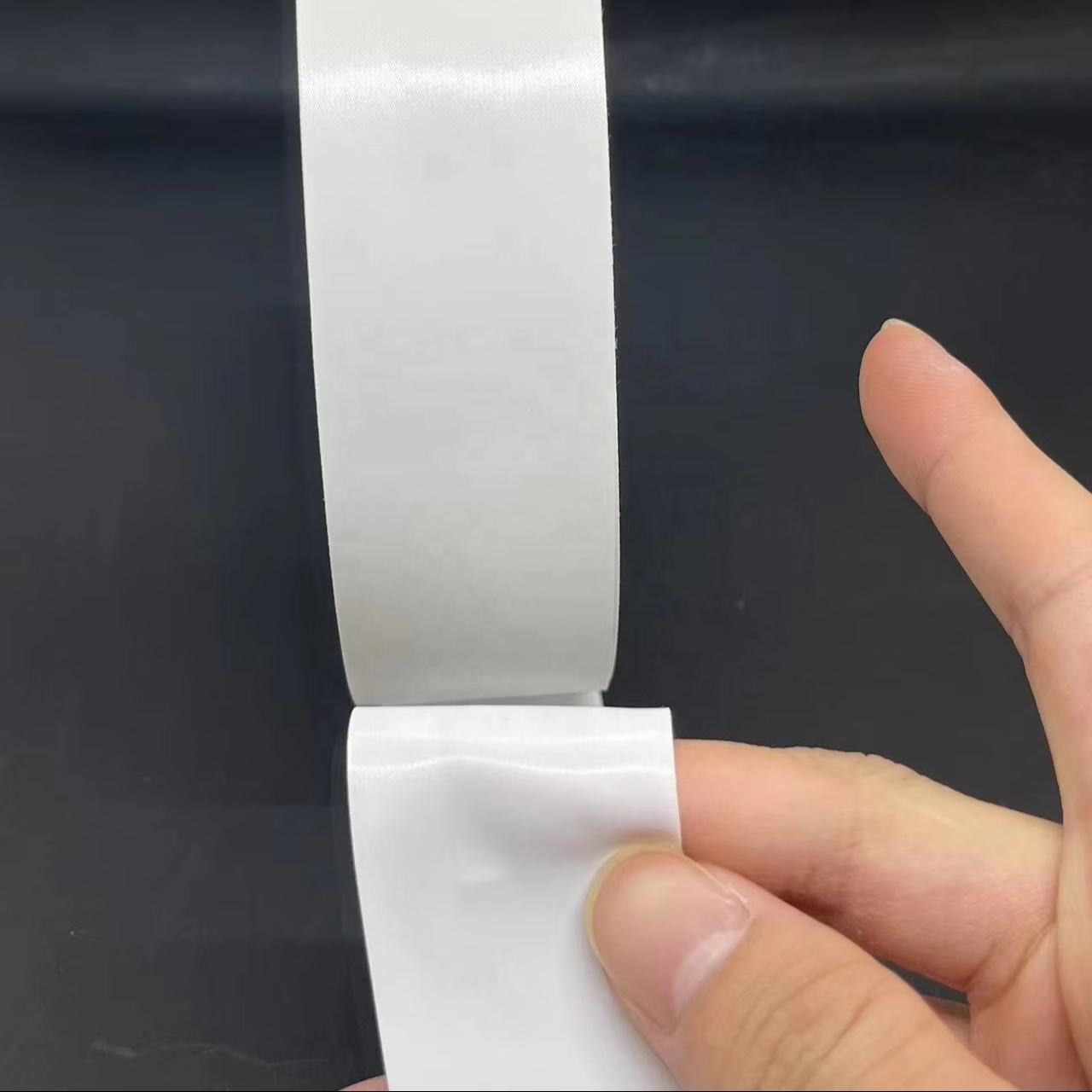
A candle belly band is small, which is exactly why finish matters so much. There is not much surface area to work with, so every visual choice carries more weight than it would on a larger carton. In a Custom Belly Bands for candle brands print finish comparison, matte can feel calm and clean, gloss can feel bright and energetic, and soft-touch can feel like a premium gift item even before someone lifts the lid. That narrow strip of paper is often the first cue a shopper sees, so it has to do its job quickly.
Finish also changes the emotional read of the candle. A natural kraft-style band suggests handmade and understated. A bright white band with crisp typography signals order and modernity. A foil accent can push the product toward gifting, seasonal retail, or a more polished boutique look. None of that changes the wax formula or burn time, yet it changes expectation in a very real way. That is the odd truth about custom belly bands for candle brands print finish comparison: it is really a positioning decision wearing the clothes of print selection.
Many brands miss one useful advantage. Finish can raise perceived value without changing the jar itself. That matters because container upgrades get expensive quickly, while a smarter wrap is often a far less costly path to a more upscale impression. If a 9 oz candle sells at $22, a stronger-looking band may be the difference between “nice handmade item” and “this feels gift-ready.” Same candle. Different finish. Different story.
Practical rule: if the band looks polished from three feet away and still reads clearly in a phone photo, it is probably doing its job.
That is why a custom belly bands for candle brands print finish comparison should never start with “what looks cool on the mockup.” It should start with the message the candle needs to send on shelf, in a gift basket, or in a subscription box. That is packaging design, not decoration.
How custom belly bands for candle brands work on jars and boxes
Structurally, a belly band is a printed strip that wraps around the candle jar, sleeve, or outer carton and closes with adhesive, tuck, or wrap tension. Simple idea. Slightly fussy execution. A custom belly bands for candle brands print finish comparison only makes sense if the band actually fits the product, because a beautiful finish on the wrong size strip turns into a seam problem, a crooked logo, or a warning label that disappears where nobody can read it.
Most candle bands are sized from the actual circumference of the jar, not from a guess based on what “looks about right.” Add overlap allowance, usually 8-15 mm depending on the closure method, and leave a no-critical-text seam zone so the wrap does not cut through a logo or scent name. For smaller jars, band widths around 25-35 mm are common. For larger jars or gift sets, 40-60 mm is normal. A few careful measurements save a lot of rework later.
Material choice changes how the finish behaves. Coated stock gives sharper print detail and stronger color. Uncoated or textured stock gives a softer, more artisanal feel, but it can mute fine lines and tiny legal copy. If the line uses FSC-certified paper, that can support the brand story without making the design feel preachy. The FSC has useful material reference points at FSC, and broader packaging sourcing and design context is available through Packaging.org.
Application matters as much as material. Small runs are often hand-applied, which works well when the band is forgiving and the seam area is easy to align. Larger runs usually benefit from a jig, guide, or semi-automated wrap station so the band lands in the same position every time. That matters for branded packaging with repeat SKUs, because a 2 mm drift looks minor on a desk and obvious on a shelf.
If the candle is sold inside a carton, the same finish logic applies to custom printed boxes. A soft-touch sleeve around a kraft carton can feel luxurious without introducing a new container. A gloss band around a plain box can give the whole line more retail packaging presence without changing the core pack structure. That is why a custom belly bands for candle brands print finish comparison has to include the full product packaging system, not just the strip itself.
- Fit: measure the jar circumference directly and test wrap tension before ordering the full run.
- Readability: keep essential copy away from the seam and fold lines.
- Compliance: leave room for warning text, ingredients, or barcode placement where needed.
- Workflow: match the band design to the way your team or co-packer will apply it.
Custom belly bands for candle brands print finish comparison
This is the part that saves money. A custom belly bands for candle brands print finish comparison should lay out the tradeoffs plainly, because every finish changes shelf appearance, touch feel, print clarity, and cost. There is no universal winner. Matte can look smarter than gloss on one candle and flatter than expected on another. Soft-touch can feel expensive, but if the brand is rustic and handmade, it may read as a mismatch. Texture can feel honest and earth-friendly, but tiny type gets fuzzy faster than people expect.
Matte finish is usually the safest modern choice. It cuts glare, gives type a calm look, and works well for natural fragrance lines, minimal branding, and clean lifestyle candles. In a custom belly bands for candle brands print finish comparison, matte tends to support premium without shouting about it. The downside is that matte can soften very dark artwork a little, especially if the design relies on deep blacks, rich blues, or very fine contrast. That is not a deal breaker. It just means the proof matters more than the mockup.
Gloss finish does the opposite. It pushes color, lifts contrast, and can make small candle jars look more vibrant from across the aisle. For a seasonal line, a bright gloss band can be a smart retail move because it catches light and makes color blocks look sharper. The tradeoff is glare. Under strong lighting, gloss can bounce enough reflections to hide fine copy, and fingerprints show more easily. In a custom belly bands for candle brands print finish comparison, gloss is the louder option. That can be a feature, or a mistake dressed up as excitement.
Soft-touch or velvet lamination is where many premium candle brands go when they want the unboxing moment to feel elevated. It has a smooth, almost suede-like hand feel and usually reads as upscale the moment someone touches it. It also costs more, often much more than matte. If the line is meant to feel luxurious, gift-ready, or spa-like, that extra spend can make sense. If the product margin is thin, soft-touch can eat budget quickly. A custom belly bands for candle brands print finish comparison should always place soft-touch beside the actual retail price, not just beside “looking nice.”
Uncoated or textured stock leans earthy, artisan, and believable for a handmade brand. It often pairs well with kraft cartons, neutral inks, and less polished package branding. The surface absorbs ink a little more, so fine type and rich solids may lose crispness, but that can be part of the look if the brand wants a rawer, less manufactured feel. This is also where digital printing can help smaller runs and versioned labels, while offset printing usually wins for larger volumes that need tighter color consistency. In a custom belly bands for candle brands print finish comparison, texture is the least glossy answer and often the most grounded one.
Foil, emboss, and spot UV are not full replacements for a base finish. They are accents. Foil can highlight a logo or scent mark, emboss can create tactile emphasis, and spot UV can make selected areas catch light without covering the whole band in shine. Used carefully, they add hierarchy. Used everywhere, they become visual noise. That is the difference between selective polish and packaging that tries too hard.
Brand position should steer the choice. If the candle line is clean and luxury-minded, matte or soft-touch will usually carry the message. If it is bold, colorful, and scent-first, gloss may do more shelf work. If it is rustic, craft-led, or eco-conscious, textured or uncoated stock can feel more believable. A custom belly bands for candle brands print finish comparison is really a brand strategy filter, and that is why the “best” finish changes by line rather than by trend.
| Finish | Look and feel | Typical cost impact | Best fit | Main tradeoff |
|---|---|---|---|---|
| Matte coated | Clean, controlled, low glare | $0.06-$0.14 per band at 5,000 units | Modern, natural, premium-light branding | Deep blacks can soften slightly |
| Gloss coated | Bright, reflective, high color pop | $0.07-$0.15 per band at 5,000 units | Bold shelf presence, seasonal lines | Glare and fingerprints are more visible |
| Soft-touch laminate | Velvety, premium, tactile | $0.14-$0.32 per band at 5,000 units | Luxury gifting, spa, boutique retail | Higher cost and more finish lead time |
| Textured or uncoated stock | Natural, earthy, handmade | $0.08-$0.18 per band at 5,000 units | Eco, craft, small-batch branding | Fine type and solids lose sharpness |
| Foil accent add-on | Metallic highlight on logo or mark | $0.20-$0.45 per band extra | Premium cues, gift sets, special editions | Needs clean art and enough white space |
The table above is the practical side of the custom belly bands for candle brands print finish comparison. Matte and gloss can stay affordable at scale. Soft-touch and foil usually cost more because they add process steps, machine time, or extra material. If the candle retails at $16, a finish upgrade that adds $0.22 per unit may be fine. If the line sells at $9.50, that same upgrade can hurt margin quickly. Math beats optimism every time.
I have seen brands fall in love with a finish, approve it, and then realize later that the feel they wanted pushed the price out of the range the product could comfortably support. That is the part people kinda forget when they are only looking at samples on a desk. The finish is not just a design choice; it is a unit economics choice too.
Cost, MOQ, and quote factors for custom belly bands
Pricing for a custom belly bands for candle brands print finish comparison depends on five main drivers: material, print method, finish complexity, size, and whether the band needs extra die cutting or shaping. The same artwork can come back with very different pricing depending on whether the supplier is printing digitally at short run quantities or using offset printing at larger volume. That is not the supplier being vague. That is how production economics work.
Minimum order quantity matters because setup cost has to land somewhere. A 2,000-piece run usually costs more per piece than a 10,000-piece run, even if the design stays identical, because machine setup, finishing setup, and waste are spread across fewer units. In a custom belly bands for candle brands print finish comparison, the cheaper-looking option on paper is not always the cheaper real option if it requires reprints, samples, or extra labor to apply.
Quotes often move for a few predictable reasons. Specialty coatings, foil stamping, thicker stock, white ink on dark stock, and tight color matching can all push the price upward. If the artwork uses full coverage on both sides, expect more ink use and more color control time. If the seam lands in a tricky place, the supplier may need a larger sheet size or more waste allowance. That is why one quote can come back at $280 and another at $460 for what looks like the same project.
There are hidden costs too, and that is where brands sometimes trip over their own packaging budget. Sample rounds cost money. Shipping costs money. If the band is hard to apply, labor costs money. If your team needs a second proof because the scent name sits too close to the seam, that costs time, which usually means more money. A smart custom belly bands for candle brands print finish comparison includes all of that, not just the unit price.
One useful way to compare options is against retail margin. If a matte band adds $0.08 per candle and soft-touch adds $0.24, the decision is not just visual. It is about how much higher the retail price can realistically go and whether the packaging change supports that move. If the candle is part of a premium gift set, a richer finish often pays for itself. If it is a high-volume everyday scent, cleaner and simpler usually wins.
For more context on broader packaging selection and line planning, the examples on Case Studies are useful because they show how finish, structure, and pricing interact across different product packaging setups. A custom belly bands for candle brands print finish comparison gets easier once you can see the pattern on real projects instead of only in a quote sheet.
Production steps and lead time for custom belly bands
The production path for a custom belly bands for candle brands print finish comparison usually starts with artwork prep, not pressing the print button and hoping for the best. First comes file check: bleed, safe area, seam placement, resolution, and font handling. Then size confirmation. Then color review. Only after that does the job move toward press or digital output. Skipping those steps is how candle bands end up with a logo in the fold or a warning line chopped by a closure seam.
Proofing is where most avoidable mistakes get caught. A decent proof should show the exact wrap length, the overlap allowance, the finish callout, and where the critical copy sits relative to the seam. If the design includes special finishes, ask for finish approval separately. In a custom belly bands for candle brands print finish comparison, the proof is not just about the artwork. It is about whether the finished surface supports the artwork.
Typical lead time varies by process. Simple digital printing runs can move in about 5-10 business days after approval, while offset printing jobs often take 10-15 business days or more depending on the finish and quantity. Add foil, embossing, or heavy lamination and the schedule stretches. Add a busy season, and the timeline stretches again. That is not a crisis. It is just the calendar refusing to care about your launch date.
Delivery and transit details deserve attention too. If the bands are traveling long distances or moving through rough shipping conditions, ask about packaging test standards such as those discussed by the ISTA. For more sustainable sourcing, paper selections can also be reviewed against FSC documentation and chain-of-custody claims. A custom belly bands for candle brands print finish comparison should not ignore the journey from press to warehouse to shelf, because a finish that scuffs in transit is not a premium finish for long.
Lead time risk usually comes from the same four places: artwork revisions, missing bleed, last-minute size changes, and finish changes after approval. Those are boring problems. They also cause most schedule slips. If the jar is already locked, the wick is set, and the scent line is going to print next week, leave room for one round of proofing at minimum. A custom belly bands for candle brands print finish comparison that gets approved late is just a fancy way to buy stress.
Step-by-step guide to choosing custom belly bands for candle brands print finish comparison
The cleanest way to choose a finish is to start with the product, not the mood board. Define jar size, fragrance line, price point, and whether the candle is headed for retail, gifting, wholesale, or subscriptions. A custom belly bands for candle brands print finish comparison gets useful very quickly when the brand knows whether it needs shelf pop, luxury cues, or eco credibility. Different sales channels reward different finishes. That is just retail packaging reality.
Next, match finish to brand story. Matte usually fits calm, modern, and minimalist candles. Gloss suits bold color and high contrast. Soft-touch fits premium, tactile, gift-ready lines. Textured stock fits handmade or nature-led brands. If the candle line also needs matching outer cartons, the same logic carries into Custom Packaging Products because package branding has to feel consistent across the full set, not just on one sleeve. A custom belly bands for candle brands print finish comparison should make the line feel intentional, not patched together.
Then request samples or finish swatches. Do not judge them under one light source and call it done. Test under store lighting, daylight, and phone flash, because that is where the real flaws show up. Gloss can flare. Matte can dull. Soft-touch can show fingerprints less, which helps, but it can also make some colors look flatter if the artwork is too dark. In a custom belly bands for candle brands print finish comparison, the proof tells part of the story. The sample in hand tells the rest.
Check typography and legal copy next. Small scent notes, warning text, and batch information need strong contrast and enough breathing room. Dark backgrounds look beautiful until the copy turns muddy. Fine serif type can disappear on textured stock. Barcode placement matters too if the candle is sold through retail partners who scan at the shelf or in the back room. A custom belly bands for candle brands print finish comparison is not only about style; it is also about whether the band can carry real product information without becoming cluttered.
Compare at least two versions before you place the order: one safe, one slightly bolder. Safe gives you a baseline. Bolder shows how far the brand can push without losing legibility. That little comparison is often more useful than ten subjective opinions from people who are not paying for the run. If your team needs examples of how finish choices look on actual packaging, the Case Studies page is a better teacher than a generic mood board. A custom belly bands for candle brands print finish comparison works best when the decision is grounded in real shelf behavior.
- Lock the specs: confirm jar measurements, band width, overlap, and closure style before quoting.
- Shortlist two finishes: keep one conservative option and one more premium option.
- Request samples: review them under multiple lighting conditions and on the actual jar.
- Check print behavior: make sure type, warnings, and brand marks stay crisp.
- Approve with margin in mind: choose the finish that fits retail pricing, not just taste.
Common mistakes, expert tips, and next steps for custom belly bands for candle brands
The most common mistake in a custom belly bands for candle brands print finish comparison is choosing a finish that looks beautiful in a digital mockup and frustrating in the real hand. Mockups do not show glare well. They do not show texture loss. They do not show how a dark typeface softens on a coated surface or how foil can become too dominant if the rest of the design is already busy.
Second mistake: ignoring seam placement. I still see brands put the scent name, logo, or a key visual right where the overlap lands. That is a waste of good artwork. A seam should feel invisible or intentional. If it cuts through a design element, the band starts looking like a production compromise instead of a considered piece of branded packaging. In a custom belly bands for candle brands print finish comparison, seam planning is not a technical footnote. It is part of the visual system.
Third mistake: overbuying a premium finish for a low-margin line. Soft-touch sounds nice until you are staring at the numbers and realizing the finish added more cost than the candle can comfortably absorb. That is how a $14 product ends up priced like a $19 product with no meaningful retail support. If a finish cannot be defended by margin, display strategy, or gift appeal, it is probably the wrong finish. A custom belly bands for candle brands print finish comparison should protect profit, not just mood.
Expert tip: use contrast with restraint. Matte body with selective gloss. Soft-touch with a foil-marked logo. Textured stock with a clean black band line. Those combinations can make a small candle feel far more considered than a fully shiny, all-over treatment. Good package branding usually has restraint built into it. Loud is easy. Disciplined is what sells.
Expert tip number two: choose the finish with the final channel in mind. A direct-to-consumer candle can get away with more subtlety because the shopper usually sees a better photo and more context. A retail candle has less time to persuade. It needs to read from distance, under store lighting, and in a crowded display. That means the same custom belly bands for candle brands print finish comparison can lead to different choices depending on whether the candle is sold online, in boutiques, or in a chain store.
Before you place the order, build a quick action list and follow it in order. Final size. Finish shortlist. Sample request. Quote comparison. Press-ready artwork. That is it. Short. Unromantic. Effective. Brands that move through those steps cleanly usually get a better result than brands that keep reworking the design while production waits. If you need a wider format beyond belly bands, the Custom Packaging Products page is the fastest place to see related options, from sleeves to custom printed boxes. A custom belly bands for candle brands print finish comparison is only useful if it leads to an order that ships on time and supports the sale.
Bottom line: pick the finish that matches the candle, the channel, and the margin. Matte keeps things controlled, gloss pushes visibility, soft-touch raises perceived value, and textured stock adds authenticity. If you test the real sample, respect the seam, and keep margin in view, a custom belly bands for candle brands print finish comparison becomes a practical buying tool instead of a guess dressed up as branding.
Which print finish works best for custom belly bands for candle brands with a luxury look?
Soft-touch or matte finishes usually read as premium because they reduce glare and feel more refined in hand. Foil accents can raise perceived value fast if the design has enough white space to breathe. Avoid covering every surface in shine; luxury usually looks controlled, not loud.
Are gloss finishes bad for custom belly bands for candle brands?
No. Gloss can work very well when the brand wants bold color, high contrast, or strong shelf pop. The tradeoff is glare and fingerprints, especially on darker designs or under bright retail lighting. Use gloss when visibility matters more than a subtle artisan feel.
How do I choose between matte and uncoated belly band stock for candles?
Matte is cleaner and more controlled, while uncoated stock feels more natural and handmade. If the brand sells clean, modern fragrance, matte usually wins. If the brand leans eco, rustic, or craft, uncoated paper can feel more believable.
What affects the cost of custom belly bands for candle brands the most?
Quantity, finish type, and material thickness usually have the biggest impact on price. Special processes like foil, embossing, or spot UV raise cost and production time. Size changes can also increase waste and setup complexity, which pushes the quote up.
How long does production usually take for custom candle belly bands?
Simple runs are faster, while specialty finishes and multiple proof rounds add time. Artwork approval, color matching, and finishing choices are the usual delay points. If the order is tied to a launch date, lock specs early and ask for lead time before finalizing packaging.
Pick the finish that fits the candle, the sales channel, and the margin. That is the real takeaway, and it is why a custom belly bands for candle brands print finish comparison is one of the most useful decisions in candle packaging: it changes how the product feels, how it sells, and how much the brand can actually afford to repeat at scale.

