Buyer Fit Snapshot
| Best fit | Custom Biodegradable Boxes Wholesale projects where brand print, material claims, artwork control, MOQ, and repeat-order consistency need to be specified before quoting. |
|---|---|
| Quote inputs | Share finished size, material target, print colors, finish, packing count, annual reorder estimate, ship-to region, and any compliance wording. |
| Proofing check | Approve dieline scale, logo placement, barcode or warning zones, color tolerance, closure strength, and carton packing before bulk production. |
| Main risk | Vague material claims, crowded artwork, missing packing details, or unclear freight terms can make a low unit price expensive after revisions. |
Fast answer: Custom Biodegradable Boxes Wholesale: Pricing & Specs should be specified like a repeatable production item. The safest quote records material, print method, finish, artwork proof, packing count, and reorder notes in one written spec.
Production checks before approval
Compare the actual filled-product size with the drawing, then confirm tolerance on folds, seals, hang holes, label areas, and retail display edges. Reserve space for logos, QR codes, warning copy, and material claims before decorative graphics fill the panel.
Quote comparison points
Review material grade, print process, finish, sampling route, tooling charges, carton quantity, and freight assumptions side by side. A quote is only useful when the supplier can repeat the same color, closure quality, and packing count on the next order.
Custom Biodegradable Boxes Wholesale: Pricing & Specs is a buying decision, not a slogan to drop into a deck and hope the numbers work themselves out. The wrong board, coating, or closure can turn a sustainability-first packaging plan into crushed corners, higher freight spend, and a box that does not really support the claim printed on its face. A custom biodegradable boxes wholesale program needs the same scrutiny you would give any critical packaging line: structure, print, and logistics all have to hold up together.
Packaging for a growing brand carries two jobs at once. It has to protect the product in transit, and it has to sell the product before the customer even lifts the lid. Custom biodegradable boxes wholesale can handle both jobs when the specs are chosen with care. A lighter carton can reduce shipping waste, but only if it survives stacking, compression, and parcel handling. A box that looks compostable can still miss the recovery goal if the coating, adhesive, or laminate blocks the path the buyer expects. That part gets glossed over way too often.
Wholesale buying changes the math in a useful way. The per-unit cost drops when the order size is right, branding stays consistent across SKUs, and reorders become less of a scramble. Procurement also gets a cleaner story to share with sales, operations, and retail partners. Brands comparing Custom Packaging Products or reviewing Wholesale Programs usually arrive at the same practical question: which package protects the product, supports brand presentation, and stays within cost limits without cutting corners that show up later?
The best programs begin with facts instead of broad claims. They use the right board grade, the right finish, and the right closure method for the route the package will travel. They also keep the environmental language honest. Biodegradable, recyclable, compostable, and recycled content all describe different things, and those differences matter in real purchasing. Buyers who understand the distinction usually spend less over time because they avoid the trial-and-error cycle that leads to redesigns, reprints, and repeat sampling.
Why Custom Biodegradable Boxes Wholesale Wins on Shelf and Freight
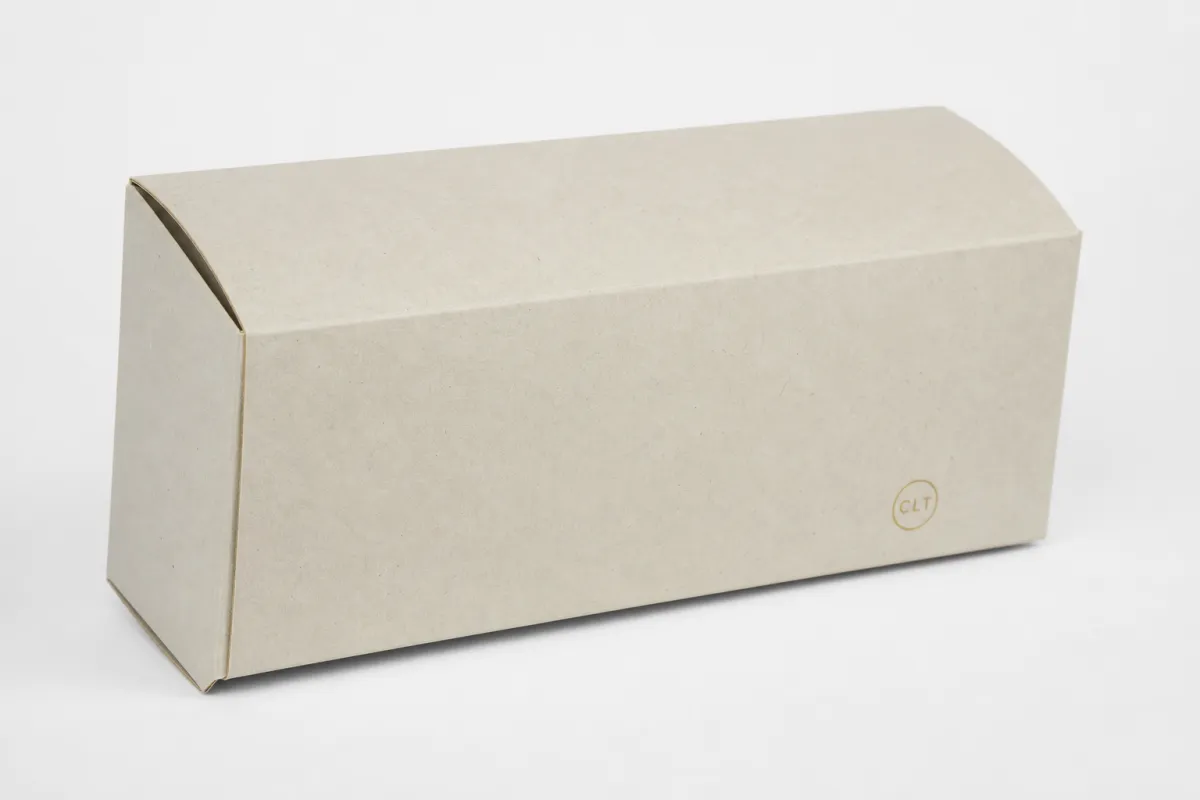
Custom biodegradable boxes wholesale earns attention because the value shows up in two directions at once. On the shelf, it supports packaging that feels deliberate rather than generic. In freight, it can trim dead weight, reduce void fill, and lower the chance of damage claims. That combination matters more than a polished sustainability line on the top panel, because packaging has to perform after the carton leaves the design table.
Material claims are only the beginning. Structure, print coverage, closure design, and finish often decide whether a package survives its route. A heavy flood coat can give the carton a premium surface, but it can also increase cost and make recovery harder. A thin board may keep the quote low, then create expenses through breakage, returns, and replacements. Custom biodegradable boxes wholesale works best when visual ambition stays tied to the real conditions of storage and shipping.
Wholesale buying also makes the operation cleaner. Larger runs spread setup costs, dieline prep, and print plate charges across more units. That usually lowers the unit price and gives the brand room to standardize dimensions across product lines. Reorders get simpler too. Instead of revisiting packaging design every few weeks, the team can keep a stable spec and focus on launch timing, inventory planning, and retail packaging execution.
Credibility matters here as much as cost. Shoppers and retailers have grown more cautious about vague green claims. A carton that says "eco-friendly" without any detail behind it can feel thin very quickly. Custom biodegradable boxes wholesale builds trust when the supplier can speak plainly about material makeup, inks, adhesives, and test data. Buyers do not need polished filler. They need packaging that protects, presents, and matches what the carton claims to be.
A box that costs a little less but raises damage rates is not a saving. It is delayed expense.
The strongest programs judge the entire package lifecycle, not just the substrate. A 350 gsm kraft carton printed with water-based ink can deliver better overall performance than a glossy box loaded with coating and extra waste. A custom biodegradable boxes wholesale order should be measured by total landed cost, product safety, and brand fit, not by a single line on the first quote sheet.
Over the years, I have opened enough prototype mailers and crushed enough test cartons to know that a package can look fine on a screen and still fail in the hand. The board might flex more than expected, or the tuck flap might pop open after a short drop. That is why the first sample matters so much. It tells the truth before the full run does.
Custom Biodegradable Boxes Wholesale Product Details
Custom biodegradable boxes wholesale covers a wide range of formats, and that flexibility is part of what makes it useful across so many product categories. The line can include tuck-end cartons, mailer boxes, sleeve packs, display cartons, rigid-style setup boxes, and Corrugated Shipping Cartons. Each format changes how the product moves, how it feels in hand, and how much material is needed to keep it protected.
Cosmetics, candles, supplements, and wellness items often work well in a folding carton or sleeve when the inner container is already sturdy. Apparel and subscription kits usually need a stronger mailer because the box has to survive the full route to the customer. Food-safe secondary packaging asks for even more care, since the box may touch wrapped product or sit in a humid retail environment. Custom biodegradable boxes wholesale is not one single specification; it is a packaging platform with several practical uses.
Print choices matter just as much as structure. Buyers can usually choose one-color or full-color printing, inside print, logo placement across multiple panels, and QR codes for instructions or brand storytelling. That is where Custom Printed Boxes become part of the product experience instead of acting as a simple transport shell. A clean message inside the lid can make a subscription box feel intentional. A well-placed icon can help customers understand disposal or reuse without digging for instructions.
Surface finish changes the feel of the package and the cost of the job. Some brands want a natural kraft look with a dry, low-gloss surface. Others prefer aqueous coating for scuff resistance. Spot UV, foil, and heavy lamination can add visual impact, but each option should be checked against the environmental goal. Custom biodegradable boxes wholesale works best when the finish supports the recovery path rather than complicating it. In practice, less coating often gives the cleaner materials story.
Before placing a large order, ask for full disclosure on substrate, adhesive, and ink systems. If the box is described as biodegradable, request confirmation of what part biodegrades, under what conditions, and whether the claim applies to the full box or only a component. Buyers comparing material standards or testing language can also look to ISTA for transit testing and FSC for fiber sourcing. Those references do not answer every question, but they do help separate marketing language from specification discipline.
In a wholesale program, those details are not small. A 2 mm corrugated mailer with a pressure-sensitive seal performs very differently from a thin paperboard tuck box with a friction closure. One format may fit e-commerce neatly. Another may be better for retail packaging. The point is to match the structure to the job, then let the branding fit the box instead of forcing the box to carry a design it was never built for.
Some finishes and coatings can look kinda premium in photos and still be the wrong call for a package that needs clear end-of-life handling. If the recovery path matters to your buyer, the honest answer usually wins over the flashier one.
Specifications for Custom Biodegradable Boxes Wholesale
Any serious custom biodegradable boxes wholesale quote should begin with a spec sheet. Without dimensions, board type, print coverage, and finishing details, the quote is mostly guesswork. Clear briefs cut down on surprises later, and packaging projects lose a surprising amount of time when the first round of details is incomplete.
The minimum spec fields should include outer dimensions, box style, material thickness, print sides, finish, insert count, product weight, and shipping method. For mailer boxes, I also want to know the expected stacking pressure and whether the box will travel through parcel networks, pallet freight, or shelf display only. Custom biodegradable boxes wholesale is sensitive to route conditions because transit damage can erase any material savings in a single bad run.
- Dimensions: length, width, and depth in millimeters or inches.
- Style: tuck end, mailer, sleeve, rigid, or corrugated shipper.
- Material: kraft board, molded fiber, corrugated paperboard, or specialty compostable stock.
- Print: one color, full color, inside print, or spot branding.
- Finish: uncoated, aqueous coating, matte, soft-touch, or another protective treatment.
- Insert: none, paperboard, molded fiber, or custom die-cut support.
- Quantity: target run size and any tiered pricing breakpoints.
Material choice deserves plain language. Kraft board gives a natural look and usually keeps the package light. Corrugated paperboard adds strength and compression resistance for shipping. Molded fiber often fits inserts and compartments well. Specialty compostable stocks can work in controlled applications, but they need a careful check against the actual recovery path. Custom biodegradable boxes wholesale should never rely on a single environmental label to do all the work.
Performance questions matter just as much as appearance questions. Compression resistance matters for stacked storage. Scuff resistance matters for e-commerce. Moisture exposure matters for chilled products, bath goods, and seasonal shipping. Stackability matters when a warehouse wants to palletize efficiently. A package that looks premium but dents in storage can create hidden costs long before anyone notices a problem on the shelf. Packaging design should be treated like an operations decision, not a mood board exercise.
One more point saves buyers money: request dielines, digital proofs, and, when possible, a physical sample before production. A dieline confirms structure. A digital proof checks placement and copy. A sample checks fit, closure strength, and the way the board feels in hand. If the order is large or the artwork is dense, a production sample is worth the time. It is far cheaper to correct a corner radius or panel depth before 10,000 units are printed than after the run is already in motion.
Compliance language also needs discipline. Biodegradable does not automatically mean compostable. Recyclable does not mean recycled content. Recycled content does not mean the box will break down in a composting environment. A buyer who asks for exact documentation makes better choices and helps protect the brand from vague claims that can be challenged by customers or retail partners. That is not legal theater; it is practical procurement.
If there is one habit that keeps the whole job honest, it is this: ask what happens to every layer, not just the paperboard. A coating, a seal, and even the ink system can change the answer, and the answer should never be left to assumption.
Custom Biodegradable Boxes Wholesale Pricing, MOQ, and Quote Factors
Pricing for custom biodegradable boxes wholesale usually starts with a few drivers that move together: size, board grade, print complexity, finishes, inserts, and order volume. If two quotes look very different, one of those drivers is usually the reason. The mistake is comparing only the unit price and ignoring the rest of the project. Wholesale packaging should be judged as a landed-cost problem, not a single-number comparison.
MOQ matters because setup cost has to land somewhere. Small runs often carry a higher unit cost since plate charges, tooling, proofing, and press setup have fewer units to absorb them. Larger runs usually improve unit economics. For a brand moving from test phase into regular sales, that shift can be meaningful. Custom biodegradable boxes wholesale is one of the few packaging categories where a larger order can lower price while also improving brand consistency.
| Order Size | Typical Unit Price | Common Setup | Best Fit |
|---|---|---|---|
| 500-1,000 units | $0.85-$1.80 | Basic structure, simple print, minimal finish | Pilot runs, launches, sample-to-market testing |
| 2,500 units | $0.48-$0.92 | Standard custom size, one to four color print | Growing SKUs, seasonal promotions, early wholesale |
| 5,000 units | $0.28-$0.58 | Better spread on setup, more efficient production | Stable demand, DTC and retail replenishment |
| 10,000+ units | $0.18-$0.42 | Strong volume economics, lower per-unit overhead | Repeat programs, multi-SKU rollouts, national distribution |
The table above is directional, not universal. A rigid presentation box costs more than a simple mailer. A full-color print with specialty finish costs more than one-color kraft branding. The pattern still holds: higher volume lowers unit price, while complexity raises it. A custom biodegradable boxes wholesale program becomes most attractive when the brand has enough demand to repeat the same spec over several production cycles.
Buyers should also compare the quote lines around the unit price. Tooling charges, plate fees, freight, sampling, and artwork revisions can shift total cost quickly. I have seen quotes that looked strong on paper, then grew once the buyer added insert costs or upgraded the finish. A lower sticker price is not always the better deal. If the packaging cracks, dents, or makes the product look cheaper, the savings disappear in returns and replacements.
"The cheapest quote only stays cheap if it protects the product, keeps the brand credible, and lands on time."
A practical approach is to ask for three tiers: one at the smallest viable run, one at the most likely reorder level, and one at a volume where production efficiency improves. That makes the cost curve visible. It also gives sales and finance a clear view of how custom biodegradable boxes wholesale scales as the brand grows. When procurement sees the breakpoints in front of them, the decision moves faster.
One more commercial point matters. A slightly higher unit cost can still be the better buy if it reduces freight damage or removes the need for secondary packaging. A stronger mailer may add a few cents but cut void fill, lower claims, and improve shelf presentation. In that sense, custom biodegradable boxes wholesale is not just packaging supply. It is a margin decision tied to product handling and customer experience.
Process, Timeline, and Production Steps for Wholesale Orders
Most custom biodegradable boxes wholesale projects move through the same sequence: brief, quote, dieline confirmation, artwork setup, proof approval, sampling, production, packing, and shipment. The order of those steps matters. Skipping one usually creates a delay later, sometimes in a place that is harder to fix than the step originally left out. A clean workflow keeps procurement, design, and operations aligned.
Timeline depends on complexity. A simple tuck box with straightforward print can move faster than a structural mailer with inserts, specialty coating, and multiple art revisions. In many packaging programs, the difference between a smooth project and a messy one is not the factory. It is how ready the buyer is before work starts. If dimensions are still changing once proofing begins, the schedule slips immediately. Custom biodegradable boxes wholesale rewards teams that lock specs early.
Production planning should leave room for sampling and sign-off. If the art is ready and the dieline is settled, the project can move quickly. If the job needs custom inserts or special finishing, the timeline stretches. A practical planning buffer is often 12-15 business days from proof approval for simpler orders, then longer for more complex runs. That is not a promise; it is a baseline that should be adjusted for volume, season, and shipping route.
Several issues slow projects down in predictable ways. Missing logo files. Low-resolution artwork. Last-minute copy changes. Unclear box dimensions. Delayed proof approval. These are not small problems once the order is already in the queue. A buyer who wants custom biodegradable boxes wholesale to arrive on time should treat pre-press review like a control point, not a formality.
Communication checkpoints help too. Confirm when the sample is due. Confirm when production starts. Confirm when the order ships. If the packaging is tied to a launch, retailer deadline, or trade show, the timeline should be visible to more than one department. Marketing may care about appearance, but operations cares about fit and inventory. Both groups need the same ship date.
For quality-sensitive programs, testing can be built into the process. If the boxes will move through parcel freight or e-commerce networks, ask whether a drop or vibration test is appropriate. ISTA testing methods are useful because they create a standard way to compare performance rather than relying on guesswork. That matters in custom biodegradable boxes wholesale, where a slightly softer board can still work if the route is controlled and the packout is correct.
The best timeline is the one that leaves space for correction. A box that arrives on schedule but fails fit testing is not a win. A slightly slower program that prevents rework usually costs less in the end. That is the operational truth behind most packaging rollouts.
Why Choose Us for Custom Biodegradable Boxes Wholesale
Brands do not need vague sustainability language. They need clear material guidance, accurate print, and a supplier who can explain trade-offs in plain terms. That is the standard we use for custom biodegradable boxes wholesale. The goal is not to make the packaging sound impressive. The goal is to make it work for the product, the freight lane, and the customer.
Customization depth matters because one style never fits every SKU. Some products need a compact folding carton. Others need a ship-ready mailer. Others need molded inserts to stop movement inside the box. A good supplier should be able to explain where each format wins and where it falls short. That kind of packaging design support is more useful than generic sales copy because it helps the buyer choose the right structure the first time.
Quality control matters just as much. A wholesale run should not feel like a gamble. Consistent board thickness, stable color, clean die-cutting, and repeatable closure performance all affect brand perception. If you are building branded packaging at scale, small defects become expensive quickly. One off-center logo may seem minor in a sample run. Multiply that by several thousand units, and it becomes a real loss.
Transparency is where a strong partner separates from a noisy one. A supplier should be able to say which options are biodegradable, which are compostable, and which are simply recycled or recyclable. If a finish improves appearance but hurts recovery, that trade-off should be stated before the order is placed. In custom biodegradable boxes wholesale, honesty is part of the service, not a bonus feature.
Reorder logic matters too. A lot of packaging problems show up after the first run, when a brand tries to reorder under pressure. If specs are not documented cleanly, the next batch can drift. Good wholesale programs prevent that by keeping the dieline, material notes, and print references stable. Procurement teams value clear records for a reason: they cut the risk of awkward surprises on the second or third cycle.
For buyers comparing retail packaging or subscription packaging options, that consistency can be the difference between a smooth rollout and a messy one. A box that photographs well, stacks neatly in storage, and prints the same way every time protects both margin and brand trust. That is the real case for custom biodegradable boxes wholesale.
There is also a quieter benefit that buyers feel later, not on day one: fewer arguments over what was approved. Clean specs, clean proofs, and clean samples make production easier to manage, and that saves everyone a headache.
Next Steps to Order Custom Biodegradable Boxes Wholesale
The fastest way to move a custom biodegradable boxes wholesale project forward is to prepare the basics before asking for a quote. Start with box dimensions, target quantity, product weight, artwork files, and any sustainability requirement that matters to your customer or retailer. The more exact the brief, the more accurate the estimate. That becomes especially true when the order needs inserts, specialty coating, or a nonstandard closure.
Next, request tiered pricing. Ask for at least two or three volume levels so you can compare MOQ, unit price, and freight impact. That gives you a realistic picture of how the package scales. It also helps separate true wholesale value from a low number that only works at a smaller, less efficient run size. Custom biodegradable boxes wholesale should be evaluated like a procurement plan, not a one-line quote.
The approval sequence should stay disciplined: confirm the material, approve the dieline, review the proof, sign off on the sample, then move into production. If any one of those steps changes, update the others before release. That is not bureaucracy for its own sake. It is how you keep custom biodegradable boxes wholesale aligned with launch dates, seasonal peaks, and inventory planning.
Finally, match the box style to the route. A retail counter box does not need the same strength as a parcel mailer. A luxury insert tray does not need the same board as a high-volume shipper. That simple fit check can save money and reduce waste. If the program is built well, custom biodegradable boxes wholesale becomes more than a packaging purchase. It becomes a repeatable system for product protection, brand presentation, and cleaner operations.
For brands ready to move, the practical next step is straightforward: define the spec, compare the volume tiers, and ask for samples before committing. That is the smartest way to buy custom biodegradable boxes wholesale, because it protects the product, keeps the sustainability story credible, and gives the business a packaging system it can scale with confidence.
What is the minimum order for custom biodegradable boxes wholesale?
MOQ depends on box size, material, print setup, and finishing requirements. Smaller runs usually carry a higher unit cost because setup expenses are spread across fewer pieces. Ask for tiered pricing so you can compare the smallest viable run with a more efficient wholesale quantity.
Are custom biodegradable boxes wholesale actually compostable?
Not always. Biodegradable and compostable are not the same claim, and adhesive or coating choices can change the outcome. Request material details before assuming the box will break down in a composting environment. If recovery path matters, confirm whether the box is recyclable, compostable, or made with recycled content.
How long does a custom biodegradable box order usually take?
Timeline depends on artwork readiness, proof approvals, sampling, and production complexity. Simple orders can move faster than projects with inserts, special coatings, or multiple print locations. Build in extra time before launches, seasonal demand spikes, or retailer deadlines.
What affects the price of custom biodegradable boxes wholesale?
The main drivers are size, board type, print coverage, finishes, inserts, and order volume. Shipping and sampling can also change the total project cost. A cheaper quote is not the better value if it increases damage or weakens the branding result.
Can I get samples before placing a wholesale order?
Yes, and samples are important when fit, print accuracy, or sustainability claims matter. Use samples to check product fit, closure strength, color, and material feel. A sample stage reduces risk before committing to a larger production run.

